
Sort by:
233 products
233 products
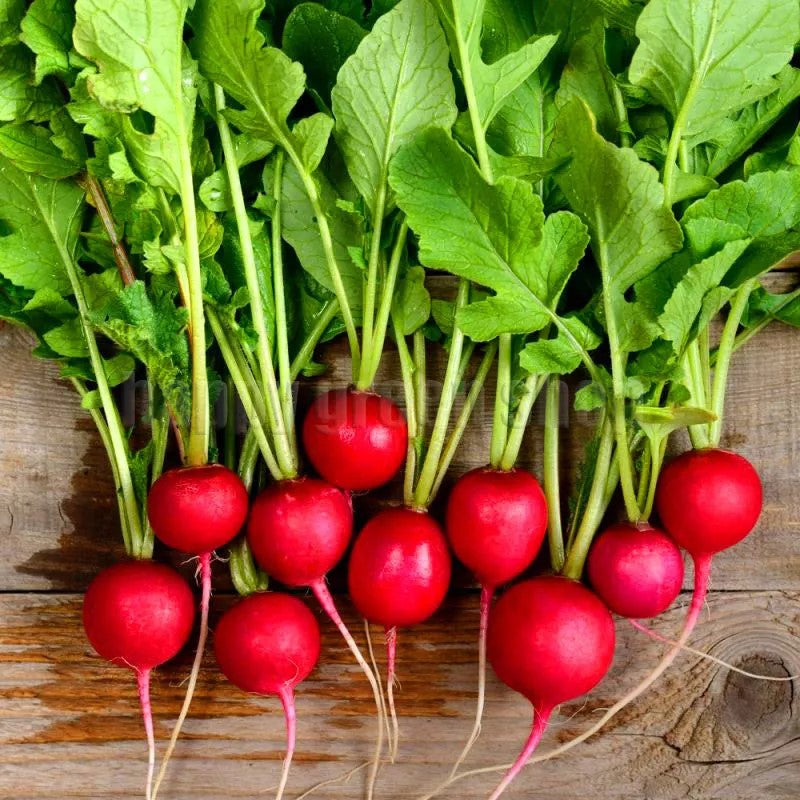
Radish ‘Ria’ – Seeds (Raphanus sativus)
Radish ‘Ria’ is a fast-growing, reliable variety producing uniform round roots with bright red skin and crisp, white flesh. Known for its mild, refreshing flavor, this radish is perfect for quick harvests and fresh salads. It matures rapidly, making it an excellent choice for successional sowing and continuous cropping throughout spring and summer.
How to Grow
-
Sow direct outdoors: March – September in finely prepared soil.
-
Sow thinly in rows, 1 cm deep, leaving 10 cm between rows.
-
Thin seedlings to 2–3 cm apart.
-
Water regularly to avoid woody or split roots.
Key Features
-
Fast-maturing and easy to grow
-
Round, bright red roots with crisp white flesh
-
Mild, refreshing flavor
-
Suitable for successional sowing
-
Perfect for beginner gardeners
Ideal For
-
Fresh salads and snacks
-
Quick harvests in spring and summer
-
Container growing or open ground
Sowing & Harvest
-
Sow: March – September
-
Harvest: April – October (as little as 3–4 weeks after sowing)
Quick Tip
Sow little and often for a steady supply of tender radishes all season.



Hyacinth Bean – Seeds
(Dolichos lablab)
Hyacinth Bean is a fast-growing climber that brings striking ornamental value with its purple-tinged stems, lush foliage, and clusters of lilac-purple flowers followed by eye-catching, glossy pods. Perfect for creating quick vertical coverage, it adds vibrant color and an exotic touch to fences, arches, or trellises throughout summer.
Key Features
-
Type: Tender annual climber
-
Height: 200–300 cm
-
Spread: 60–90 cm
-
Flowering: July–October
-
Position: Full sun
-
Soil: Well-drained, fertile soil
Ideal For
-
Trellises and arches
-
Vertical screens and fences
-
Exotic-themed gardens
-
Attracting bees and butterflies
Sowing & Growing
-
Sow indoors: March–April at 18–22°C
-
Germination: 7–14 days
-
Harden off and plant out after frost, spacing 30–45 cm
-
Provide sturdy support for climbing

Cucurbita pepo ‘Early Summer Crookneck’ – Classic Early Summer Squash with Tender Yellow Fruits
‘Early Summer Crookneck’ is a traditional summer squash variety valued for its bright yellow fruits with a distinctive curved neck and smooth to lightly textured skin. Harvested young, the squash has tender, mild-flavoured flesh, ideal for sautéing, grilling, roasting and stuffing. This variety is early to mature, highly productive, and dependable in warm conditions, making it a staple for home gardens and allotments.
Key Features
● Early-maturing summer squash variety
● Bright yellow fruits with characteristic curved neck
● Best harvested young for tender texture
● High-yielding and reliable producer
● Excellent for a wide range of culinary uses
How to Sow & Grow Squash ‘Early Summer Crookneck’ (UK)
Sow indoors: IV (April)
Transplant outdoors: V–VI (May–June) after last frost
Direct outdoors: V–VI (May–June) once soil is warm
Harvest: VI–IX (June–September)
Life cycle: Annual
Germination temperature: 18–24 °C (64–75 °F)
Average germ time: 7–10 days
Depth: 2–3 cm (1 in)
Light required: Yes
Moisture: Regular watering, especially during fruiting
Environment: Full sun
Soil type: Fertile, well-drained soil rich in organic matter
Plant spacing: 80–100 cm (2.5–3 ft)
Growth habit: Bush type
Sowing & Growing Tips (variety-specific)
● Harvest fruits at 10–15 cm (4–6 in) for best flavour.
● Pick regularly to encourage continuous production.
● Avoid letting fruits grow oversized, which reduces quality.
● Feed and water consistently during peak growth.
● Bush habit makes plants easy to manage in smaller spaces.
Special Features
● Classic heirloom summer squash
● Fast-growing with extended harvest period
● Ideal for fresh summer cooking
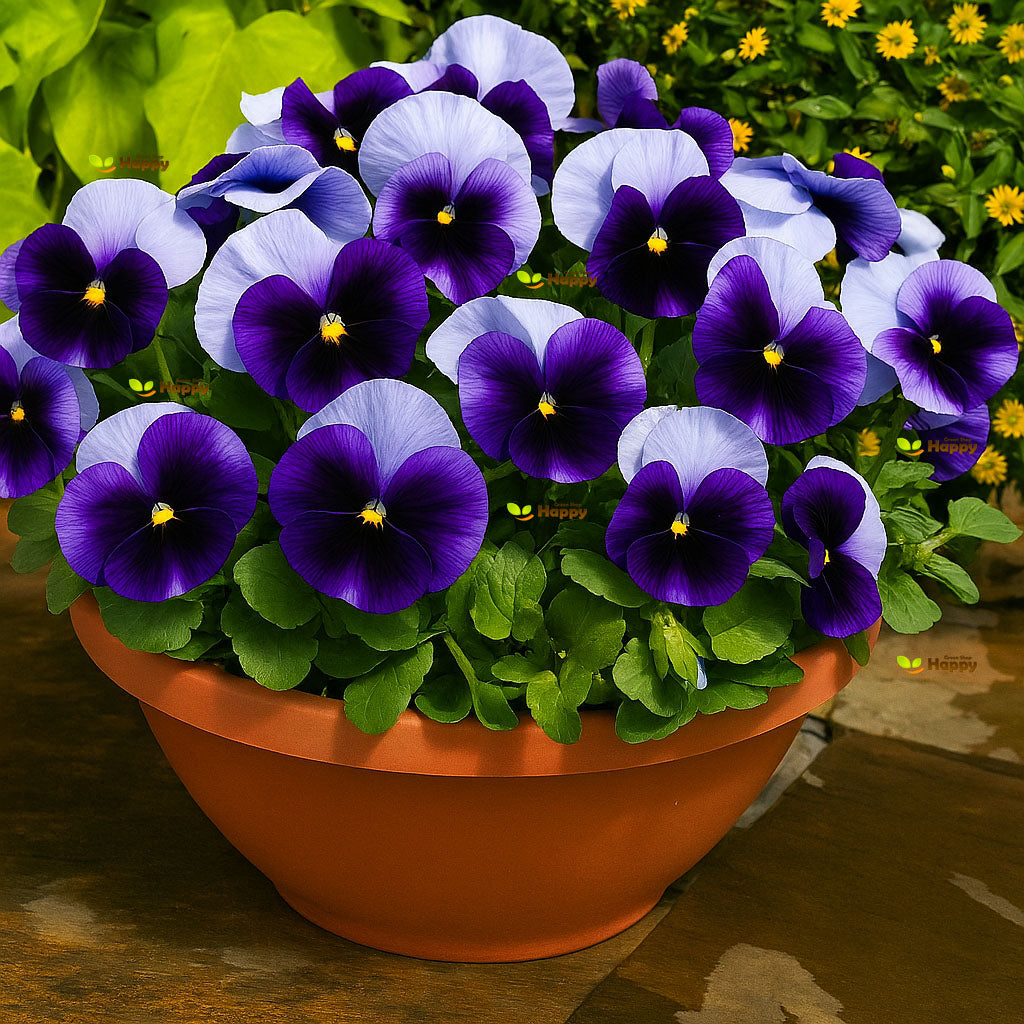
Pansy Swiss Giant ‘Lord Beaconsfield’ – Seeds (Viola wittrockiana)
Pansy Swiss Giant ‘Lord Beaconsfield’ is a hardy, vibrant annual that produces large, bold flowers in striking deep shades of violet, purple, and contrasting faces. Its compact, bushy growth habit makes it perfect for borders, containers, and bedding displays. Long-lasting and easy to grow, these pansies brighten spring and early summer gardens while attracting pollinators.
Why Grow "Lord Beaconsfield"
-
Large, bold flowers in deep violet and purple shades
-
Compact, bushy plants ideal for borders and containers
-
Long-lasting blooms throughout spring and early summer
-
Pollinator-friendly and easy to grow
Key Features
-
Type: Annual (Viola wittrockiana)
-
Height: 20–25 cm
-
Flowering: Spring to early summer
-
Position: Full sun to partial shade
-
Uses: Borders, containers, bedding displays, window boxes
Ideal For
-
Adding bold color to borders and beds
-
Container and patio planting
-
Window boxes and edging displays
-
Gardeners seeking hardy, long-flowering, easy-care plants
Sowing & Growing
-
Sow indoors: January–March at 15–20°C
-
Sow outdoors: After frost danger has passed
-
Germination: 10–14 days
-
Space seedlings: 20–25 cm apart
-
Prefers well-drained soil and full sun to partial shade

🥬 Brassica oleracea Capitata Group ‘Greyhound’ – Early Summer Cabbage
‘Greyhound’ is a reliable, fast-maturing early cabbage variety producing compact, pointed heads with crisp, tender leaves. Known for its excellent flavour and uniform shape, it is ideal for fresh use, steaming or light cooking.
This vigorous and dependable variety is perfect for early harvests and performs well in UK conditions, making it a favourite among home gardeners.
Key Features
● Early-maturing pointed cabbage
● Compact, dense heads
● Mild, tender flavour
● Reliable and uniform growth
● Ideal for fresh summer harvests
How to Sow & Grow Cabbage ‘Greyhound’ (UK)
Sow indoors: II–III (February–March)
Transplant outdoors: III–IV (March–April)
Sow directly outdoors: III–IV (March–April)
Harvest: VI–VIII (June–August)
Life cycle: Biennial (grown as annual vegetable crop)
Germination temperature: 15–20 °C (59–68 °F)
Average germ time: 7–14 days
Depth: 1 cm (½ in)
Light required: Yes
Moisture: Keep soil consistently moist
Environment: Full sun
Soil type: Firm, fertile soil enriched with organic matter
Plant spacing: 30–40 cm (12–16 in)
Height: 30–45 cm (12–18 in)
Growth habit: Compact, pointed head
Sowing & Growing Tips (variety-specific)
● Firm soil around plants to support solid head formation.
● Water regularly during dry periods to prevent splitting.
● Protect young plants from cabbage white butterflies with netting.
● Feed with a nitrogen-rich fertiliser during early growth.
● Harvest promptly once heads are firm and well formed.

🎃 Cucurbita maxima ‘Pacific Giant’ – Exhibition Giant Pumpkin for Extreme Size
‘Pacific Giant’ is a classic giant pumpkin variety bred specifically for producing exceptionally large fruits, making it a popular choice for exhibitions, competitions and growers aiming for maximum size. With vigorous growth and long trailing vines, this variety is capable of producing massive pumpkins when given rich soil, ample space and consistent feeding.
The fruits are typically large, round to slightly flattened, with a smooth orange rind. While mainly grown for size rather than flavour, ‘Pacific Giant’ is an impressive centrepiece in the garden and a favourite among competitive growers.
Key Features
● Giant pumpkin variety bred for extreme size
● Ideal for shows, competitions and exhibitions
● Very vigorous growth with long trailing vines
● Large, round to flattened fruits
● Requires space, feeding and regular watering
How to Sow & Grow Pumpkin ‘Pacific Giant’ (UK)
Sow indoors: IV (April)
Transplant outdoors: V–VI (May–June) after last frost
Direct outdoors: V–VI (May–June) once soil is warm
Harvest: IX–X (September–October)
Life cycle: Annual
Germination temperature: 20–25 °C (68–77 °F)
Average germ time: 7–10 days
Depth: 2–3 cm (1 in)
Light required: Yes
Moisture: Heavy, regular watering
Environment: Full sun
Soil type: Very fertile, deep soil rich in organic matter
Plant spacing: 120–150 cm (4–5 ft)
Growth habit: Long trailing vines
Sowing & Growing Tips (variety-specific)
● Prepare soil with plenty of compost or well-rotted manure.
● Allow only 1–2 fruits per plant to maximise size.
● Feed regularly with a high-potassium fertiliser during fruit development.
● Turn fruits gently during growth to improve shape.
● Lift fruits onto straw or boards to prevent rot.
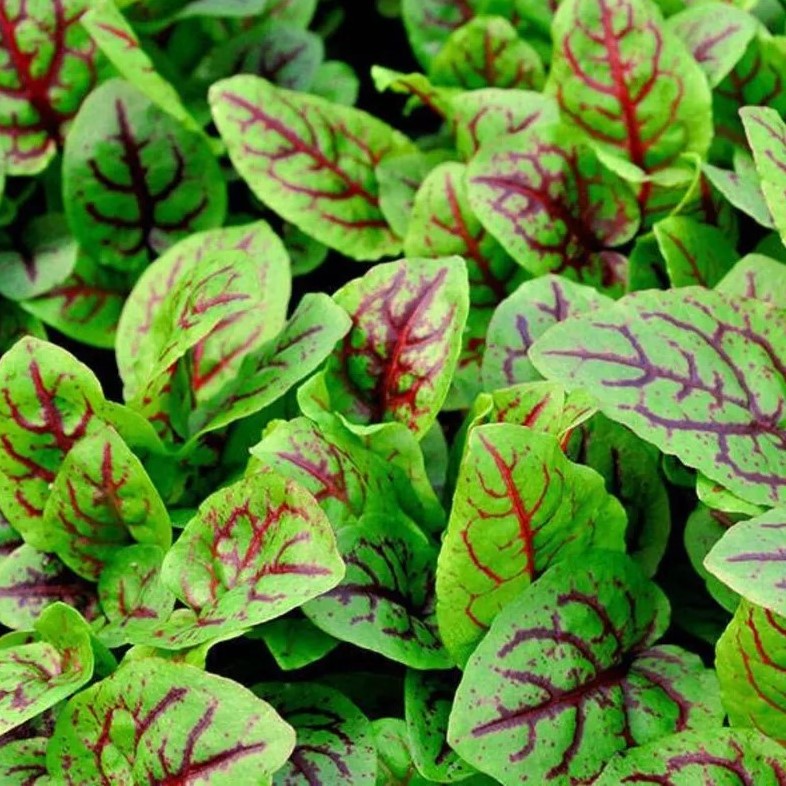
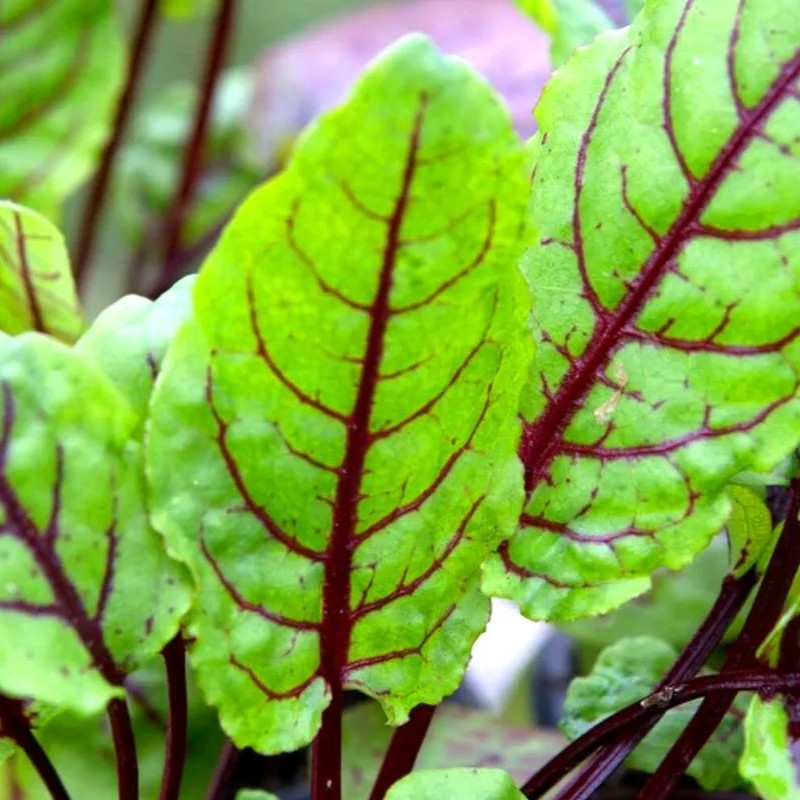
Sorrel 'Bloody Dock' – Seeds (Rumex sanguineus)
Sorrel 'Bloody Dock' is a striking perennial herb known for its vibrant red-veined leaves and tangy, lemony flavor. Perfect for salads, soups, sauces, and garnishes, it adds both visual appeal and a refreshing zest to culinary creations.
Easy to grow and hardy, this variety thrives in garden beds, borders, or containers, providing both ornamental beauty and flavorful leaves throughout the growing season.
How to Grow
-
Sow outdoors: March – June
-
Plant spacing: 20–25 cm between plants
-
Position: Full sun to partial shade
-
Soil: Moist, fertile, well-drained soil
-
Care: Water regularly; remove older leaves to encourage new growth
Key Features
-
Perennial herb with striking red-veined leaves
-
Tangy, lemony flavor perfect for salads, soups, and sauces
-
Hardy and easy to grow
-
Suitable for garden beds, borders, or containers
-
Adds both ornamental and culinary value
Harvest
-
Harvesting period: 50–70 days after sowing
-
Pick young leaves regularly for the best flavor and tender texture.
Short Tip
Harvest leaves from the outer edges to encourage continuous growth and maintain vibrant color.
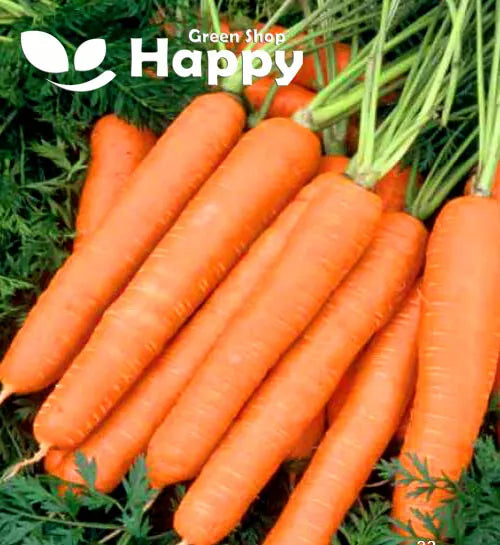
Carrot ‘Naomi’ Nantes Type Seeds (Daucus carota)
Enjoy sweet, tender carrots with Carrot ‘Naomi’ (Daucus carota), a classic Nantes type. This reliable variety produces uniform, cylindrical roots with smooth skin and excellent flavor, perfect for fresh eating, juicing, or cooking. Early-maturing and easy to grow, it’s an ideal choice for home gardens, raised beds, and allotments.
How to Grow
-
Sow seeds directly outdoors from early spring to midsummer.
-
Use fertile, stone-free, well-drained soil in full sun.
-
Sow seeds 1 cm deep in rows, spacing seedlings 5–8 cm apart.
-
Keep soil consistently moist for even germination (10–14 days).
-
Harvest roots when they reach 15–18 cm in length for best flavor and texture.
Key Features
-
Classic Nantes type with smooth, cylindrical roots
-
Sweet flavor and tender texture
-
Early-maturing and uniform growth
-
Excellent for fresh eating, juicing, and cooking
-
Reliable and easy to grow in most soils
Ideal For
-
Vegetable gardens, raised beds, and allotments
-
Fresh eating, juicing, cooking, and freezing
-
Continuous harvests with succession sowing
-
Gardeners of all levels
Sowing
-
Best time: Early spring to midsummer outdoors
-
Depth: 1 cm
-
Spacing: Thin to 5–8 cm apart
-
Prefers full sun and fertile, well-drained soil
Quick Tip
-
Sow in succession every 3 weeks to enjoy a continuous supply of sweet, tender carrots.
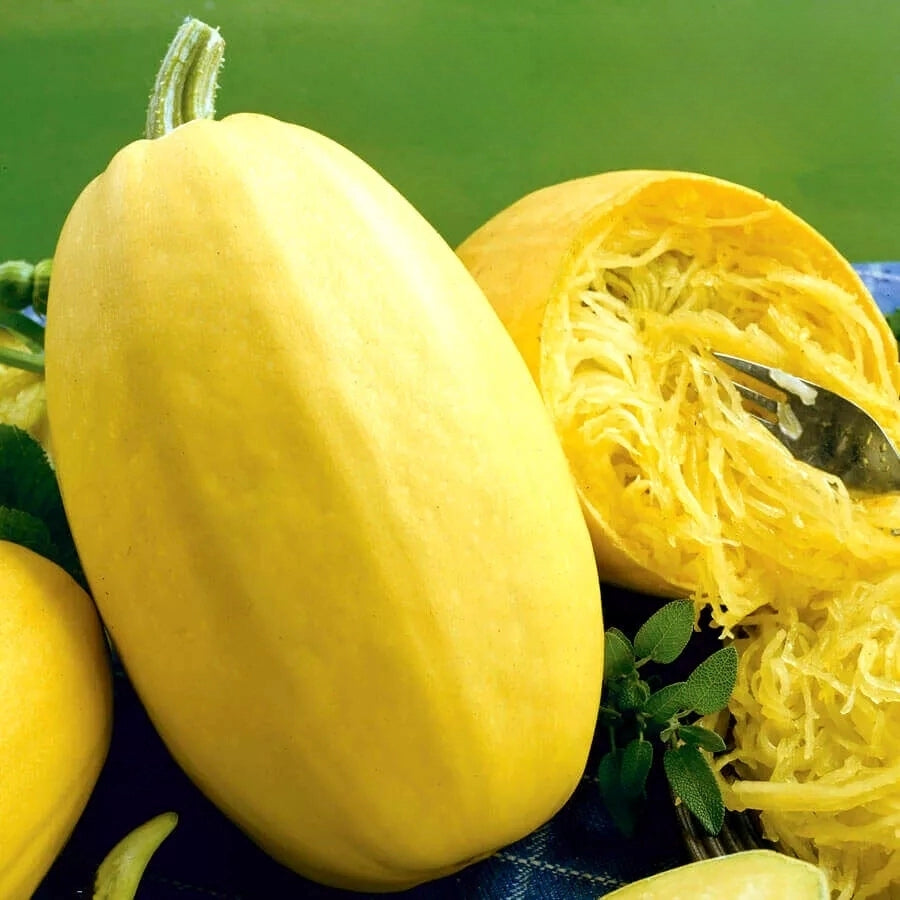
Squash ‘Spaghetti’ Seeds (Cucurbita pepo)
Grow unique, versatile vegetables with Squash ‘Spaghetti’ (Cucurbita pepo). This climbing variety produces medium-sized, oblong fruits with pale yellow skin and stringy flesh that separates into spaghetti-like strands when cooked. Perfect for healthy, low-carb meals, it’s easy to grow in home gardens, allotments, or large containers.
How to Grow
-
Sow seeds indoors 3–4 weeks before the last frost or directly outdoors after frost risk has passed.
-
Use fertile, well-drained soil in full sun.
-
Sow seeds 2–3 cm deep and thin seedlings to 90–120 cm apart.
-
Provide support or allow vines to spread; water consistently.
-
Harvest fruits when skin is hard, fully colored, and seeds are mature.
Key Features
-
Medium-sized, oblong fruits with stringy, spaghetti-like flesh
-
Unique and versatile for healthy cooking
-
Easy to grow and highly productive
-
Ideal for home gardens, allotments, or large containers
-
Distinctive low-carb vegetable for culinary use
Ideal For
-
Fresh cooking, roasting, and low-carb meals
-
Vegetable gardens, raised beds, and allotments
-
Large containers or trellis-supported vines
-
Family-friendly gardening and homegrown produce
Sowing
-
Best time: 3–4 weeks before last frost indoors or after frost outdoors
-
Depth: 2–3 cm
-
Spacing: 90–120 cm apart
-
Prefers full sun and fertile, well-drained soil
Quick Tip
-
Harvest when fully mature and allow to cool; the flesh separates easily into spaghetti-like strands when cooked.
Showing 162/233