
Sort by:
233 products
233 products

Cucumber 'Gherkin' F1 Seeds (Cucumis sativus)
Enjoy crisp, crunchy harvests with Cucumber 'Gherkin' F1, a high-yielding hybrid variety bred for pickling and fresh eating. Producing small, uniform cucumbers with tender skins and excellent flavor, this vigorous plant is perfect for jars of homemade pickles or snacking straight from the vine. Reliable and easy to grow, it’s a garden favorite for beginners and experts alike.
How to Grow
-
Sow indoors in late spring or directly outdoors after frost.
-
Prefers rich, well-drained soil in a sunny, sheltered spot.
-
Sow 1–2 cm deep in small pots or stations outdoors.
-
Transplant or thin to 30–40 cm apart.
-
Train plants vertically for best yield and airflow.
Key Features
-
F1 hybrid gherkin cucumber with uniform fruits
-
Crunchy, tender texture and excellent flavor
-
Perfect for pickling and fresh snacking
-
Heavy cropping and disease resistant
-
Suitable for outdoor beds, greenhouses, or containers
Ideal For
-
Homemade pickles and preserves
-
Fresh salads and snacks
-
Small gardens, patios, and greenhouses
-
Gardeners seeking reliable high yields
Sowing
-
Best time: Late spring to early summer
-
Depth: 1–2 cm
-
Spacing: 30–40 cm between plants
-
Requires fertile, moist but well-drained soil in full sun
Quick Tip
-
Pick fruits regularly when young to encourage continuous production.
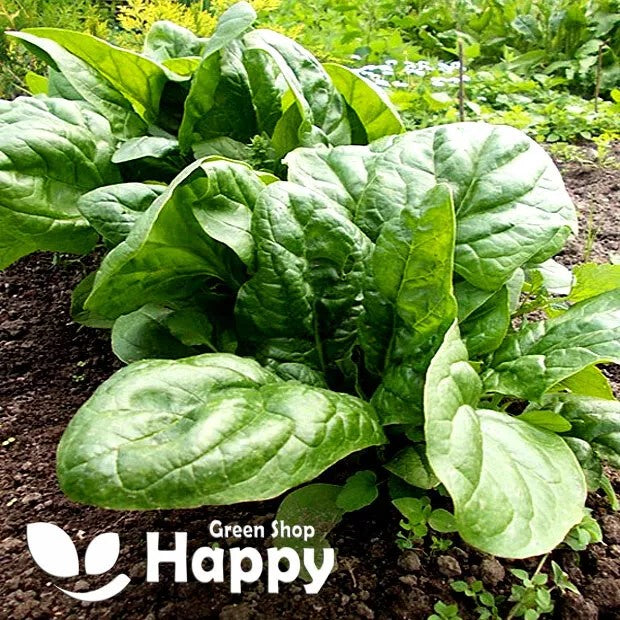
Spinach 'Matador' – Seeds
(Spinacia oleracea) – Fast-Growing, Productive Variety
Spinach 'Matador' is a vigorous and reliable variety producing large, dark green, smooth leaves with a tender texture and rich flavor. It is well-suited for both spring and autumn sowings, offering multiple harvests of vitamin-rich leaves. This cold-hardy variety is slow to bolt, making it a favorite for home gardeners and kitchen use.
Key Features
-
Type: Leafy annual vegetable
-
Height: 20–30 cm
-
Leaves: Large, smooth, dark green, tender
-
Flavor: Mild, rich, and slightly sweet
-
Harvest: 40–50 days after sowing
-
Special: Good resistance to bolting
Ideal For
-
Fresh salads, smoothies, and juicing
-
Steaming, sautéing, and soups
-
Continuous cut-and-come-again harvest
-
Home gardens, allotments, and pots
Sowing & Growing
-
Sow outdoors: March–May and August–September
-
Spacing: 20–30 cm between rows; thin to 10 cm between plants
-
Soil: Fertile, moist, well-drained soil
-
Sunlight: Full sun or partial shade
-
Watering: Keep soil consistently moist to avoid bolting
Care Tips
-
Harvest young leaves regularly for best taste.
-
Provide light shade in hot summers.
-
Mulch to keep soil cool and retain moisture.
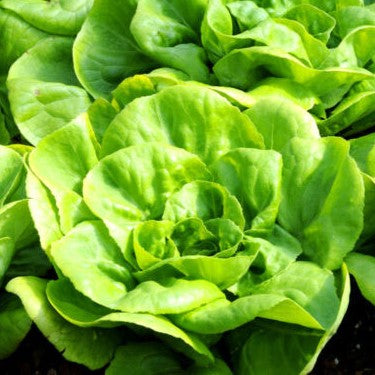
Butterhead Lettuce ‘All Year Round’ Seeds (Lactuca sativa)
Enjoy fresh, tender salad leaves throughout the season with Butterhead Lettuce ‘All Year Round’ (Lactuca sativa). This versatile variety produces soft, buttery-textured leaves with a mild flavor, perfect for salads, sandwiches, and garnishes. Easy to grow and quick to mature, it thrives in both outdoor and greenhouse conditions.
How to Grow
-
Sow seeds directly outdoors from early spring to late summer or indoors for transplanting.
-
Use fertile, well-drained soil in full sun to partial shade.
-
Sow seeds thinly, cover lightly with soil, and keep moist until germination (7–14 days).
-
Thin seedlings to 20–25 cm apart for healthy growth.
-
Harvest outer leaves regularly or cut the whole head when mature.
Key Features
-
Tender, buttery-textured leaves with mild flavor
-
Quick-growing and versatile variety
-
Suitable for outdoor and greenhouse cultivation
-
Ideal for continuous harvest throughout the season
-
Easy to grow and maintain
Ideal For
-
Fresh salads, sandwiches, and garnishes
-
Kitchen gardens and raised beds
-
Continuous harvest in outdoor or protected environments
-
Pollinator-friendly garden spaces
Sowing
-
Best time: Early spring to late summer outdoors or indoors for transplanting
-
Germination: 7–14 days
-
Sow thinly, cover lightly, keep soil moist
-
Prefers full sun to partial shade and fertile, well-drained soil
Quick Tip
-
Sow in successive batches every 2–3 weeks for a continuous supply of tender leaves.
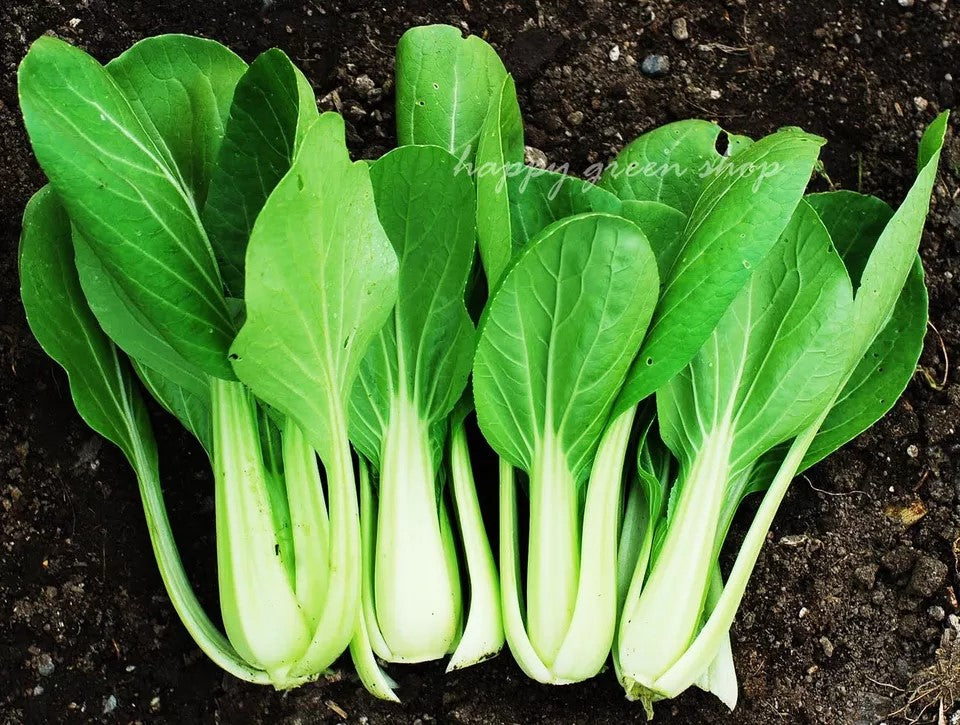
Chinese Cabbage ‘Pak Choi’ Seeds (Brassica oleracea)
Add fresh crunch to your kitchen garden with Chinese Cabbage ‘Pak Choi’ (Brassica oleracea). This fast-growing Asian green produces crisp white stems and tender, glossy green leaves with a mild, sweet flavor. Delicious in stir-fries, soups, and salads, Pak Choi is versatile, nutritious, and easy to grow in beds, borders, or containers.
How to Grow
-
Sow seeds indoors from early spring or directly outdoors from spring to late summer.
-
Use fertile, moist, well-drained soil in full sun or partial shade.
-
Sow seeds 1 cm deep and thin seedlings to 20–25 cm apart.
-
Keep soil consistently moist to prevent bolting.
-
Harvest young leaves as cut-and-come-again or allow plants to mature for full heads.
Key Features
-
Crisp white stems with tender, green leaves
-
Mild, sweet flavor with high nutritional value
-
Fast-growing and productive crop
-
Excellent for stir-fries, soups, and fresh salads
-
Thrives in gardens, raised beds, and containers
Ideal For
-
Stir-fries, soups, and salads
-
Cut-and-come-again harvesting or full heads
-
Home gardens, allotments, and container growing
-
Quick, healthy crops for continuous harvest
Sowing
-
Best time: Spring to late summer
-
Depth: 1 cm
-
Spacing: 20–25 cm apart
-
Prefers full sun or partial shade, fertile and moist soil
Quick Tip
-
Sow in succession every few weeks for a steady supply of fresh, crunchy Pak Choi.

Tomato Trailing 'Gardenperle' Seeds (Solanum lycopersicum)
Add a cascade of flavor and color to your garden with Tomato 'Gardenperle', a trailing cherry tomato variety perfect for hanging baskets, pots, and containers. Producing abundant clusters of small, sweet, red fruits all season long, this compact plant is a delight for fresh snacking, salads, and garnishes. Easy to grow and highly ornamental, it’s an excellent choice for small spaces and patio gardens.
How to Grow
-
Sow indoors 6–8 weeks before the last frost.
-
Transplant outdoors or into large containers after frost has passed.
-
Plant in full sun with fertile, well-drained soil.
-
Sow 0.5 cm deep and space plants 30–40 cm apart.
-
Provide regular watering and feed for maximum yield.
Key Features
-
Trailing cherry tomato variety
-
Sweet, bite-sized red fruits
-
Perfect for hanging baskets and pots
-
Compact and ornamental growth habit
-
Heavy cropping throughout summer
Ideal For
-
Patio and balcony gardens
-
Hanging baskets and window boxes
-
Fresh snacking and salads
-
Gardeners with limited space
Sowing
-
Best time: Indoors in early spring
-
Depth: 0.5 cm
-
Spacing: 30–40 cm apart
-
Prefers sunny, sheltered spots with fertile soil
Quick Tip
-
Pinch out side shoots sparingly; allow natural trailing for maximum cascading effect.


Lemon Balm – Seeds (Melissa officinalis)
Lemon Balm is a hardy perennial herb valued for its refreshing lemon-scented leaves. Perfect for teas, desserts, and savory dishes, it also makes a soothing herbal remedy often used to promote relaxation. Its fragrant foliage attracts bees and pollinators, while its resilience makes it an easy-to-grow choice for gardens, pots, or borders.
How to Grow
-
Sow indoors: March – May in trays at 18–20°C.
-
Sow outdoors: May – July in a sunny or lightly shaded spot.
-
Thin or transplant seedlings to 30 cm apart.
-
Prefers fertile, well-drained soil.
-
Cut back after flowering to encourage fresh growth.
Key Features
-
Hardy perennial with refreshing lemon scent
-
Aromatic leaves for teas, salads, and cooking
-
Excellent for herbal remedies and relaxation
-
Attracts bees and pollinators
-
Easy to grow in borders or containers
Ideal For
-
Herbal teas and drinks
-
Culinary use in sweet and savory dishes
-
Herb gardens, borders, and patio pots
Sowing & Harvest
-
Sow: March – July
-
Harvest: May – October
Quick Tip
Pick leaves early in the morning for the best flavor and fragrance.
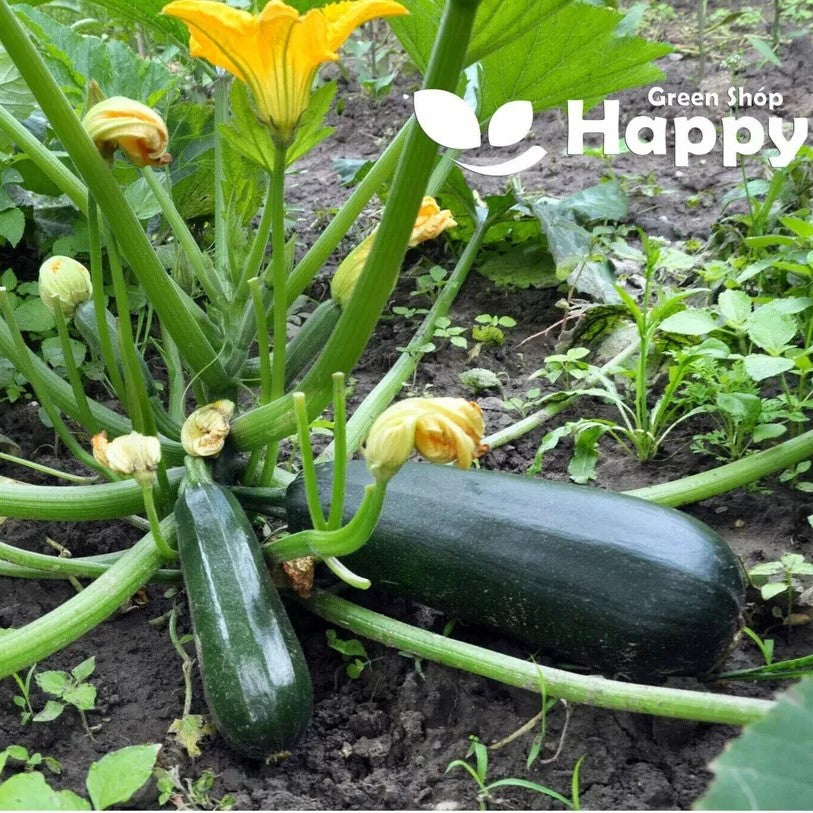
Courgette 'Black Beauty' Seeds (Cucurbita pepo)
A garden favorite for generations, Courgette 'Black Beauty' is a classic variety that produces glossy, dark green fruits with tender flesh and a mild, rich flavor. Prolific and reliable, this courgette will keep producing throughout summer if harvested regularly. Perfect for grilling, roasting, stir-fries, and even baking, it’s a versatile addition to both the garden and the kitchen.
How to Grow
-
Sow indoors from April to May or directly outdoors after frost.
-
Prefers fertile, well-drained soil in a sunny, sheltered position.
-
Sow 2–3 seeds 2 cm deep in pots or stations, thinning to the strongest plant.
-
Space plants 60–80 cm apart to allow room for growth.
-
Keep soil moist and harvest regularly to encourage continuous cropping.
Key Features
-
Classic, reliable courgette variety
-
Glossy dark green fruits with tender flesh
-
Heavy cropper throughout summer
-
Excellent flavor for cooking or eating fresh
-
Easy to grow and very productive
Ideal For
-
Home gardeners and allotments
-
Fresh summer cooking and preserving
-
Raised beds, kitchen gardens, and larger pots
-
Garden-to-table recipes all season long
Sowing
-
Best time: April to June
-
Depth: 2 cm
-
Spacing: 60–80 cm between plants
-
Position: Sunny, fertile soil
-
Harvest: July to September
Quick Tip
-
Pick courgettes while young (10–15 cm long) for the best flavor and to keep plants producing abundantly.
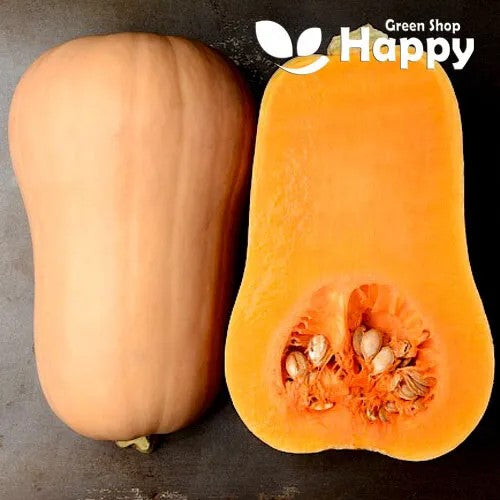
Squash 'Waltham Butternut' Seeds (Cucurbita moschata)
A true garden favorite, Squash 'Waltham Butternut' is a reliable heirloom variety producing pear-shaped fruits with smooth, creamy-orange skin and sweet, nutty flesh. This vigorous plant yields consistently, storing well for months after harvest, making it a staple for soups, roasting, and winter meals.
How to Grow
-
Sow indoors in late spring or directly outdoors after frost.
-
Use fertile, well-drained soil in a sunny, sheltered position.
-
Sow 2–3 seeds per station, 2.5 cm deep, spacing 90–100 cm apart.
-
Thin to the strongest seedling per station.
-
Harvest when fruits turn golden-tan and stems begin to dry.
Key Features
-
Classic butternut squash with pear-shaped fruits
-
Sweet, nutty orange flesh
-
Excellent storage quality for winter use
-
Heavy cropping, vigorous plants
-
Versatile for roasting, soups, and baking
Ideal For
-
Autumn and winter cooking
-
Long-term vegetable storage
-
Home gardens and allotments
-
Nutritious, hearty meals
Sowing
-
Best time: Late spring after frost
-
Depth: 2.5 cm
-
Spacing: 90–100 cm between plants
-
Prefers rich, well-drained soil in full sun
Quick Tip
-
Cure harvested squash in a warm, dry place for 10–14 days to improve sweetness and storage life.
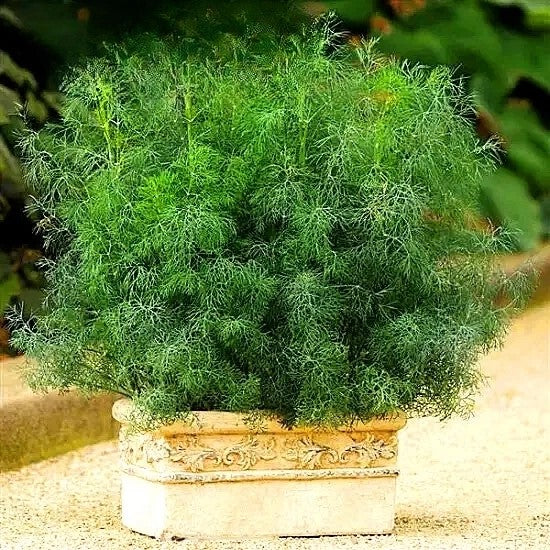
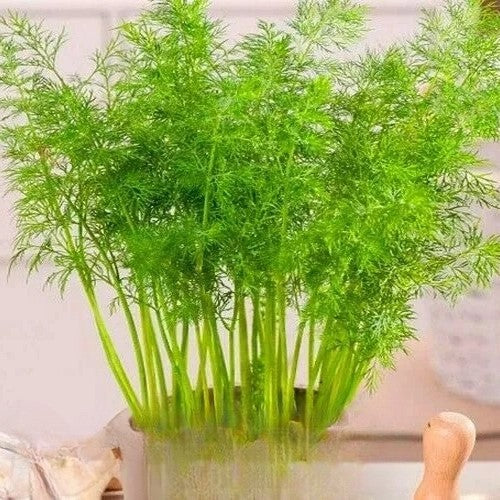
Dwarf Dill 'Forrest' – Seeds
(Anethum graveolens) – Compact, Aromatic Herb
Dwarf Dill 'Forrest' is a compact, slow-bolting variety ideal for small gardens, pots, and window boxes. Its fragrant, feathery leaves are perfect for seasoning salads, soups, pickles, and fish dishes. This variety produces consistent, tender foliage and is easy to grow even in limited space.
Key Features
-
Type: Annual herb
-
Height: Dwarf, 25–35 cm
-
Flavor: Classic aromatic dill, mild and fresh
-
Harvest: Leaf harvest from 40–50 days after sowing
-
Use: Culinary seasoning, pickling, fresh salads
Ideal For
-
Small gardens, balconies, and containers
-
Culinary use in salads, soups, and sauces
-
Companion planting in vegetable beds
-
Homegrown, fresh herb supply
Sowing & Growing
-
Sow outdoors: March–June, thin seedlings to 10–15 cm apart.
-
Sow indoors: February–April, transplant seedlings carefully.
-
Soil: Light, well-drained, moderately fertile.
-
Sunlight: Full sun preferred.
-
Harvest: Cut leaves as needed; avoid cutting entire plants for continuous growth.
Care Tips
-
Keep soil evenly moist for tender leaves.
-
Regular harvesting encourages bushier growth.
-
Protect young plants from strong wind or heavy rain.
Showing 27/233


