
Sort by:
223 products
223 products

Baby Leaf Mixture – Oriental Mix – 1000 Seeds
Description:
Enjoy fresh, flavorful greens with the Baby Leaf Mixture – Oriental Mix, a vibrant blend of fast-growing Asian salad leaves. This mix includes a variety of mild to spicy flavors and colorful textures — typically featuring Mizuna, Pak Choi, Tatsoi, Mustard, and other leafy brassicas. Perfect for cut-and-come-again harvests, this easy-to-grow mix thrives in beds, containers, and window boxes, offering a steady supply of nutritious greens all season long.
Key Features
-
Blend of flavorful Asian baby leaf varieties
-
Fast-growing and suitable for cut-and-come-again harvesting
-
Mild to spicy leaves with diverse textures and colors
-
Rich in vitamins and antioxidants
-
Easy to grow indoors or outdoors
Ideal For
-
Salads, stir-fries, and garnishes
-
Kitchen gardens and raised beds
-
Containers, window boxes, and balcony planters
-
Quick, fresh homegrown harvests
Sowing & Growing
-
Sow Indoors/Under Cover: February–September
-
Sow Outdoors: March–October
-
Germination: 5–10 days at 15–20°C
-
Spacing: Broadcast or thin to 10–15 cm apart
-
Harvest: 3–5 weeks after sowing
-
Light: Full sun or partial shade
-
Soil: Fertile, moist, and well-drained
Care Tips
-
Water regularly to keep soil moist
-
Harvest young leaves for best flavor
-
Re-sow every few weeks for a continuous supply
-
Protect from flea beetles with fine mesh if needed
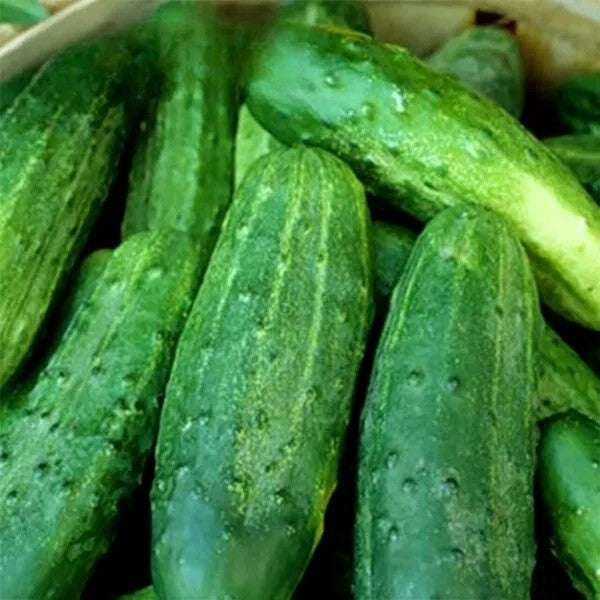
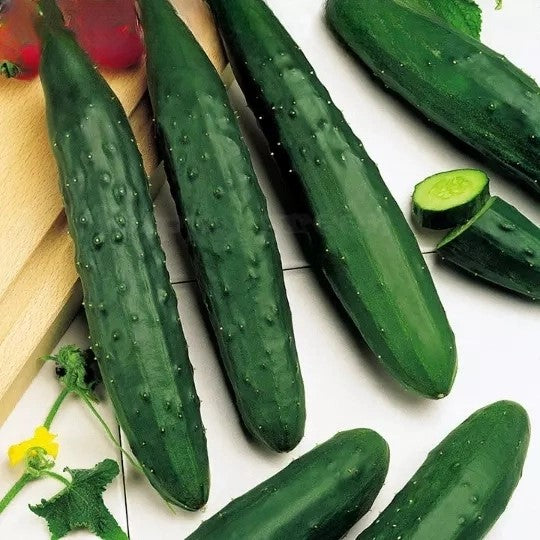
Cucumber 'Marketmore' – Seeds (Cucumis sativus)
Cucumber 'Marketmore' is a classic, reliable outdoor cucumber variety producing dark green, smooth-skinned fruits with crisp texture and excellent flavor. Highly productive and resistant to common diseases, it is perfect for slicing, salads, and fresh eating. Vigorous and easy to grow, ‘Marketmore’ is a favorite among both beginners and experienced gardeners.
How to Grow
-
Sow indoors: April – May in pots or trays.
-
Transplant outdoors: After last frost into a sunny, sheltered spot.
-
Sow direct outdoors: May – June, once soil is warm.
-
Spacing: 45–60 cm apart in rows or beds.
-
Provide regular watering and mulch to keep soil moist.
Key Features
-
Classic slicing cucumber variety
-
Smooth, dark green, uniform fruits
-
Crisp, refreshing flavor
-
Heavy cropping and reliable yields
-
Resistant to common cucumber diseases
Ideal For
-
Outdoor vegetable plots and raised beds
-
Fresh summer salads and sandwiches
-
Gardeners seeking a tried-and-true cucumber variety
Sowing & Harvest
-
Sow: April – June
-
Harvest: July – September
Quick Tip
Pick fruits regularly to encourage continuous production. Avoid letting cucumbers grow too large for the best taste and texture.
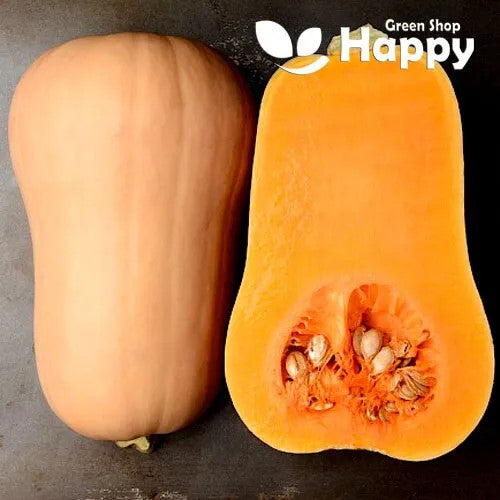
Squash 'Waltham Butternut' Seeds (Cucurbita moschata)
A true garden favorite, Squash 'Waltham Butternut' is a reliable heirloom variety producing pear-shaped fruits with smooth, creamy-orange skin and sweet, nutty flesh. This vigorous plant yields consistently, storing well for months after harvest, making it a staple for soups, roasting, and winter meals.
How to Grow
-
Sow indoors in late spring or directly outdoors after frost.
-
Use fertile, well-drained soil in a sunny, sheltered position.
-
Sow 2–3 seeds per station, 2.5 cm deep, spacing 90–100 cm apart.
-
Thin to the strongest seedling per station.
-
Harvest when fruits turn golden-tan and stems begin to dry.
Key Features
-
Classic butternut squash with pear-shaped fruits
-
Sweet, nutty orange flesh
-
Excellent storage quality for winter use
-
Heavy cropping, vigorous plants
-
Versatile for roasting, soups, and baking
Ideal For
-
Autumn and winter cooking
-
Long-term vegetable storage
-
Home gardens and allotments
-
Nutritious, hearty meals
Sowing
-
Best time: Late spring after frost
-
Depth: 2.5 cm
-
Spacing: 90–100 cm between plants
-
Prefers rich, well-drained soil in full sun
Quick Tip
-
Cure harvested squash in a warm, dry place for 10–14 days to improve sweetness and storage life.
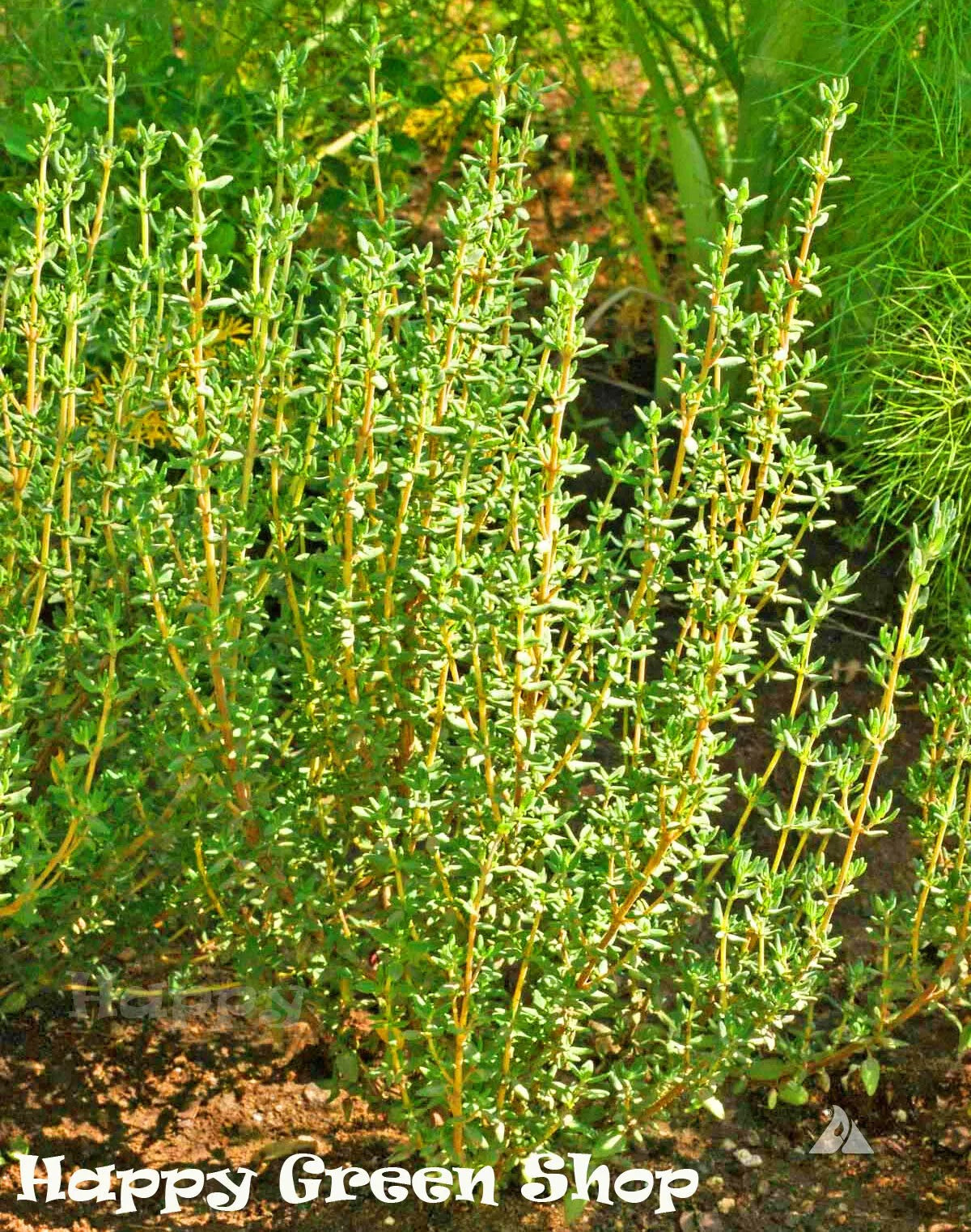
Thymus vulgaris 'Winter Thyme' is a hardy, aromatic perennial herb producing small, intensely fragrant leaves on compact, woody stems. Its classic savoury thyme flavour is particularly valuable in the kitchen, where the leaves can be used fresh or dried to season roasted vegetables, meats, soups, sauces, stuffings and Mediterranean dishes.
Naturally adapted to sunny, dry conditions, Winter Thyme develops into a compact evergreen sub-shrub that can provide aromatic foliage throughout much of the year. It is excellent for herb gardens, containers, raised beds and dry Mediterranean-style planting, while its small summer flowers provide a useful nectar source for bees and other pollinating insects.
● Strong, classic thyme aroma and savoury flavour
● Leaves can be harvested fresh or dried for later use
● Hardy perennial returning year after year
● Evergreen aromatic foliage provides year-round garden interest
● Nectar-rich flowers are valuable to bees and other pollinators
● Kitchen herb gardens
● Patio containers
● Raised beds
● Mediterranean-style planting
● Dry and sunny garden areas
● Surface sow the tiny seeds and do not cover them with compost, as thyme requires light for successful germination.
● Avoid overwatering seedlings; thyme is particularly vulnerable to damping-off when young and performs much better in free-draining compost.
● Do not enrich the soil heavily. Thyme naturally performs well in relatively lean, free-draining conditions, while excessive fertility can encourage softer growth.
● Harvest leafy shoots before or around the beginning of flowering when growing primarily for culinary use, and dry surplus stems for winter use.
● Good winter drainage is more important than rich soil or frequent watering; avoid waterlogged ground, particularly during cold UK winters.

Black-eyed Susan Mix – Seeds
(Thunbergia alata)
Black-eyed Susan Vine (Thunbergia alata) is a fast-growing climber with masses of cheerful, brightly colored blooms in shades of yellow, orange, and cream, each with a characteristic dark center. Perfect for adding a splash of long-lasting color, this mix thrives on trellises, fences, or hanging baskets, creating a vibrant display all summer long.
Why Grow Black-eyed Susan Mix?
-
Free-flowering climber with vivid blooms
-
Long season of color from summer to frost
-
Easy to grow and fast covering
-
Great for both vertical and container gardening
Key Features
-
Type: Annual climber
-
Height: 150–200 cm
-
Flowers: Summer to autumn
-
Position: Full sun or light shade
-
Soil: Fertile, well-drained
Ideal For
-
Covering fences, trellises, and arches
-
Hanging baskets and balcony displays
-
Fast seasonal screening
-
Bright summer color in any garden
Sowing & Growing
-
Sow indoors: February–April in pots/trays at 18–22°C
-
Germination: 14–21 days
-
Transplant: Harden off and plant outside after last frost
-
Outdoor sowing: Late spring in warm soil, directly where plants will climb
-
Support: Provide trellis, netting, or string for climbing habit
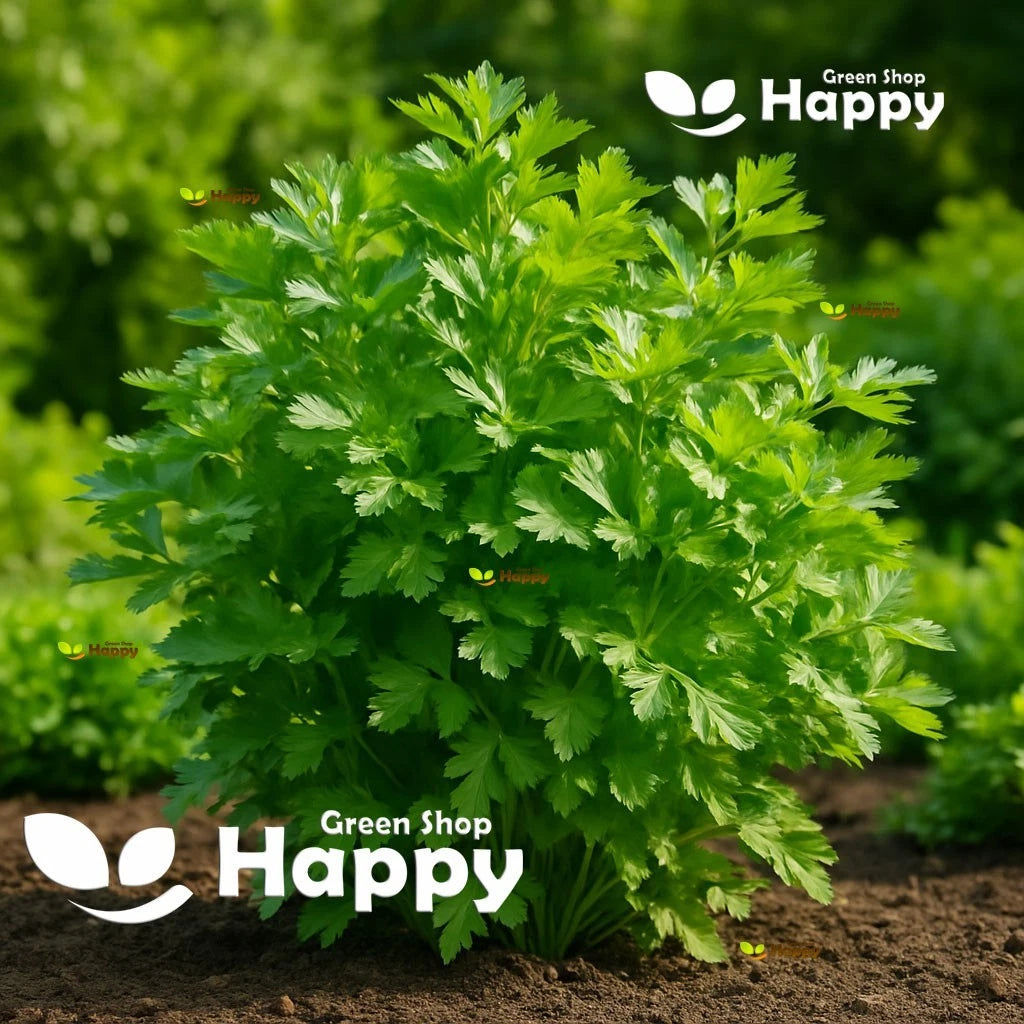
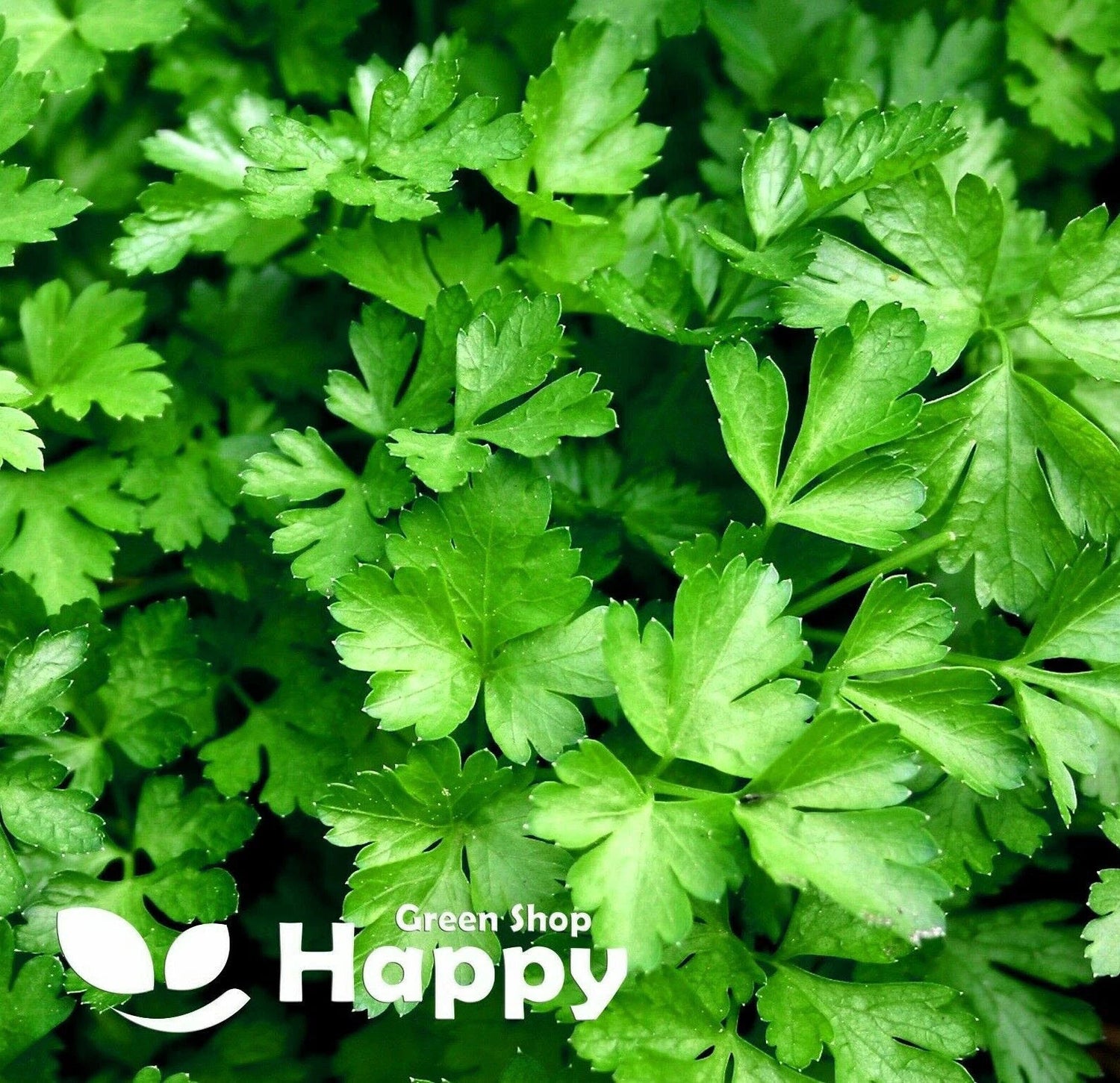
Parsley 'Italian Giant' Seeds (Petroselinum crispum)
Enjoy rich flavor and lush harvests with Parsley 'Italian Giant', a robust flat-leaf variety prized for its strong, aromatic taste and vigorous growth. With large, dark green leaves and a long cutting period, it’s perfect for garnishing, cooking, and seasoning. Easy to grow in the garden or containers, it’s a must-have herb for every kitchen gardener.
How to Grow
-
Sow indoors in early spring or directly outdoors after frost.
-
Use fertile, moist, well-drained soil in sun or partial shade.
-
Sow seeds 0.5 cm deep in rows 25–30 cm apart.
-
Thin seedlings to 20–25 cm apart for strong plants.
-
Harvest regularly to encourage new growth.
Key Features
-
Flat-leaf parsley with strong, aromatic flavor
-
Vigorous, robust growth and large green leaves
-
Long cutting period for continuous harvest
-
Ideal for cooking, garnishing, and seasoning
-
Grows well in beds, pots, and herb gardens
Ideal For
-
Garnishes and fresh salads
-
Cooking and seasoning sauces, soups, and stews
-
Herb gardens and containers
-
Gardeners who want reliable, productive herbs
Sowing
-
Best time: Spring, or indoors earlier
-
Depth: 0.5 cm
-
Spacing: Thin to 20–25 cm apart
-
Prefers moist, fertile, well-drained soil
Quick Tip
-
Soak seeds overnight before sowing to improve germination.
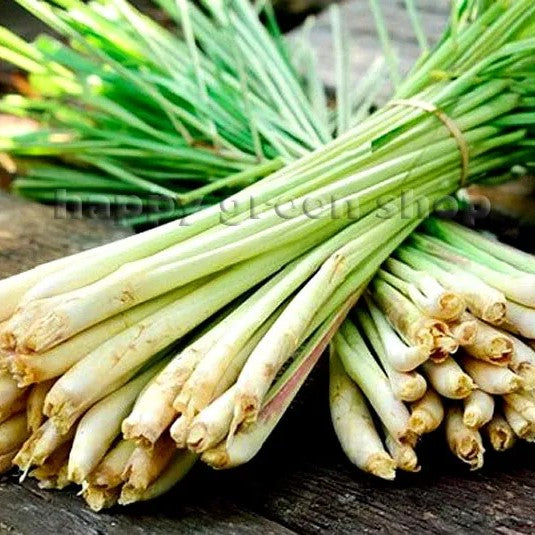
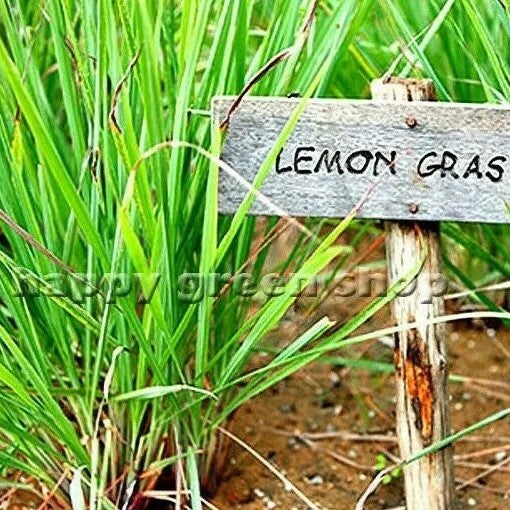
Lemongrass – Seeds (Cymbopogon flexuosus)
Lemongrass is a wonderfully fragrant herb, widely used in Asian cuisine for its fresh citrus flavor. This versatile plant can be grown in containers, kitchen gardens, or even indoors on a sunny windowsill. Both the leaves and stems are edible, perfect for curries, teas, marinades, and stir-fries. An attractive, clump-forming grass, it also adds a decorative touch to herb borders.
How to Grow
-
Sow indoors: February – April in trays or pots of seed compost with gentle heat.
-
Transplant: When seedlings are large enough, pot on or plant outdoors after the last frost.
-
Soil: Fertile, free-draining soil in full sun.
-
Spacing: 30–40 cm apart.
-
Keep soil moist and protect from cold.
Key Features
-
Fragrant herb with citrus aroma
-
Essential for Asian cooking
-
Edible stems and leaves
-
Can be grown in pots, containers, or beds
-
Attractive clump-forming grass
Ideal For
-
Asian-inspired dishes, teas, and marinades
-
Herb gardens, borders, and container growing
-
Indoor growing on sunny windowsills
Sowing & Harvest
-
Sow: February – April
-
Harvest: July – October (leaves and stems when mature)
Quick Tip
For a continuous harvest, cut stalks at the base while leaving the plant to regrow. In cooler climates, grow in pots and overwinter indoors.
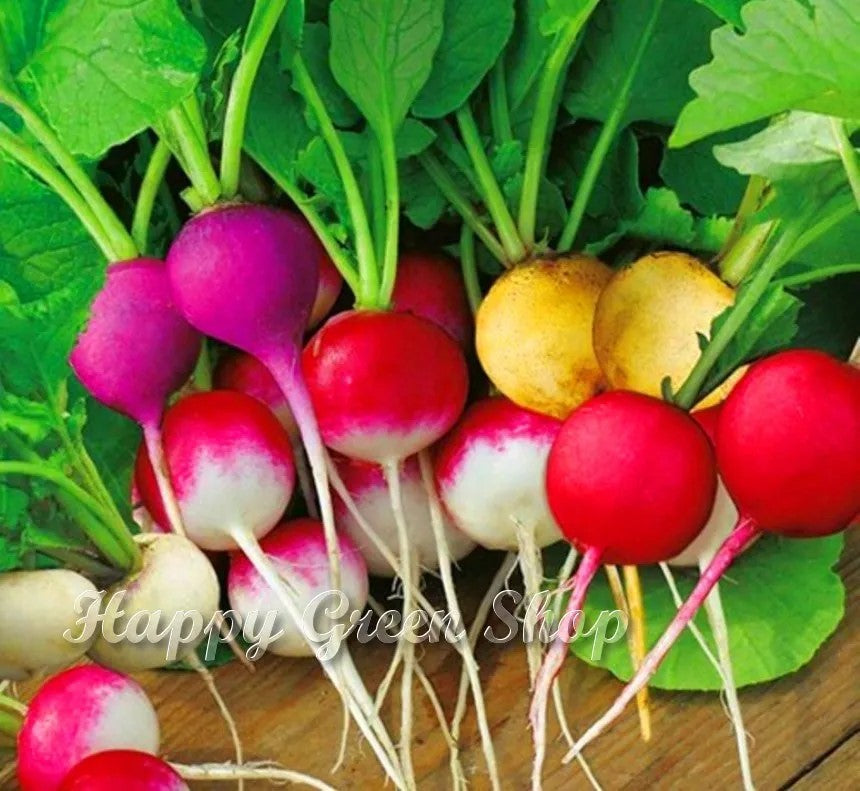
Radish 'Rainbow Mixed' Seeds (Raphanus sativus)
Brighten up your salads with Radish 'Rainbow Mixed', a colorful blend of quick-growing radishes in vibrant shades of red, pink, white, yellow, and purple. Crisp, crunchy, and full of flavor, this mix provides variety in both taste and appearance. Perfect for gardeners who want fast results and a cheerful harvest.
How to Grow
-
Sow directly outdoors from early spring through late summer.
-
Prefers light, well-drained soil in full sun.
-
Sow seeds thinly, 1–1.5 cm deep in rows 15 cm apart.
-
Thin seedlings to 3–5 cm spacing for best roots.
-
Keep soil moist for tender, mild radishes.
Key Features
-
Colorful blend of red, pink, white, yellow, and purple radishes
-
Crisp, crunchy texture with mild to peppery flavor
-
Fast-growing and ready in just a few weeks
-
Adds variety and color to salads and garnishes
-
Suitable for succession sowing for continuous crops
Ideal For
-
Fresh salads, snacks, and garnishes
-
Quick and easy crops for beginners
-
Adding vibrant color to the vegetable patch
-
Continuous harvests through spring and summer
Sowing
-
Best time: March to September
-
Depth: 1–1.5 cm
-
Row spacing: 15 cm
-
Plant spacing: Thin to 3–5 cm
-
Harvest: 3–5 weeks after sowing
Quick Tip
-
Sow little and often for a steady supply of fresh, colorful radishes.

French Spinach - Purple spinach baby leaf - 250 seeds (Atriplex hortensis Orach)
£1.24
Unit price perFrench Spinach - Purple spinach baby leaf - 250 seeds (Atriplex hortensis Orach)
£1.24
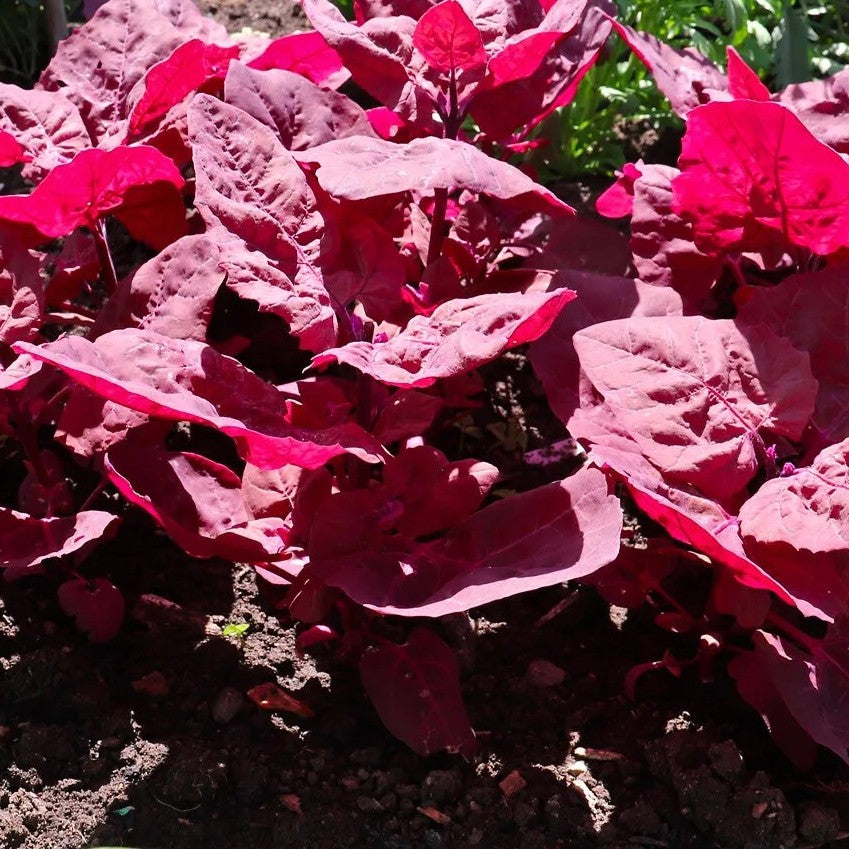
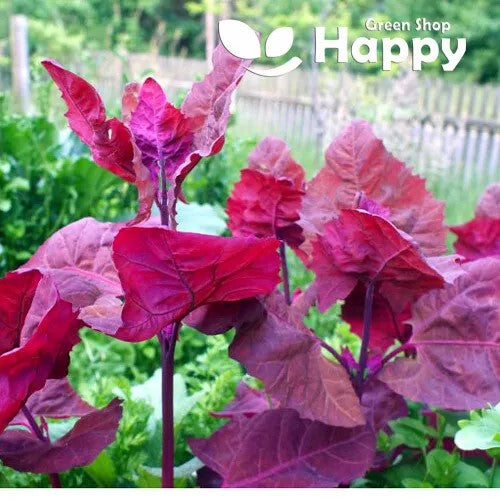
Unit price perFrench Spinach – Purple Spinach Baby Leaf Seeds (Atriplex hortensis, Orach)
Bring color and nutrition to your garden with French Spinach (Atriplex hortensis), also known as Orach. This fast-growing heirloom green produces striking purple-red baby leaves with a mild, spinach-like flavor. Perfect for salads, stir-fries, and garnishes, it’s a fantastic alternative to traditional spinach, especially in warmer weather when spinach tends to bolt. Easy to grow and beautiful in the garden, it’s both ornamental and edible.
How to Grow
-
Sow directly outdoors from spring through summer.
-
Prefers fertile, well-drained soil in sun or partial shade.
-
Sow thinly 1–1.5 cm deep in rows 30 cm apart.
-
Thin seedlings to 20–25 cm for mature plants, or harvest young as baby leaves.
-
Pick regularly to encourage fresh growth.
Key Features
-
Deep purple-red baby leaves with mild spinach flavor
-
Excellent heat tolerance, less prone to bolting
-
Can be harvested young or grown to full size
-
Dual-purpose: edible and ornamental
-
Easy to grow and highly productive
Ideal For
-
Baby leaf salads and gourmet mixes
-
Stir-fries, soups, and steamed greens
-
Gardeners in warm climates
-
Edible landscaping and colorful borders
Sowing
-
Best time: Spring through summer
-
Depth: 1–1.5 cm
-
Spacing: Thin to 20–25 cm apart
-
Grows best in sun or light shade
Quick Tip
-
Harvest young leaves frequently for the best flavor and to keep plants producing longer.
Showing 36/223


