
Sort by:
233 products
233 products
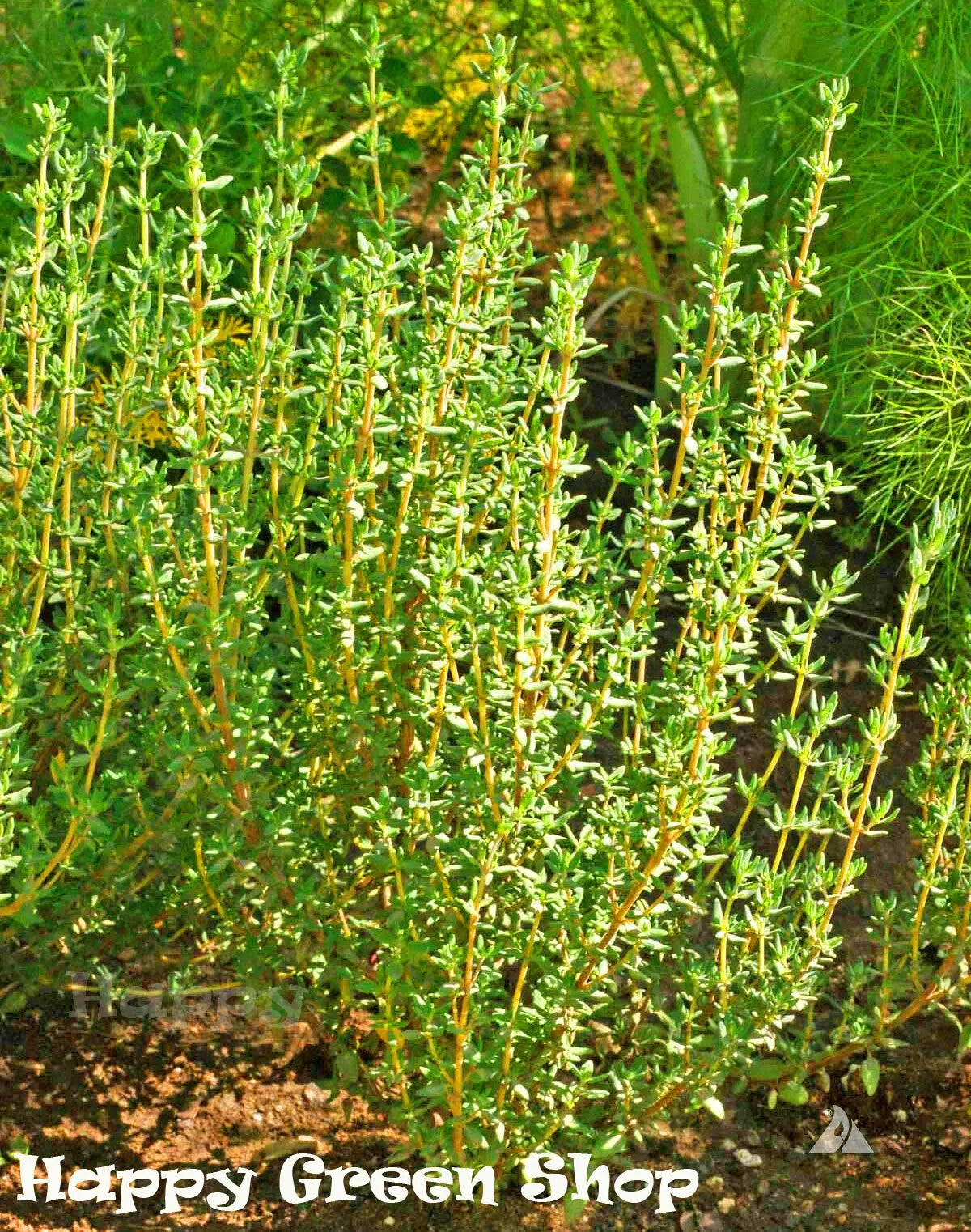
Thymus vulgaris 'Winter Thyme' is a hardy, aromatic perennial herb producing small, intensely fragrant leaves on compact, woody stems. Its classic savoury thyme flavour is particularly valuable in the kitchen, where the leaves can be used fresh or dried to season roasted vegetables, meats, soups, sauces, stuffings and Mediterranean dishes.
Naturally adapted to sunny, dry conditions, Winter Thyme develops into a compact evergreen sub-shrub that can provide aromatic foliage throughout much of the year. It is excellent for herb gardens, containers, raised beds and dry Mediterranean-style planting, while its small summer flowers provide a useful nectar source for bees and other pollinating insects.
● Strong, classic thyme aroma and savoury flavour
● Leaves can be harvested fresh or dried for later use
● Hardy perennial returning year after year
● Evergreen aromatic foliage provides year-round garden interest
● Nectar-rich flowers are valuable to bees and other pollinators
● Kitchen herb gardens
● Patio containers
● Raised beds
● Mediterranean-style planting
● Dry and sunny garden areas
● Surface sow the tiny seeds and do not cover them with compost, as thyme requires light for successful germination.
● Avoid overwatering seedlings; thyme is particularly vulnerable to damping-off when young and performs much better in free-draining compost.
● Do not enrich the soil heavily. Thyme naturally performs well in relatively lean, free-draining conditions, while excessive fertility can encourage softer growth.
● Harvest leafy shoots before or around the beginning of flowering when growing primarily for culinary use, and dry surplus stems for winter use.
● Good winter drainage is more important than rich soil or frequent watering; avoid waterlogged ground, particularly during cold UK winters.

Cucumber White Wonder – 50 Seeds (Cucumis sativus) Rare
Cucumber White Wonder is a rare and unique cucumber variety, producing crisp, pale white fruits with a sweet, mild flavor. Its unusual color and tender texture make it a standout for fresh salads, pickling, and gourmet presentations. Fast-growing and productive, this variety thrives in sunny garden beds or containers, perfect for gardeners seeking something extraordinary.
Key Features
-
Fruit Color: Pale white
-
Flavor: Sweet, mild, and crisp
-
Growth Habit: Vigorous, climbing or trailing
-
Maturity: 50–60 days
-
Use: Fresh salads, pickling, and culinary presentation
-
Yield: High and consistent
Ideal For
-
Home vegetable gardens
-
Container and balcony growing
-
Gourmet and specialty cooking
-
Rare and unusual garden collections
Sowing & Growing
-
Sow indoors: February–April
-
Transplant outdoors: After last frost
-
Spacing: 50–60 cm
-
Position: Full sun, fertile well-drained soil
-
Care: Provide trellis support; water consistently
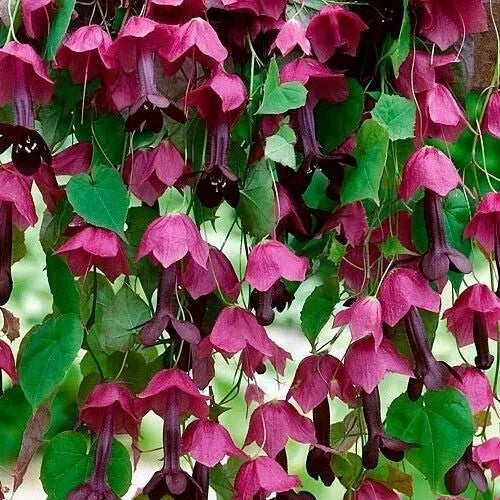
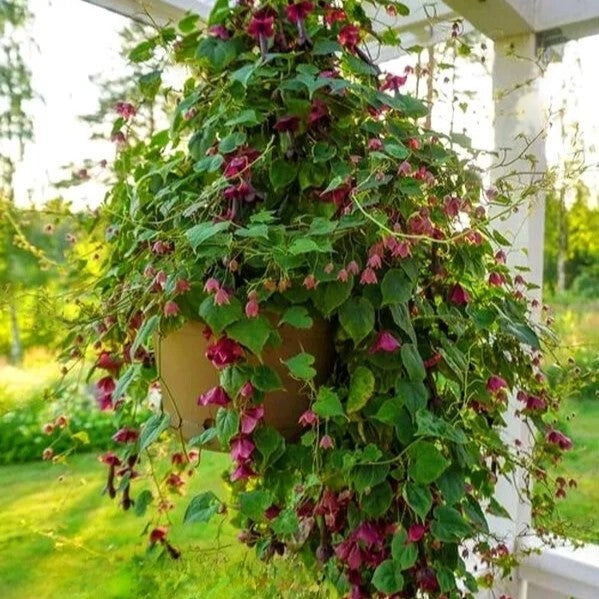
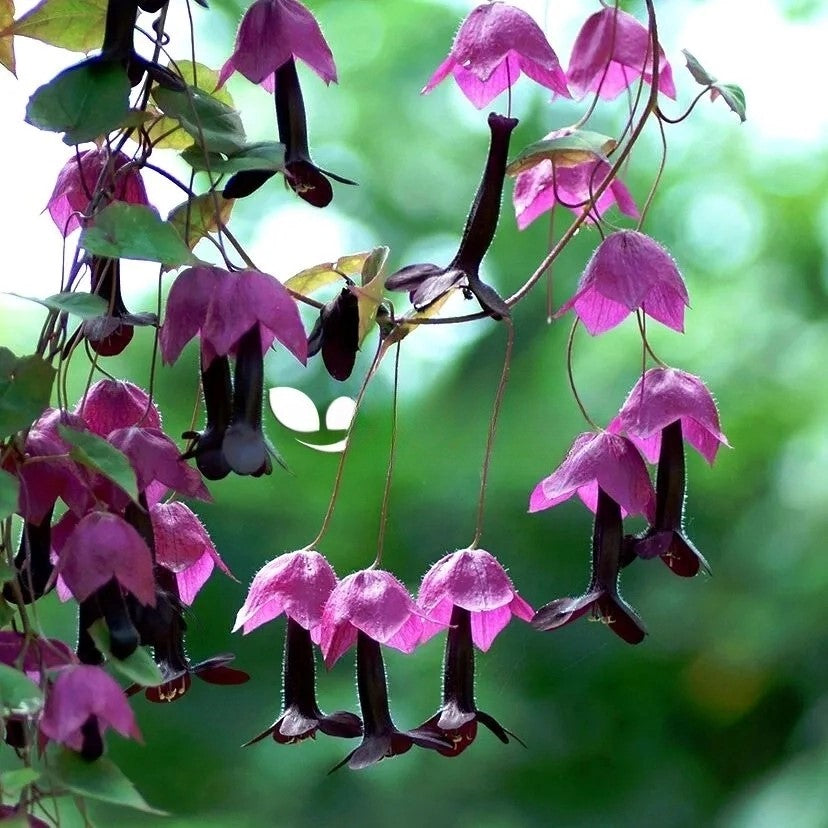
Purple Bell Vine – Seeds (Rhodochiton atrosanguineus)
The Purple Bell Vine is a striking climber admired for its exotic, lantern-like flowers. Each bloom features a rosy-purple bell with deep, maroon-black tubular centers, hanging gracefully against lush green, heart-shaped foliage. Fast-growing and elegant, it adds a dramatic touch to arches, trellises, pergolas, or hanging baskets. Native to Mexico, this tender perennial is usually grown as an annual in cooler climates.
What Makes It Special
-
Unique pendant bell-shaped flowers with rich colors
-
Long flowering season from summer to autumn
-
Ideal for vertical gardens and decorative screening
-
Can also be grown in containers for patios and balconies
Key Features
-
Botanical name: Rhodochiton atrosanguineus
-
Common name: Purple Bell Vine, Purple Bell Flower
-
Seed count: Approx. seeds per pack
-
Height/Spread: Climbs 3–4 m with support
-
Position: Full sun or light partial shade; well-drained soil
-
Flowering period: June to October
Ideal For
-
Trellises, arches, and fences
-
Vertical garden displays
-
Patio containers and hanging baskets
-
Exotic or tropical-style gardens
Sowing Instructions
-
When to sow: Indoors February–April
-
How to sow:
-
Sow on the surface of moist seed compost, pressing gently without covering (light aids germination)
-
Keep at 18–22°C and germination takes 21–30 days
-
-
Transplanting: Pot on seedlings when large enough and harden off before planting outside after last frost
-
Care: Provide climbing support; water regularly and feed for abundant flowering
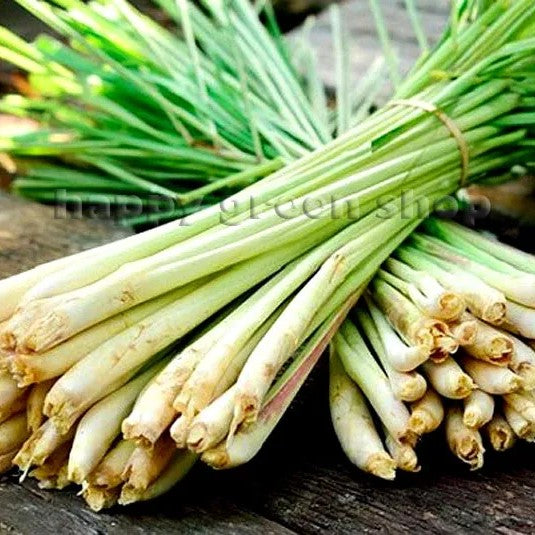
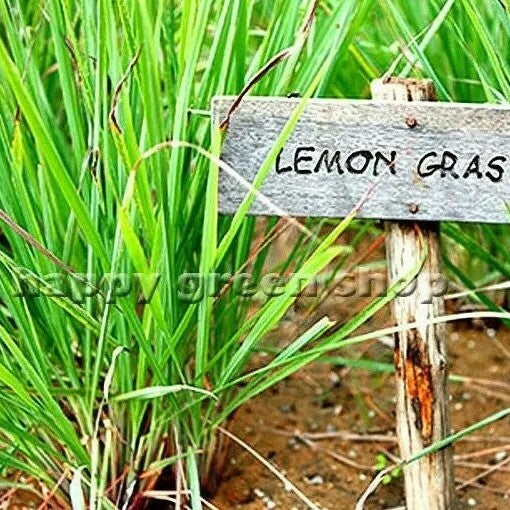
Lemongrass – Seeds (Cymbopogon flexuosus)
Lemongrass is a wonderfully fragrant herb, widely used in Asian cuisine for its fresh citrus flavor. This versatile plant can be grown in containers, kitchen gardens, or even indoors on a sunny windowsill. Both the leaves and stems are edible, perfect for curries, teas, marinades, and stir-fries. An attractive, clump-forming grass, it also adds a decorative touch to herb borders.
How to Grow
-
Sow indoors: February – April in trays or pots of seed compost with gentle heat.
-
Transplant: When seedlings are large enough, pot on or plant outdoors after the last frost.
-
Soil: Fertile, free-draining soil in full sun.
-
Spacing: 30–40 cm apart.
-
Keep soil moist and protect from cold.
Key Features
-
Fragrant herb with citrus aroma
-
Essential for Asian cooking
-
Edible stems and leaves
-
Can be grown in pots, containers, or beds
-
Attractive clump-forming grass
Ideal For
-
Asian-inspired dishes, teas, and marinades
-
Herb gardens, borders, and container growing
-
Indoor growing on sunny windowsills
Sowing & Harvest
-
Sow: February – April
-
Harvest: July – October (leaves and stems when mature)
Quick Tip
For a continuous harvest, cut stalks at the base while leaving the plant to regrow. In cooler climates, grow in pots and overwinter indoors.
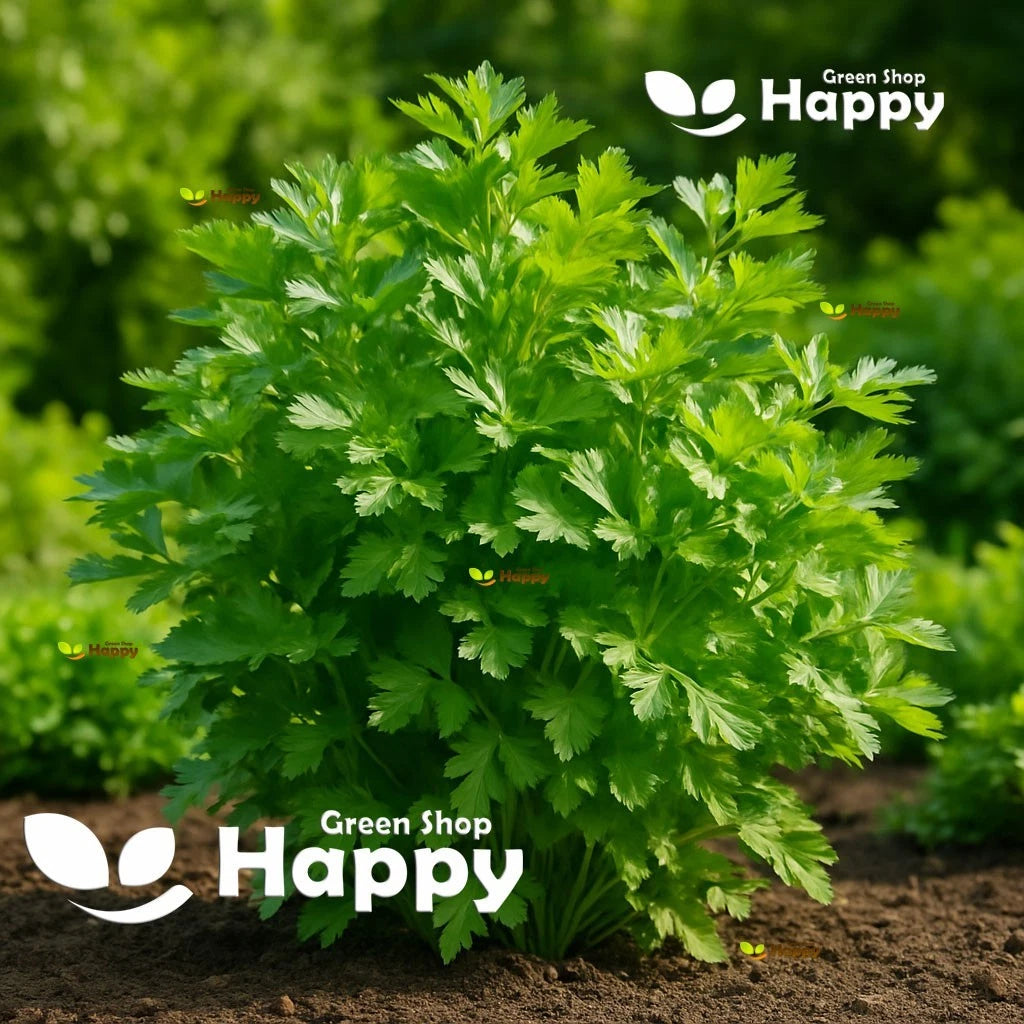
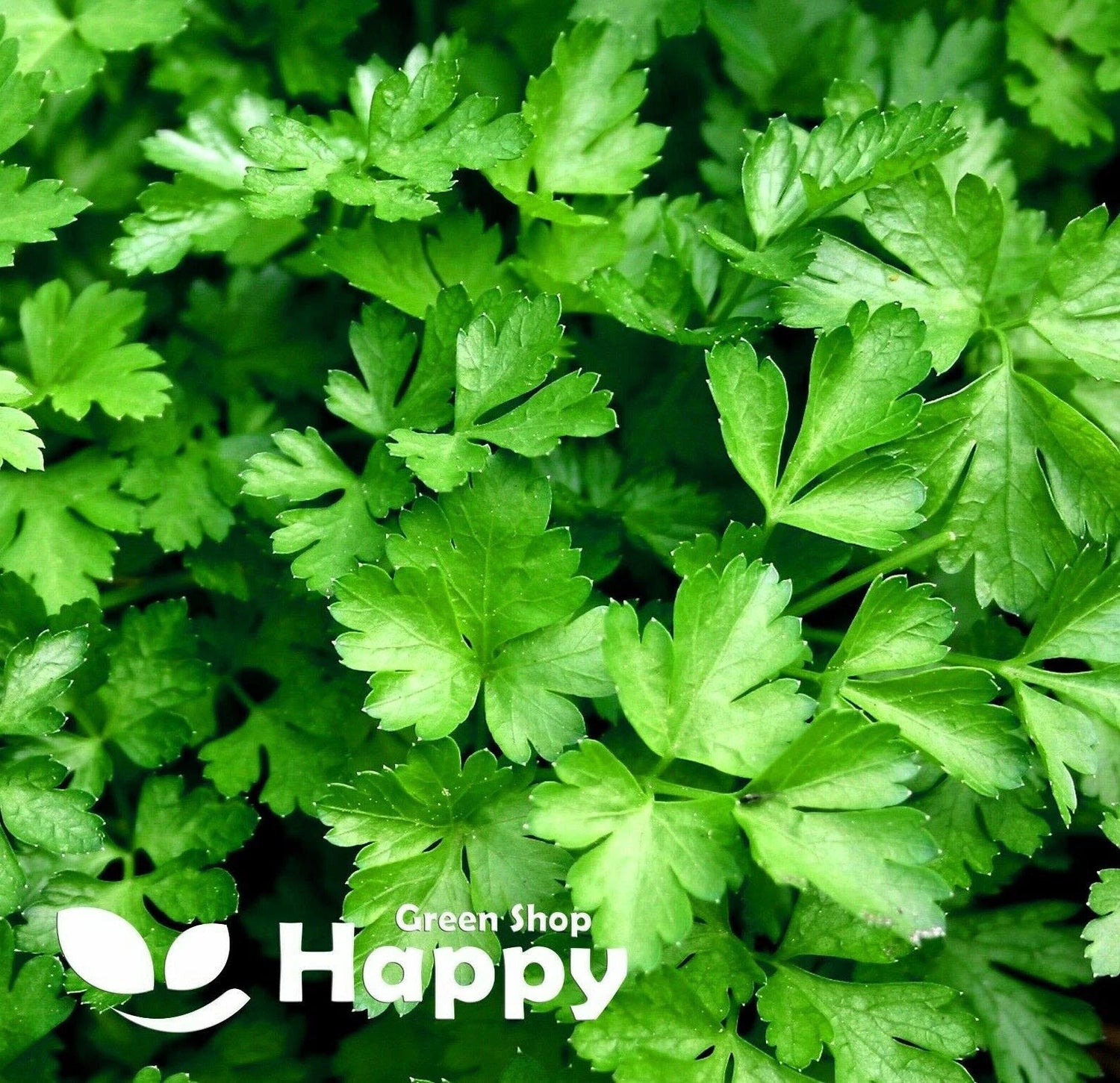
Parsley 'Italian Giant' Seeds (Petroselinum crispum)
Enjoy rich flavor and lush harvests with Parsley 'Italian Giant', a robust flat-leaf variety prized for its strong, aromatic taste and vigorous growth. With large, dark green leaves and a long cutting period, it’s perfect for garnishing, cooking, and seasoning. Easy to grow in the garden or containers, it’s a must-have herb for every kitchen gardener.
How to Grow
-
Sow indoors in early spring or directly outdoors after frost.
-
Use fertile, moist, well-drained soil in sun or partial shade.
-
Sow seeds 0.5 cm deep in rows 25–30 cm apart.
-
Thin seedlings to 20–25 cm apart for strong plants.
-
Harvest regularly to encourage new growth.
Key Features
-
Flat-leaf parsley with strong, aromatic flavor
-
Vigorous, robust growth and large green leaves
-
Long cutting period for continuous harvest
-
Ideal for cooking, garnishing, and seasoning
-
Grows well in beds, pots, and herb gardens
Ideal For
-
Garnishes and fresh salads
-
Cooking and seasoning sauces, soups, and stews
-
Herb gardens and containers
-
Gardeners who want reliable, productive herbs
Sowing
-
Best time: Spring, or indoors earlier
-
Depth: 0.5 cm
-
Spacing: Thin to 20–25 cm apart
-
Prefers moist, fertile, well-drained soil
Quick Tip
-
Soak seeds overnight before sowing to improve germination.
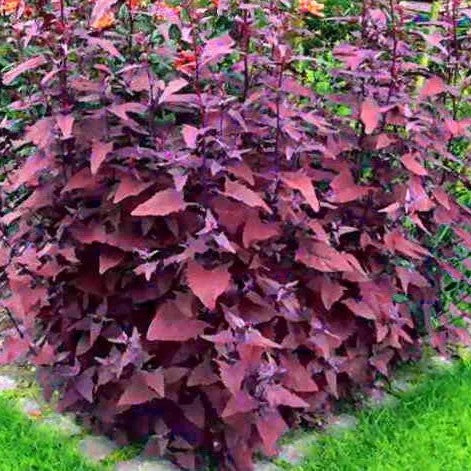
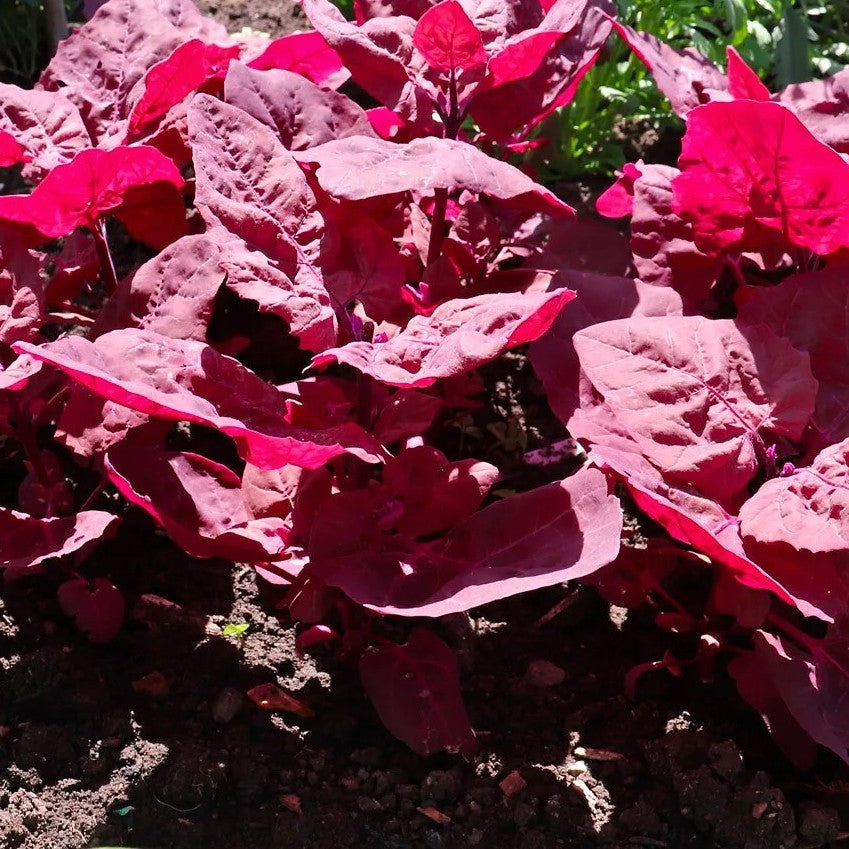
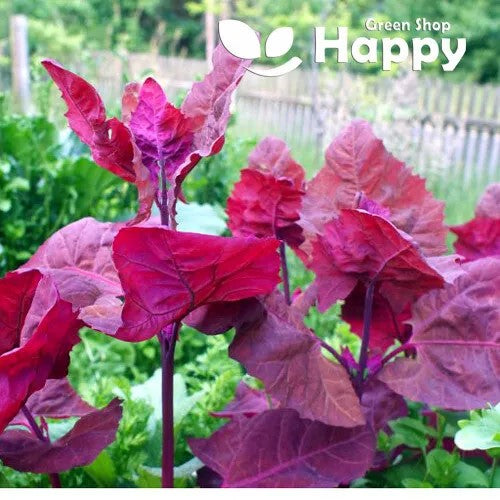
French Spinach - Purple spinach baby leaf - 250 seeds (Atriplex hortensis Orach)
£1.24
Unit price perFrench Spinach - Purple spinach baby leaf - 250 seeds (Atriplex hortensis Orach)
£1.24
Unit price perFrench Spinach – Purple Spinach Baby Leaf Seeds (Atriplex hortensis, Orach)
Bring color and nutrition to your garden with French Spinach (Atriplex hortensis), also known as Orach. This fast-growing heirloom green produces striking purple-red baby leaves with a mild, spinach-like flavor. Perfect for salads, stir-fries, and garnishes, it’s a fantastic alternative to traditional spinach, especially in warmer weather when spinach tends to bolt. Easy to grow and beautiful in the garden, it’s both ornamental and edible.
How to Grow
-
Sow directly outdoors from spring through summer.
-
Prefers fertile, well-drained soil in sun or partial shade.
-
Sow thinly 1–1.5 cm deep in rows 30 cm apart.
-
Thin seedlings to 20–25 cm for mature plants, or harvest young as baby leaves.
-
Pick regularly to encourage fresh growth.
Key Features
-
Deep purple-red baby leaves with mild spinach flavor
-
Excellent heat tolerance, less prone to bolting
-
Can be harvested young or grown to full size
-
Dual-purpose: edible and ornamental
-
Easy to grow and highly productive
Ideal For
-
Baby leaf salads and gourmet mixes
-
Stir-fries, soups, and steamed greens
-
Gardeners in warm climates
-
Edible landscaping and colorful borders
Sowing
-
Best time: Spring through summer
-
Depth: 1–1.5 cm
-
Spacing: Thin to 20–25 cm apart
-
Grows best in sun or light shade
Quick Tip
-
Harvest young leaves frequently for the best flavor and to keep plants producing longer.
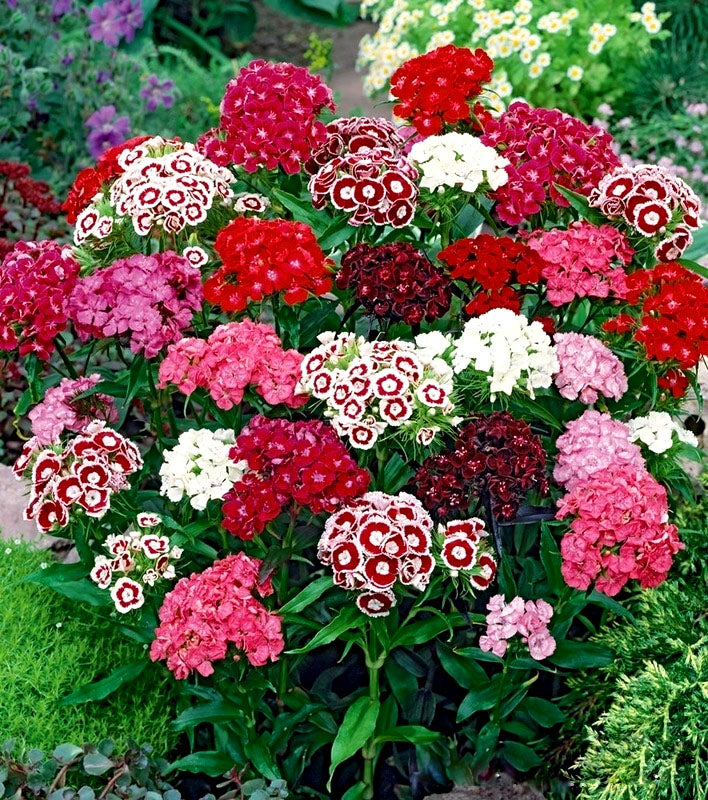
Sweet William Flower Mix "Herald of Spring" - 700 seeds (Dianthus barbatus)
£1.24
Unit price perSweet William Flower Mix "Herald of Spring" - 700 seeds (Dianthus barbatus)
£1.24
Unit price perSweet William Flower Mix ‘Herald of Spring’ Seeds (Dianthus barbatus) – 700 Seeds
Celebrate spring with Sweet William Flower Mix ‘Herald of Spring’ (Dianthus barbatus). This vibrant annual mix produces clusters of fragrant, brightly colored blooms in shades of pink, red, and white. Perfect for borders, cottage gardens, and cutting gardens, it’s easy to grow, long-flowering, and attracts pollinators for a lively garden display.
How to Grow
-
Sow directly outdoors in spring after the last frost or indoors 6–8 weeks earlier.
-
Use well-drained soil in full sun to partial shade.
-
Scatter seeds thinly and cover lightly with soil.
-
Keep soil moist until germination (10–14 days).
-
Thin seedlings to 20–30 cm apart for healthy growth.
-
Deadhead regularly to encourage continuous flowering.
Key Features
-
Clusters of fragrant blooms in pink, red, and white shades
-
Hardy, easy-to-grow annual or biennial depending on climate
-
Long-flowering and attractive to pollinators
-
Ideal for borders, cottage gardens, and cutting gardens
-
Compact growth habit perfect for edging and containers
Ideal For
-
Flower beds, borders, and cottage gardens
-
Cutting gardens for fresh bouquets
-
Pollinator-friendly plantings
-
Containers and patio planters
Sowing
-
Best time: Spring outdoors or 6–8 weeks earlier indoors
-
Germination: 10–14 days
-
Sow thinly, cover lightly, and keep soil moist
-
Prefers full sun and well-drained soil
Quick Tip
-
For a prolonged display, sow successive batches every 2–3 weeks during spring.


Stinging Nettle – Seeds
(Urtica dioica)
Stinging Nettle (Urtica dioica) is a versatile perennial herb valued for its nutritional and medicinal properties. Its vibrant green leaves are rich in vitamins and minerals, making it perfect for teas, soups, and natural remedies. Hardy and easy to grow, it also provides shelter and food for wildlife, supporting pollinators and beneficial insects.
Why Grow Stinging Nettle?
-
Nutrient-rich leaves for culinary and medicinal use
-
Hardy perennial, easy to grow
-
Supports pollinators and wildlife
-
Traditional herbal remedy with multiple uses
Key Features
-
Type: Perennial herb
-
Height: 60–150 cm
-
Leaves: Harvest from spring to autumn
-
Position: Full sun to partial shade
-
Soil: Moist, fertile, well-drained
Ideal For
-
Herbal and edible gardens
-
Pollinator-friendly plantings
-
Natural remedies and teas
-
Wildlife habitats
Sowing & Growing
-
Sow indoors: February–April in seed trays
-
Sow outdoors: April–May directly in prepared soil
-
Germination: 14–28 days at 15–20°C
-
Spacing: Thin seedlings to 30 cm apart
-
Care: Prefers consistent moisture; perennial, low maintenance

Cut Sunflower ‘F1 Splendor Orange’ – Seeds (Helianthus annuus)
Cut Sunflower ‘F1 Splendor Orange’ (Helianthus annuus) is a stunning annual producing large, vibrant orange blooms on tall, sturdy stems, perfect for cutting and floral arrangements. Blooming from mid-summer to early autumn, its long-lasting flowers attract pollinators and add a cheerful splash of color to borders, beds, and garden displays. This high-yielding, easy-to-grow variety is ideal for gardeners who love fresh-cut flowers.
Why Grow "F1 Splendor Orange"
-
Large, vibrant orange flowers ideal for cutting
-
Tall, sturdy stems with long-lasting blooms
-
Attracts pollinators including bees and butterflies
-
Perfect for borders, beds, and floral arrangements
Key Features
-
Type: Annual (Helianthus annuus)
-
Height: 150–180 cm
-
Flowering: Mid-summer to early autumn
-
Position: Full sun
-
Uses: Borders, beds, cut flowers, pollinator-friendly gardens
Ideal For
-
Fresh-cut flower production
-
Adding vertical color to borders and beds
-
Pollinator-friendly garden planting
-
Gardeners seeking high-yield, long-flowering sunflowers
Sowing & Growing
-
Sow indoors: 3–4 weeks before last frost
-
Sow outdoors: After frost danger has passed
-
Germination: 7–14 days
-
Space seedlings: 30–40 cm apart
-
Prefers well-drained soil and full sun
Showing 45/233

