
Sort by:
233 products
233 products
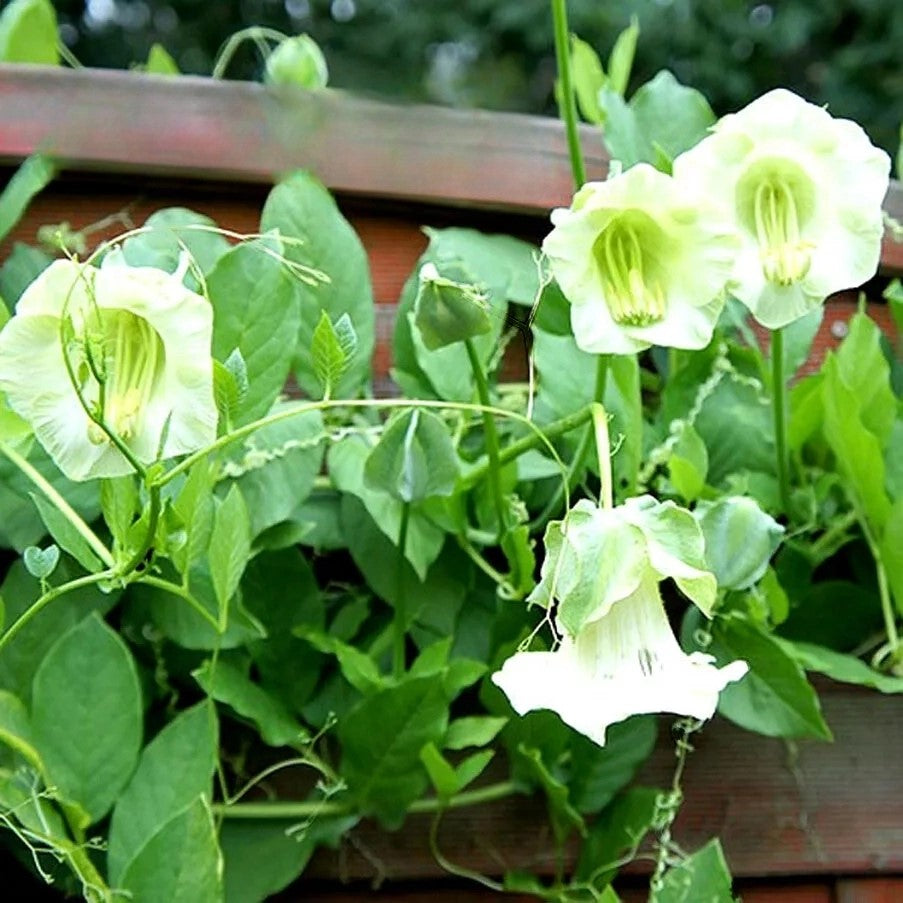
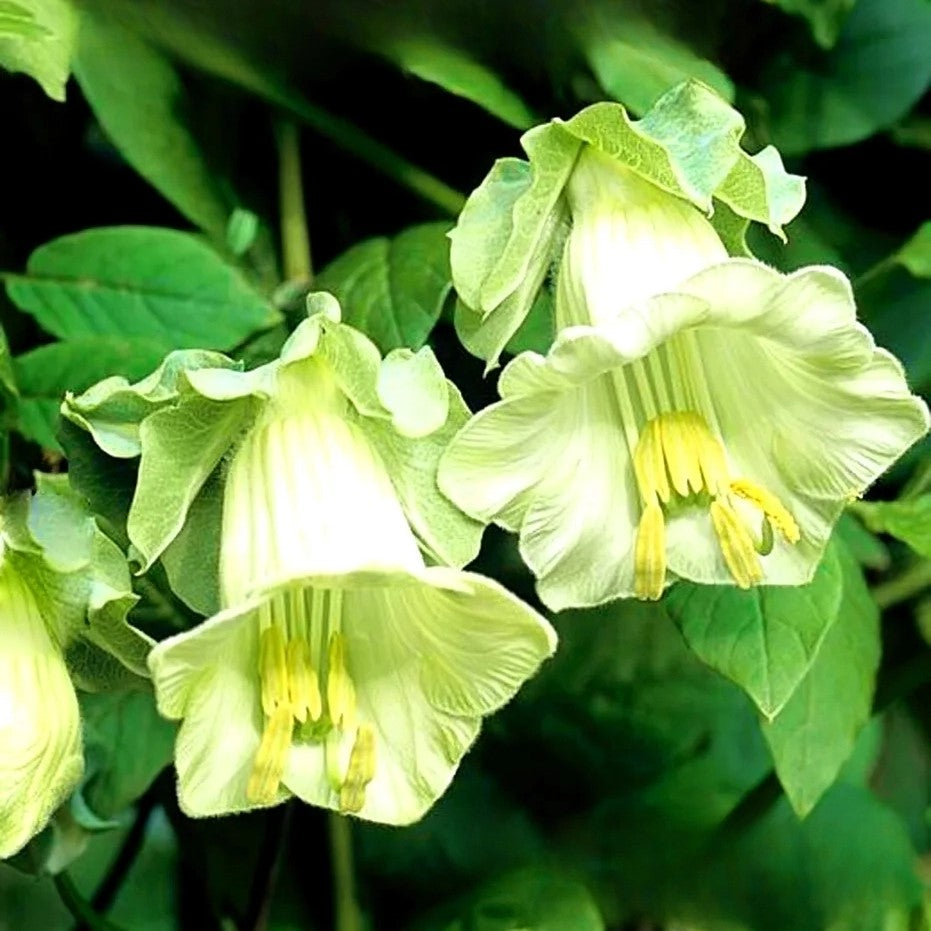
Cup and Saucer White – 15 Seeds (Cobaea scandens)
The Cup and Saucer Vine (White) is a fast-growing climber with elegant, bell-shaped blooms resembling little teacups. Its trailing vines quickly cover fences, arches, and trellises, creating a stunning vertical display. A perfect choice for adding a touch of elegance and charm to summer gardens.
What Makes It Special
-
Unique cup-and-saucer shaped blooms
-
Rapid-growing climbing vine
-
Long-lasting flowers from summer to frost
-
Adds instant charm to vertical garden spaces
Key Features
-
Half-hardy perennial, often grown as an annual
-
Height: up to 3–6 m
-
Large white, bell-shaped flowers
-
Prefers full sun to partial shade
-
Attracts bees and pollinators
Ideal For
-
Fences, walls, arches, pergolas, and trellises
-
Cottage gardens and romantic garden themes
-
Vertical displays and privacy screens
-
Cut flowers for unique arrangements
Sowing
-
Sow indoors 8–10 weeks before the last frost
-
Pre-soak seeds for 12–24 hours before sowing
-
Place seeds on their side, just under the surface of soil
-
Germination: 20–30 days at 18–20°C
-
Harden off and transplant outdoors after frost, spacing 30–45 cm apart
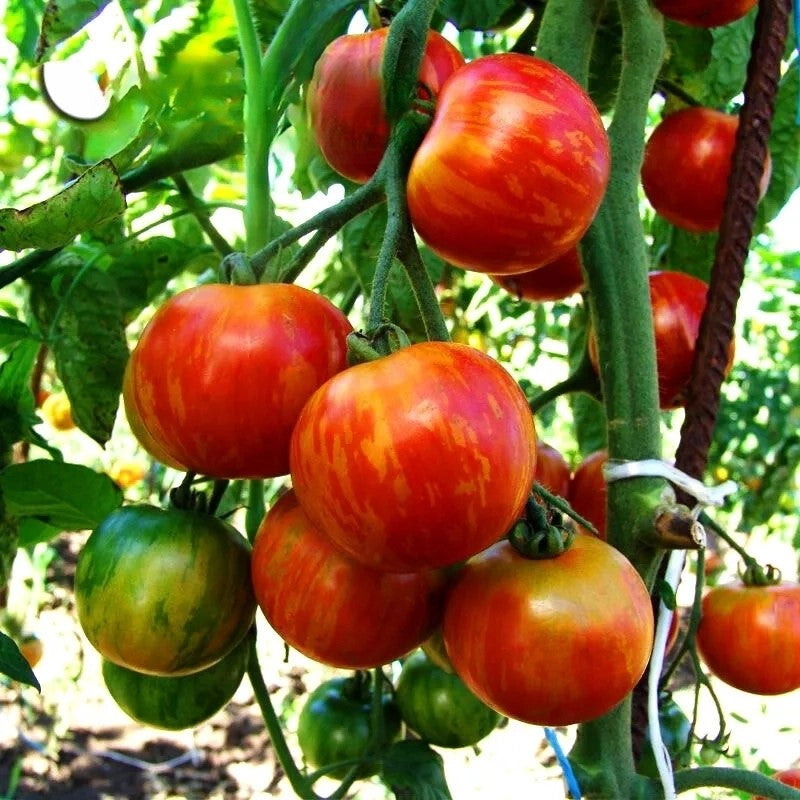
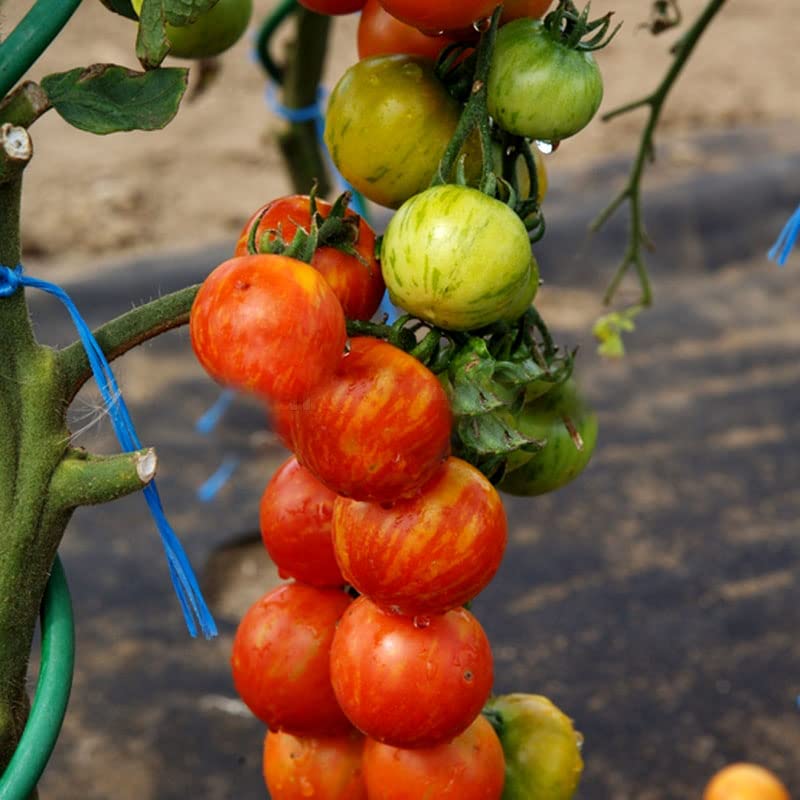
Tomato 'Duo Striped' – Seeds (Solanum lycopersicum)
The Tomato 'Duo Striped' is a visually striking and flavorful variety producing medium-sized, round fruits with a unique dual-color striped pattern. Its sweet, juicy flesh makes it perfect for fresh salads, roasting, sandwiches, or snacking straight from the garden.
This vigorous tomato plant thrives in both garden beds and containers, offering a high yield of attractive fruits throughout the season. 'Duo Striped' combines ornamental charm with culinary versatility, making it a standout addition to any home garden.
How to Grow
-
Sow indoors: February – April
-
Transplant outdoors: After last frost, spacing 40–50 cm apart
-
Position: Full sun
-
Soil: Fertile, well-drained soil enriched with compost
-
Care: Support plants with stakes or cages; water consistently to maintain fruit quality
Key Features
-
Medium-sized, round tomatoes with unique dual-color stripes
-
Sweet, juicy, and flavorful flesh
-
High-yielding, vigorous plants
-
Suitable for garden beds and containers
-
Perfect for fresh eating, salads, roasting, and snacking
Harvest
-
Harvesting period: 65–80 days after sowing
-
Pick fruits when fully colored and firm for optimal taste.
Short Tip
Grow in full sun and harvest regularly to enjoy continuous production of colorful, flavorful tomatoes.
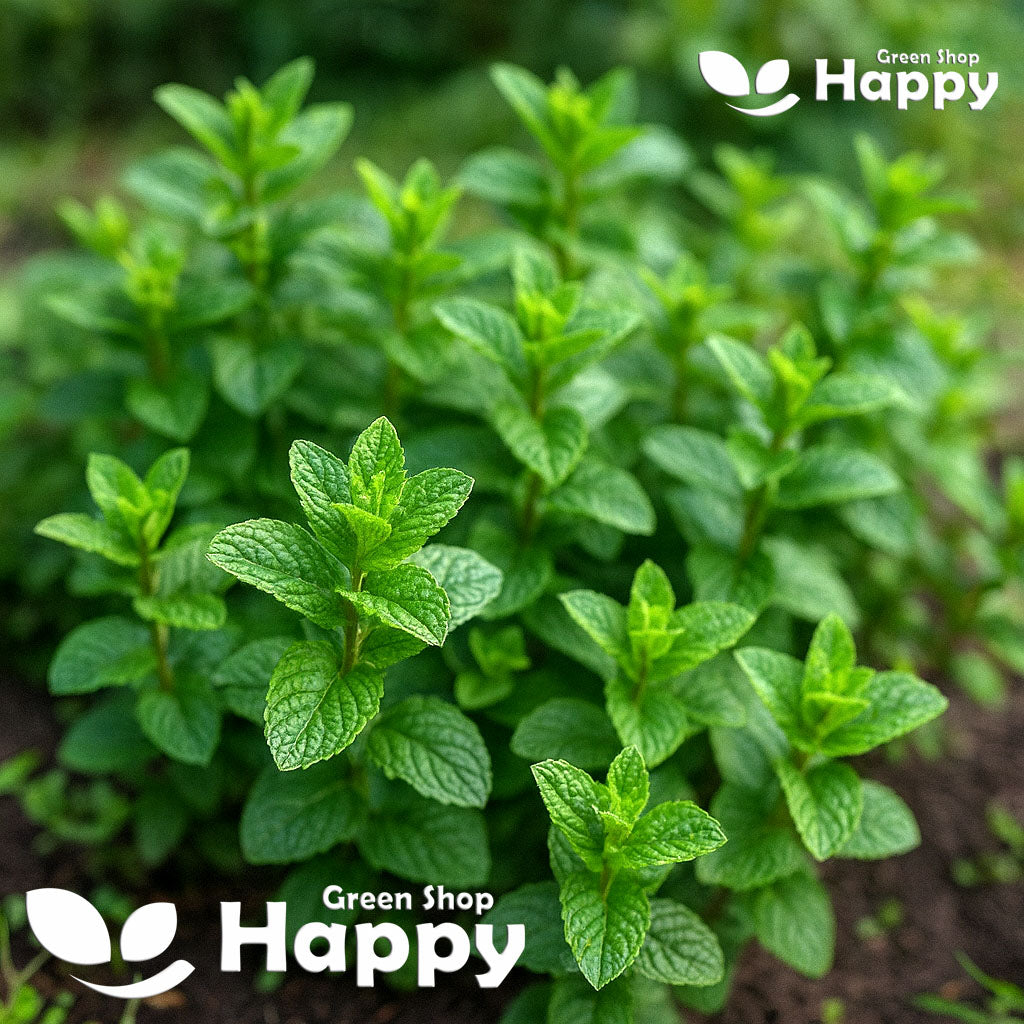

Mentha spicata, commonly known as Spearmint, is a vigorous hardy perennial herb prized for its fresh, sweet mint flavour and intensely aromatic green leaves. Softer and less sharply mentholated than peppermint, its refreshing flavour makes it one of the most versatile mints for everyday culinary use.
Fresh leaves are excellent in teas, cold drinks, salads, sauces, desserts and traditional mint sauce, and can also be dried for later use. Spearmint is extremely productive once established, producing repeated harvests of fresh foliage throughout the growing season. Its spreading habit makes it particularly well suited to containers, where growth can be easily controlled, while summer flower spikes are also attractive to bees and other pollinating insects.
● Fresh, sweet and highly aromatic classic mint flavour
● Suitable for growing indoors in pots for fresh mint close at hand
● Excellent for teas, cold drinks, sauces, salads and desserts
● Productive cut-and-come-again herb for repeated harvesting
● Hardy perennial that returns year after year
● Easy to grow in containers where its vigorous spread can be controlled
● Kitchen herb gardens
● Indoor windowsill growing
● Patio containers
● Fresh herbal teas and drinks
● Culinary harvesting
● Pollinator-friendly herb gardens
● Surface sow the very small seeds and gently press them onto moist compost without covering, as light aids germination.
● Spearmint can also be grown indoors in a pot on a bright windowsill. Provide plenty of natural light, keep the compost evenly moist and harvest stems regularly to encourage fresh leafy growth.
● For the most useful culinary growth, harvest or trim stems regularly to encourage fresh, tender shoots and prevent plants becoming coarse.
● Grow Spearmint in a large container if you want to restrict its vigorous underground spread; plants grown directly in open soil can spread rapidly through rhizomes.
● Keep plants consistently watered during dry periods, especially when growing in containers, as moisture encourages lush, tender leaf production.
● For the best flavour and aroma, harvest leafy stems before flowering; regular cutting can also delay flowering and extend the supply of fresh leaves.


Sweet Pea ‘Watermelon’ (Pink) – Seeds
(Lathyrus odoratus elegance) – Annual Climber
The Sweet Pea ‘Watermelon’ is a stunning variety with bright pink blooms that resemble the refreshing tones of watermelon. Beloved for their fragrance and elegant form, these long-stemmed flowers are perfect for cutting gardens, trellises, and cottage borders. A vigorous climber, it brings height, charm, and color all summer long.
Key Features
-
Type: Annual climbing vine
-
Height: 180–200 cm
-
Blooming period: June–September
-
Position: Full sun
-
Soil: Rich, well-drained soil
Ideal For
-
Trellises, arches, and fences
-
Cottage and cutting gardens
-
Fragrant summer bouquets
-
Attracting pollinators
Sowing & Growing
-
Sow indoors: February–April, in pots at 15–18°C
-
Sow outdoors: April–May, directly after frost
-
Sowing depth: 2–3 cm
-
Spacing: 20 cm apart
-
Care: Provide support; water regularly; pick flowers frequently to encourage continuous blooms
Italian Climbing Black Bean Super Marconi Grano Nero - 20 seeds (Phaseolus vulgaris)
£1.24
Unit price perItalian Climbing Black Bean Super Marconi Grano Nero - 20 seeds (Phaseolus vulgaris)
£1.24
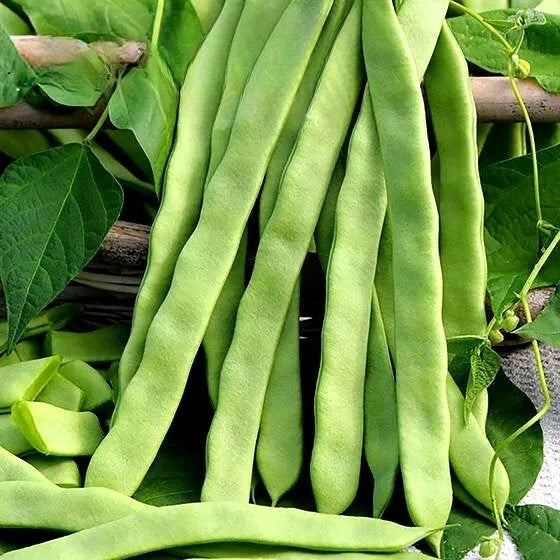
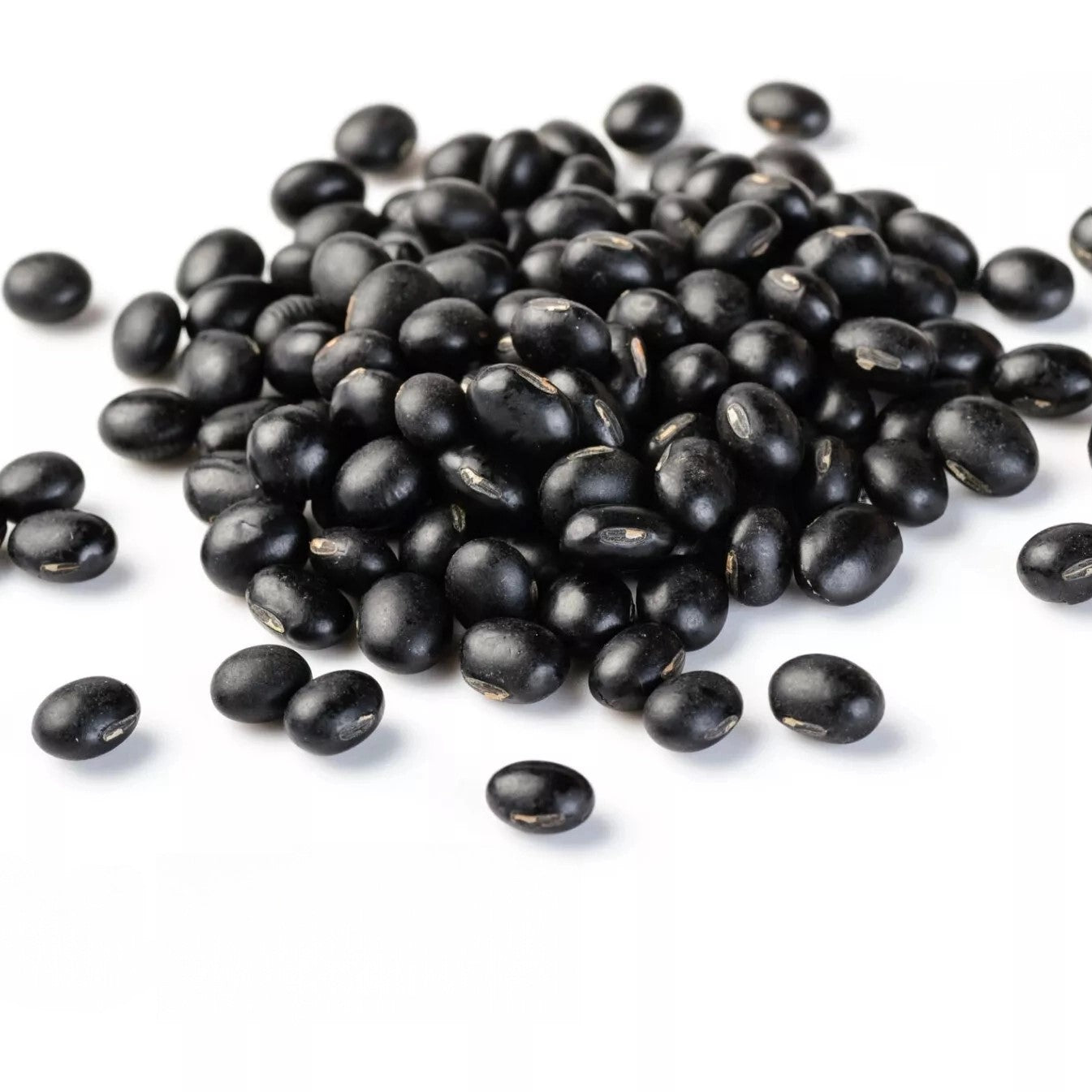
Unit price perItalian Climbing Black Bean 'Super Marconi Grano Nero' – Seeds
(Phaseolus vulgaris) – Heirloom Italian Pole Bean
The ‘Super Marconi Grano Nero’ climbing bean is a traditional Italian variety known for its long, flat pods and striking black beans inside. Highly productive, vigorous, and climbing up to 2–3 meters, it requires staking or trellising. Its pods are tender and delicious when young, while the mature black beans can be dried and stored for hearty soups, stews, and traditional Italian dishes.
Key Features
-
Type: Climbing pole bean (annual legume)
-
Height: 200–300 cm with support
-
Pods: Long, flat, tender, up to 20–25 cm
-
Seeds: Black beans inside when mature
-
Harvest: 65–75 days from sowing
-
Special: Dual-purpose – eat fresh pods or dry beans
Ideal For
-
Fresh harvesting as flat green beans
-
Drying and storing beans for winter dishes
-
Italian and Mediterranean cuisine
-
Vertical gardening with trellises or poles
Sowing & Growing
-
Sow outdoors: May–July, once soil warms (min. 15°C)
-
Spacing: 50 cm between rows, 10–15 cm between plants
-
Support: Needs poles, netting, or trellis
-
Soil: Fertile, well-drained, rich in organic matter
-
Sunlight: Full sun
-
Watering: Consistent, especially during pod setting
Care Tips
-
Harvest young pods regularly to encourage continuous production.
-
Allow some pods to fully mature for drying black beans.
-
Rotate crops yearly to maintain healthy soil.
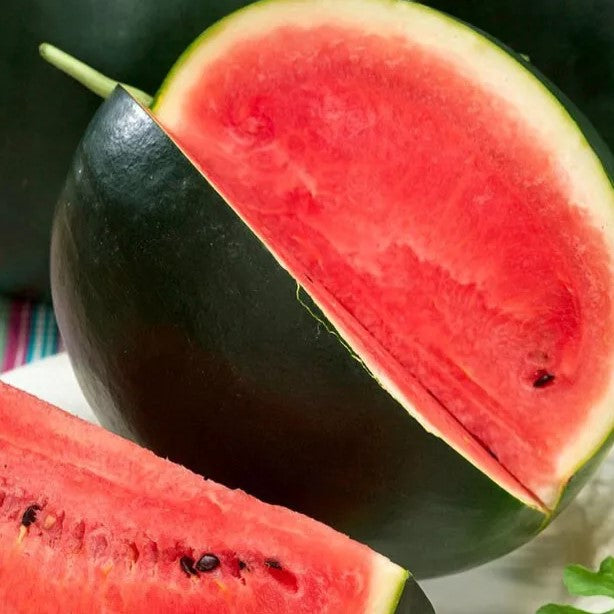
Watermelon 'Sugar Baby' Seeds (Citrullus lanatus)
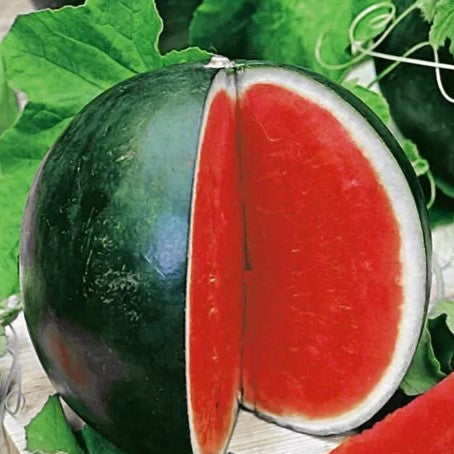
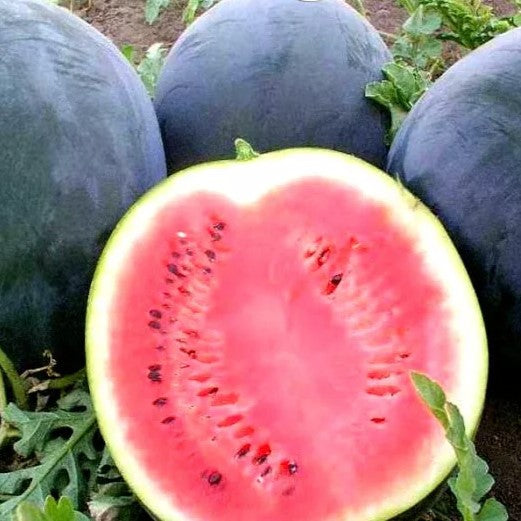
Grow refreshing, bite-sized melons with Watermelon 'Sugar Baby' (Citrullus lanatus). This early-maturing heirloom variety produces small, round fruits with deep green rinds and bright red, juicy flesh. Sweet, crisp, and perfect for summer snacking, these compact watermelons are ideal for home gardens and smaller spaces.
How to Grow
-
Sow seeds indoors 3–4 weeks before the last frost or direct sow outdoors when soil warms.
-
Use sandy, well-drained soil in full sun.
-
Sow seeds 2–3 cm deep, spacing 90 cm apart.
-
Keep soil warm and moist until germination (7–10 days).
-
Harvest when fruits sound hollow when tapped and the tendril nearest the fruit turns brown.
Key Features
-
Produces small, round melons with sweet red flesh
-
Early-maturing variety, ready in just 75–80 days
-
Compact size, perfect for smaller gardens
-
Juicy, crisp, and bursting with summer flavor
-
Excellent for snacking, picnics, and desserts
Ideal For
-
Home gardens, allotments, and small spaces
-
Fresh summer eating and chilled desserts
-
Gardeners wanting a fast, reliable watermelon
-
Families and kids who love sweet, compact fruits
Sowing
-
Best time: Indoors 3–4 weeks before last frost or direct outdoors in warm soil
-
Depth: 2–3 cm
-
Spacing: 90 cm apart
-
Prefers sandy, well-drained soil and full sun
Quick Tip
-
Mulch around plants to keep soil warm, conserve moisture, and promote sweeter melons.

Blue Fescue Grass Seeds (Festuca glauca)
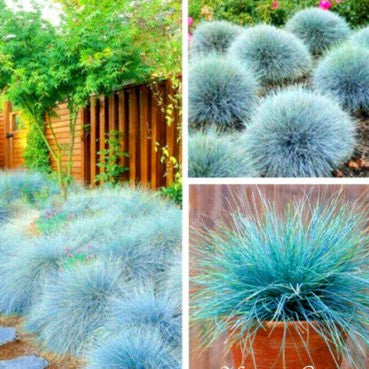
Blue Fescue is a compact, clump-forming ornamental grass prized for its striking silvery-blue foliage and neat rounded habit. It provides year-round interest and a beautiful contrast to flowering plants, rock gardens, or modern landscapes. Easy to grow and low-maintenance, this grass is a top choice for adding texture and color to gardens.
What Makes It Special
-
Stunning steel-blue foliage that keeps its color year-round
-
Compact, tufted shape – perfect for edging or groundcover
-
Extremely hardy and drought-tolerant once established
-
Low-maintenance and versatile in garden design
Key Features
-
Botanical name: Festuca glauca
-
Common name: Blue Fescue
-
Seed count: Approx. seeds per pack
-
Height/Spread: 20–30 cm tall, 25–30 cm spread
-
Position: Full sun; well-drained soil (thrives in poor, dry soils)
-
Flowering period: Summer (produces delicate flower spikes)
-
Lifespan: Hardy perennial
Ideal For
-
Rock gardens and alpine displays
-
Borders and edging along paths
-
Containers and modern minimalist gardens
-
Drought-tolerant or low-maintenance landscapes
-
Adding color contrast to mixed plantings
Sowing Instructions
-
When to sow: February–April indoors or May–June outdoors
-
How to sow:
-
Sow thinly on the surface of moist, well-draining compost
-
Press seeds lightly into the soil, do not cover deeply (light aids germination)
-
Keep at 15–20°C; germination in 14–28 days
-
-
Transplant: When seedlings are large enough, prick out and grow in pots before planting out
-
Planting out: Choose a sunny spot with free-draining soil; avoid overly wet conditions
-
Care: Minimal maintenance required. Cut back old leaves in early spring to encourage fresh growth.
Romaine Lettuce 'White Dunsel' – Seeds (Lactuca sativa)
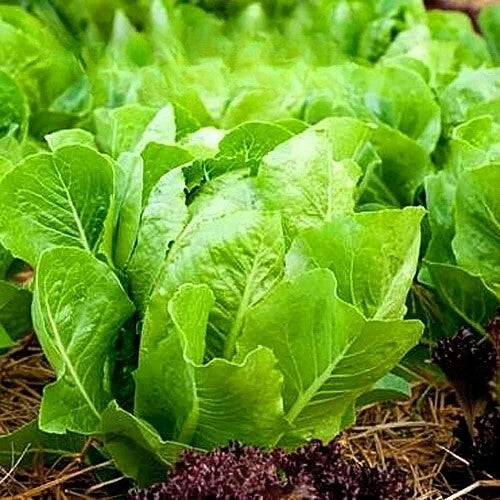
Romaine Lettuce 'White Dunsel' is a crisp, flavorful variety with pale green, elongated leaves forming a tight, upright head. Its crunchy texture and mild, sweet flavor make it perfect for fresh salads, sandwiches, and wraps.
This variety is fast-growing, reliable, and suitable for spring, summer, and autumn harvests. Ideal for home gardens, raised beds, or containers.
How to Grow
-
Sow outdoors: March – July
-
Depth: 0.5–1 cm
-
Spacing: 20–25 cm between plants, rows 30–35 cm apart
-
Position: Full sun to partial shade
-
Soil: Fertile, well-drained, rich in organic matter
-
Watering: Keep soil consistently moist for tender, crisp leaves
Key Features
-
Crisp, pale green leaves with mild, sweet flavor
-
Forms a tight, upright head
-
Fast-growing and reliable variety
-
Ideal for salads, sandwiches, and wraps
-
Suitable for home gardens, raised beds, and containers
Harvest
-
Harvesting period: 6–8 weeks after sowing
-
Pick outer leaves as needed or harvest entire head when mature.
Short Tip
Succession sow every 2–3 weeks for a continuous supply of fresh leaves.
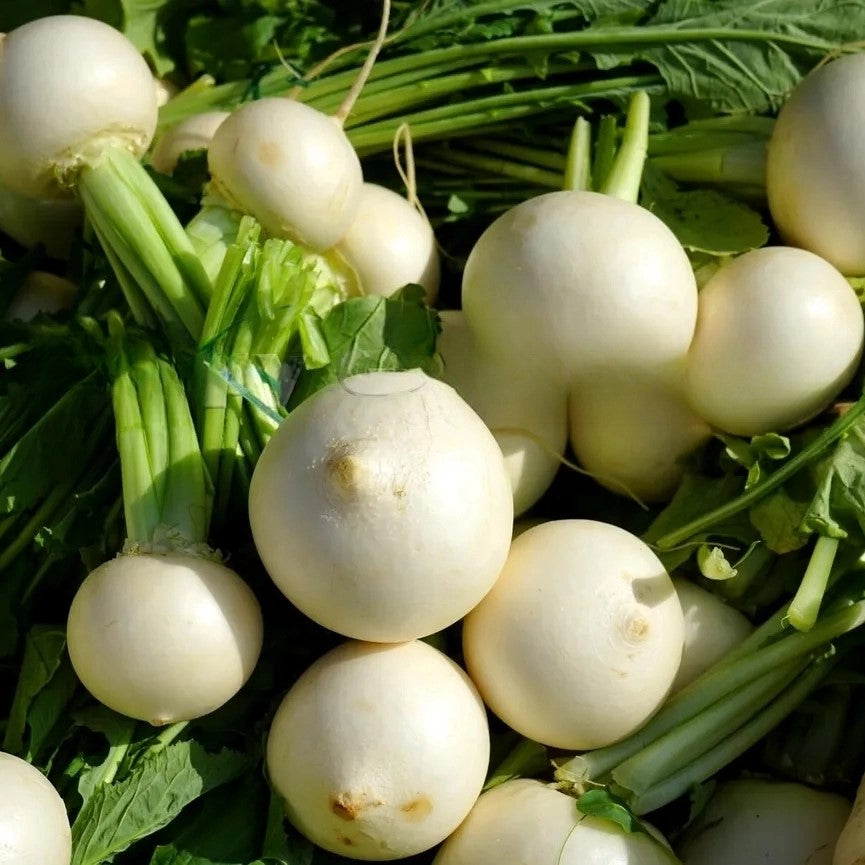
Turnip 'Snowball' – Seeds (Brassica rapa)
Grow crisp, tender, and sweet Turnip 'Snowball', a classic variety known for its round, white roots and mild flavor. Ideal for roasting, steaming, or fresh in salads, this easy-to-grow turnip is perfect for home gardens, allotments, and container planting. Quick to mature, it provides a reliable harvest of uniform, flavorful roots throughout the season.
How to Grow
. Sow outdoors: March – July, 1–2 cm deep in rows 30 cm apart
. Thin seedlings to 8–10 cm apart for proper root development
. Prefers fertile, well-drained soil in full sun or partial shade
. Keep soil consistently moist for tender, sweet roots
. Harvest: 50–60 days after sowing, when roots are 5–8 cm in diameter
Key Features
. Classic white round turnip with mild, sweet flavor
. Quick-maturing and easy-to-grow
. Ideal for roasting, steaming, or fresh salads
. Produces uniform, tender roots
. Suitable for home gardens, allotments, and containers
Ideal For
. Fresh eating, roasting, and steaming
. Gardeners seeking reliable, fast-growing root vegetables
. Succession sowing for continuous harvest
. Companion planting with peas, onions, or cabbage
Sowing & Harvest
. Sow: March – July
. Harvest: May – September
Quick Tip
For tender, flavorful roots, harvest turnips promptly when they reach 5–8 cm; leaving them too long can result in woody texture.
Showing 81/233


