
Sort by:
20 products
20 products
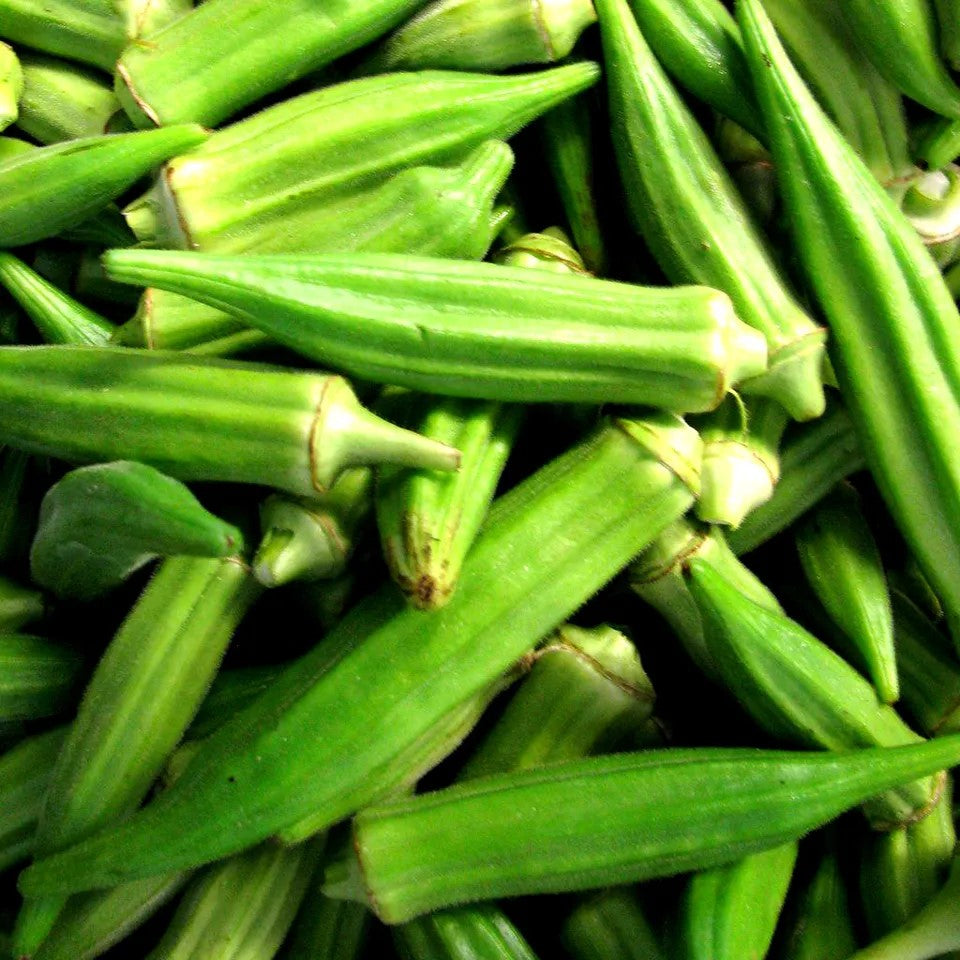
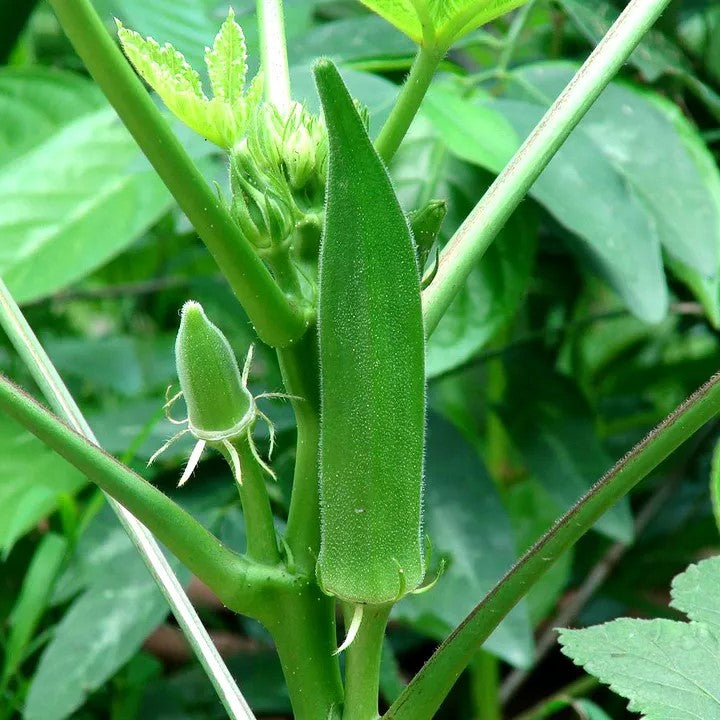
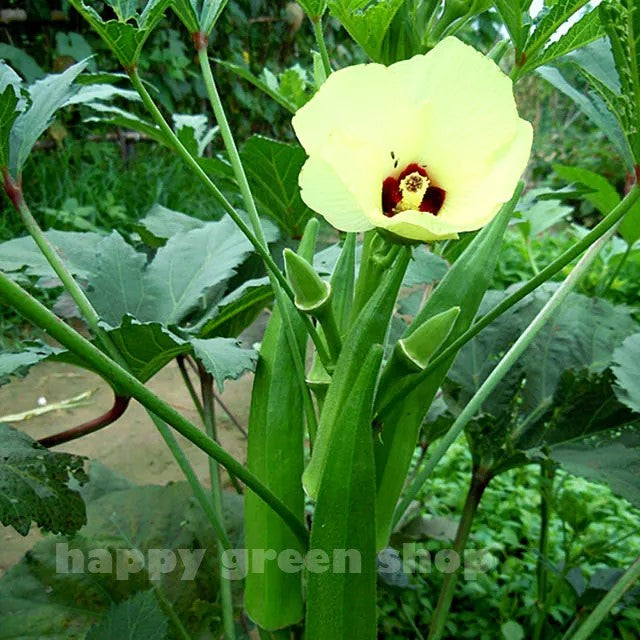
Okra 'Clemson Spineless' – Seeds (Abelmoschus esculentus)
Okra 'Clemson Spineless' is the most popular and widely grown okra variety, prized for its tender, spineless green pods and high yields. A warm-season crop, it thrives in sunny conditions and produces long, slim pods that are perfect for frying, grilling, soups, curries, and traditional gumbo dishes. Compact and productive, it’s ideal for home gardens or allotments.
How to Grow
-
Sow indoors: March – May in pots or modules with heat.
-
Transplant outdoors: After last frost when soil has warmed.
-
Soil: Fertile, well-drained soil in full sun.
-
Spacing: 30–45 cm apart.
-
Water regularly during dry spells to encourage pod production.
Key Features
-
Famous spineless okra variety
-
High-yielding and fast-growing
-
Tender, slim pods with rich flavor
-
Heat-loving annual for summer harvests
-
Perfect for gumbo, curries, soups, and frying
Ideal For
-
Kitchen gardens and allotments
-
Sunny, sheltered growing positions
-
Gardeners who enjoy exotic vegetables
Sowing & Harvest
-
Sow: March – May
-
Harvest: July – October
Quick Tip
Harvest pods when young (7–10 cm long) for the best flavor and tenderness. Picking regularly encourages further production.
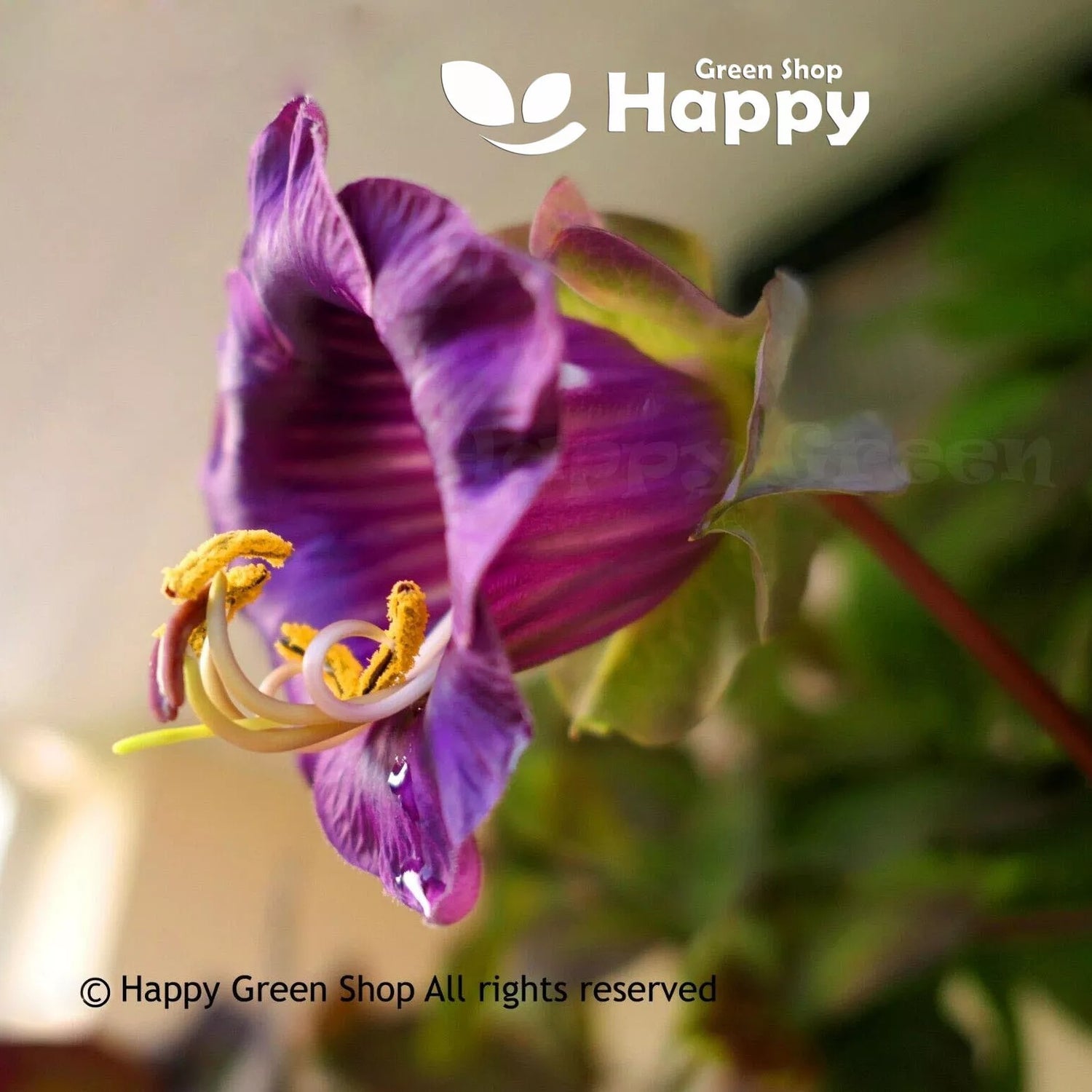
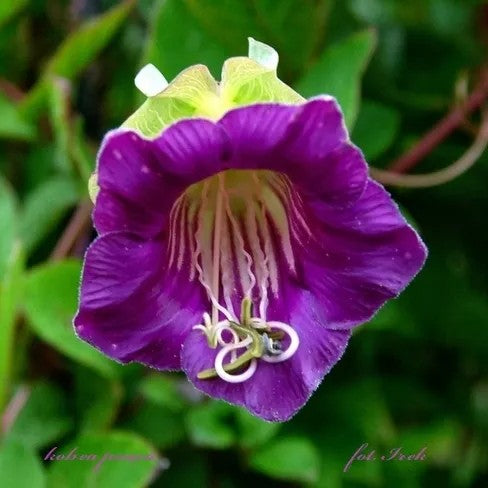
Cup and Saucer Purple – 14 Seeds (Cobaea scandens)
The Cup and Saucer Vine (Purple) is a vigorous climber producing dramatic, bell-shaped flowers that open green and mature into rich purple. Its fast-growing vines bring vertical beauty to arches, trellises, and fences, making it a standout centerpiece in any summer garden.
What Makes It Special
-
Exotic cup-and-saucer style blooms
-
Flowers shift from green to deep purple as they mature
-
Rapid-growing vine for quick coverage
-
Long flowering season, summer to frost
Key Features
-
Half-hardy perennial, usually grown as an annual
-
Height: 3–6 m
-
Stunning purple, bell-shaped blooms
-
Prefers full sun to partial shade
-
Attracts bees and pollinators
Ideal For
-
Arches, pergolas, trellises, and fences
-
Cottage and ornamental gardens
-
Vertical displays and natural privacy screens
-
Unique cut flowers
Sowing
-
Sow indoors 8–10 weeks before the last frost
-
Pre-soak seeds 12–24 hours before sowing
-
Plant seeds on their side, just under the surface
-
Germination: 20–30 days at 18–20°C
-
Transplant outdoors after frost, spacing 30–45 cm apart

Banana Passionfruit Seeds (Passiflora mollissima)
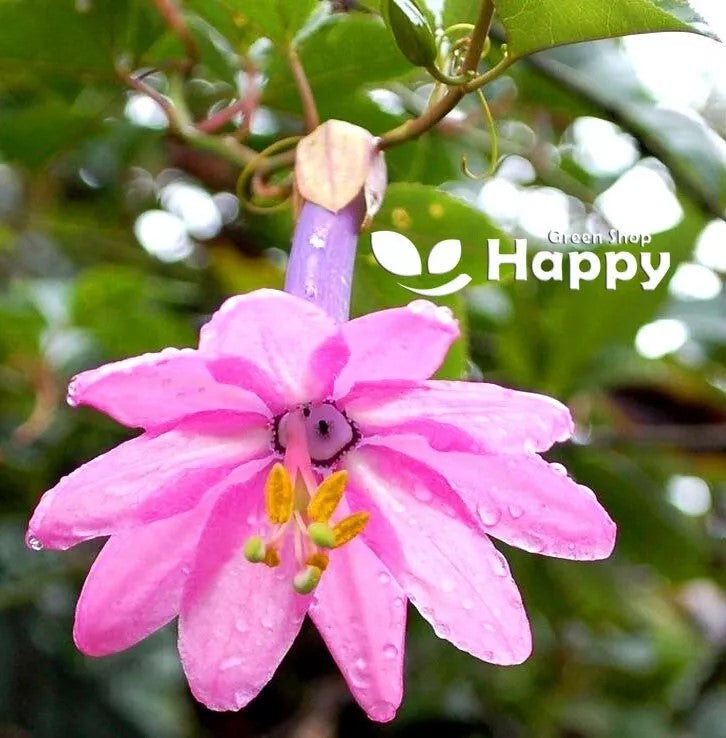
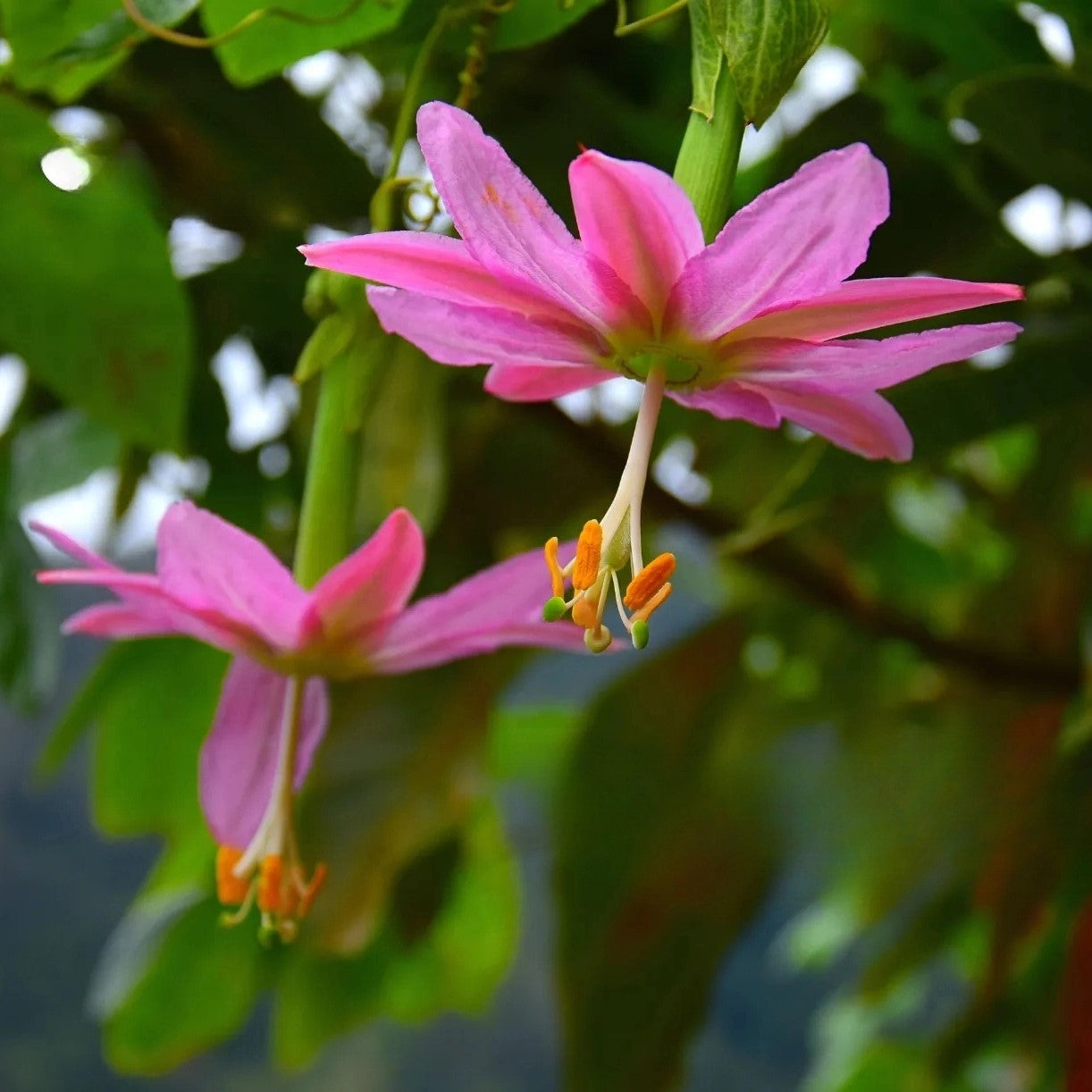
Banana Passionfruit is a vigorous, fast-growing perennial vine with exotic, banana-shaped fruits and striking passionflower blooms. Ideal for trellises, pergolas, and garden screens, it thrives in sunny, well-drained locations. Hardy and ornamental, it attracts pollinators while producing unique, edible fruits.
What Makes It Special
-
Exotic banana-shaped fruits with sweet, aromatic pulp
-
Striking passionflower blooms
-
Vigorous, fast-growing, and pollinator-friendly
Key Features
-
Botanical name: Passiflora mollissima
-
Perennial vine
-
Height: 3–6 m spread
-
Bloom time: Summer to autumn
-
Fruit: Edible, banana-shaped, aromatic
Ideal For
-
Trellises, pergolas, and garden screens
-
Pollinator-friendly plantings
-
Fruit gardens and ornamental vines
Sowing
-
Sow indoors year-round in a warm environment
-
Cover seeds lightly with soil
-
Germination: 3–6 weeks at 20–25°C
-
Space seedlings 1–2 m apart
-
Fruits and flowers develop 1–2 years after sowing
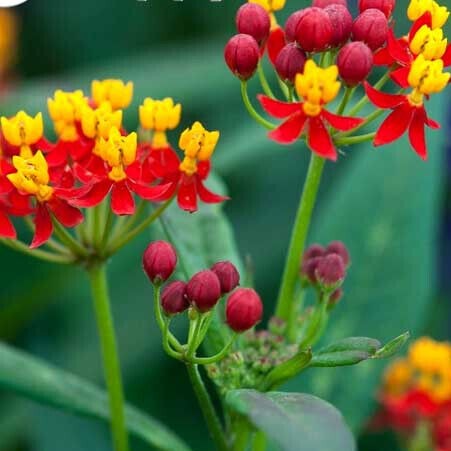
Mexican Butterfly Weed ‘Red’ – Seeds (Asclepias curassavica)
Mexican Butterfly Weed ‘Red’ is a vibrant, nectar-rich perennial attracting butterflies, bees, and hummingbirds. Its bright red, clustered flowers bloom from summer to autumn, creating a bold splash of color in borders, beds, and pollinator gardens. Easy to grow and low-maintenance, this variety supports wildlife while adding tropical flair and long-lasting beauty to your garden.
Why Grow "Red Mexican Butterfly Weed"
-
Bright red, clustered flowers from summer to autumn
-
Nectar-rich, attracting butterflies, bees, and hummingbirds
-
Low-maintenance and easy to grow
-
Perfect for pollinator-friendly gardens and vibrant borders
Key Features
-
Type: Perennial (Asclepias curassavica)
-
Height: 60–90 cm
-
Flowering: Summer to autumn
-
Position: Full sun
-
Uses: Borders, beds, pollinator gardens, wildlife-friendly planting
Ideal For
-
Supporting pollinators and wildlife in the garden
-
Adding bright red color to borders and beds
-
Cottage and mixed garden designs
-
Gardeners seeking low-maintenance, nectar-rich plants
Sowing & Growing
-
Sow indoors: 6–8 weeks before last frost
-
Sow outdoors: After frost danger has passed
-
Germination: 10–20 days
-
Space seedlings: 30–40 cm apart
-
Prefers well-drained soil and full sun
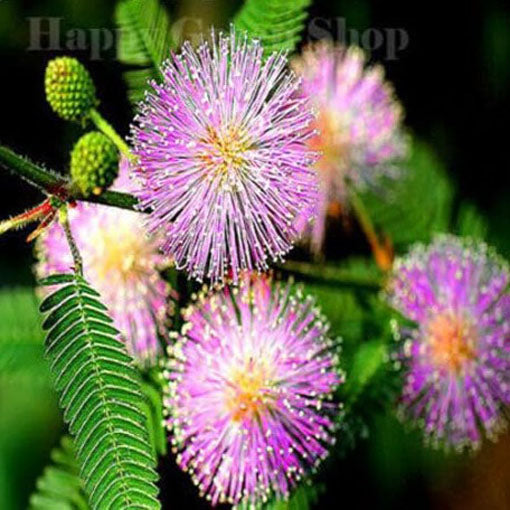
Sensitive Plant – Seeds (Mimosa pudica)
The Sensitive Plant (Mimosa pudica) is a fascinating tropical species known for its unique response to touch—its fern-like leaves fold instantly when disturbed. A fast-growing annual houseplant, it also produces delicate pink, fluffy, ball-shaped flowers. Perfect as a curiosity plant for children and adults alike, it thrives in pots indoors or on sunny patios in summer.
Why Grow "Sensitive Plant"
-
Leaves fold instantly when touched
-
Produces charming pink puffball flowers
-
Fun and educational for children
-
Easy to grow indoors or outdoors in summer
Key Features
-
Type: Tender annual (Mimosa pudica)
-
Height: 30–45 cm
-
Flowering: Summer (pink spherical blooms)
-
Position: Full sun to partial shade
-
Uses: Indoor pots, patios, novelty plant
Ideal For
-
Houseplant collections
-
Kids’ educational gardening
-
Patios and summer containers
-
Novelty and conversation piece
Sowing & Growing
-
Sow indoors: February–April, surface sow and cover lightly
-
Germination: 14–21 days at 20–25°C
-
Transplant seedlings into pots when large enough
-
Water regularly, avoid waterlogging
-
Grow as an annual or overwinter in warm conditions
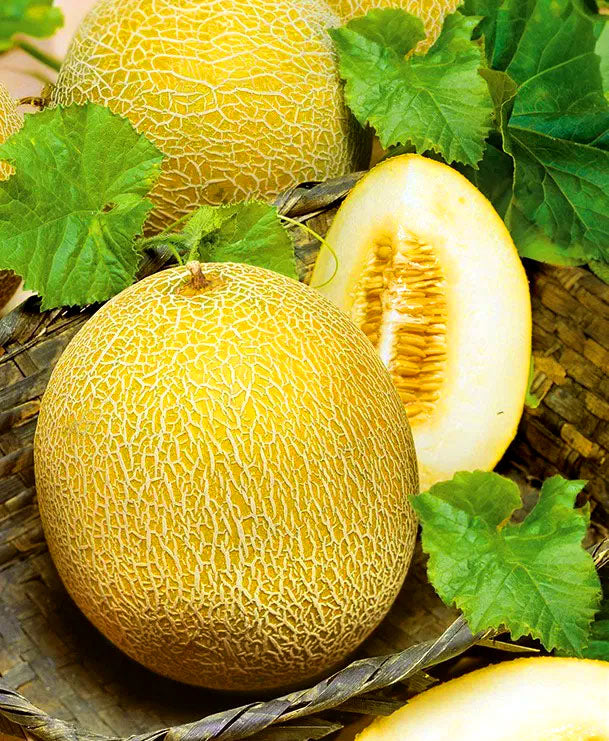
Sweet Melon 'Ananas' – Seeds (Cucumis melo)
The Sweet Melon 'Ananas' is a highly aromatic variety, well known for its sweet, juicy flesh with a tropical fragrance reminiscent of pineapple. The oval fruits have a golden-yellow skin with light netting and can reach up to 1.5–2 kg in weight. Their refreshing, honeyed flavour makes them ideal for summer desserts, fruit salads, smoothies, or simply eaten fresh.
A heat-loving crop, this melon thrives in sunny, sheltered conditions and can be grown in a greenhouse, polytunnel, or outdoors during a warm summer.
How to Grow
-
Sow indoors: March – April, 1 cm deep in pots at 20–25°C
-
Transplant outdoors/greenhouse: May – June, after the last frost
-
Spacing: 60–100 cm apart
-
Position: Full sun, warm and sheltered
-
Soil: Fertile, well-drained, rich in organic matter
-
Care: Train vines, remove side shoots, and feed with a high-potash fertiliser once fruit sets
Key Features
-
Aromatic, sweet flesh with a pineapple-like fragrance
-
Oval golden-yellow fruits, up to 2 kg
-
Excellent for fresh eating and summer desserts
-
Reliable performer in greenhouse, polytunnel, or outdoors in warm summers
-
Heavy-yielding under the right conditions
Sowing & Harvest
-
Sow: March – April
-
Harvest: July – September
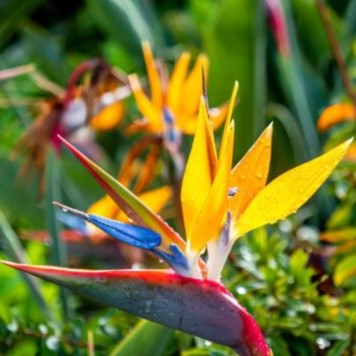
Bird of Paradise – Seeds (Strelitzia reginae)
Bird of Paradise is one of the world’s most striking ornamental plants, prized for its dramatic flowers that resemble tropical birds in flight. With vibrant orange and blue petals, it brings an exotic touch to gardens, patios, or conservatories. Though slow to flower from seed, the reward is a spectacular, long-lasting display that makes it a true centerpiece plant.
Why Grow "Bird of Paradise"
-
Exotic orange-and-blue flowers resembling birds in flight
-
Stunning architectural foliage year-round
-
Long-lived, impressive container or garden plant
-
A tropical showpiece with dramatic visual impact
Key Features
-
Type: Perennial (Strelitzia reginae)
-
Height: 1–1.5 m
-
Flowering: Typically 3–5 years from seed, then annually
-
Position: Full sun to partial shade
-
Uses: Specimen plant, patios, conservatories, tropical-style gardens
Ideal For
-
Creating a tropical centerpiece indoors or outdoors
-
Container growing for patios and conservatories
-
Adding dramatic, exotic flair to gardens
-
Patient gardeners seeking a rewarding long-term plant
Sowing & Growing
-
Scarify seeds and soak in warm water for 24–48 hours before sowing
-
Sow indoors: Anytime with heat (20–25°C)
-
Germination: May take 1–3 months
-
Transplant seedlings into pots, spacing well
-
Requires well-drained soil, regular feeding, and patience to flower
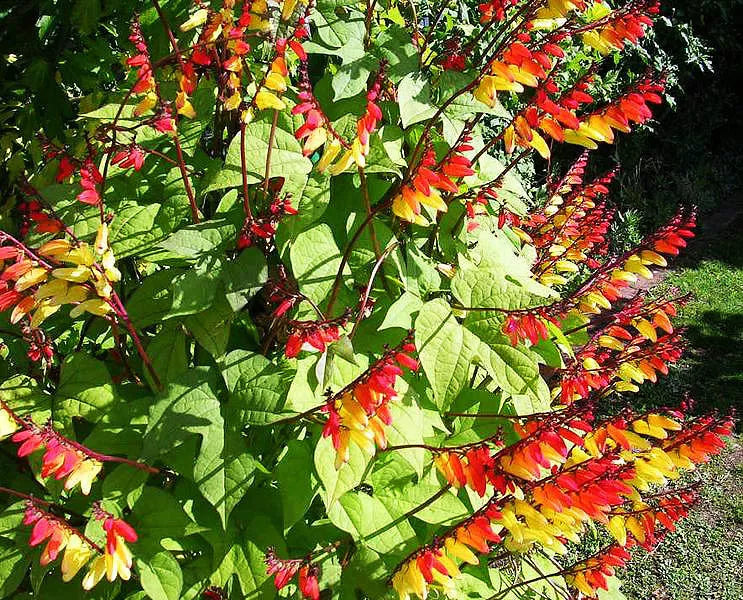
Mina 'Spanish Flag' – 65 Seeds (Mina lobata)
Bring vibrant color and vertical drama to your garden with Mina lobata, also known as the Spanish Flag or Exotic Love Vine. This spectacular climber produces cascades of flame-like flower spikes that open red, then mature through orange, yellow, and finally creamy white—creating a dazzling tricolor effect all season long. Fast-growing and easy to train, it’s a showstopper for trellises, arches, and fences.
What Makes It Special
-
Striking multi-colored flower spikes in fiery shades
-
A vigorous annual climber that covers structures quickly
-
Long-lasting blooms from summer to frost
Key Features
-
Height: up to 3–5 m with support
-
Annual, fast-growing
-
Blooms from midsummer to autumn
-
Perfect for vertical gardening and decorative screening
Ideal For
-
Trellises, arches, pergolas, and fences
-
Adding a tropical flair to summer gardens
-
Containers with climbing supports
Sowing
-
Sow indoors Feb–Apr at 18–22°C
-
Germination: 10–21 days
-
Harden off and plant outdoors after last frost in full sun
-
Provide strong support for climbing

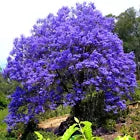
Blue Bonsai Tree – Exotic Jacaranda Beauty
Grow your own stunning Blue Bonsai Tree with Jacaranda mimosifolia seeds. Known for its breathtaking clusters of lavender-blue blooms and elegant fern-like foliage, this bonsai brings a touch of the exotic to any collection.
What Makes It Special
-
Striking lavender-blue flowers
-
Delicate, fern-like leaves
-
Can be grown as a bonsai or ornamental tree
-
Unique and rewarding to grow from seed
Key Features
-
Deciduous tree, often trained as bonsai
-
Height as bonsai: 30–90 cm (can grow much taller if left unpruned)
-
Prefers full sun and well-drained soil
-
Suitable for indoor bonsai training or outdoor cultivation in warm climates
Ideal For
-
Bonsai enthusiasts and collectors
-
Indoor bonsai displays
-
Exotic ornamental gardening
-
Unique gifts for plant lovers
Sowing
-
Soak seeds in warm water for 24 hours before sowing
-
Sow in seed compost, lightly cover with soil
-
Germination: 14–28 days at 20–25°C
-
Keep soil moist but not waterlogged
-
Train young plants for bonsai growth through pruning and shaping
Showing 9/20


