
Sort by:
40 products
40 products

Zinnia 'Persian Carpet' Mixed – Seeds
(Zinnia haageana)
Zinnia 'Persian Carpet' is a dazzling mix of small, double and semi-double blooms in rich tapestry shades of gold, burgundy, cream, and mahogany, often with striking bicolor patterns. Compact and floriferous, these zinnias provide months of vibrant color and thrive in sunny spots with minimal care.
Key Features
-
Type: Half-hardy annual
-
Height: 30–45 cm
-
Spread: 25–30 cm
-
Flowering: June–October
-
Position: Full sun
-
Soil: Well-drained, moderately fertile
Ideal For
-
Bedding displays
-
Containers and pots
-
Cutting gardens
-
Pollinator-friendly planting
Sowing & Growing
-
Sow indoors: March–April at 18–22°C
-
Sow outdoors: May–June directly after frost
-
Germination: 7–14 days
-
Thin or transplant to 25–30 cm spacing
-
Deadhead regularly to extend flowering season
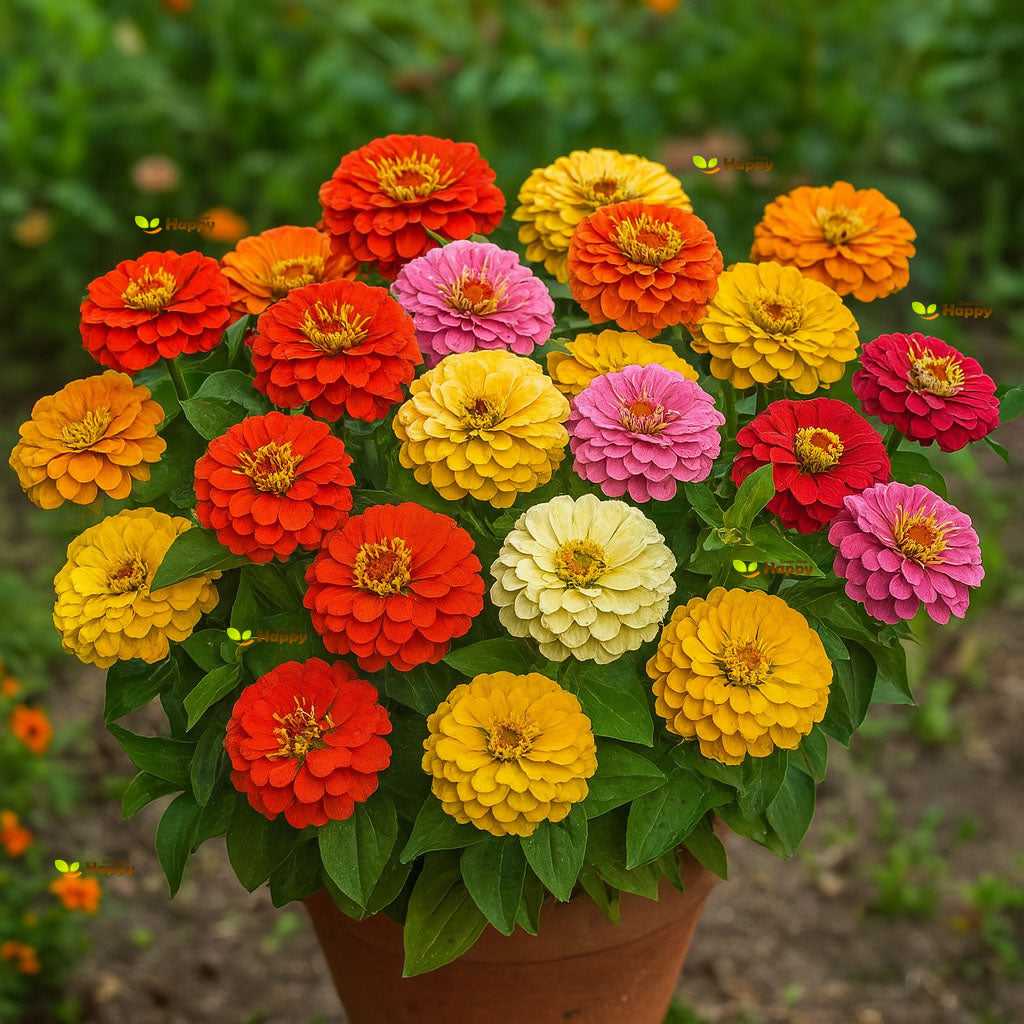
Dwarf Zinnia 'Pepito' Mix – Seeds
(Zinnia elegans)
Dwarf Zinnia 'Pepito' Mix is a charming, compact annual that produces an abundance of small, vibrant blooms in a lively mix of colours, including reds, pinks, oranges, and yellows. Perfect for borders, rockeries, and containers, its dense, bushy growth ensures a long season of continuous flowering. Easy to grow and low-maintenance, this variety also attracts pollinators, adding life and colour to any garden.
Key Features
-
Type: Half-hardy annual
-
Height: 20–30 cm
-
Spread: 25–35 cm
-
Flowering: June–October
-
Position: Full sun
-
Soil: Well-drained, fertile soil
Ideal For
-
Rockeries and border edging
-
Container planting
-
Pollinator-friendly gardens
-
Summer floral displays
Sowing & Growing
-
Sow indoors: March–April at 18–22°C
-
Sow outdoors: May, after last frost
-
Germination: 7–14 days
-
Thin or transplant to 20–25 cm spacing
-
Deadhead regularly to prolong flowering
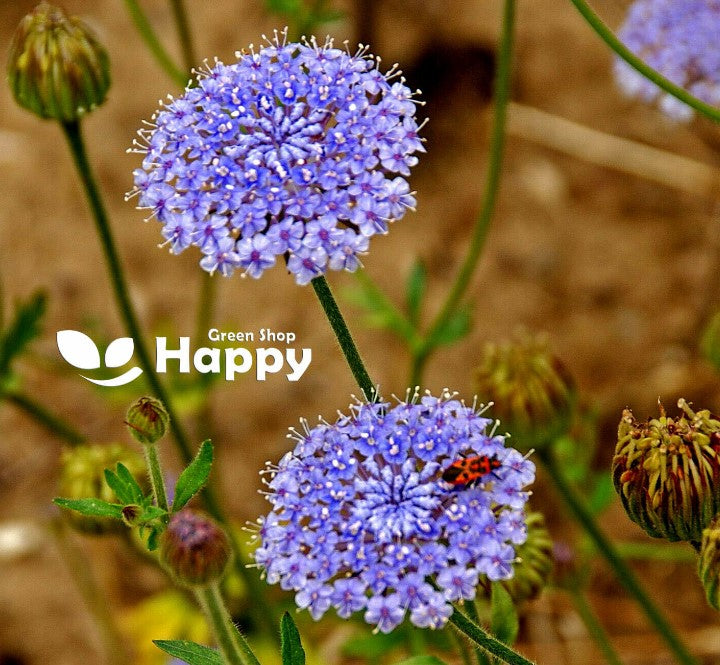
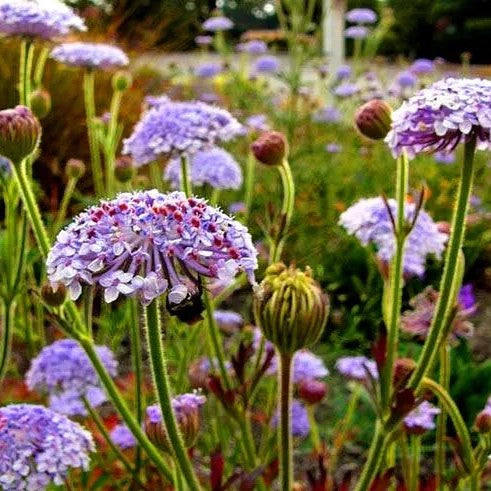
Blue Lace Flower Seeds (Didiscus caeruleus / Trachymene caerulea)
The Blue Lace Flower is an elegant and delicate annual, much loved for its airy umbels of soft sky-blue blossoms. Each flower head resembles lacework, carried on long slender stems, making it ideal for cutting. With its light, lacy texture, this plant brings charm and movement to borders, cottage gardens, and wildflower-style plantings. It is also a superb choice for floral arrangements, both fresh and dried.
What Makes It Special
-
Produces lace-like umbels of pastel blue blooms
-
Excellent cut flower with a long vase life
-
Attractive to bees, butterflies, and pollinators
-
Adds a soft, romantic touch to borders and bouquets
Key Features
-
Botanical name: Didiscus caeruleus / Trachymene caerulea
-
Common name: Blue Lace Flower
-
Seed count: Approx. seeds per pack
-
Height/Spread: 45–60 cm tall, 20–30 cm spread
-
Position: Full sun, well-drained soil
-
Flowering period: Summer to early autumn
-
Lifespan: Half-hardy annual
Ideal For
-
Cottage gardens
-
Wildflower meadows
-
Borders and mixed beds
-
Cut flower and dried arrangements
-
Pollinator-friendly gardens
Sowing Instructions
-
When to sow: March–May indoors, or April–June outdoors after frost has passed
-
How to sow:
-
Sow seeds thinly in trays with seed compost or directly outdoors in fine soil
-
Lightly cover seeds with a thin layer of soil or vermiculite
-
Keep moist until seedlings appear (14–21 days)
-
-
Transplant/Thin: Space plants 20–30 cm apart
-
Care: Deadhead to prolong flowering; provide support in windy sites

African Daisy Mix – Vivid, Sun-Loving Blooms All Summer
African Daisy (Dimorphotheca sinuata) is a dazzling annual producing masses of daisy-like flowers in bright shades of orange, yellow, white, and salmon. These cheerful blooms thrive in sunny spots, opening fully in daylight and closing at dusk, bringing vibrant color to borders, rock gardens, and containers. Easy to grow and drought-tolerant, they deliver a long-lasting, low-maintenance floral display from late spring to autumn.
What Makes It Special
-
Striking mix of vivid colors for instant garden cheer
-
Sun-loving blooms that open in daylight
-
Long-lasting display with minimal care
-
Excellent for hot, dry gardens
-
Attracts pollinators
Key Features
-
Height: 25–40 cm – compact and bushy
-
Hardy annual – quick to flower from seed
-
Blooms from late spring to early autumn
-
Drought-tolerant once established
-
Perfect for sunny, well-drained sites
Ideal For
-
Borders, edging, and rock gardens
-
Wildflower-style meadows
-
Containers and window boxes
-
Low-water landscaping
Sowing
-
Sow direct in spring after frost risk has passed
-
Rake lightly into soil, do not cover deeply
-
Germination: 7–14 days at 15–20°C
-
Thin seedlings to 20–25 cm apart
-
Prefers full sun and light, well-drained soil
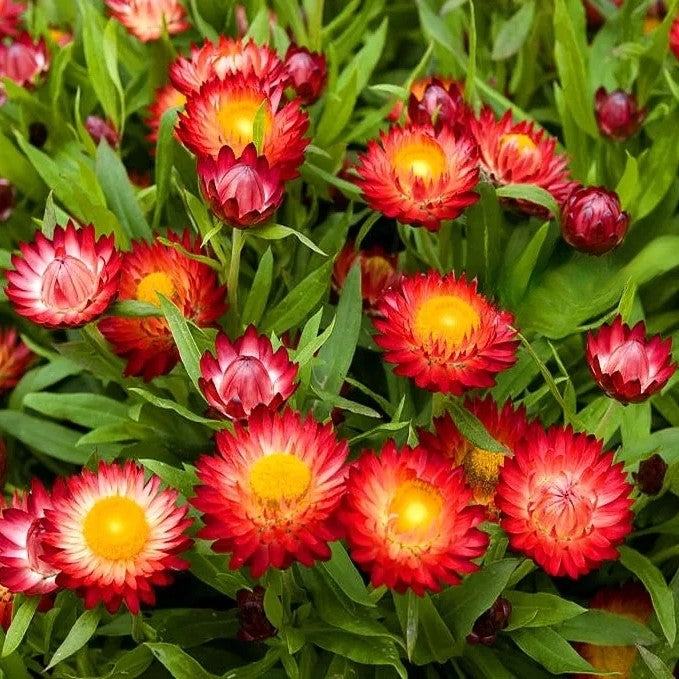
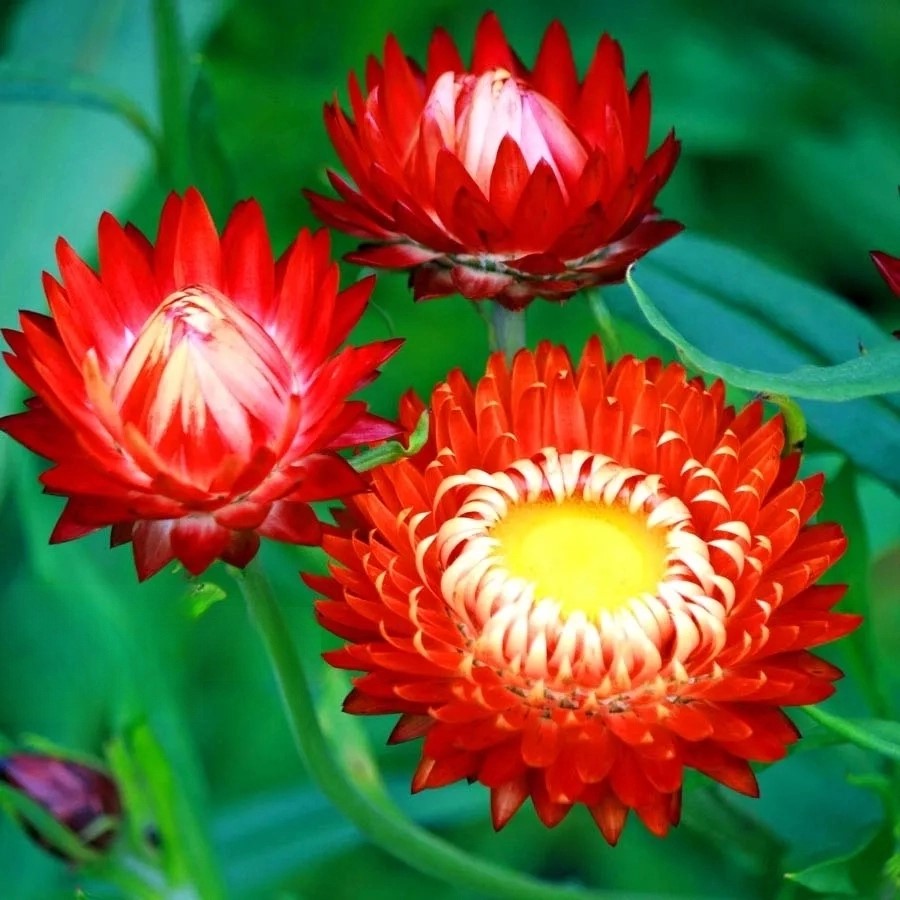
Strawflower Scarlet – 900 Seeds (Helichrysum bracteatum)
Bring bold, lasting beauty to your garden with Strawflower Scarlet. Known as the everlasting flower, its vivid papery petals keep their deep scarlet hue long after cutting, making it a favorite for fresh displays and dried bouquets.
What Makes It Special
-
Intense scarlet-red blooms that never fade
-
Perfect for dried flowers and crafts
-
Blooms continuously from summer to frost
-
Heat and drought tolerant
Key Features
-
Half-hardy annual
-
Height: 60–90 cm
-
Retains vibrant color when dried
-
Thrives in full sun and well-drained soil
-
Easy to grow with minimal care
Ideal For
-
Dried arrangements and wreaths
-
Long-lasting cut flowers
-
Adding rich color to borders and beds
-
Pollinator-friendly gardens
Sowing
-
Sow indoors 6–8 weeks before last frost or directly outdoors after frost danger passes
-
Lightly cover seeds – they need some light to germinate
-
Germination: 7–14 days at 18–21°C
-
Space plants 25–30 cm apart
-
Pinch back young plants for bushier growth

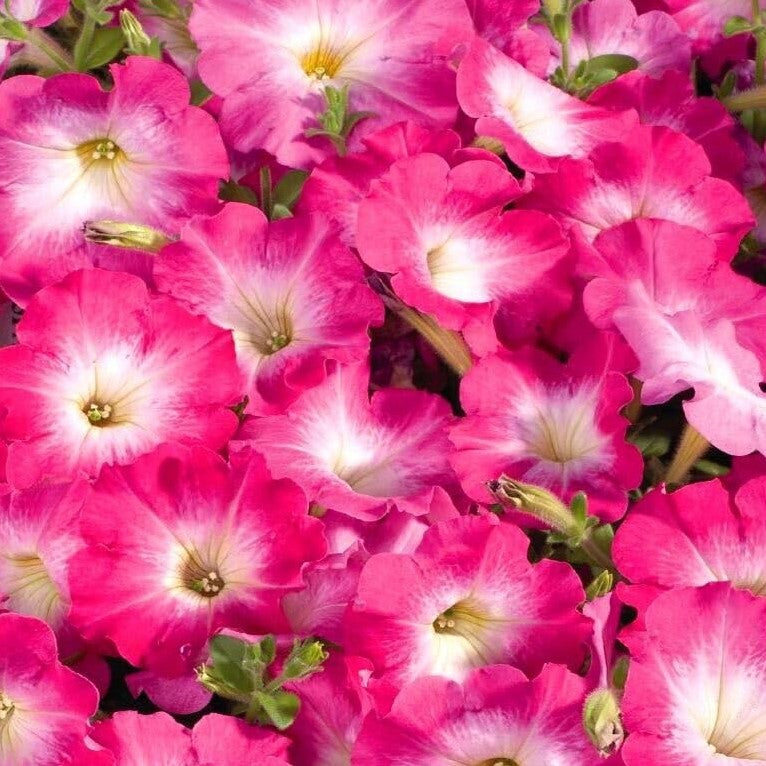
Petunia F1 'Pink Morn' – Seeds (Petunia grandiflora)
A delightful hybrid petunia, 'Pink Morn' produces large trumpet-shaped blooms with soft pink petals that fade into a bright white throat, giving a fresh and cheerful "morning glow" effect. Compact, free-flowering, and long-lasting, this variety is ideal for baskets, containers, and flower beds.
Why Grow Petunia F1 'Pink Morn'?
-
Large, eye-catching blooms with soft pink & white tones
-
Long flowering season from late spring to autumn
-
Weather-tolerant and uniform hybrid variety
-
Great for baskets, pots, and bedding displays
Key Features
-
Type: Half-hardy annual
-
Height: 25–35 cm
-
Spread: 30–40 cm
-
Flowers: Summer to early autumn
-
Position: Full sun, fertile well-drained soil
Ideal For
-
Hanging baskets and window boxes
-
Patio containers and borders
-
Bedding displays with continuous color
-
Mass planting for impact
Sowing & Growing
-
Sow indoors: February–April, lightly press seeds onto moist compost (do not cover)
-
Germination: 7–14 days at 20–24°C
-
Transplant: When seedlings are large enough, harden off and plant out after frost
-
Space plants: 25–30 cm apart
Tip: Deadhead regularly to encourage nonstop flowering.


French Marigold 'Dainty Marietta' – 500 Seeds (Tagetes patula nana)
Cheerful and easy to grow, French Marigold 'Dainty Marietta' produces golden-yellow single blooms with a bold maroon blotch at the center. Compact and free-flowering, this dwarf variety is perfect for edging, borders, and pots, while also being valued for pest-deterring companion planting.
Why Grow 'Dainty Marietta'
-
Bright yellow flowers with maroon centers
-
Long flowering season from summer to frost
-
Dwarf, bushy, and easy to grow
-
Attracts pollinators and deters pests
Key Features
-
Type: Half-hardy annual (Tagetes patula nana)
-
Height: 20–25 cm (dwarf)
-
Flowering: June–October
-
Position: Full sun
-
Uses: Borders, edging, containers, companion planting
Ideal For
-
Bright summer bedding
-
Patio pots and window boxes
-
Edging pathways and borders
-
Vegetable gardens as a natural pest deterrent
Sowing & Growing
-
Sow indoors: March–April in trays or pots
-
Sow outdoors: May–June after frost
-
Germination: 7–14 days at 18–22°C
-
Transplant or thin seedlings to 20 cm apart
-
Prefers well-drained soil in full sun
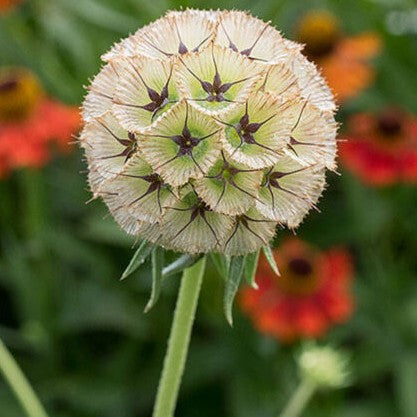
Scabiosa stellata 'Drumsticks', commonly known as Drumstick Scabious or Starflower Scabious, is an unusual annual prized as much for its extraordinary seed heads as for its flowers. Delicate pale blue pincushion-like blooms are carried on slender branching stems during summer, creating a graceful and airy display in sunny borders and cutting gardens.
After flowering, the real show begins. Each flower develops into a distinctive spherical seed head formed from numerous papery, star-centred bracts, gradually maturing through pale green and silvery cream to warm bronze and parchment tones. These architectural globes are exceptionally attractive when dried and retain their shape beautifully, making Drumstick Scabious a favourite for dried bouquets, wreaths and everlasting floral arrangements.
● Extraordinary spherical, papery seed heads with intricate star-like detailing
● Excellent for both fresh and dried flower arrangements
● Delicate pale blue flowers provide summer interest before the seed heads develop
● Architectural seed heads mature into beautiful cream, bronze and parchment tones
● Unusual cut flower variety that adds texture and structure to bouquets
● Dried flower arrangements
● Cut flower gardens
● Cottage gardens
● Everlasting bouquets and wreaths
● Sunny borders and naturalistic planting
● Grow in full sun and freely draining soil; heavy, persistently wet ground can reduce plant performance and encourage rotting.
● For the best dried material, allow the distinctive spherical seed heads to develop fully but cut them before they become so mature that individual sections begin to loosen and fall apart.
● Cut seed heads with long stems and hang them upside down in a dry, airy place to finish drying for everlasting arrangements.
● Avoid excessive feeding or overly rich soil, which can encourage soft, leafy growth at the expense of strong flowering stems.
● In exposed gardens, provide discreet support if necessary, as the slender flowering stems can be damaged or bent by strong wind.
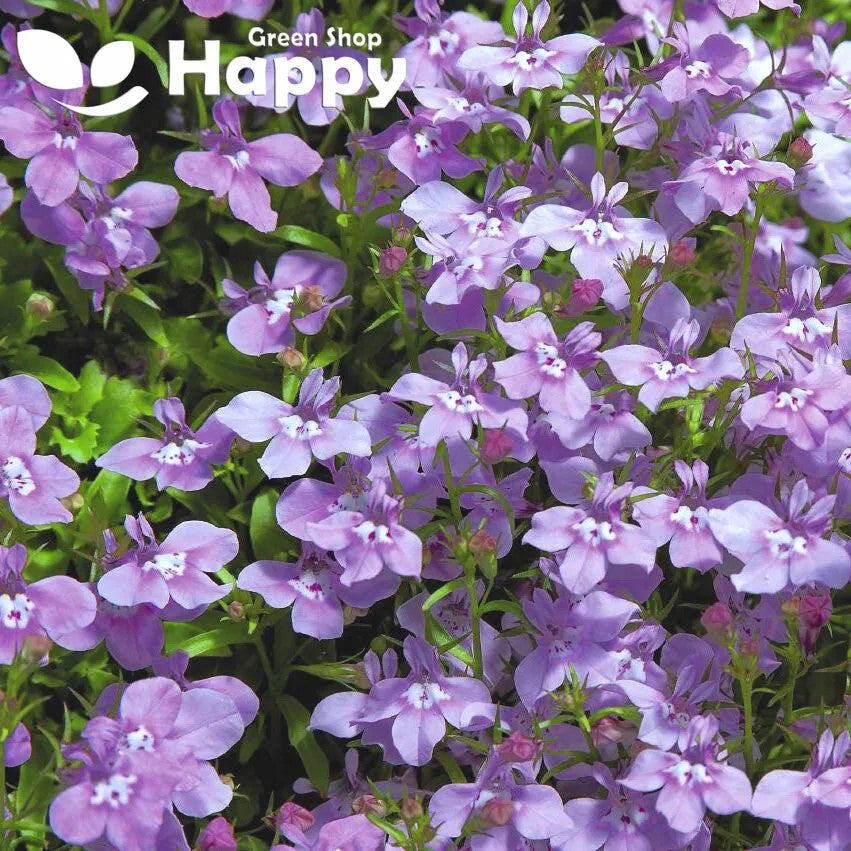
Lobelia ‘Twilight’ Lilac – Seeds
(Lobelia erinus)
Lobelia ‘Twilight’ Lilac is a compact and trailing variety that produces masses of soft lilac blooms throughout summer. Its delicate flowers create a stunning carpet of color, making it perfect for hanging baskets, window boxes, and edging borders. Easy to grow and long-flowering, it adds a graceful, airy charm to any garden display.
Why Grow Lobelia ‘Twilight’ Lilac?
-
Masses of soft lilac blooms all summer
-
Compact and trailing growth habit
-
Perfect for baskets, containers, and edging
-
Easy to grow and low-maintenance
Key Features
-
Type: Half-hardy annual
-
Height: 10–15 cm
-
Flowers: June–September
-
Position: Full sun to partial shade
-
Soil: Moist, well-drained
Ideal For
-
Hanging baskets and window boxes
-
Edging borders and rockeries
-
Container planting
-
Adding soft lilac tones to garden displays
Sowing & Growing
-
Sow indoors: February–April on the surface of moist compost (do not cover seeds)
-
Germination: 14–21 days at 18–24°C
-
Transplant seedlings into trays when large enough to handle
-
Harden off before planting outdoors after last frost
-
Spacing: 10–15 cm apart
Showing 27/40


