
Sort by:
161 products
161 products
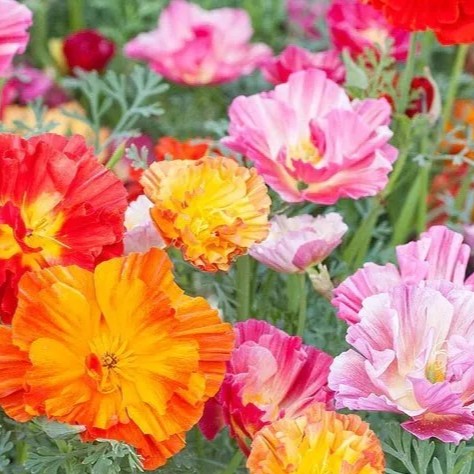
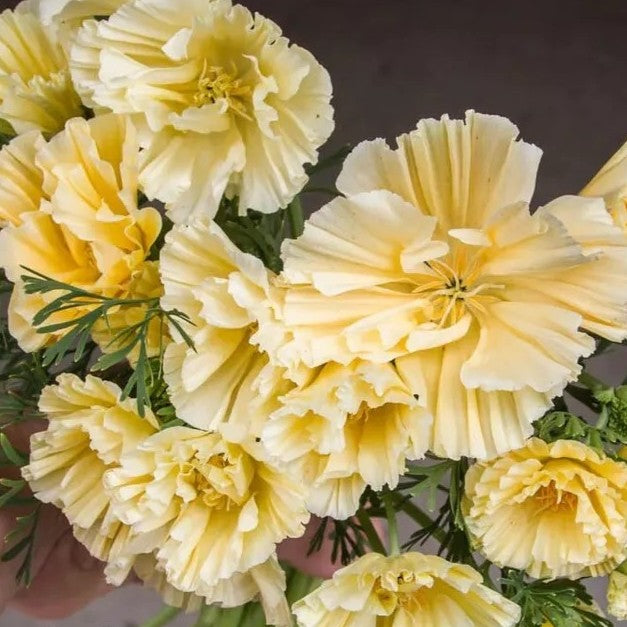
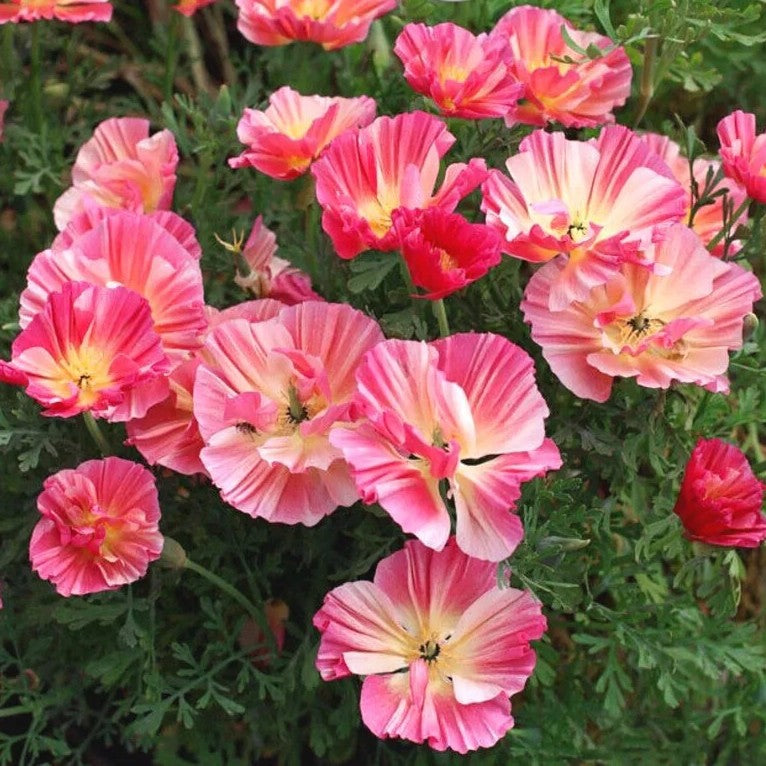
California Poppy ‘Frilly Fun’ Seeds (Eschscholzia californica)
Add a burst of playful charm to your garden with California Poppy ‘Frilly Fun’ (Eschscholzia californica). This unique variety of the classic California poppy produces finely frilled, ruffled petals in vibrant shades of orange, yellow, and gold. Hardy, drought-tolerant, and easy to grow, it’s the perfect choice for brightening beds, borders, and wildflower-style plantings.
How to Grow
-
Sow directly outdoors in spring or autumn, as California poppies dislike transplanting.
-
Choose poor to moderately fertile, well-drained soil in full sun.
-
Scatter seeds thinly on the surface and cover lightly with fine soil.
-
Water gently until established; then reduce watering, as plants thrive in dry conditions.
-
Germination usually occurs within 14–21 days.
-
Deadhead spent blooms to encourage continued flowering.
Key Features
-
Distinctive frilly, ruffled blooms in bright golden shades
-
Hardy, drought-tolerant annual, perfect for low-maintenance gardens
-
Long-flowering, bringing color from summer into autumn
-
Attracts pollinators including bees and butterflies
-
Excellent for naturalistic and wildflower-style plantings
Ideal For
-
Wildflower meadows and cottage gardens
-
Rock gardens and sunny borders
-
Low-maintenance landscapes
-
Adding cheerful color to poor or dry soils
Sowing
-
Best time: Spring or autumn directly outdoors
-
Germination: 14–21 days
-
Sow thinly, cover lightly, and water until established
-
Prefers full sun and free-draining soil
Quick Tip
-
For a natural, meadow-like effect, scatter seeds in drifts rather than rows.


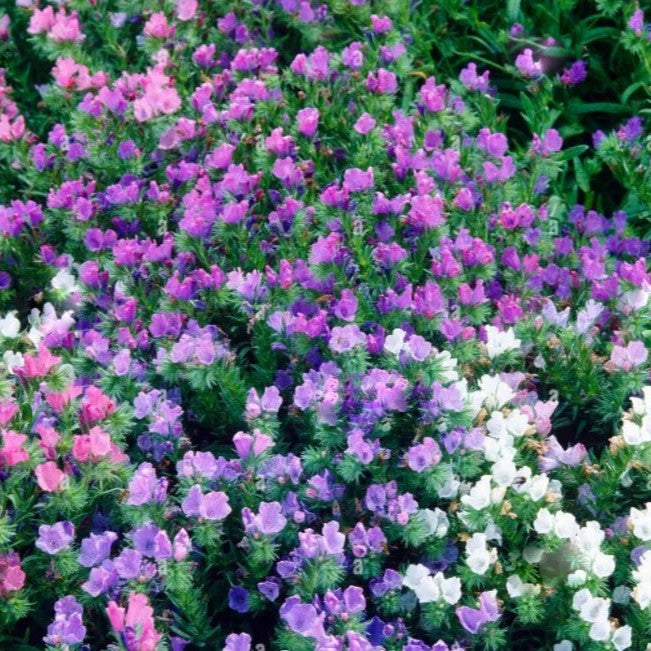
Blueweed Flower Mix Seeds (Echium plantagineum)
The Blueweed Flower Mix is a vibrant and easy-to-grow annual that produces a spectacular display of blue, pink, violet, and purple trumpet-shaped blooms. Also known as Paterson’s Curse, this wildflower is prized for its striking colors and its ability to attract bees, butterflies, and other pollinators throughout summer. Perfect for naturalistic planting, wildflower meadows, or borders, this hardy mix thrives in poor soils and sunny sites, offering months of color with minimal care.
What Makes It Special
-
Long-lasting multi-colored floral display
-
Excellent for wildlife-friendly gardens
-
Thrives in dry, poor soils where other flowers may struggle
-
Perfect choice for naturalistic meadows and pollinator habitats
Key Features
-
Botanical name: Echium plantagineum
-
Common name: Blueweed / Paterson’s Curse
-
Seed count: Approx. seeds per pack
-
Height/Spread: 30–80 cm tall, 20–40 cm spread
-
Position: Full sun; well-drained sandy or gravelly soil
-
Flowering period: June–September
Ideal For
-
Wildflower meadows
-
Pollinator-friendly planting
-
Cottage gardens
-
Low-maintenance beds and borders
-
Naturalizing in sunny, dry spots
Sowing Instructions
-
When to sow: March–May outdoors or September for earlier blooms next year
-
How to sow:
-
Sow seeds directly where they are to flower, in well-prepared soil
-
Lightly rake in and firm down
-
Keep soil moist until germination (7–14 days)
-
-
Spacing: Thin seedlings to 20–30 cm apart
-
Care: Once established, requires very little maintenance. Tolerant of drought. Deadhead to prolong flowering.
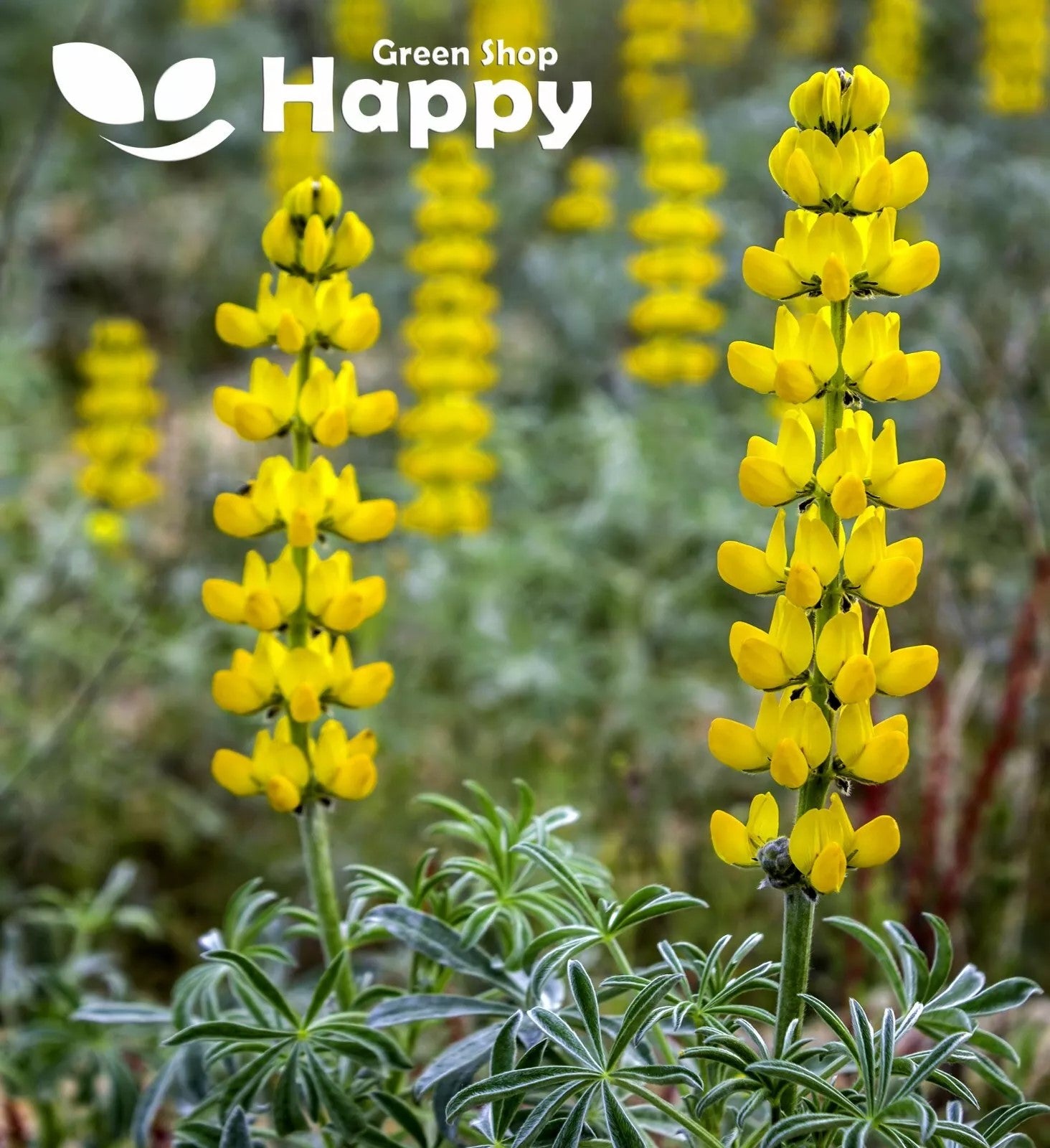
Golden Yellow Lupine Seeds (Lupinus luteus)
Golden Yellow Lupine produces tall, striking spires of bright yellow pea-like flowers above lush green foliage. Hardy and fast-growing, it adds vertical interest and vibrant color to borders, cottage gardens, and wildflower meadows. Loved by bees and other pollinators, it also fixes nitrogen in the soil, improving garden fertility naturally.
What Makes It Special
-
Brilliant yellow flower spikes for dramatic garden color
-
Hardy, easy-to-grow perennial that attracts pollinators
-
Improves soil fertility through nitrogen fixation
Key Features
-
Botanical name: Lupinus luteus
-
Hardy annual or short-lived perennial
-
Height: 80–120 cm (32–48 in)
-
Bloom time: Early to mid-summer
Ideal For
-
Cottage gardens, perennial borders, and wildflower meadows
-
Pollinator-friendly plantings
-
Adding vertical interest and vibrant yellow color
Sowing
-
Sow indoors Mar–Apr or outdoors Apr–Jun
-
Nick or scarify seeds and soak overnight for faster germination
-
Cover lightly with soil and keep moist
-
Germination: 14–30 days at 15–20°C
-
Thin seedlings 30–40 cm apart
-
Flowers the first or second year
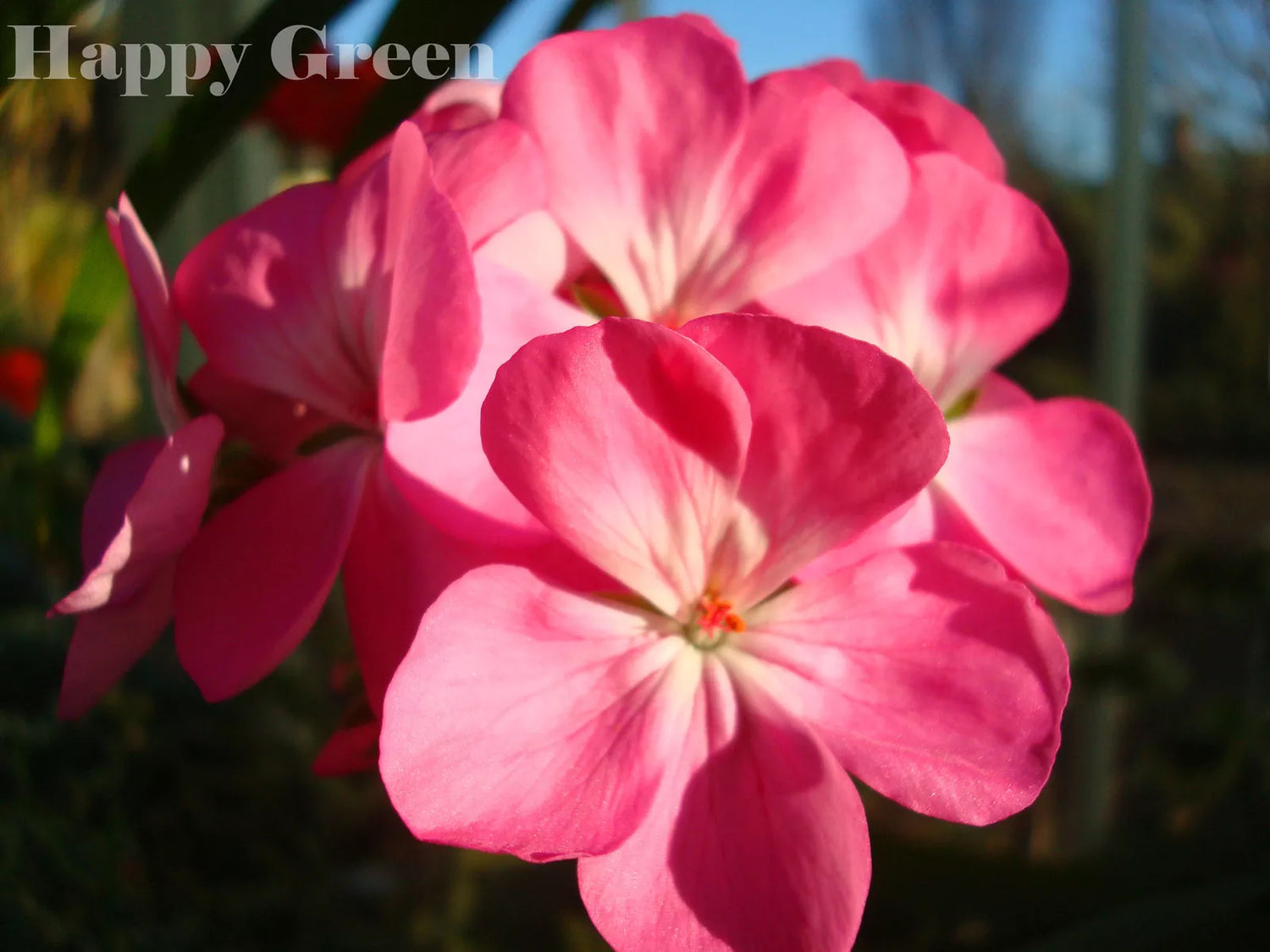
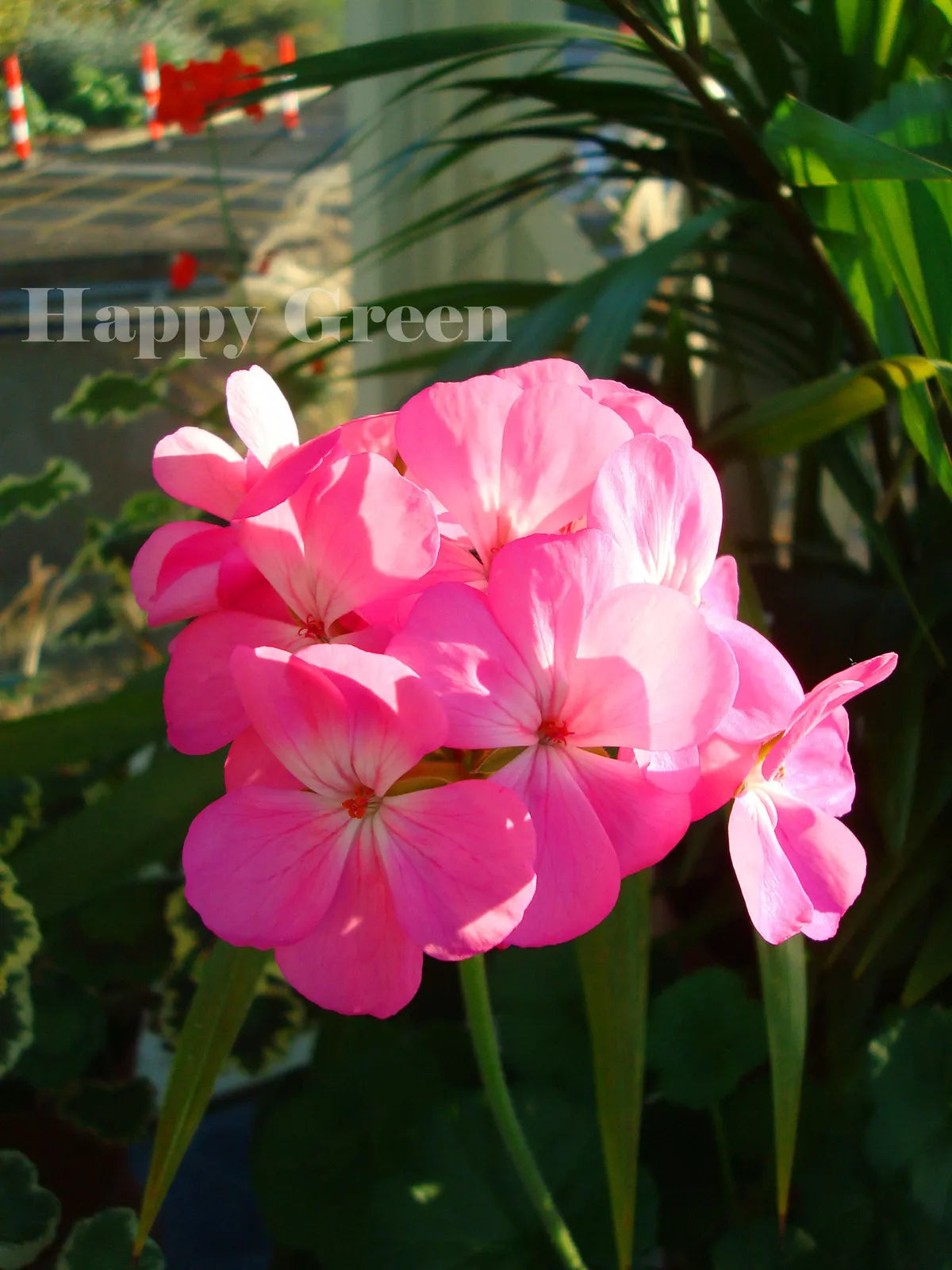
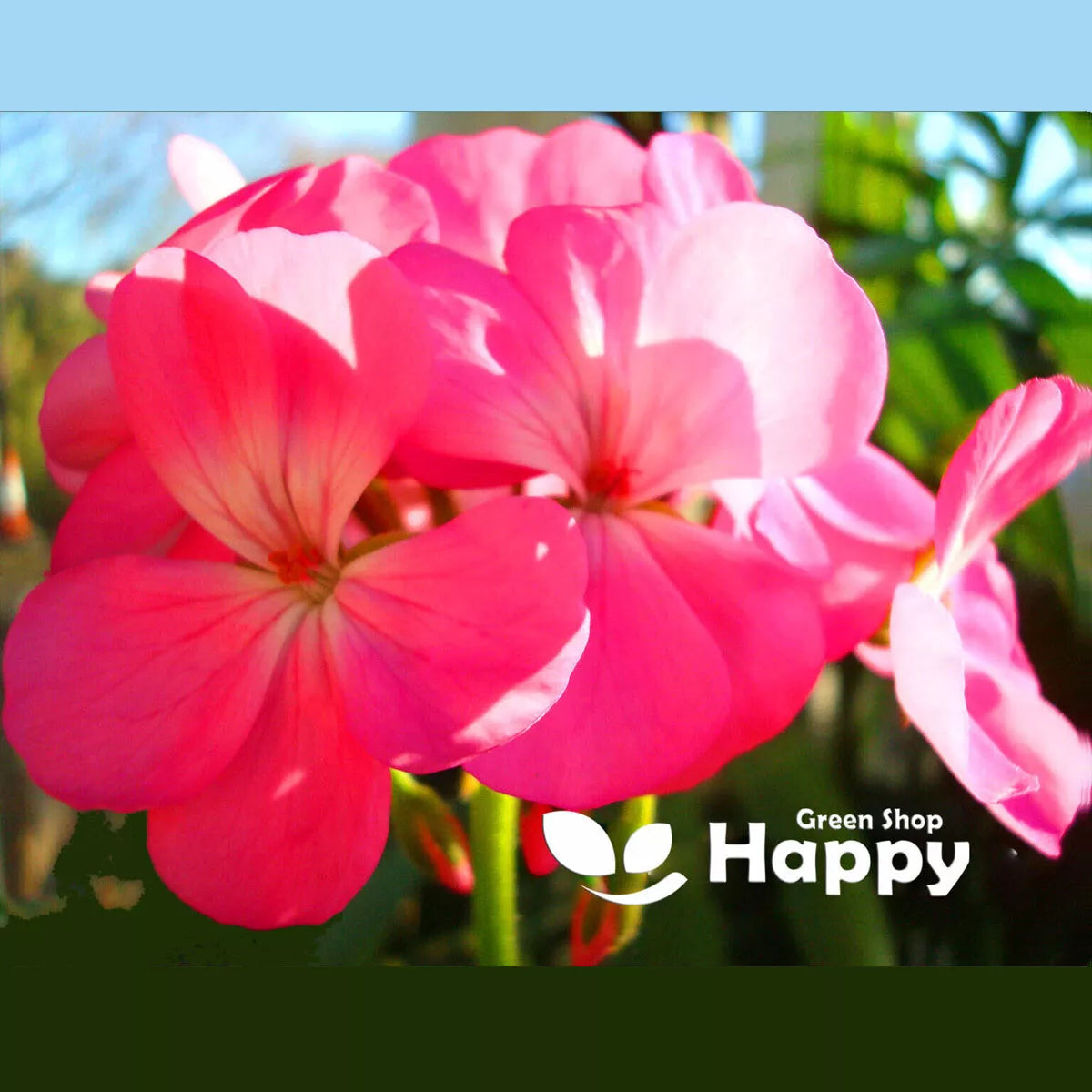
Geranium Pink F2 – Seeds (Pelargonium zonale F2)
Geranium Pink F2 is a reliable bedding geranium that adds soft charm and long-lasting color to any garden. Its compact plants produce large clusters of vibrant pink blooms over lush green foliage, flowering continuously through summer into early autumn. Easy to grow and weather-tolerant, it’s perfect for beds, borders, and patio containers.
Why Grow "Pink F2"
-
Soft pink blooms with vibrant summer color
-
Compact, bushy plants ideal for bedding
-
Long flowering season with minimal care
-
Heat and weather tolerant
Key Features
-
Type: Half-hardy annual (Pelargonium zonale F2)
-
Height: 25–35 cm
-
Flowering: Summer to early autumn
-
Position: Full sun
-
Uses: Borders, beds, patio containers, window boxes
Ideal For
-
Adding gentle pink tones to borders and beds
-
Patio pots and balcony displays
-
Long-lasting summer color with little effort
-
Beginner gardeners wanting dependable blooms
Sowing & Growing
-
Sow indoors: January–March at 20–25°C
-
Germination: 7–21 days
-
Transplant outdoors after frost, spacing 20–25 cm
-
Prefers full sun and well-drained soil
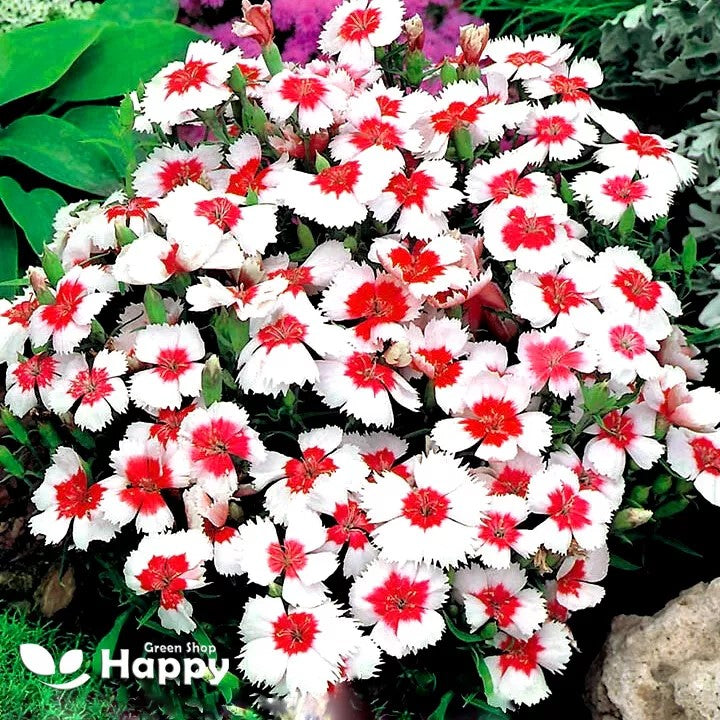
China Pink 'Merry-go-round' – Seeds
(Dianthus chinensis)
China Pink 'Merry-go-round' is a charming annual featuring vibrant, frilled blooms in shades of pink with delicate markings. Its compact, bushy habit makes it perfect for borders, rockeries, and containers, providing continuous colour throughout the summer. Easy to grow and low-maintenance, this variety also attracts pollinators, adding life and beauty to any garden.
Key Features
-
Type: Hardy annual
-
Height: 20–30 cm
-
Spread: 20–25 cm
-
Flowering: June–September
-
Position: Full sun
-
Soil: Well-drained, fertile soil
Ideal For
-
Borders and edging
-
Rockeries and container planting
-
Pollinator-friendly gardens
-
Summer floral displays
Sowing & Growing
-
Sow indoors: February–April at 18–22°C
-
Sow outdoors: April–May directly in soil
-
Germination: 7–14 days
-
Thin seedlings or transplant to 20–25 cm spacing
-
Deadhead regularly to prolong flowering
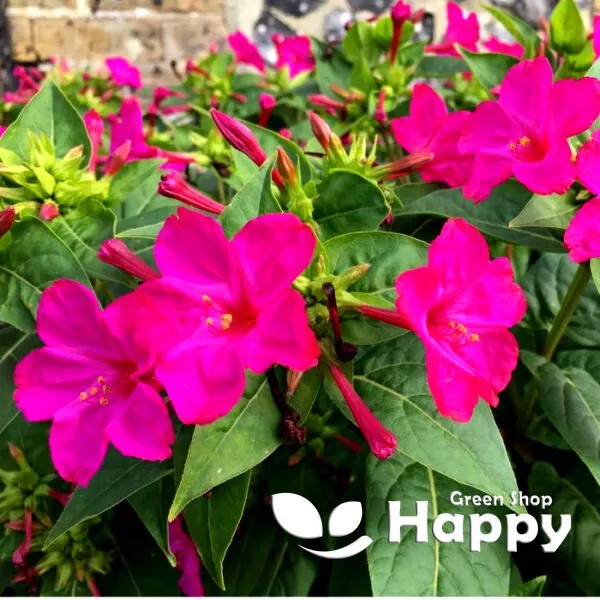
Four O’clock Flower Violet – Seeds
(Mirabilis jalapa)
The Four O’clock Flower Violet is a charming and fragrant annual that opens its blooms in the late afternoon and evening, releasing a sweet perfume that attracts moths and pollinators. With vibrant violet-purple trumpet-shaped flowers and lush green foliage, this plant is both ornamental and easy to grow. Known for its resilience and ability to thrive in hot, sunny spots, it makes a delightful addition to beds, borders, and containers.
Key Features
-
Type: Half-hardy perennial (grown as annual)
-
Height: 60–90 cm
-
Spread: 30–45 cm
-
Flowering: June–October
-
Position: Full sun to partial shade
-
Soil: Well-drained, moderately fertile
Ideal For
-
Evening fragrance gardens
-
Borders and mixed beds
-
Patio containers
-
Pollinator-friendly planting
Sowing & Growing
-
Sow indoors: March–April, in pots at 18–22°C
-
Sow outdoors: May, after frost has passed
-
Germination: 7–14 days
-
Transplant/Thin: 30–45 cm apart
-
Blooms open in late afternoon and last until morning
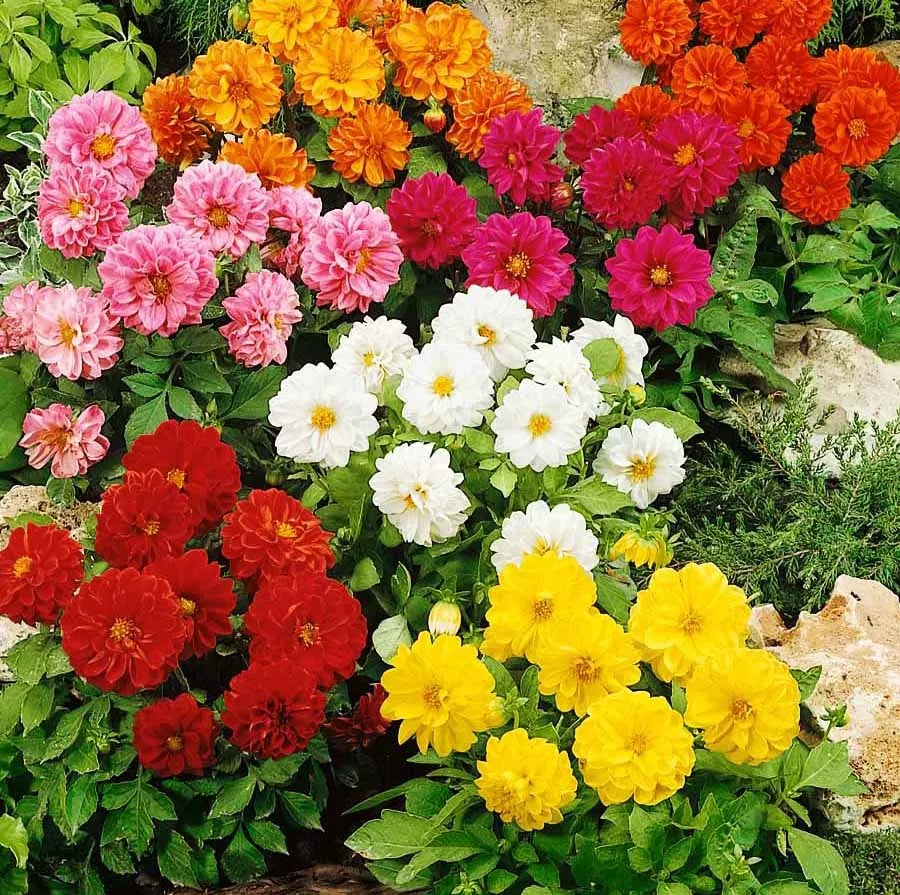
Dwarf Dahlia Double ‘Opera’ – Showy Color for Compact Spaces
Dwarf Dahlia Double ‘Opera’ produces large, double blooms in a stunning mix of vibrant shades, bringing rich summer color to borders, bedding, and containers. Compact and bushy, this variety flowers continuously from mid-summer until the first frost, making it a reliable choice for long-lasting displays.
What Makes It Special
-
Striking double blooms in bold, mixed colors
-
Compact size, ideal for small gardens and pots
-
Blooms freely all summer until frost
-
Great for cutting and garden display
-
Easy to grow from seed
Key Features
-
Height: 40–50 cm – neat, bushy plants
-
Half-hardy annual – flowers first year
-
Full, double blooms for maximum impact
-
Works well in bedding schemes and borders
-
Long-lasting blooms with excellent vase life
Ideal For
-
Bedding displays and compact borders
-
Patio pots and containers
-
Summer-long floral color
-
Cut flowers for fresh arrangements
Sowing
-
Sow indoors 6–8 weeks before last frost
-
Cover lightly with fine soil
-
Germination: 7–14 days at 18–21°C
-
Transplant after frost danger has passed, spacing 30 cm apart
-
Prefers full sun and fertile, well-drained soil
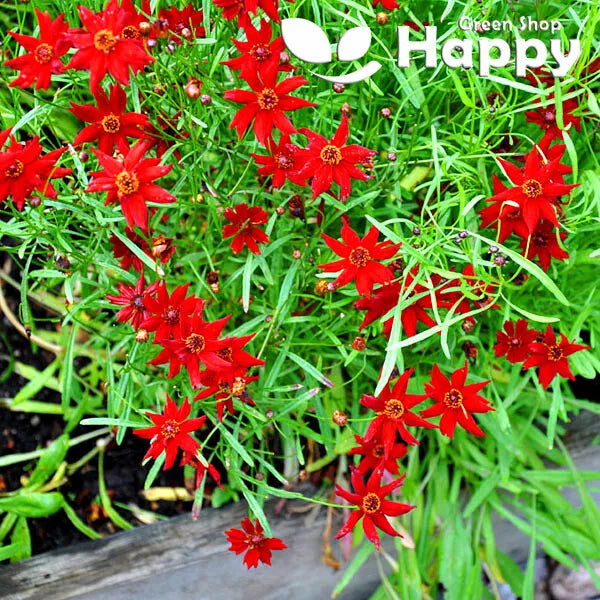
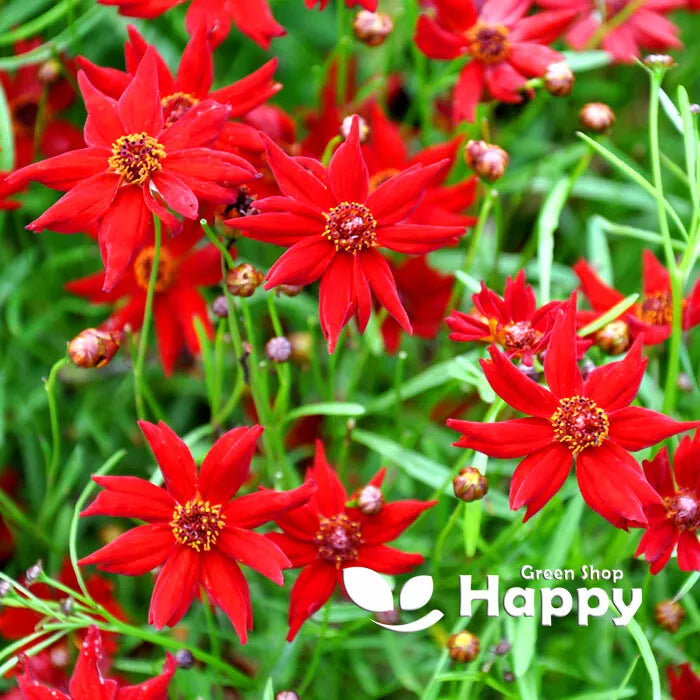
Coreopsis ‘Amulet Red’ – Seeds
(Coreopsis tinctoria)
Coreopsis ‘Amulet Red’ is a striking annual that produces masses of deep red, daisy-like blooms throughout summer. Its long-lasting flowers attract bees, butterflies, and other pollinators, making it both a decorative and wildlife-friendly choice. Perfect for borders, wildflower gardens, and cutting.
Why Grow Coreopsis ‘Amulet Red’?
-
Abundant deep red daisy-like flowers
-
Long flowering season from summer to autumn
-
Attracts bees, butterflies & pollinators
-
Easy to grow and low-maintenance
Key Features
-
Type: Hardy annual
-
Height: 45–60 cm
-
Flowers: June–October
-
Position: Full sun
-
Soil: Well-drained, moderately fertile
Ideal For
-
Borders and cottage gardens
-
Wildflower-style plantings
-
Pollinator-friendly gardens
-
Cut flower arrangements
Sowing & Growing
-
Sow outdoors: April–May in prepared soil, thin seedlings as needed
-
Sow indoors: March–April in trays, plant out after last frost
-
Germination: 7–14 days at 18–22°C
-
Spacing: 20–25 cm apart
-
Deadhead spent blooms to prolong flowering
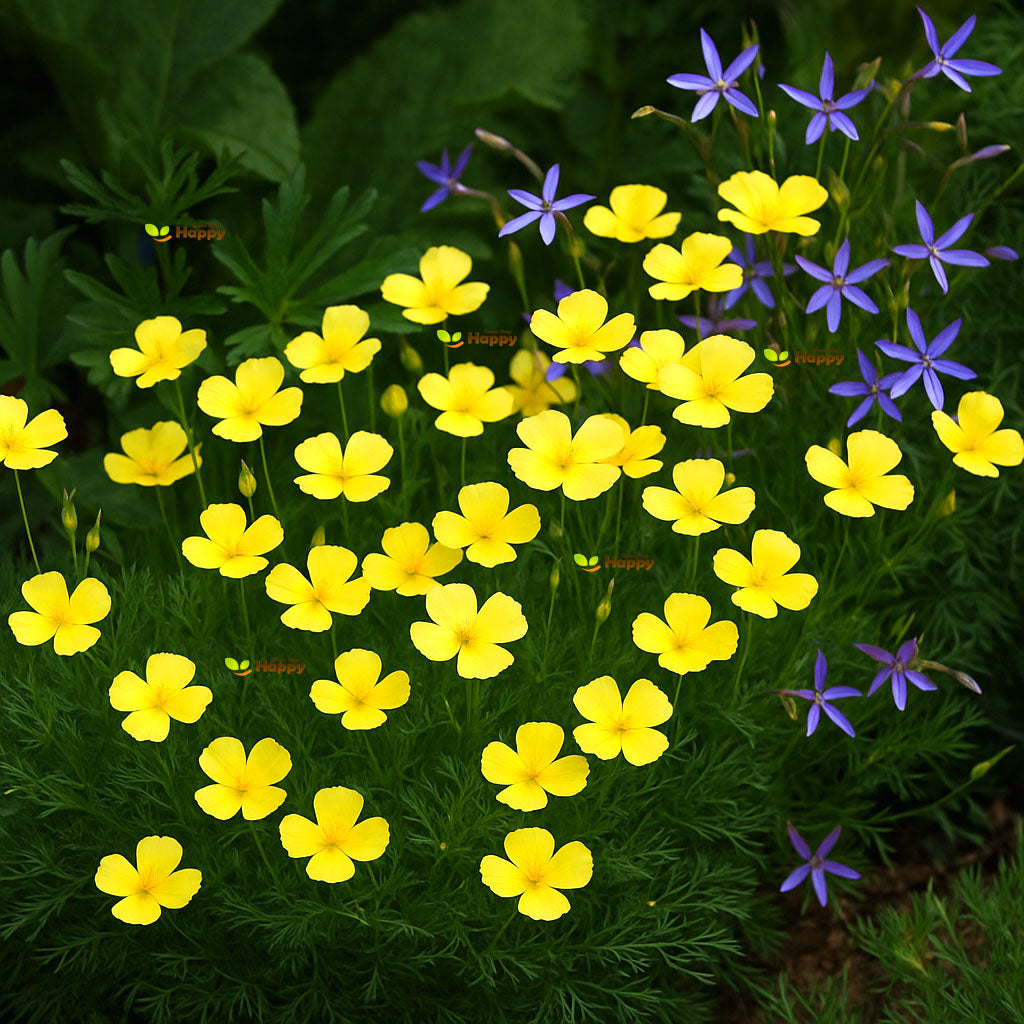
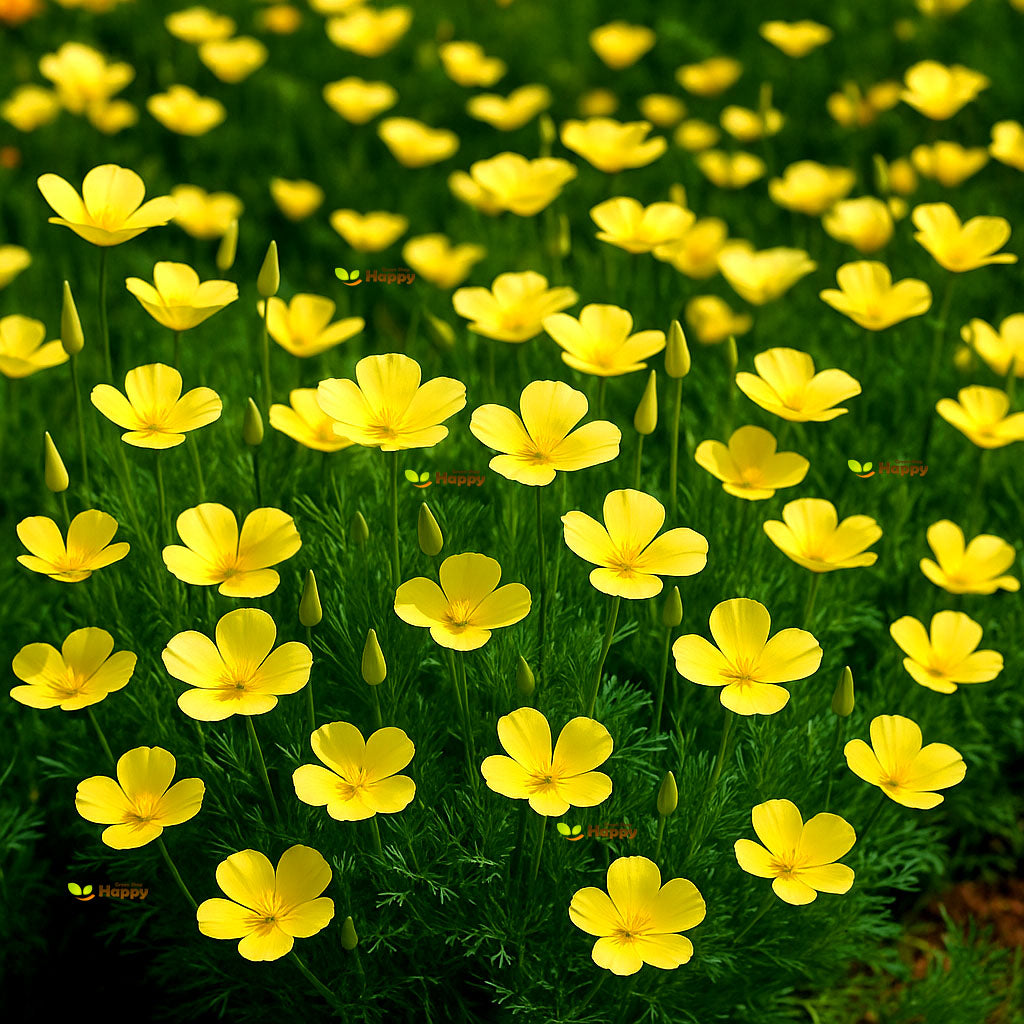
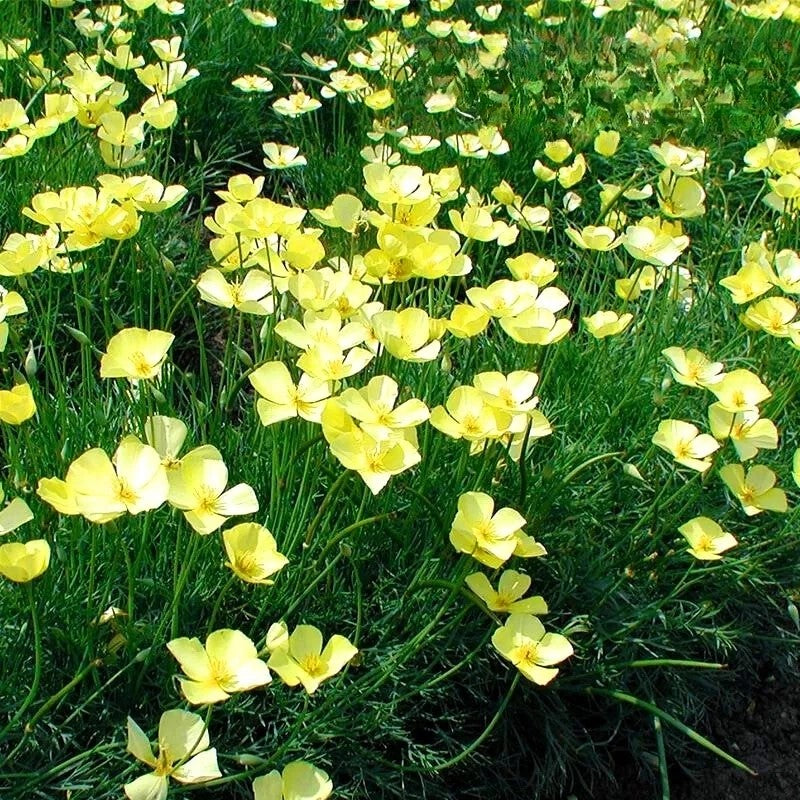
Tufted Poppy ‘Sundew’ Yellow – Golden Mini Blooms
Tufted Poppy ‘Sundew’ produces cheerful, bright yellow flowers on compact, tufted plants. Perfect for creating sunny borders, rock gardens, or naturalized areas, these hardy annuals add long-lasting color with minimal care.
What Makes It Special
-
Bright, sunny yellow blooms
-
Compact, tufted growth habit
-
Long-flowering and low-maintenance
-
Ideal for naturalized and rock gardens
Key Features
-
Annual plant
-
Grows 15–25 cm tall
-
Blooms from late spring to summer
-
Thrives in full sun and well-drained soil
-
Drought-tolerant and hardy
Ideal For
-
Garden borders and edges
-
Rock gardens and pathways
-
Wildflower and naturalized areas
-
Containers and sunny patios
Sowing
-
Sow directly outdoors after last frost
-
Plant seeds 0.3–0.5 cm deep
-
Germination: 7–14 days at 18–22°C
-
Space 15–20 cm apart
-
Water moderately and provide full sun
Showing 135/161


