
Sort by:
161 products
161 products

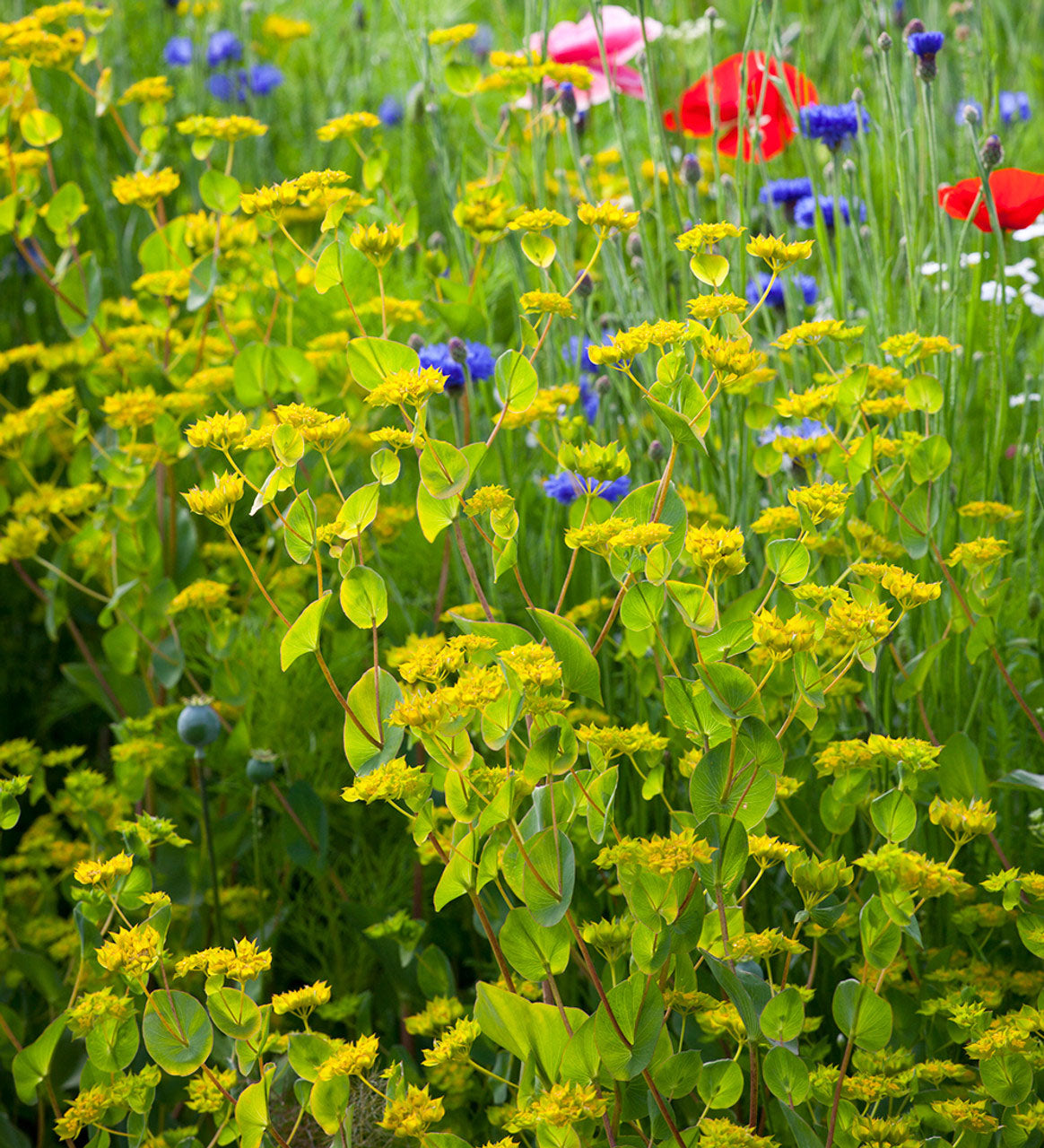

Hare’s Ear Seeds (Bupleurum rotundifolium ‘Griffithii’)
Add unique texture and vibrant color to your garden with Hare’s Ear (Bupleurum rotundifolium ‘Griffithii’). This annual produces clusters of bright green, airy umbels above fine foliage, creating a striking contrast in borders, cutting gardens, and wildflower meadows. Hardy and easy to grow, it attracts pollinators and adds architectural interest to your garden.
How to Grow
-
Sow directly outdoors in spring after the last frost.
-
Use well-drained soil in full sun.
-
Scatter seeds thinly and cover lightly with soil.
-
Keep soil moist until germination (10–14 days).
-
Thin seedlings to 25–30 cm apart once established.
-
Cut flowers regularly to encourage continued blooming.
Key Features
-
Airy green umbels for a unique garden texture
-
Hardy annual, easy to grow and long-flowering
-
Excellent for borders, cutting gardens, and meadows
-
Attracts bees, butterflies, and other pollinators
-
Architectural foliage adds interest to plantings
Ideal For
-
Flower borders and cottage gardens
-
Cutting gardens for fresh bouquets
-
Wildflower-style meadows and naturalized areas
-
Pollinator-friendly landscapes
Sowing
-
Best time: Spring outdoors
-
Germination: 10–14 days
-
Sow thinly, cover lightly, and keep soil moist
-
Prefers full sun and well-drained soil
Quick Tip
-
For a longer display, sow in successive batches every 2–3 weeks during spring.

February Orchid – 400 Seeds (Orychophragmus violaceus)
Description:
Brighten early spring gardens with February Orchid (Orychophragmus violaceus). This hardy annual produces clusters of delicate, violet-purple flowers that bloom from late winter into early spring. Its compact, bushy growth habit makes it ideal for borders, rock gardens, and container plantings. February Orchid attracts pollinators and adds cheerful color when few other plants are in bloom.
Key Features
-
Delicate violet-purple blooms from late winter to early spring
-
Hardy, compact, and bushy annual
-
Long-lasting early-season color
-
Attracts bees and pollinators
-
Easy to grow from seed
Ideal For
-
Borders and mixed flower beds
-
Rock gardens and container plantings
-
Early spring color displays
-
Pollinator-friendly gardens
Sowing & Growing
-
Sow Indoors: January–February
-
Sow Outdoors: February–March
-
Germination: 7–14 days at 15–20°C
-
Height: 30–40 cm
-
Spacing: 20–25 cm apart
-
Light: Full sun to partial shade
-
Soil: Well-drained, moderately fertile
Care Tips
-
Water lightly until seedlings establish
-
Deadhead to encourage continuous flowering
-
Avoid waterlogging
-
Can self-seed for future seasons
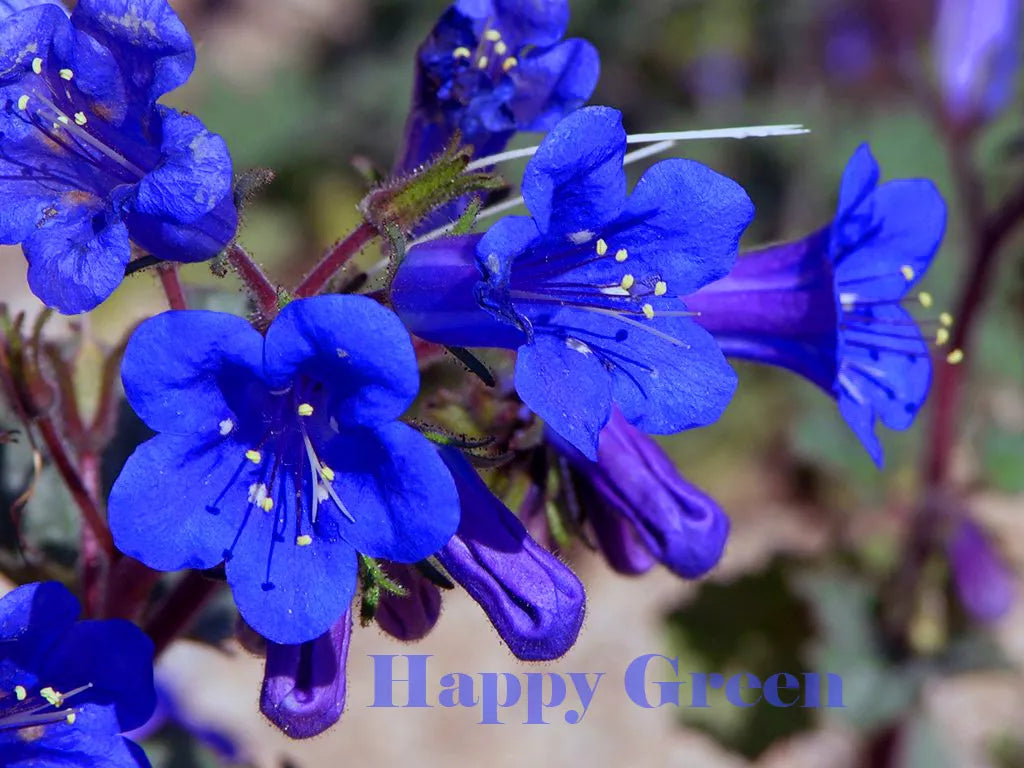
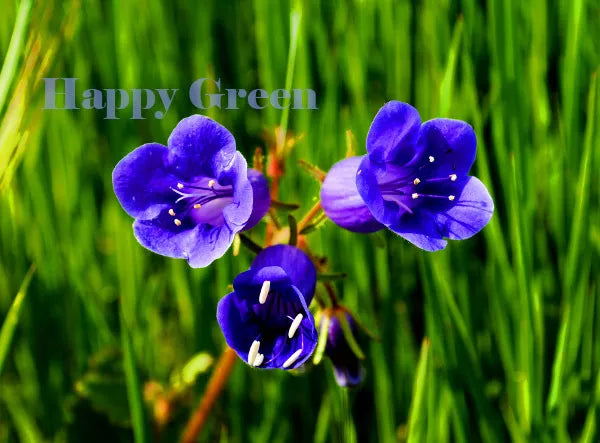
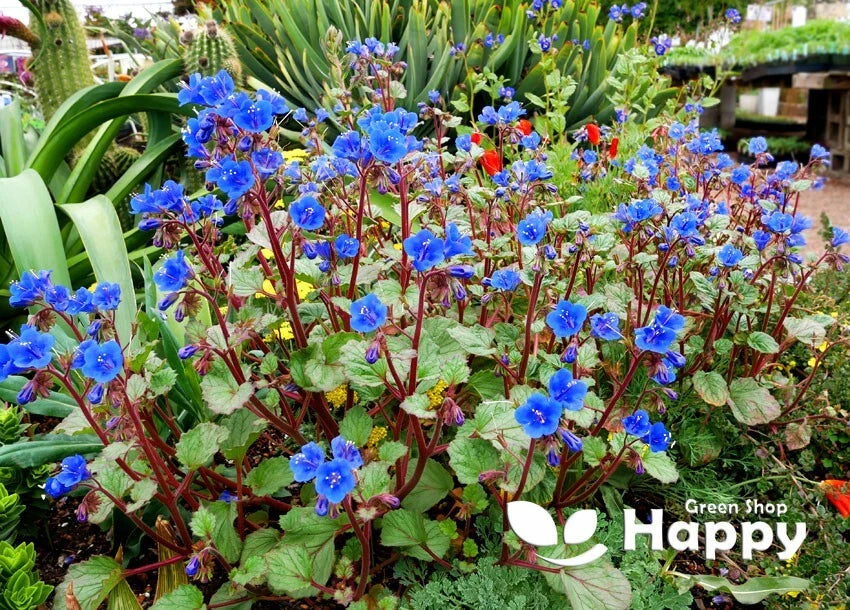
Desert Bluebell – Stunning Sky-Blue Blooms
Desert Bluebells (Phacelia campanularia) produce vibrant sky-blue, bell-shaped flowers that create a striking display in any garden. Hardy and easy to grow, these annuals are perfect for borders, wildflower meadows, or attracting pollinators like bees and butterflies.
What Makes It Special
-
Brilliant sky-blue bell-shaped flowers
-
Fast-growing and hardy
-
Attracts bees and butterflies
-
Ideal for naturalistic garden designs and wildflower meadows
Key Features
-
Annual plant
-
Grows 30–50 cm tall
-
Blooms in late spring to early summer
-
Thrives in full sun with well-drained soil
-
Drought-tolerant once established
Ideal For
-
Garden borders and beds
-
Wildflower meadows
-
Pollinator-friendly gardens
-
Containers and cottage gardens
Sowing
-
Sow directly outdoors after last frost
-
Plant seeds 0.5–1 cm deep
-
Germination: 7–14 days at 15–20°C
-
Space 15–20 cm apart
-
Prefers sunny locations with well-drained soil
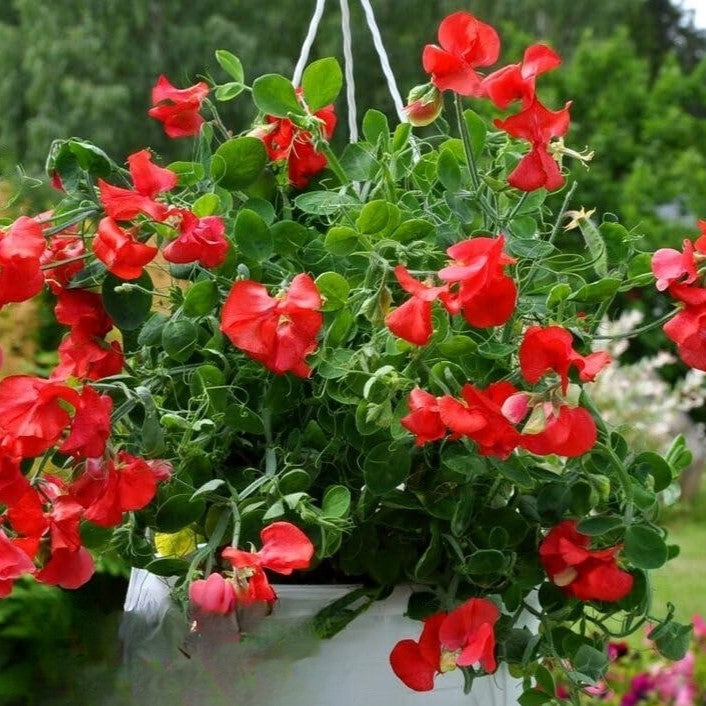
Sweet Pea Dwarf Scarlet – Seeds (Lathyrus odoratus)
The Sweet Pea Dwarf Scarlet is a compact variety with brilliant scarlet-red flowers that bring vibrant color and charm to the garden. Unlike climbing types, it has a bushy, self-supporting habit, making it perfect for borders, pots, and window boxes. Bright, bold, and easy to grow.
Why Grow Dwarf Scarlet?
-
Compact, bushy habit – no support needed
-
Striking scarlet-red blooms
-
Ideal for small spaces and containers
-
Long flowering season
Key Features
-
Type: Hardy annual (dwarf variety)
-
Height: 20–30 cm
-
Flowering: June–September
-
Position: Full sun, well-drained soil
-
Uses: Borders, edging, pots, window boxes
Ideal For
-
Bright container displays
-
Small gardens and patios
-
Adding bold color without trellises
Sowing & Growing
-
Sow indoors: January–April in pots/trays
-
Sow outdoors: March–May directly in soil
-
Germination: 10–20 days at 15–20°C
-
Space plants 20 cm apart
-
Pinch out tips for bushier growth
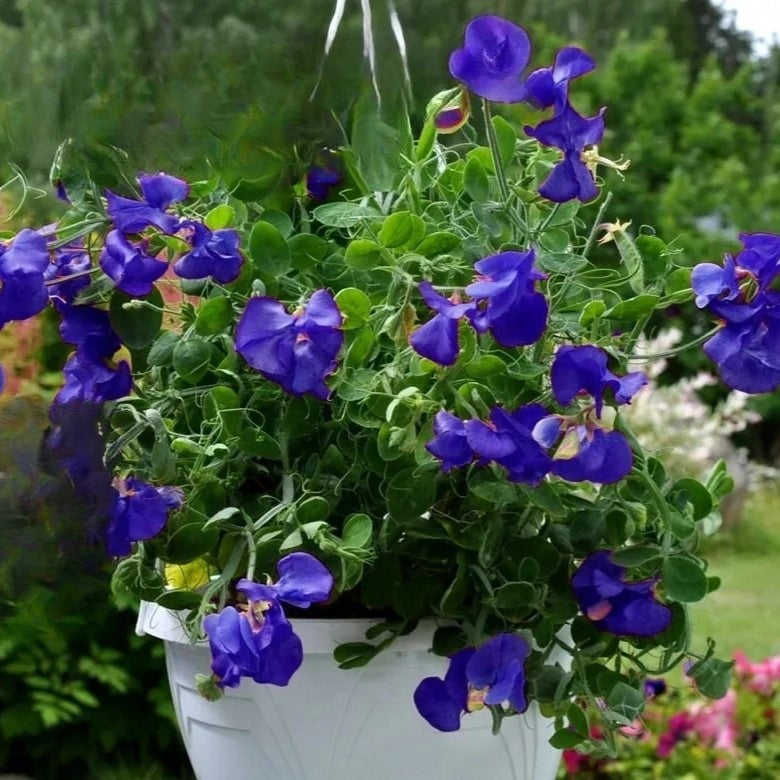
Sweet Pea Dwarf – Navy Blue Seeds (Lathyrus odoratus)
The Dwarf Sweet Pea ‘Navy Blue’ (Lathyrus odoratus) is a compact variety with rich, deep navy-blue blooms and a delightful fragrance. Unlike climbing sweet peas, this dwarf form grows in neat, bushy clumps, making it ideal for containers, borders, and small gardens. It produces masses of flowers throughout summer, perfect for cutting or simply enjoying in the garden.
What Makes It Special
-
Compact, non-climbing habit – no support needed
-
Striking deep navy-blue flowers with a sweet scent
-
Long-lasting blooms for borders, pots, and cut flowers
Key Features
-
Botanical name: Lathyrus odoratus
-
Type: Hardy annual
-
Height: 25–30 cm
-
Spread: 20–25 cm
-
Flowering: June–September
Ideal For
-
Pots, containers, and small spaces
-
Bedding and border displays
-
Fragrant cut flowers
Sowing
-
Sow indoors: January–March in pots, 1 cm deep
-
Harden off and transplant after last frost
-
Sow outdoors: April–May directly where they are to flower
-
Prefers full sun and fertile, well-drained soil
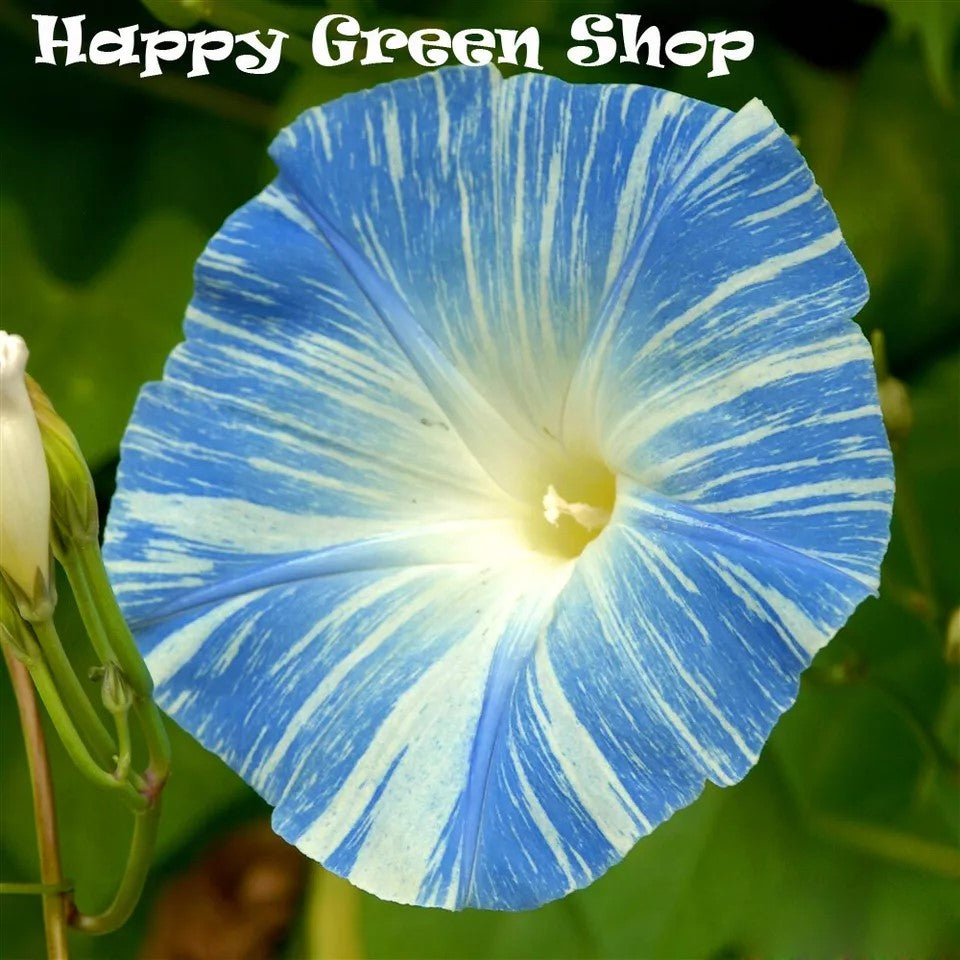
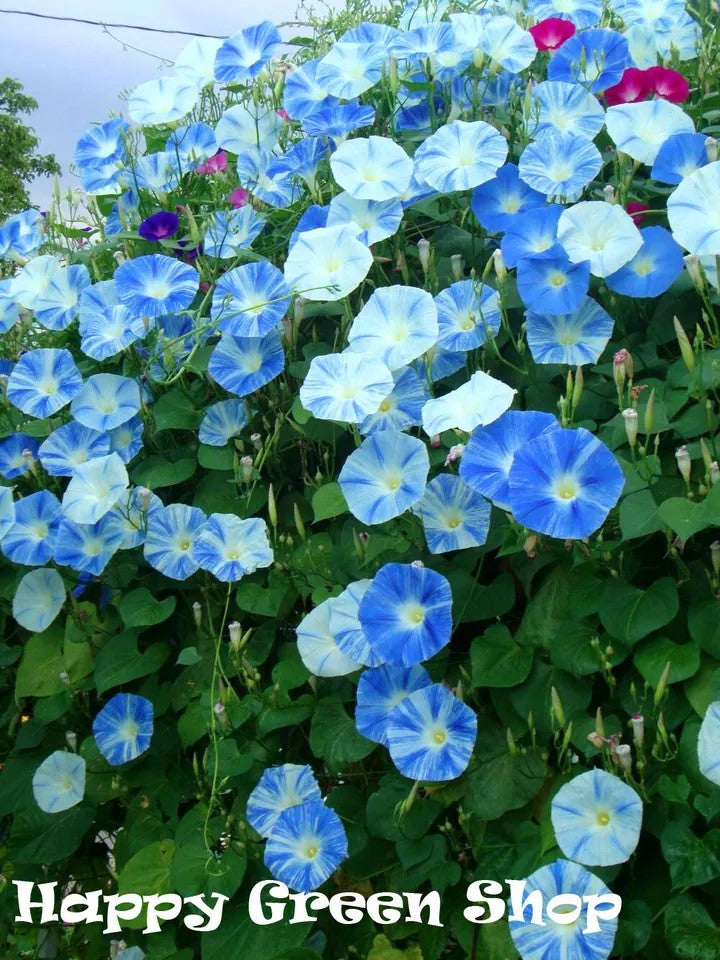
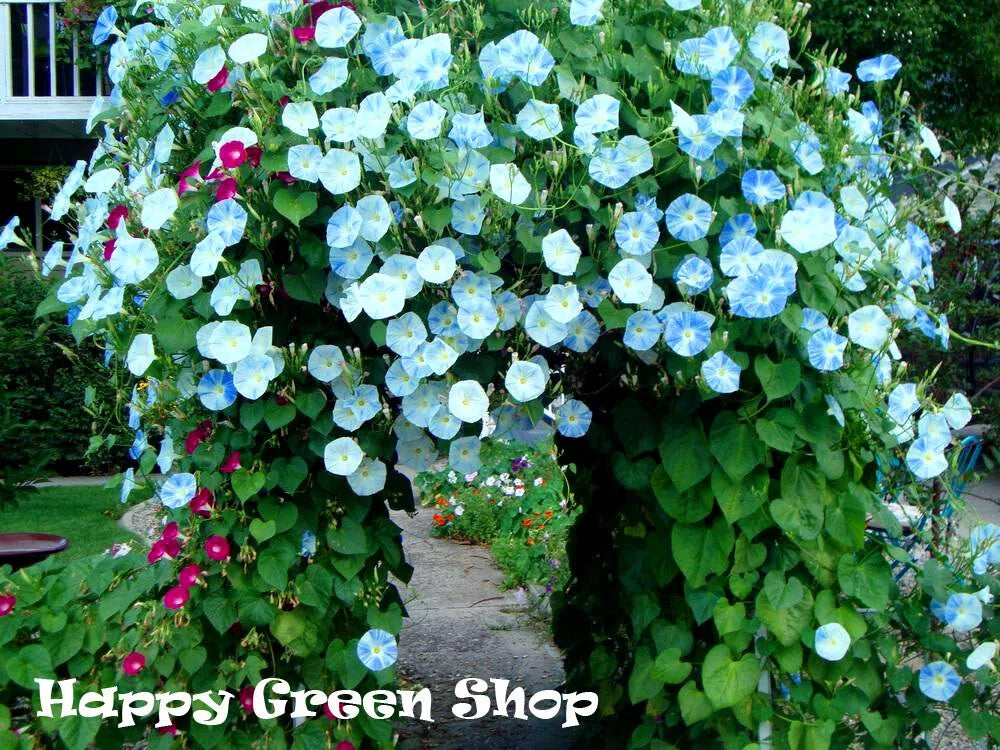
Morning Glory ‘Flying Saucers’ – Seeds (Ipomoea tricolor)
Morning Glory ‘Flying Saucers’ is a spectacular climbing annual, producing large sky-blue and white striped blooms that resemble swirling galaxies. Vigorous and fast-growing, it’s perfect for covering fences, trellises, and arches, creating a dazzling vertical display throughout summer.
Why Grow ‘Flying Saucers’?
-
Striking blue and white striped blooms
-
Large flowers, up to 12 cm across
-
Vigorous, quick-growing climber
-
Attracts pollinators
Key Features
-
Type: Hardy annual climber
-
Height: 250–300 cm
-
Flowering: July–October
-
Position: Full sun, well-drained soil
-
Uses: Trellises, fences, arches, pergolas
Ideal For
-
Vertical garden displays
-
Fast summer screening
-
Adding dramatic color to outdoor spaces
Sowing & Growing
-
Sow indoors: 4–6 weeks before last frost
-
Sow outdoors: After frost, direct in soil
-
Nick or soak seeds before sowing
-
Germination: 7–14 days at 18–20°C
-
Provide climbing support
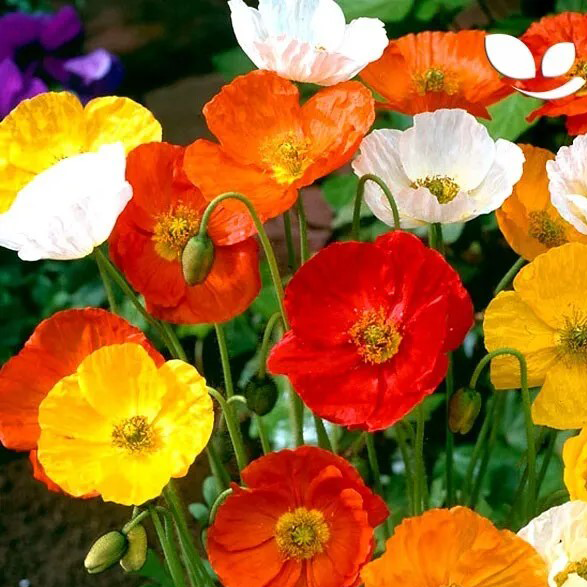
Iceland Poppy ‘Artists Glory’ Mix Seeds (Papaver nudicaule)
Bring a painterly touch to your garden with Iceland Poppy ‘Artists Glory’ Mix. This charming annual produces delicate, papery blooms in a vibrant mix of reds, pinks, oranges, yellows, and whites, creating a stunning spring-to-summer display. Its soft, nodding flowers add elegance to borders, rock gardens, and cottage-style plantings.
Why Grow ‘Artists Glory’ Mix
-
Stunning mix of bright, papery blooms
-
Hardy, easy-to-grow annual
-
Perfect for borders, rock gardens, and cut flowers
Key Features
-
Botanical name: Papaver nudicaule
-
Type: Hardy annual
-
Height: 30–45 cm
-
Spread: 20–25 cm
-
Flowering: Late spring–summer
-
Position: Full sun
-
Uses: Borders, rock gardens, cut flowers, cottage gardens
Sowing & Growing
-
Sow indoors: February–March in trays, lightly cover seeds
-
Germination: 10–20 days at 15–18°C
-
Transplant seedlings outdoors after frost, spacing 20–25 cm apart
-
Prefers full sun and well-drained soil
-
Deadhead spent flowers to prolong blooming

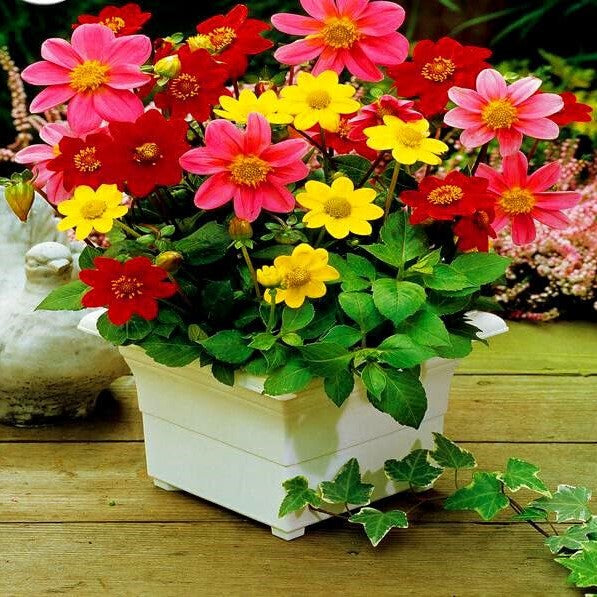
Dahlia 'Piccolo Single Mignon' – Seeds
(Dahlia variabilis)
Dahlia 'Piccolo Single Mignon' is a charming dwarf variety that produces masses of single flowers in a wide range of bright colors. With compact, bushy plants and a long flowering period, this variety is perfect for borders, pots, and containers. The cheerful blooms attract bees and butterflies, making it a pollinator-friendly choice for any summer garden.
Key Features
-
Type: Half-hardy annual (grown from seed)
-
Height: 30–40 cm
-
Spread: 25–30 cm
-
Flowering: July–October
-
Position: Full sun
-
Soil: Fertile, well-drained
Ideal For
-
Bedding displays
-
Pots & containers
-
Borders & edging
-
Pollinator-friendly gardens
Sowing & Growing
-
Sow indoors: February–April at 18–22°C
-
Germination: 7–14 days
-
Transplant seedlings after frost, spacing 25–30 cm
-
Regular deadheading encourages continuous blooms
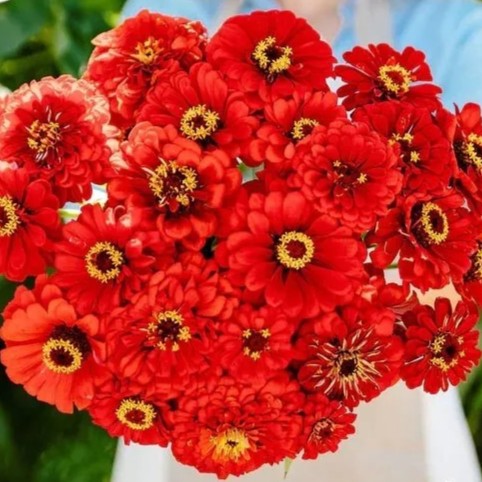
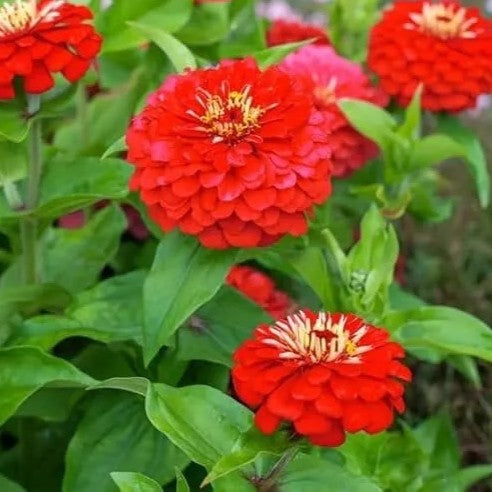
Zinnia Dahliaflowered Red ‘Will Rogers’ Seeds (Zinnia elegans)
Add vibrant, long-lasting color to your garden with Zinnia Dahliaflowered Red ‘Will Rogers’ (Zinnia elegans). This striking annual produces large, dahlia-like red blooms that stand out in borders, beds, and containers. Easy to grow and exceptionally hardy, it provides a stunning display from summer to autumn and is perfect for cut flower arrangements.
How to Grow
-
Sow indoors in early spring or directly outdoors after the last frost.
-
Use well-drained soil in a sunny location.
-
Lightly cover seeds with soil and keep moist until germination (7–14 days).
-
Thin seedlings to 20–25 cm apart for healthy growth.
-
Water regularly but avoid waterlogging.
-
Deadhead spent blooms to encourage continuous flowering.
Key Features
-
Large, dahlia-like red flowers that make a bold statement
-
Long-flowering annual, blooming summer through autumn
-
Easy to grow and maintain, suitable for beginners
-
Excellent for fresh cut flowers and bouquets
-
Attracts pollinators such as bees and butterflies
Ideal For
-
Flower beds and borders
-
Containers, patio planters, and window boxes
-
Cutting gardens for bouquets
-
Pollinator-friendly garden designs
Sowing
-
Best time: Early spring indoors or after frost outdoors
-
Germination: 7–14 days
-
Sow thinly, cover lightly, and keep soil moist
-
Prefers full sun and well-drained soil
Quick Tip
-
Regular deadheading prolongs flowering and keeps the plants looking vibrant throughout the season.
Showing 144/161


