
Sort by:
161 products
161 products
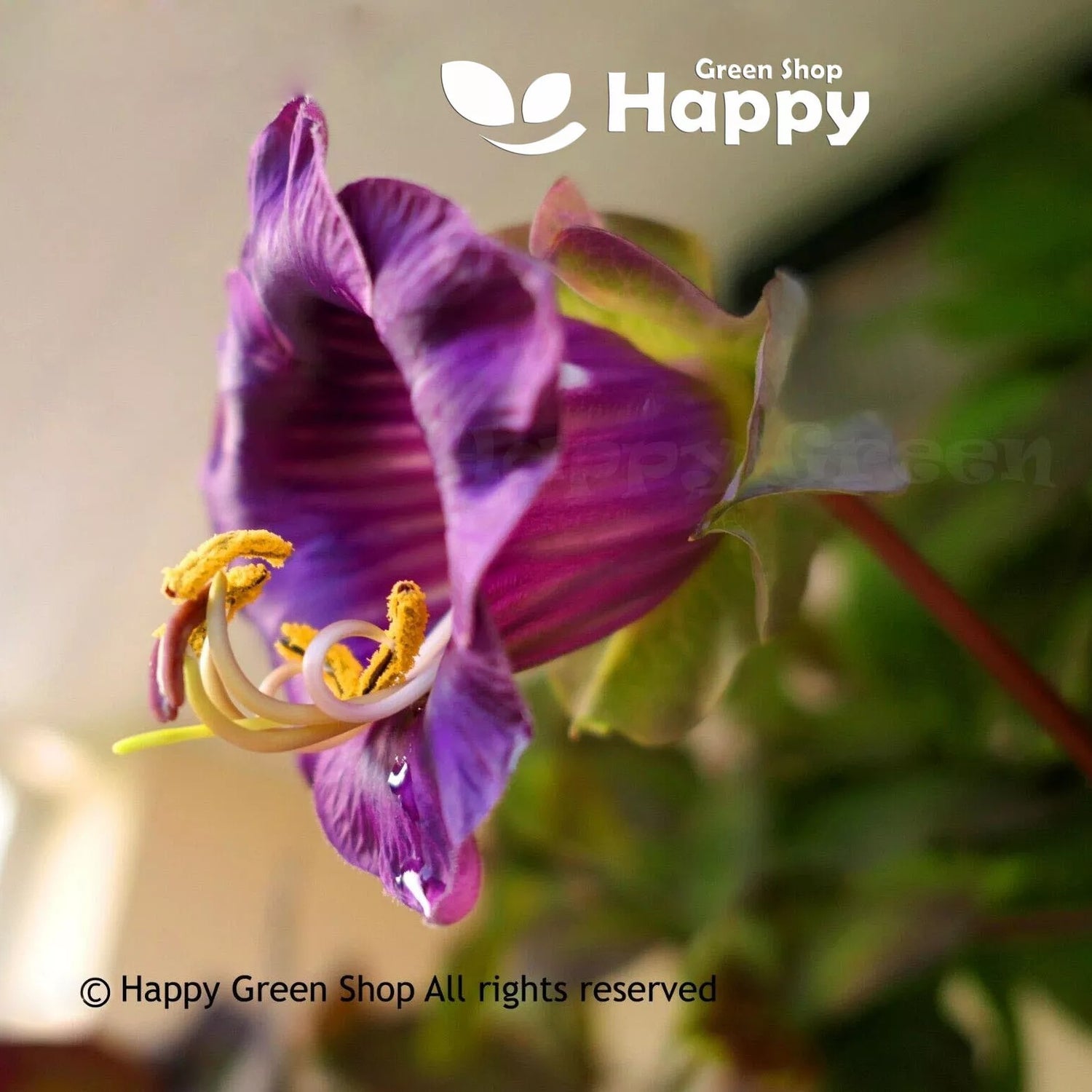
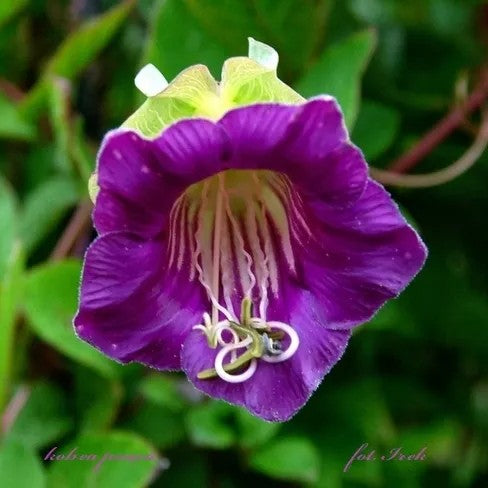
Cup and Saucer Purple – 14 Seeds (Cobaea scandens)
The Cup and Saucer Vine (Purple) is a vigorous climber producing dramatic, bell-shaped flowers that open green and mature into rich purple. Its fast-growing vines bring vertical beauty to arches, trellises, and fences, making it a standout centerpiece in any summer garden.
What Makes It Special
-
Exotic cup-and-saucer style blooms
-
Flowers shift from green to deep purple as they mature
-
Rapid-growing vine for quick coverage
-
Long flowering season, summer to frost
Key Features
-
Half-hardy perennial, usually grown as an annual
-
Height: 3–6 m
-
Stunning purple, bell-shaped blooms
-
Prefers full sun to partial shade
-
Attracts bees and pollinators
Ideal For
-
Arches, pergolas, trellises, and fences
-
Cottage and ornamental gardens
-
Vertical displays and natural privacy screens
-
Unique cut flowers
Sowing
-
Sow indoors 8–10 weeks before the last frost
-
Pre-soak seeds 12–24 hours before sowing
-
Plant seeds on their side, just under the surface
-
Germination: 20–30 days at 18–20°C
-
Transplant outdoors after frost, spacing 30–45 cm apart
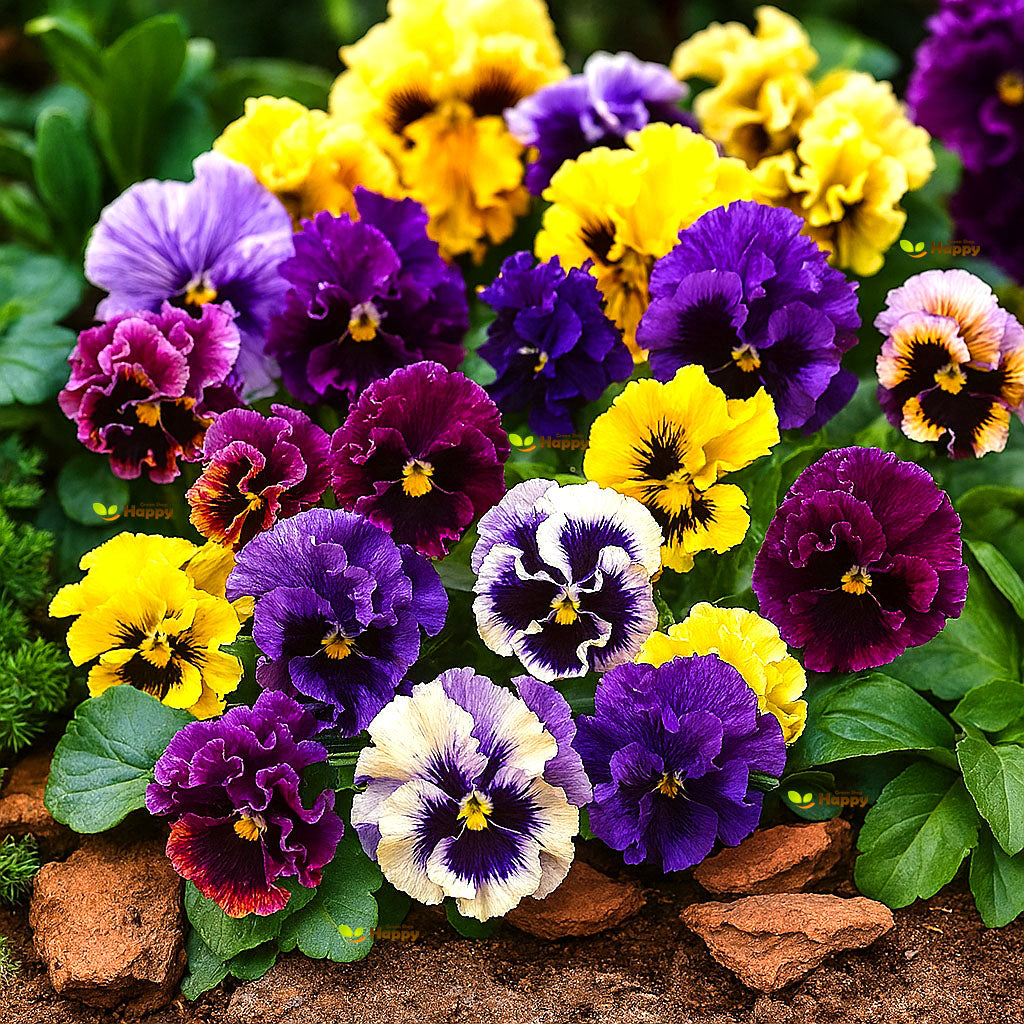
Pansy ‘Can Can’ Mixed Seeds (Viola wittrockiana)
A unique and eye-catching mix, Pansy ‘Can Can’ features large, ruffled blooms in a dazzling range of colors. Compact and hardy, this variety adds texture and vibrant charm to beds, borders, and containers, providing continuous displays from spring through autumn.
What Makes It Special
-
Distinctive ruffled petals for a frilled effect
-
Wide color mix, from bright tones to soft pastels
-
Long flowering season with lasting garden appeal
Key Features
-
Botanical name: Viola wittrockiana
-
Hardy annual/biennial
-
Height: 15–20 cm (6–8 in)
-
Bloom time: Early spring and autumn
Ideal For
-
Beds and borders
-
Pots, containers, and window boxes
-
Adding texture and variety to seasonal displays
Sowing
-
Sow indoors Feb–Apr or outdoors May–Jun
-
Lightly cover seeds with soil and keep moist
-
Germination: 10–21 days at 15–20°C
-
Transplant seedlings 15–20 cm apart
-
Flowers in spring and autumn after sowing
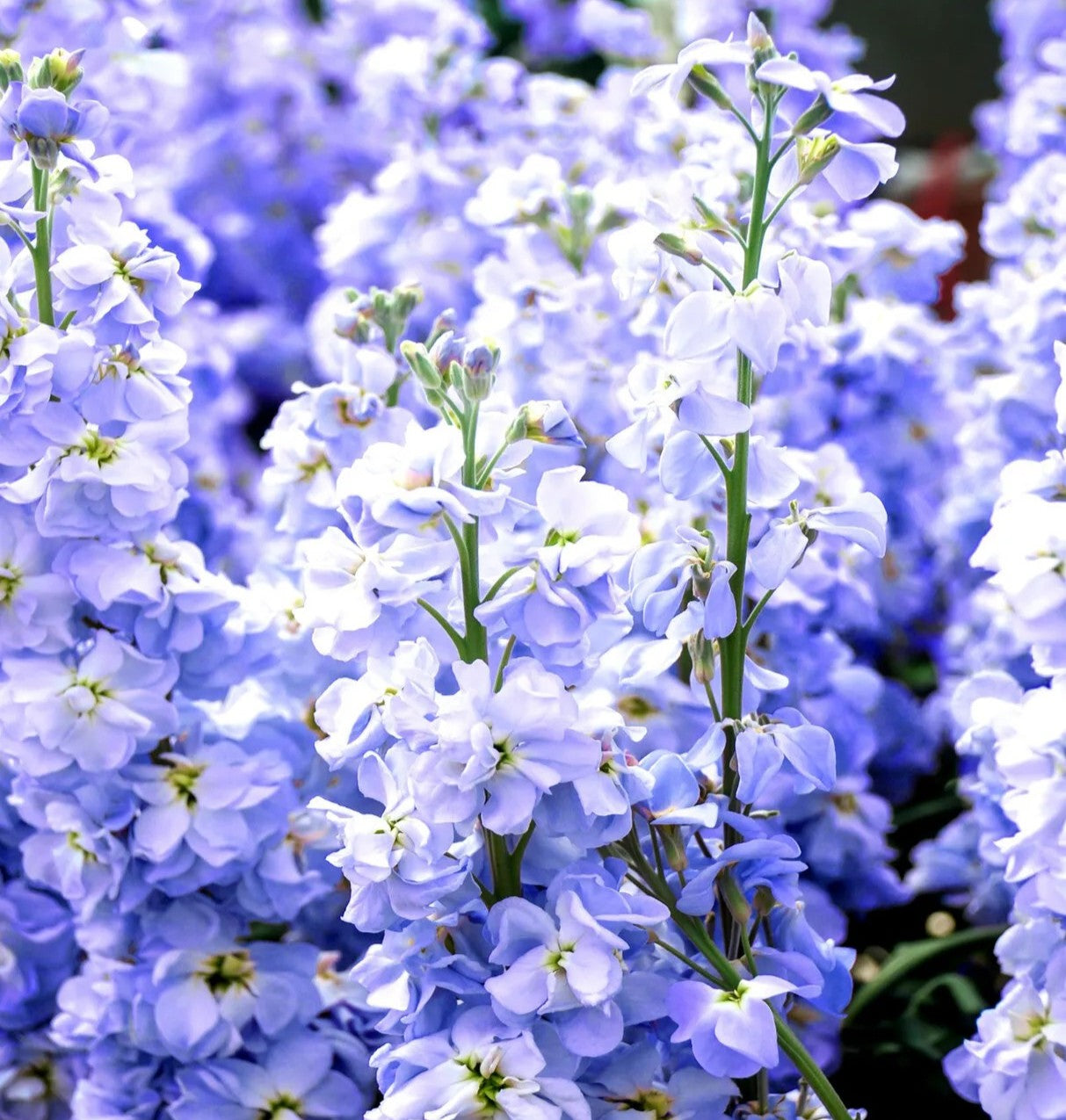
Matthiola Stock Ten Week Light Blue – Seeds (Matthiola incana)
Matthiola Stock Ten Week Light Blue (Matthiola incana) is a charming annual known for its elegant spikes of soft, light blue blooms. Flowering just 10 weeks after sowing, this variety combines quick growth with long-lasting beauty. Renowned for its delightful fragrance, it is perfect for borders, beds, and containers, as well as cut flower arrangements. A cottage garden favorite, it brings both color and scent into your summer garden.
Why Grow "Ten Week Light Blue"
-
Soft light blue flower spikes with a sweet fragrance
-
Quick to flower – just 10 weeks from sowing
-
Ideal as cut flowers with long-lasting blooms
-
Compact, easy-to-grow annual
Key Features
-
Type: Half-hardy annual (Matthiola incana)
-
Height: 25–40 cm
-
Flowering: Early to late summer
-
Position: Full sun
-
Uses: Borders, cottage gardens, containers, cut flowers
Ideal For
-
Adding soft pastel color to summer borders
-
Fragrant cottage-style planting
-
Cut flower bouquets and arrangements
-
Quick and rewarding garden displays
Sowing & Growing
-
Sow indoors: February–April in trays or pots
-
Germination: 10–20 days at 15–18°C
-
Transplant outdoors after frost danger has passed
-
Space seedlings: 20–25 cm apart
-
Prefers fertile, well-drained soil in full sun
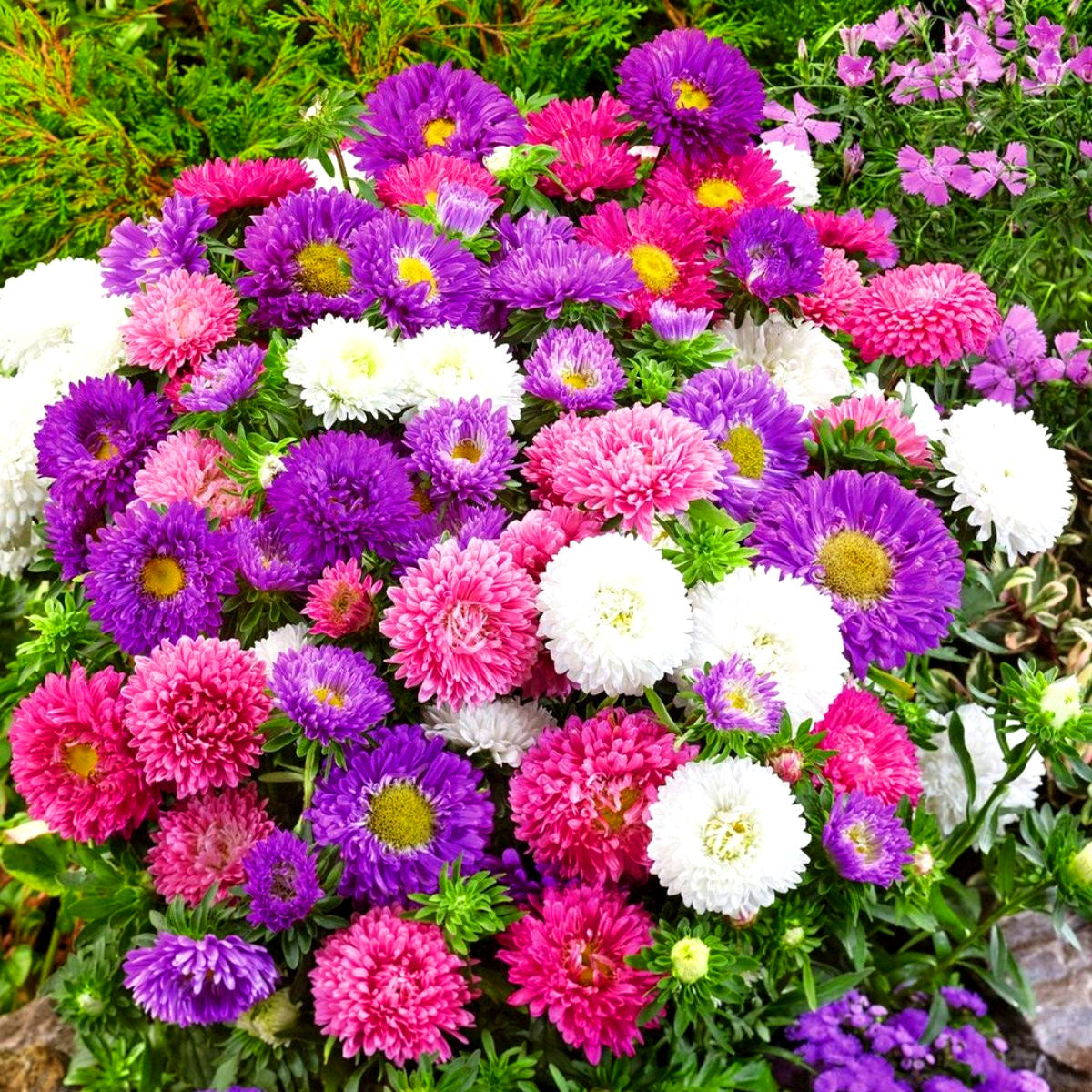
Aster "Color Carpet Mix" – Seeds
(Callistephus chinensis)
Aster "Color Carpet Mix" is a charming dwarf variety that produces a vivid carpet of colorful blooms in late summer and autumn. With compact, bushy growth and daisy-like flowers in shades of pink, purple, red, blue, and white, this mix is perfect for brightening borders, rockeries, and container displays. Long-lasting blooms make them excellent for cutting, bringing cheer indoors as well.
Why Grow Aster "Color Carpet Mix"?
-
Compact, bushy habit with masses of blooms
-
Vibrant mix of summer and autumn colors
-
Long flowering season
-
Great for edging, containers & small gardens
Key Features
-
Type: Half-hardy annual
-
Height: 20–25 cm
-
Blooms: July–October
-
Position: Full sun or partial shade
-
Soil: Well-drained, fertile soil
Ideal For
-
Bedding & edging
-
Rock gardens and low borders
-
Patio containers
-
Cut flower arrangements
Sowing & Growing
-
Sow indoors: February–April, in trays or pots, lightly covering seeds
-
Transplant seedlings outdoors after frost, spacing 20 cm apart
-
Sow outdoors: May, directly where they are to flower
-
Germination: 10–14 days at 18–21°C
-
Remove faded blooms to extend flowering season
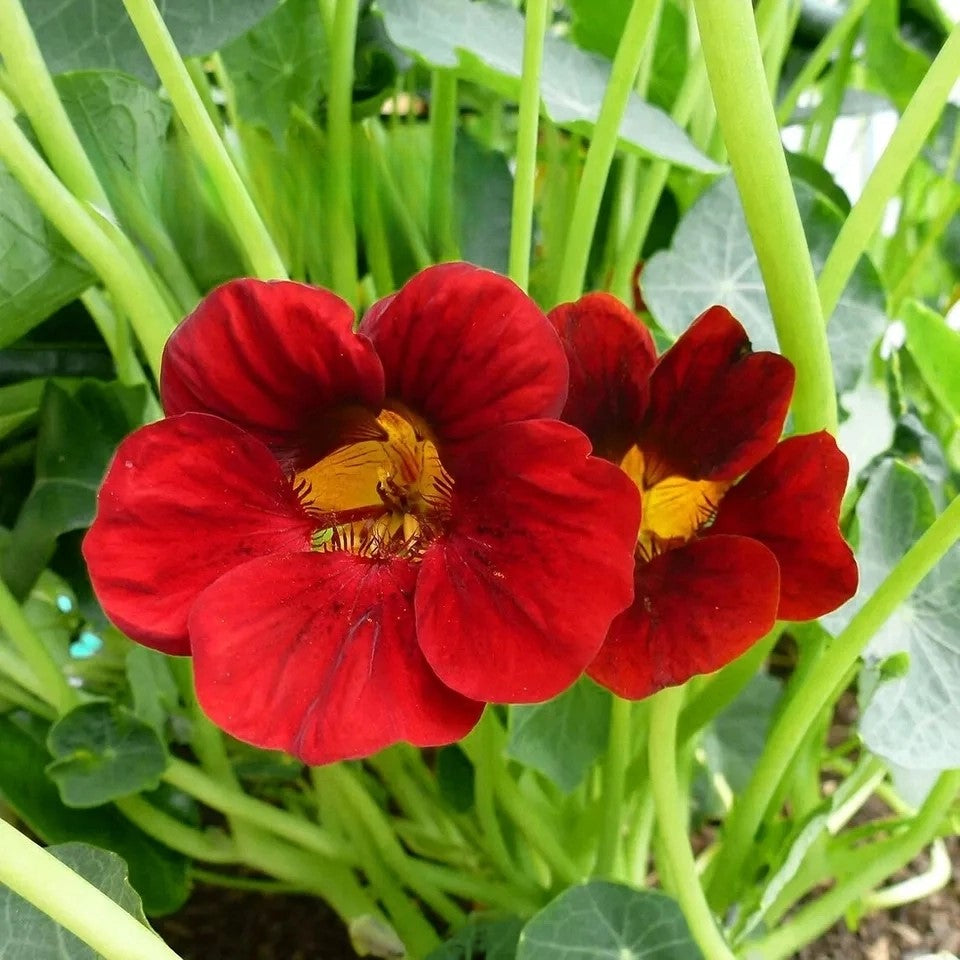
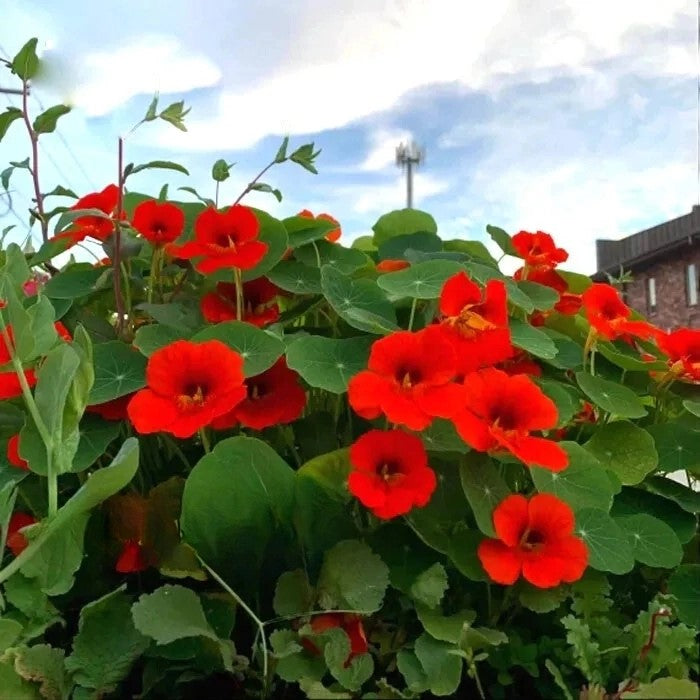
Nasturtium ‘Fiery Festival’ Double Red Seeds (Tropaeolum majus)
Nasturtium ‘Fiery Festival’ is a vibrant annual producing fully double, fiery red blooms with a trailing or bushy habit. Blooming from late spring to autumn, it’s perfect for hanging baskets, containers, and garden borders. Hardy, easy to grow, and edible, its colorful flowers also attract pollinators and add a dramatic splash of color to any garden.
What Makes It Special
-
Fully double, fiery red blooms
-
Edible flowers and attractive to pollinators
-
Hardy, low-maintenance, and long-flowering
Key Features
-
Botanical name: Tropaeolum majus
-
Annual
-
Height: 20–40 cm (bushy) or trailing 50–70 cm
-
Bloom time: Late spring to autumn
Ideal For
-
Hanging baskets, containers, and borders
-
Pollinator-friendly gardens
-
Edible flowers for salads and garnishes
Sowing
-
Sow indoors Feb–Apr or outdoors Apr–Jun
-
Cover seeds lightly with soil
-
Germination: 7–14 days at 18–22°C
-
Space seedlings 25–30 cm apart
-
Flowers the same year
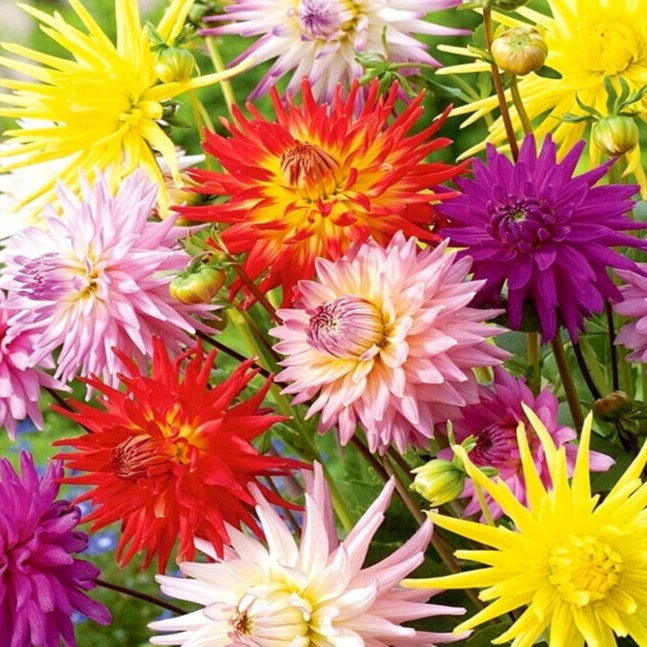
Dahlia ‘Cactus’ Hybrids Mixed – Spiky, Dramatic & Bursting with Color
Dahlia ‘Cactus’ Hybrids Mixed brings an explosion of exotic, spiky-petaled blooms in a dazzling mix of colors. Their starburst-shaped flowers add drama, height, and texture to any summer display. Flowering from mid-summer until the first frost, they’re perfect for creating bold borders, stunning cut flower arrangements, and show-stopping garden focal points.
What Makes It Special
-
Exotic, spiky “cactus” blooms for dramatic impact
-
Rich mix of vibrant colors
-
Long flowering period for continuous beauty
-
Perfect for cutting and floral design
-
Adds height and texture to garden beds
Key Features
-
Height: 90–120 cm – tall, strong stems
-
Half-hardy annual – blooms first season
-
Large, starburst-shaped flowers
-
Excellent vase life
-
Attracts pollinators
Ideal For
-
Tall borders and garden backdrops
-
Cutting gardens and bouquets
-
Adding exotic flair to displays
-
Late-summer garden interest
Sowing
-
Sow indoors 6–8 weeks before last frost
-
Lightly cover with fine compost
-
Germination: 7–14 days at 18–21°C
-
Transplant after frost danger has passed, spacing 40–50 cm apart
-
Prefers full sun and rich, well-drained soil
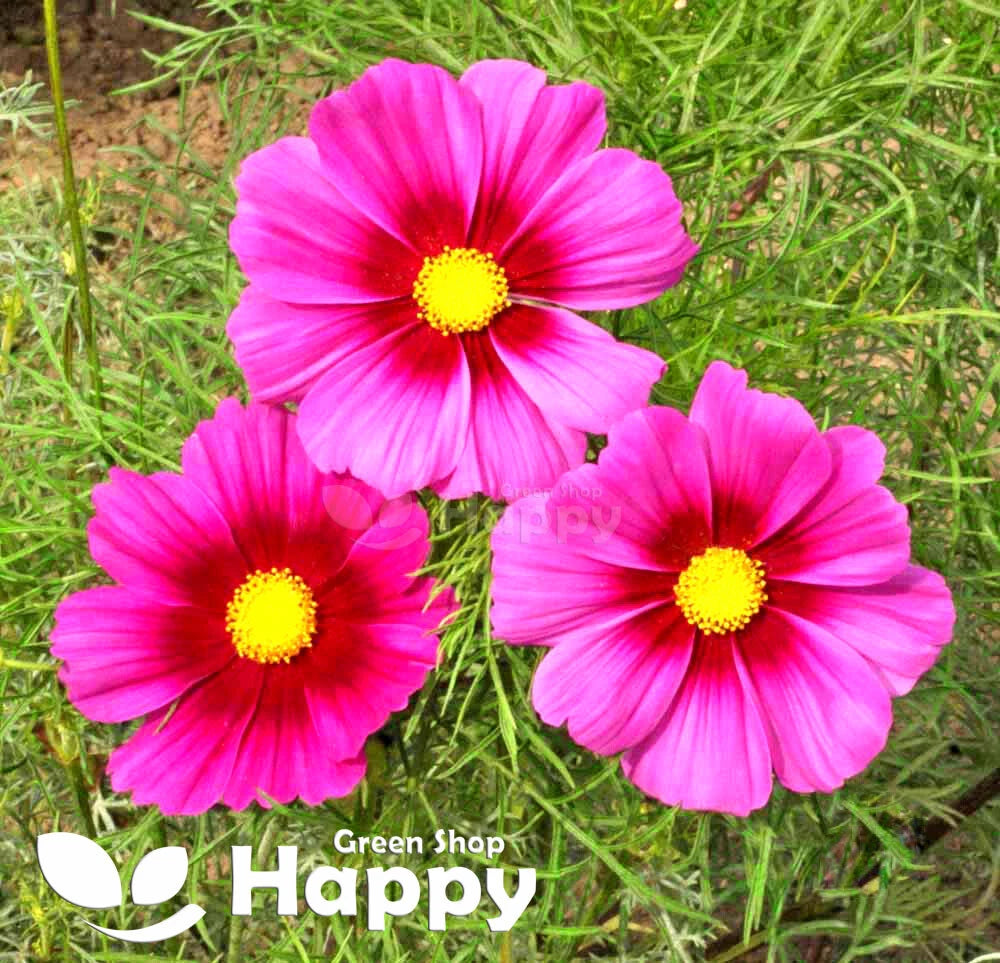
Cosmos 'Radiance' – Seeds
(Cosmos bipinnatus)
Cosmos 'Radiance' is a charming variety that produces large, daisy-like blooms in deep carmine-pink with a lighter halo around the golden-yellow centers. The graceful, feathery foliage and long, slender stems make it a superb choice for garden displays and cut flowers. Easy to grow and long-flowering, it’s a true summer favourite.
Key Features
-
Type: Half-hardy annual
-
Height: 90–120 cm
-
Spread: 40–50 cm
-
Flowering: June–October
-
Position: Full sun
-
Soil: Well-drained, moderately fertile
Ideal For
-
Cottage gardens
-
Wildlife and pollinator-friendly planting
-
Borders and background planting
-
Cut flower arrangements
Sowing & Growing
-
Sow indoors: March–April at 18–21°C
-
Sow outdoors: May–June directly in final position
-
Germination: 7–10 days
-
Thin/transplant to 30–40 cm spacing
-
Deadhead regularly for prolonged flowering

Statice Pink Seeds (Limonium sinuatum)
Statice Pink is a charming everlasting flower with delicate papery pink blooms that retain their color beautifully when dried. A classic in cutting gardens, it is highly valued by florists for fresh bouquets and dried arrangements alike. This hardy annual thrives in full sun and light, well-drained soils, providing reliable, long-lasting displays through summer.
What Makes It Special
-
Soft pink blossoms with a papery texture
-
Excellent for both fresh and dried floral arrangements
-
Heat- and drought-tolerant once established
-
Easy-care annual with long flowering season
Key Features
-
Botanical name: Limonium sinuatum
-
Variety: Pink
-
Seed count: Approx. seeds per pack
-
Height/Spread: 60–75 cm tall, 25–30 cm spread
-
Position: Full sun; prefers sandy/light, well-drained soil
-
Flowering period: July–September
Ideal For
-
Cutting gardens and everlasting bouquets
-
Cottage garden borders and mixed beds
-
Drought-tolerant landscapes
-
Florist-quality blooms for arrangements
Sowing Instructions
-
When to sow: February–April indoors; outdoors after danger of frost has passed
-
How to sow:
-
Sow on moist compost surface, cover lightly with vermiculite
-
Keep at 18–20°C; germination in 10–20 days
-
-
Transplanting: Prick out seedlings and grow on; plant 25–30 cm apart once frost-free
-
Care: Requires sunny, well-drained soil; avoid overwatering
California Poppy Frilly Fun Appleblossom - 200 seeds (Eschscholzia californica)
£1.24
Unit price perCalifornia Poppy Frilly Fun Appleblossom - 200 seeds (Eschscholzia californica)
£1.24
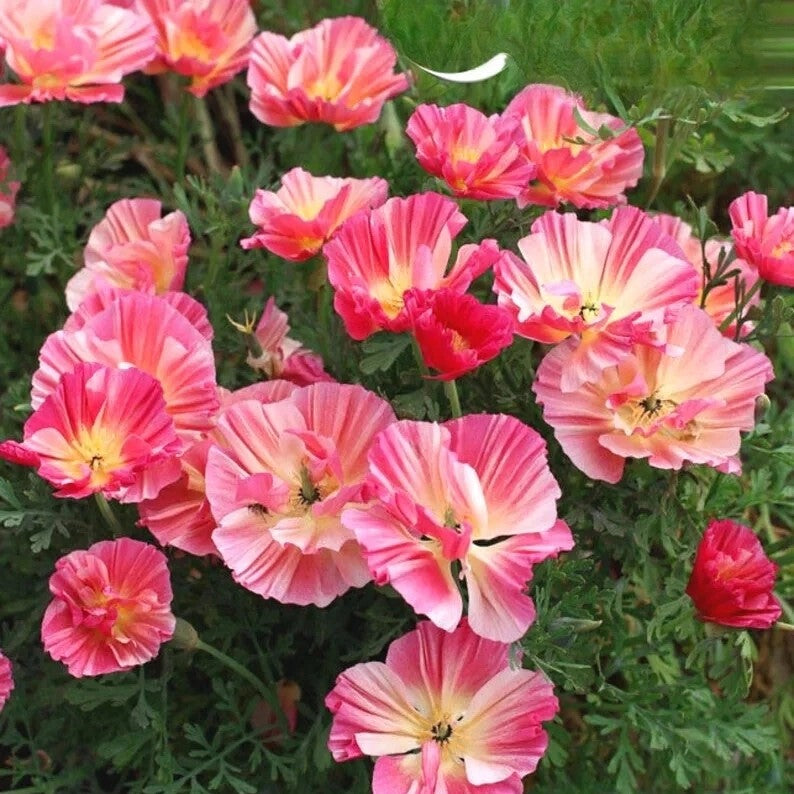
Unit price perCalifornia Poppy Frilly Fun Appleblossom – Seeds (Eschscholzia californica)
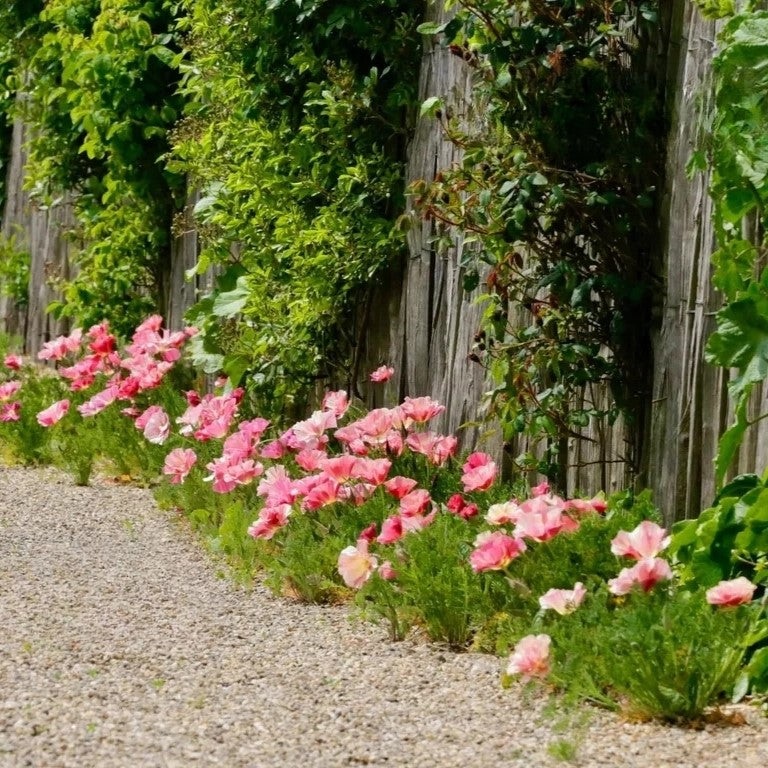
California Poppy ‘Frilly Fun Appleblossom’ is a cheerful, low-maintenance annual that produces abundant frilly, soft pink blooms all summer long. This compact, hardy variety creates a carpet of pastel color in borders, rockeries, and containers. Fast-growing and drought-tolerant, it’s perfect for brightening gardens while attracting bees and other pollinators.
Why Grow "Frilly Fun Appleblossom"
-
Frilly, soft pink blooms with abundant summer color
-
Compact, low-maintenance, and hardy
-
Drought-tolerant and fast-growing
-
Attracts bees and pollinators
Key Features
-
Type: Annual (Eschscholzia californica)
-
Height: 20–30 cm
-
Flowering: Late spring to summer
-
Position: Full sun
-
Uses: Borders, rockeries, containers, pollinator gardens
Ideal For
-
Adding pastel color to borders and beds
-
Rockeries and container planting
-
Pollinator-friendly gardens
-
Beginner gardeners seeking easy-to-grow flowers
Sowing & Growing
-
Sow outdoors: Early spring after frost danger has passed
-
Germination: 7–14 days
-
Thin seedlings: 15–20 cm apart
-
Prefers full sun and well-drained soil
Showing 36/161


