
Sort by:
161 products
161 products
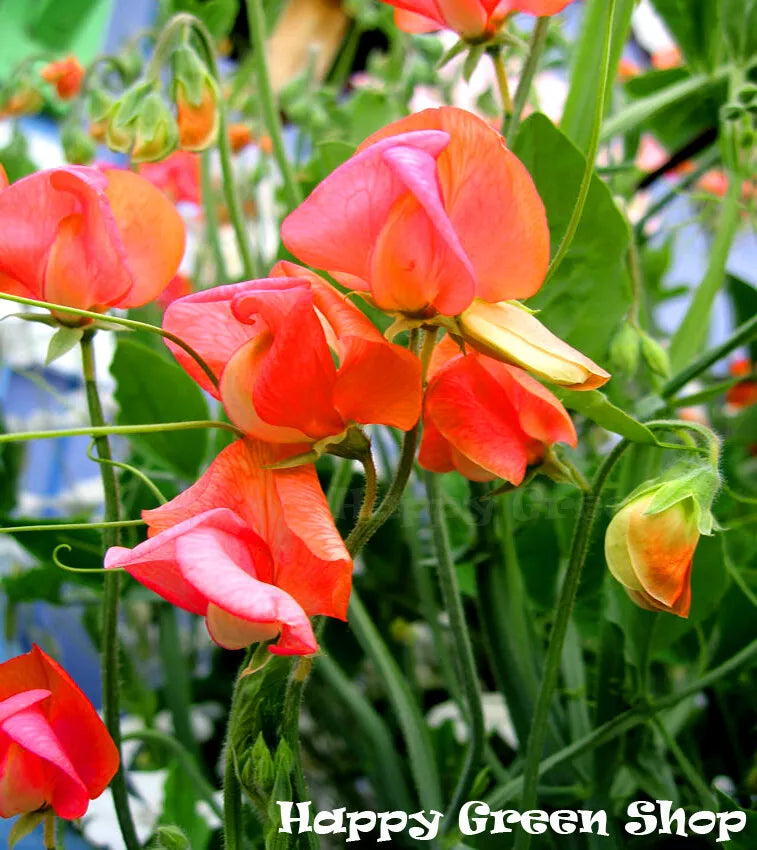
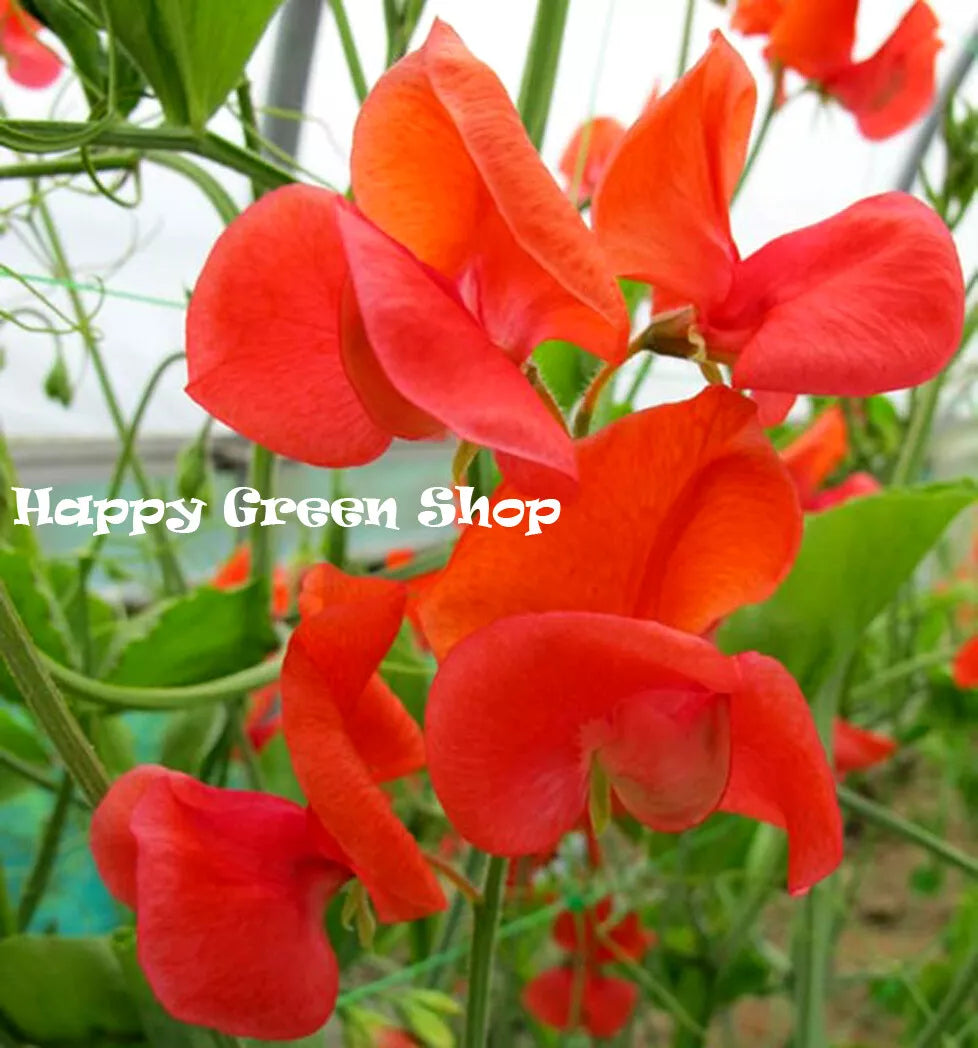
Sweet Pea 'Prince of Orange' – 25 Seeds (Lathyrus odoratus)
Bring a warm glow to your garden with Sweet Pea 'Prince of Orange'. This striking variety showcases large, richly scented flowers in glowing shades of orange, apricot, and coral. A vigorous climber, it creates a stunning display on trellises, arches, or fences and produces long stems ideal for cut flowers.
Why Grow 'Prince of Orange'
-
Glowing orange-apricot blooms
-
Strong, sweet fragrance
-
Excellent cut flower variety
-
Vigorous climbing habit
Key Features
-
Type: Hardy annual (Lathyrus odoratus)
-
Height: 180–240 cm (climber)
-
Flowering: June–September
-
Position: Full sun
-
Uses: Trellises, arches, fences, cut flowers
Ideal For
-
Cottage gardens and borders
-
Vertical displays on arches and trellises
-
Cutting gardens
-
Fragrant summer bouquets
Sowing & Growing
-
Sow indoors: January–April in pots/trays
-
Sow outdoors: April–May directly into soil
-
Germination: 10–20 days at 15–20°C
-
Plant out after last frost, spacing 20–30 cm
-
Provide strong climbing support
-
Regular deadheading encourages more blooms
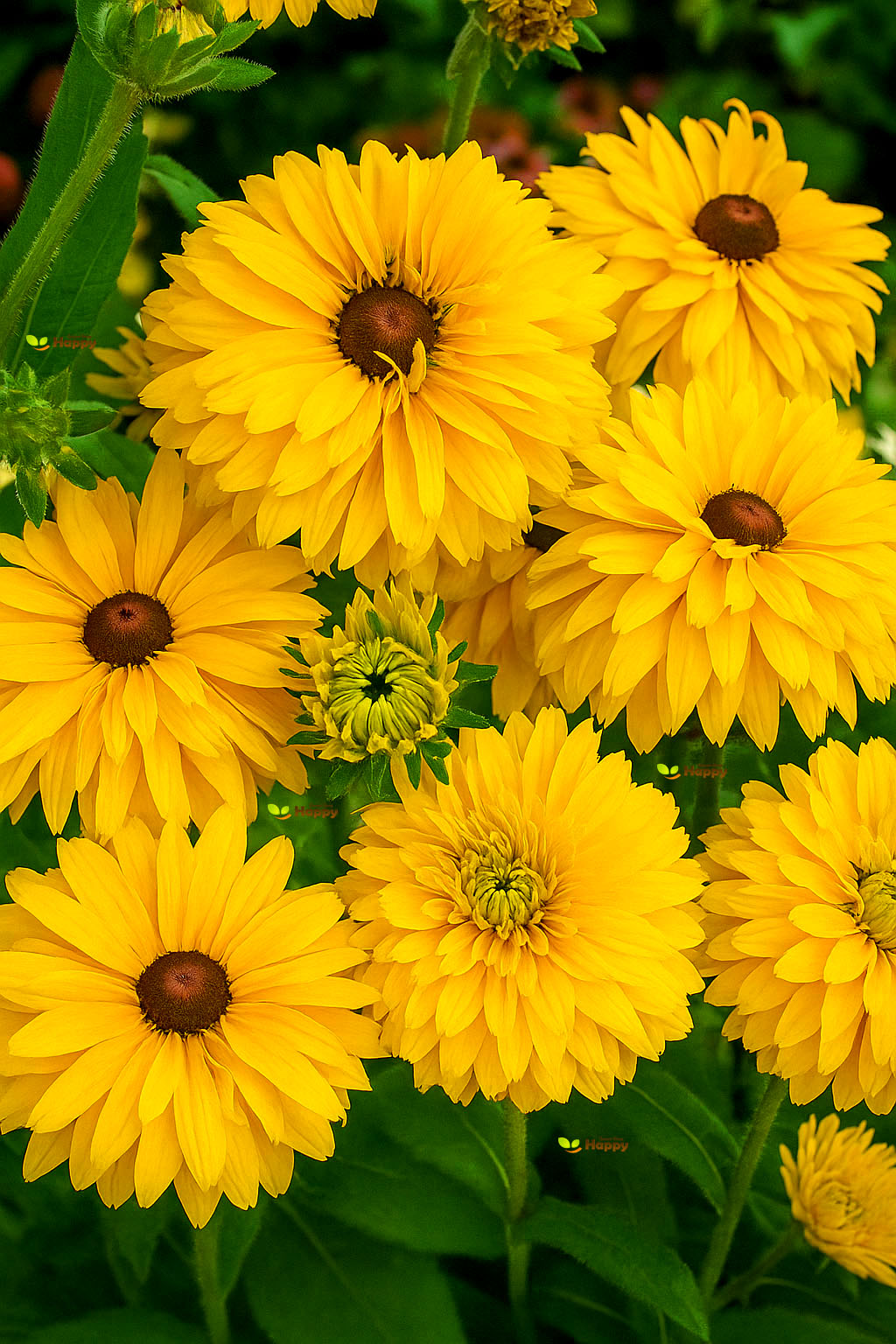

Rudbeckia ‘Golden Daises’ Seeds (Rudbeckia hirta)
Bring cheerful sunshine to your garden with Rudbeckia ‘Golden Daises’ (Rudbeckia hirta). This hardy annual produces bright golden-yellow daisy-like flowers with dark centers, perfect for borders, beds, and cutting gardens. Easy to grow and long-flowering, it attracts pollinators and adds bold, eye-catching color from summer through autumn.
How to Grow
-
Sow seeds directly outdoors in spring after the last frost or indoors 6–8 weeks earlier.
-
Use well-drained soil in full sun.
-
Scatter seeds thinly and cover lightly with soil.
-
Keep soil moist until germination (7–14 days).
-
Thin seedlings to 25–30 cm apart once established.
-
Deadhead spent flowers to encourage continuous blooming.
Key Features
-
Bright golden-yellow daisy-like flowers with dark centers
-
Hardy annual, easy to grow and long-flowering
-
Ideal for borders, beds, and cutting gardens
-
Attracts bees, butterflies, and other pollinators
-
Adds bold, cheerful color to summer and autumn gardens
Ideal For
-
Flower borders and cottage gardens
-
Cutting gardens for fresh bouquets
-
Pollinator-friendly landscapes
-
Containers, patio planters, and naturalized plantings
Sowing
-
Best time: Spring outdoors or 6–8 weeks earlier indoors
-
Germination: 7–14 days
-
Sow thinly, cover lightly, and keep soil moist
-
Prefers full sun and well-drained soil
Quick Tip
-
Deadhead regularly to maintain vibrant blooms and extend the flowering season.

Flowering Tobacco ‘Lime Green’ – Seeds
(Nicotiana alata)
Flowering Tobacco ‘Lime Green’ brings a refreshing splash of vibrant chartreuse-green to garden beds and containers. Its trumpet-shaped blooms are long-lasting, highly fragrant in the evening, and irresistible to moths and other night pollinators. The unique lime-green color makes it a standout companion for bold or dark-hued flowers.
Why Grow Flowering Tobacco ‘Lime Green’?
-
Unusual lime-green trumpet flowers
-
Strong evening fragrance
-
Attracts pollinators, especially moths
-
Provides color contrast in borders & containers
Key Features
-
Type: Half-hardy annual
-
Height: 60–90 cm
-
Flowers: June–October
-
Position: Full sun or part shade
-
Soil: Moist, fertile, well-drained
Ideal For
-
Evening-scented gardens
-
Mixed borders & cottage gardens
-
Containers & patio displays
-
Companion planting with bold colors
Sowing & Growing
-
Sow indoors: Feb–April on the surface of moist compost, do not cover (light aids germination)
-
Germination: 10–20 days at 18–22°C
-
Harden off & plant out after frost
-
Spacing: 25–30 cm apart
-
Deadhead to encourage more blooms
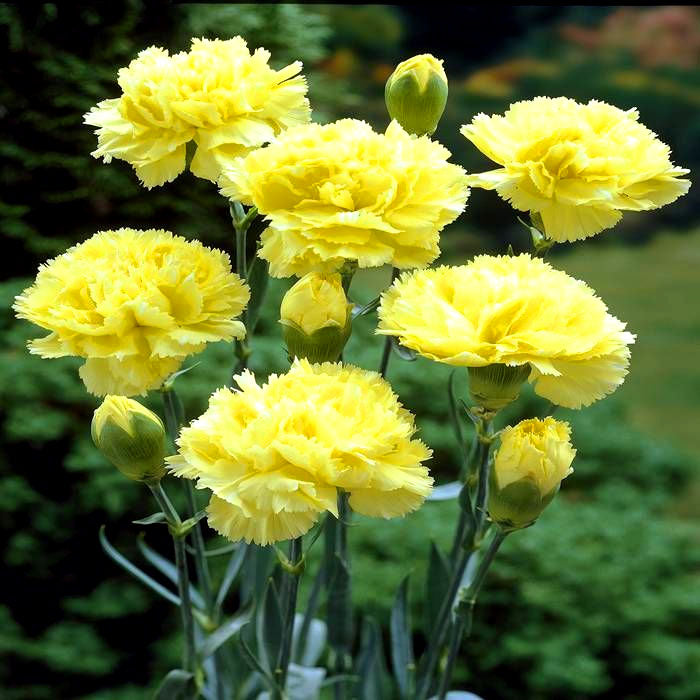
Carnation 'Marie Chabaud' - 350 seeds (Dianthus caryophyllus) Cutting Flower
£1.24
Unit price perCarnation 'Marie Chabaud' - 350 seeds (Dianthus caryophyllus) Cutting Flower
£1.24
Unit price perCarnation ‘Marie Chabaud’ Seeds (Dianthus caryophyllus) – Cutting Flower
Bring classic elegance to your garden with Carnation ‘Marie Chabaud’ (Dianthus caryophyllus). This hardy annual produces large, fragrant blooms in soft pink shades, perfect for cutting gardens, borders, and containers. Long-flowering and easy to grow, it’s ideal for fresh bouquets and floral arrangements.
How to Grow
-
Sow indoors 8–10 weeks before the last frost or directly outdoors after frost risk has passed.
-
Use well-drained, fertile soil in full sun.
-
Lightly cover seeds with soil and keep moist until germination (10–14 days).
-
Transplant seedlings when large enough to handle, spacing 20–25 cm apart.
-
Water regularly and remove spent flowers to encourage continuous blooming.
Key Features
-
Large, fragrant blooms in soft pink shades
-
Long-flowering, ideal for cutting gardens
-
Hardy and easy to grow
-
Perfect for fresh bouquets and floral arrangements
-
Attracts pollinators including bees and butterflies
Ideal For
-
Cutting gardens for fresh flowers
-
Flower beds, borders, and containers
-
Pollinator-friendly gardens
-
Floral arrangements and bouquets
Sowing
-
Best time: 8–10 weeks before last frost indoors or after frost outdoors
-
Germination: 10–14 days
-
Sow thinly, cover lightly, and keep soil moist
-
Prefers full sun and fertile, well-drained soil
Quick Tip
-
Regularly deadhead to prolong flowering and maintain healthy, vibrant blooms throughout the season.
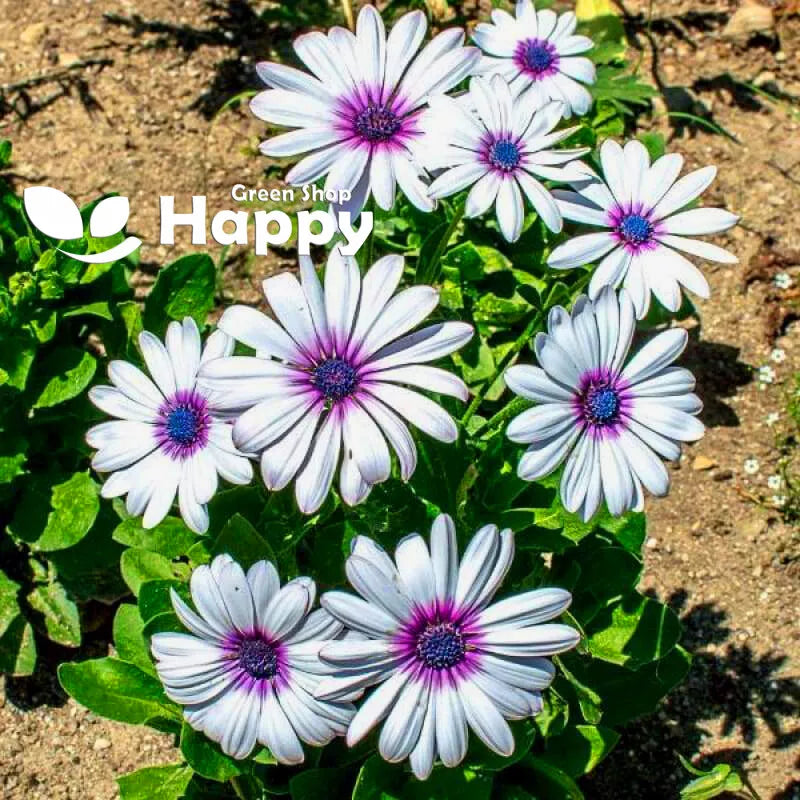
African Daisy ‘Polar Star’ Seeds (Dimorphotheca pluvialis)
African Daisy ‘Polar Star’ is a striking annual with pure white, daisy-like blooms featuring a contrasting dark center. Blooming from late spring to autumn, it adds a crisp, clean look to borders, containers, and rock gardens. Hardy, drought-tolerant, and long-flowering, it’s perfect for sunny locations and pollinator-friendly plantings.
What Makes It Special
-
Pure white blooms with a contrasting dark center
-
Long-lasting, sun-loving, and drought-tolerant
-
Attracts bees and butterflies
Key Features
-
Botanical name: Dimorphotheca pluvialis
-
Annual
-
Height: 25–40 cm
-
Bloom time: Late spring to autumn
Ideal For
-
Borders, containers, and rock gardens
-
Sunny, well-drained spots
-
Pollinator-friendly gardens
Sowing
-
Sow indoors Feb–Apr or outdoors Apr–Jun
-
Cover seeds lightly with soil
-
Germination: 10–14 days at 18–22°C
-
Space seedlings 20–25 cm apart
-
Flowers the same year

Zinnia 'Persian Carpet' Mixed – Seeds
(Zinnia haageana)
Zinnia 'Persian Carpet' is a dazzling mix of small, double and semi-double blooms in rich tapestry shades of gold, burgundy, cream, and mahogany, often with striking bicolor patterns. Compact and floriferous, these zinnias provide months of vibrant color and thrive in sunny spots with minimal care.
Key Features
-
Type: Half-hardy annual
-
Height: 30–45 cm
-
Spread: 25–30 cm
-
Flowering: June–October
-
Position: Full sun
-
Soil: Well-drained, moderately fertile
Ideal For
-
Bedding displays
-
Containers and pots
-
Cutting gardens
-
Pollinator-friendly planting
Sowing & Growing
-
Sow indoors: March–April at 18–22°C
-
Sow outdoors: May–June directly after frost
-
Germination: 7–14 days
-
Thin or transplant to 25–30 cm spacing
-
Deadhead regularly to extend flowering season
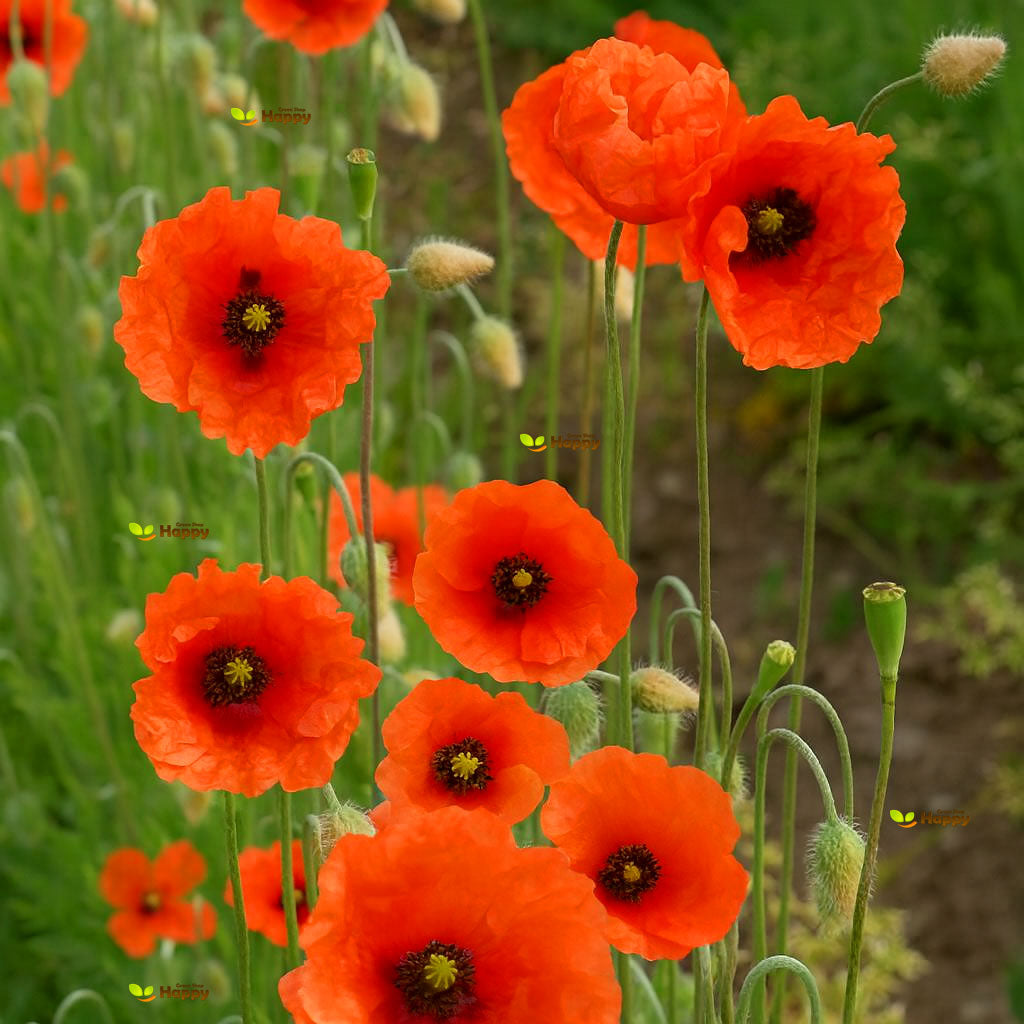
Wild Poppy ‘Blindeyes’ Seeds (Papaver dobium)
Bring natural charm and bold color to your garden with Wild Poppy ‘Blindeyes’ (Papaver dobium). This hardy annual produces vibrant, single red blooms with dark centers, perfect for borders, wildflower meadows, and cutting gardens. Easy to grow and long-flowering, it attracts pollinators and adds a striking, naturalized look to any garden space.
How to Grow
-
Sow seeds directly outdoors in early spring or autumn.
-
Use well-drained soil in full sun.
-
Scatter seeds thinly and press lightly onto the soil; do not cover deeply.
-
Keep soil moist until germination (10–20 days).
-
Thin seedlings to 20–25 cm apart once established.
-
Deadhead spent flowers to encourage continuous blooming.
Key Features
-
Vibrant red single blooms with dark centers
-
Hardy annual, easy to grow and long-flowering
-
Ideal for borders, meadows, and cutting gardens
-
Attracts bees, butterflies, and other pollinators
-
Naturalized and cottage garden appeal
Ideal For
-
Flower borders and cottage gardens
-
Wildflower meadows and naturalized plantings
-
Cutting gardens for fresh bouquets
-
Pollinator-friendly landscapes
Sowing
-
Best time: Early spring or autumn directly outdoors
-
Germination: 10–20 days
-
Sow thinly, press lightly, do not cover deeply
-
Prefers full sun and well-drained soil
Quick Tip
-
For a continuous display, sow in drifts or clusters and remove spent blooms regularly.
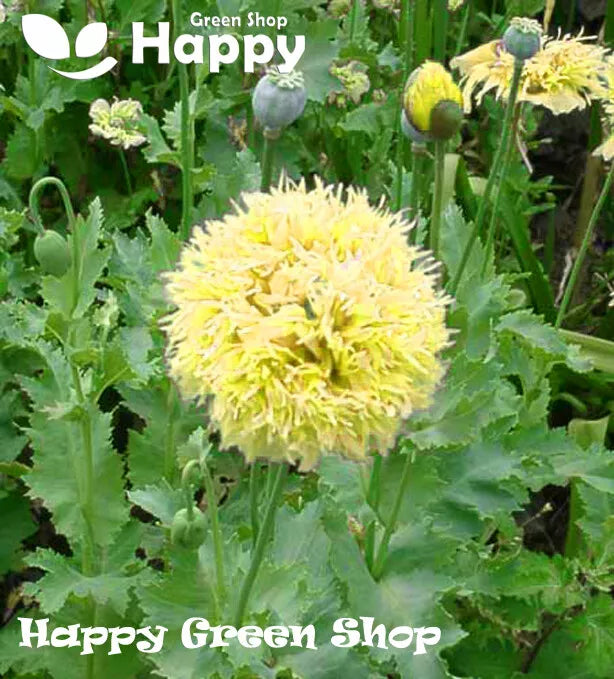
Peony Poppy Yellow – Seeds
(Papaver paeoniflorum)
The Peony Poppy Yellow is a striking annual poppy variety that produces large, double blooms resembling peonies. Its bright, ruffled yellow petals bring a cheerful glow to borders, beds, and cottage gardens. Easy to grow and self-seeding, these stunning flowers make an excellent focal point and are equally beautiful in cut flower arrangements.
Why Grow Peony Poppy Yellow?
-
Large, peony-like double blooms in sunny yellow
-
Easy to grow from seed with minimal care
-
Excellent for borders, beds, and cutting gardens
-
Attracts pollinators and reseeds for naturalizing
Key Features
-
Type: Hardy annual
-
Height: 80–100 cm
-
Flowers: Summer
-
Position: Full sun
-
Soil: Well-drained, moderately fertile
Ideal For
-
Cottage and wildflower gardens
-
Cut flower displays
-
Pollinator-friendly gardens
-
Naturalized planting schemes
Sowing & Growing
-
Sow outdoors: March–May or September–October directly where they are to flower
-
Lightly cover seeds with soil, keep moist
-
Germination: 14–21 days
-
Thin seedlings to 20–30 cm apart
-
Care: Deadhead for continuous blooms or allow to self-seed for natural regrowth

Pansy Swiss Pansy Blue ‘Ullswater’ Seeds (Viola wittrockiana)
A classic pansy variety with large, velvety deep-blue blooms and a dark central blotch. Blue ‘Ullswater’ is compact, hardy, and perfect for bringing bold color to spring and autumn gardens in beds, borders, and containers.
What Makes It Special
-
Rich, velvety blue flowers with strong garden presence
-
Reliable variety for cool-season planting
-
Long-lasting blooms from early spring through autumn
Key Features
-
Botanical name: Viola wittrockiana
-
Hardy annual/biennial
-
Height: 15–20 cm (6–8 in)
-
Bloom time: Early spring and autumn
Ideal For
-
Garden beds and borders
-
Containers, pots, and window boxes
-
Cool-season color displays
Sowing
-
Sow indoors Feb–Apr or outdoors May–Jun
-
Cover seeds lightly with soil and keep moist
-
Germination: 10–21 days at 15–20°C
-
Transplant seedlings 15–20 cm apart
-
Flowers in spring and autumn after sowing
Showing 72/161


