
Sort by:
14 products
14 products


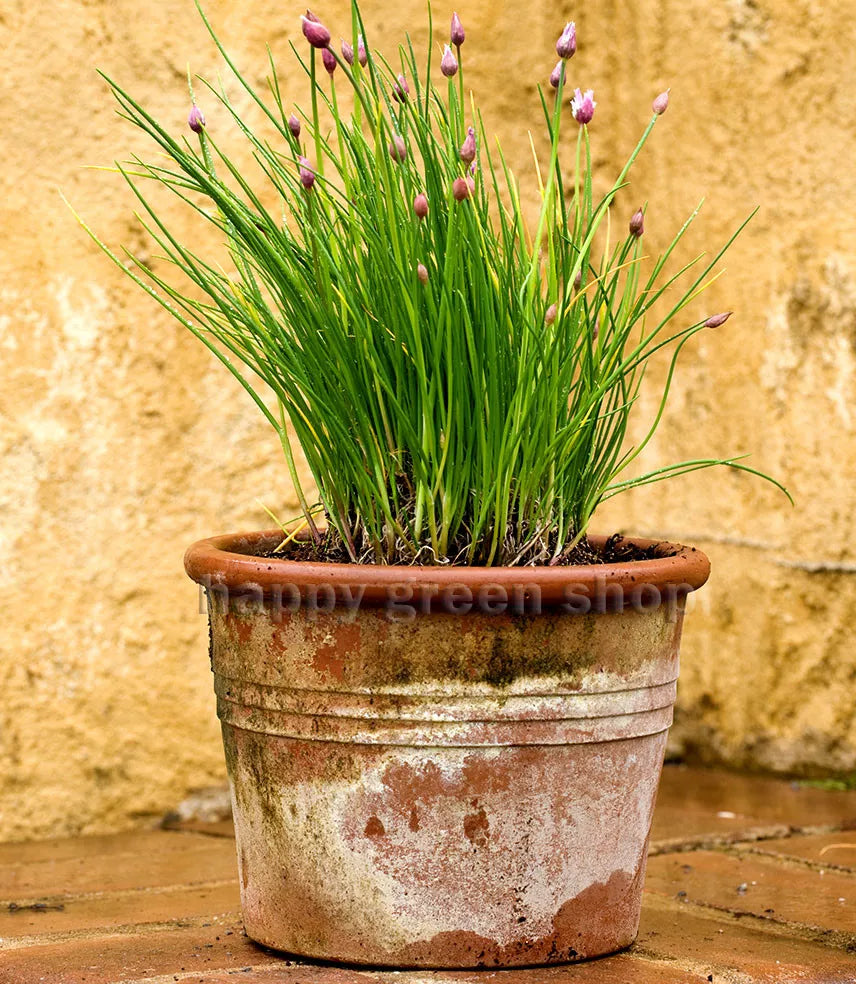
Chives 'Bohemia' - 1000 seeds (Allium schoenoprasum) - Hardy Perennial - Overwintering
£1.24
Unit price perChives 'Bohemia' - 1000 seeds (Allium schoenoprasum) - Hardy Perennial - Overwintering
£1.24
Unit price perChives ‘Bohemia’ – Seeds (Allium schoenoprasum) – Hardy Perennial
Chives ‘Bohemia’ is a hardy perennial herb, perfect for overwintering and providing fresh growth year after year. Known for its fine, hollow green leaves and mild onion flavor, it’s a versatile kitchen herb ideal for salads, soups, sauces, and garnishes. In summer, attractive purple-pink flowers appear, loved by bees and pollinators, making this a decorative as well as useful garden plant.
How to Grow
-
Sow indoors: February – April in pots or trays at 15–20°C.
-
Sow outdoors: April – July in finely prepared soil.
-
Thin or transplant seedlings to 20 cm apart.
-
Prefers full sun or partial shade and well-drained soil.
-
Cut regularly to encourage fresh growth.
Key Features
-
Hardy perennial herb with overwintering growth
-
Fine, mild onion-flavored leaves
-
Decorative purple flowers attract pollinators
-
Easy to grow in pots, borders, or herb gardens
-
Reliable year-round harvests
Ideal For
-
Fresh salads, soups, sauces, and garnishes
-
Herb gardens, borders, and containers
-
Attracting bees and pollinators
Sowing & Harvest
-
Sow: February – July
-
Harvest: May – October, with regrowth in spring
Quick Tip
Divide clumps every few years to maintain healthy growth and extend the lifespan of your chive plants.

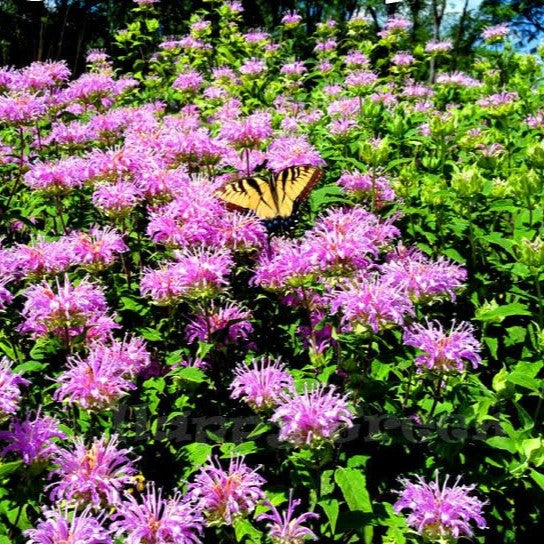
Wild Bergamot – 1,300 Seeds (Monarda fistulosa)
Wild Bergamot (Monarda fistulosa) is a hardy perennial known for its fragrant lavender-pink blooms and aromatic foliage. A favorite of pollinators, it attracts bees, butterflies, and hummingbirds, making it perfect for pollinator gardens, borders, and wildflower meadows. Easy to grow and low-maintenance, it provides long-lasting color and texture from mid-summer to early autumn.
Why Grow "Wild Bergamot"
-
Fragrant lavender-pink blooms
-
Aromatic foliage with medicinal and culinary uses
-
Attracts bees, butterflies, and hummingbirds
-
Hardy and low-maintenance perennial
Key Features
-
Type: Perennial (Monarda fistulosa)
-
Height: 60–90 cm
-
Flowering: July–September
-
Position: Full sun to partial shade
-
Uses: Pollinator gardens, borders, wildflower meadows, cottage gardens
Ideal For
-
Pollinator-friendly gardens
-
Cottage-style or naturalized borders
-
Wildflower meadows
-
Herbal and sensory gardens
Sowing & Growing
-
Sow indoors: February–April in trays
-
Sow outdoors: April–May directly in prepared soil
-
Germination: 10–20 days at 18–22°C
-
Thin seedlings to 30–40 cm apart
-
Prefers well-drained soil and full sun
-
Deadhead to encourage prolonged flowering


Lemon Balm – Seeds (Melissa officinalis)
Lemon Balm is a hardy perennial herb valued for its refreshing lemon-scented leaves. Perfect for teas, desserts, and savory dishes, it also makes a soothing herbal remedy often used to promote relaxation. Its fragrant foliage attracts bees and pollinators, while its resilience makes it an easy-to-grow choice for gardens, pots, or borders.
How to Grow
-
Sow indoors: March – May in trays at 18–20°C.
-
Sow outdoors: May – July in a sunny or lightly shaded spot.
-
Thin or transplant seedlings to 30 cm apart.
-
Prefers fertile, well-drained soil.
-
Cut back after flowering to encourage fresh growth.
Key Features
-
Hardy perennial with refreshing lemon scent
-
Aromatic leaves for teas, salads, and cooking
-
Excellent for herbal remedies and relaxation
-
Attracts bees and pollinators
-
Easy to grow in borders or containers
Ideal For
-
Herbal teas and drinks
-
Culinary use in sweet and savory dishes
-
Herb gardens, borders, and patio pots
Sowing & Harvest
-
Sow: March – July
-
Harvest: May – October
Quick Tip
Pick leaves early in the morning for the best flavor and fragrance.
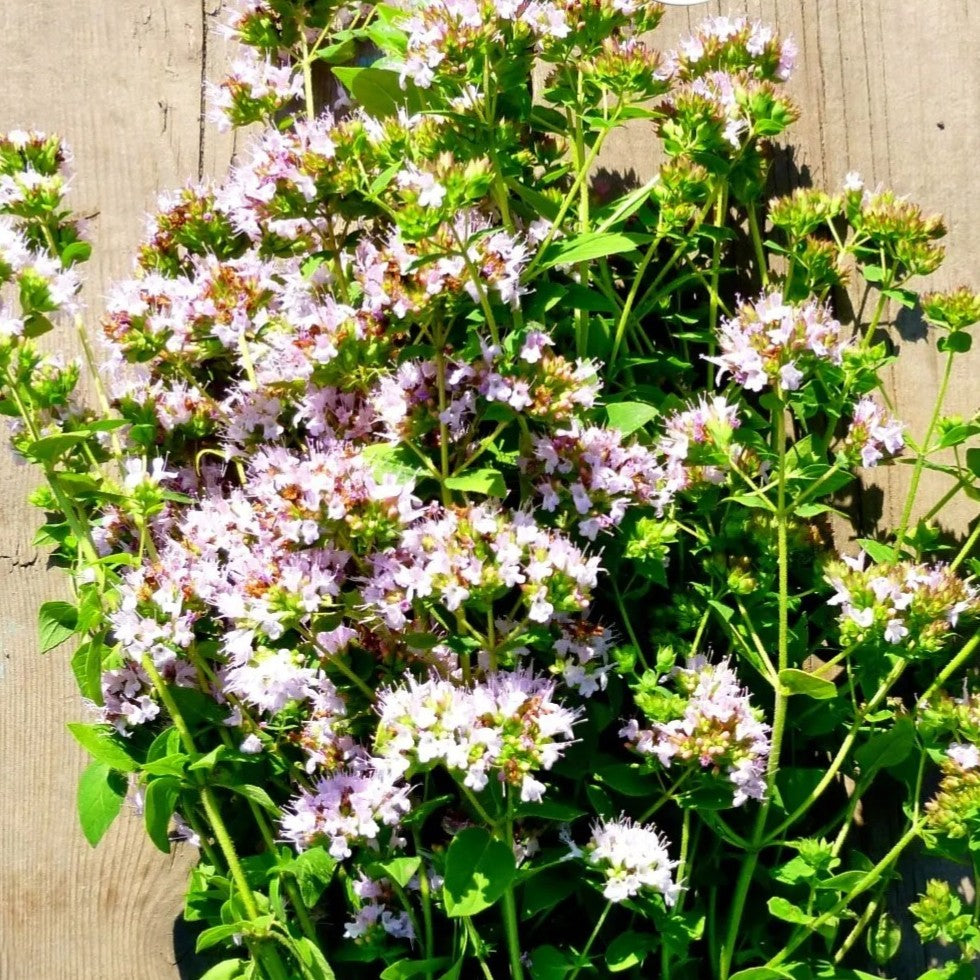
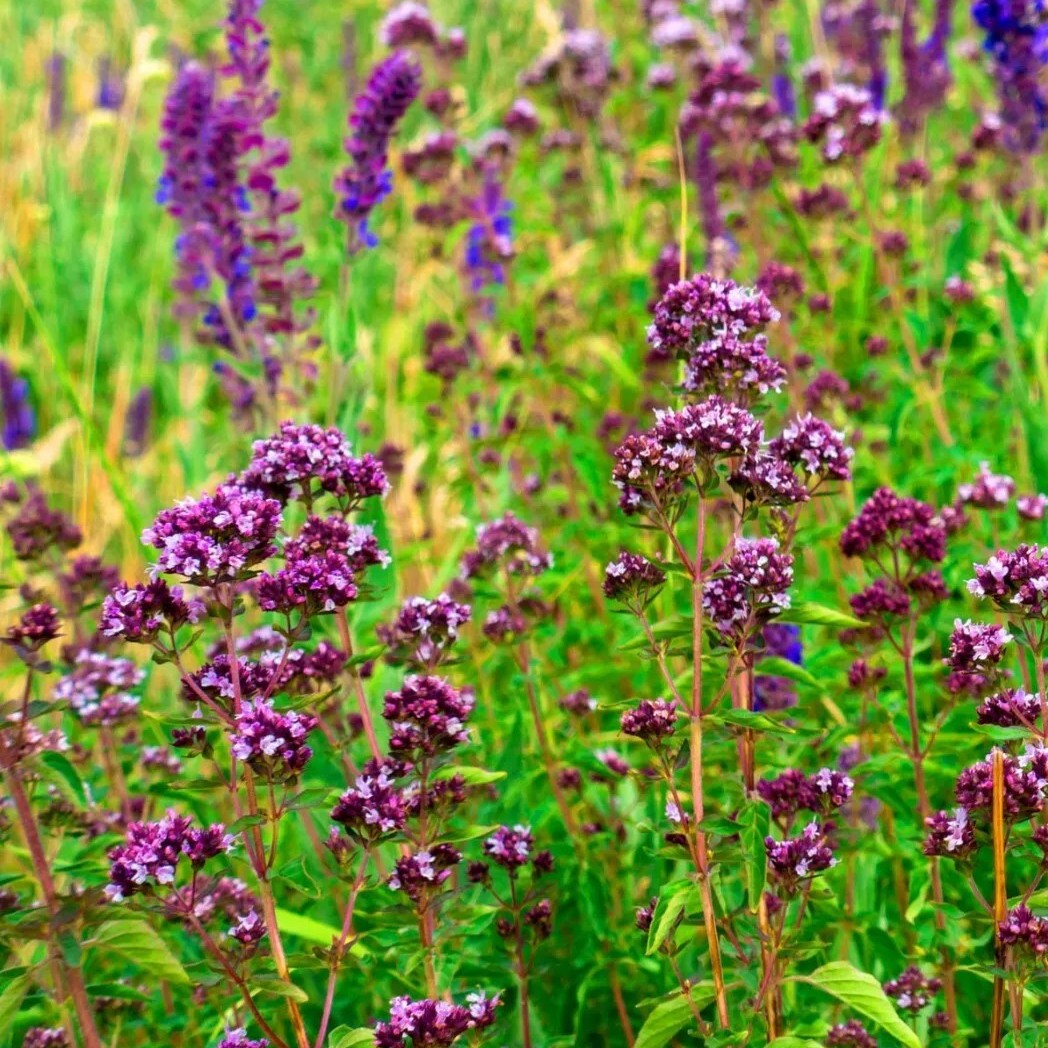
Wild Marjoram – Oregano – Seeds (Origanum vulgare)
Wild Marjoram (Oregano) is a hardy perennial herb cherished for its fragrant leaves and delicate pink-purple flowers. A staple of Mediterranean cooking, oregano adds a rich, earthy flavor to pizzas, pasta, sauces, and roasted vegetables. Beyond the kitchen, its nectar-rich flowers are a magnet for bees and butterflies, making it a wonderful addition to herb gardens, borders, and pollinator-friendly spaces.
How to Grow
-
Sow indoors: March – May in seed trays or pots.
-
Transplant outdoors: After the last frost in a sunny, well-drained spot.
-
Spacing: 25–30 cm apart.
-
Oregano prefers light, well-drained soil and thrives in warm, sunny conditions.
Key Features
-
Aromatic herb essential for Mediterranean cuisine
-
Hardy perennial, easy to grow
-
Attracts bees and butterflies with summer blooms
-
Suitable for pots, containers, or borders
-
Drought-tolerant once established
Ideal For
-
Culinary herb gardens
-
Fresh or dried use in cooking
-
Pollinator-friendly borders
-
Container growing on patios or balconies
Sowing & Harvest
-
Sow: March – May
-
Harvest: June – October (leaves can be harvested fresh or dried)
Quick Tip
For the most intense flavor, harvest oregano leaves just before flowering, and dry them in a cool, airy place.
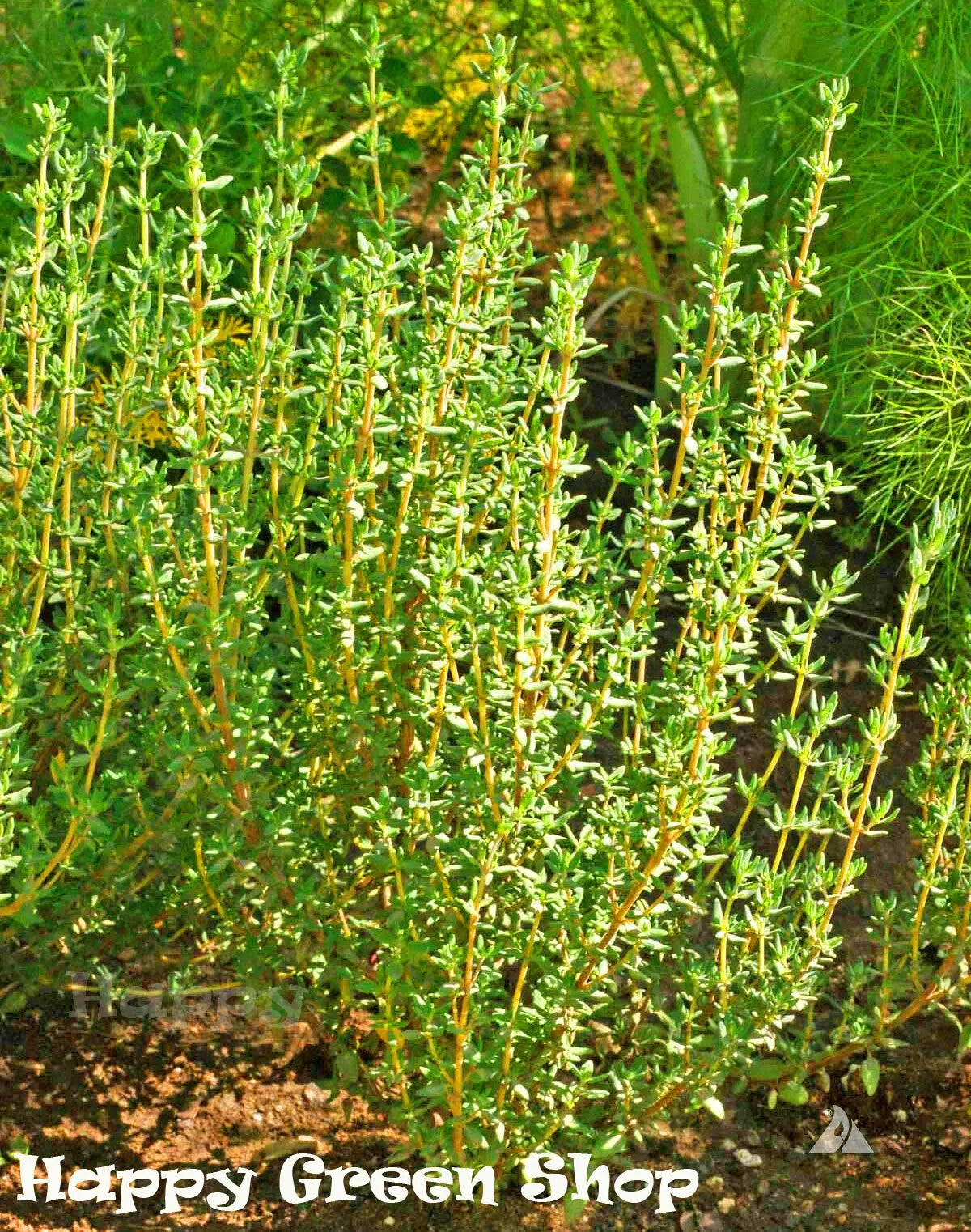
Thymus vulgaris 'Winter Thyme' is a hardy, aromatic perennial herb producing small, intensely fragrant leaves on compact, woody stems. Its classic savoury thyme flavour is particularly valuable in the kitchen, where the leaves can be used fresh or dried to season roasted vegetables, meats, soups, sauces, stuffings and Mediterranean dishes.
Naturally adapted to sunny, dry conditions, Winter Thyme develops into a compact evergreen sub-shrub that can provide aromatic foliage throughout much of the year. It is excellent for herb gardens, containers, raised beds and dry Mediterranean-style planting, while its small summer flowers provide a useful nectar source for bees and other pollinating insects.
● Strong, classic thyme aroma and savoury flavour
● Leaves can be harvested fresh or dried for later use
● Hardy perennial returning year after year
● Evergreen aromatic foliage provides year-round garden interest
● Nectar-rich flowers are valuable to bees and other pollinators
● Kitchen herb gardens
● Patio containers
● Raised beds
● Mediterranean-style planting
● Dry and sunny garden areas
● Surface sow the tiny seeds and do not cover them with compost, as thyme requires light for successful germination.
● Avoid overwatering seedlings; thyme is particularly vulnerable to damping-off when young and performs much better in free-draining compost.
● Do not enrich the soil heavily. Thyme naturally performs well in relatively lean, free-draining conditions, while excessive fertility can encourage softer growth.
● Harvest leafy shoots before or around the beginning of flowering when growing primarily for culinary use, and dry surplus stems for winter use.
● Good winter drainage is more important than rich soil or frequent watering; avoid waterlogged ground, particularly during cold UK winters.

Herb Sage – Seeds
(Salvia officinalis)
Herb Sage is a hardy perennial herb prized for its aromatic leaves and culinary versatility. Perfect for seasoning meats, soups, and sauces, its gray-green foliage also adds texture and fragrance to herb gardens. Easy to grow and drought-tolerant once established, it attracts pollinators and enhances both edible and ornamental plantings.
Why Grow Herb Sage?
-
Aromatic leaves for culinary and medicinal use
-
Hardy perennial, drought-tolerant once established
-
Attracts bees and pollinators
-
Adds texture and fragrance to gardens
Key Features
-
Type: Perennial herb
-
Height: 30–60 cm
-
Flowers: Blue-purple, late spring to summer
-
Position: Full sun
-
Soil: Well-drained, moderately fertile
Ideal For
-
Herb and culinary gardens
-
Pollinator-friendly plantings
-
Containers, borders, and rockeries
-
Perennial garden beds
Sowing & Growing
-
Sow indoors: February–April in seed trays
-
Sow outdoors: April–May directly in prepared soil
-
Germination: 14–21 days at 18–20°C
-
Spacing: 25–30 cm apart
-
Care: Moderate watering; prune after flowering to encourage fresh growth


Stinging Nettle – Seeds
(Urtica dioica)
Stinging Nettle (Urtica dioica) is a versatile perennial herb valued for its nutritional and medicinal properties. Its vibrant green leaves are rich in vitamins and minerals, making it perfect for teas, soups, and natural remedies. Hardy and easy to grow, it also provides shelter and food for wildlife, supporting pollinators and beneficial insects.
Why Grow Stinging Nettle?
-
Nutrient-rich leaves for culinary and medicinal use
-
Hardy perennial, easy to grow
-
Supports pollinators and wildlife
-
Traditional herbal remedy with multiple uses
Key Features
-
Type: Perennial herb
-
Height: 60–150 cm
-
Leaves: Harvest from spring to autumn
-
Position: Full sun to partial shade
-
Soil: Moist, fertile, well-drained
Ideal For
-
Herbal and edible gardens
-
Pollinator-friendly plantings
-
Natural remedies and teas
-
Wildlife habitats
Sowing & Growing
-
Sow indoors: February–April in seed trays
-
Sow outdoors: April–May directly in prepared soil
-
Germination: 14–28 days at 15–20°C
-
Spacing: Thin seedlings to 30 cm apart
-
Care: Prefers consistent moisture; perennial, low maintenance

Lovage Seeds (Levisticum officinale)
Grow a robust, aromatic herb with Lovage (Levisticum officinale). This perennial produces tall, leafy stems with a strong celery-like flavor, perfect for soups, stews, stocks, and herbal infusions. Hardy and long-lived, it’s ideal for herb gardens, perennial beds, and pollinator-friendly plantings.
How to Grow
-
Sow seeds indoors 6–8 weeks before the last frost or directly outdoors in spring.
-
Use fertile, well-drained soil in full sun to partial shade.
-
Sow seeds 0.5–1 cm deep and thin seedlings to 40–50 cm apart.
-
Keep soil consistently moist until germination (14–21 days).
-
Transplant seedlings outdoors after frost risk has passed.
-
Harvest leaves and stems as needed; roots can be harvested in autumn.
Key Features
-
Tall, leafy perennial with strong celery-like flavor
-
Hardy, long-lived, and easy to grow
-
Ideal for soups, stews, stocks, and herbal infusions
-
Attracts pollinators and enhances garden biodiversity
-
Suitable for herb gardens, perennial beds, and companion planting
Ideal For
-
Herb gardens and kitchen beds
-
Culinary use in soups, stews, stocks, and teas
-
Perennial borders and pollinator-friendly plantings
-
Long-term herb cultivation with minimal maintenance
Sowing
-
Best time: Spring indoors or outdoors after frost
-
Depth: 0.5–1 cm
-
Spacing: Thin to 40–50 cm apart
-
Prefers full sun to partial shade and fertile, well-drained soil
Quick Tip
-
Regularly trim leaves to encourage bushier growth and a continuous supply throughout the season.


Hyssop Seeds (Hyssopus officinalis)
Grow a timeless herb with Hyssop (Hyssopus officinalis), a fragrant perennial prized for its aromatic leaves and striking blue-purple flowers. Traditionally used in herbal teas, remedies, and as a seasoning, hyssop also attracts pollinators and adds beauty to borders, herb gardens, and containers. Hardy and versatile, it’s an essential plant for both culinary and medicinal use.
How to Grow
-
Sow seeds indoors in spring or directly outdoors after the last frost.
-
Use well-drained, light soil in a sunny location.
-
Sow seeds 0.5 cm deep and thin seedlings to 30–40 cm apart.
-
Keep soil lightly moist until germination (14–21 days).
-
Harvest leaves and flowers throughout summer for fresh or dried use.
Key Features
-
Aromatic herb with blue-purple blooms
-
Culinary, medicinal, and herbal tea uses
-
Attracts bees, butterflies, and pollinators
-
Hardy perennial, easy to grow
-
Adds beauty and fragrance to the garden
Ideal For
-
Herb gardens, borders, and containers
-
Herbal teas, remedies, and cooking
-
Attracting pollinators and beneficial insects
-
Gardeners seeking hardy, multipurpose plants
Sowing
-
Best time: Spring indoors or after frost outdoors
-
Depth: 0.5 cm
-
Spacing: 30–40 cm apart
-
Prefers full sun and well-drained soil
Quick Tip
-
Trim plants after flowering to encourage bushier growth and a second flush of blooms.
Showing 9/14


