
Sort by:
36 products
36 products


Rudbeckia ‘Goldsturm’ – Seeds (Rudbeckia fulgida)
Description:
Add long-lasting summer color with Rudbeckia ‘Goldsturm’ (Rudbeckia fulgida). This hardy perennial produces striking golden-yellow, daisy-like flowers with dark centers on strong, upright stems. Blooming from midsummer to autumn, it attracts pollinators such as bees and butterflies and is perfect for borders, mixed beds, and cut flower arrangements. Easy to grow and low maintenance, ‘Goldsturm’ is a reliable favorite for any garden.
Key Features
-
Bright golden-yellow daisy-like blooms with dark centers
-
Hardy, long-lasting perennial
-
Blooms midsummer through autumn
-
Attracts bees, butterflies, and other pollinators
-
Strong, upright stems; ideal for cutting
Ideal For
-
Borders and mixed flower beds
-
Cottage and perennial gardens
-
Cut flower arrangements
-
Pollinator-friendly plantings
Sowing & Growing
-
Sow Indoors: February–April
-
Sow Outdoors: April–May, after frost
-
Germination: 10–14 days at 18–22°C
-
Height: 60–90 cm
-
Spacing: 30–40 cm apart
-
Light: Full sun
-
Soil: Fertile, well-drained
Care Tips
-
Deadhead faded blooms to extend flowering
-
Water moderately during dry spells
-
Divide clumps every 3–4 years to maintain vigor
-
Mulch in winter in colder regions

Pansy Swiss ‘Giant Flame’ Seeds (Viola wittrockiana)
Bring fiery color to your garden with Pansy Swiss ‘Giant Flame’ (Viola wittrockiana). This striking variety produces large, vibrant blooms in shades of red, orange, and yellow, creating a dramatic, eye-catching display. Hardy and easy to grow, it’s perfect for borders, containers, and window boxes, adding warmth and cheer from spring to early summer.
How to Grow
-
Sow indoors 8–10 weeks before the last frost, or directly outdoors in early spring.
-
Use well-drained seed compost and lightly press seeds onto the surface (do not cover).
-
Keep soil moist and maintain bright light for germination (10–14 days).
-
Transplant seedlings into well-drained soil with spacing of 20–25 cm apart.
-
Water regularly but avoid waterlogging.
-
Deadhead spent blooms to prolong flowering.
Key Features
-
Large, vibrant blooms in fiery red, orange, and yellow shades
-
Hardy annual/perennial in cooler climates
-
Long-flowering from spring to early summer
-
Ideal for borders, containers, and window boxes
-
Attracts pollinators such as bees and butterflies
Ideal For
-
Flower beds and borders
-
Containers and patio planters
-
Window boxes and hanging baskets
-
Pollinator-friendly garden designs
Sowing
-
Best time: 8–10 weeks before last frost indoors, or early spring outdoors
-
Germination: 10–14 days
-
Sow thinly, keep soil moist, do not cover seeds
-
Prefers full sun to partial shade and well-drained soil
Quick Tip
-
Remove spent flowers regularly to encourage new blooms and maintain vibrant color throughout the season.
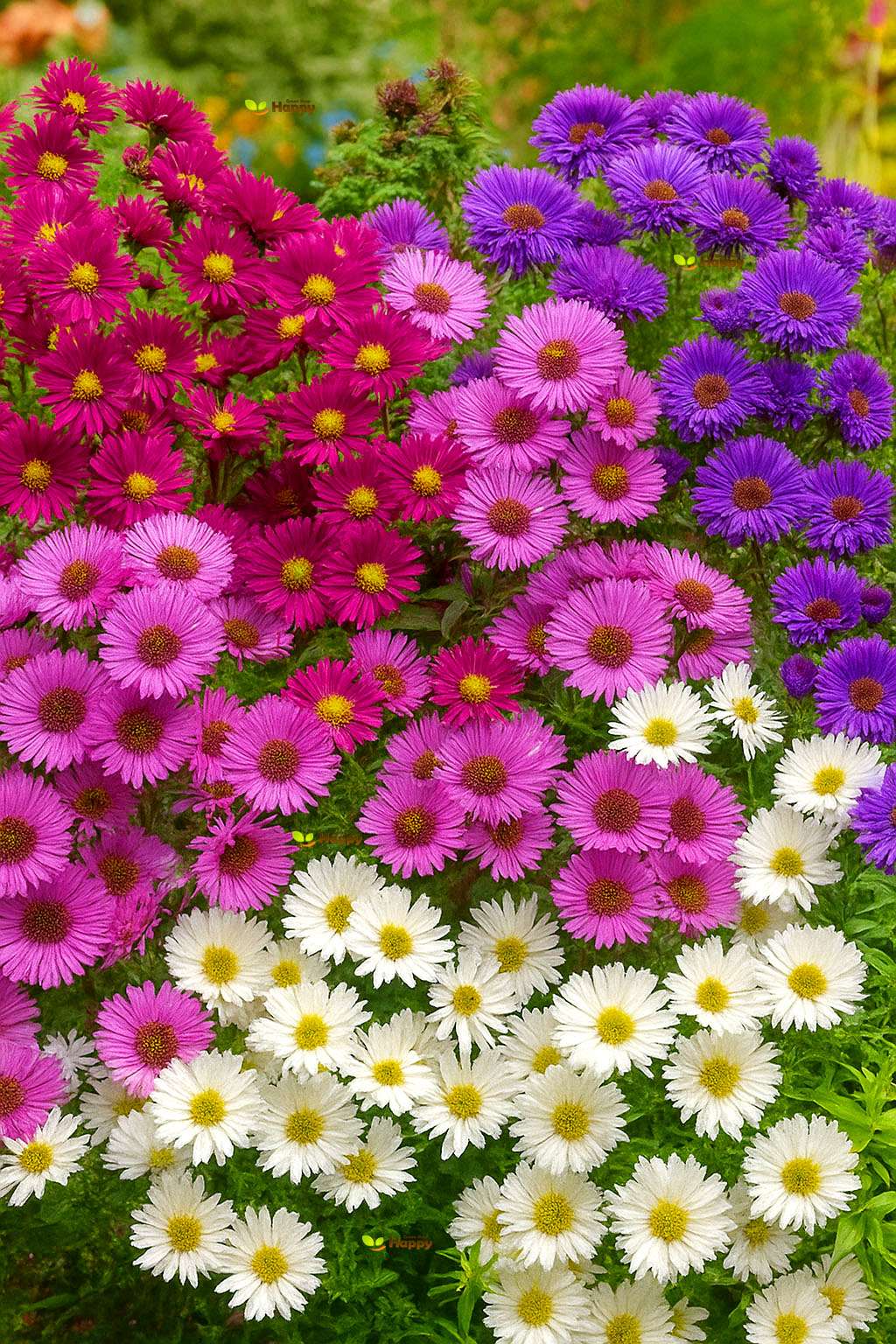
New York Aster ‘Novi-Belgii’ Seeds (Symphyotrichum novi-belgii)
Enhance your late-season garden with New York Aster ‘Novi-Belgii’ (Symphyotrichum novi-belgii). This hardy perennial produces dense clusters of violet-blue daisy-like flowers with golden centers in late summer and autumn, bringing vibrant color to borders, meadows, and cutting gardens. Easy to grow and long-flowering, it attracts pollinators and adds a classic cottage garden charm.
How to Grow
-
Sow seeds indoors 6–8 weeks before the last frost or directly outdoors after frost risk has passed.
-
Use well-drained soil in full sun to partial shade.
-
Lightly cover seeds with soil and keep moist until germination (14–21 days).
-
Thin seedlings to 30–40 cm apart once established.
-
Mulch around plants to retain moisture and support healthy growth.
-
Cut back after flowering to maintain plant vigor.
Key Features
-
Violet-blue, daisy-like flowers with golden centers
-
Hardy perennial, long-flowering and easy to grow
-
Ideal for borders, meadows, and cutting gardens
-
Attracts bees, butterflies, and other pollinators
-
Adds vibrant late-season color to garden beds
Ideal For
-
Flower borders and cottage gardens
-
Wildflower meadows and naturalized areas
-
Cutting gardens for bouquets
-
Pollinator-friendly landscapes
Sowing
-
Best time: 6–8 weeks before last frost indoors or after frost outdoors
-
Germination: 14–21 days
-
Sow thinly, cover lightly, and keep soil moist
-
Prefers full sun to partial shade and well-drained soil
Quick Tip
-
For extended blooms, sow successive batches or cut flowers regularly to encourage new growth.

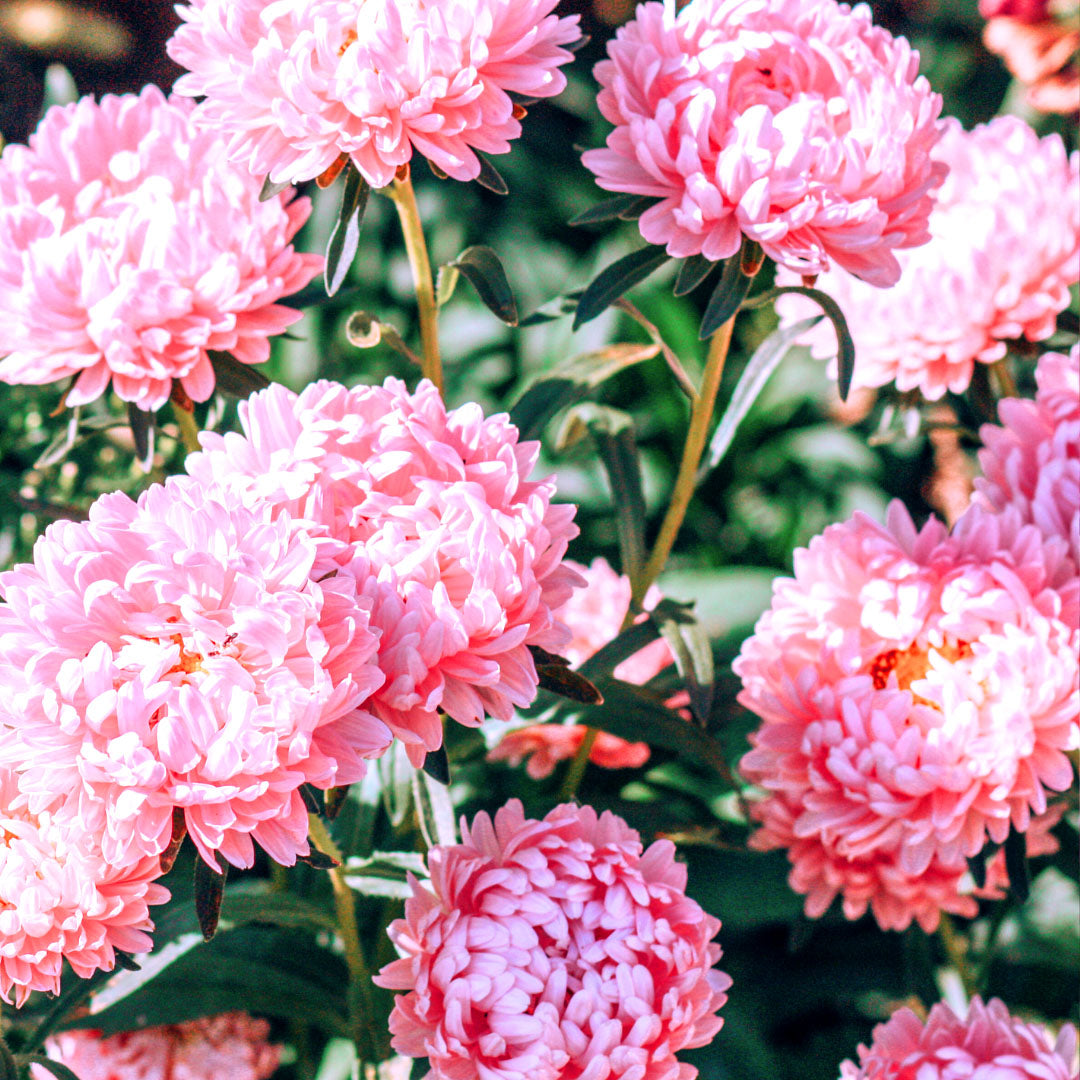

Dwarf Aster "Thousand Wonders Salmon Rose" - 150 seeds (Callistephus Chinensis)
£1.24
Unit price perDwarf Aster "Thousand Wonders Salmon Rose" - 150 seeds (Callistephus Chinensis)
£1.24
Unit price perDwarf Aster ‘Thousand Wonders Salmon Rose’ – Seeds (Callistephus chinensis)
Dwarf Aster ‘Thousand Wonders Salmon Rose’ (Callistephus chinensis) is a charming annual featuring abundant, fully double blooms in soft salmon-rose hues. Blooming from mid-summer to autumn, these compact asters are perfect for borders, containers, and cottage-style gardens. Easy to grow and low-maintenance, they attract pollinators and add long-lasting color, making them ideal for cheerful summer displays and cut flower arrangements.
Why Grow "Thousand Wonders Salmon Rose"
-
Fully double, soft salmon-rose blooms
-
Long flowering season from mid-summer to autumn
-
Compact, low-maintenance annual
-
Pollinator-friendly and excellent for cut flowers
Key Features
-
Type: Annual (Callistephus chinensis)
-
Height: 25–35 cm
-
Flowering: Mid-summer to autumn
-
Position: Full sun
-
Uses: Borders, containers, cottage gardens, cut flowers, pollinator-friendly gardens
Ideal For
-
Adding vibrant color to compact spaces and borders
-
Container planting and window boxes
-
Pollinator-friendly gardens
-
Summer cut flower arrangements
Sowing & Growing
-
Sow indoors: February–April in trays or pots
-
Sow outdoors: April–May after frost
-
Germination: 7–14 days at 18–22°C
-
Thin seedlings 20–25 cm apart
-
Prefers well-drained soil in full sun
-
Deadhead regularly to encourage continuous flowering
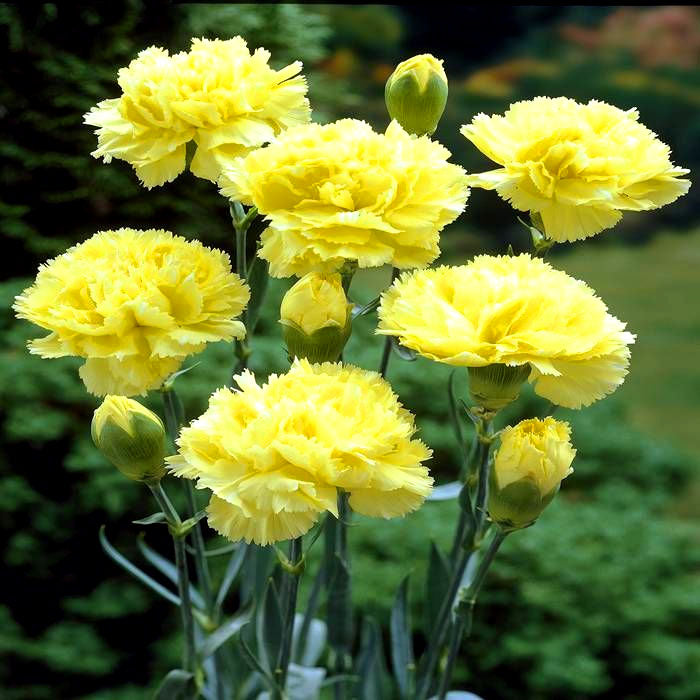
Carnation 'Marie Chabaud' - 350 seeds (Dianthus caryophyllus) Cutting Flower
£1.24
Unit price perCarnation 'Marie Chabaud' - 350 seeds (Dianthus caryophyllus) Cutting Flower
£1.24
Unit price perCarnation ‘Marie Chabaud’ Seeds (Dianthus caryophyllus) – Cutting Flower
Bring classic elegance to your garden with Carnation ‘Marie Chabaud’ (Dianthus caryophyllus). This hardy annual produces large, fragrant blooms in soft pink shades, perfect for cutting gardens, borders, and containers. Long-flowering and easy to grow, it’s ideal for fresh bouquets and floral arrangements.
How to Grow
-
Sow indoors 8–10 weeks before the last frost or directly outdoors after frost risk has passed.
-
Use well-drained, fertile soil in full sun.
-
Lightly cover seeds with soil and keep moist until germination (10–14 days).
-
Transplant seedlings when large enough to handle, spacing 20–25 cm apart.
-
Water regularly and remove spent flowers to encourage continuous blooming.
Key Features
-
Large, fragrant blooms in soft pink shades
-
Long-flowering, ideal for cutting gardens
-
Hardy and easy to grow
-
Perfect for fresh bouquets and floral arrangements
-
Attracts pollinators including bees and butterflies
Ideal For
-
Cutting gardens for fresh flowers
-
Flower beds, borders, and containers
-
Pollinator-friendly gardens
-
Floral arrangements and bouquets
Sowing
-
Best time: 8–10 weeks before last frost indoors or after frost outdoors
-
Germination: 10–14 days
-
Sow thinly, cover lightly, and keep soil moist
-
Prefers full sun and fertile, well-drained soil
Quick Tip
-
Regularly deadhead to prolong flowering and maintain healthy, vibrant blooms throughout the season.
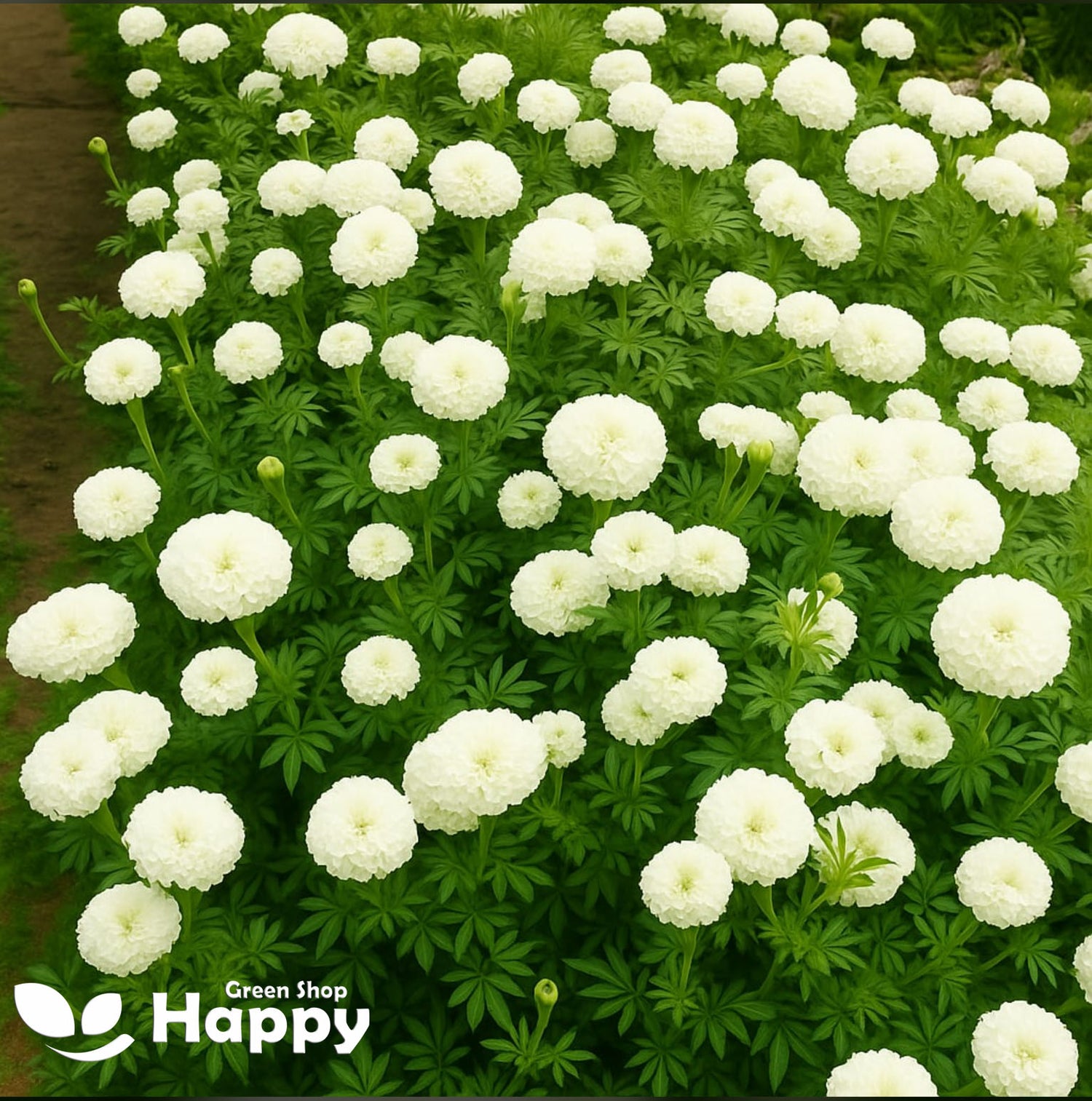
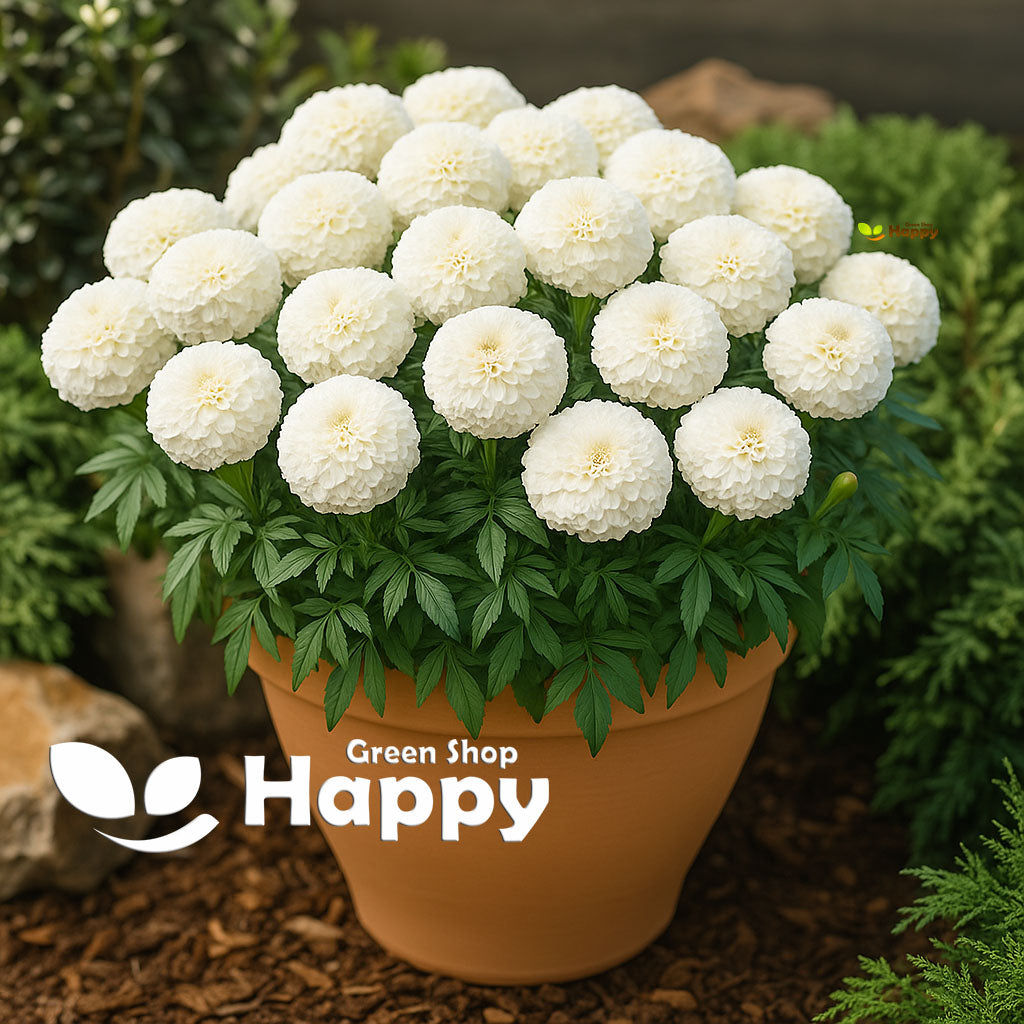
African Marigold ‘Dwarf Snowstorm’ Seeds (Tagetes erecta)
Add a cheerful burst of white to your garden with African Marigold ‘Dwarf Snowstorm’ (Tagetes erecta). This compact annual produces abundant, pure white pom-pom-like flowers, perfect for borders, containers, and bedding schemes. Easy to grow and long-flowering, it attracts pollinators and brightens summer and autumn displays.
How to Grow
-
Sow seeds indoors 6–8 weeks before the last frost or directly outdoors after frost risk has passed.
-
Use well-drained soil in full sun.
-
Lightly cover seeds with soil and keep moist until germination (7–14 days).
-
Thin seedlings to 20–25 cm apart once established.
-
Water regularly, avoiding waterlogging.
-
Deadhead spent flowers to encourage continuous blooming.
Key Features
-
Abundant, pure white, pom-pom-like blooms
-
Compact and long-flowering annual
-
Easy to grow and maintain
-
Ideal for borders, containers, and bedding schemes
-
Attracts bees, butterflies, and other pollinators
Ideal For
-
Flower beds and borders
-
Containers, patio planters, and window boxes
-
Pollinator-friendly gardens
-
Bedding schemes and mass plantings
Sowing
-
Best time: 6–8 weeks before last frost indoors or after frost outdoors
-
Germination: 7–14 days
-
Sow thinly, cover lightly, and keep soil moist
-
Prefers full sun and well-drained soil
Quick Tip
-
Deadhead regularly to maintain abundant blooms and prolong flowering throughout the season.
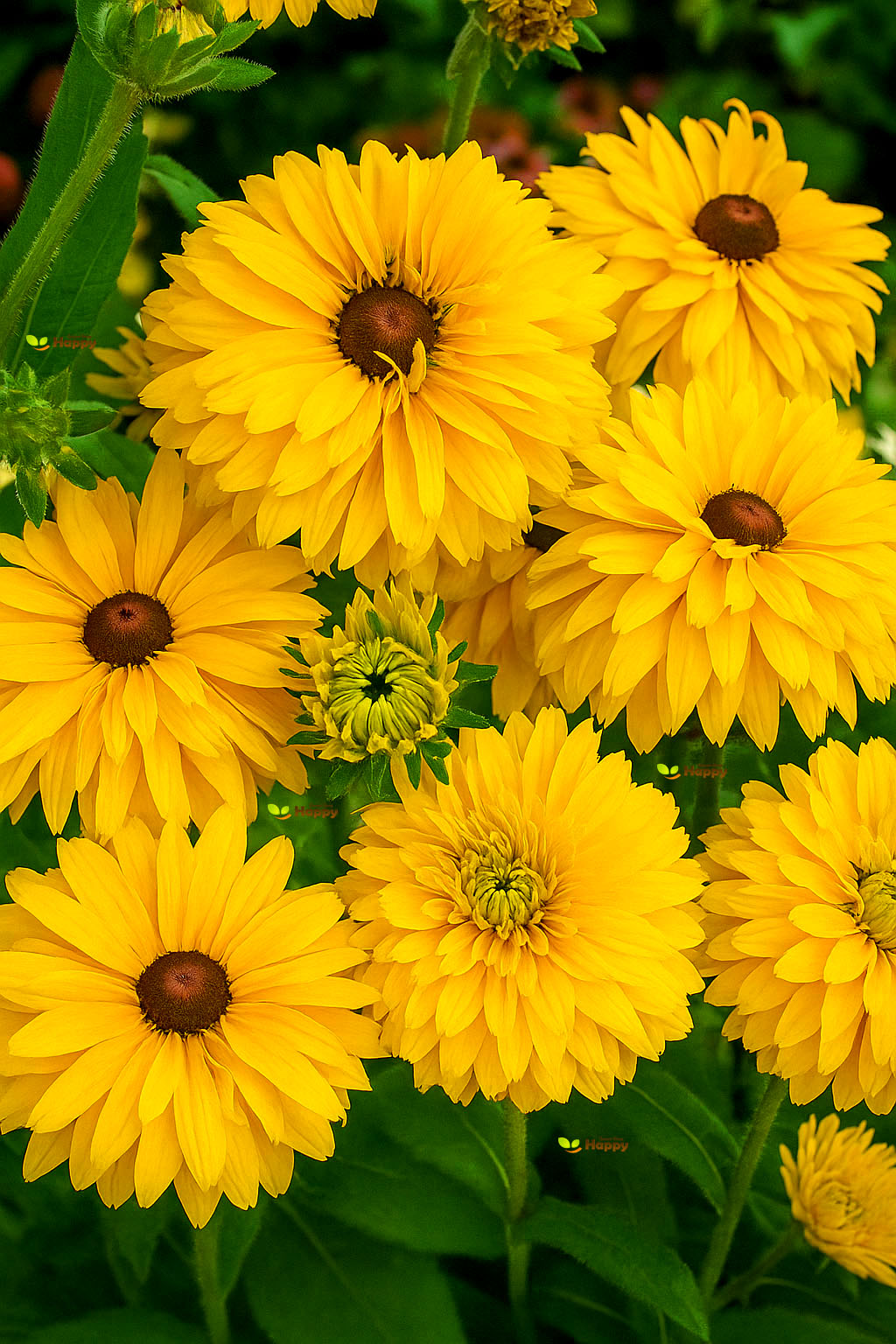

Rudbeckia ‘Golden Daises’ Seeds (Rudbeckia hirta)
Bring cheerful sunshine to your garden with Rudbeckia ‘Golden Daises’ (Rudbeckia hirta). This hardy annual produces bright golden-yellow daisy-like flowers with dark centers, perfect for borders, beds, and cutting gardens. Easy to grow and long-flowering, it attracts pollinators and adds bold, eye-catching color from summer through autumn.
How to Grow
-
Sow seeds directly outdoors in spring after the last frost or indoors 6–8 weeks earlier.
-
Use well-drained soil in full sun.
-
Scatter seeds thinly and cover lightly with soil.
-
Keep soil moist until germination (7–14 days).
-
Thin seedlings to 25–30 cm apart once established.
-
Deadhead spent flowers to encourage continuous blooming.
Key Features
-
Bright golden-yellow daisy-like flowers with dark centers
-
Hardy annual, easy to grow and long-flowering
-
Ideal for borders, beds, and cutting gardens
-
Attracts bees, butterflies, and other pollinators
-
Adds bold, cheerful color to summer and autumn gardens
Ideal For
-
Flower borders and cottage gardens
-
Cutting gardens for fresh bouquets
-
Pollinator-friendly landscapes
-
Containers, patio planters, and naturalized plantings
Sowing
-
Best time: Spring outdoors or 6–8 weeks earlier indoors
-
Germination: 7–14 days
-
Sow thinly, cover lightly, and keep soil moist
-
Prefers full sun and well-drained soil
Quick Tip
-
Deadhead regularly to maintain vibrant blooms and extend the flowering season.

Viola ‘Admiration’ – 250 Seeds (Viola cornuta)
Viola ‘Admiration’ is a charming perennial that delivers a long season of delicate, vibrant blooms. With its compact habit and abundant flowers, this hardy viola is perfect for borders, containers, and rock gardens. Its classic bicolor petals add elegance and color to any garden setting while attracting pollinators like bees and butterflies.
Key Features
-
Flower Color: Typically blue-violet with darker accents
-
Growth Habit: Compact and bushy, ideal for edging
-
Flowering Period: Spring to autumn
-
Height: 15–20 cm
-
Use: Borders, containers, rockeries, pollinator-friendly gardens
-
Hardiness: Frost-tolerant perennial
Ideal For
-
Borders and garden edges
-
Containers and window boxes
-
Pollinator-friendly spaces
-
Rockeries and small garden plots
Sowing & Growing
-
Sow indoors: February–April
-
Sow outdoors: March–May
-
Germination: 10–20 days at 15–20°C
-
Position: Full sun to partial shade
-
Soil: Well-drained, fertile soil
-
Spacing: 15–20 cm
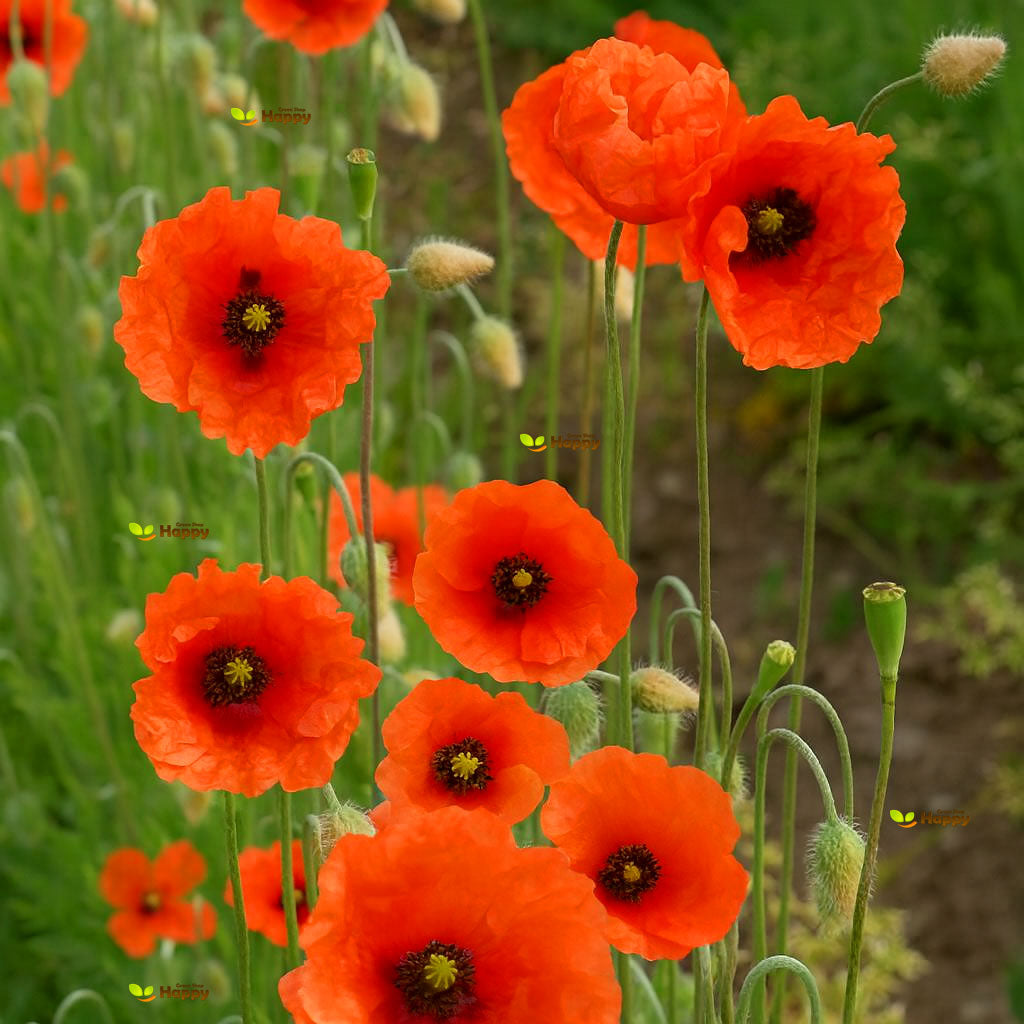
Wild Poppy ‘Blindeyes’ Seeds (Papaver dobium)
Bring natural charm and bold color to your garden with Wild Poppy ‘Blindeyes’ (Papaver dobium). This hardy annual produces vibrant, single red blooms with dark centers, perfect for borders, wildflower meadows, and cutting gardens. Easy to grow and long-flowering, it attracts pollinators and adds a striking, naturalized look to any garden space.
How to Grow
-
Sow seeds directly outdoors in early spring or autumn.
-
Use well-drained soil in full sun.
-
Scatter seeds thinly and press lightly onto the soil; do not cover deeply.
-
Keep soil moist until germination (10–20 days).
-
Thin seedlings to 20–25 cm apart once established.
-
Deadhead spent flowers to encourage continuous blooming.
Key Features
-
Vibrant red single blooms with dark centers
-
Hardy annual, easy to grow and long-flowering
-
Ideal for borders, meadows, and cutting gardens
-
Attracts bees, butterflies, and other pollinators
-
Naturalized and cottage garden appeal
Ideal For
-
Flower borders and cottage gardens
-
Wildflower meadows and naturalized plantings
-
Cutting gardens for fresh bouquets
-
Pollinator-friendly landscapes
Sowing
-
Best time: Early spring or autumn directly outdoors
-
Germination: 10–20 days
-
Sow thinly, press lightly, do not cover deeply
-
Prefers full sun and well-drained soil
Quick Tip
-
For a continuous display, sow in drifts or clusters and remove spent blooms regularly.
Showing 27/36


