
Sort by:
155 products
155 products
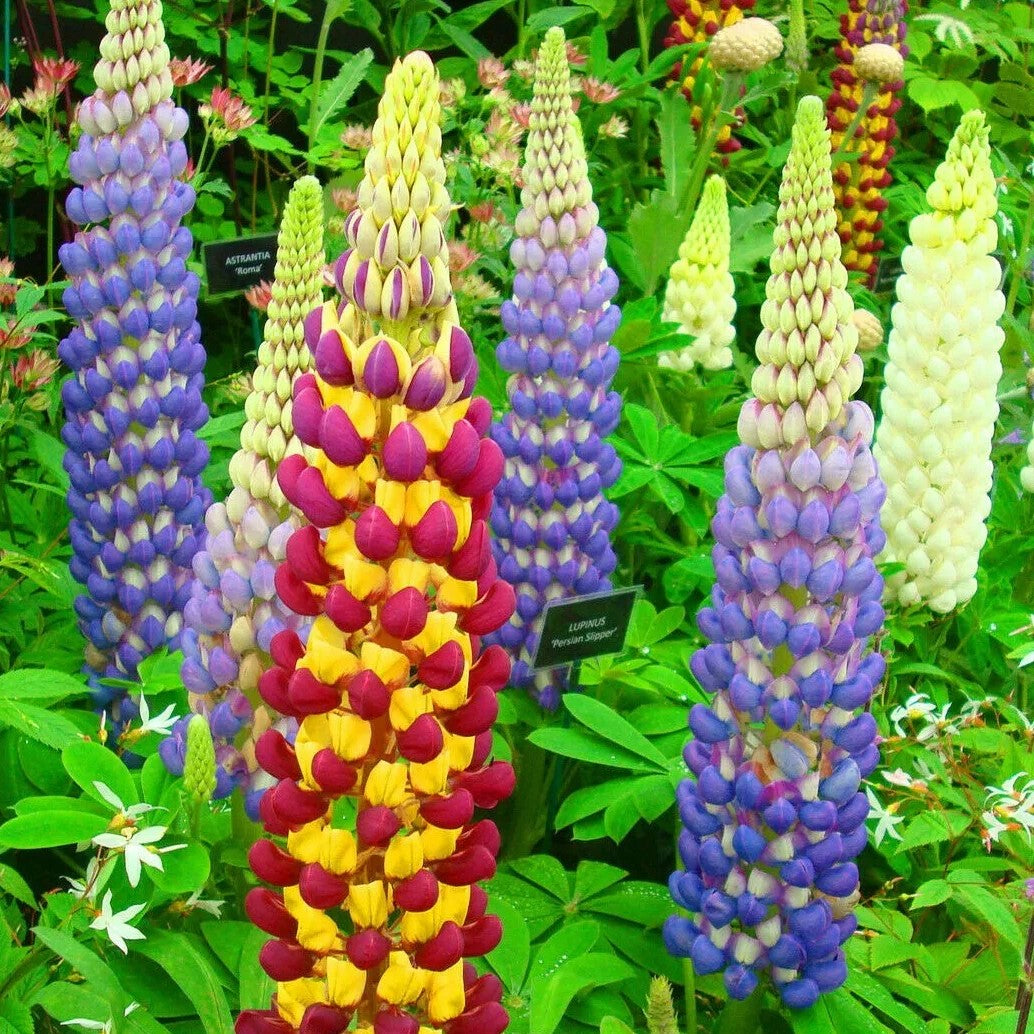

Lupine Mix Seeds (Lupinus polyphyllus)
A cottage garden classic, Lupine Mix produces tall spires of pea-like flowers in a rainbow of colors, rising above lush green foliage. Hardy and dramatic, these blooms create striking vertical accents in borders and wildflower plantings, while attracting bees, butterflies, and pollinators.
What Makes It Special
-
Tall spires of vibrant, multicolored flowers
-
Hardy, dramatic, and ideal for vertical interest
-
Attracts bees, butterflies, and pollinators
Key Features
-
Botanical name: Lupinus polyphyllus
-
Hardy perennial
-
Height: 80–120 cm (32–48 in)
-
Bloom time: Early to mid-summer
Ideal For
-
Cottage gardens and mixed perennial borders
-
Wildflower plantings and pollinator gardens
-
Cut flower arrangements
Sowing
-
Sow indoors Mar–Apr or outdoors Apr–Jun
-
Nick seed coat lightly and soak overnight for better germination
-
Cover lightly with soil and keep moist
-
Germination: 14–30 days at 15–20°C
-
Thin seedlings 30–40 cm apart
-
Flowers the second year after sowing
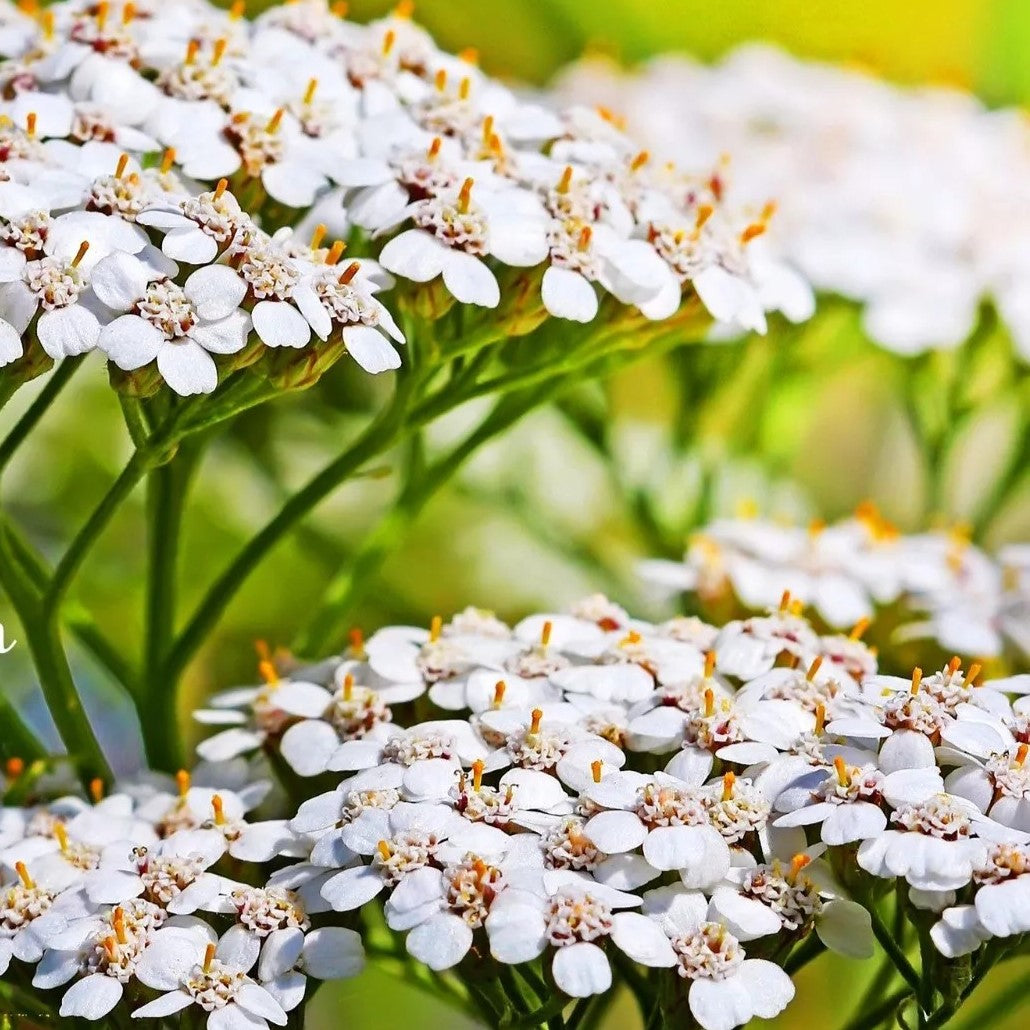
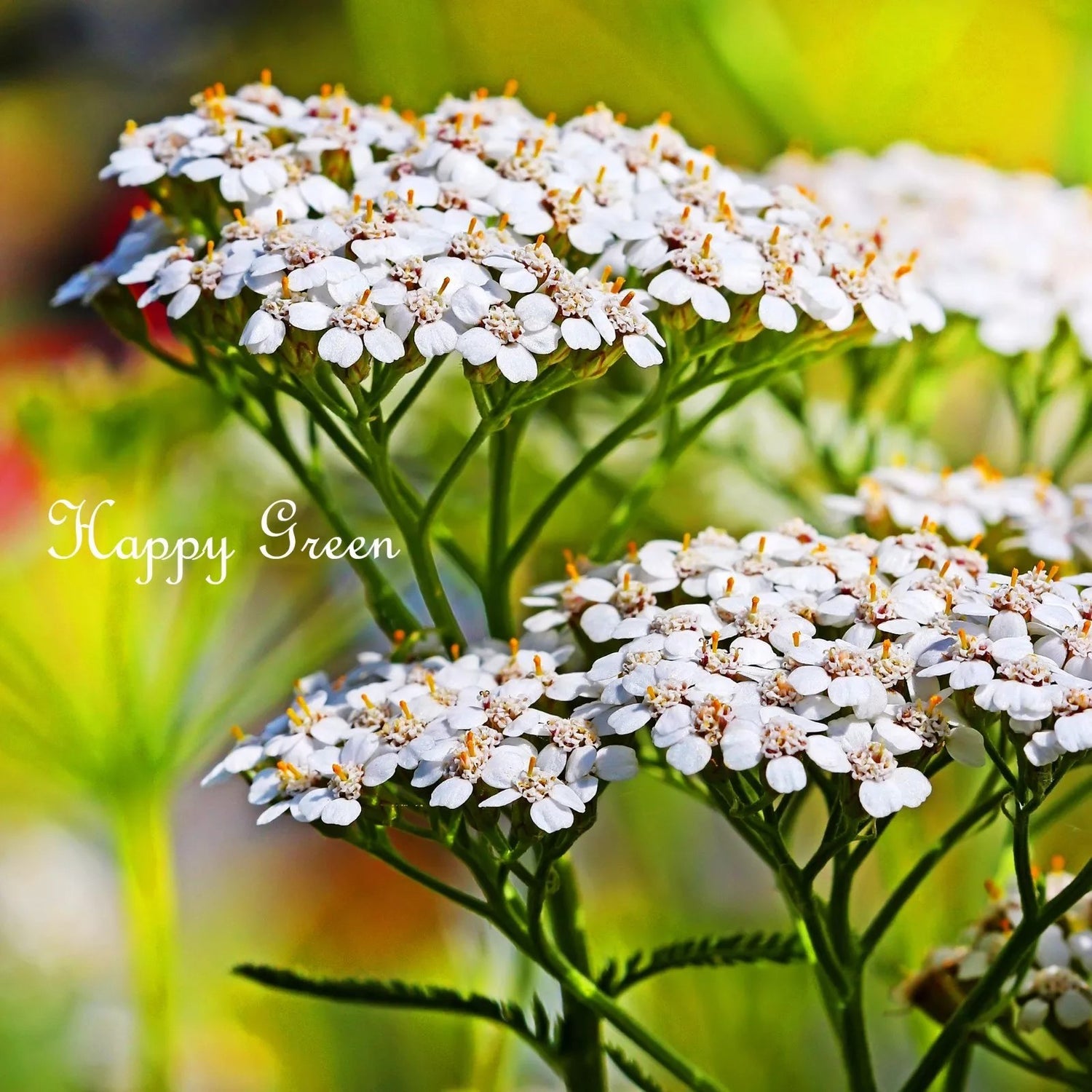
Yarrow ‘Summer White’ – Seeds (Achillea millefolium)
Yarrow ‘Summer White’ is a hardy perennial producing flat clusters of pure white blooms atop feathery, aromatic foliage. Blooming from early summer to autumn, this versatile plant thrives in borders, rockeries, and cottage gardens. Drought-tolerant and low-maintenance, it attracts pollinators like bees and butterflies, adding texture, fragrance, and long-lasting color to your garden.
Why Grow "Summer White"
-
Flat clusters of pure white, long-lasting flowers
-
Drought-tolerant and low-maintenance
-
Attracts bees, butterflies, and other pollinators
-
Ideal for borders, rockeries, and cottage gardens
Key Features
-
Type: Perennial (Achillea millefolium)
-
Height: 60–80 cm
-
Flowering: Early summer to autumn
-
Position: Full sun
-
Uses: Borders, rockeries, cottage gardens, pollinator gardens
Ideal For
-
Adding texture and structure to borders and beds
-
Cottage and mixed garden designs
-
Pollinator-friendly garden planting
-
Gardeners seeking hardy, long-flowering perennials
Sowing & Growing
-
Sow indoors: 6–8 weeks before last frost
-
Sow outdoors: Directly after frost danger has passed
-
Germination: 10–20 days
-
Space seedlings: 30–40 cm apart
-
Prefers well-drained soil and full sun
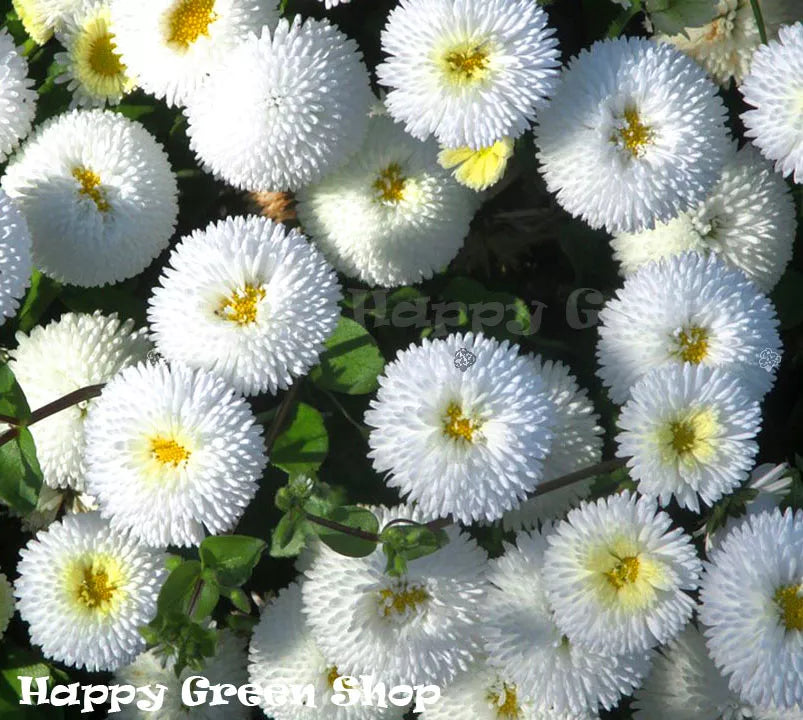
English Daisy 'Pomponette' White Seeds (Bellis perennis)
The English Daisy ‘Pomponette’ White is a refined garden classic, producing neat, double pompon-like flowers in pure white. Compact and long-flowering, it brings freshness and elegance to borders, pots, and spring bedding schemes. Its timeless charm makes it perfect for traditional cottage gardens and for pairing with tulips, violas, or primroses.
What Makes It Special
-
Produces pure white, pompon-style blooms for a clean and elegant look
-
Compact, hardy, and easy to grow in most gardens
-
Provides a long flowering season from early spring onwards
-
Excellent choice for classic bedding schemes and container planting
Key Features
-
Botanical name: Bellis perennis
-
Variety: Pomponette White
-
Height/Spread: 15–20 cm tall, 15–20 cm spread
-
Position: Full sun or partial shade; thrives in moist, well-drained soil
-
Flowering period: Early spring to early summer
-
Lifespan: Perennial, often grown as a biennial
Ideal For
-
Cottage gardens and traditional flower beds
-
Spring bedding displays with tulips and primroses
-
Pots, containers, and window boxes
-
Low-growing borders and edging
-
Adding a soft, white contrast to mixed planting schemes
Sowing Instructions
-
When to sow: Late spring to mid-summer (May–July) for flowers the following spring.
-
How to sow:
-
Sow thinly on the surface of moist seed compost.
-
Do not cover, as seeds need light to germinate.
-
Keep moist at 15–20°C. Germination takes 14–28 days.
-
-
Transplant/Thin: When seedlings are large enough to handle, transplant to pots or trays. Plant outdoors 15–20 cm apart.
-
Care: Deadhead faded blooms to prolong flowering. Protect young plants from severe frost.
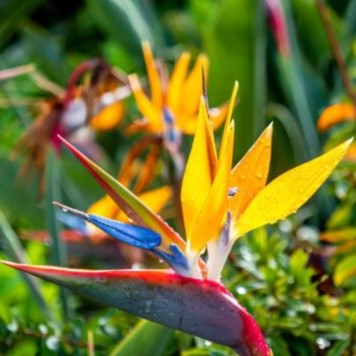
Bird of Paradise – Seeds (Strelitzia reginae)
Bird of Paradise is one of the world’s most striking ornamental plants, prized for its dramatic flowers that resemble tropical birds in flight. With vibrant orange and blue petals, it brings an exotic touch to gardens, patios, or conservatories. Though slow to flower from seed, the reward is a spectacular, long-lasting display that makes it a true centerpiece plant.
Why Grow "Bird of Paradise"
-
Exotic orange-and-blue flowers resembling birds in flight
-
Stunning architectural foliage year-round
-
Long-lived, impressive container or garden plant
-
A tropical showpiece with dramatic visual impact
Key Features
-
Type: Perennial (Strelitzia reginae)
-
Height: 1–1.5 m
-
Flowering: Typically 3–5 years from seed, then annually
-
Position: Full sun to partial shade
-
Uses: Specimen plant, patios, conservatories, tropical-style gardens
Ideal For
-
Creating a tropical centerpiece indoors or outdoors
-
Container growing for patios and conservatories
-
Adding dramatic, exotic flair to gardens
-
Patient gardeners seeking a rewarding long-term plant
Sowing & Growing
-
Scarify seeds and soak in warm water for 24–48 hours before sowing
-
Sow indoors: Anytime with heat (20–25°C)
-
Germination: May take 1–3 months
-
Transplant seedlings into pots, spacing well
-
Requires well-drained soil, regular feeding, and patience to flower
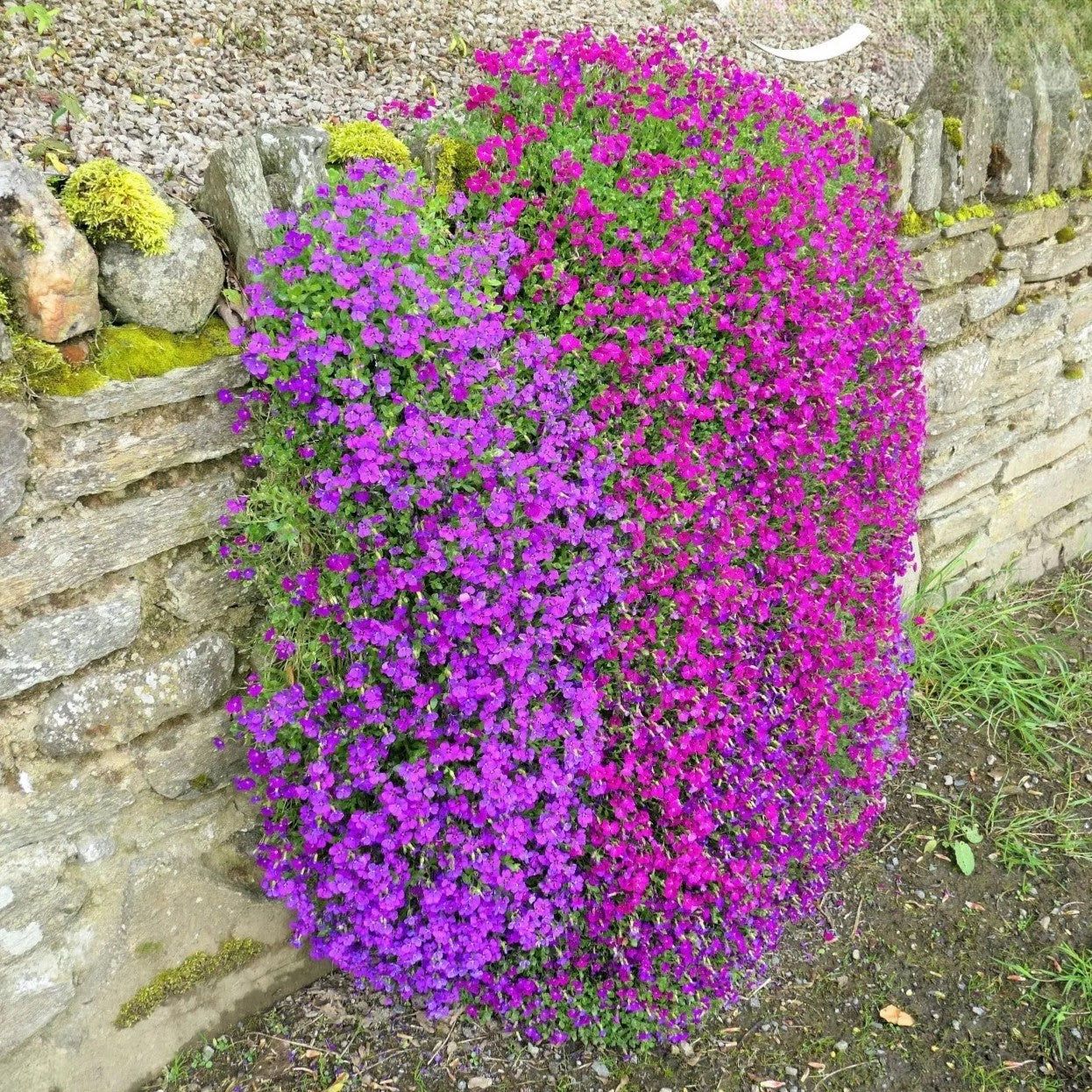

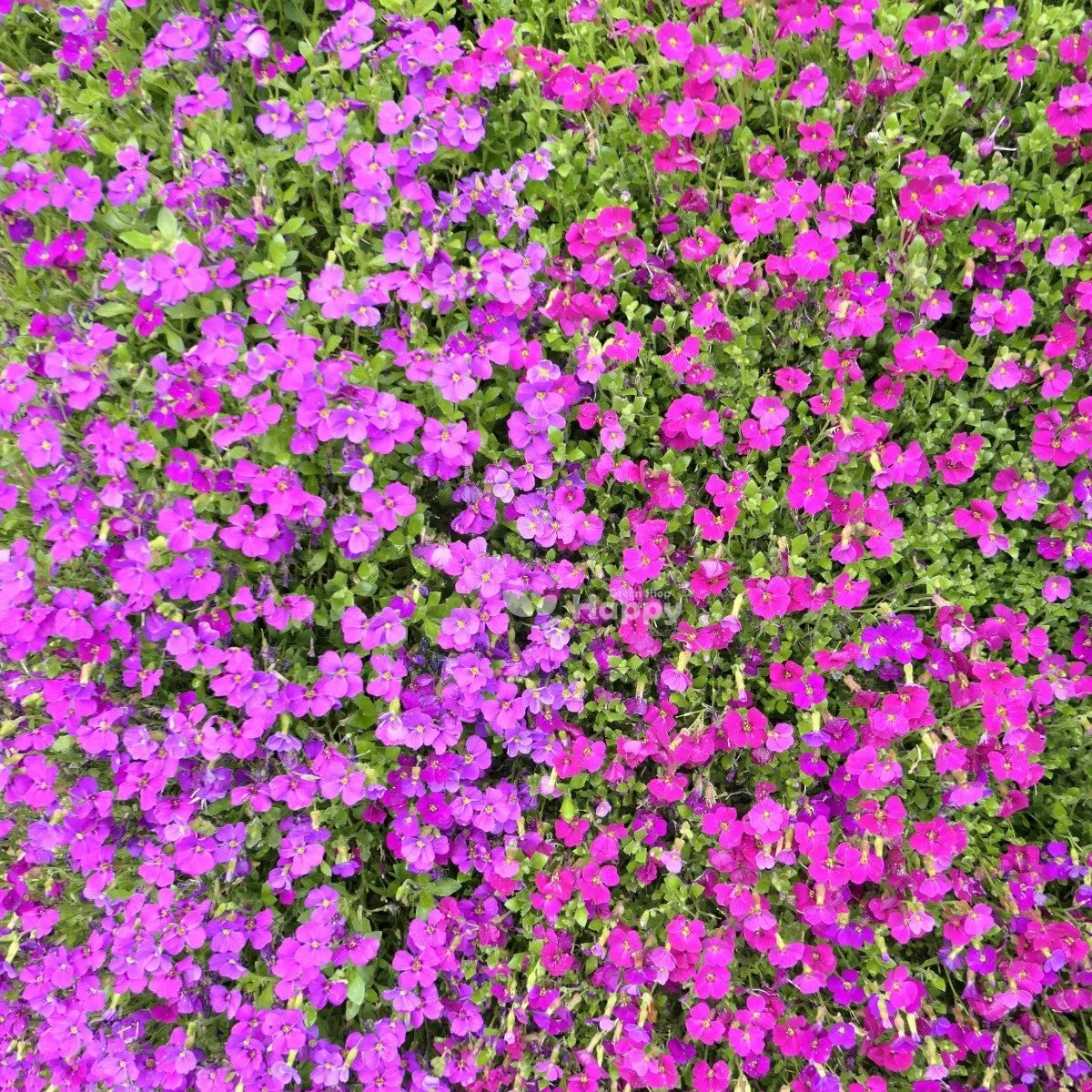
Rock Cress 'Cascade Purple' Seeds (Aubrieta cultorum hybrida)
Aubrieta ‘Cascade Purple’ is a low-growing, mat-forming perennial, famous for its vivid purple blooms that blanket rockeries, walls, and borders in spring. This hardy groundcover creates a stunning cascade of flowers, softening stone edges and filling gaps between paving with ease. Once established, it’s drought-tolerant, easy to care for, and ideal for adding long-lasting color to cottage gardens and alpine plantings.
Why Grow 'Cascade Purple'
-
Masses of bright purple flowers in spring
-
Perfect for rockeries, walls, edging, and containers
-
Hardy perennial that returns year after year
Key Features
-
Type: Perennial
-
Height: 10–15 cm
-
Spread: 30–60 cm
-
Flowering: March–May
-
Position: Full sun
-
Soil: Well-drained, light, sandy soil
-
Uses: Rock gardens, edging, walls, groundcover
Sowing & Growing
-
Sow indoors: February–April in trays with light cover
-
Germination: 14–21 days at 18–22°C
-
Transplant seedlings outdoors after frost, spacing 20–30 cm apart
-
Prefers full sun and well-drained soil
-
Trim lightly after flowering to maintain compact growth
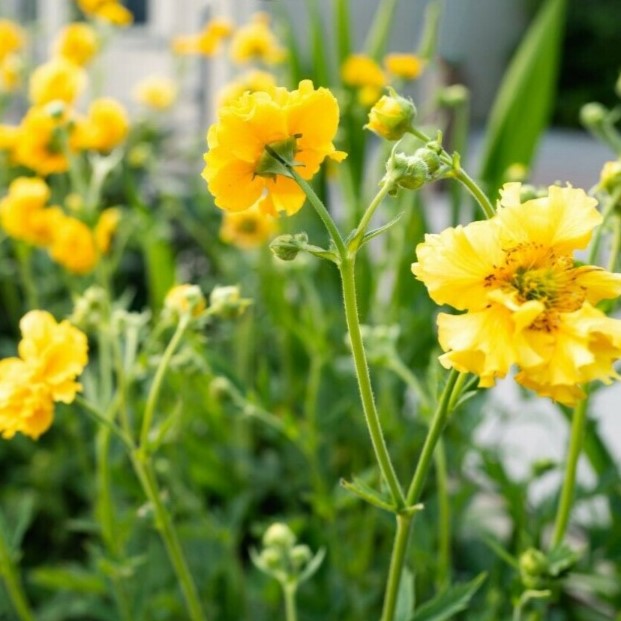
Geum ‘Lady Stratheden’ Yellow Seeds (Geum chiloense hybridum)
A vibrant perennial, Geum ‘Lady Stratheden’ produces cheerful, bright yellow blooms on sturdy stems above lush green foliage. Hardy and long-flowering, it’s perfect for borders, cottage gardens, and mixed perennial beds, attracting pollinators and adding a sunny pop of color from late spring to summer.
What Makes It Special
-
Bright yellow flowers with strong garden presence
-
Hardy, long-flowering perennial ideal for borders and beds
-
Attracts bees and butterflies, supporting pollinator gardens
Key Features
-
Botanical name: Geum chiloense hybridum
-
Hardy perennial
-
Height: 40–60 cm (16–24 in)
-
Bloom time: Late spring to summer
Ideal For
-
Garden borders and cottage-style plantings
-
Mixed perennial beds and containers
-
Pollinator-friendly landscapes
Sowing
-
Sow indoors Feb–Apr or outdoors Mar–May
-
Cover lightly with soil and keep moist
-
Germination: 14–28 days at 15–20°C
-
Thin seedlings 30–40 cm apart
-
Flowers the first or second season after sowing
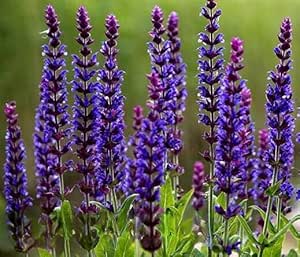
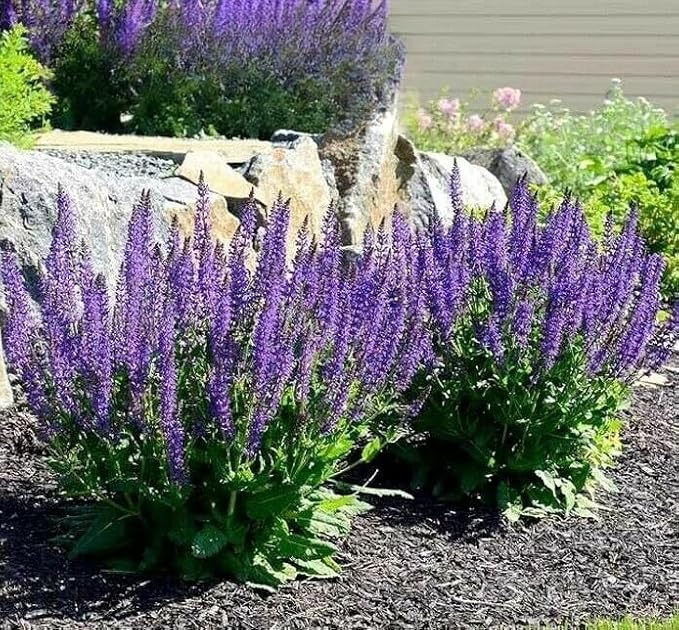
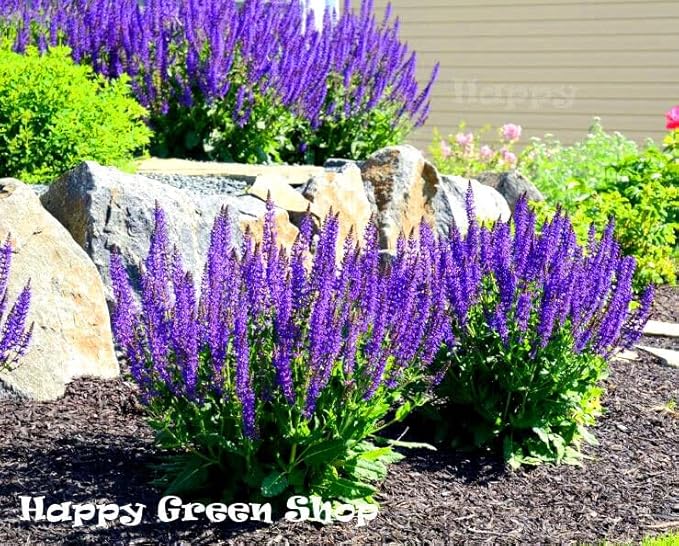
Woodland Sage Seeds (Salvia nemorosa)
Woodland Sage is a hardy perennial prized for its upright spires of violet-blue flowers that bloom from early summer into autumn. With aromatic foliage and a long flowering season, it’s a pollinator magnet, attracting bees and butterflies all season long. Easy to grow and drought-tolerant once established, it’s a reliable choice for borders, cottage gardens, and naturalistic plantings.
What Makes It Special
-
Striking violet-blue flower spikes that bloom for months
-
Attracts bees, butterflies, and pollinators
-
Low-maintenance, hardy, and drought-tolerant
Key Features
-
Botanical name: Salvia nemorosa
-
Hardy perennial
-
Height: 40–60 cm (16–24 in)
-
Bloom time: Early summer to autumn
-
Aromatic foliage
Ideal For
-
Borders and cottage gardens
-
Pollinator-friendly plantings
-
Naturalistic and dry gardens
Sowing
-
Sow indoors Feb–Apr or outdoors Apr–Jun
-
Press seeds lightly into soil; do not cover deeply
-
Germination: 14–21 days at 18–22°C
-
Space plants 30–40 cm apart
-
Flowers from the second year onward

Superb Pink Dianthus Superbus - 200 seeds (Dianthus superbus) Perennial Fragrant Flowers
£1.24
Unit price perSuperb Pink Dianthus Superbus - 200 seeds (Dianthus superbus) Perennial Fragrant Flowers
£1.24
Unit price perSuperb Pink – Seeds
(Dianthus superbus) – Perennial, Fragrant Flowers
The Superb Pink (Dianthus superbus) is a charming, hardy perennial known for its deeply fringed, feathery petals and sweet fragrance. Its delicate pink blooms appear in summer and are highly attractive to bees, butterflies, and other pollinators. A traditional cottage garden favorite, this variety brings romantic color and scent to borders, rock gardens, and wildflower-style plantings.
Key Features
-
Type: Perennial, fragrant flower
-
Height: 40–60 cm
-
Spread: 25–30 cm
-
Blooming period: June–August
-
Position: Full sun or partial shade
-
Soil: Well-drained, moderately fertile
Ideal For
-
Cottage and wild gardens
-
Pollinator-friendly planting
-
Rock gardens and meadow borders
-
Cut flower use thanks to its fragrance
Sowing & Growing
-
Sow indoors: February–April (in trays or pots at 18–20°C)
-
Sow outdoors: May–June (direct in prepared soil)
-
Sowing depth: Lightly cover with soil (fine seeds need minimal covering)
-
Spacing: 25–30 cm apart
-
Care: Hardy and low-maintenance; deadhead to prolong flowering
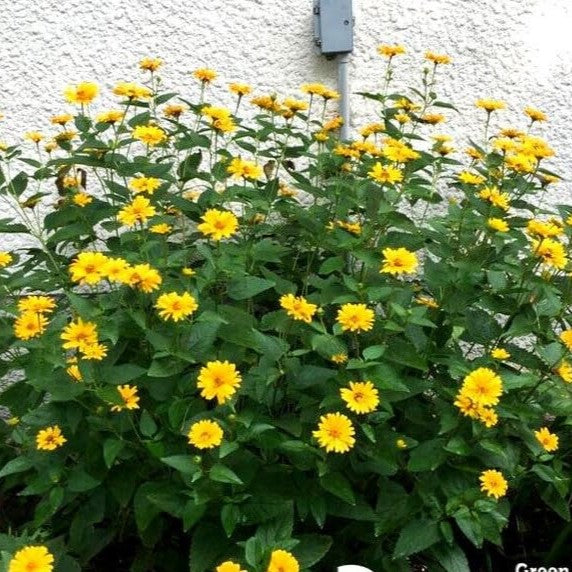
Summer Sun – Seeds (Heliopsis scabra)
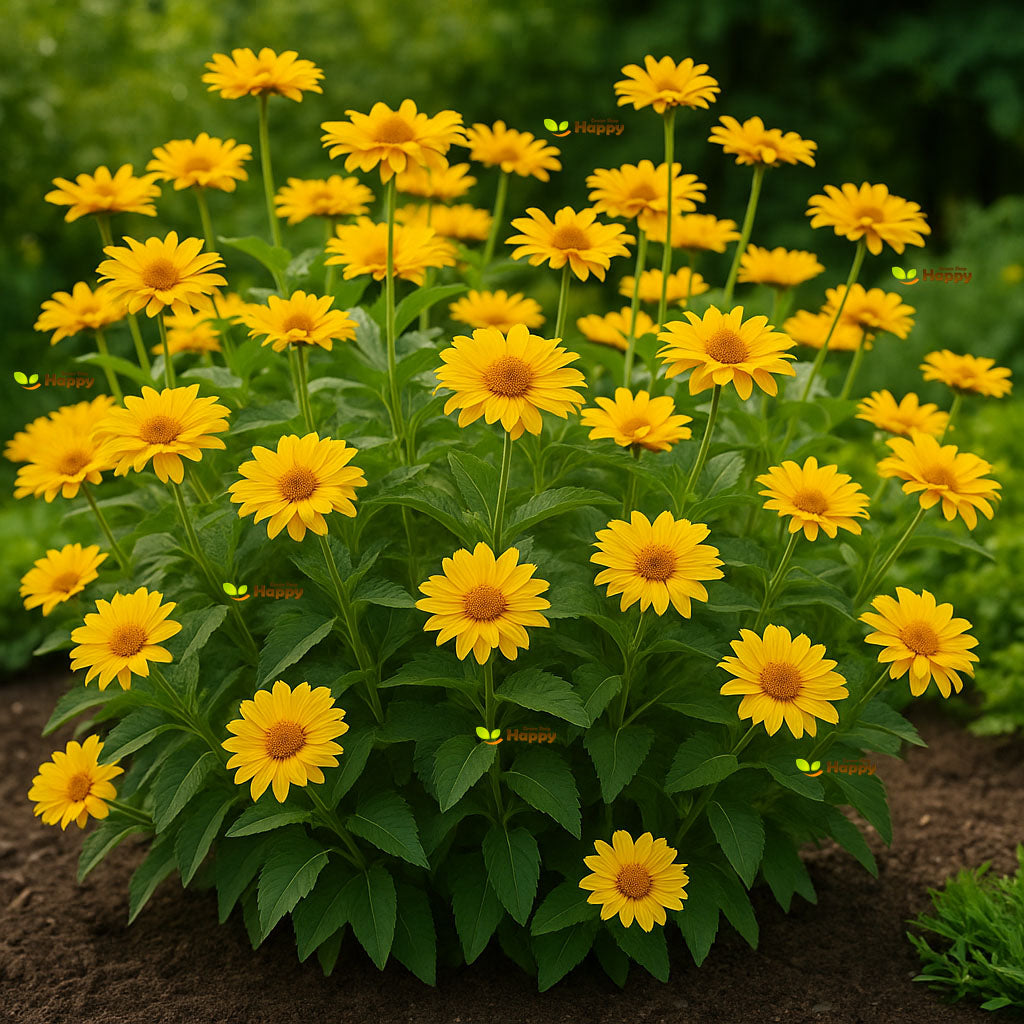
Summer Sun (Heliopsis scabra) is a hardy perennial known for its bright, golden-yellow, daisy-like flowers that bloom from mid-summer to early autumn. With tall, upright stems and lush green foliage, this variety adds long-lasting color and height to borders, cottage gardens, and mixed perennial beds. Easy to grow and low-maintenance, it attracts pollinators and provides a cheerful, sunny display all summer long.
Why Grow "Summer Sun"
-
Vibrant golden-yellow daisy-like blooms
-
Long flowering season from mid-summer to early autumn
-
Hardy, low-maintenance perennial
-
Attracts bees, butterflies, and other pollinators
Key Features
-
Type: Perennial (Heliopsis scabra)
-
Height: 60–90 cm
-
Flowering: Mid-summer to early autumn
-
Position: Full sun
-
Uses: Borders, cottage gardens, mixed perennial beds, pollinator-friendly gardens
Ideal For
-
Adding bright color and height to summer borders
-
Cottage and perennial garden beds
-
Pollinator-friendly garden planting
-
Long-lasting summer displays
Sowing & Growing
-
Sow indoors: February–April in trays or pots
-
Sow outdoors: April–May directly in soil
-
Germination: 10–20 days at 18–22°C
-
Thin seedlings 30–40 cm apart
-
Prefers well-drained soil in full sun
-
Water moderately until established
Showing 81/155


