
Sort by:
74 products
74 products
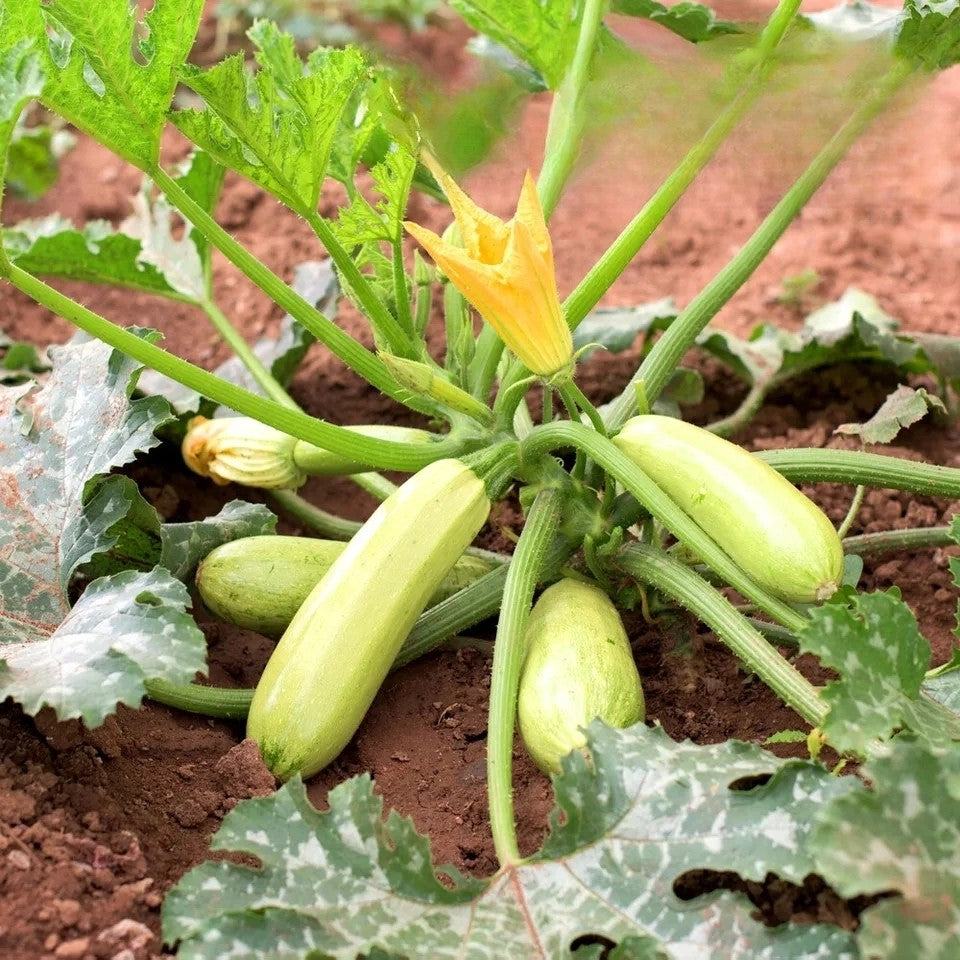
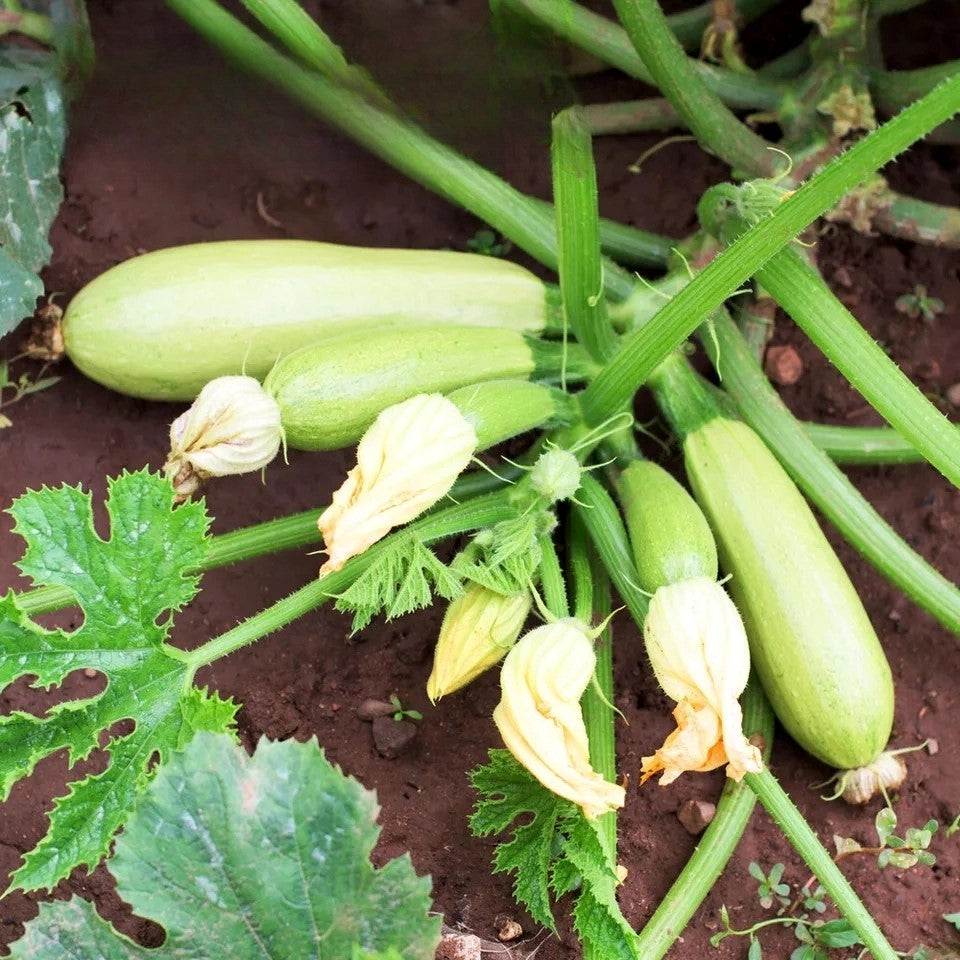
Courgette 'Bolognese' – Seeds (Cucurbita pepo)
Bring the taste of Italy to your garden with Courgette 'Bolognese', a prolific heirloom variety prized for its slender, dark green fruits and tender, flavorful flesh. Perfect for summer kitchens, these versatile courgettes are ideal for sautéing, grilling, stuffing, and fresh salads. Easy to grow and highly productive, 'Bolognese' is a favorite among gardeners seeking reliable yields and gourmet flavor.
How to Grow
. Sow indoors: March – May, 1–2 cm deep in pots
. Transplant outdoors: After last frost, spacing 70–90 cm apart
. Sow outdoors: May – June in fertile, well-drained soil
. Prefers full sun with regular watering
. Harvest: 15–20 cm long for the best texture and flavor
Key Features
. Italian heirloom zucchini with dark green skin
. Tender, mild-flavored flesh suitable for a variety of dishes
. High-yielding and early-producing variety
. Ideal for sautéing, grilling, stuffing, or salads
. Compact plant suitable for home gardens
Ideal For
. Fresh summer cooking and Italian cuisine
. Home gardeners seeking reliable yields
. Gourmet dishes including stuffed or roasted courgettes
. Small vegetable beds or allotments
Sowing & Harvest
. Sow: March – June
. Harvest: June – September
Quick Tip
Pick courgettes when young and slender to ensure the most tender flesh and to encourage continued fruiting.
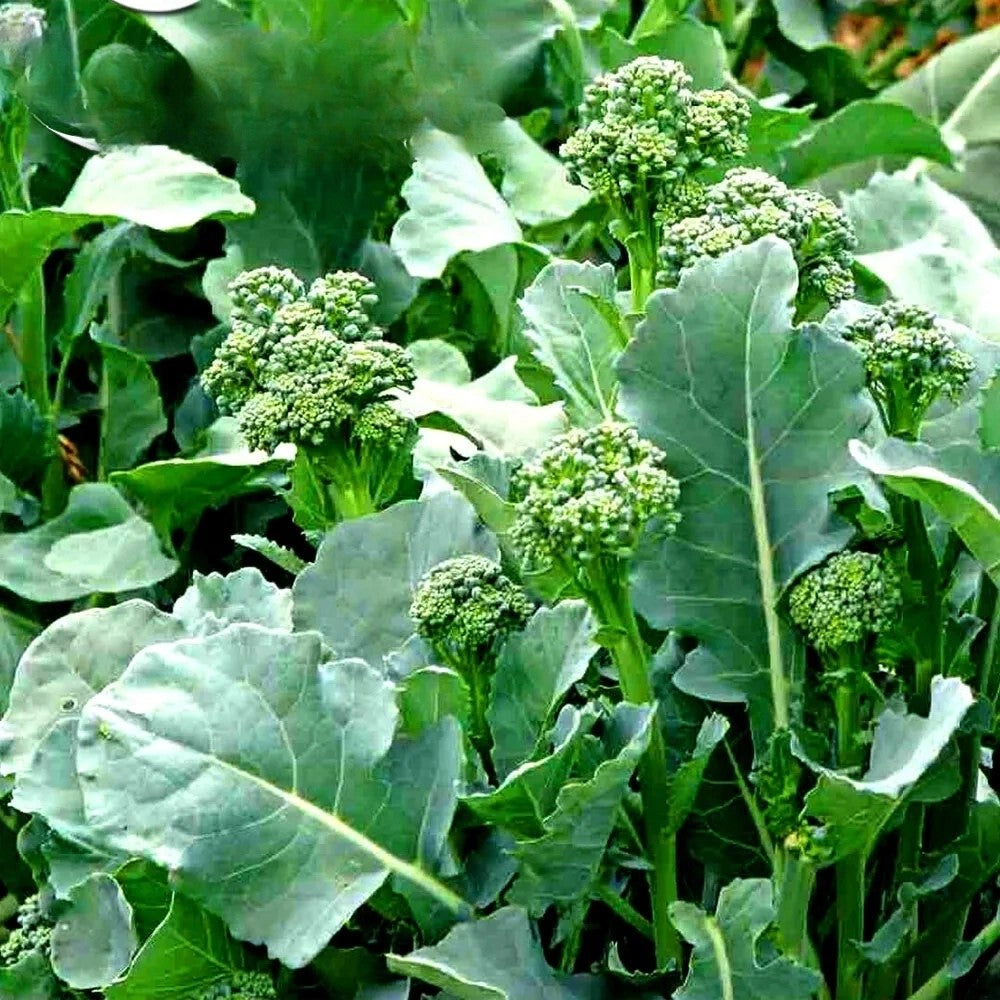
Broccoletto 'Quarantino' – Seeds
(Brassica rapa) – Traditional Italian Spring Green
Broccoletto 'Quarantino' is a classic Italian leafy vegetable, prized for its tender, flavorful shoots and leaves. Belonging to the Brassica rapa family, this variety is fast-growing and ready to harvest in just 40 days – hence the name Quarantino (“forty days”). It is widely used in traditional Italian cuisine, either lightly steamed, sautéed with olive oil and garlic, or added to soups and pasta dishes.
Key Features
-
Type: Hardy leafy green (annual/biannual)
-
Growth: Vigorous, compact, fast-maturing (around 40 days)
-
Flavor: Tender, slightly peppery and nutty taste
-
Harvest: Young leaves and shoots for continuous picking
-
Use: Italian cuisine, stir-fries, soups, pasta, and side dishes
Ideal For
-
Traditional Italian cooking
-
Cut-and-come-again harvests
-
Quick, reliable leafy green supply
-
Kitchen gardens and allotments
Sowing & Growing
-
Sow outdoors: March–September, in rows or broadcast.
-
Spacing: 20–30 cm between plants.
-
Soil: Fertile, well-drained soil enriched with compost.
-
Sunlight: Full sun to partial shade.
-
Harvest: From 40 days after sowing, cut young shoots regularly to encourage new growth.
Care Tips
-
Keep soil moist for tender leaves.
-
Harvest frequently to prolong production.
-
Best enjoyed fresh – tender shoots have peak flavor.

Beetroot (Cylindrica) ‘Kahira’ – Seeds (Beta vulgaris)
Beetroot ‘Kahira’ is a traditional Egyptian cylindrical variety, well-loved for its uniform shape, tender flesh, and sweet earthy flavor. Its elongated roots slice easily into even rounds, making it a favorite for cooking, pickling, and storage. Productive and reliable, ‘Kahira’ is a hardy beetroot that thrives in a wide range of soils and climates.
How to Grow
-
Sow direct outdoors: March – July in well-prepared soil.
-
Sow 2 cm deep in rows 30 cm apart.
-
Thin seedlings to 10 cm apart once established.
-
Keep soil moist for tender, juicy roots.
Key Features
-
Cylindrical roots for easy slicing
-
Sweet, tender flesh with rich flavor
-
High-yielding and uniform growth
-
Great for cooking, salads, and pickling
-
Excellent storage variety
Ideal For
-
Fresh salads, roasting, and boiling
-
Pickling and preserving
-
Long-term storage for winter use
Sowing & Harvest
-
Sow: March – July
-
Harvest: June – October
Quick Tip
Harvest when young for extra tenderness, or allow to mature for larger roots ideal for storage and preserving.
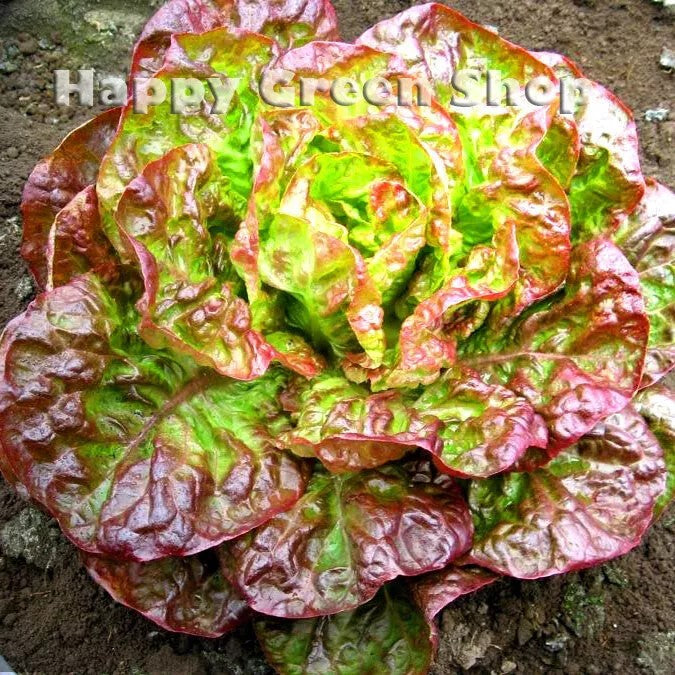

Batavian Lettuce 'Canasta' – Seeds (Lactuca sativa)
Enjoy crisp and tender leaves with Batavian Lettuce 'Canasta', a traditional variety known for its red-tinted, crinkled heads and excellent bolt resistance. This semi-heading lettuce produces large, crunchy leaves with a mild, sweet flavor, perfect for fresh salads or as a base for summer dishes. Hardy and versatile, 'Canasta' thrives even in warmer weather, making it a reliable choice for gardeners.
How to Grow
. Sow indoors from February to April or directly outdoors from March to July
. Sow thinly, 0.5 cm deep, in rows 25–30 cm apart
. Thin seedlings to 20–25 cm apart to allow full head development
. Prefers full sun and fertile, well-drained soil
. Water consistently to prevent bitterness and promote tender leaves
Key Features
. Traditional Batavian lettuce with semi-heading form
. Large, crisp leaves with red-tinged edges
. Mild, sweet flavor perfect for fresh salads
. Excellent bolt resistance in warm conditions
. Easy to grow and high yielding
Ideal For
. Summer salads and fresh eating
. Home gardens and allotments
. Gardeners seeking heat-tolerant lettuce
. Companion planting in vegetable beds
Sowing & Harvest
. Sow: February – July
. Harvest: May – September
Quick Tip
Harvest outer leaves regularly to encourage continuous growth, or allow full heads to form for a crunchy centerpiece lettuce.

Carrot ‘Chantenay’ – Seeds
(Daucus carota)
Carrot ‘Chantenay’ is a classic, reliable variety producing short, broad, conical roots with a rich orange color and sweet, crisp flavor. Ideal for heavy or shallow soils, this variety performs well where longer carrots might struggle. Perfect for fresh eating, juicing, or roasting, ‘Chantenay’ carrots are a trusted favorite for gardeners and cooks alike.
Key Features
-
Type: Maincrop carrot
-
Root Shape: Short, conical
-
Color: Deep orange
-
Flavor: Sweet, tender, and full-bodied
-
Days to Maturity: 70–85 days
-
Soil Tolerance: Performs well in heavier or shallow soils
Ideal For
-
Kitchen gardens and allotments
-
Containers and raised beds
-
Fresh use, cooking, and juicing
Sowing & Growing
-
Sow outdoors: March – July
-
Harvest: June – October
-
Spacing: Thin to 5–8 cm apart
-
Depth: 1 cm
-
Position: Full sun
-
Soil: Loose, well-drained, stone-free
Care Tips
-
Keep soil moist for even germination.
-
Thin seedlings early to avoid crowding.
-
Avoid fresh manure to prevent root forking.
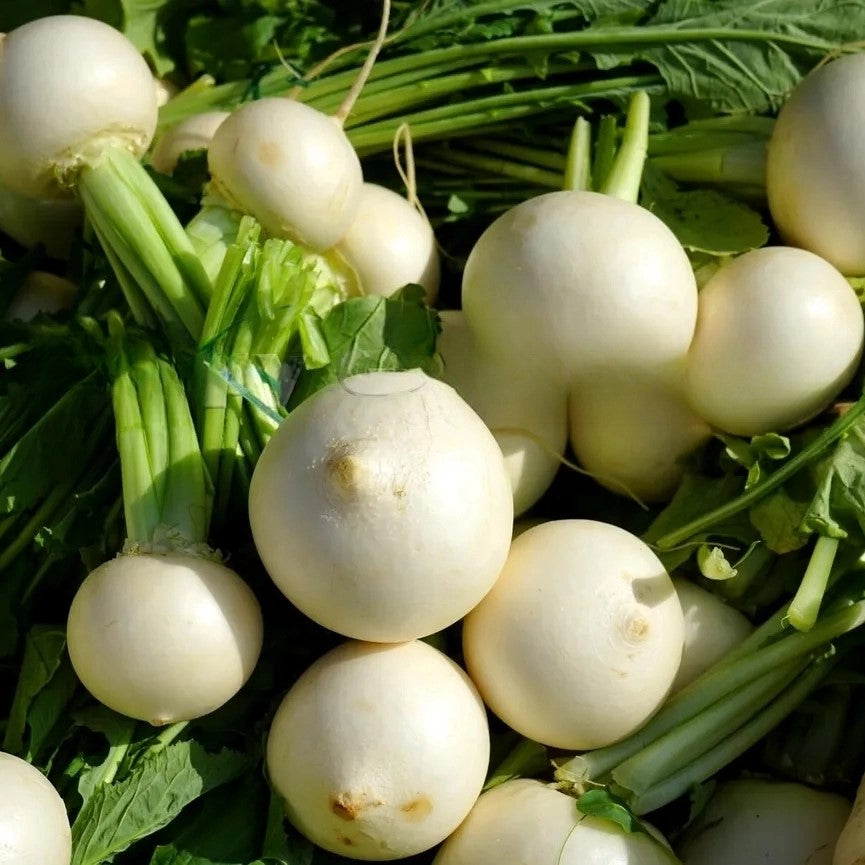
Turnip 'Snowball' – Seeds (Brassica rapa)
Grow crisp, tender, and sweet Turnip 'Snowball', a classic variety known for its round, white roots and mild flavor. Ideal for roasting, steaming, or fresh in salads, this easy-to-grow turnip is perfect for home gardens, allotments, and container planting. Quick to mature, it provides a reliable harvest of uniform, flavorful roots throughout the season.
How to Grow
. Sow outdoors: March – July, 1–2 cm deep in rows 30 cm apart
. Thin seedlings to 8–10 cm apart for proper root development
. Prefers fertile, well-drained soil in full sun or partial shade
. Keep soil consistently moist for tender, sweet roots
. Harvest: 50–60 days after sowing, when roots are 5–8 cm in diameter
Key Features
. Classic white round turnip with mild, sweet flavor
. Quick-maturing and easy-to-grow
. Ideal for roasting, steaming, or fresh salads
. Produces uniform, tender roots
. Suitable for home gardens, allotments, and containers
Ideal For
. Fresh eating, roasting, and steaming
. Gardeners seeking reliable, fast-growing root vegetables
. Succession sowing for continuous harvest
. Companion planting with peas, onions, or cabbage
Sowing & Harvest
. Sow: March – July
. Harvest: May – September
Quick Tip
For tender, flavorful roots, harvest turnips promptly when they reach 5–8 cm; leaving them too long can result in woody texture.
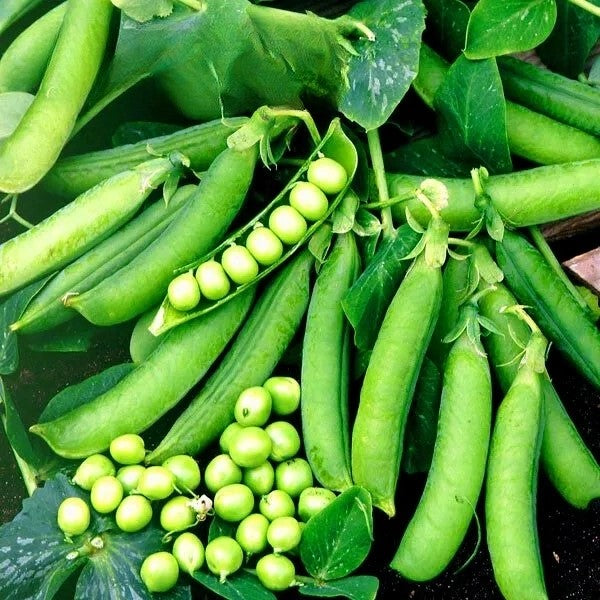
Pea ‘Onward’ Seeds (Pisum sativum)
Enjoy a reliable and early harvest with Pea ‘Onward’ (Pisum sativum). This hardy climbing variety produces long, tender pods filled with sweet, flavorful peas, perfect for fresh eating, steaming, or freezing. Easy to grow and highly productive, it’s ideal for vegetable gardens, allotments, and homegrown culinary use.
How to Grow
-
Sow seeds directly outdoors from early spring as soon as the soil can be worked.
-
Use well-drained, fertile soil in full sun to partial shade.
-
Sow seeds 3–5 cm deep and 5–7 cm apart in rows 50–60 cm apart.
-
Provide stakes, netting, or a trellis for climbing growth.
-
Keep soil consistently moist but not waterlogged.
-
Harvest pods when fully formed but still tender for best flavor.
Key Features
-
Early-maturing climbing variety with long, tender pods
-
Hardy and highly productive
-
Ideal for fresh eating, steaming, or freezing
-
Easy to grow in temperate climates
-
Perfect for vegetable gardens and allotments
Ideal For
-
Vegetable gardens and allotments
-
Fresh harvest for cooking and freezing
-
Climbing support with trellises or stakes
-
Companion planting with nitrogen-fixing crops
Sowing
-
Best time: Early spring outdoors
-
Depth: 3–5 cm
-
Spacing: 5–7 cm apart, rows 50–60 cm apart
-
Prefers full sun to partial shade and fertile, well-drained soil
Quick Tip
-
Sow successive batches every 2–3 weeks to enjoy a continuous early-season harvest.
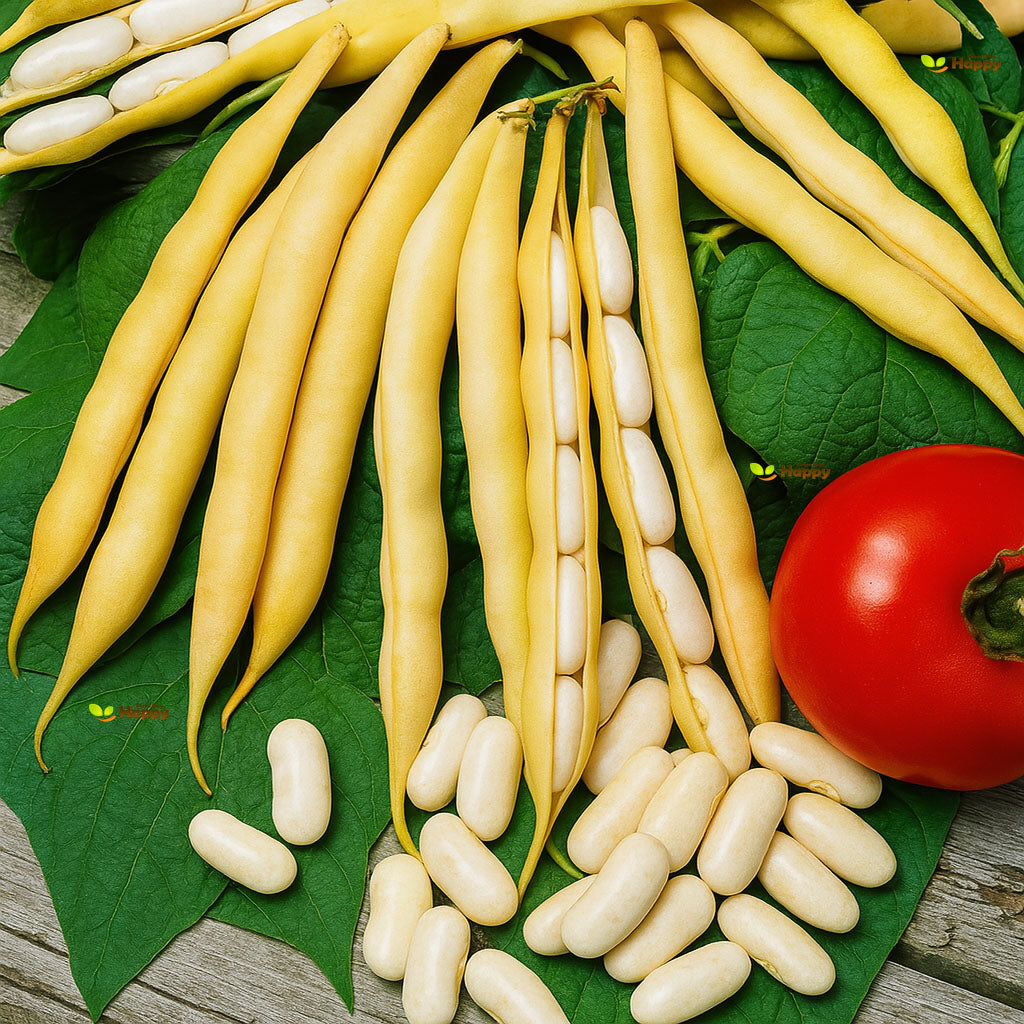
Dwarf Bean 'Goldpantera' Seeds (Phaseolus vulgaris)
Grow a heavy crop of delicious golden-yellow beans with Dwarf Bean 'Goldpantera'. This compact, bushy variety produces straight, stringless pods with a sweet, tender flavor. Easy to grow and requiring no support, it’s perfect for small gardens, raised beds, or containers. Reliable and productive, ‘Goldpantera’ is excellent for steaming, stir-fries, and freezing.
How to Grow
-
Sow outdoors from May to July once frost has passed.
-
Prefers fertile, well-drained soil in a sunny, sheltered spot.
-
Sow 3–5 cm deep, spacing seeds 10 cm apart in rows 40–45 cm apart.
-
Keep soil moist, especially during flowering and pod formation.
-
Harvest regularly to encourage continuous cropping.
Key Features
-
Compact dwarf habit, no staking needed
-
High yields of golden-yellow pods
-
Stringless, tender texture with sweet flavor
-
Perfect for fresh eating, cooking, or freezing
-
Reliable cropper with minimal care
Ideal For
-
Home gardeners with limited space
-
Container and raised bed growing
-
Fresh summer meals and preserving
-
Easy, rewarding harvests all season
Sowing
-
Best time: May to July
-
Depth: 3–5 cm
-
Spacing: 10 cm between plants, 40–45 cm between rows
-
Position: Full sun
-
Harvest: July to September
Quick Tip
-
For the best taste, pick beans young and tender before the seeds inside begin to swell.
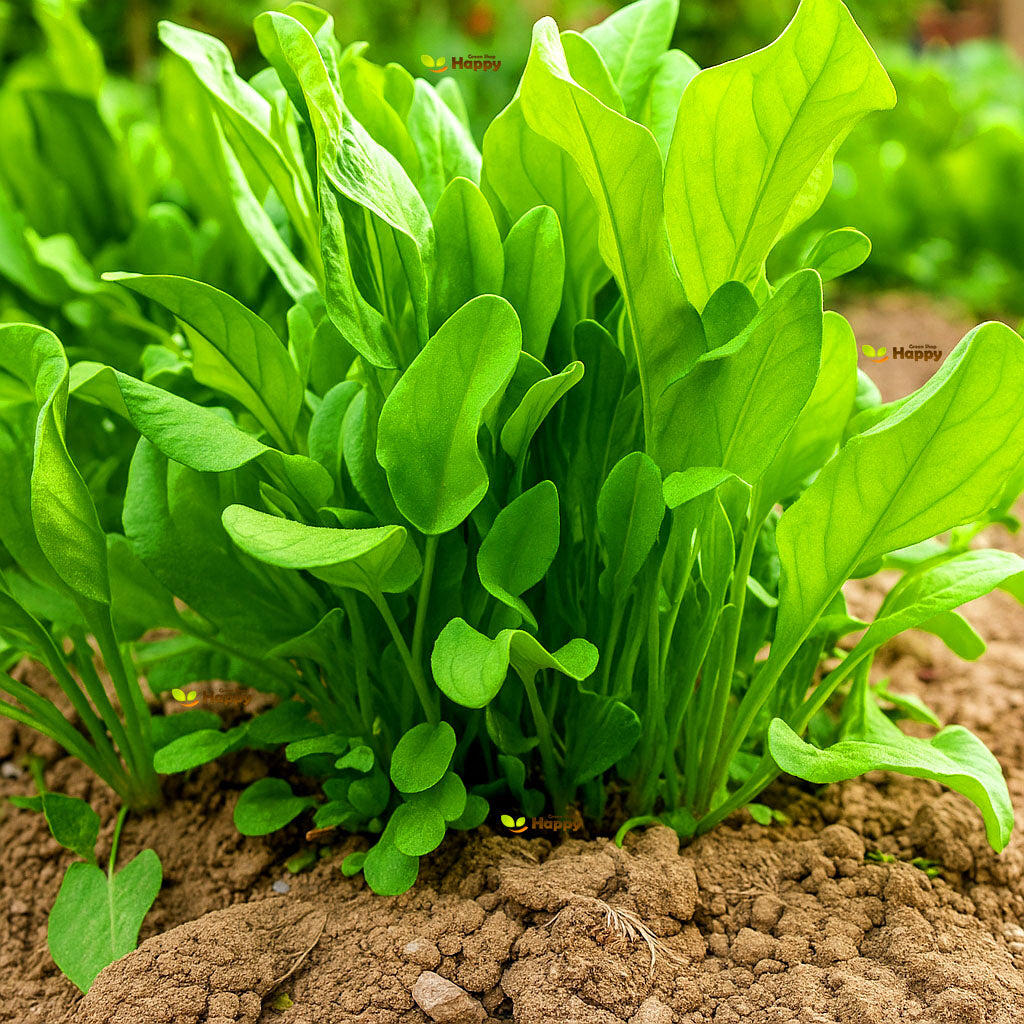
Sorrel 'Blonde de Lyon' Seeds (Rumex acetosa)
Brighten up your kitchen garden with Sorrel 'Blonde de Lyon', a traditional French variety producing tender, pale green leaves with a tangy, lemony flavor. Perfect for soups, sauces, salads, and omelets, this perennial herb grows quickly and provides harvests over a long season. Its sharp, refreshing taste makes it a gourmet favorite in classic French cuisine.
How to Grow
-
Sow indoors in early spring or directly outdoors once soil warms.
-
Prefers fertile, moist, well-drained soil in full sun or partial shade.
-
Sow 0.5–1 cm deep in rows 30–40 cm apart.
-
Thin seedlings to 20–25 cm apart for strong growth.
-
Harvest young leaves regularly to encourage new growth.
Key Features
-
French heirloom sorrel with pale green, tender leaves
-
Distinct lemony flavor, perfect for culinary use
-
Perennial, reliable harvest year after year
-
Early cropping and fast-growing
-
Excellent for soups, sauces, salads, and garnishes
Ideal For
-
Traditional French cooking
-
Adding zest to salads and omelets
-
Perennial herb gardens
-
Home cooks and gourmet gardeners
Sowing
-
Best time: Spring or early summer
-
Depth: 0.5–1 cm
-
Spacing: Thin to 20–25 cm, rows 30–40 cm apart
-
Prefers moist, fertile soil in sun or partial shade
Quick Tip
-
Cut back flowering stems to prolong leaf production and maintain flavor.
Showing 36/74


