
Sort by:
59 products
59 products

🧅 Allium fistulosum Red Welsh Onion – Hardy Bunching Onion with Mild, Sweet Red Stems
Red Welsh Onion is a robust bunching (non-bulbing) onion valued for its attractive reddish-purple stems, crisp texture, and mild, sweet onion flavour. Unlike bulb onions, it forms clumps of upright stems that can be harvested repeatedly over a long season. Exceptionally cold-hardy and reliable, this variety is perfect for salads, stir-fries, garnishes, and everyday kitchen use. Ideal for beds, raised beds, and containers.
Key Features
● Non-bulbing Welsh onion with red-purple stems
● Mild, sweet flavour ideal for fresh and cooked use
● Very hardy and overwinterable
● Cut-and-come-again harvesting
● Suitable for gardens, allotments and containers
How to Sow & Grow Red Welsh Onion (UK)
Direct outdoors: III–VII (March–July)
Harvest: V–XI (May–November); year-round in mild winters
Germination temperature: 10–20 °C (50–68 °F)
Average germ time: 10–21 days
Depth: 1 cm (½ in)
Light required: Yes
Moisture: Keep soil evenly moist
Environment: Full sun (tolerates light shade)
Soil type: Fertile, well-drained soil
Plant spacing: 2–3 cm (1 in) for bunching; thin as needed
Height: 40–60 cm (16–24 in)
Sowing & Growing Tips (variety-specific)
● Sow thinly and harvest gradually for continuous supply.
● Cut stems above soil level to allow regrowth.
● Clumps can be divided after establishment.
● Very resistant to cold compared with bulb onions.
● Excellent for perennial-style kitchen gardens.
Special Features
● Decorative red stems add colour to dishes
● Extremely hardy, reliable Welsh onion
● Long harvest season with minimal care


Yellow Pear Tomato – Seeds (Solanum lycopersicum)
The Yellow Pear Tomato is a charming heirloom variety, producing clusters of small, pear-shaped fruits in a bright golden yellow. With a mild, sweet flavor and firm texture, these tomatoes are perfect for snacking, salads, and garnishes. Highly productive and ornamental, this variety adds a splash of sunshine to your garden and harvest baskets.
How to Grow
-
Sow seeds indoors from February to April, 0.5 cm deep in trays or pots.
-
Maintain a temperature of 18–22°C until germination.
-
Transplant seedlings into larger pots, then plant outdoors or in a greenhouse after frost.
-
Support plants with stakes or cages for heavy clusters of fruit.
Key Features
-
Heirloom variety with unique pear-shaped fruits
-
Bright yellow, bite-sized tomatoes
-
Mild, sweet flavor, perfect for fresh eating
-
Heavy crops over a long season
-
Ornamental and productive for gardens or containers
Ideal For
-
Fresh snacking and salads
-
Colorful vegetable gardens and patio pots
-
Gardeners seeking an heirloom with visual appeal
Sowing & Harvest
-
Sow: February to April
-
Plant out: May to June
-
Harvest: July to September
Quick Tip
-
Regular picking encourages more fruit production throughout the season.
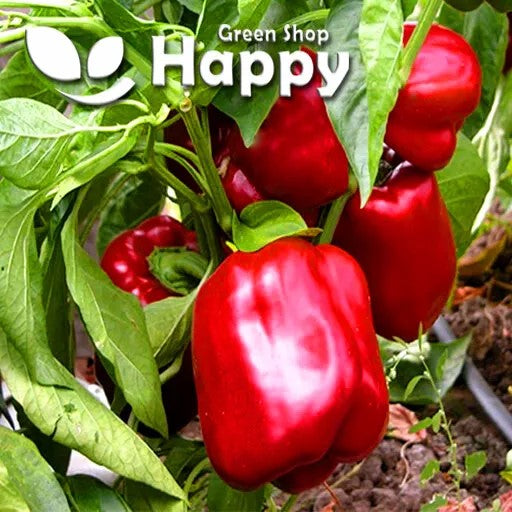
Sweet Bell Pepper 'California Wonder' Red – Seeds (Capsicum annuum)
Sweet Bell Pepper 'California Wonder' Red is a classic, high-yielding variety producing large, blocky, bright red fruits with a sweet, crisp flavor. Perfect for fresh eating, salads, roasting, or stuffing, it is a versatile addition to any vegetable garden.
This vigorous and productive plant thrives in warm, sunny conditions and is ideal for home gardens, greenhouses, and containers.
How to Grow
-
Sow indoors: February – April
-
Transplant outdoors: May – June, after last frost
-
Depth: 0.5–1 cm
-
Spacing: 40–50 cm between plants, rows 60–80 cm apart
-
Position: Full sun, sheltered and warm
-
Soil: Fertile, well-drained, rich in organic matter
-
Watering: Keep soil consistently moist
Key Features
-
Large, blocky, bright red fruits with sweet, crisp flavor
-
High-yielding and vigorous growth
-
Ideal for fresh eating, salads, roasting, and stuffing
-
Suitable for home gardens, greenhouses, and containers
-
Classic, reliable bell pepper variety
Harvest
-
Harvesting period: July – September
-
Pick fruits when fully colored and firm for best flavor.
Short Tip
Regular harvesting encourages continuous production and prevents fruits from becoming overripe.
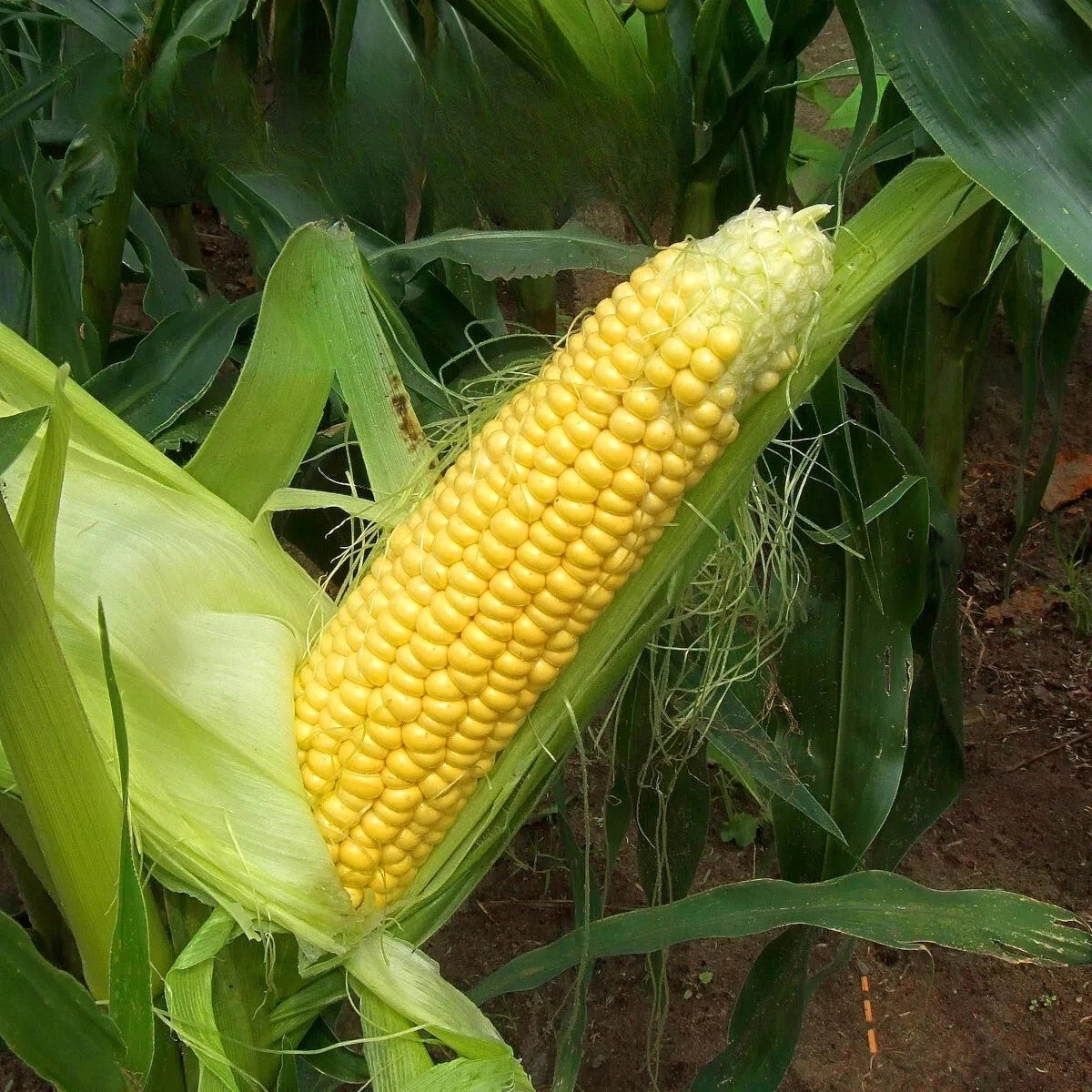
Sweet Corn 'Golden Bantam' – Seeds
(Zea mays) – Classic Heirloom Variety
Sweet Corn 'Golden Bantam' is one of the most famous and reliable heirloom corn varieties, loved for its richly flavored golden-yellow kernels. Compact and highly productive, this variety produces medium-sized cobs packed with tender, sweet corn. Known for its adaptability and dependable harvests, it has been a gardener’s favorite for over a century.
Key Features
-
Type: Sweet corn (annual)
-
Height: 150–180 cm tall
-
Cobs: 12–18 cm long, golden-yellow kernels
-
Flavor: Classic sweet and creamy corn taste
-
Harvest: Mid-season (75–90 days after sowing)
-
Heritage: Famous heirloom, first introduced in the early 1900s
Ideal For
-
Home gardens and allotments
-
Fresh eating, grilling, and steaming
-
Freezing and preserving
-
Classic heirloom vegetable collections
Sowing & Growing
-
Sow indoors: April–May, in pots or modules.
-
Sow outdoors: May–June, after frost has passed.
-
Spacing: 20–25 cm between plants; 60 cm between rows.
-
Soil: Rich, fertile, well-drained soil.
-
Sunlight: Full sun, sheltered location.
-
Pollination: Plant in blocks of at least 3–4 rows for best cob formation.
Care Tips
-
Water well, especially during dry periods and when tassels appear.
-
Mulch around the base to retain soil moisture.
-
Harvest when silks turn brown and kernels exude milky juice when pressed.
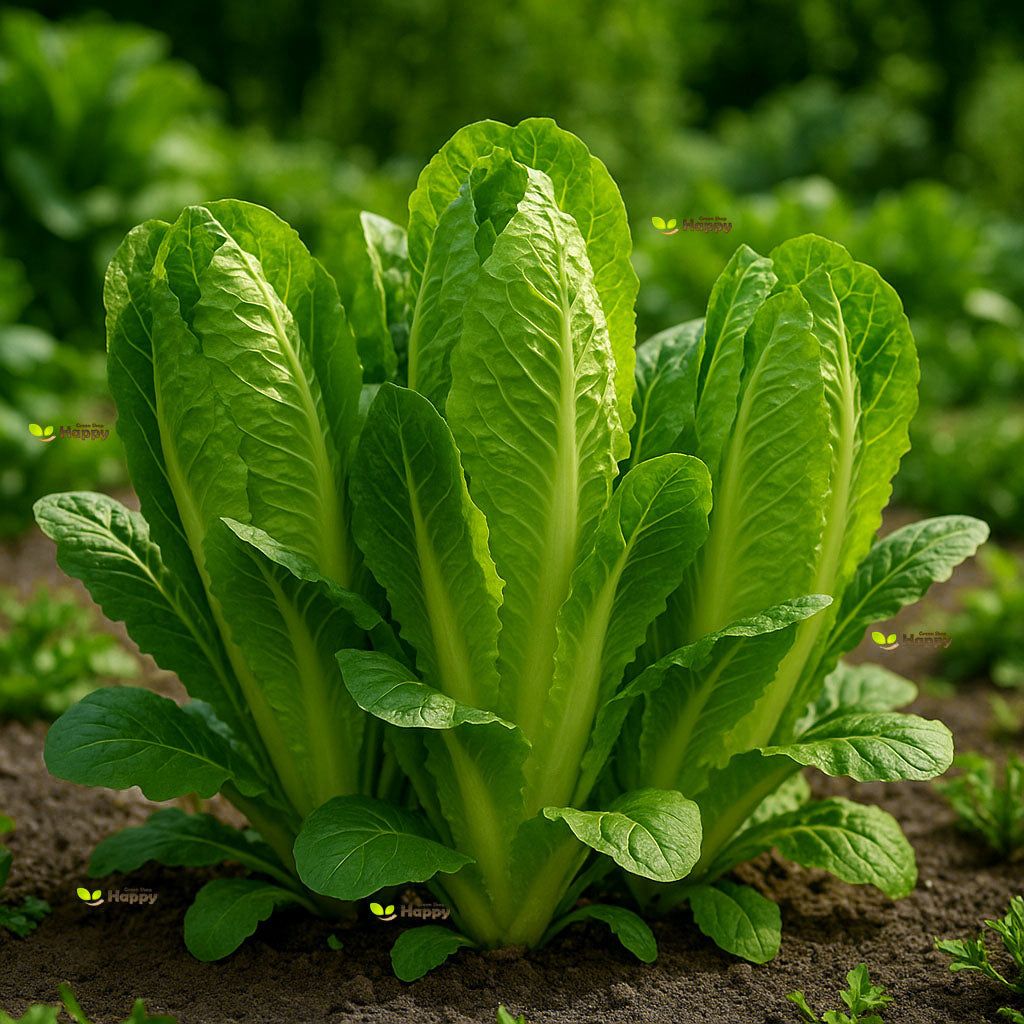
Lettuce Cos ‘Paris White’ – Seeds
(Lactuca sativa)
Lettuce Cos ‘Paris White’ is a classic Romaine-type lettuce known for its crisp texture, tender hearts, and mild, sweet flavor. This reliable heirloom produces upright, compact heads with pale green leaves that blanch naturally to creamy white centers. Perfect for Caesar salads, sandwiches, and fresh garden dishes, it’s a favorite among home gardeners and chefs alike.
Key Features
-
Type: Romaine (Cos) lettuce
-
Growth Habit: Upright, compact heads
-
Leaf Color: Pale green outer leaves with creamy white hearts
-
Flavor: Mild, crisp, and sweet
-
Days to Maturity: 70–80 days
-
Resistance: Tolerates cooler temperatures and light frost
-
Harvest: Mid-summer to autumn
Ideal For
-
Crisp salads and Caesar-style dishes
-
Home gardens, raised beds, and containers
-
Continuous harvest or cut-and-come-again use
Sowing & Growing
-
Sow outdoors: March – July
-
Harvest: May – September
-
Spacing: 25 × 30 cm
-
Position: Full sun or partial shade
-
Soil: Fertile, moist, well-drained soil
Care Tips
-
Keep soil consistently moist for best texture.
-
Harvest in the morning for the freshest leaves.
-
For a steady supply, sow every 2–3 weeks.


Tomato Pink 'Maliniak' – Seeds (Solanum lycopersicum)
The Tomato Pink 'Maliniak' is a traditional Polish heirloom variety known for its large, pink, fleshy fruits bursting with rich, sweet flavor. This mid-season tomato is a favorite among home gardeners for its outstanding taste, meaty texture, and versatility in the kitchen. Perfect for slicing, fresh salads, and sandwiches, it also performs beautifully in sauces and preserves.
How to Grow
-
Sow indoors from February to April, 0.5 cm deep in seed trays or pots.
-
Keep at 18–22°C until germination.
-
Transplant seedlings into larger pots when strong enough, then outdoors or into a greenhouse after frost has passed.
-
Provide support as plants grow tall and bear heavy fruits.
Key Features
-
Large, pink fleshy fruits with rich, sweet taste
-
Traditional Polish heirloom tomato
-
Mid-season variety with reliable yields
-
Ideal for fresh eating and cooking
-
Strong, healthy plants suitable for greenhouse or outdoor cultivation
Ideal For
-
Fresh salads and sandwiches
-
Cooking into sauces and soups
-
Traditional and heirloom vegetable gardens
Sowing & Harvest
-
Sow: February to April
-
Plant out: May to June (after frost)
-
Harvest: July to September
Quick Tip
-
For best flavor, allow fruits to fully ripen on the vine before picking. Regular feeding boosts size and sweetness.

Beetroot 4 Colors – 100 Seeds (Beta vulgaris)
Beetroot 4 Colors is a vibrant mix of red, golden, pink, and striped beets, bringing color and nutrition to your garden. These fast-growing, tender roots are perfect for fresh salads, roasting, pickling, and juicing. Easy to grow and versatile, this mix is ideal for both beginner and experienced gardeners looking to add variety and flavor to their harvest.
Key Features
-
Variety: Red, golden, pink, and striped beets
-
Growth Habit: Compact and fast-growing
-
Maturity: 50–60 days
-
Use: Salads, roasting, pickling, and juicing
-
Flavor: Sweet and earthy
-
Harvest: Can be harvested young as baby beets or fully mature
Ideal For
-
Vegetable garden beds
-
Container growing
-
Colorful salads and culinary use
-
Home gardeners seeking variety
Sowing & Growing
-
Sow outdoors: March–July
-
Depth: 1–2 cm
-
Spacing: 10–15 cm
-
Position: Full sun to partial shade
-
Soil: Fertile, well-drained soil
-
Care: Keep soil moist; thin seedlings for optimal root development

🌶️ Capsicum annuum Chilli Pepper ‘Jalapeño’ – Classic Mild–Hot Mexican Pepper with High Yields
‘Jalapeño’ is one of the world’s most recognisable chilli peppers, producing thick-walled, glossy green fruits that ripen to deep red. With a mild–medium heat level (2,500–8,000 SHU), it is ideal for salsas, grilling, stuffing, pickling, and everyday cooking. Strong, compact plants are highly productive, offering a long harvest window both in green and fully ripened red stages. Performs exceptionally well in pots, greenhouses, and sunny patios.
Key Features
● Classic Mexican chilli – mild to medium heat
● Thick-walled fruits perfect for stuffing, pickling and grilling
● Harvest green or red for different flavours
● High-yielding, compact plants suitable for containers
● Long cropping season from mid-summer to autumn
How to Sow & Grow Chilli Pepper ‘Jalapeño’ (UK)
Sow indoors: II–IV (February–April) in trays or pots
Transplant outdoors: V–VI (May–June) once nights stay above 10 °C (50 °F)
Direct outdoors: Not recommended (needs warmth)
Harvest: VII–X (July–October)
Germination temperature: 24–28 °C (75–82 °F)
Average germ time: 10–20 days
Depth: 0.5 cm (¼ in)
Light required: Yes
Moisture: Keep soil evenly moist; avoid waterlogging
Environment: Full sun
Soil type: Fertile, well-drained compost; pH 6.0–7.0
Plant spacing: 40 × 40 cm (16 × 16 in)
Height: 60–90 cm (24–36 in)
Sowing & Growing Tips (variety-specific)
● Provide bottom heat for faster germination.
● Pot on seedlings gradually to avoid stress.
● Feed weekly with tomato fertiliser once fruiting starts.
● Support branches when heavily loaded with fruit.
● Harvest regularly to encourage continuous cropping.
Special Features
● Traditional, authentic chilli for Mexican cuisine
● Reliable and productive even in UK summers
● Versatile — harvest green for fresh use or red for heat and sweetnes
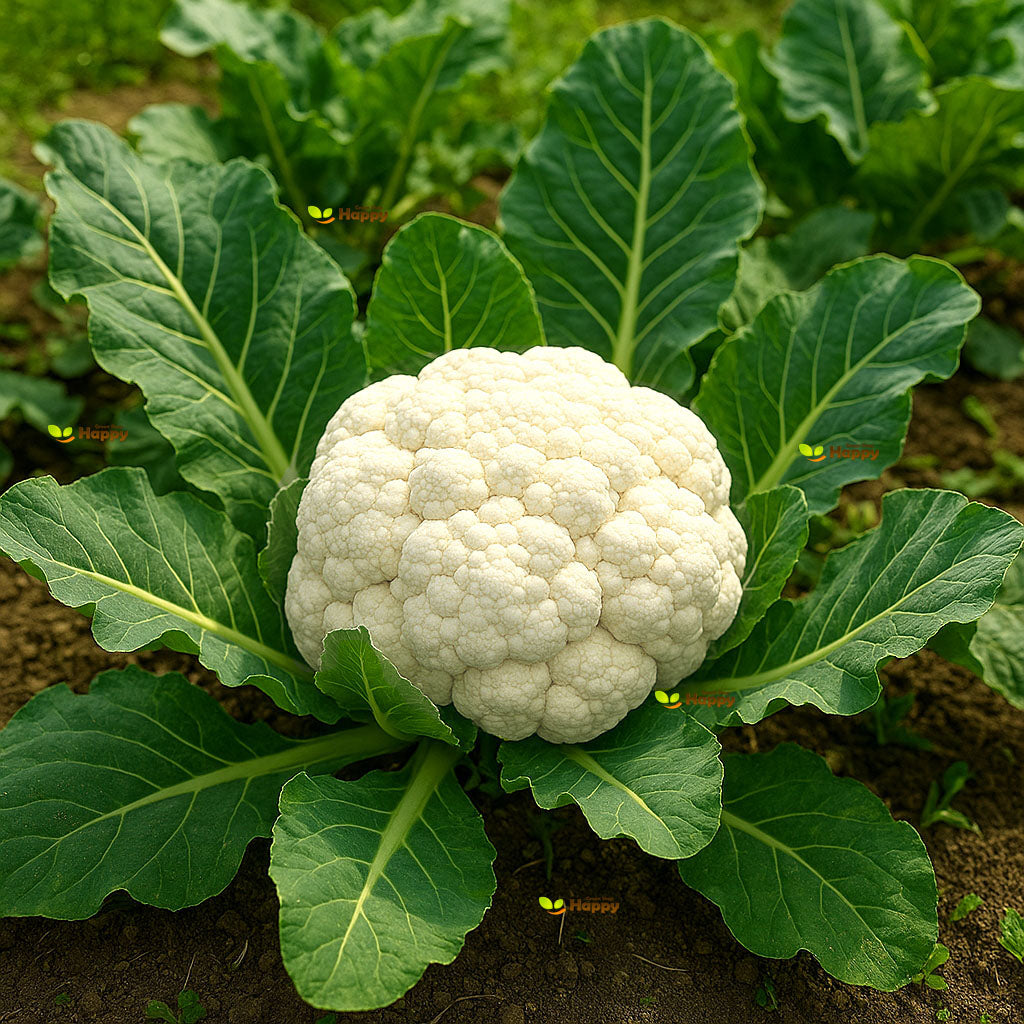
Cauliflower ‘All The Year Round’ – Seeds (Brassica oleracea)
Description:
Enjoy reliable harvests with Cauliflower ‘All The Year Round’ (Brassica oleracea), a versatile and hardy variety suitable for spring, summer, and autumn cropping. It produces compact, white heads with excellent flavor and texture, ideal for steaming, roasting, or use in soups and casseroles. Easy to grow from seed, this dependable cauliflower performs well in most soils and weather conditions, making it perfect for home gardens and allotments.
Key Features
-
Reliable, hardy variety for multiple seasons
-
Compact, firm white curds with great flavor
-
Suitable for spring, summer, and autumn harvests
-
Tolerant of varying weather conditions
-
Easy to grow from seed
Ideal For
-
Home and kitchen gardens
-
Allotments and vegetable plots
-
Fresh cooking, freezing, and preserving
-
Year-round vegetable production
Sowing & Growing
-
Sow Indoors: January–April
-
Sow Outdoors: March–June
-
Transplant Outdoors: April–July
-
Germination: 7–14 days at 15–20°C
-
Spacing: 45–60 cm apart
-
Light: Full sun
-
Soil: Fertile, firm, well-drained
Care Tips
-
Water regularly, especially during dry periods
-
Protect young plants from pests and frost
-
Add compost or organic matter before planting
-
Harvest when heads are firm and white
Showing 9/59
