
Sort by:
59 products
59 products
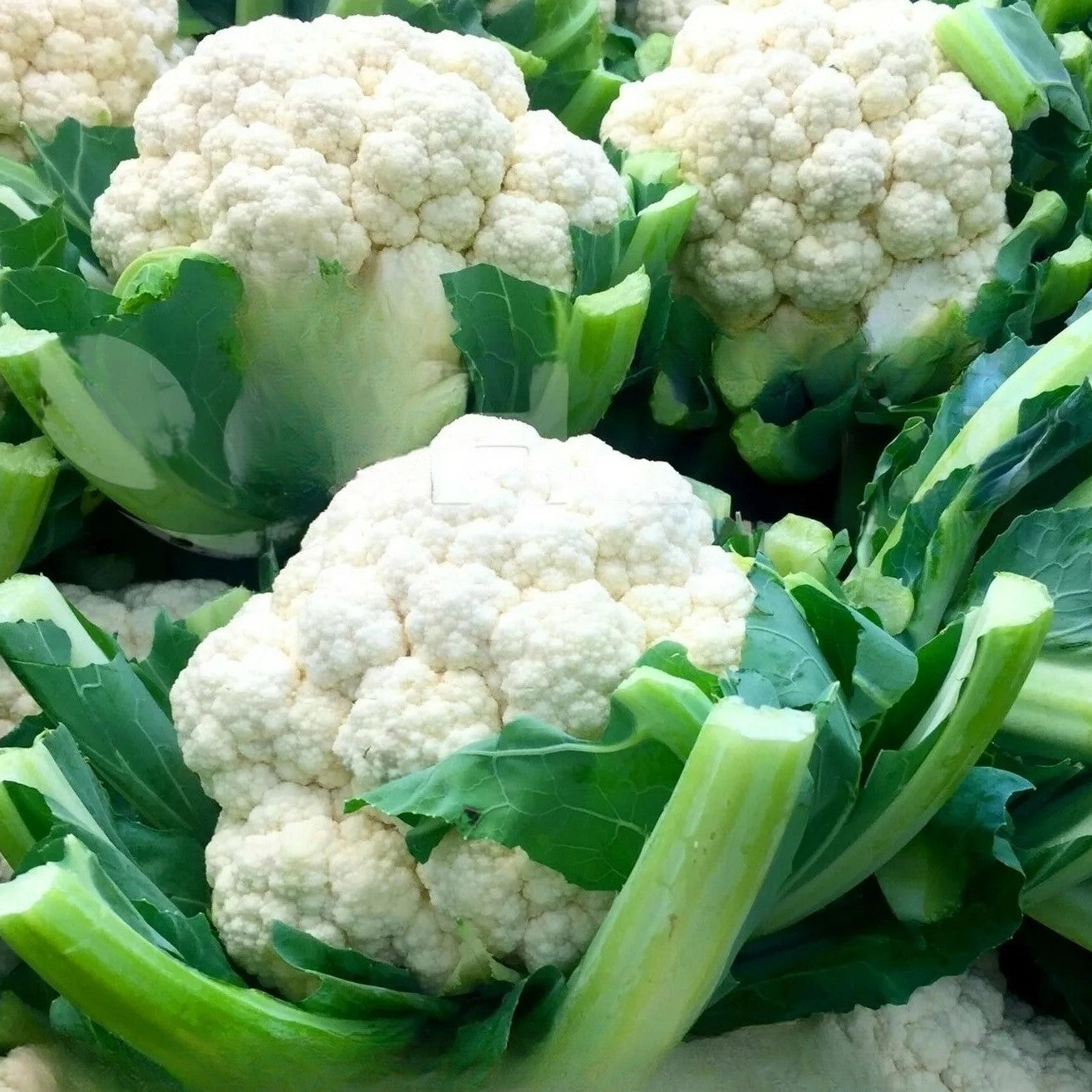
Cauliflower 'Octavian' – Seeds (Brassica oleracea)
Cauliflower 'Octavian' is a reliable mid-season variety producing large, firm, creamy-white heads with a mild, delicate flavor. Ideal for steaming, roasting, soups, and gratins, it is a versatile addition to any vegetable garden.
This hardy variety performs well in a range of soils, offers excellent disease resistance, and is suitable for home gardens, allotments, and small-scale cultivation.
How to Grow
-
Sow indoors: February – April
-
Transplant outdoors: April – June
-
Depth: 0.5–1 cm
-
Spacing: 40–50 cm between plants, rows 60–70 cm apart
-
Position: Full sun, sheltered from strong winds
-
Soil: Fertile, well-drained, rich in organic matter
-
Watering: Keep soil consistently moist for optimal head development
Key Features
-
Mid-season cauliflower with large, firm, creamy-white heads
-
Mild, tender flavor suitable for steaming, roasting, soups, and gratins
-
High-yielding and reliable growth
-
Excellent disease resistance
-
Ideal for home gardens, allotments, and small-scale cultivation
Harvest
-
Harvesting period: July – September
-
Harvest heads when compact and firm to ensure the best flavor and texture.
Short Tip
Blanch the heads by folding outer leaves over them to maintain whiteness and protect from sunburn.

🥬 Brassica rapa Turnip ‘Milanese’ – Early, Flat White Turnip with Mild, Sweet Flesh
‘Milanese’ is a classic early-maturing turnip variety producing smooth, flat-round roots with creamy white flesh and a mild, slightly sweet flavour. Bred for quick growth and tenderness, it is ideal for spring and summer harvests, either as baby turnips or fully grown roots. The young tops are also edible and delicious when lightly cooked. Reliable and easy to grow, this variety is perfect for kitchen gardens, allotments, and successional sowing.
Key Features
● Early, fast-growing turnip variety
● Flat, smooth roots with mild, sweet flavour
● Excellent eaten young as baby turnips
● Tender white flesh, not woody
● Suitable for spring and summer cropping
How to Sow & Grow Turnip ‘Milanese’ (UK)
Direct outdoors: III–VIII (March–August)
Harvest: V–X (May–October)
Life cycle: Annual
Germination temperature: 8–20 °C (46–68 °F)
Average germ time: 5–10 days
Depth: 1–1.5 cm (½ in)
Light required: Yes
Moisture: Keep soil evenly moist
Environment: Full sun to partial shade
Soil type: Light, fertile, well-drained soil
Plant spacing: 10–15 cm (4–6 in)
Height: 30–40 cm (12–16 in)
Sowing & Growing Tips (variety-specific)
● Sow little and often for continuous harvests.
● Harvest young for the sweetest flavour and best texture.
● Avoid drought to prevent strong or woody roots.
● Ideal for cooler parts of the growing season.
● Leaves can be harvested young as nutritious greens.
Special Features
● Traditional Italian turnip variety
● Very quick from sowing to harvest
● Excellent for fresh kitchen use

Allium porrum ‘Blue Green Autumn’ – Reliable Autumn Leek with Strong, Blue-Green Shanks
‘Blue Green Autumn’ is a dependable mid-season leek variety producing thick, blue-green shanks with excellent flavour and smooth texture. It is ideal for harvesting from early to mid-autumn, offering robust plants that stand well in the ground and tolerate cooler temperatures. Perfect for soups, roasting, braising and everyday kitchen use, this variety is valued for uniform growth, strong plants and a long harvesting window.
Key Features
● Mid-season leek with sturdy blue-green stems
● Excellent autumn harvest window
● Strong, upright plants that tolerate cool weather
● Smooth texture and mild, refined flavour
● Suitable for beds, allotments and kitchen gardens
How to Sow & Grow Leek ‘Blue Green Autumn’ (UK)
Sow indoors: II–IV (February–April) in trays or modules
Transplant outdoors: V–VI (May–June) when seedlings reach pencil thickness
Direct outdoors: III–IV (March–April) in a prepared seedbed
Harvest: IX–XI (September–November)
Germination temperature: 15–20 °C (59–68 °F)
Average germ time: 10–21 days
Depth: 0.5–1 cm (¼–½ in)
Light required: Yes
Moisture: Keep evenly moist
Environment: Full sun
Soil type: Deep, fertile, well-drained soil enriched with compost
Plant spacing: 15–20 cm (6–8 in) between plants; 30–45 cm (12–18 in) between rows
Height: 40–60 cm (16–24 in)
Sowing & Growing Tips (variety-specific)
● Trim roots and tops lightly before transplanting to encourage strong growth.
● Plant seedlings into deep holes (10–15 cm) without backfilling — soil will settle naturally.
● Earth up during the season to increase the length of white shank.
● Water consistently in dry spells for tender stems.
● Suitable for staggered sowings for extended autumn cropping.
Special Features
● Beautiful blue-green stems with excellent standing ability
● Reliable mid-season leek for cool-climate gardens
● Superb flavour and texture for autumn dishes

🥬 Cichorium intybus ‘Zuccherina di Trieste’ – Sweet, Tender Leaf Chicory for Salads and Cooking
‘Zuccherina di Trieste’ is a traditional Italian leaf chicory variety prized for its smooth, elongated green leaves and exceptionally mild, slightly sweet flavour. Unlike many chicories, it has very low bitterness, making it ideal for fresh salads, as well as for light cooking, sautéing and braising. Fast-growing and reliable, this variety is well suited to kitchen gardens, raised beds and containers, and can be harvested young as baby leaves or grown on for full-sized heads.
Life cycle: Annual (grown for leaves)
Key Features
● Mild, sweet-flavoured leaf chicory with minimal bitterness
● Smooth, elongated green leaves
● Excellent for salads, sautéing and cooking
● Fast-growing and easy to grow
● Suitable for beds, raised beds and containers
How to Sow & Grow Chicory ‘Zuccherina di Trieste’ (UK)
Direct outdoors: III–VIII (March–August)
Sow indoors: II–III (February–March)
Transplant outdoors: III–IV (March–April) once seedlings are strong
Harvest: IV–X (April–October)
Germination temperature: 10–20 °C (50–68 °F)
Average germ time: 7–14 days
Depth: 1 cm (½ in)
Light required: Yes
Moisture: Keep soil evenly moist
Environment: Full sun to partial shade
Soil type: Fertile, well-drained soil
Plant spacing: 20–25 cm (8–10 in)
Height: 25–35 cm (10–14 in)
Sowing & Growing Tips (variety-specific)
● Harvest young leaves regularly for the best flavour.
● Suitable for cut-and-come-again harvesting.
● Tolerates cooler temperatures well.
● Can be grown throughout the season with successional sowing.
● Ideal for Mediterranean-style and kitchen gardens.
Special Features
● Traditional Italian salad chicory
● Very mild taste compared to most chicories
● Excellent versatility in the kitchen
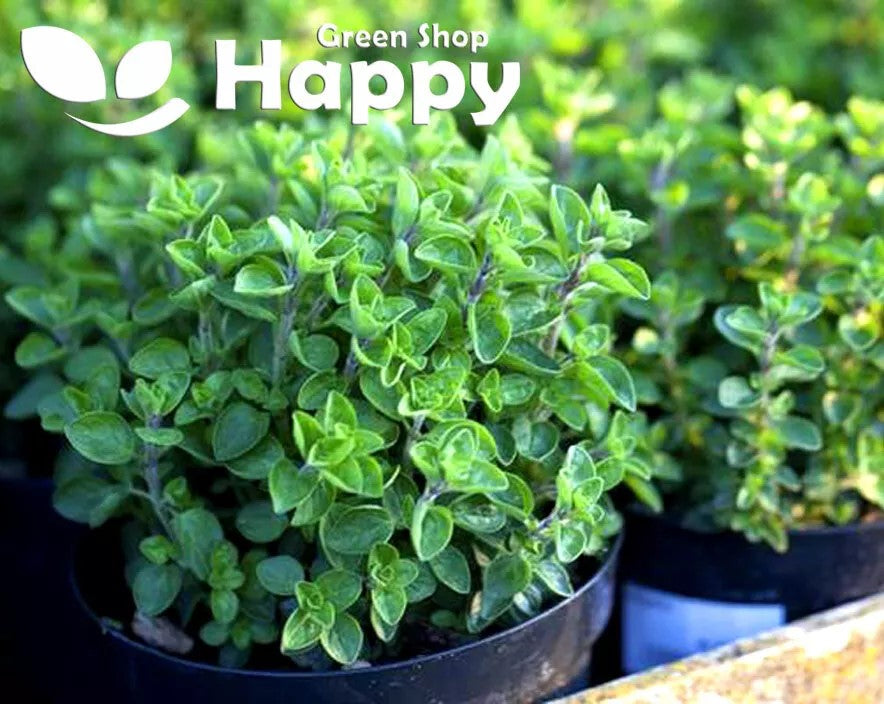
Origanum hirtum, also known as Greek Oregano, is a hardy perennial herb prized for its exceptionally strong flavour and intense aroma. The small, dark green aromatic leaves are the traditional oregano used in Greek and Mediterranean cooking, adding a distinctive spicy character to pizzas, tomato sauces, grilled meats, vegetables and salads.
Easy to grow and highly reliable, Greek Oregano forms a compact, bushy plant with clusters of small white flowers that attract bees and other pollinating insects. It thrives in sunny, well-drained conditions and is ideal for herb gardens, containers, rockeries and dry Mediterranean-style planting where the leaves develop their strongest flavour.
● Authentic Greek oregano with intense spicy flavour
● Essential herb for Mediterranean cooking
● Aromatic leaves can be used fresh or dried
● Hardy perennial returning year after year
● Flowers attract bees and other pollinating insects
● Mediterranean herb gardens
● Kitchen gardens
● Patio containers
● Rockeries and gravel gardens
● Wildlife-friendly planting
● Do not cover seeds deeply, as Greek Oregano seeds need light to germinate successfully.
● Grow in poorer, well-drained soil rather than overly rich conditions, as lower fertility helps maintain a stronger flavour.
● Harvest stems just before flowering when essential oils and flavour are at their peak.
● Cut plants back after flowering to maintain a compact, bushy shape and encourage fresh growth.
● Allow some flowers to remain, as Greek Oregano is highly attractive to bees and other beneficial insects.
Showing 59/59


