
Sort by:
200 products
200 products
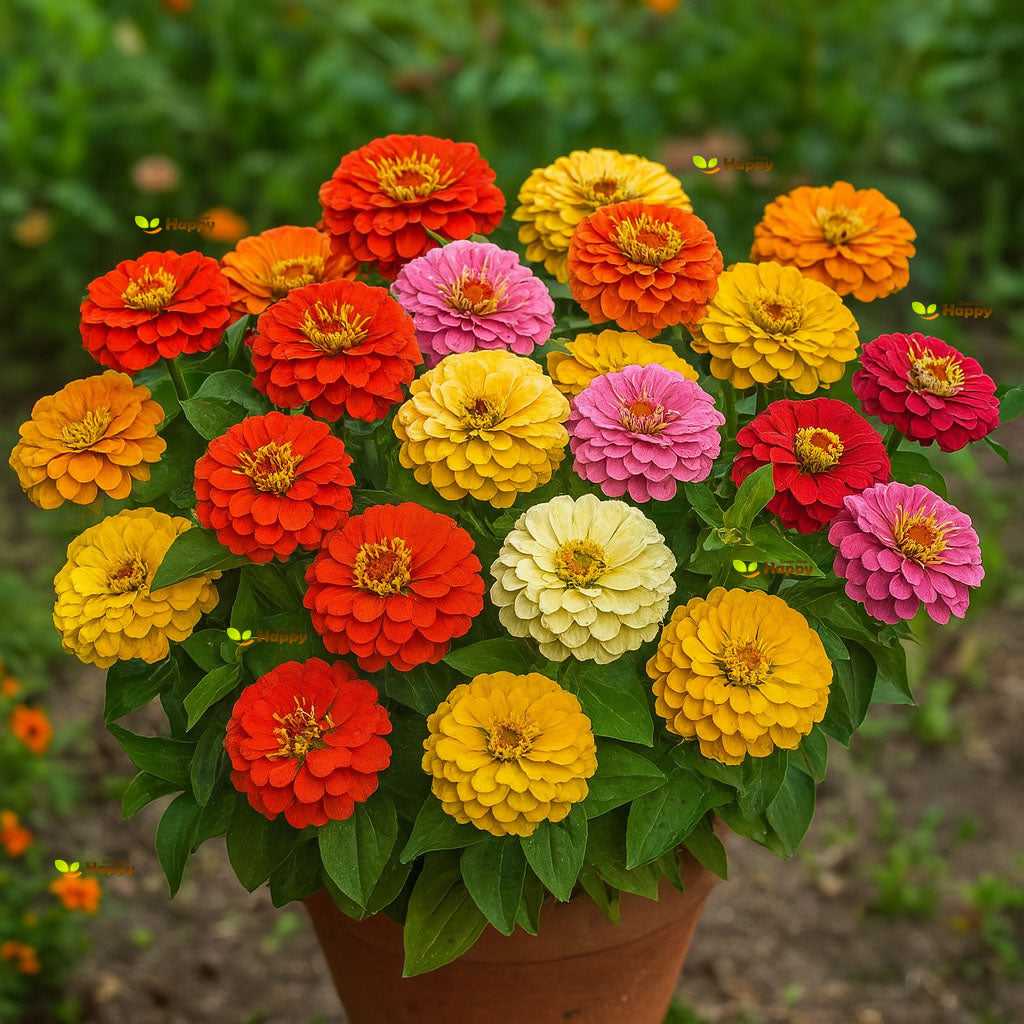
Dwarf Zinnia 'Pepito' Mix – Seeds
(Zinnia elegans)
Dwarf Zinnia 'Pepito' Mix is a charming, compact annual that produces an abundance of small, vibrant blooms in a lively mix of colours, including reds, pinks, oranges, and yellows. Perfect for borders, rockeries, and containers, its dense, bushy growth ensures a long season of continuous flowering. Easy to grow and low-maintenance, this variety also attracts pollinators, adding life and colour to any garden.
Key Features
-
Type: Half-hardy annual
-
Height: 20–30 cm
-
Spread: 25–35 cm
-
Flowering: June–October
-
Position: Full sun
-
Soil: Well-drained, fertile soil
Ideal For
-
Rockeries and border edging
-
Container planting
-
Pollinator-friendly gardens
-
Summer floral displays
Sowing & Growing
-
Sow indoors: March–April at 18–22°C
-
Sow outdoors: May, after last frost
-
Germination: 7–14 days
-
Thin or transplant to 20–25 cm spacing
-
Deadhead regularly to prolong flowering
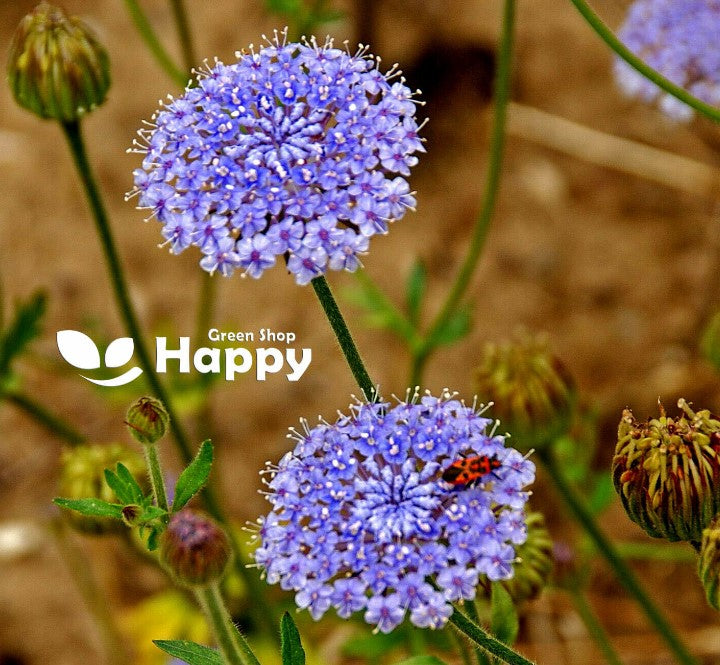
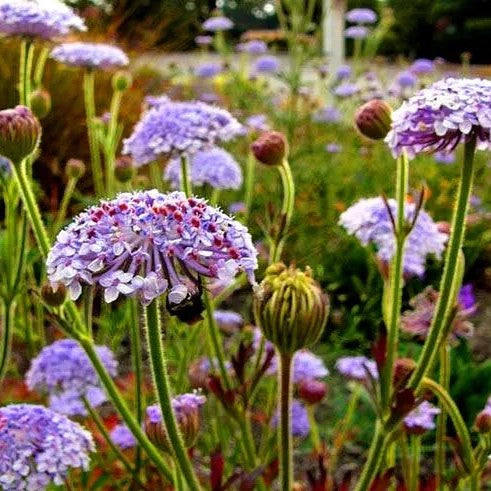
Blue Lace Flower Seeds (Didiscus caeruleus / Trachymene caerulea)
The Blue Lace Flower is an elegant and delicate annual, much loved for its airy umbels of soft sky-blue blossoms. Each flower head resembles lacework, carried on long slender stems, making it ideal for cutting. With its light, lacy texture, this plant brings charm and movement to borders, cottage gardens, and wildflower-style plantings. It is also a superb choice for floral arrangements, both fresh and dried.
What Makes It Special
-
Produces lace-like umbels of pastel blue blooms
-
Excellent cut flower with a long vase life
-
Attractive to bees, butterflies, and pollinators
-
Adds a soft, romantic touch to borders and bouquets
Key Features
-
Botanical name: Didiscus caeruleus / Trachymene caerulea
-
Common name: Blue Lace Flower
-
Seed count: Approx. seeds per pack
-
Height/Spread: 45–60 cm tall, 20–30 cm spread
-
Position: Full sun, well-drained soil
-
Flowering period: Summer to early autumn
-
Lifespan: Half-hardy annual
Ideal For
-
Cottage gardens
-
Wildflower meadows
-
Borders and mixed beds
-
Cut flower and dried arrangements
-
Pollinator-friendly gardens
Sowing Instructions
-
When to sow: March–May indoors, or April–June outdoors after frost has passed
-
How to sow:
-
Sow seeds thinly in trays with seed compost or directly outdoors in fine soil
-
Lightly cover seeds with a thin layer of soil or vermiculite
-
Keep moist until seedlings appear (14–21 days)
-
-
Transplant/Thin: Space plants 20–30 cm apart
-
Care: Deadhead to prolong flowering; provide support in windy sites
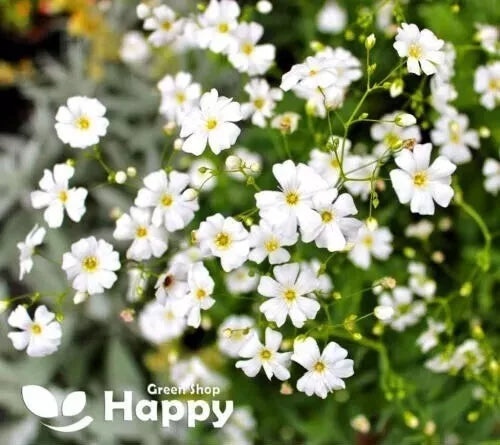
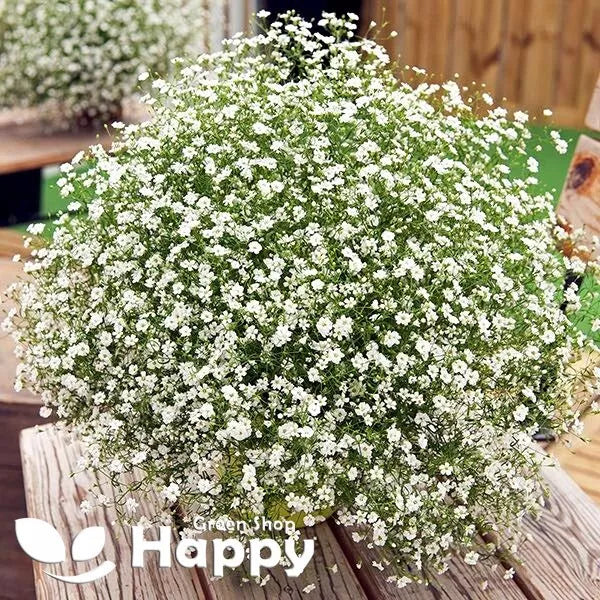
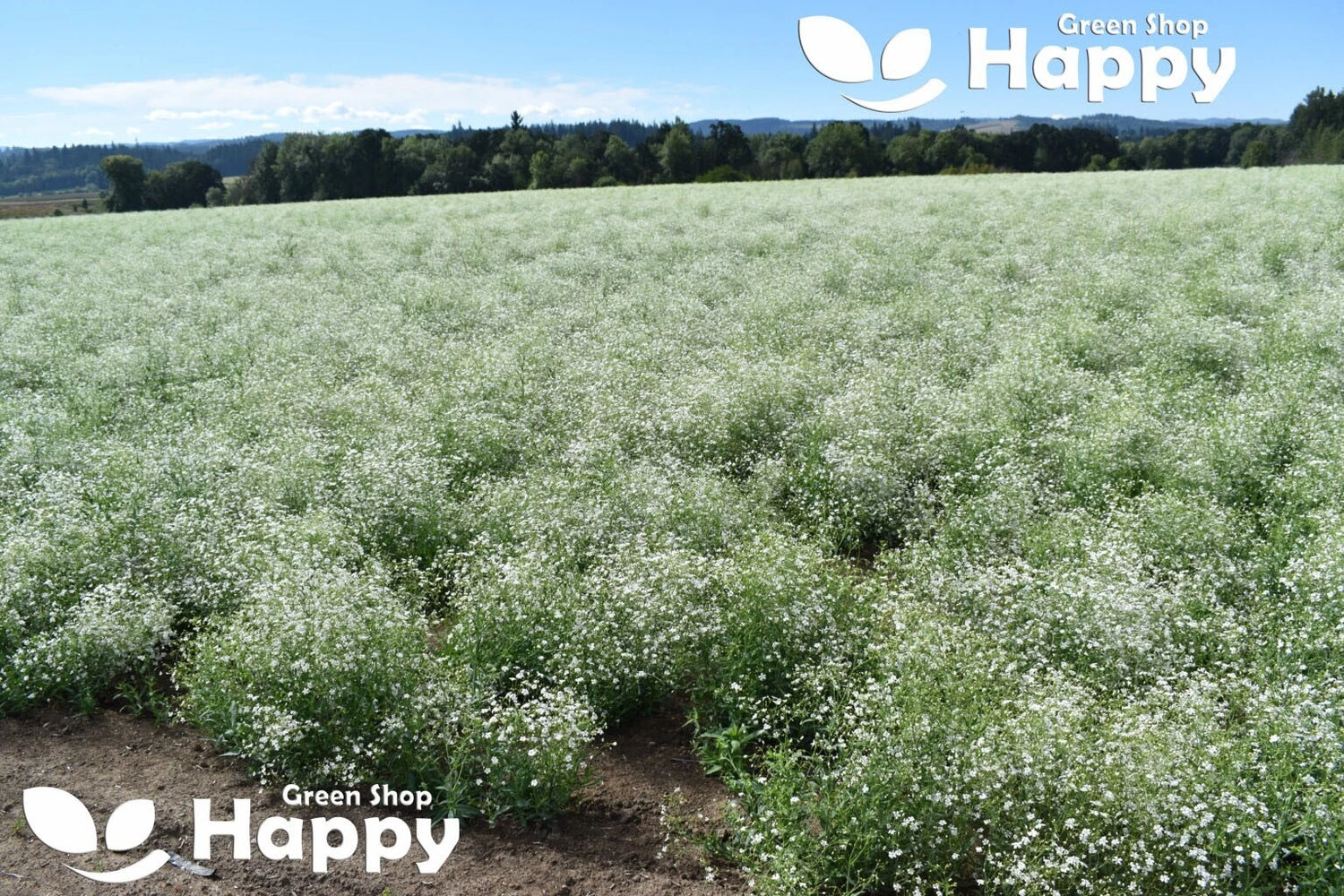
Baby’s Breath White – Seeds (Gypsophila elegans)
Baby’s Breath White (Gypsophila elegans) is a delicate annual prized for its airy sprays of tiny, pure white flowers. Blooming from early summer to autumn, it adds soft, cloud-like texture to borders, cottage gardens, and mixed flower beds. Perfect for cut flower arrangements and bouquets, this low-maintenance variety also attracts pollinators, making it a versatile and charming addition to any garden.
Why Grow "Baby’s Breath White"
-
Airy sprays of tiny, pure white flowers
-
Long flowering season from early summer to autumn
-
Easy-to-grow, low-maintenance annual
-
Ideal for cut flowers and pollinator-friendly gardens
Key Features
-
Type: Annual (Gypsophila elegans)
-
Height: 30–50 cm
-
Flowering: Early summer to autumn
-
Position: Full sun
-
Uses: Borders, cottage gardens, mixed beds, cut flowers, pollinator gardens
Ideal For
-
Softening borders and mixed flower beds
-
Cottage-style gardens
-
Bouquets and cut flower arrangements
-
Pollinator-friendly garden designs
Sowing & Growing
-
Sow indoors: February–April in trays or pots
-
Sow outdoors: March–May directly in soil
-
Germination: 10–20 days at 18–22°C
-
Thin seedlings 25–30 cm apart
-
Prefers well-drained soil in full sun
-
Water moderately until established
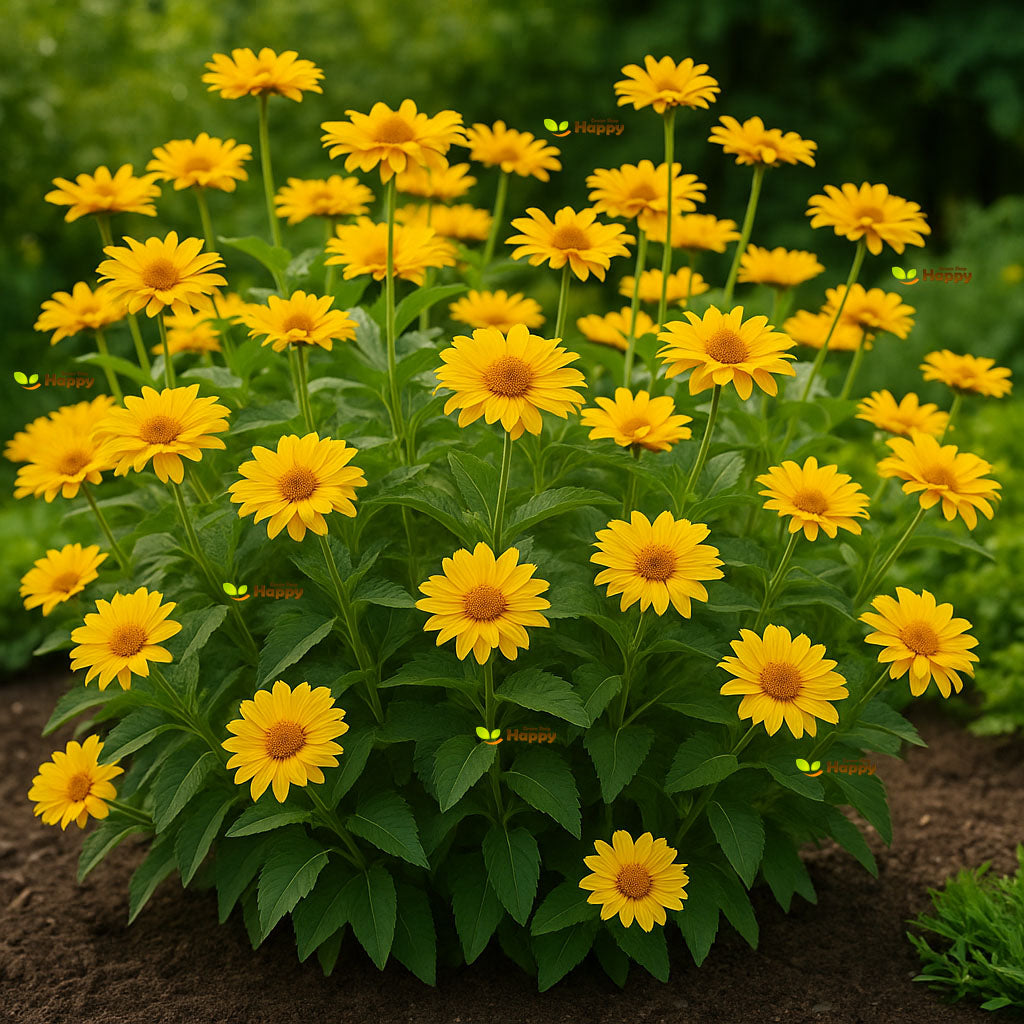
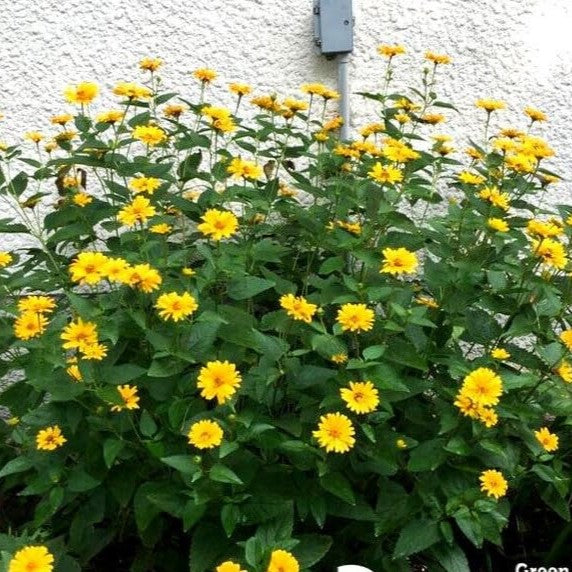
Summer Sun – Seeds (Heliopsis scabra)
Summer Sun (Heliopsis scabra) is a hardy perennial known for its bright, golden-yellow, daisy-like flowers that bloom from mid-summer to early autumn. With tall, upright stems and lush green foliage, this variety adds long-lasting color and height to borders, cottage gardens, and mixed perennial beds. Easy to grow and low-maintenance, it attracts pollinators and provides a cheerful, sunny display all summer long.
Why Grow "Summer Sun"
-
Vibrant golden-yellow daisy-like blooms
-
Long flowering season from mid-summer to early autumn
-
Hardy, low-maintenance perennial
-
Attracts bees, butterflies, and other pollinators
Key Features
-
Type: Perennial (Heliopsis scabra)
-
Height: 60–90 cm
-
Flowering: Mid-summer to early autumn
-
Position: Full sun
-
Uses: Borders, cottage gardens, mixed perennial beds, pollinator-friendly gardens
Ideal For
-
Adding bright color and height to summer borders
-
Cottage and perennial garden beds
-
Pollinator-friendly garden planting
-
Long-lasting summer displays
Sowing & Growing
-
Sow indoors: February–April in trays or pots
-
Sow outdoors: April–May directly in soil
-
Germination: 10–20 days at 18–22°C
-
Thin seedlings 30–40 cm apart
-
Prefers well-drained soil in full sun
-
Water moderately until established
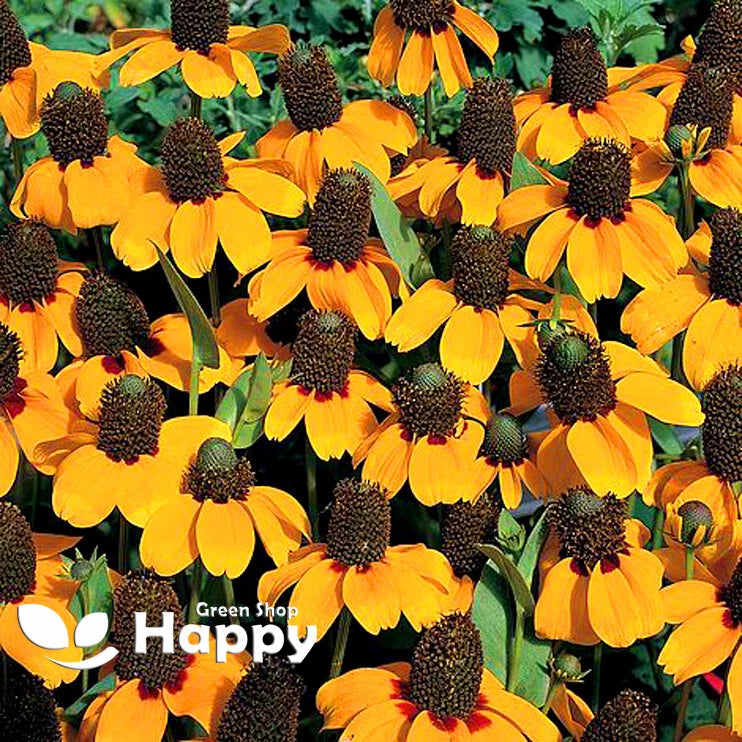


Rudbeckia ‘Clasping Coneflower’ – Seeds (Rudbeckia amplexicaulis)
The Clasping Coneflower is a hardy annual Rudbeckia that produces masses of golden-yellow petals marked with dark reddish-brown centers. With its long flowering season and striking daisy-like blooms, it’s ideal for brightening borders, meadows, and wildflower gardens. Heat- and drought-tolerant, it thrives in poor soils and attracts bees and butterflies.
Why Grow Clasping Coneflower?
-
Bright golden-yellow flowers with dark centers
-
Long flowering season, summer into autumn
-
Attracts pollinators
-
Easy to grow, drought-tolerant
Key Features
-
Type: Hardy annual
-
Height: 60–90 cm
-
Flowering: June–September
-
Position: Full sun, well-drained soil
-
Uses: Borders, meadows, wildflower gardens, cut flowers
Ideal For
-
Naturalistic and wildflower plantings
-
Low-maintenance garden borders
-
Pollinator-friendly spaces
Sowing & Growing
-
Sow outdoors: April–June directly into prepared soil
-
Germination: 10–20 days at 18–22°C
-
Thin seedlings to 20–30 cm apart
-
Deadhead for prolonged flowering
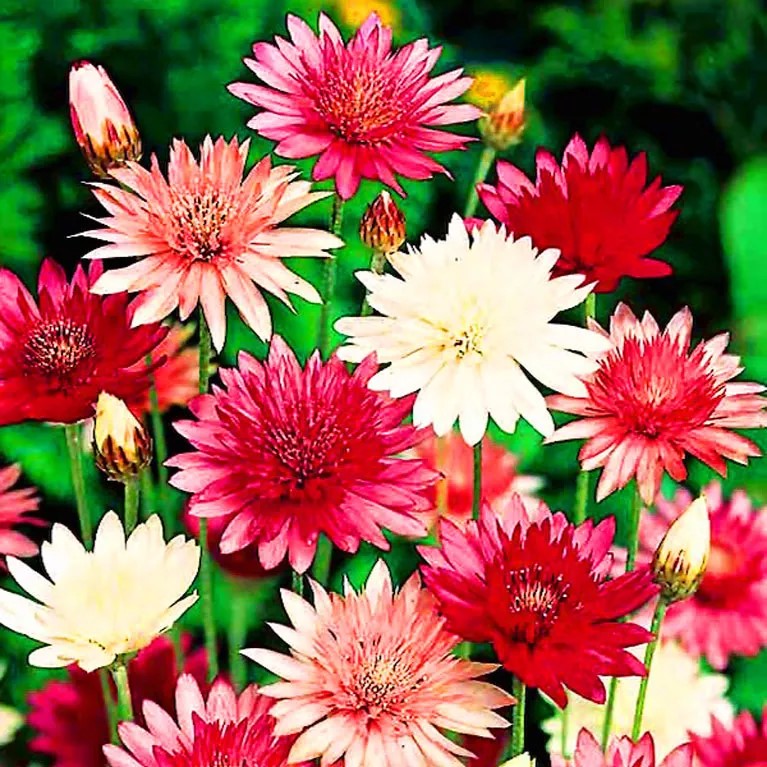
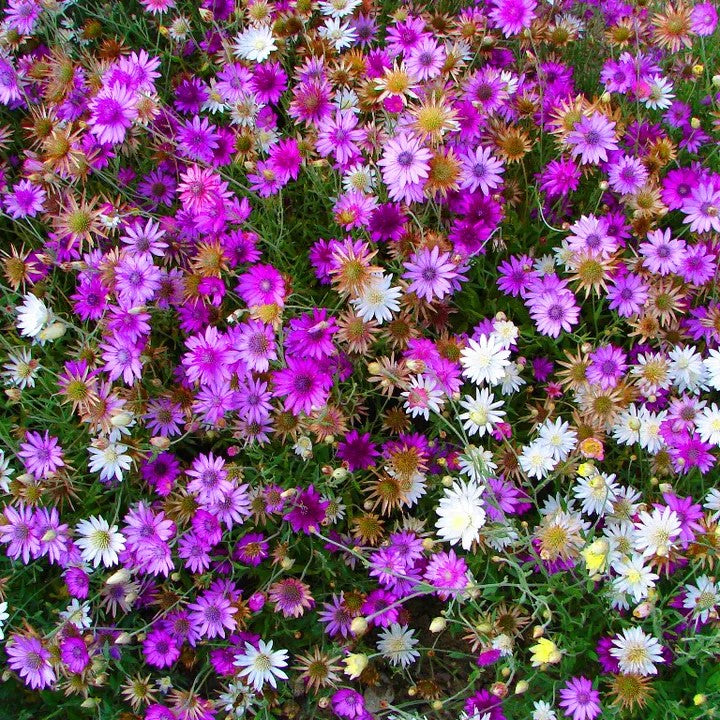
Paper Daisy Immortelle Mix Seeds (Xeranthemum annuum)
The Paper Daisy Immortelle Mix produces a colorful assortment of long-lasting, daisy-like blooms perfect for fresh or dried arrangements. Its compact, upright growth habit and vibrant flowers make it an excellent choice for borders, beds, and container displays. Loved for its ability to retain shape and color when dried, it’s ideal for everlasting bouquets and garden decoration.
What Makes It Special
-
Colorful, long-lasting blooms that dry naturally for arrangements
-
Compact, upright growth ideal for garden beds and containers
-
Easy to grow and low-maintenance
-
Attracts bees and butterflies while adding vibrant summer color
Key Features
-
Botanical name: Xeranthemum annuum
-
Variety: Immortelle Mix
-
Seed count: Approx. seeds per pack
-
Height/Spread: 40–60 cm tall, 25–35 cm spread
-
Position: Full sun; well-drained soil
-
Flowering period: June–October
Ideal For
-
Fresh-cut and dried flower arrangements
-
Garden borders, beds, and cottage gardens
-
Pollinator-friendly plantings
-
Container displays and floral crafts
Sowing Instructions
-
When to sow: March–May indoors; April–June outdoors
-
How to sow:
-
Sow seeds on the surface of moist seed compost and press lightly; do not cover too deeply
-
Germination in 10–14 days at 18–22°C
-
-
Transplanting: Prick out seedlings when large enough; plant outdoors after frost
-
Care: Water regularly and deadhead to prolong flowering and encourage continuous blooms
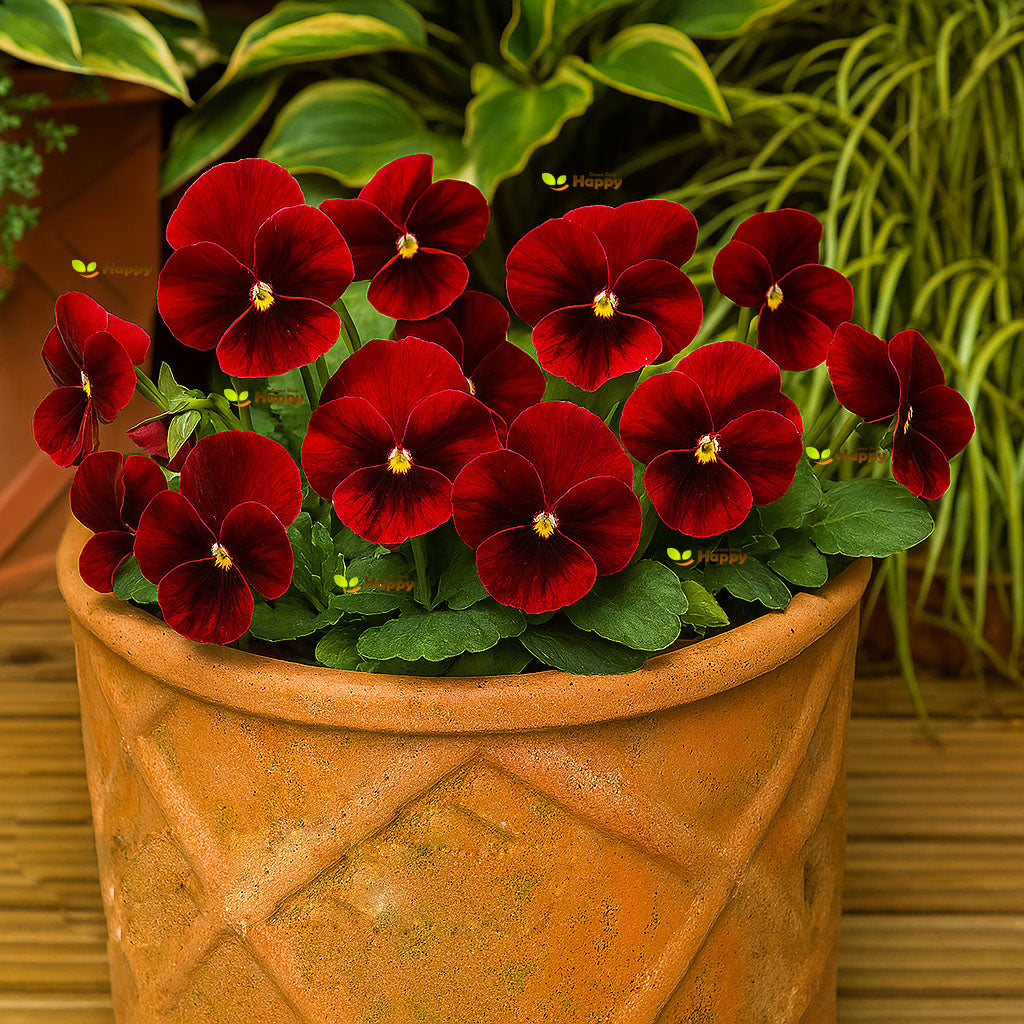
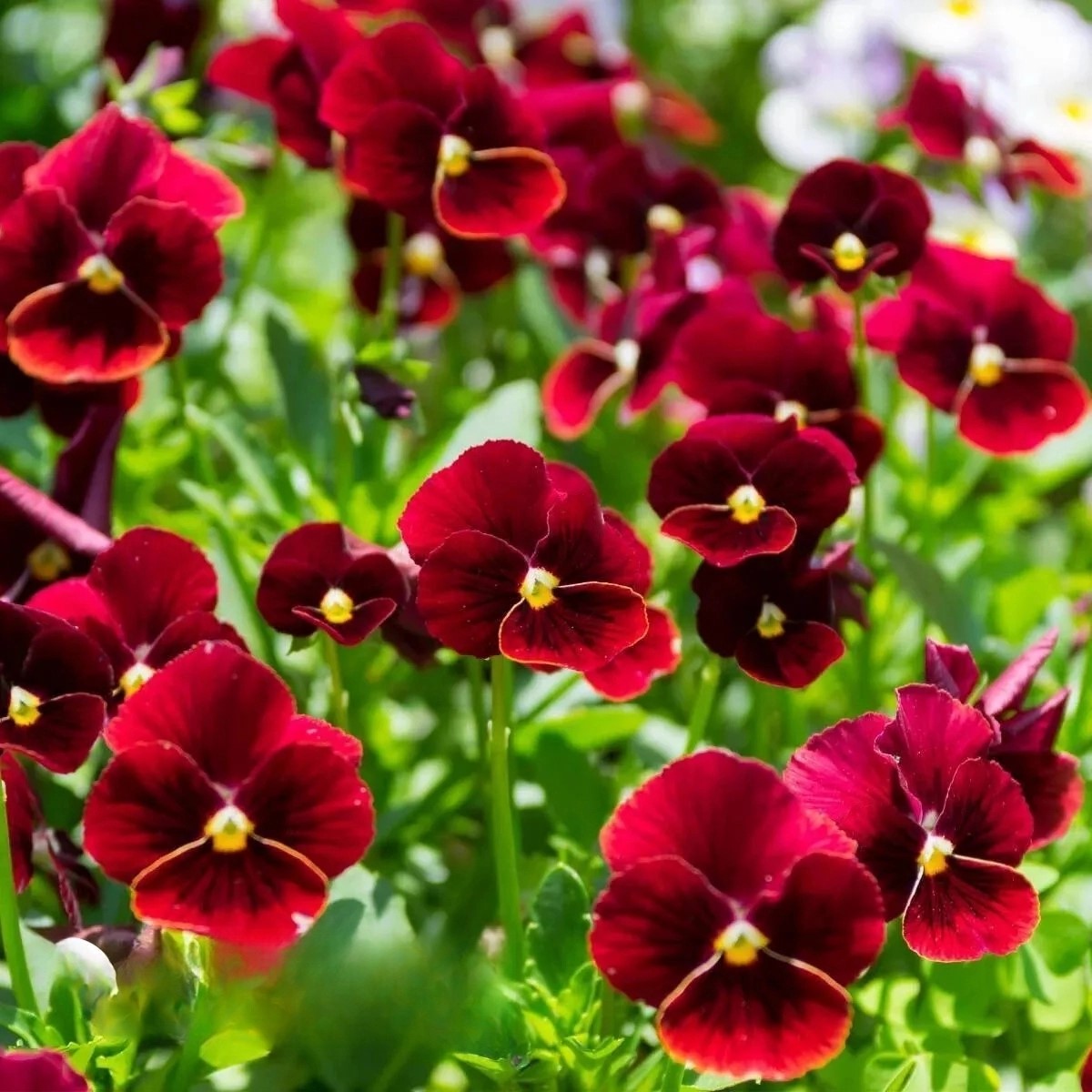
Horned Pansy 'Arkwright Ruby' Seeds (Viola cornuta)
Add a touch of elegance to your garden with Horned Pansy 'Arkwright Ruby'. This charming perennial produces velvety deep ruby-red blooms with golden centers, creating a striking contrast. Compact and free-flowering, it’s ideal for borders, rockeries, containers, and bedding.
What Makes It Special
-
Rich ruby-red flowers with glowing yellow eyes
-
Long flowering season from spring into autumn
-
Hardy, compact, and easy to grow
Key Features
-
Botanical name: Viola cornuta
-
Hardy perennial, often grown as biennial
-
Height: 15–20 cm
-
Spread: 20 cm
-
Blooms: April–October
Ideal For
-
Bedding and containers
-
Rock gardens and edging
-
Pollinator-friendly displays
Sowing
-
Sow indoors: February–April or September–October
-
Cover seeds lightly; germination takes 14–21 days at 15–20°C
-
Transplant seedlings to sunny or part-shade positions
-
Flowers the following spring if autumn sown
Hollyhock ‘Majorette Double’ Mix – Seeds (Althaea rosea)
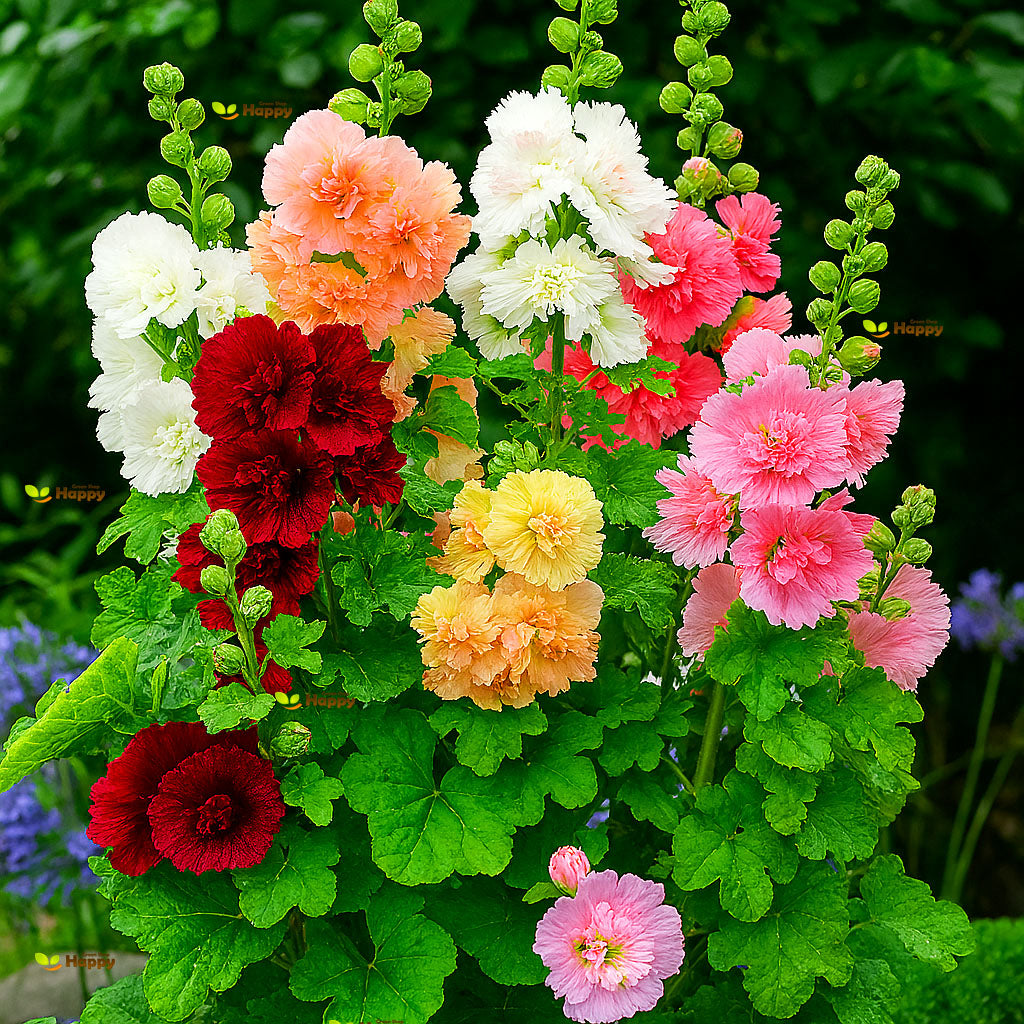
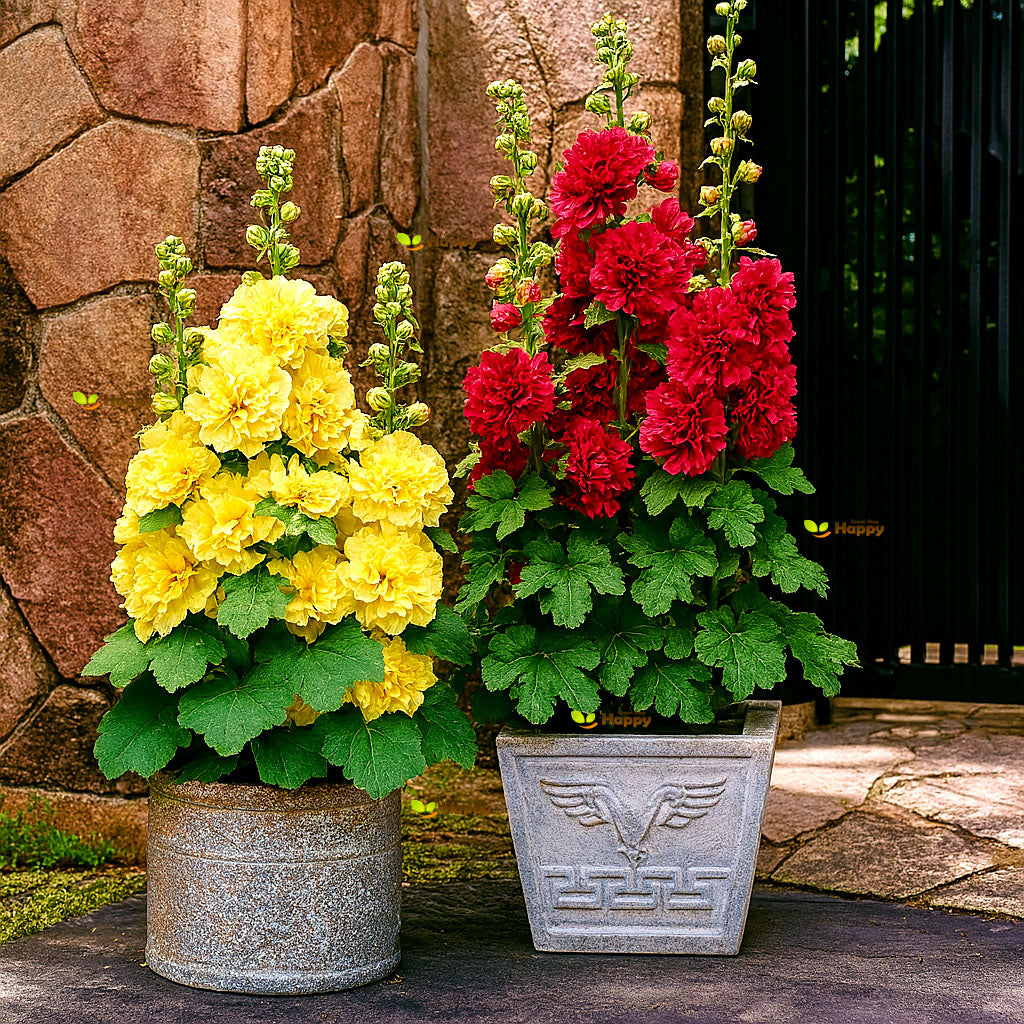
The Hollyhock ‘Majorette Double’ Mix is a stunning dwarf variety producing fully double flowers in a wide range of colors, including pink, red, yellow, and white. Compact and bushy, it is perfect for smaller gardens, borders, and containers while still giving that classic cottage garden charm.
Why Grow ‘Majorette Double’?
-
Fully double blooms in a vibrant color mix
-
Shorter, dwarf habit compared to traditional tall hollyhocks
-
Long summer flowering season
-
Attracts bees and pollinators
Key Features
-
Type: Half-hardy biennial (often flowers in the first year)
-
Height: 60–80 cm
-
Flowering: June–September
-
Position: Full sun, well-drained soil
-
Uses: Borders, containers, cottage garden plantings
Ideal For
-
Smaller gardens and courtyards
-
Adding vertical interest without excessive height
-
Pollinator-friendly spaces
Sowing & Growing
-
Sow indoors: February–April in trays or pots
-
Sow outdoors: May–June directly in soil
-
Germination: 14–21 days at 18–20°C
-
Transplant seedlings 40–50 cm apart
-
Deadhead faded flowers for extended blooming
Sweet Pea 'Neille Viner' – Seeds
(Lathyrus odoratus)
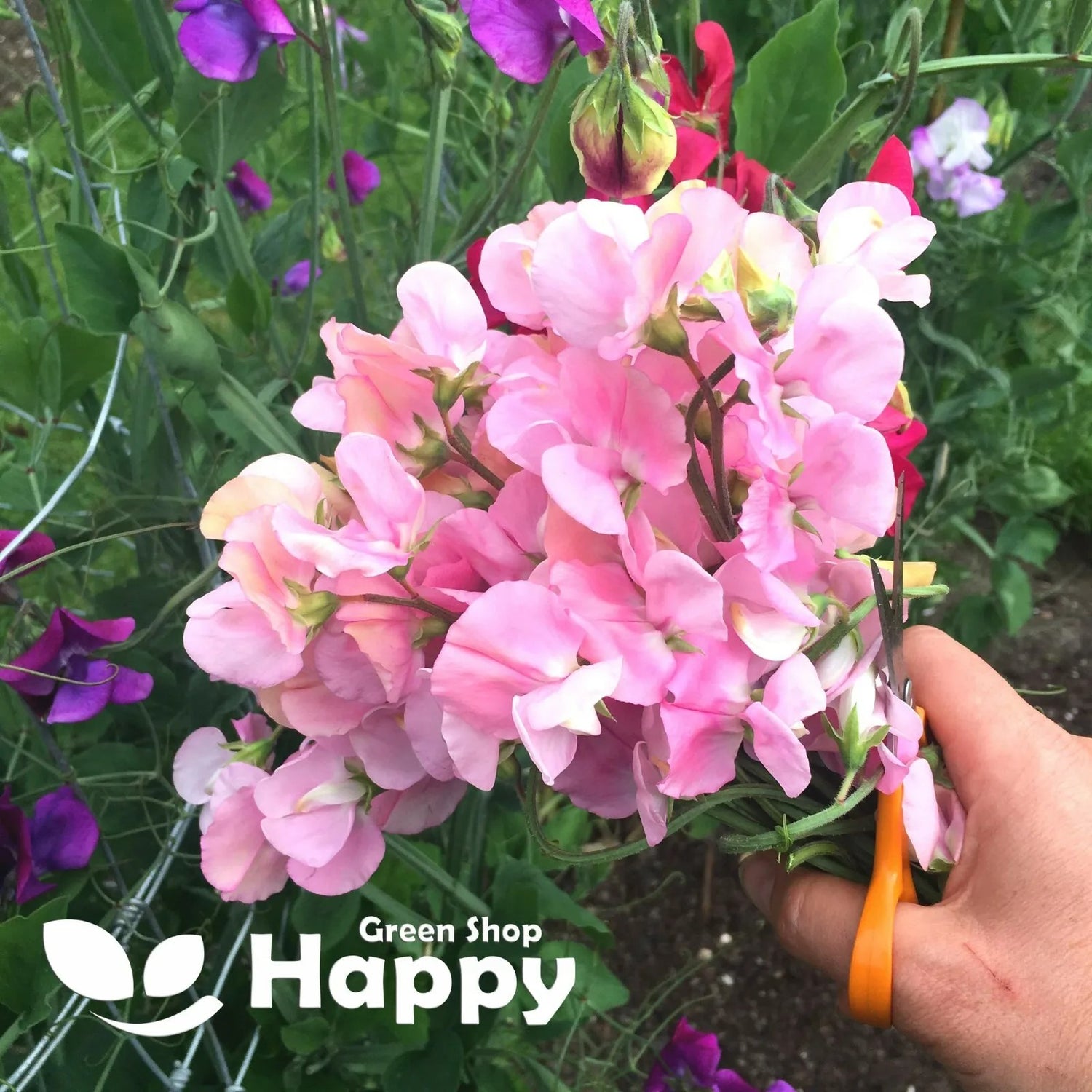
Sweet Pea 'Neille Viner' is a classic climbing annual admired for its soft, delicate pink blooms and strong, sweet fragrance. Its long stems are perfect for cutting, while its vigorous climbing habit creates a stunning display on trellises, fences, or arches. Ideal for adding colour and scent to summer gardens, this variety is a favorite among gardeners and florists alike.
Key Features
-
Type: Hardy annual
-
Height: 180–240 cm (climber)
-
Flowering: June–September
-
Position: Full sun
-
Soil: Fertile, well-drained
-
Uses: Trellises, fences, arches, cut flowers
Ideal For
-
Vertical garden displays
-
Cut flower arrangements
-
Cottage-style gardens
-
Fragrant garden corners
Sowing & Growing
-
Sow indoors: January–April in pots or trays
-
Sow outdoors: April–May directly in soil
-
Germination: 10–20 days at 15–20°C
-
Plant out after last frost, spacing 20–30 cm
-
Provide climbing support
-
Regular deadheading encourages more blooms
Showing 108/200


