
Sort by:
200 products
200 products
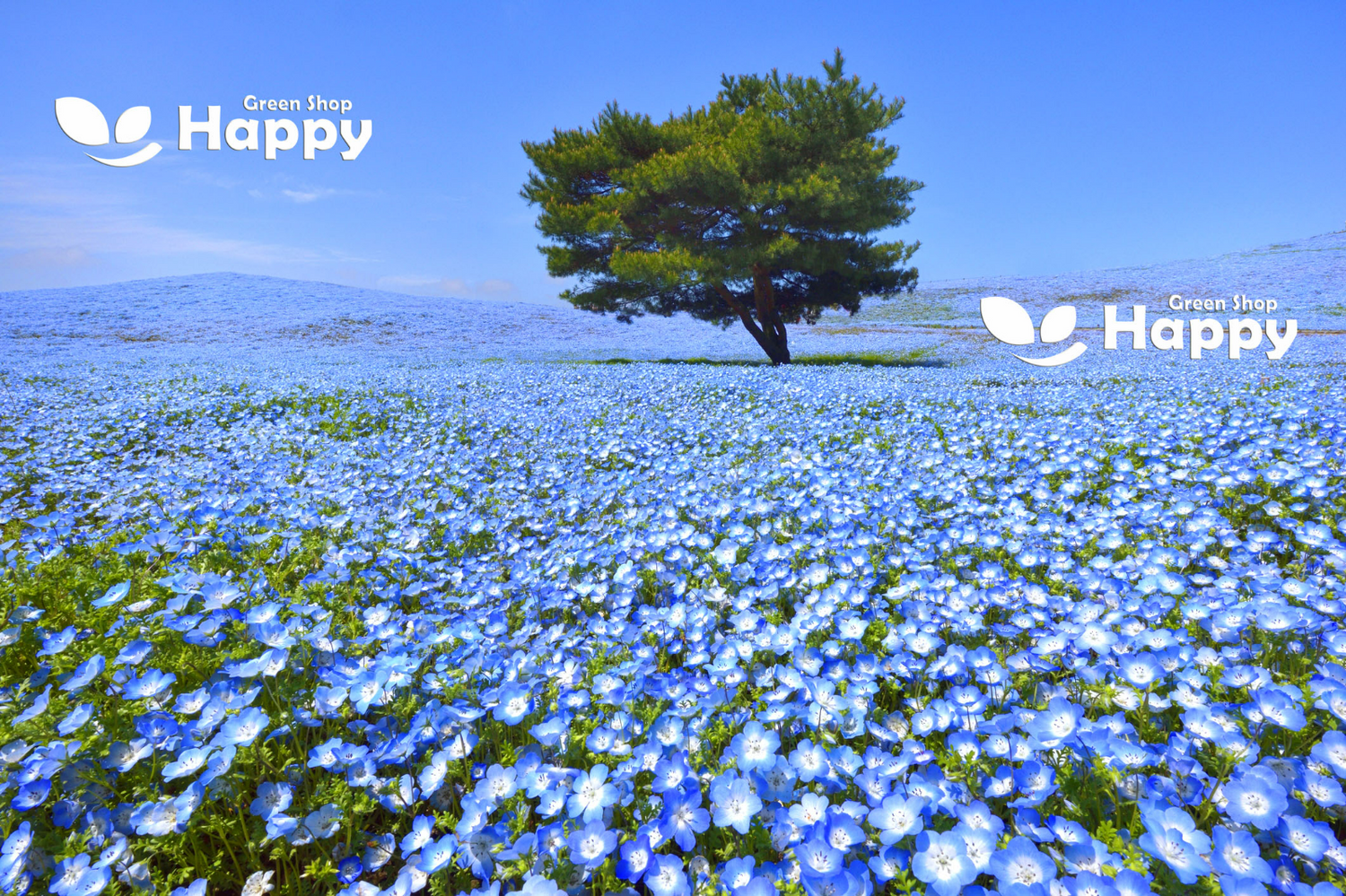
Nemophila ‘Baby Blue Eyes’ – Seeds (Nemophila menziesii insignis)
The Nemophila ‘Baby Blue Eyes’ is an annual favorite producing a carpet of delicate sky-blue, cup-shaped flowers with white centers. Its compact, spreading habit makes it perfect for borders, rock gardens, and containers, creating a soft, charming display in spring and early summer.
What Makes It Special
-
Stunning sky-blue flowers with white centers
-
Compact, spreading growth habit ideal for mass planting
-
Long-lasting spring display with continuous flowering
-
Attracts pollinators and adds charm to any garden
Key Features
-
Botanical name: Nemophila menziesii insignis
-
Variety: ‘Baby Blue Eyes’
-
Seed count: Approx. seeds per pack
-
Height/Spread: 15–25 cm tall, spreading 20–30 cm
-
Position: Full sun to partial shade; well-drained soil
-
Flowering period: Spring to early summer
Ideal For
-
Borders and edging
-
Rock gardens and cottage gardens
-
Containers and patio pots
-
Pollinator-friendly planting
Sowing Instructions
-
When to sow: February–May outdoors or March–April indoors
-
How to sow:
-
Sow seeds thinly on prepared soil
-
Cover lightly with soil
-
Germination: 10–14 days
-
-
After germination:
-
Thin seedlings to 15–20 cm apart
-
Keep soil moist but not waterlogged
-
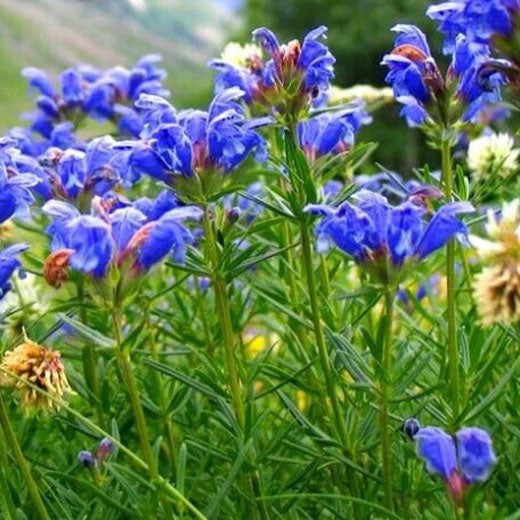
Moldavian Dragonhead – Seeds (Dracocephalum moldavica)
The Moldavian Dragonhead (Dracocephalum moldavica) is a fragrant annual herb admired for its violet-blue flowers and aromatic lemon-scented foliage. Highly attractive to bees and butterflies, it makes a charming addition to herb gardens, borders, and pollinator-friendly spaces. Its leaves are sometimes used for teas with a refreshing citrus flavor.
Why Grow Moldavian Dragonhead?
-
Violet-blue blooms with a pleasant lemon fragrance
-
Excellent for pollinators, especially bees
-
Easy to grow and low maintenance
-
Useful as an ornamental and herbal plant
Ideal For
-
Herb gardens
-
Pollinator-friendly plantings
-
Borders and cottage gardens
-
Aromatic tea lovers
Key Features
-
Type: Annual herb
-
Height: 40–60 cm
-
Spread: 20–30 cm
-
Flowering: June–August
-
Position: Full sun to partial shade
-
Soil: Light, well-drained
Sowing & Growing
-
Sow indoors: March–April, lightly cover seeds
-
Germination: 7–14 days at 18–22°C
-
Transplant outdoors: After frost risk has passed
-
Direct sow outdoors: April–May
-
Spacing: 25–30 cm apart
Tip: Regular deadheading encourages longer flowering and stronger aroma.
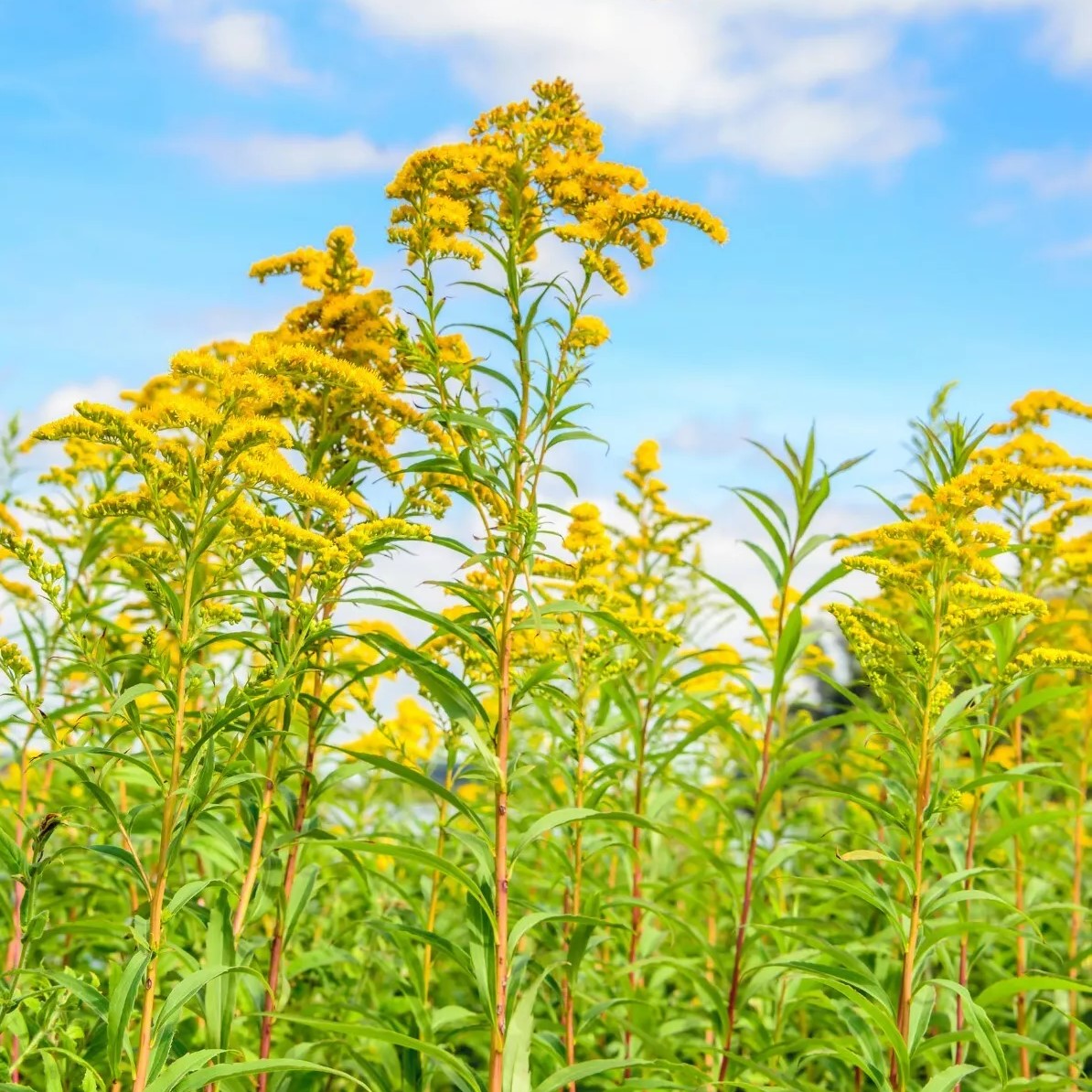
Golden Rod ‘Yellow Springs’ – 2000 Seeds (Solidago canadensis)
The Golden Rod ‘Yellow Springs’ is a hardy perennial that produces tall spikes of tiny golden-yellow flowers, creating a striking late-summer display. A magnet for bees and butterflies, it’s ideal for naturalistic gardens, meadows, and wildlife-friendly plantings. Easy to grow, drought-tolerant, and low-maintenance.
Why Grow ‘Yellow Springs’?
-
Tall, elegant spires of golden-yellow blooms
-
Attracts pollinators and supports biodiversity
-
Drought-tolerant and hardy perennial
-
Excellent for cut flowers and meadow planting
Key Features
-
Type: Perennial
-
Height: 100–150 cm
-
Flowering: July–September
-
Position: Full sun, well-drained soil
-
Uses: Borders, wildflower gardens, meadows, cut flowers
Ideal For
-
Pollinator-friendly gardens
-
Naturalized meadow plantings
-
Adding vertical height and late-season color
Sowing & Growing
-
Sow indoors: February–April, lightly cover seeds
-
Sow outdoors: April–June in prepared soil
-
Germination: 14–21 days at 18–22°C
-
Thin or transplant seedlings 30–40 cm apart
-
Cut back in autumn after flowering

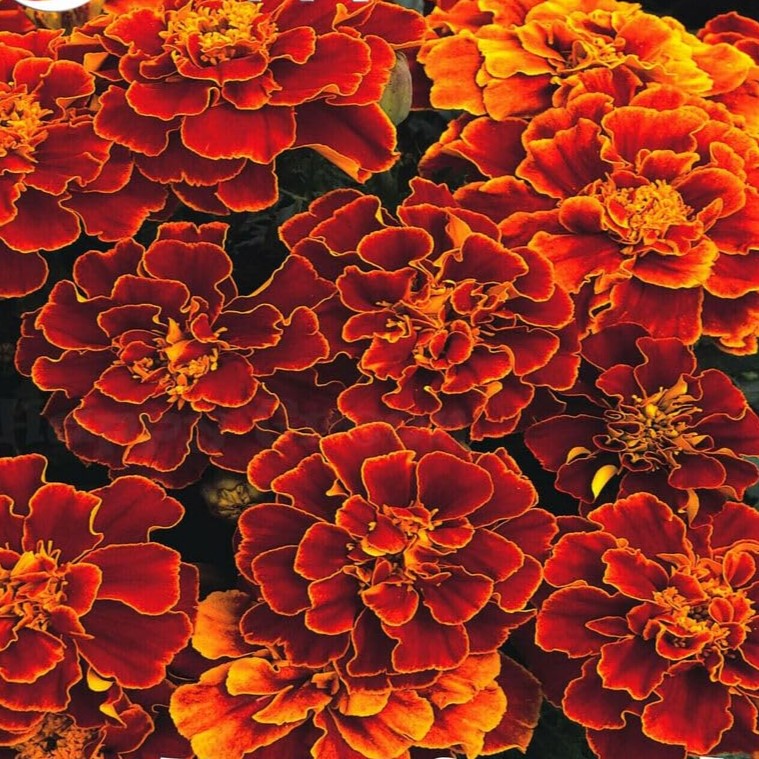
French Marigold Double Spanish Brocade – 300 Seeds (Tagetes patula nana)
French Marigold Double Spanish Brocade (Tagetes patula nana) produces abundant, vibrant double blooms in fiery shades of orange and gold. This compact, low-growing annual is perfect for borders, containers, and mass plantings. Easy to grow, long-flowering, and great for attracting pollinators, it adds bright color to any garden.
Why Grow "Double Spanish Brocade"
-
Bold, double blooms in vivid orange and gold
-
Compact, low-growing habit ideal for borders and containers
-
Long-flowering, summer to autumn
-
Attracts bees and butterflies
Key Features
-
Type: Annual (Tagetes patula nana)
-
Height: 20–30 cm
-
Flowering: June–October
-
Position: Full sun
-
Uses: Borders, containers, mass plantings, pollinator gardens
Ideal For
-
Colorful garden borders
-
Pots and patio containers
-
Pollinator-friendly garden spaces
-
Mass planting displays
Sowing & Growing
-
Sow indoors: February–April in trays
-
Sow outdoors: April–May after last frost
-
Germination: 7–14 days at 18–22°C
-
Thin seedlings to 20–25 cm apart
-
Prefers full sun and well-drained soil
-
Deadhead to prolong flowering


French Marigold 'Dainty Marietta' – 500 Seeds (Tagetes patula nana)
Cheerful and easy to grow, French Marigold 'Dainty Marietta' produces golden-yellow single blooms with a bold maroon blotch at the center. Compact and free-flowering, this dwarf variety is perfect for edging, borders, and pots, while also being valued for pest-deterring companion planting.
Why Grow 'Dainty Marietta'
-
Bright yellow flowers with maroon centers
-
Long flowering season from summer to frost
-
Dwarf, bushy, and easy to grow
-
Attracts pollinators and deters pests
Key Features
-
Type: Half-hardy annual (Tagetes patula nana)
-
Height: 20–25 cm (dwarf)
-
Flowering: June–October
-
Position: Full sun
-
Uses: Borders, edging, containers, companion planting
Ideal For
-
Bright summer bedding
-
Patio pots and window boxes
-
Edging pathways and borders
-
Vegetable gardens as a natural pest deterrent
Sowing & Growing
-
Sow indoors: March–April in trays or pots
-
Sow outdoors: May–June after frost
-
Germination: 7–14 days at 18–22°C
-
Transplant or thin seedlings to 20 cm apart
-
Prefers well-drained soil in full sun
Blackberry Lily – Seeds
(Belamcanda chinensis)
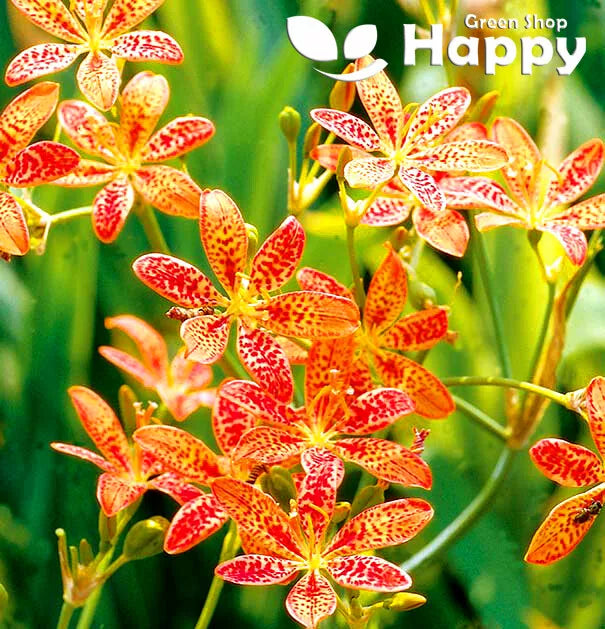
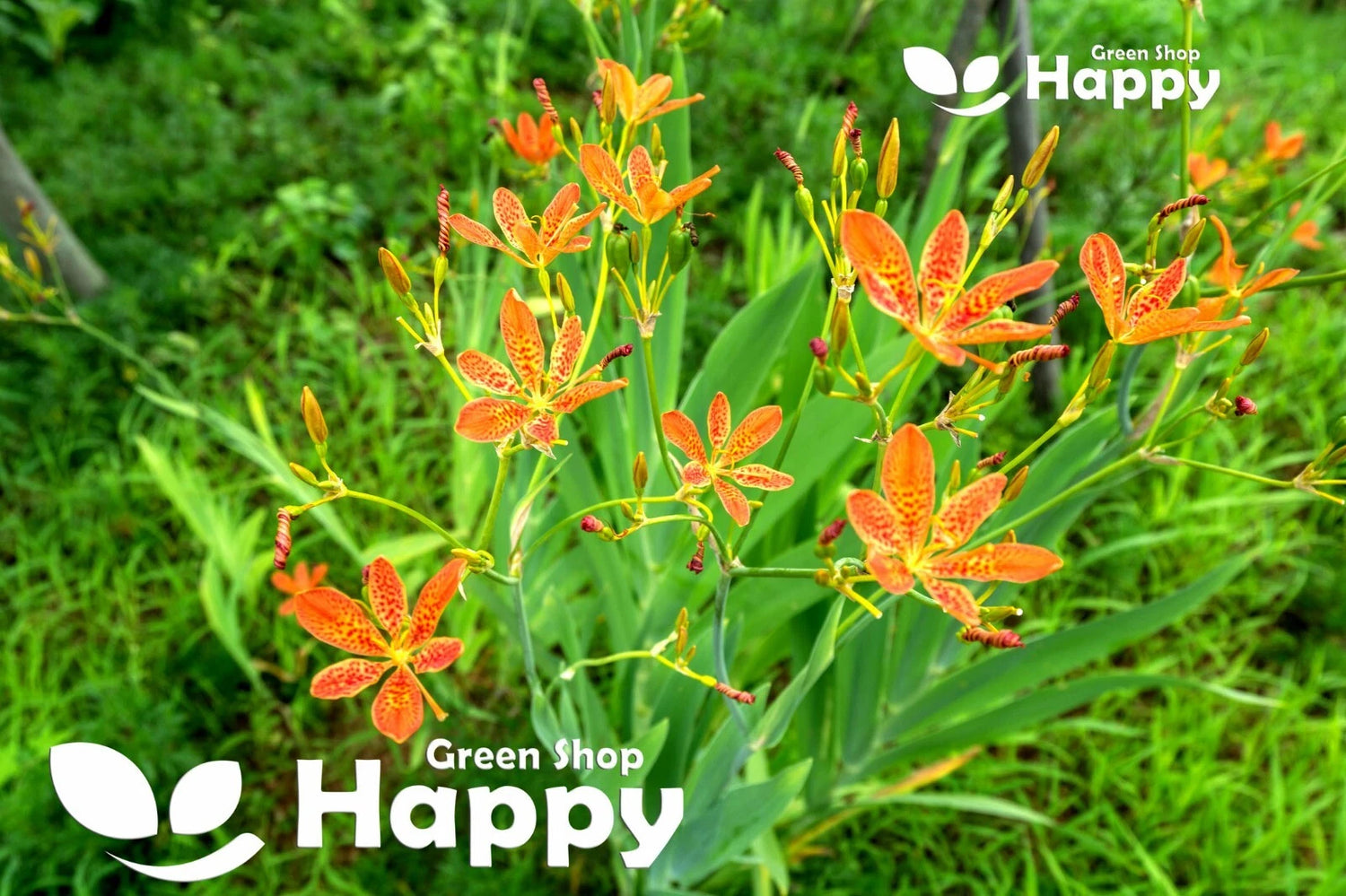
Blackberry Lily is a striking perennial with bright orange, freckled flowers that bloom in summer, followed by shiny black seed pods resembling berries. Its upright clumping habit and sword-shaped foliage make it ideal for borders, cottage gardens, and ornamental plantings. Low-maintenance and hardy, it attracts pollinators and adds vibrant color to any garden.
Why Grow Blackberry Lily?
-
Bright orange, freckled summer flowers
-
Unique black seed pods for decorative interest
-
Attracts bees and butterflies
-
Low-maintenance, hardy perennial
Key Features
-
Type: Perennial
-
Height: 60–90 cm
-
Flowers: Summer
-
Position: Full sun to partial shade
-
Soil: Well-drained, fertile
Ideal For
-
Borders, cottage gardens, and perennial beds
-
Pollinator-friendly gardens
-
Decorative seed pod interest
-
Low-maintenance ornamental planting
Sowing & Growing
-
Sow indoors: February–April in seed trays
-
Sow outdoors: April–May in prepared soil
-
Germination: 14–28 days at 18–20°C
-
Spacing: 30–40 cm apart
-
Care: Moderate watering; remove weeds and deadhead for prolonged flowering
Asparagus Pea – Seeds (Tetragonolobus purpureus)
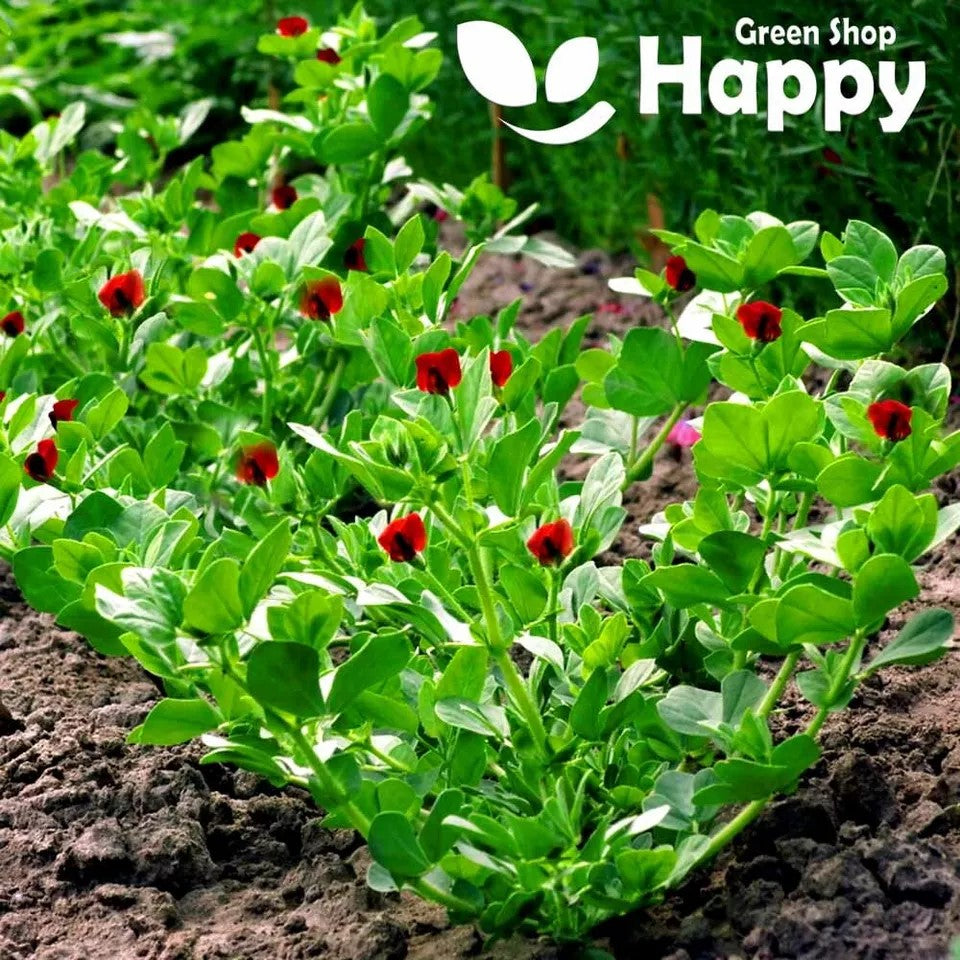
Asparagus Pea (Tetragonolobus purpureus) is a vigorous, climbing annual producing clusters of attractive, purple-pink pea-like flowers. Its edible pods have a mild, asparagus-like flavor, making it perfect for both ornamental and culinary use. Blooming from summer to autumn, this versatile plant thrives on trellises, fences, and obelisks, adding vertical interest, color, and delicious harvests to your garden.
Why Grow "Asparagus Pea"
-
Vigorous climber with purple-pink flowers
-
Edible pods with a mild asparagus-like taste
-
Long flowering and harvesting season
-
Perfect for vertical gardening on trellises and fences
Key Features
-
Type: Annual climber (Tetragonolobus purpureus)
-
Height: 150–180 cm
-
Flowering: Summer to autumn
-
Position: Full sun
-
Uses: Trellises, fences, obelisks, edible gardens, cut flowers
Ideal For
-
Vertical displays in small or large gardens
-
Edible and ornamental gardening
-
Container and patio planting
-
Gardeners seeking climbers with attractive flowers and tasty pods
Sowing & Growing
-
Sow indoors: February–April
-
Sow outdoors: After last frost in well-drained soil
-
Germination: 10–20 days at 15–20°C
-
Space seedlings: 25–30 cm apart
-
Provide support for climbing

Superb Pink Dianthus Superbus - 200 seeds (Dianthus superbus) Perennial Fragrant Flowers
£1.24
Unit price perSuperb Pink Dianthus Superbus - 200 seeds (Dianthus superbus) Perennial Fragrant Flowers
£1.24
Unit price perDianthus superbus 'Large Flowered Hybrids Mixed', commonly known as Fringed Pink, is a distinctive hardy perennial producing large, intensely fragrant flowers with exceptionally fine, deeply fringed petals. The delicate, almost feathered flower form gives the blooms an unusual airy appearance, while the mixture provides an attractive range of pink, rose, lilac and lighter shades.
Unlike many perennials grown from seed, this strain can flower in its first year when sown early. Upright flowering stems rise above neat, narrow foliage, making the plants particularly attractive in cottage gardens, sunny borders and gravel planting. The beautifully scented flowers are also excellent for cutting, allowing their sweet fragrance and intricate petals to be enjoyed indoors.
● Large flowers with exceptionally fine, deeply fringed petals
● Intensely sweet fragrance
● Attractive mixture of pink, rose, lilac and lighter shades
● Can flower in the first year when sown early
● Excellent scented flowers for cutting and arrangements
● Cottage gardens
● Scented gardens
● Cut flower gardens
● Sunny borders
● Gravel and informal planting
● Keep seeds close to the surface and use only a very fine sprinkling of vermiculite, as light aids germination.
● Sow early under cover if you want the best chance of flowers in the first growing season; this Large Flowered Mixed strain is specifically selected for first-year flowering.
● Choose a sunny position with excellent drainage, particularly during winter, as Dianthus superbus does not perform well in persistently wet soil.
● Deadhead regularly to extend the flowering period and maintain plant vigour.
● Cut flowering stems for scented arrangements when blooms are freshly open; regular cutting also helps keep plants producing new flowering stems.
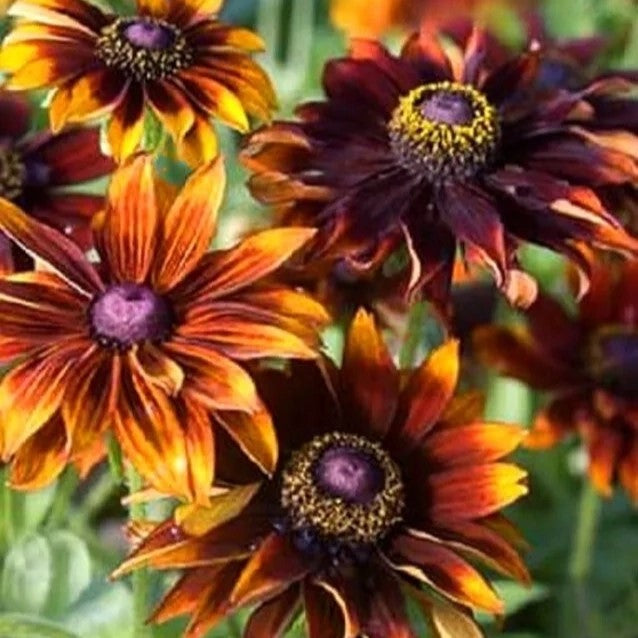
Rudbeckia 'Autumn Pine' Seeds (Rudbeckia hirta)
Bring warm autumn tones to your garden with Rudbeckia 'Autumn Pine'. This hardy annual produces daisy-like blooms in rich golden-yellow shades with dark contrasting centers, perfect for creating a glowing late-summer display.
What Makes It Special
-
Cheerful golden-yellow blooms with striking centers
-
Long-lasting flowers from summer to first frost
-
Hardy and low-maintenance—ideal for beginners
Key Features
-
Botanical name: Rudbeckia hirta
-
Annual (sometimes short-lived perennial)
-
Height: 50–70 cm
-
Spread: 30–40 cm
-
Flowering: July–October
Ideal For
-
Cottage gardens and borders
-
Pollinator-friendly planting
-
Cut flowers and late-season color
Sowing
-
Sow indoors: February–April at 18–21°C
-
Lightly cover seeds; germination in 14–21 days
-
Transplant seedlings outdoors after frost in a sunny spot
-
Direct sow outdoors: April–May
Showing 126/200


