
Sort by:
200 products
200 products

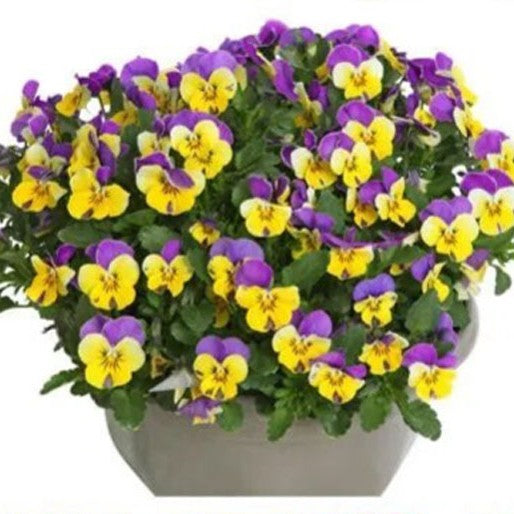

Horned Pansy 'John Jump Up' (Helen Mount) Seeds (Viola cornuta)
Bring charm and cheer to your garden with the classic Horned Pansy 'John Jump Up', also known as Helen Mount. This historic variety produces petite blooms with vibrant deep violet-purple petals, bright yellow centers, and soft lilac highlights. Perfect for naturalizing, borders, or cottage-style gardens, these hardy perennials bloom freely and reliably.
What Makes It Special
-
Distinctive tri-colored flowers with cheerful faces
-
Hardy, long-flowering perennial
-
Great for borders, containers, and ground cover
Key Features
-
Botanical name: Viola cornuta
-
Perennial (often grown as a biennial)
-
Height: 15–20 cm
-
Spread: 20–25 cm
-
Flowering: May–September
Ideal For
-
Borders, rock gardens, and cottage-style plantings
-
Naturalizing and long-lasting displays
-
Pollinator-friendly gardens
Sowing
-
Sow indoors: February–April, cover lightly with compost
-
Germination: 10–21 days at 15–20°C
-
Transplant outdoors: after last frost, 20 cm apart
-
Prefers sun to partial shade and moist, well-drained soil


🌿 Ipomoea pennata (syn. Quamoclit pennata) – Cypress Vine | Delicate Fern-Like Foliage with Starry Scarlet Flowers
Ipomoea pennata, commonly known as Cypress Vine or Quamoclit, is a fast-growing annual climbing plant admired for its fine, fern-like foliage and masses of small, star-shaped flowers, most often in vivid scarlet red. Blooming throughout summer, it creates a light, airy screen on trellises, fences, pergolas, and obelisks. Highly attractive to bees, butterflies, and hummingbirds, this elegant climber adds movement and colour to sunny gardens.
Key Features
● Fast-growing annual climber
● Delicate, feathery foliage with airy appearance
● Abundant star-shaped scarlet flowers
● Excellent for trellises, fences and pergolas
● Strong pollinator attraction
How to Sow & Grow Cypress Vine (UK)
Sow indoors: III–IV (March–April) in pots
Transplant outdoors: V–VI (May–June) once frost risk has passed
Direct outdoors: V–VI (May–June) into warm soil
Flowering: VII–IX (July–September)
Germination temperature: 18–24 °C (64–75 °F)
Average germ time: 7–14 days
Depth: 1 cm (½ in)
Light required: Yes
Moisture: Moderate; keep evenly moist
Environment: Full sun
Soil type: Well-drained, moderately fertile soil
Plant spacing: 20–30 cm (8–12 in)
Climbing height: 2–3 m (6.5–10 ft)
Sowing & Growing Tips (variety-specific)
● Soak seeds overnight before sowing to improve germination.
● Provide supports early — plants climb quickly.
● Thrives in warm, sheltered positions.
● Avoid overfeeding to prevent excess foliage.
● Ideal for creating light summer screens and vertical interest.
Special Features
● Graceful, fern-like foliage unlike typical morning glories
● Long flowering season with vibrant colour
● Perfect for vertical gardening in sunny locations

Sweet Pea ‘Bijou’ Dwarf Mix – Seeds (Lathyrus odoratus)
Sweet Pea ‘Bijou’ Dwarf Mix is a charming, compact annual ideal for small gardens, containers, and borders. It produces clusters of fragrant, vibrant blooms in a range of colors, including pink, purple, white, and crimson. Its dwarf habit makes it perfect for low trellises, obelisks, or window boxes, bringing scent and color to every corner of the garden.
Why Grow "Bijou Dwarf Mix"
-
Compact plants ideal for small spaces
-
Fragrant, colorful blooms in multiple shades
-
Long flowering season for continuous garden color
-
Perfect for borders, containers, and low supports
Key Features
-
Type: Annual climber (Lathyrus odoratus)
-
Height: 30–50 cm
-
Flowering: Summer
-
Position: Full sun
-
Uses: Borders, containers, trellises, window boxes, cut flowers
Ideal For
-
Small gardens and container planting
-
Low trellises, obelisks, and window boxes
-
Adding fragrance and color to summer displays
-
Gardeners seeking compact, easy-to-grow sweet peas
Sowing & Growing
-
Sow indoors: February–April
-
Sow outdoors: After last frost in well-drained soil
-
Germination: 10–20 days at 15–20°C
-
Space seedlings: 20–25 cm apart
-
Provide support for climbing
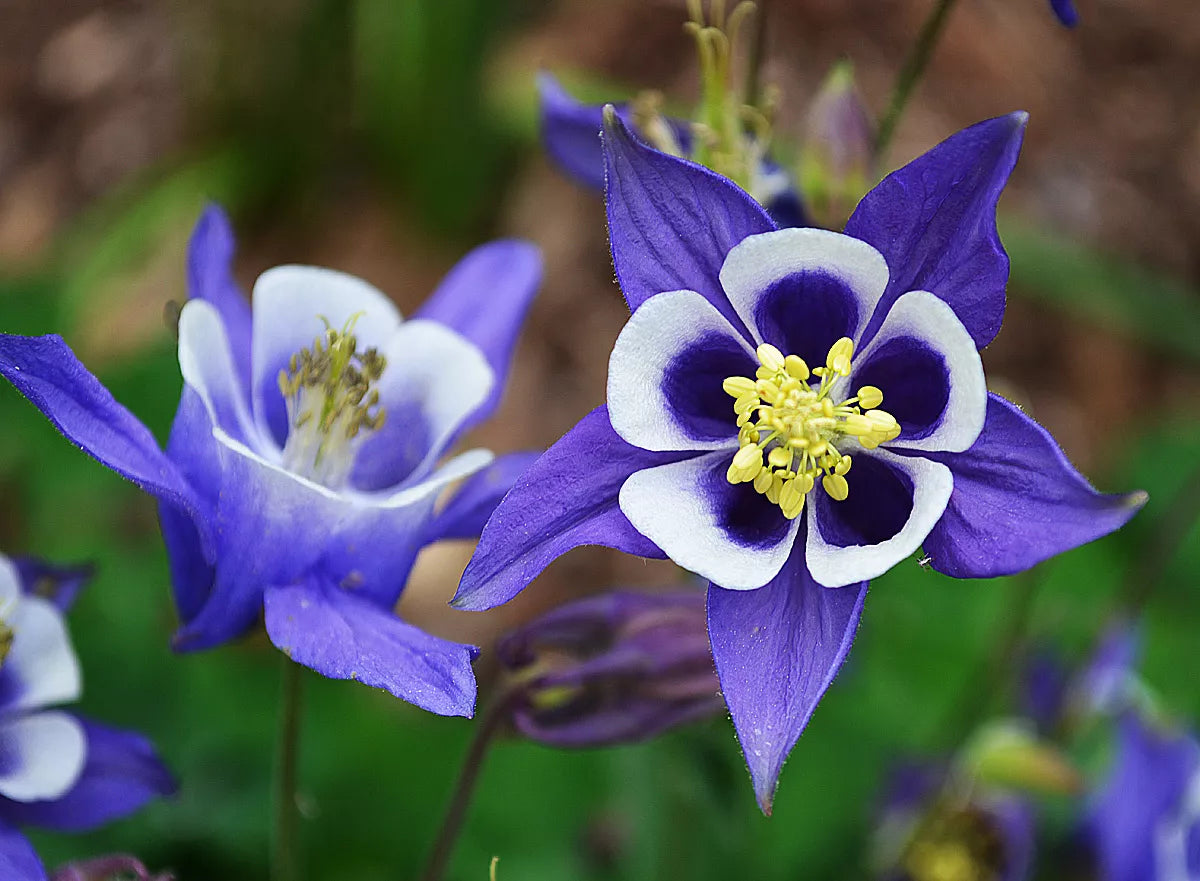

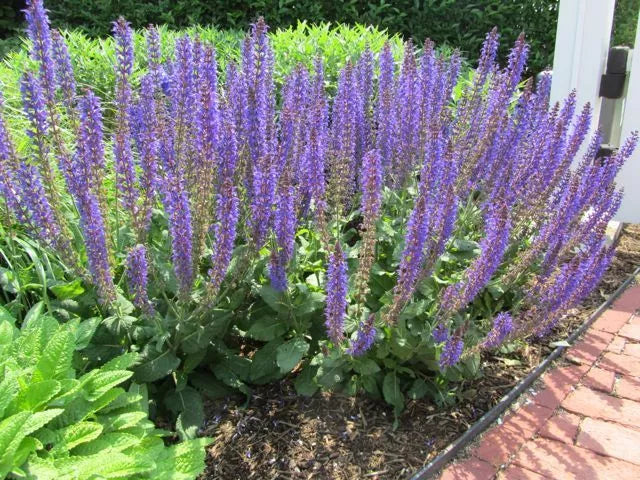
Rockery Garden Mixed Flower Seeds – 0.5 g
Bring charm and color to your rock garden with this delightful Rockery Garden Flower Mix. Specially selected compact, hardy flowers thrive in sunny, well-drained spots and fill rockeries, borders, and containers with continuous blooms all summer.
Why Grow "Rockery Garden Mix"
-
Low-growing, compact habit – perfect for rockeries
-
Vibrant color palette for a natural look
-
Drought-tolerant once established
-
Easy to grow and low-maintenance
Key Features
-
Type: Annual & perennial mix
-
Height: 15–30 cm
-
Flowering: June–September
-
Position: Full sun, well-drained soil
-
Uses: Rock gardens, borders, edging, containers
Ideal For
-
Rockeries & alpine gardens
-
Cottage-style plantings
-
Pollinator-friendly garden spots
-
Easy summer color with little effort
Sowing & Growing
-
Sow outdoors: April–May in prepared soil
-
Scatter thinly, cover lightly with soil
-
Germination: 14–21 days
-
Water lightly until established
-
Flowers from early summer onwards
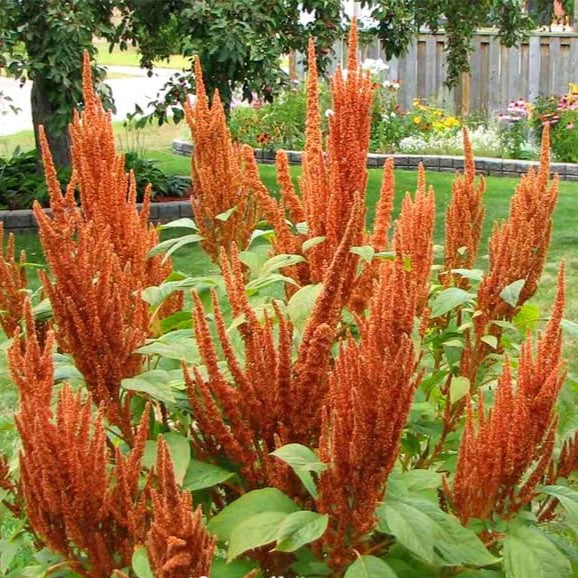
Amaranthus Brown ‘Hot Biscuits’ – Seeds
(Amaranthus cruentus)
Amaranthus Brown ‘Hot Biscuits’ is a striking annual featuring rich brown foliage and dramatic, upright flower spikes. Its bold color adds depth and contrast to borders, flower beds, and containers. Easy to grow and long-flowering, it attracts pollinators and makes a unique focal point in any garden.
Why Grow Amaranthus Brown ‘Hot Biscuits’?
-
Rich brown foliage and upright flower spikes
-
Bold, dramatic annual for color contrast
-
Long-flowering and easy to grow
-
Attracts bees and butterflies
Key Features
-
Type: Annual
-
Height: 90–120 cm
-
Flowers: Summer to autumn
-
Position: Full sun
-
Soil: Well-drained, fertile
Ideal For
-
Borders, containers, and flower beds
-
Pollinator-friendly gardens
-
Adding vertical color and contrast
-
Eye-catching garden focal points
Sowing & Growing
-
Sow indoors: February–April in seed trays
-
Sow outdoors: April–May in prepared soil
-
Germination: 7–14 days at 18–22°C
-
Spacing: 30–40 cm apart
-
Care: Moderate watering; remove weeds and deadhead if needed


|
🌼 Bidens aurea ‘Bur Marigold’ – Bright Yellow Annual for Borders and Wildlife Gardens Bidens aurea, commonly known as Bur Marigold, is a vigorous annual flowering plant producing masses of golden-yellow, daisy-like flowers with contrasting dark centres. Fast-growing and free-flowering, it blooms continuously from early summer into autumn, bringing bright colour to borders, wildflower plantings, naturalistic gardens and pollinator-friendly areas. Its open flowers are highly attractive to bees and beneficial insects, making it both decorative and ecologically valuable. Key Features ● Bright yellow daisy-like flowers with dark centres ● Free-flowering and fast-growing habit ● Long blooming season through summer ● Excellent pollinator and wildlife plant ● Ideal for borders, wildflower mixes and natural planting How to Sow & Grow Bur Marigold (UK) Sow indoors: III–IV (March–April) Transplant outdoors: V–VI (May–June) after last frost Direct outdoors: IV–V (April–May) Flowering: VI–IX (June–September) Life cycle: Annual Germination temperature: 16–22 °C (61–72 °F) Average germ time: 7–14 days Depth: Surface sow – do not cover; press gently into soil (light required) Light required: Yes Moisture: Moderate Environment: Full sun (tolerates light shade) Soil type: Well-drained soil; tolerates poor soils Plant spacing: 25–30 cm (10–12 in) Height: 60–90 cm (24–35 in) Sowing & Growing Tips (variety-specific) ● Prefers sunny, open positions for best flowering. ● Tolerates heat and short dry periods once established. ● Deadhead spent flowers to encourage continued bloom. ● Suitable for low-maintenance and wildlife-friendly gardens. ● May self-seed lightly in favourable conditions. Special Features ● Cheerful, bright summer flowers ● Highly attractive to pollinators ● Easy annual with natural garden appeal |

Verbena Mammoth Mix Seeds (Verbena hybrida)
Verbena Mammoth Mix is a vigorous, long-flowering annual producing large clusters of vibrant blooms in red, pink, purple, and white. Its sprawling, bushy habit makes it perfect for garden borders, containers, and hanging baskets. Loved for its showy flowers and extended blooming season, it brightens any summer garden.
What Makes It Special
-
Large, vibrant flower clusters in red, pink, purple, and white
-
Vigorous, spreading growth ideal for borders, containers, and hanging baskets
-
Long-flowering and low-maintenance
-
Attracts pollinators such as bees and butterflies
Key Features
-
Botanical name: Verbena hybrida
-
Variety: Mammoth Mix
-
Seed count: Approx. seeds per pack
-
Height/Spread: 25–35 cm tall, 40–50 cm spread
-
Position: Full sun; fertile, well-drained soil
-
Flowering period: June–September
Ideal For
-
Borders and garden beds
-
Containers, hanging baskets, and patios
-
Pollinator-friendly gardens
-
Adding vibrant summer color to mixed plantings
Sowing Instructions
-
When to sow: February–April indoors; March–May outdoors
-
How to sow:
-
Sow seeds thinly on the surface of moist seed compost and press lightly; do not cover
-
Germination occurs in 10–14 days at 18–22°C
-
-
Transplanting: Plant seedlings outdoors 25–30 cm apart after frost
-
Care: Water moderately; remove faded flowers to encourage continuous blooming

Sweet William 'Super Duplex' mix - 1000 seeds (Dianthus barbatus Mix Double)
£1.24
Unit price perSweet William 'Super Duplex' mix - 1000 seeds (Dianthus barbatus Mix Double)
£1.24
Unit price perSweet William 'Super Duplex' Mix Seeds (Dianthus barbatus Mix Double)
Sweet William 'Super Duplex' is a biennial flower prized for its lush, double-layered blooms in a mix of vibrant colors. Its dense flower clusters and upright growth make it perfect for borders, cottage gardens, and cut flower arrangements, adding a bold and elegant splash of color.
What Makes It Special
-
Produces dense, double-layered flower clusters
-
Vibrant mix of colors for eye-catching displays
-
Compact, upright growth ideal for borders and mixed beds
-
Excellent for cut flowers with long-lasting blooms
Key Features
-
Botanical name: Dianthus barbatus
-
Common name: Sweet William 'Super Duplex'
-
Seed count: Approx. seeds per pack
-
Height/Spread: 30–50 cm tall, 20–30 cm spread
-
Position: Full sun to partial shade, well-drained soil
-
Flowering period: Second year; late spring to early summer
-
Lifespan: Biennial
Ideal For
-
Borders, cottage gardens, and mixed flower beds
-
Cut flower arrangements
-
Pollinator-friendly gardens
-
Containers and patio planting
Sowing Instructions
-
When to sow:
-
Indoors: February–April for transplanting
-
Outdoors: April–May in well-prepared soil
-
-
How to sow:
-
Sow seeds thinly on the surface and press lightly into soil
-
Keep soil moist until germination (10–20 days)
-
-
Transplant/Thin: Space seedlings 20–30 cm apart
-
Care: Protect young plants from frost; deadhead spent flowers to prolong bloom
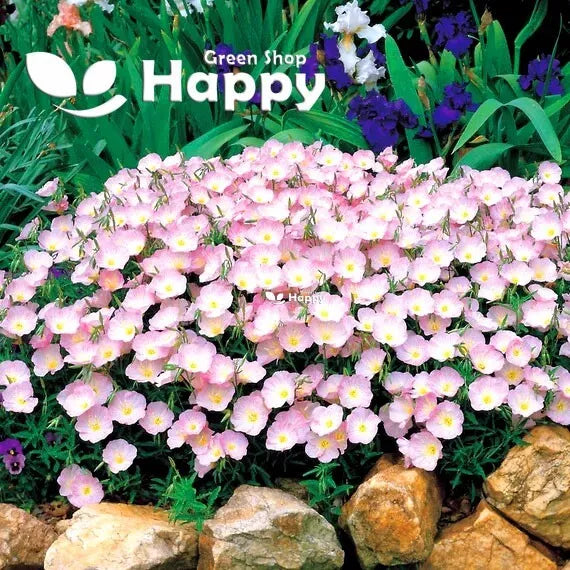
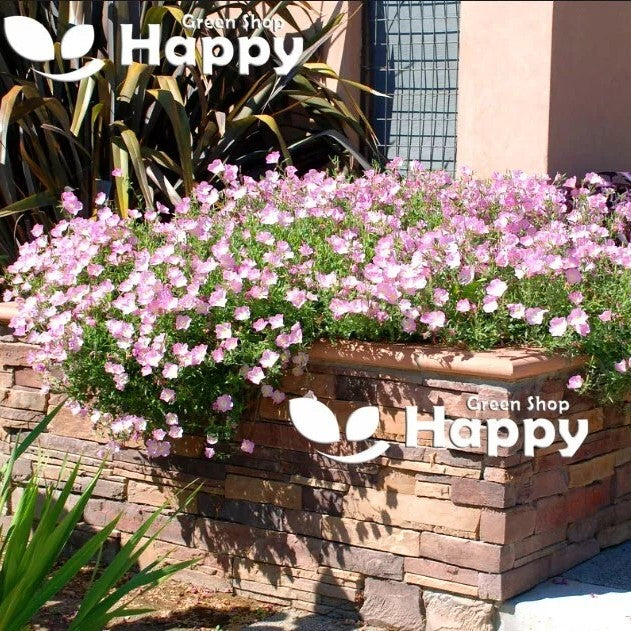
Primrose Flower "Showy Evening" - Silky Orchid Pink - 1000 seeds (Oenothera speciosa)
£1.24
Unit price perPrimrose Flower "Showy Evening" - Silky Orchid Pink - 1000 seeds (Oenothera speciosa)
£1.24
Unit price perPrimrose Flower ‘Showy Evening’ – Silky Orchid Pink – Seeds (Oenothera speciosa)
Primrose Flower ‘Showy Evening’ (Oenothera speciosa) is a charming perennial featuring silky orchid-pink flowers with a delicate, evening-blooming fragrance. Blooming from late spring to early summer, it forms a low-growing carpet of blooms perfect for borders, rockeries, and cottage gardens. Hardy, low-maintenance, and drought-tolerant, this primrose attracts pollinators and adds soft, romantic color to your garden.
Why Grow "Showy Evening"
-
Silky orchid-pink flowers with evening fragrance
-
Long flowering season from late spring to early summer
-
Hardy, low-maintenance, and drought-tolerant perennial
-
Pollinator-friendly and ideal for ground cover
Key Features
-
Type: Perennial (Oenothera speciosa)
-
Height: 20–30 cm
-
Flowering: Late spring to early summer
-
Position: Full sun to partial shade
-
Uses: Borders, rockeries, cottage gardens, ground cover, pollinator-friendly gardens
Ideal For
-
Ground cover and low-growing flower beds
-
Cottage and rock gardens
-
Pollinator-friendly planting schemes
-
Adding soft, romantic color to borders and edges
Sowing & Growing
-
Sow indoors: February–April in trays or pots
-
Sow outdoors: April–May after frost
-
Germination: 10–20 days at 18–22°C
-
Thin seedlings 25–30 cm apart
-
Prefers well-drained soil in full sun to partial shade
-
Water moderately until established
Showing 144/200


