
Sort by:
200 products
200 products
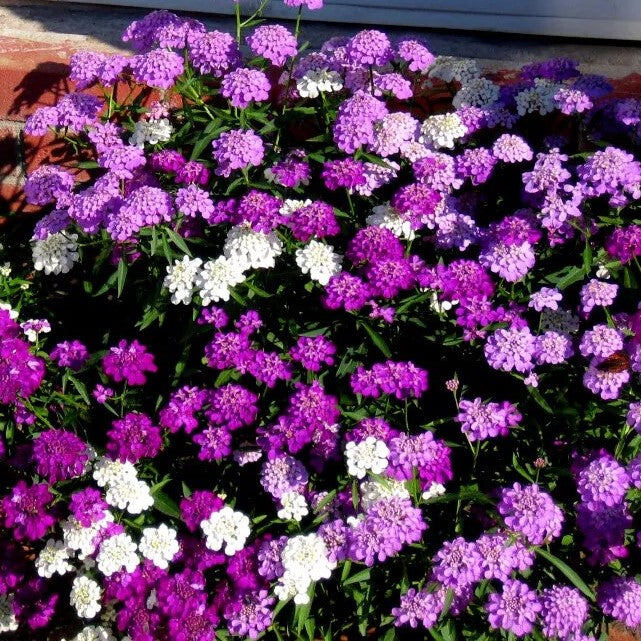
Candytuft ‘Fairy Mix’ Seeds (Iberis umbellata)
Candytuft ‘Fairy Mix’ is a charming annual featuring clusters of small, delicate flowers in shades of white, pink, and purple. Its compact, bushy habit makes it perfect for borders, rock gardens, and containers. Easy to grow and long-flowering, it adds a soft, colorful touch to summer gardens and attracts pollinators.
What Makes It Special
-
Clusters of small, delicate flowers in white, pink, and purple
-
Compact, bushy growth ideal for borders and containers
-
Long-flowering and low-maintenance
-
Attracts bees and butterflies
Key Features
-
Botanical name: Iberis umbellata
-
Variety: ‘Fairy Mix’
-
Seed count: Approx. seeds per pack
-
Height/Spread: 20–30 cm tall, 20–25 cm spread
-
Position: Full sun; well-drained soil
-
Flowering period: May–July
Ideal For
-
Borders, edging, and rock gardens
-
Containers and patio displays
-
Pollinator-friendly gardens
-
Softening paths and garden edges
Sowing Instructions
-
When to sow: February–April indoors; March–May outdoors
-
How to sow:
-
Sow seeds thinly on the surface of moist seed compost and press lightly
-
Germination occurs in 10–14 days at 18–20°C
-
-
Transplanting: Thin or transplant seedlings 15–20 cm apart
-
Care: Water moderately; deadhead spent flowers to prolong blooming
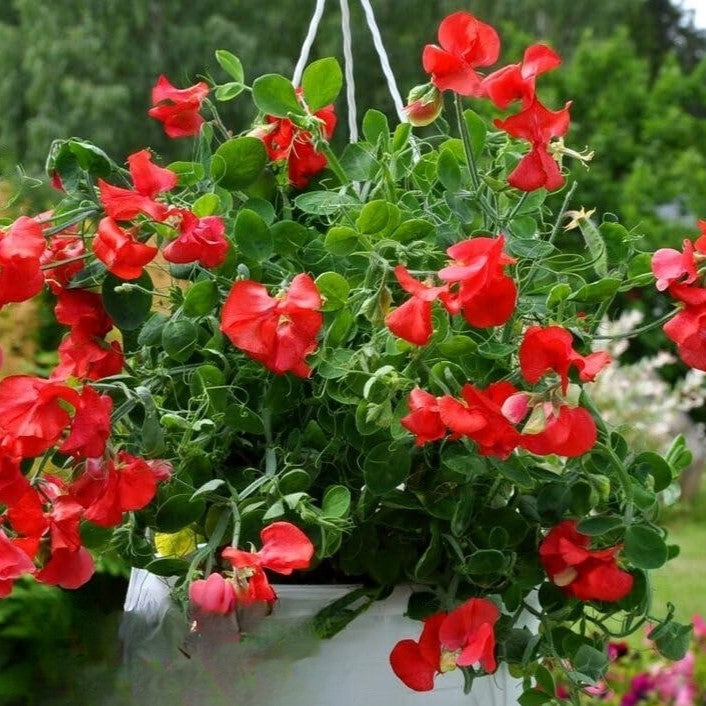
Sweet Pea Dwarf Scarlet – Seeds (Lathyrus odoratus)
The Sweet Pea Dwarf Scarlet is a compact variety with brilliant scarlet-red flowers that bring vibrant color and charm to the garden. Unlike climbing types, it has a bushy, self-supporting habit, making it perfect for borders, pots, and window boxes. Bright, bold, and easy to grow.
Why Grow Dwarf Scarlet?
-
Compact, bushy habit – no support needed
-
Striking scarlet-red blooms
-
Ideal for small spaces and containers
-
Long flowering season
Key Features
-
Type: Hardy annual (dwarf variety)
-
Height: 20–30 cm
-
Flowering: June–September
-
Position: Full sun, well-drained soil
-
Uses: Borders, edging, pots, window boxes
Ideal For
-
Bright container displays
-
Small gardens and patios
-
Adding bold color without trellises
Sowing & Growing
-
Sow indoors: January–April in pots/trays
-
Sow outdoors: March–May directly in soil
-
Germination: 10–20 days at 15–20°C
-
Space plants 20 cm apart
-
Pinch out tips for bushier growth
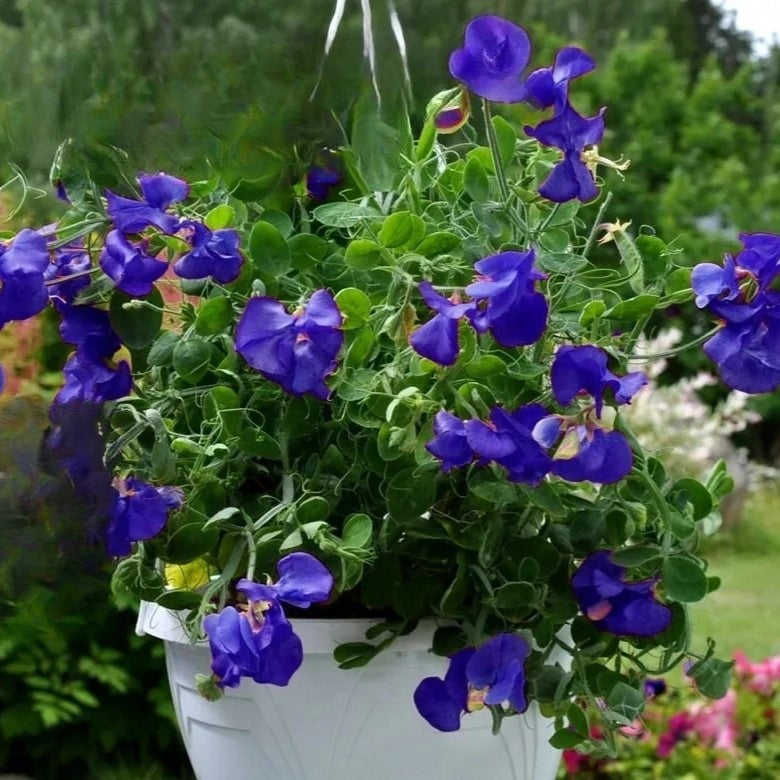
Sweet Pea Dwarf – Navy Blue Seeds (Lathyrus odoratus)
The Dwarf Sweet Pea ‘Navy Blue’ (Lathyrus odoratus) is a compact variety with rich, deep navy-blue blooms and a delightful fragrance. Unlike climbing sweet peas, this dwarf form grows in neat, bushy clumps, making it ideal for containers, borders, and small gardens. It produces masses of flowers throughout summer, perfect for cutting or simply enjoying in the garden.
What Makes It Special
-
Compact, non-climbing habit – no support needed
-
Striking deep navy-blue flowers with a sweet scent
-
Long-lasting blooms for borders, pots, and cut flowers
Key Features
-
Botanical name: Lathyrus odoratus
-
Type: Hardy annual
-
Height: 25–30 cm
-
Spread: 20–25 cm
-
Flowering: June–September
Ideal For
-
Pots, containers, and small spaces
-
Bedding and border displays
-
Fragrant cut flowers
Sowing
-
Sow indoors: January–March in pots, 1 cm deep
-
Harden off and transplant after last frost
-
Sow outdoors: April–May directly where they are to flower
-
Prefers full sun and fertile, well-drained soil
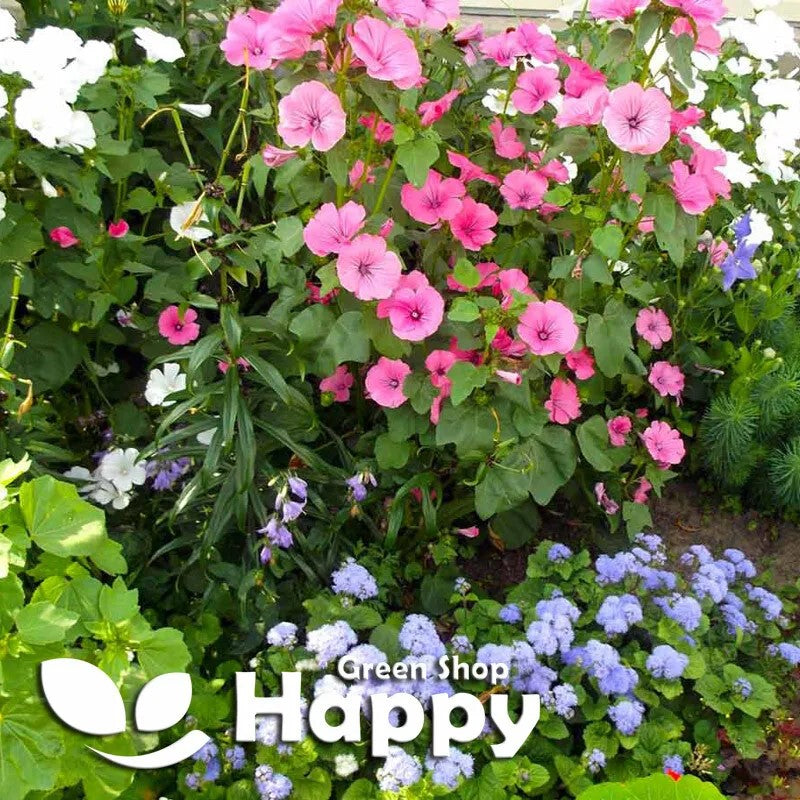
Rose Mallow Mix Seeds (Lavatera trimestris)
Rose Mallow Mix is an easy-to-grow annual producing large, showy, hibiscus-like flowers in shades of pink, rose, and white. Its upright, bushy habit makes it perfect for garden beds, borders, and cottage gardens. Loved for its long flowering season and ability to attract pollinators, it adds a splash of color and elegance to any garden.
What Makes It Special
-
Large, hibiscus-like blooms in a mix of pink, rose, and white
-
Long-flowering, adding color from summer to autumn
-
Compact, bushy growth habit suitable for mixed plantings
-
Attracts bees, butterflies, and other pollinators
Key Features
-
Botanical name: Lavatera trimestris
-
Variety: Mix
-
Seed count: Approx. seeds per pack
-
Height/Spread: 60–100 cm tall, 30–50 cm spread
-
Position: Full sun; fertile, well-drained soil
-
Flowering period: June–October
Ideal For
-
Borders and cottage garden beds
-
Containers and patio displays
-
Pollinator-friendly gardens
-
Cutting gardens for fresh floral arrangements
Sowing Instructions
-
When to sow: March–May indoors; April–June outdoors
-
How to sow:
-
Sow seeds 0.5–1 cm deep in seed trays or pots
-
Germination occurs in 10–14 days at 18–22°C
-
-
Transplanting: Plant seedlings outdoors 30–50 cm apart after frost risk has passed
-
Care: Water moderately; deadhead regularly to prolong flowering
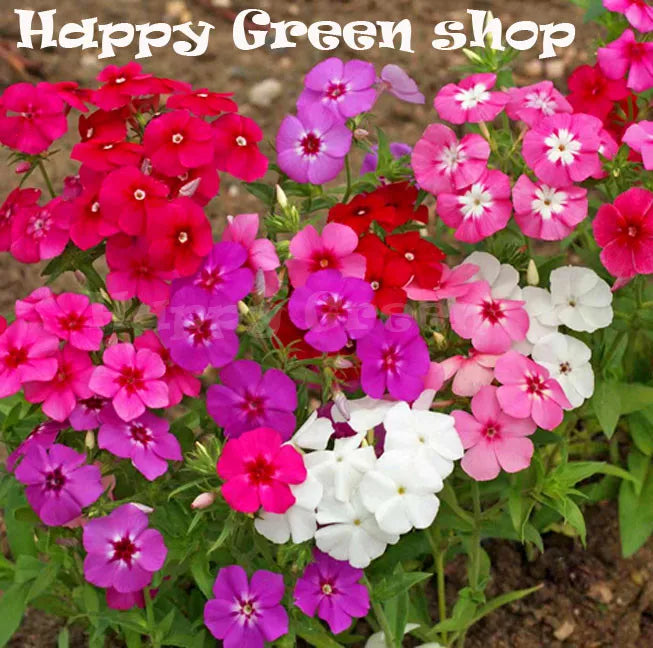

Phlox Cecily Mixed – 300 Seeds (Phlox drummondii nana compacta)
Phlox Cecily Mixed (Phlox drummondii nana compacta) is a compact, low-growing annual that produces vibrant, colorful blooms in a mix of shades. Perfect for borders, rockeries, and containers, it brings a cheerful, long-lasting display from late spring to autumn. Easy to grow and quick to flower, it’s ideal for brightening small garden spaces.
Why Grow "Phlox Cecily Mixed"
-
Compact, dwarf habit ideal for small spaces
-
Vibrant blooms in a variety of colors
-
Long flowering season from late spring to autumn
-
Easy to grow and low-maintenance
Key Features
-
Type: Annual (Phlox drummondii nana compacta)
-
Height: 15–25 cm
-
Flowering: May–October
-
Position: Full sun
-
Uses: Borders, rockeries, containers, cottage gardens
Ideal For
-
Brightening borders and rockeries
-
Container and patio planting
-
Pollinator-friendly garden spaces
-
Small-scale garden beds
Sowing & Growing
-
Sow indoors: February–April in seed trays
-
Sow outdoors: April–May after frost
-
Germination: 7–14 days at 18–22°C
-
Thin seedlings to 15–20 cm apart
-
Prefers full sun and well-drained soil
-
Deadhead to encourage prolonged flowering
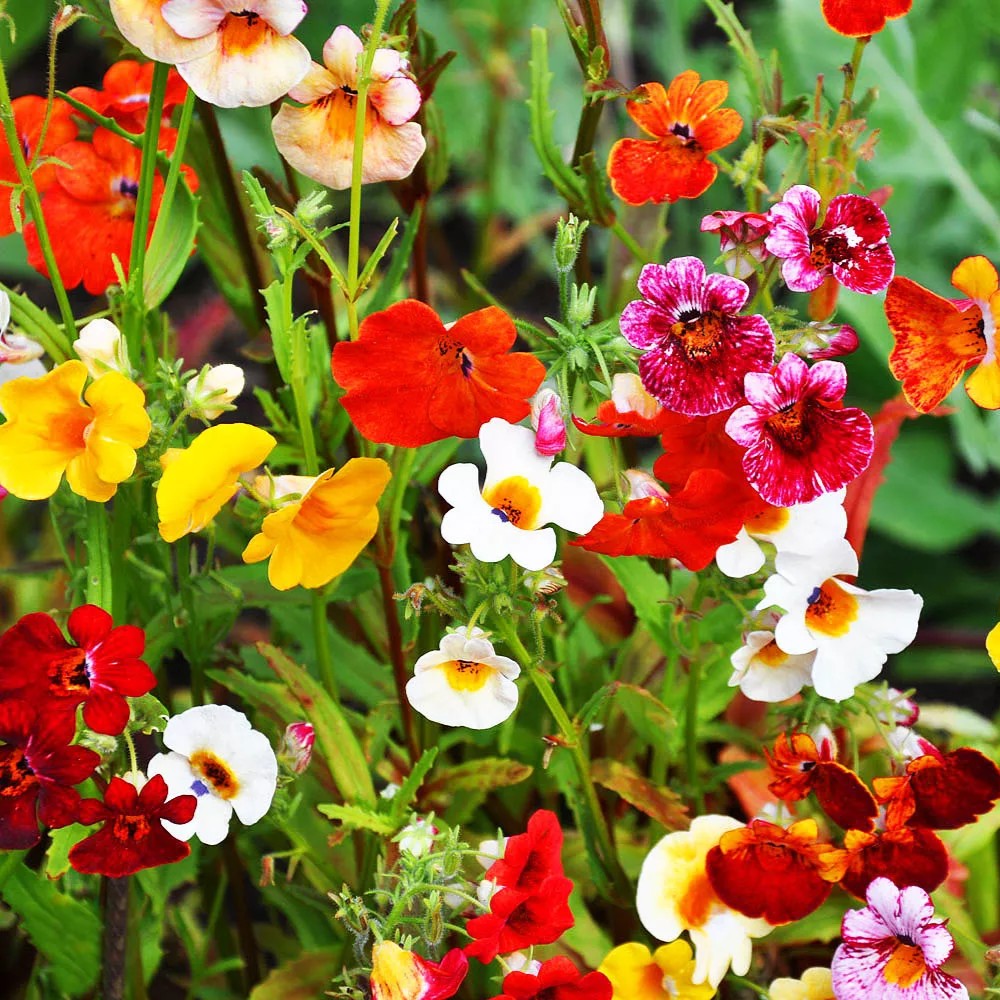
Nemesia 'Sundrops' Mixed – 1100 Seeds (Nemesia strumosa)
A delightful compact annual, Nemesia 'Sundrops' produces masses of small, cheerful blooms in a bright and varied color mix. With their neat growth habit and long flowering season, these dainty plants are perfect for borders, edging, containers, and window boxes.
Highlights
-
Vibrant mix of bright colors
-
Compact, bushy annual with masses of blooms
-
Long-lasting flowers from summer to autumn
-
Easy to grow and low-maintenance
-
Ideal for containers, beds, and edging
Key Features
-
Botanical Name: Nemesia strumosa
-
Variety: 'Sundrops' Mix
-
Seed Count: 1100 seeds
-
Height/Spread: 20–25 cm tall
-
Position: Full sun, well-drained soil
-
Flowering Period: Summer to early autumn
Perfect For
-
Bedding displays and cottage gardens
-
Brightening containers, pots, and hanging baskets
-
Low borders and pathways
-
Continuous summer color
Sowing Instructions
-
Sow indoors Feb–April at 15–20°C
-
Surface sow seeds, press lightly, do not cover (light aids germination)
-
Germination: 7–14 days
-
Transplant seedlings when large enough, spacing 15–20 cm apart
-
Harden off before planting outdoors after the last frost

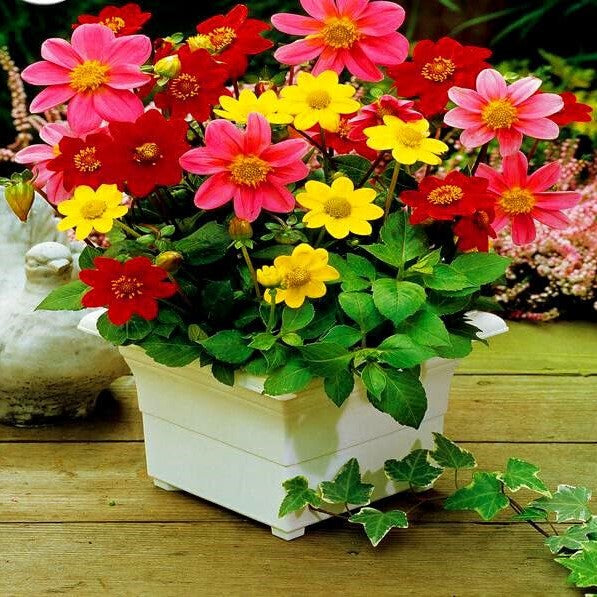
Dahlia 'Piccolo Single Mignon' – Seeds
(Dahlia variabilis)
Dahlia 'Piccolo Single Mignon' is a charming dwarf variety that produces masses of single flowers in a wide range of bright colors. With compact, bushy plants and a long flowering period, this variety is perfect for borders, pots, and containers. The cheerful blooms attract bees and butterflies, making it a pollinator-friendly choice for any summer garden.
Key Features
-
Type: Half-hardy annual (grown from seed)
-
Height: 30–40 cm
-
Spread: 25–30 cm
-
Flowering: July–October
-
Position: Full sun
-
Soil: Fertile, well-drained
Ideal For
-
Bedding displays
-
Pots & containers
-
Borders & edging
-
Pollinator-friendly gardens
Sowing & Growing
-
Sow indoors: February–April at 18–22°C
-
Germination: 7–14 days
-
Transplant seedlings after frost, spacing 25–30 cm
-
Regular deadheading encourages continuous blooms
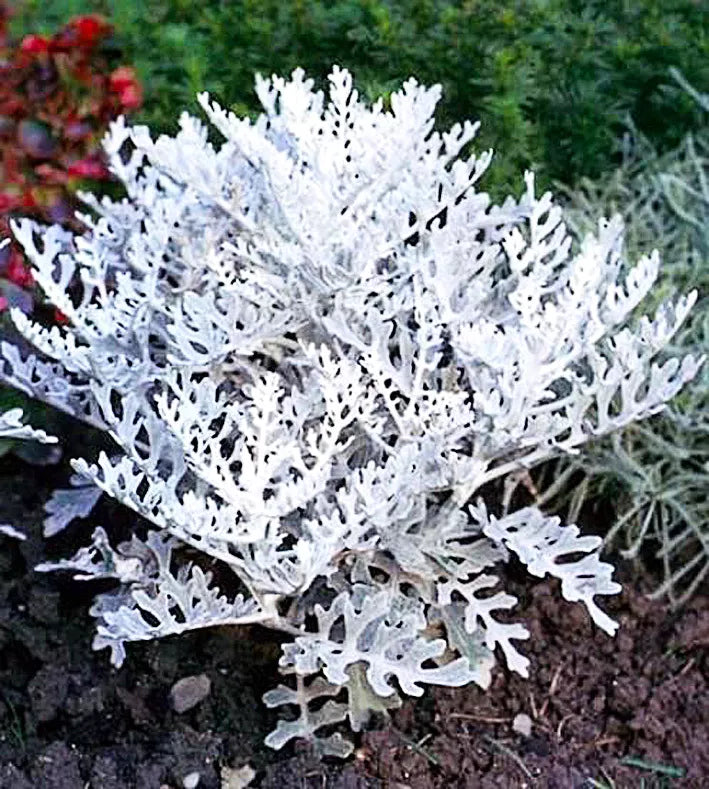
Silver Dust / Dusty Miller Seeds (Cineraria maritima candicans)
Silver Dust, also known as Dusty Miller, is a striking foliage plant prized for its silvery, velvety leaves and compact, mounding habit. It adds contrast and texture to borders, containers, and mixed plantings. Its soft silver foliage complements vibrant flowers beautifully and remains attractive throughout the growing season.
What Makes It Special
-
Elegant silvery foliage that brightens garden beds
-
Low-maintenance and drought-tolerant once established
-
Perfect for contrast planting in borders and containers
-
Compact, mounding growth habit
Key Features
-
Botanical name: Cineraria maritima candicans
-
Common name: Silver Dust / Dusty Miller
-
Seed count: Approx. seeds per pack
-
Height/Spread: 20–30 cm tall, 25–35 cm spread
-
Position: Full sun to partial shade; well-drained soil
-
Flowering period: Mainly foliage interest; flowers occasionally in summer (small yellow blooms)
Ideal For
-
Borders and edging for contrast with colorful flowers
-
Containers, window boxes, and mixed plantings
-
Rock gardens and patio displays
-
Low-maintenance decorative foliage
Sowing Instructions
-
When to sow: February–April indoors
-
How to sow:
-
Sow seeds thinly on the surface of moist seed compost and press gently (do not cover)
-
Keep at 18–20°C; germination takes 10–20 days
-
-
Transplanting: When seedlings have 2–3 true leaves, transplant into individual pots
-
Care: Plant out after frost; water moderately, avoid waterlogging
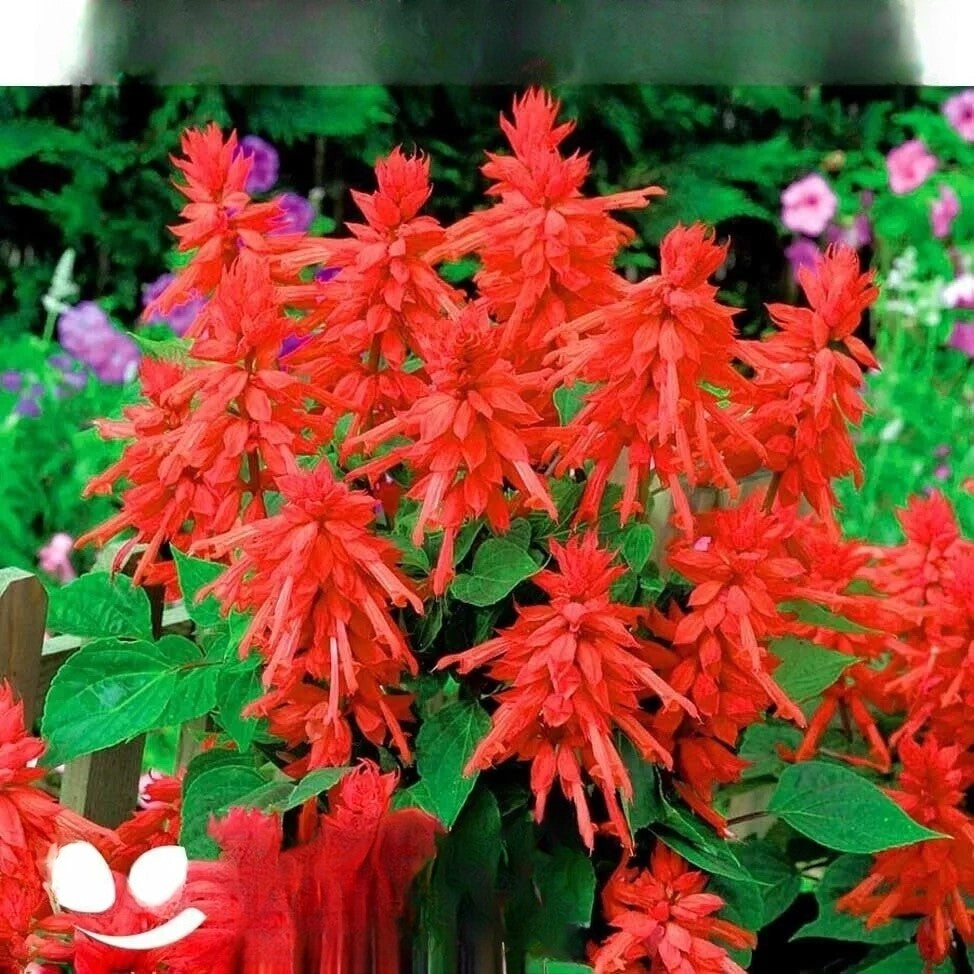
Sage ‘Tango Red’ – Seeds (Salvia splendens)
Sage ‘Tango Red’ (Salvia splendens) is a striking annual that produces dense spikes of vivid scarlet-red flowers from summer until the first frost. With its compact, bushy habit, it’s perfect for borders, bedding schemes, containers, and mass plantings where vibrant, long-lasting color is desired. Easy to grow and low-maintenance, this variety also attracts bees, butterflies, and hummingbirds, making it both ornamental and wildlife-friendly.
Why Grow "Tango Red"
-
Bright scarlet-red flower spikes all summer long
-
Compact and bushy habit for neat displays
-
Attracts bees, butterflies, and hummingbirds
-
Long-flowering, easy-to-grow annual
Key Features
-
Type: Annual (Salvia splendens)
-
Height: 25–40 cm
-
Flowering: Summer to first frost
-
Position: Full sun
-
Uses: Borders, bedding, mass plantings, containers, pollinator gardens
Ideal For
-
Adding vibrant red color to borders and beds
-
Bedding displays and formal garden designs
-
Patio and balcony containers
-
Pollinator-friendly planting
Sowing & Growing
-
Sow indoors: February–April in trays or pots
-
Germination: 14–21 days at 18–22°C
-
Transplant outdoors after last frost
-
Space seedlings: 20–25 cm apart
-
Prefers fertile, well-drained soil in full sun
Showing 180/200


