
Sort by:
200 products
200 products
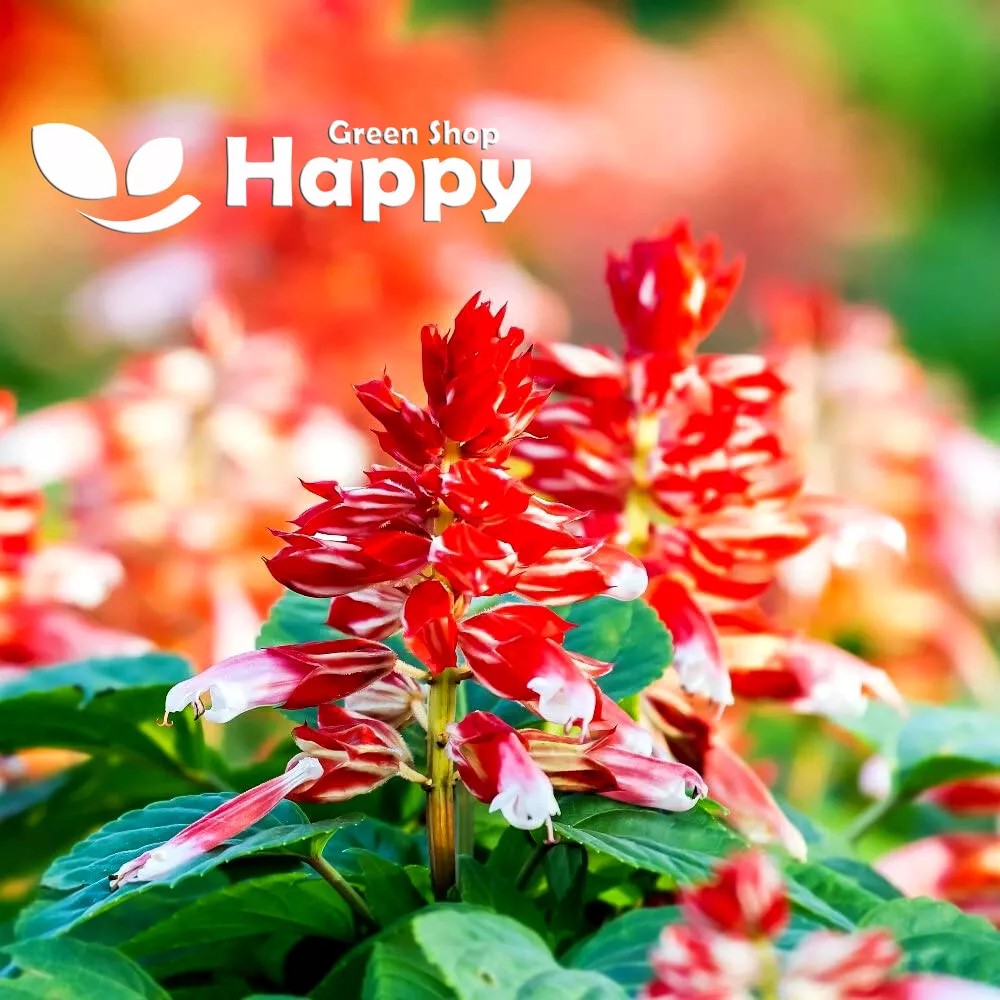
Sage Red-Orange – Seeds (Salvia splendens)
Sage Red-Orange (Salvia splendens) is a vibrant annual producing striking red-orange spikes of tubular flowers. Blooming from summer to autumn, this heat-tolerant plant adds bold color and vertical interest to borders, containers, and cottage-style gardens. Easy to grow and low-maintenance, it attracts hummingbirds, bees, and butterflies, making it perfect for pollinator-friendly planting and long-lasting summer displays.
Why Grow "Red-Orange Sage"
-
Bold red-orange flower spikes
-
Long flowering season from summer to autumn
-
Easy-to-grow, low-maintenance annual
-
Pollinator-friendly and visually striking
Key Features
-
Type: Annual (Salvia splendens)
-
Height: 40–60 cm
-
Flowering: Summer to autumn
-
Position: Full sun
-
Uses: Borders, containers, cottage gardens, pollinator-friendly beds
Ideal For
-
Adding vertical color to borders and mixed beds
-
Cottage and container gardens
-
Pollinator-friendly garden schemes
-
Summer and autumn garden displays
Sowing & Growing
-
Sow indoors: February–April in trays or pots
-
Sow outdoors: April–May after frost
-
Germination: 10–14 days at 18–22°C
-
Thin seedlings 25–30 cm apart
-
Prefers well-drained soil in full sun
-
Water moderately until established
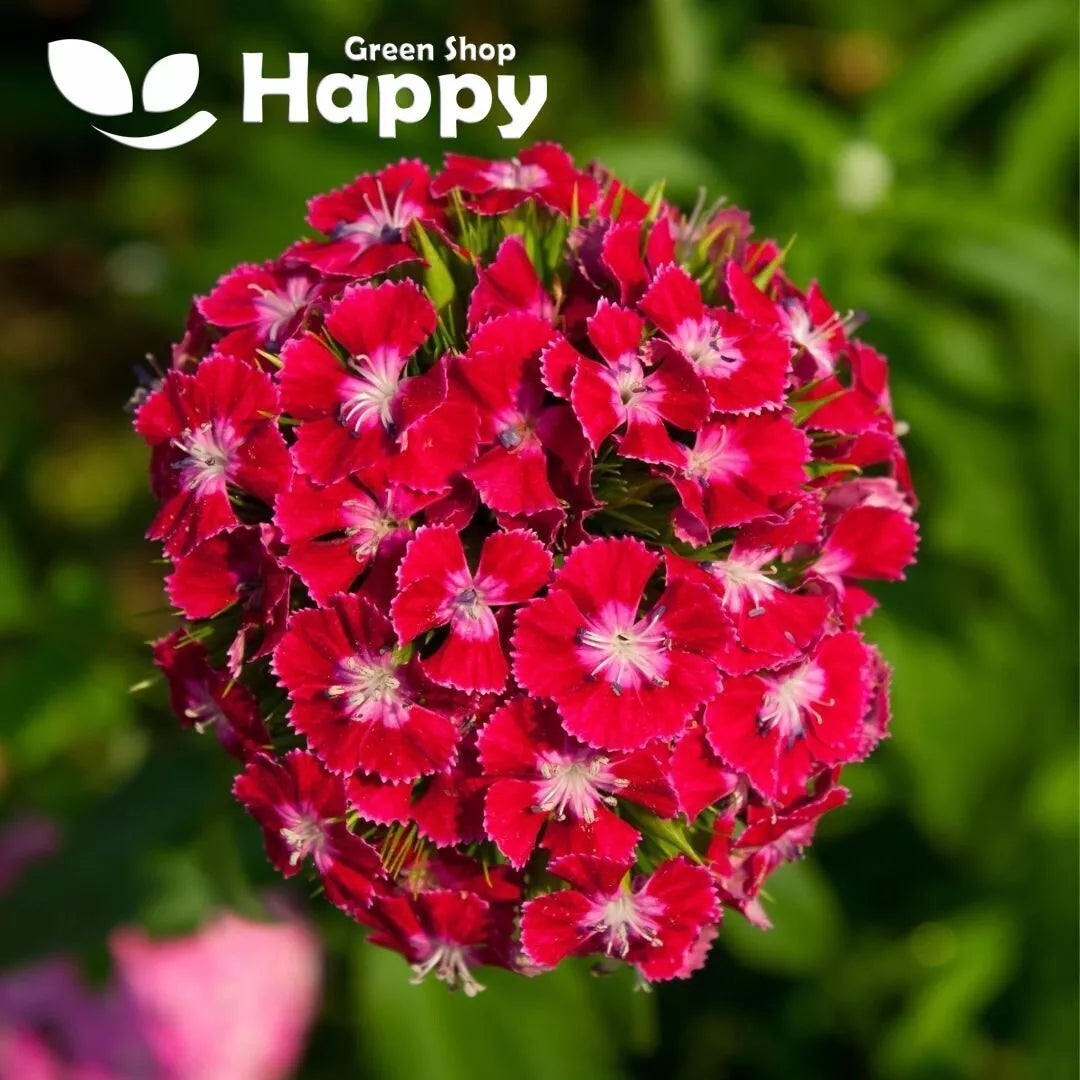
Sweet William Scarlet Seeds (Dianthus barbatus Red)
Sweet William Scarlet is a vibrant biennial flower renowned for its rich, scarlet-red flower clusters. With upright growth and densely packed blooms, it is perfect for borders, cottage gardens, and cut flower arrangements. This hardy biennial adds striking color and charm to any garden space.
What Makes It Special
-
Produces vivid scarlet-red flower clusters
-
Compact, upright growth ideal for borders and mixed beds
-
Excellent for cut flowers with long-lasting blooms
-
Biennial: reliable flowering in the second year
Key Features
-
Botanical name: Dianthus barbatus
-
Common name: Sweet William Scarlet
-
Seed count: Approx. seeds per pack
-
Height/Spread: 30–50 cm tall, 20–30 cm spread
-
Position: Full sun to partial shade, well-drained soil
-
Flowering period: Second year; late spring to early summer
-
Lifespan: Biennial
Ideal For
-
Borders, cottage-style gardens, and mixed flower beds
-
Cut flower arrangements
-
Pollinator-friendly gardens
-
Containers and patio planting
Sowing Instructions
-
When to sow:
-
Indoors: February–April for transplanting
-
Outdoors: April–May in well-prepared soil
-
-
How to sow:
-
Sow seeds thinly on the surface and press lightly into soil
-
Keep soil moist until germination (10–20 days)
-
-
Transplant/Thin: Space seedlings 20–30 cm apart
-
Care: Protect young plants from frost; deadhead spent flowers to prolong bloom
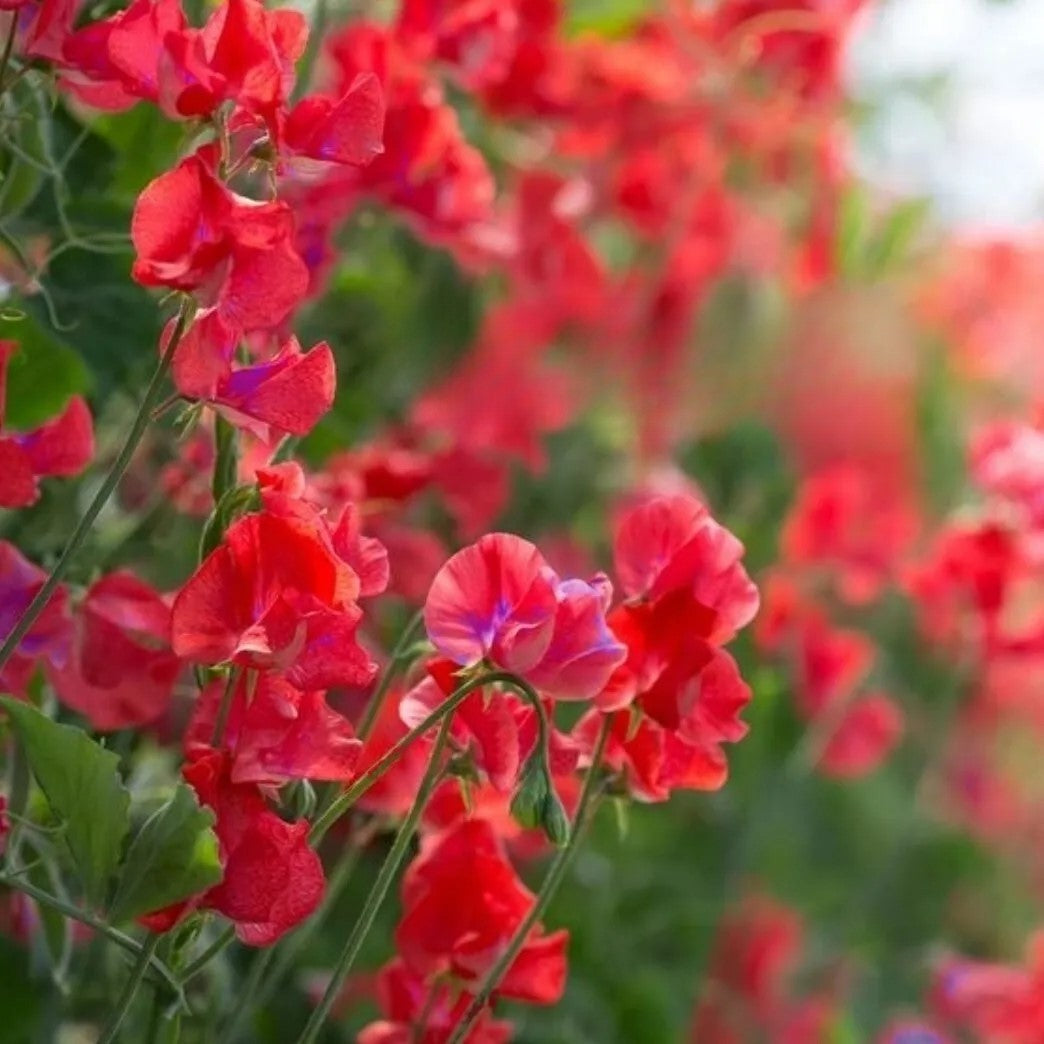
Sweet Pea "Philip Miller Red" Seeds (Lathyrus odoratus)
Bring a touch of timeless elegance to your garden with Sweet Pea "Philip Miller Red". This classic variety is celebrated for its large, vibrant crimson-red flowers and strong fragrance. A vigorous climber, it creates a stunning display on trellises, arches, or fences and produces long stems perfect for cutting.
Why Grow "Philip Miller Red"
-
Striking deep crimson-red blooms
-
Strong, sweet fragrance
-
Excellent cut flower variety
-
Traditional heritage sweet pea
Key Features
-
Type: Hardy annual
-
Height: 180–240 cm (climber)
-
Flowering: June–September
-
Position: Full sun
-
Uses: Trellises, fences, arches, cut flowers
Sowing & Growing
-
Sow indoors: January–April in pots/trays
-
Sow outdoors: April–May directly in soil
-
Germination: 10–20 days at 15–20°C
-
Plant out after last frost, spacing 20–30 cm
-
Provide climbing support
-
Regular deadheading encourages more blooms
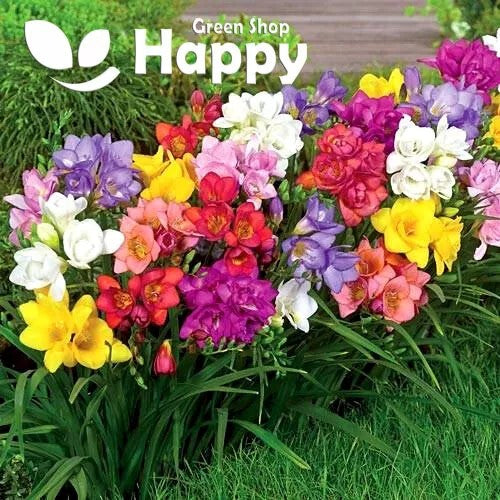
Freesia 'Royal Champion' Mix – Seeds
(Freesia hybrida)
Freesia 'Royal Champion' Mix is a fragrant, colorful perennial bulb that produces elegant, funnel-shaped blooms in a variety of bright shades. Its sweet scent and long-lasting flowers make it perfect for borders, rockeries, and cutting gardens. Compact and easy to grow, this variety adds charm and fragrance to any garden or floral display.
Key Features
-
Type: Perennial bulb
-
Height: 25–35 cm
-
Flowering: Spring to early summer
-
Position: Full sun to partial shade
-
Soil: Well-drained, fertile soil
Ideal For
-
Borders and edging
-
Rockeries and container planting
-
Cut flower arrangements
-
Fragrant gardens
Sowing & Growing
-
Sow indoors: February–April
-
Plant bulbs outdoors: After last frost
-
Germination: 14–21 days
-
Space 5–10 cm apart
-
Water moderately; avoid waterlogging
-
Deadhead spent flowers to prolong blooming
Nemophila ‘Five Spot’ – Seeds (Nemophila maculata)
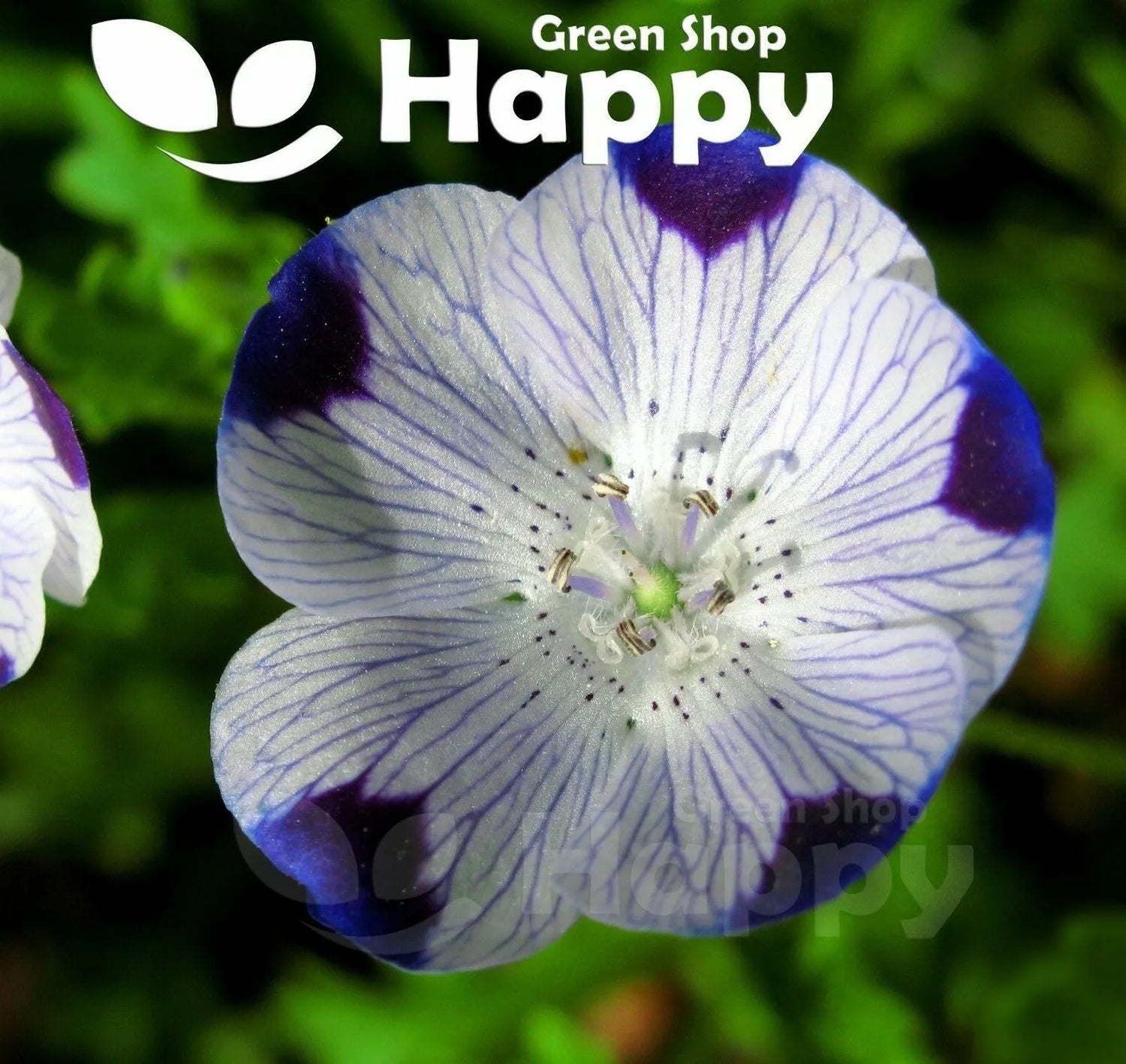
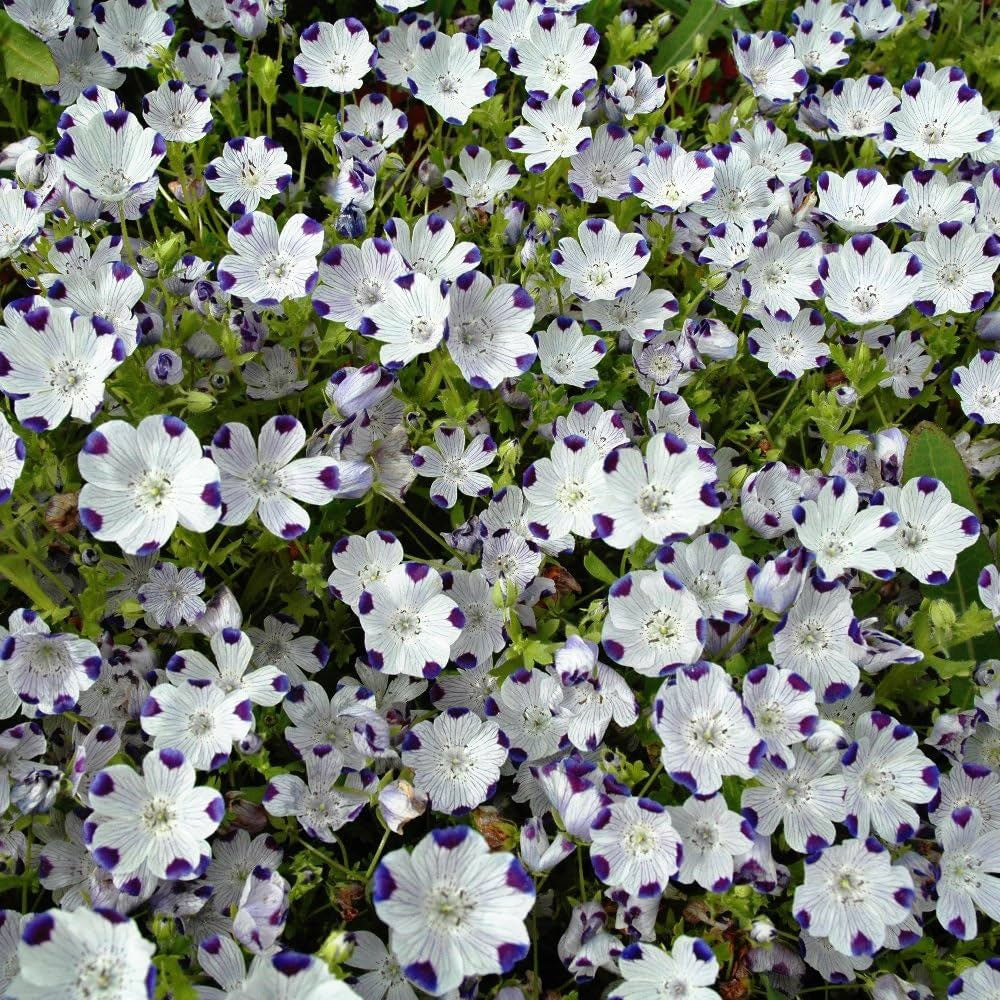
The Nemophila ‘Five Spot’ is an annual with striking white cup-shaped flowers marked by bold purple spots, giving a unique, eye-catching display. Its compact, spreading habit makes it perfect for borders, rock gardens, and containers, creating a charming carpet of patterned blooms in spring and early summer.
What Makes It Special
-
Distinctive white flowers with deep purple spots
-
Compact, spreading growth habit ideal for mass planting
-
Long-lasting spring display with continuous flowering
-
Adds visual interest and attracts pollinators
Key Features
-
Botanical name: Nemophila maculata
-
Variety: ‘Five Spot’
-
Seed count: Approx. seeds per pack
-
Height/Spread: 15–25 cm tall, spreading 20–30 cm
-
Position: Full sun to partial shade; well-drained soil
-
Flowering period: Spring to early summer
Ideal For
-
Borders and edging
-
Rock and cottage gardens
-
Containers and patio pots
-
Pollinator-friendly gardens
Sowing Instructions
-
When to sow: February–May outdoors or March–April indoors
-
How to sow:
-
Sow seeds thinly on prepared soil
-
Cover lightly with soil
-
Germination: 10–14 days
-
-
After germination:
-
Thin seedlings to 15–20 cm apart
-
Keep soil moist but avoid waterlogging
-
Morning Glory 'Crimson Rambler' Seeds (Ipomoea purpurea)
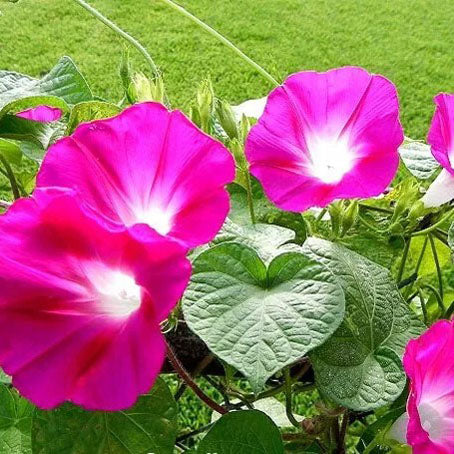
Add dramatic vertical color to your garden with Morning Glory 'Crimson Rambler'. This vigorous climber produces abundant, trumpet-shaped, deep crimson flowers that open in the morning and attract pollinators. Ideal for trellises, fences, and pergolas, it creates a stunning, fast-growing floral display all summer long.
Why Grow 'Crimson Rambler'
-
Stunning deep crimson, trumpet-shaped flowers
-
Fast-growing climber, perfect for vertical spaces
-
Attracts bees and butterflies
Key Features
-
Botanical name: Ipomoea purpurea
-
Type: Annual climber
-
Height: 250–300 cm
-
Flowering: Summer
-
Position: Full sun
-
Uses: Trellises, fences, pergolas, decorative screens
Sowing & Growing
-
Sow indoors: March–April in pots or trays
-
Sow outdoors: April–May after last frost
-
Germination: 7–14 days at 18–22°C
-
Provide support for climbing
-
Prefers well-drained soil and full sun
Cupflower 'Purple Robe' – Seeds (Nierembergia hippomanica)
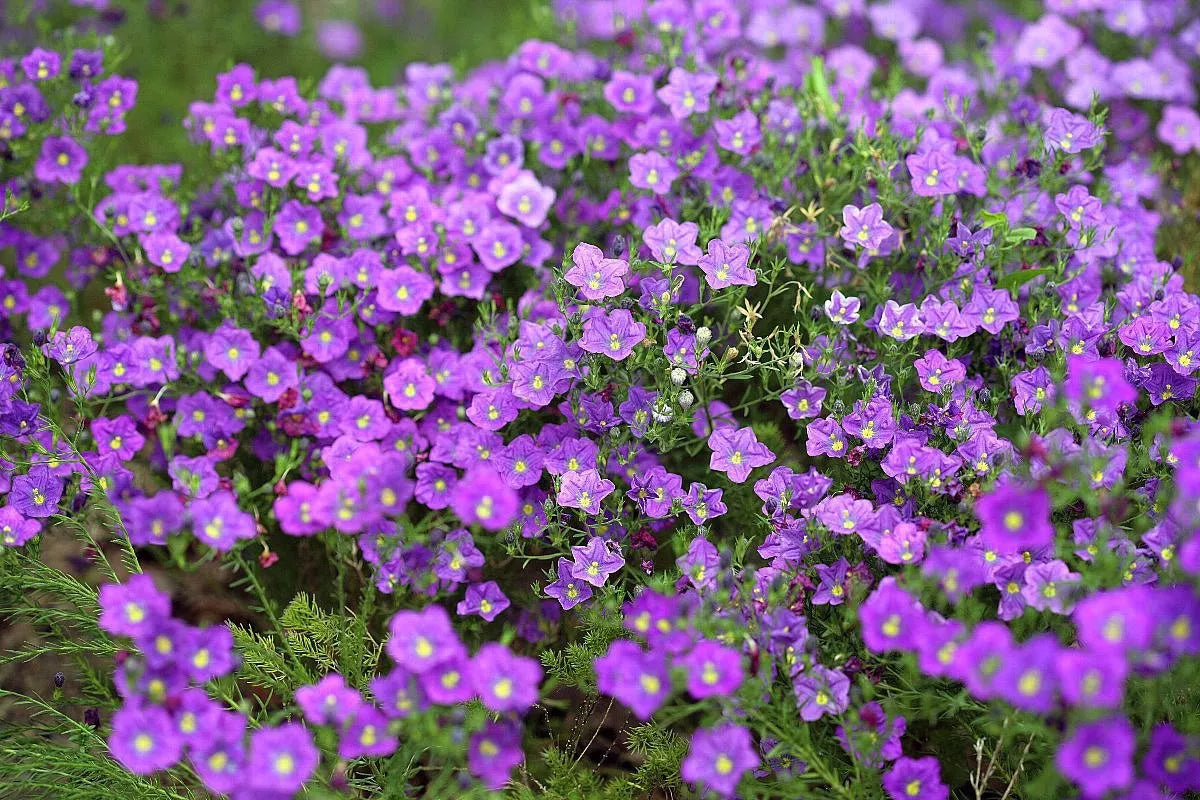
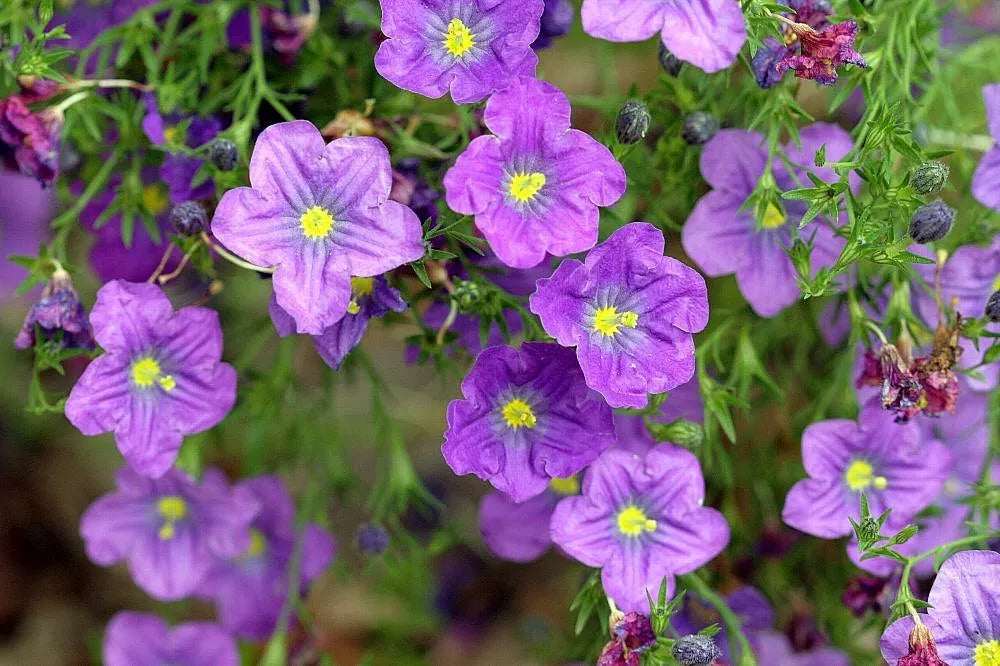
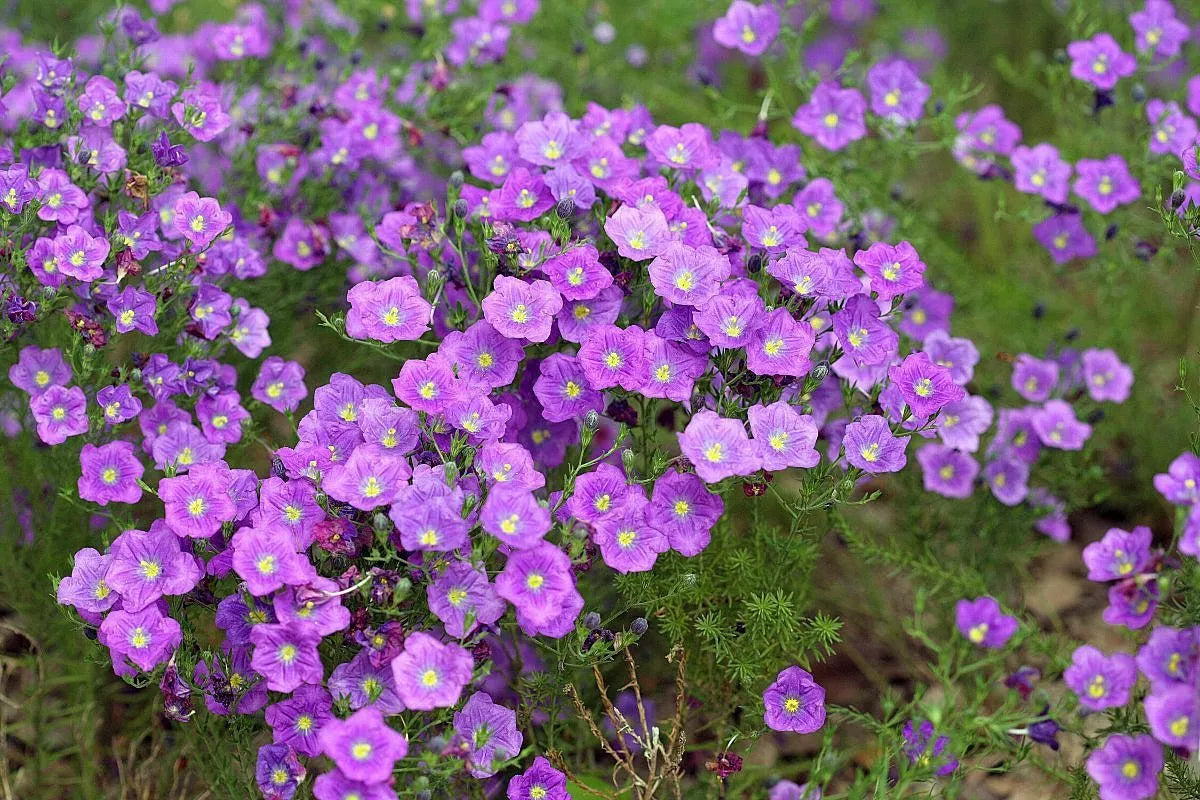
Cupflower 'Purple Robe' is a striking, compact perennial (often grown as an annual in cooler climates) that produces masses of velvety purple, cup-shaped blooms with golden centers. Its trailing habit makes it an excellent choice for containers, hanging baskets, and garden edging. Long-blooming and low-maintenance, this variety brings vibrant color to summer plantings.
Highlights
-
Deep purple cup-shaped flowers with golden eyes
-
Long flowering period from summer to frost
-
Compact, trailing habit – ideal for baskets and pots
-
Drought tolerant once established
-
Easy-care and great for sunny positions
Key Features
-
Botanical Name: Nierembergia hippomanica
-
Variety: 'Purple Robe'
-
Seed Count: Approx. seeds per pack
-
Height/Spread: 15–25 cm tall, 30 cm spread
-
Position: Full sun, well-drained soil
-
Flowering Period: Summer through autumn
Perfect For
-
Hanging baskets and patio containers
-
Ground cover or edging in sunny beds
-
Adding vibrant color to summer displays
-
Rock gardens and borders
Sowing Instructions
-
Sow indoors Feb–April at 18–21°C
-
Surface sow on moist compost, lightly press seeds in, do not cover
-
Germination: 14–21 days
-
Transplant seedlings when large enough to handle, spacing 20–25 cm apart
-
Acclimatize before planting out after last frost


Zinnia 'Chippendale Daisy' – Seeds
(Zinnia haageana)
The Zinnia 'Chippendale Daisy' is a vibrant, long-blooming annual that produces an abundance of cheerful, daisy-like flowers in warm shades of red, orange, and golden yellow, often with contrasting centers. Compact and robust, this variety is excellent for adding bold splashes of colour to borders, flower beds, and containers. Highly attractive to bees and butterflies, it’s a perfect choice for pollinator-friendly gardens.
Key Features
-
Type: Half-hardy annual
-
Height: 40–60 cm
-
Spread: 25–35 cm
-
Flowering: June–October
-
Position: Full sun
-
Soil: Fertile, well-drained
Ideal For
-
Cottage and cutting gardens
-
Pollinator-friendly planting
-
Beds, borders, and pots
-
Summer floral displays
Sowing & Growing
-
Sow indoors: March–April, in trays at 18–22°C
-
Sow outdoors: May, after frost risk has passed
-
Germination: 7–14 days
-
Transplant/Thin: 25–30 cm apart
-
Remove spent flowers to encourage prolonged blooming

Torenia 'Wishbone Flower' Mix Seeds (Torenia fournieri F2 Hybrids)
Torenia ‘Wishbone Flower’ is a charming, low-growing annual producing an abundance of vibrant trumpet-shaped blooms in shades of blue, purple, pink, and white. Its compact, trailing habit makes it perfect for hanging baskets, containers, and garden borders. With a long flowering season and easy care, it adds cheerful color to summer gardens.
What Makes It Special
-
Abundant, colorful trumpet-shaped blooms in blue, purple, pink, and white
-
Compact, trailing growth ideal for baskets, containers, and borders
-
Long-flowering and low-maintenance
-
Attracts pollinators such as bees and butterflies
Key Features
-
Botanical name: Torenia fournieri
-
Variety: F2 Hybrid Mix
-
Seed count: Approx. seeds per pack
-
Height/Spread: 15–25 cm tall, 25–35 cm spread
-
Position: Partial shade; fertile, well-drained soil
-
Flowering period: June–October
Ideal For
-
Hanging baskets and containers
-
Borders and edging
-
Mixed plantings in shaded areas
-
Pollinator-friendly gardens
Sowing Instructions
-
When to sow: February–April indoors; March–May outdoors after frost
-
How to sow:
-
Sow seeds thinly on the surface of moist seed compost and press lightly (do not cover)
-
Germination occurs in 10–14 days at 20–22°C
-
-
Transplanting: Harden off seedlings and plant outdoors 20–25 cm apart after frost
-
Care: Keep soil moist; deadhead faded flowers to encourage continuous blooms
Showing 189/200


