
Sort by:
24 products
24 products

🌸 Viola wittrockiana ‘Tempo’ – Hardy, Compact Pansy for Autumn & Early Spring Colour
‘Tempo’ is a reliable bedding pansy series known for its compact growth, mid-sized flowers, and excellent winter hardiness. Ideal for early spring and autumn planting, it produces a vibrant display of blooms in a wide range of colours. Many shades feature charming small “eyes”, adding classic pansy character. The sturdy plants maintain a neat shape and continue flowering through cold, wet, and changeable weather — perfect for borders, pots, window boxes, and mass bedding schemes.
Key Features
● Compact bedding pansy with mid-sized flowers
● Colour range includes types with small patterned “eyes”
● Exceptionally winter-hardy — ideal for autumn and early spring
● Reliable flowering in cold, wet conditions
● Perfect for pots, borders, containers, and bedding
How to Sow & Grow Viola wittrockiana ‘Tempo’ (UK)
Sow indoors: VI–VIII (June–August) in trays or pots
Transplant outdoors: VIII–IX (August–September) once seedlings are large enough to handle
Direct outdoors: VI–VIII (June–August)
Flowering: III–VI (March–June) from autumn sowings; VI–X (June–October) from spring sowings
Germination temperature: 15–20 °C (59–68 °F)
Average germ time: 10–21 days
Depth: Surface sow or cover very lightly (0.2 cm / 1⁄16 in)
Light required: Low light for germination
Moisture: Keep evenly moist
Environment: Full sun to partial shade
Soil type: Moist, fertile, well-drained soil
Plant spacing: 20–25 cm (8–10 in)
Height: 15–20 cm (6–8 in)
Sowing & Growing Tips (variety-specific)
● Keep seeds in low light to improve germination.
● Pinch young plants for bushier, more compact growth.
● Plant in autumn for strong winter establishment.
● Deadhead regularly for extended flowering.
● Excellent for cold, wet climates — extremely hardy.
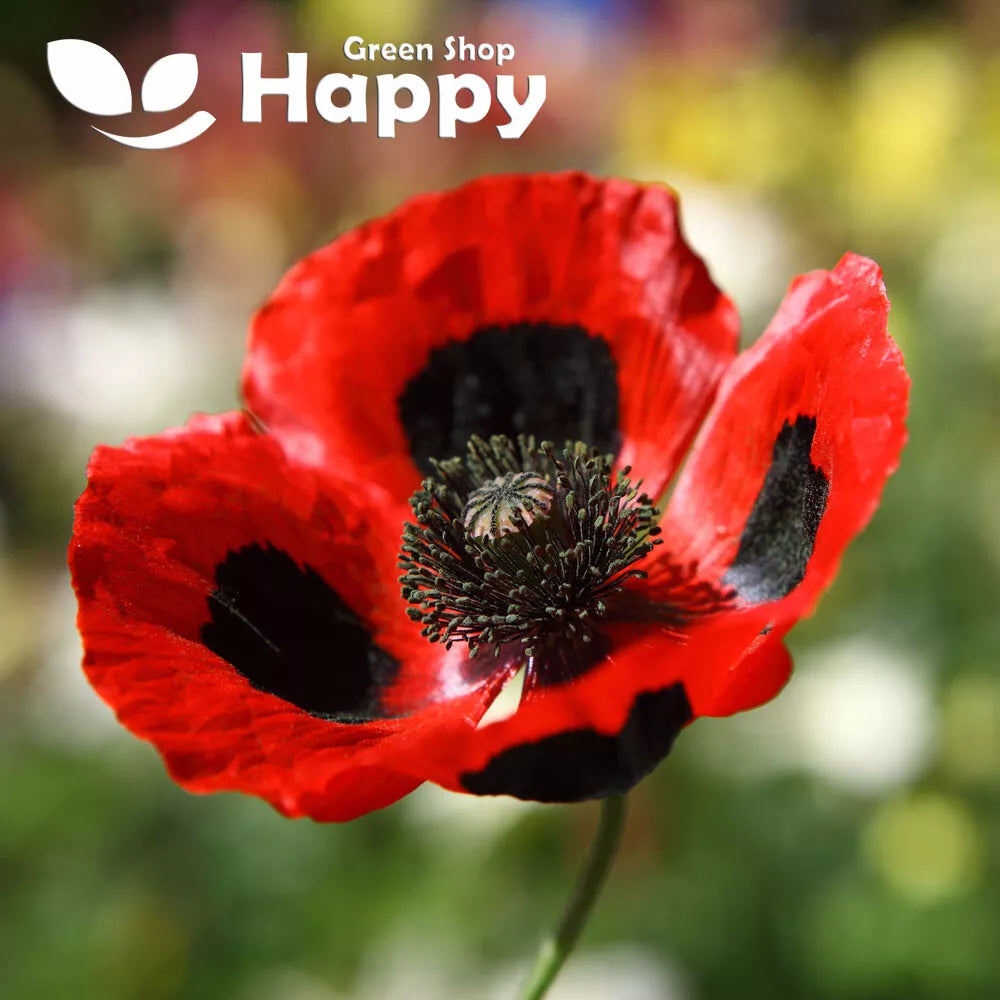
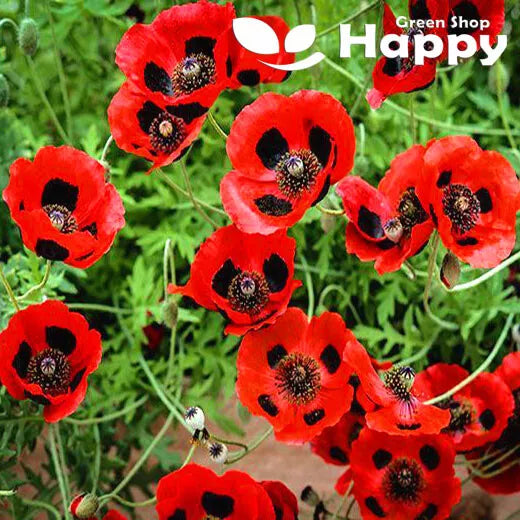
Poppy 'Ladybird' – 3000 Seeds (Papaver commutatum)
Add drama and charm to your garden with Poppy 'Ladybird'. This eye-catching variety produces vivid scarlet-red blooms each marked with a bold black blotch at the base of every petal, reminiscent of a ladybird’s spots. Compact and easy to grow, it creates a striking display in beds, borders, and wildflower plantings.
Why Grow 'Ladybird'
-
Striking scarlet-red flowers with black blotches
-
Compact and easy to grow
-
Long flowering season
-
Attracts bees and pollinators
Key Features
-
Type: Hardy annual (Papaver commutatum)
-
Height: 30–45 cm
-
Flowering: June–August
-
Position: Full sun
-
Uses: Borders, wildflower meadows, pollinator gardens
Ideal For
-
Cottage and wildflower gardens
-
Adding bold splashes of color
-
Naturalizing in meadows or borders
-
Wildlife-friendly plantings
Sowing & Growing
-
Sow outdoors: March–May or September–October
-
Sow thinly in prepared soil, cover lightly
-
Germination: 10–20 days
-
Thin seedlings to 15–20 cm apart
-
Prefers poor, well-drained soil in full sun

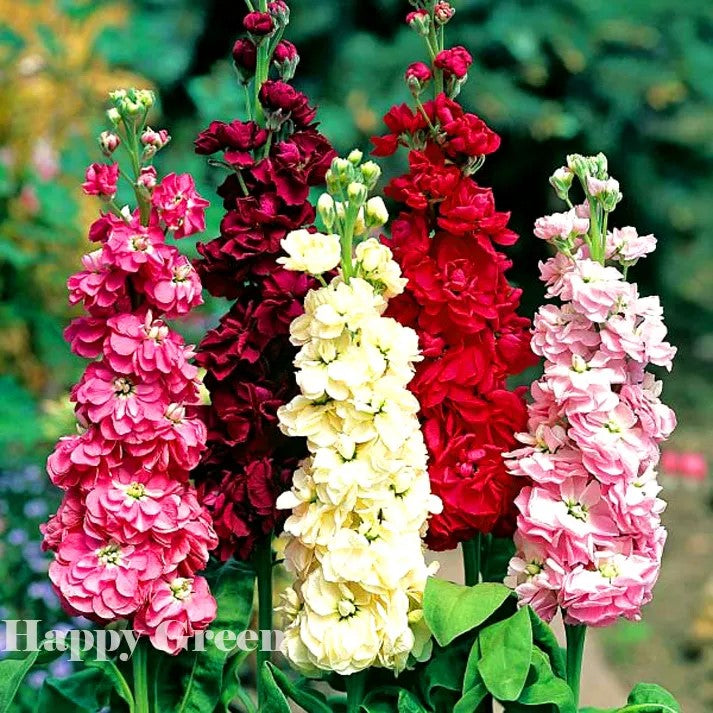
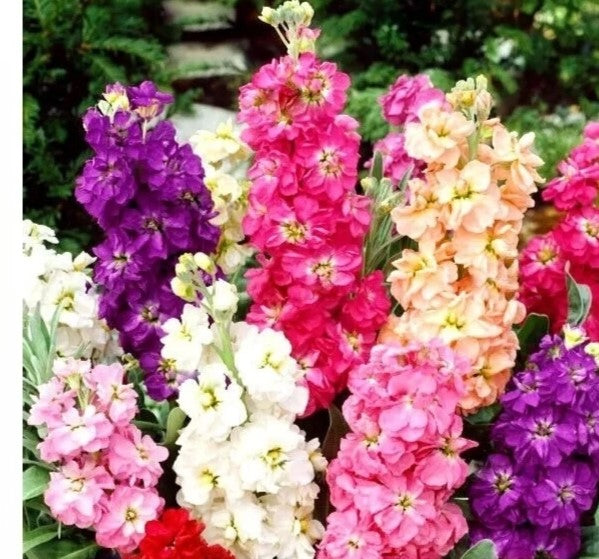
Dwarf Stock ‘Brompton Winter’ – Seeds (Matthiola incana)
Dwarf Stock ‘Brompton Winter’ (Matthiola incana) is a charming annual producing fragrant, compact clusters of flowers in shades of pink, white, and lavender. Blooming from late autumn to early spring, it adds color and scent to borders, containers, and cottage gardens during the cooler months. Easy to grow and low-maintenance, this variety attracts pollinators and is perfect for creating a cheerful winter or early spring display.
Why Grow "Brompton Winter"
-
Fragrant, compact flower clusters in pink, white, and lavender
-
Blooming season from late autumn to early spring
-
Low-maintenance, hardy annual
-
Pollinator-friendly and ideal for winter color
Key Features
-
Type: Annual (Matthiola incana)
-
Height: 25–35 cm
-
Flowering: Late autumn to early spring
-
Position: Full sun to partial shade
-
Uses: Borders, containers, cottage gardens, pollinator-friendly planting
Ideal For
-
Adding winter and early spring color to borders and beds
-
Container and window box planting
-
Pollinator-friendly garden schemes
-
Low-maintenance fragrant displays
Sowing & Growing
-
Sow indoors: August–October in trays or pots
-
Sow outdoors: September–November directly in soil (mild climates)
-
Germination: 7–14 days at 15–20°C
-
Thin seedlings 20–25 cm apart
-
Prefers well-drained soil in full sun to partial shade
-
Water moderately until established
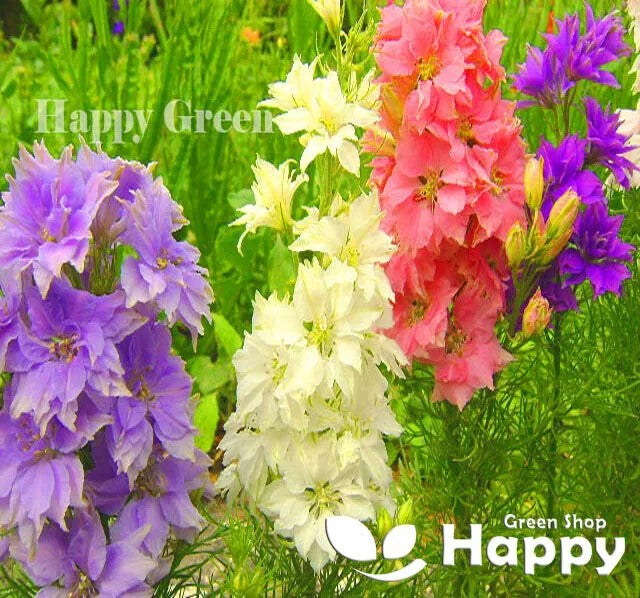
Rocket Larkspur Mix – Seeds (Delphinium ajacis)
The Rocket Larkspur Mix is a stunning annual that brings tall, elegant spikes of pink, blue, lavender, purple, and white blooms to the summer garden. A cottage garden classic, this mix produces stately flower spires that make a striking vertical accent in beds, borders, and cutting gardens. Its graceful flowers also make excellent, long-lasting cut blooms for fresh or dried arrangements.
Highlights
-
Tall, upright spires with a vibrant color mix
-
Cottage garden favorite with delicate, airy blooms
-
Excellent cut flower for bouquets and arrangements
-
Hardy annual – easy to grow and maintain
-
Attracts pollinators
Key Features
-
Botanical Name: Delphinium ajacis
-
Variety: Rocket Larkspur Mix
-
Seed Count: [Specify count if available]
-
Height/Spread: 75–120 cm tall, 30–40 cm spread
-
Position: Full sun, well-drained soil
-
Flowering Period: June – August
Perfect For
-
Cottage gardens and borders
-
Tall accents in mixed beds
-
Cutting gardens (fresh & dried flowers)
-
Pollinator-friendly landscapes
Sowing Instructions
-
Sow outdoors March–May or August–September for overwintering
-
Scatter thinly in prepared soil, cover lightly with soil
-
Germination: 14–28 days
-
Thin seedlings to 25–30 cm apart
-
Stake taller plants if needed for support
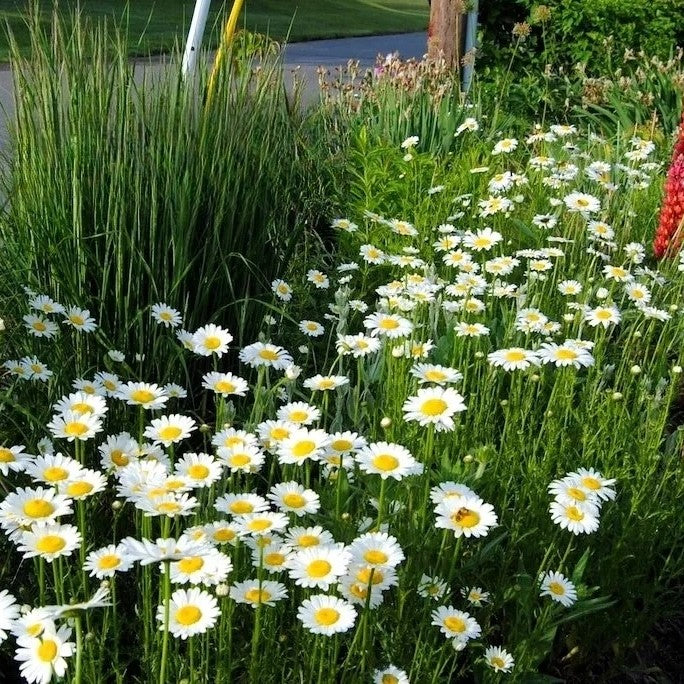
Ox-Eye Daisy 'May Queen' Seeds (Chrysanthemum leucanthemum)
The Ox-Eye Daisy ‘May Queen’ (Chrysanthemum leucanthemum) is a charming, classic wildflower with cheerful white petals and sunny yellow centers. This hardy perennial is valued for its reliability, low maintenance, and ability to naturalize in meadows, borders, and wildlife gardens. Blooming in late spring through summer, it attracts bees, butterflies, and other pollinators.
What Makes It Special
-
Large, daisy-like blooms with a natural cottage garden look
-
Hardy perennial that self-seeds and spreads easily
-
Perfect for wildflower meadows and pollinator-friendly gardens
Key Features
-
Botanical name: Chrysanthemum leucanthemum
-
Perennial wildflower
-
Height: 60–80 cm
-
Spread: 30–40 cm
-
Flowering: May–July
Ideal For
-
Wildflower meadows and naturalizing
-
Cottage and wildlife gardens
-
Pollinator-friendly planting
Sowing
-
Sow outdoors: March–May or August–October, directly where they are to flower
-
Germination: 14–28 days
-
Thin seedlings to 30 cm apart
-
Thrives in full sun and well-drained soil
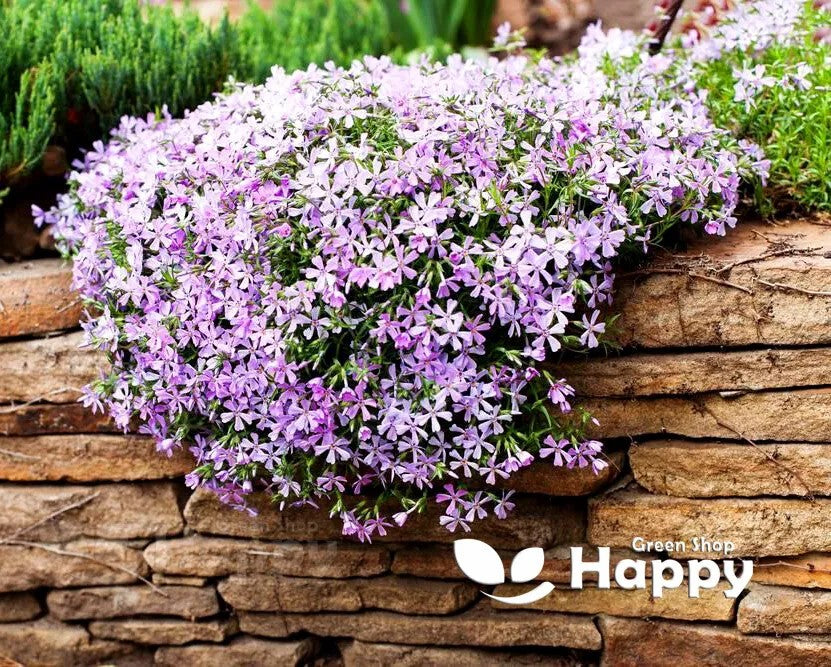
Mountain Phlox – Seeds (Linanthus grandiflorus)
Bring a splash of wildflower beauty to your garden with Mountain Phlox (Linanthus grandiflorus). This charming annual produces clusters of dainty, star-shaped flowers in shades of lavender, pink, and white, creating a soft carpet of color. Native to western North America, Mountain Phlox is well-suited to rock gardens, borders, and wildflower meadows, thriving in sunny, well-drained spots.
Why Grow Mountain Phlox?
-
Dainty star-shaped blooms in pastel shades
-
Long-lasting summer color
-
Attracts bees, butterflies, and pollinators
-
Excellent for rock gardens and naturalized plantings
-
Easy to grow and low maintenance
Key Features
-
Type: Hardy annual
-
Height: 20–40 cm
-
Flowering: June–August
-
Position: Full sun; light, well-drained soil
-
Uses: Rock gardens, borders, wildflower mixes, containers
Ideal For
-
Adding soft pastel tones to summer displays
-
Pollinator-friendly gardens
-
Drought-tolerant, low-maintenance areas
-
Naturalistic or meadow-style planting
Sowing & Growing
-
Sow outdoors: March–May directly where they are to flower
-
Cover seeds lightly with soil, keep moist until germination
-
Germination: 14–21 days at 15–20°C
-
Thin seedlings to 15–20 cm apart
-
Flowers in summer the same year
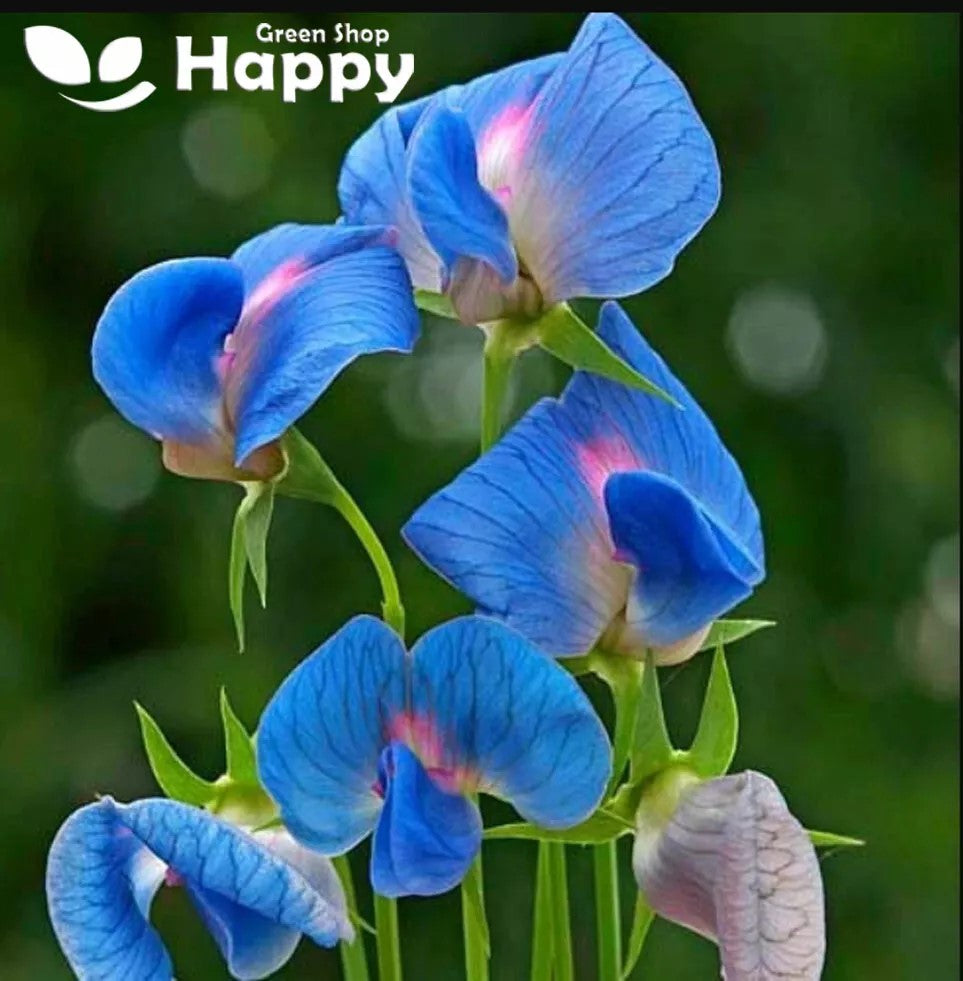
Indian Pea ‘Azureus’ – Blue-Pink Flowers – Seeds (Lathyrus sativus)
The Indian Pea ‘Azureus’ (Lathyrus sativus) is a striking and unusual climbing annual, producing delicate blue to pink pea-like blossoms above fine green foliage. Fast-growing and drought-tolerant, it thrives in poor soils and adds a natural, airy charm to borders, trellises, and wild gardens. A hardy species, it has long been valued for its ornamental and agricultural qualities.
Why Grow Indian Pea ‘Azureus’?
-
Unusual pea-like flowers in blue and pink shades
-
Climbing habit perfect for trellises and supports
-
Hardy, drought-tolerant, and easy to grow
-
Adds a natural wildflower look to gardens
Key Features
-
Type: Hardy annual
-
Height: 100–150 cm
-
Spread: 30–40 cm
-
Flowering: June–August
-
Position: Full sun
-
Soil: Poor to moderately fertile, well-drained
Ideal For
-
Trellises, arches, and fences
-
Cottage and wild gardens
-
Pollinator-friendly plantings
-
Drought-prone or low-maintenance sites
Sowing & Growing
-
Sow outdoors: March–May directly in soil
-
Germination: 10–20 days at 15–20°C
-
Thin seedlings: 20–30 cm apart
-
Provide support for climbing stems
-
Water regularly in dry spells
Tip: Pair with other climbing annuals for a colorful vertical display.

Meadow Sage – Seeds (Salvia pratensis)
Meadow Sage (Salvia pratensis) is a hardy perennial wildflower with elegant spikes of deep violet-blue blooms. Highly attractive to bees, butterflies, and other beneficial insects, it adds natural beauty and biodiversity to any garden. Long-flowering and low-maintenance, this sage is ideal for wild meadows, borders, and pollinator-friendly plantings.
Why Grow Meadow Sage?
-
Striking violet-blue flower spikes
-
Attracts bees, butterflies, and pollinators
-
Hardy, drought-tolerant perennial
-
Low-maintenance and long-lasting
Key Features
-
Type: Perennial
-
Height: 40–70 cm
-
Spread: 30–40 cm
-
Flowering: June–August
-
Position: Full sun
-
Soil: Well-drained, moderately fertile
Ideal For
-
Wildflower meadows
-
Pollinator-friendly gardens
-
Naturalized plantings
-
Sunny borders and cottage gardens
Sowing & Growing
-
Sow indoors: February–April in trays/pots
-
Germination: 14–21 days at 18–20°C
-
Transplant outdoors: After last frost
-
Direct sow outdoors: April–June or September
-
Spacing: 30–40 cm apart
Tip: Cutting back after flowering encourages a second flush of blooms.
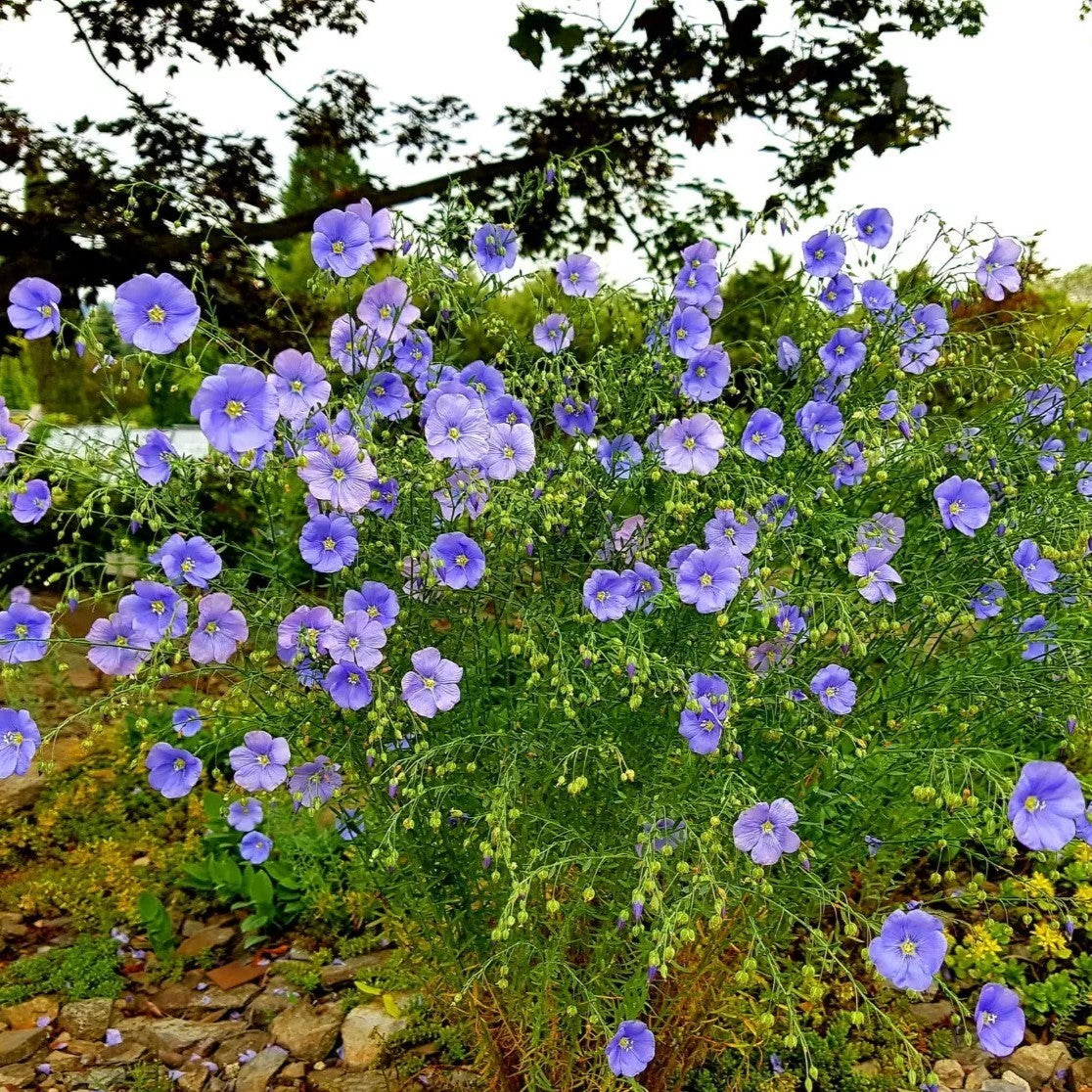
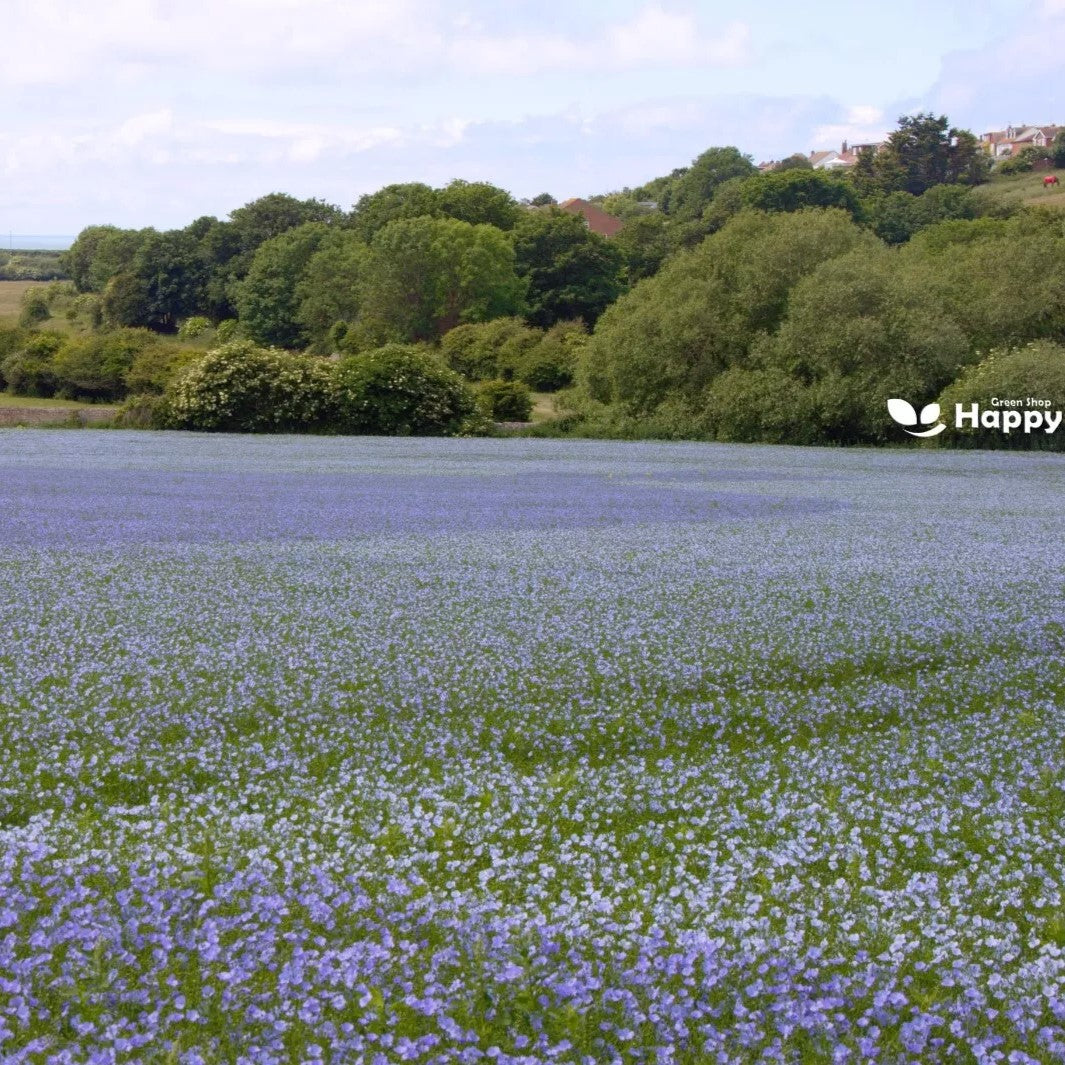
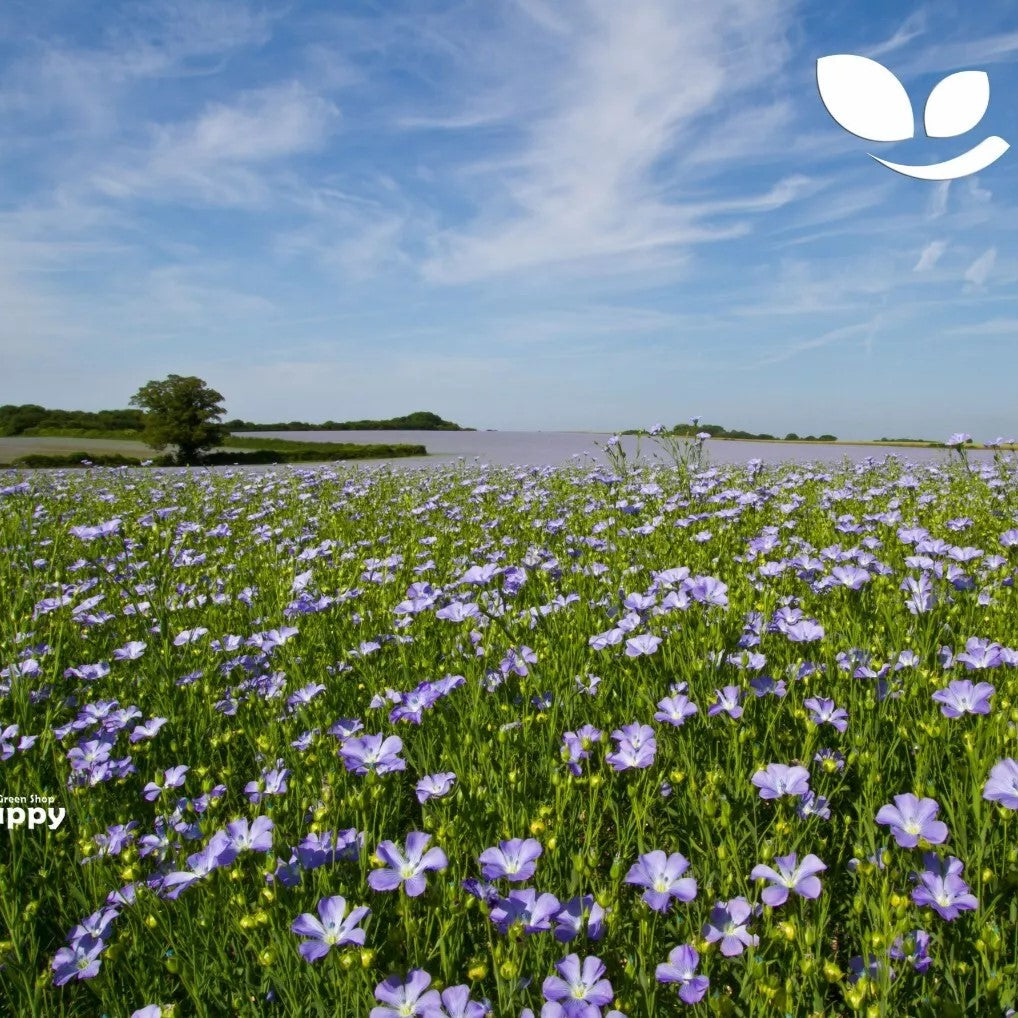
COMMON FLAX SEEDS (Linum usitatissimum)
Common Flax is a graceful annual grown for both beauty and usefulness. Its slender stems are topped with delicate sky-blue flowers, creating a soft, natural look in borders, beds, and wildflower gardens. Easy to grow and low-maintenance, it also produces valuable seeds traditionally used for culinary and health purposes.
Why Grow "Common Flax"
-
Delicate sky-blue blooms with natural charm
-
Easy-to-grow, low-maintenance annual
-
Produces edible seeds
-
Ideal for borders, beds, and wildflower gardens
Key Features
-
Type: Annual (Linum usitatissimum)
-
Height: 40–60 cm
-
Flowering: Summer (June–August)
-
Position: Full sun
-
Uses: Borders, flower beds, wildflower areas, seed harvesting
Ideal For
-
Adding soft blue tones to borders and cottage gardens
-
Wildflower meadows and naturalized areas
-
Harvesting flax seeds for home use
-
Beginner-friendly gardening
Sowing & Growing
-
Sow outdoors: Directly into soil in spring after frost
-
Germination: 10–14 days
-
Thin seedlings: 10–15 cm apart
-
Prefers full sun and well-drained soil
Showing 18/24


