
Sort by:
23 products
23 products
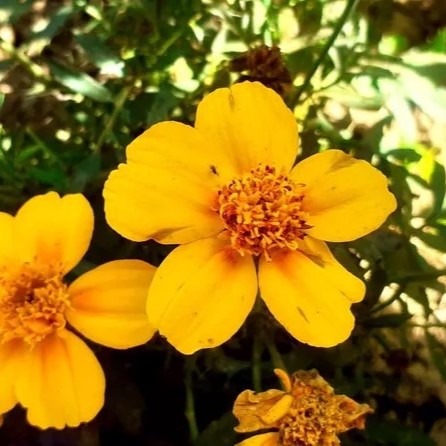
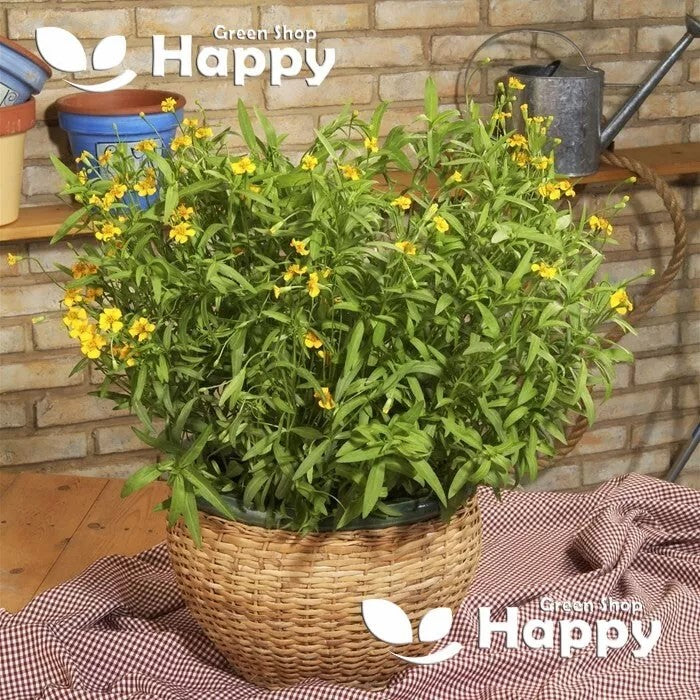

Mexican Tarragon – Seeds
(Tagetes lucida) – Perennial Herb / Ornamental
Mexican Tarragon, also known as Sweet Mace or Spanish Tarragon, is a versatile plant prized both as a culinary herb and a decorative flower. It produces bright golden-yellow blossoms and aromatic leaves with a distinctive anise-like flavor, often used as a substitute for French tarragon in cooking. Highly valued in traditional medicine and rituals, it is also a magnet for pollinators like bees and butterflies.
Key Features
-
Type: Tender perennial (often grown as annual in cooler climates)
-
Height: 45–75 cm
-
Spread: 30–40 cm
-
Flowers: Clusters of golden-yellow blooms
-
Blooming period: Summer to autumn
-
Position: Full sun
-
Soil: Well-drained, moderately fertile soil
-
Other: Aromatic foliage; edible herb
Ideal For
-
Herb and kitchen gardens
-
Summer borders and cottage gardens
-
Pollinator-friendly gardens
-
Containers and pots
-
Edible landscaping
Culinary & Herbal Uses
-
Leaves used fresh or dried in soups, sauces, chicken, and fish dishes
-
Herbal teas with calming properties
-
Traditional medicinal and ceremonial uses
Sowing & Growing
-
Sow indoors: February–April in seed trays with light soil.
-
Germination: 7–14 days at 18–22°C.
-
Transplant: Harden off and plant outdoors after the last frost.
-
Care: Prefers sunny, warm positions. Pinch young shoots to encourage bushiness. Harvest leaves before flowering for best flavor.
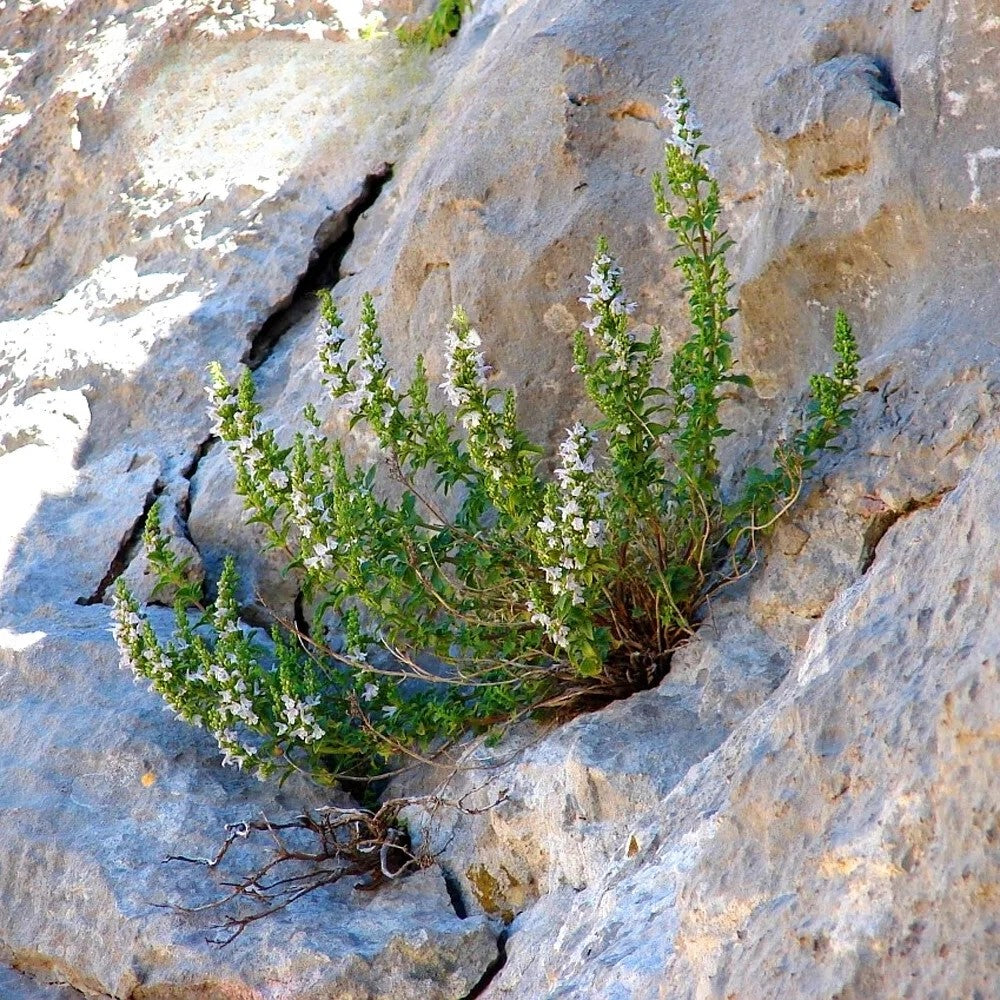
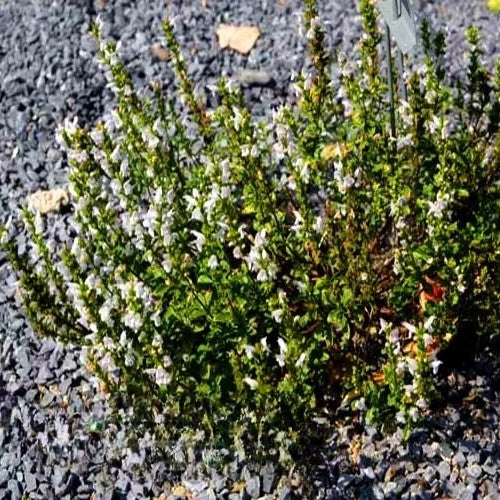
Balkan Mint – 200 Seeds (Micromeria thymifolia)
Balkan Mint is a hardy, aromatic perennial herb with small, fragrant leaves and delicate flowers. Known for its refreshing minty aroma, it is perfect for teas, culinary use, garnishes, and herbal remedies. Its compact growth habit makes it an excellent addition to herb gardens, rockeries, or containers.
Thrives in well-drained soils and sunny locations, Balkan Mint is drought-tolerant and easy to maintain, making it ideal for both beginners and experienced gardeners.
How to Grow
-
Sow indoors: February – April
-
Sow outdoors: After last frost
-
Plant spacing: 20–25 cm apart
-
Position: Full sun to partial shade
-
Soil: Well-drained, moderately fertile soil
-
Care: Water moderately; trim leaves regularly to encourage bushy growth
Key Features
-
Hardy perennial with small, fragrant leaves
-
Refreshing minty aroma for teas, cooking, and garnishes
-
Drought-tolerant and low-maintenance
-
Compact growth ideal for gardens, rockeries, or containers
-
Produces delicate flowers adding ornamental value
Harvest
-
Harvesting period: 60–90 days after sowing
-
Pick leaves as needed; regular harvesting promotes continuous growth.
Short Tip
Grow in full sun and well-drained soil for the best aroma and compact growth.

Toothache Plant – Seeds (Spilanthes oleracea)
The Toothache Plant (Spilanthes oleracea) is an unusual and fascinating herb, known for its small, bright red flowers and unique tingling effect when chewed. Traditionally used for its medicinal properties, it adds interest to herb gardens, containers, and edible landscaping. Easy to grow and fast-maturing, it’s a conversation-starting plant that also attracts pollinators.
Why Grow "Toothache Plant"
-
Bright red, cone-shaped flowers
-
Unique tingling sensation when chewed
-
Traditional medicinal and culinary uses
-
Attracts bees and other pollinators
Key Features
-
Type: Annual herb (Spilanthes oleracea)
-
Height: 30–60 cm
-
Flowering: Summer
-
Position: Full sun, well-drained soil
-
Uses: Herb gardens, containers, edible landscaping, pollinator-friendly plantings
Ideal For
-
Herb and medicinal gardens
-
Container and patio planting
-
Pollinator-friendly gardens
-
Educational or conversation-starting gardens
Sowing & Growing
-
Sow indoors: February–April in seed trays
-
Sow outdoors: April–May after frost
-
Germination: 10–20 days at 18–22°C
-
Transplant seedlings 25–30 cm apart
-
Prefers full sun and moderately fertile soil
-
Keep soil moist for best growth
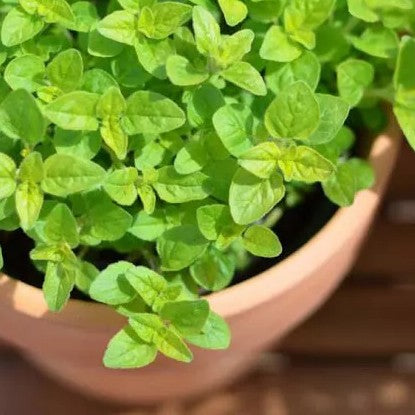

Sweet Marjoram – Seeds (Tender Perennial Aromatic)
Sweet Marjoram is a fragrant, tender perennial herb prized for its delicate, sweet flavor. Perfect for seasoning soups, sauces, salads, and roasted dishes, it adds a subtle aromatic touch to your culinary creations. Compact and easy to grow, Sweet Marjoram is ideal for garden beds, containers, and herb gardens.
How to Grow
-
Sow seeds indoors from February to April, lightly covering with soil.
-
Maintain 18–22°C until germination.
-
Transplant seedlings outdoors after the last frost in a sunny, sheltered spot.
-
Prefers well-drained soil and regular watering.
-
Trim regularly to encourage bushy growth and prevent flowering.
Key Features
-
Tender perennial aromatic herb
-
Sweet, delicate flavor for culinary use
-
Compact, bushy growth habit
-
Ideal for garden beds, containers, and herb gardens
-
Perfect for fresh use or drying
Ideal For
-
Flavoring soups, sauces, and roasted dishes
-
Gardeners seeking aromatic, easy-to-grow herbs
-
Kitchen herb collections and container gardening
Sowing & Harvest
-
Sow: February to April
-
Depth: Lightly covered
-
Harvest: May to October
Quick Tip
-
Regularly snip leaves to encourage fresh growth and prevent the plant from flowering too early.
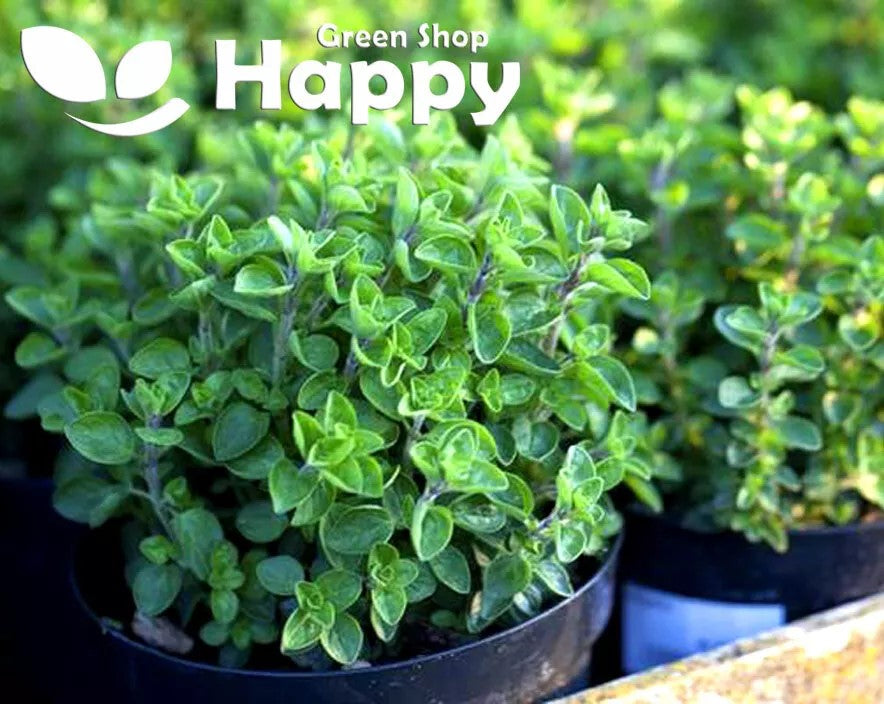
Origanum hirtum, also known as Greek Oregano, is a hardy perennial herb prized for its exceptionally strong flavour and intense aroma. The small, dark green aromatic leaves are the traditional oregano used in Greek and Mediterranean cooking, adding a distinctive spicy character to pizzas, tomato sauces, grilled meats, vegetables and salads.
Easy to grow and highly reliable, Greek Oregano forms a compact, bushy plant with clusters of small white flowers that attract bees and other pollinating insects. It thrives in sunny, well-drained conditions and is ideal for herb gardens, containers, rockeries and dry Mediterranean-style planting where the leaves develop their strongest flavour.
● Authentic Greek oregano with intense spicy flavour
● Essential herb for Mediterranean cooking
● Aromatic leaves can be used fresh or dried
● Hardy perennial returning year after year
● Flowers attract bees and other pollinating insects
● Mediterranean herb gardens
● Kitchen gardens
● Patio containers
● Rockeries and gravel gardens
● Wildlife-friendly planting
● Do not cover seeds deeply, as Greek Oregano seeds need light to germinate successfully.
● Grow in poorer, well-drained soil rather than overly rich conditions, as lower fertility helps maintain a stronger flavour.
● Harvest stems just before flowering when essential oils and flavour are at their peak.
● Cut plants back after flowering to maintain a compact, bushy shape and encourage fresh growth.
● Allow some flowers to remain, as Greek Oregano is highly attractive to bees and other beneficial insects.
Showing 23/23


