
Sort by:
26 products
26 products
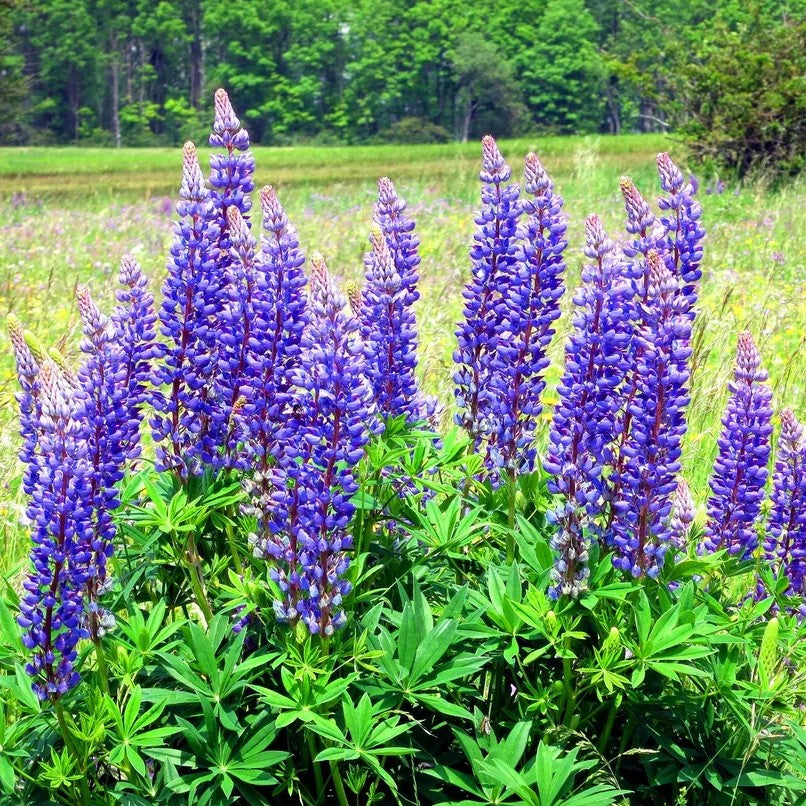
Blue Lupine – Seeds (Lupinus angustifolius)
Blue Lupine (Lupinus angustifolius) is a stunning annual or short-lived perennial producing tall spikes of vivid blue pea-like flowers. Blooming from late spring to early summer, it adds vertical interest and vibrant color to borders, cottage gardens, and mixed flower beds. Hardy and easy to grow, this variety attracts bees and butterflies, making it perfect for pollinator-friendly gardens and long-lasting summer displays.
Why Grow "Blue Lupine"
-
Tall spikes of striking blue flowers
-
Long flowering season from late spring to early summer
-
Hardy, low-maintenance annual or short-lived perennial
-
Pollinator-friendly and adds vertical interest
Key Features
-
Type: Annual/Short-lived perennial (Lupinus angustifolius)
-
Height: 60–90 cm
-
Flowering: Late spring to early summer
-
Position: Full sun
-
Uses: Borders, cottage gardens, mixed flower beds, pollinator gardens
Ideal For
-
Vertical color in borders and mixed beds
-
Cottage-style gardens
-
Pollinator-friendly planting schemes
-
Long-lasting summer floral displays
Sowing & Growing
-
Sow indoors: February–April in trays or pots
-
Sow outdoors: April–May after frost
-
Germination: 14–21 days at 18–22°C
-
Thin seedlings 25–30 cm apart
-
Prefers well-drained soil in full sun
-
Mulch in winter for protection in colder regions
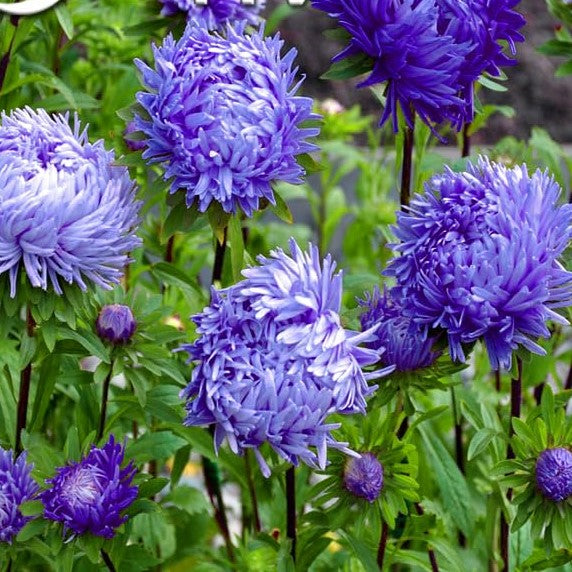
Aster ‘Pavlova’ Deep Blue – Seeds
(Callistephus chinensis)
Aster ‘Pavlova’ Deep Blue produces large, fully double, deep blue flowers that brighten borders and bouquets. Compact and long-flowering, it attracts pollinators and is easy to grow.
Why Grow Aster ‘Pavlova’ Deep Blue?
-
Large, double deep blue blooms
-
Long-flowering annual
-
Attracts bees and butterflies
-
Perfect for borders and cut flowers
Key Features
-
Type: Annual
-
Height: 40–60 cm
-
Flowers: Summer to autumn
-
Position: Full sun
-
Soil: Well-drained, moderately fertile
Ideal For
-
Borders, cottage gardens, and flower beds
-
Pollinator-friendly gardens
-
Cut flowers and bouquets
Sowing & Growing
-
Sow indoors: February–April
-
Sow outdoors: April–May
-
Germination: 10–20 days at 18–20°C
-
Spacing: 25–30 cm
-
Care: Moderate watering; deadhead for continuous blooms


🌸 Petunia hybrida Multiflora Nana Blue ‘Picotee’ – Compact Petunia with Elegant Picotee-Edged Flowers
‘Nana Blue Picotee’ is a charming multiflora petunia featuring rich blue flowers edged with a crisp white picotee margin. The plants are compact, low-growing and well-branched, making them ideal for containers, window boxes, borders and bedding displays. Multiflora petunias are known for their excellent weather tolerance, producing masses of blooms even in less-than-perfect summer conditions.
Key Features
● Striking blue flowers with clean white picotee edging
● Compact “nana” habit with tidy, uniform growth
● Multiflora type – very weather-tolerant and free-flowering
● Ideal for containers, baskets and bedding
● Long flowering season throughout summer
How to Sow & Grow Petunia ‘Nana Blue Picotee’ (UK)
Sow indoors: II–III (February–March)
Transplant outdoors: V–VI (May–June) after last frost
Direct outdoors: Not recommended
Flowering: VI–X (June–October)
Life cycle: Annual
Germination temperature: 20–22 °C (68–72 °F)
Average germ time: 7–14 days
Depth: Surface sow – do not cover; gently press into compost (light required)
Light required: Yes
Moisture: Keep soil evenly moist
Environment: Full sun (tolerates light shade)
Soil type: Fertile, well-drained compost or soil
Plant spacing: 20–25 cm (8–10 in)
Height: 20–25 cm (8–10 in)
Sowing & Growing Tips (variety-specific)
● Start early under cover for the longest flowering period.
● Provide good light during early growth to keep plants compact.
● Feed regularly once flowering begins.
● Light deadheading or trimming keeps plants neat and floriferous.
● Excellent choice for exposed positions due to strong weather resistance.
Special Features
● Classic picotee flower pattern
● Compact multiflora petunia with strong garden performance
● Reliable, long-lasting summer colour
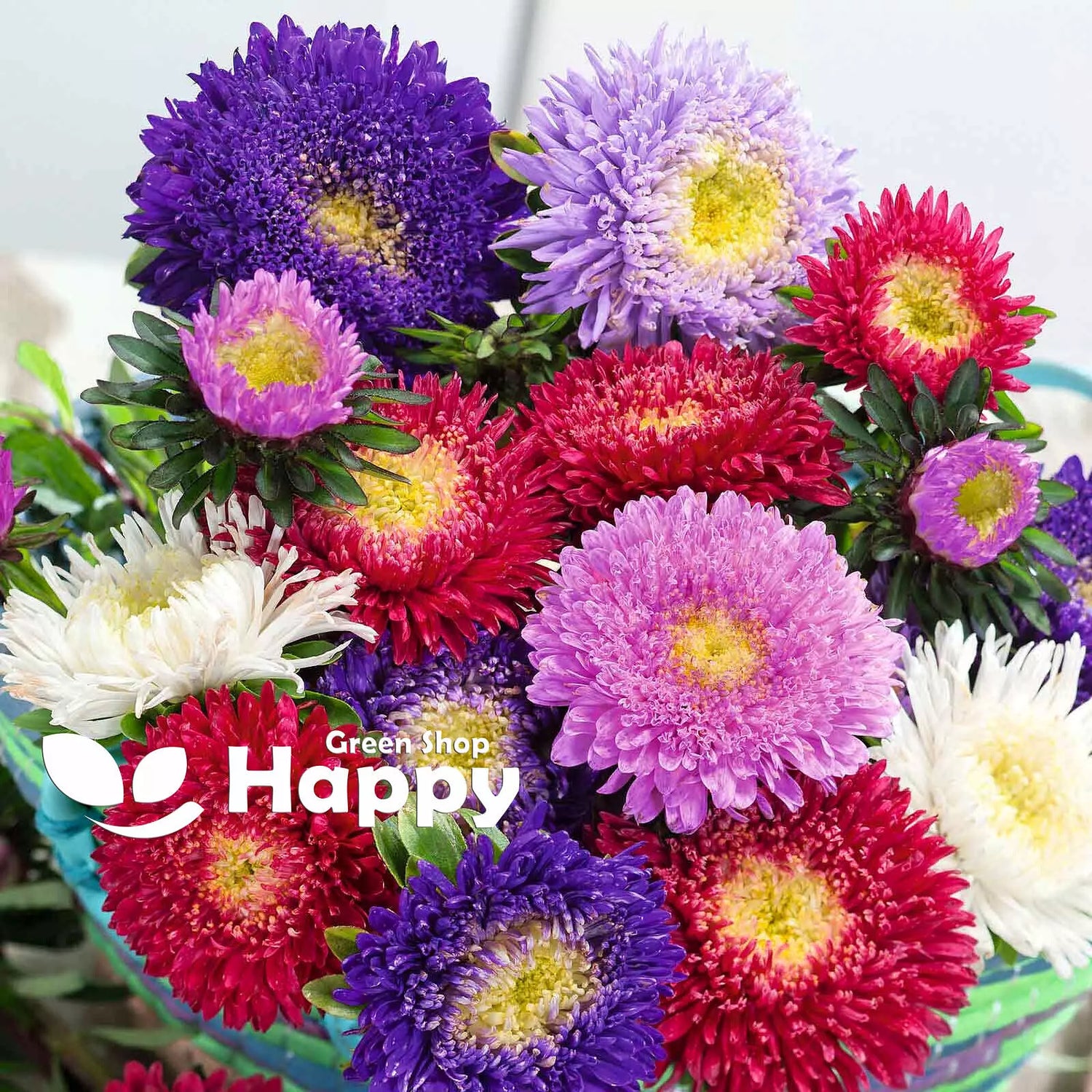
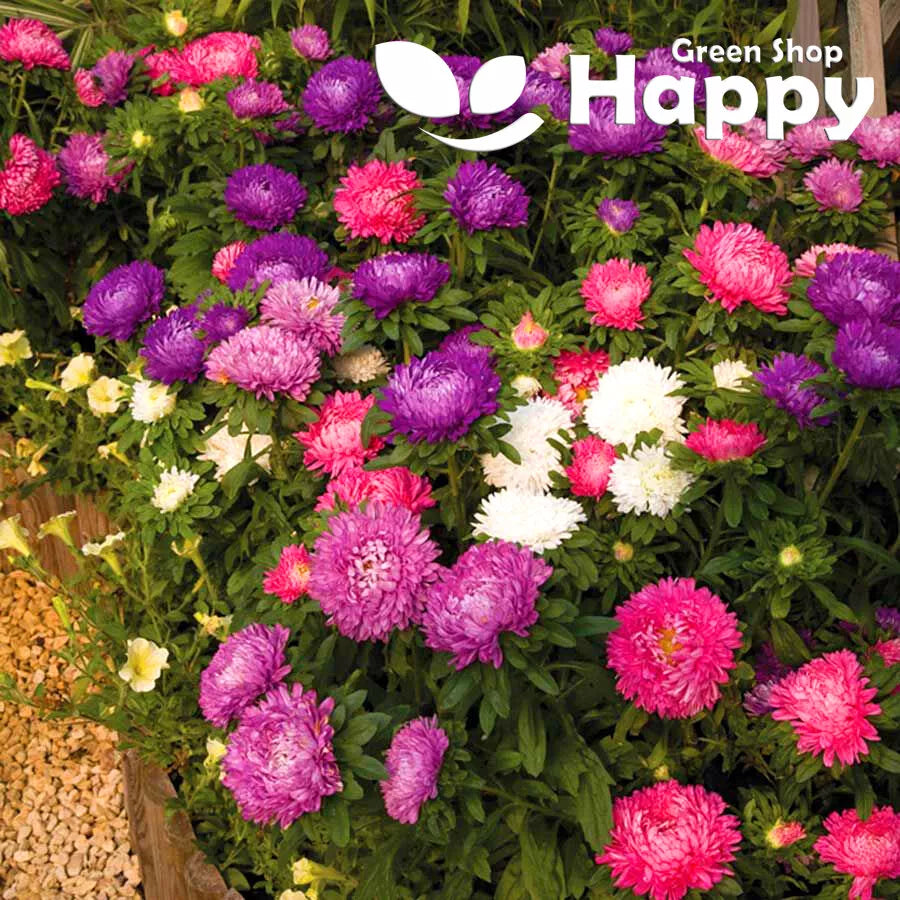
Aster Powder Puff Seeds (Callistephus chinensis)
Aster Powder Puff is a stunning annual variety producing large, fluffy, chrysanthemum-like blooms in a wide range of vibrant colors. Its double flowers resemble soft powder puffs, adding texture and richness to summer and autumn borders. Easy to grow and long-lasting as cut flowers, they make an excellent addition to cottage gardens and floral displays.
What Makes It Special
-
Large, fully double “powder puff” blooms
-
Available in a wide range of bright, cheerful colors
-
Excellent as a cut flower with a long vase life
-
Strong stems and bushy growth habit
Key Features
-
Botanical name: Callistephus chinensis
-
Variety: Powder Puff
-
Seed count: Approx. seeds per pack
-
Height/Spread: 50–70 cm tall, 25–30 cm spread
-
Position: Full sun or partial shade; fertile, well-drained soil
-
Flowering period: July–October
Ideal For
-
Borders and bedding displays
-
Cutting for floral arrangements
-
Cottage gardens and mixed borders
-
Late-summer color in the garden
Sowing Instructions
-
When to sow: February–April indoors, or direct sow outdoors from April–May
-
How to sow:
-
Sow thinly on moist seed compost, cover lightly with soil or vermiculite
-
Germination takes 7–14 days at 18–20°C
-
-
Transplanting: When seedlings are large enough, transplant 30 cm apart
-
Care: Water regularly, avoid overhead watering to prevent mildew


Angel Wings 'Dr Badger's' hybrids mix - 1600 seeds (Schizanthus wisetonensis)
£1.24
Unit price perAngel Wings 'Dr Badger's' hybrids mix - 1600 seeds (Schizanthus wisetonensis)
£1.24
Unit price perAngel Wings ‘Dr Badger’s’ Hybrids Mix – 1,000 Seeds (Schizanthus wisetonensis)
Angel Wings ‘Dr Badger’s’ Hybrids (Schizanthus wisetonensis) is a stunning annual producing delicate, fringed blooms in a mix of vibrant colors. Its compact, bushy habit makes it perfect for borders, containers, and rockeries. Easy to grow and long-flowering, it adds a touch of exotic beauty to gardens while attracting pollinators.
Why Grow "Dr Badger’s Hybrids"
-
Fringed, vibrant blooms in assorted colors
-
Compact, bushy growth habit
-
Long flowering season from summer to autumn
-
Attracts bees and butterflies
Key Features
-
Type: Annual (Schizanthus wisetonensis)
-
Height: 20–40 cm
-
Flowering: June–September
-
Position: Full sun to partial shade
-
Uses: Borders, containers, rockeries, pollinator-friendly gardens
Ideal For
-
Cottage-style and ornamental borders
-
Container planting and patios
-
Pollinator-friendly gardens
-
Rockeries and small garden beds
Sowing & Growing
-
Sow indoors: February–April in seed trays or pots
-
Sow outdoors: After last frost in prepared soil
-
Germination: 10–20 days at 18–20°C
-
Thin seedlings to 15–20 cm apart
-
Prefers well-drained soil and sunny positions
-
Deadhead occasionally to encourage prolonged flowering

Viola ‘Admiration’ – 250 Seeds (Viola cornuta)
Viola ‘Admiration’ is a charming perennial that delivers a long season of delicate, vibrant blooms. With its compact habit and abundant flowers, this hardy viola is perfect for borders, containers, and rock gardens. Its classic bicolor petals add elegance and color to any garden setting while attracting pollinators like bees and butterflies.
Key Features
-
Flower Color: Typically blue-violet with darker accents
-
Growth Habit: Compact and bushy, ideal for edging
-
Flowering Period: Spring to autumn
-
Height: 15–20 cm
-
Use: Borders, containers, rockeries, pollinator-friendly gardens
-
Hardiness: Frost-tolerant perennial
Ideal For
-
Borders and garden edges
-
Containers and window boxes
-
Pollinator-friendly spaces
-
Rockeries and small garden plots
Sowing & Growing
-
Sow indoors: February–April
-
Sow outdoors: March–May
-
Germination: 10–20 days at 15–20°C
-
Position: Full sun to partial shade
-
Soil: Well-drained, fertile soil
-
Spacing: 15–20 cm
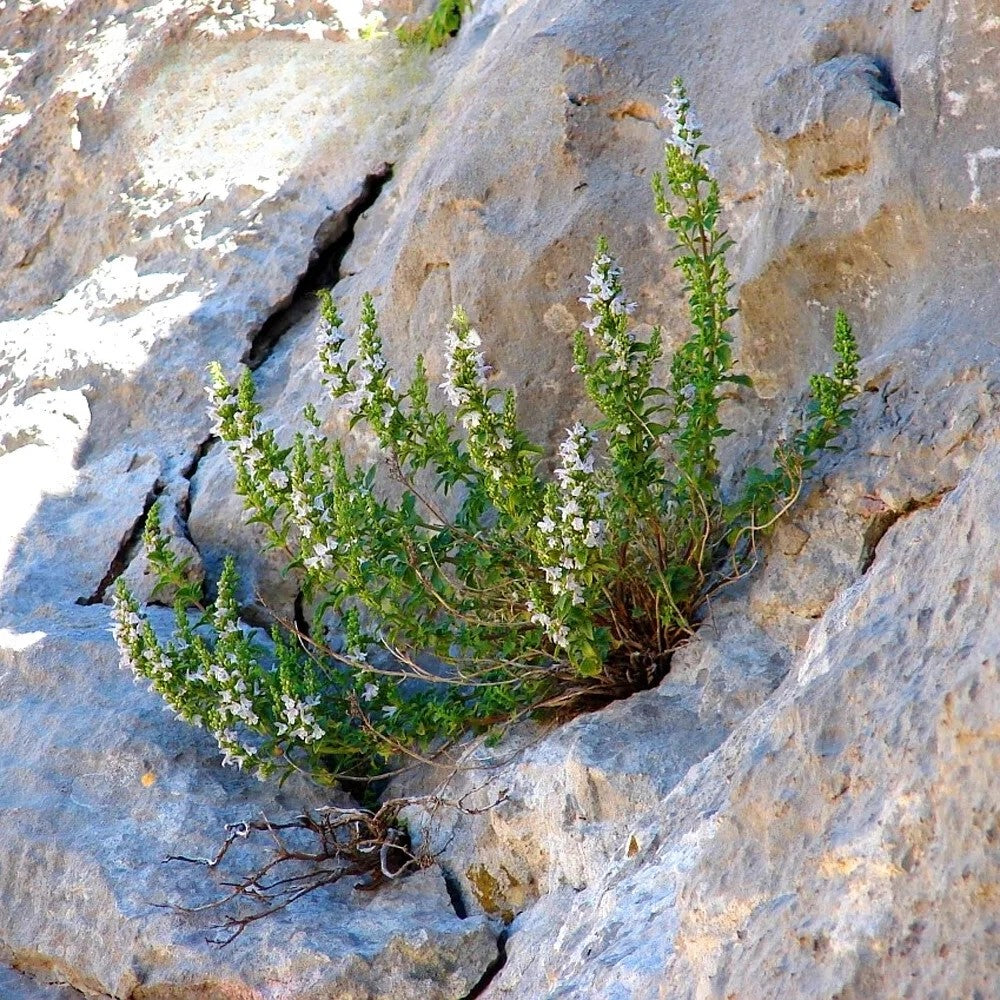
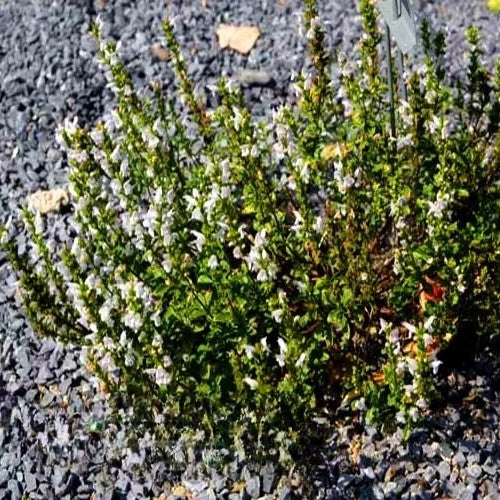
Balkan Mint – 200 Seeds (Micromeria thymifolia)
Balkan Mint is a hardy, aromatic perennial herb with small, fragrant leaves and delicate flowers. Known for its refreshing minty aroma, it is perfect for teas, culinary use, garnishes, and herbal remedies. Its compact growth habit makes it an excellent addition to herb gardens, rockeries, or containers.
Thrives in well-drained soils and sunny locations, Balkan Mint is drought-tolerant and easy to maintain, making it ideal for both beginners and experienced gardeners.
How to Grow
-
Sow indoors: February – April
-
Sow outdoors: After last frost
-
Plant spacing: 20–25 cm apart
-
Position: Full sun to partial shade
-
Soil: Well-drained, moderately fertile soil
-
Care: Water moderately; trim leaves regularly to encourage bushy growth
Key Features
-
Hardy perennial with small, fragrant leaves
-
Refreshing minty aroma for teas, cooking, and garnishes
-
Drought-tolerant and low-maintenance
-
Compact growth ideal for gardens, rockeries, or containers
-
Produces delicate flowers adding ornamental value
Harvest
-
Harvesting period: 60–90 days after sowing
-
Pick leaves as needed; regular harvesting promotes continuous growth.
Short Tip
Grow in full sun and well-drained soil for the best aroma and compact growth.
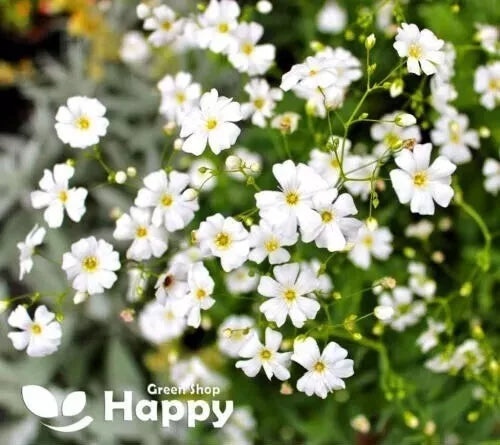
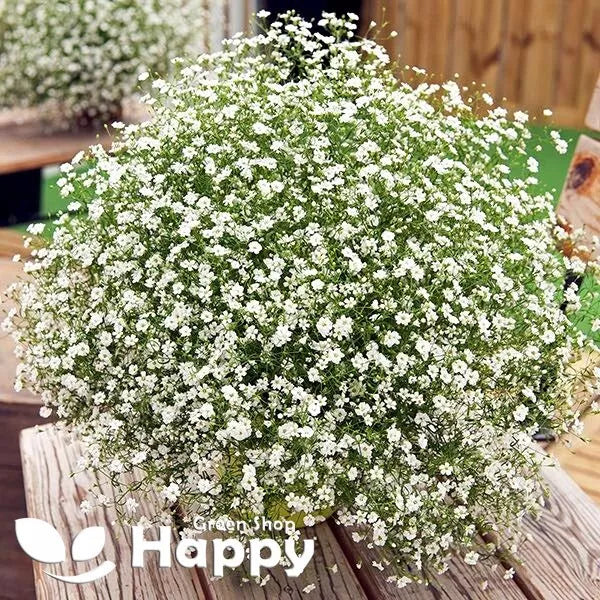
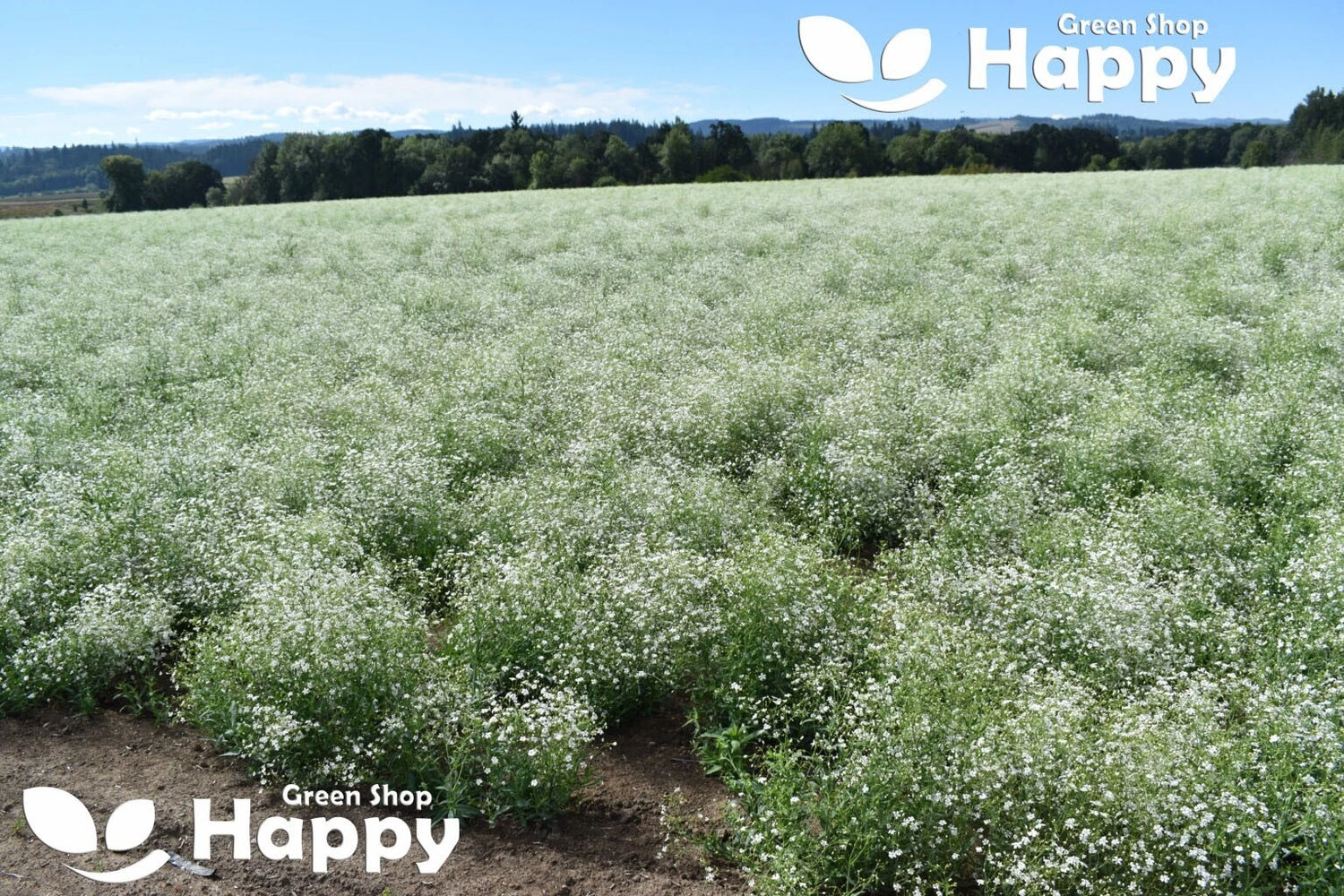
Baby’s Breath White – Seeds (Gypsophila elegans)
Baby’s Breath White (Gypsophila elegans) is a delicate annual prized for its airy sprays of tiny, pure white flowers. Blooming from early summer to autumn, it adds soft, cloud-like texture to borders, cottage gardens, and mixed flower beds. Perfect for cut flower arrangements and bouquets, this low-maintenance variety also attracts pollinators, making it a versatile and charming addition to any garden.
Why Grow "Baby’s Breath White"
-
Airy sprays of tiny, pure white flowers
-
Long flowering season from early summer to autumn
-
Easy-to-grow, low-maintenance annual
-
Ideal for cut flowers and pollinator-friendly gardens
Key Features
-
Type: Annual (Gypsophila elegans)
-
Height: 30–50 cm
-
Flowering: Early summer to autumn
-
Position: Full sun
-
Uses: Borders, cottage gardens, mixed beds, cut flowers, pollinator gardens
Ideal For
-
Softening borders and mixed flower beds
-
Cottage-style gardens
-
Bouquets and cut flower arrangements
-
Pollinator-friendly garden designs
Sowing & Growing
-
Sow indoors: February–April in trays or pots
-
Sow outdoors: March–May directly in soil
-
Germination: 10–20 days at 18–22°C
-
Thin seedlings 25–30 cm apart
-
Prefers well-drained soil in full sun
-
Water moderately until established
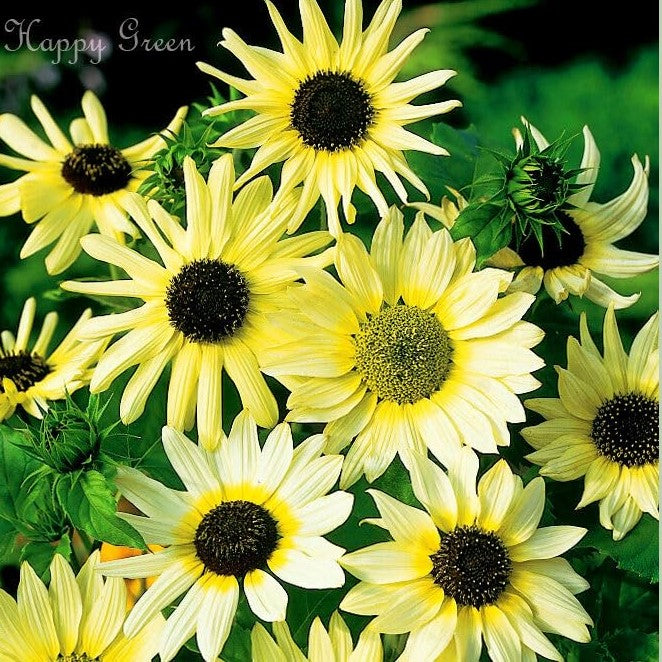
Beach Sunflower ‘Vanilla Ice’ – Seeds (Helianthus debilis)
Beach Sunflower ‘Vanilla Ice’ (Helianthus debilis) is a low-growing, trailing annual featuring creamy white blooms with a soft yellow center. Ideal for ground cover, borders, hanging baskets, and coastal gardens, this variety thrives in sunny, well-drained conditions. Its long flowering season from summer to autumn attracts pollinators, while the trailing habit adds a cascading effect to containers and garden edges.
Why Grow "Vanilla Ice"
-
Creamy white flowers with soft yellow centers
-
Long flowering season from summer to autumn
-
Low-growing, trailing habit ideal for ground cover and containers
-
Attracts pollinators and is easy to grow
Key Features
-
Type: Annual (Helianthus debilis)
-
Height: 20–30 cm, trailing 50–70 cm
-
Flowering: Summer to autumn
-
Position: Full sun
-
Uses: Ground cover, borders, containers, hanging baskets, pollinator gardens
Ideal For
-
Coastal and sunny garden settings
-
Hanging baskets, containers, and cascading edges
-
Pollinator-friendly garden designs
-
Low-maintenance, decorative ground cover
Sowing & Growing
-
Sow indoors: February–April in trays or pots
-
Sow outdoors: April–May after frost
-
Germination: 7–14 days at 20–22°C
-
Space seedlings 25–30 cm apart
-
Prefers well-drained soil and full sun
-
Water moderately until established
Showing 18/26


