
Sort by:
51 products
51 products


Cut Sunflower Semi Tall Mix – 40 Seeds (Helianthus annuus)
The Cut Sunflower Semi Tall Mix produces cheerful, long-stemmed blooms in a vibrant range of golden, yellow, and orange shades. Compact yet tall enough for cutting, this variety is perfect for borders, beds, and floral arrangements. Easy to grow and quick to flower, it brings a burst of summer color to every garden.
Why Grow This Sunflower Mix?
-
Bright, cheerful flowers in warm shades
-
Ideal for cut flower arrangements
-
Semi-tall growth suits small and large gardens
-
Hardy and easy to grow
Key Features
-
Type: Annual
-
Height: 120–150 cm
-
Spread: 30–40 cm
-
Flowering: July–September
-
Position: Full sun
-
Soil: Fertile, well-drained
Ideal For
-
Cut flower gardens
-
Borders and beds
-
Pollinator-friendly plantings
-
Summer bouquets
Sowing & Growing
-
Sow outdoors: April–May, directly in soil
-
Germination: 7–14 days at 15–20°C
-
Thin seedlings: 30–40 cm apart
-
Water well in dry periods
-
Stake if exposed to wind
Tip: Regular cutting encourages more flowers.
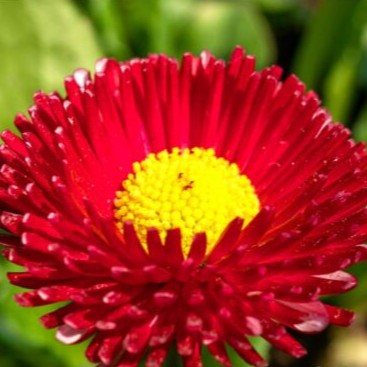
English daisy 'Super enorma' red - 500 seeds (Bellis perennis) Large flowers
£1.24
Unit price perEnglish daisy 'Super enorma' red - 500 seeds (Bellis perennis) Large flowers
£1.24
Unit price perEnglish Daisy 'Super Enorma' Red Seeds (Bellis perennis)
The English Daisy ‘Super Enorma’ Red is a premium variety renowned for its extra-large double blooms in a rich, velvety red shade. Compared to traditional English daisies, ‘Super Enorma’ produces bigger, showier flowers that stand out beautifully in spring borders, containers, and cottage gardens. This hardy perennial, often grown as a biennial, brings an early burst of dramatic color and pairs perfectly with spring bulbs and other bedding plants.
What Makes It Special
-
Extra-large blooms for maximum impact
-
Vivid deep red pompon flowers that brighten spring gardens
-
Compact growth yet highly floriferous
-
Hardy and reliable, ideal for early-season displays
Key Features
-
Botanical name: Bellis perennis
-
Variety: Super Enorma Red
-
Flower size: Larger than standard Bellis varieties
-
Height/Spread: 15–20 cm tall, 15–20 cm spread
-
Position: Full sun or partial shade; moist, fertile, well-drained soil
-
Flowering period: Early spring to early summer
-
Lifespan: Perennial, usually cultivated as a biennial
Ideal For
-
Spring bedding and borders
-
Containers and pots for dramatic color
-
Cottage gardens and mixed plantings
-
Pairing with tulips, hyacinths, and pansies for classic displays
-
Gardeners seeking large, showy daisies in bold red
Sowing Instructions
-
When to sow: May to July for flowers the following spring.
-
How to sow:
-
Sow on the surface of moist seed compost, as seeds need light to germinate.
-
Keep at 15–20°C; germination takes 14–28 days.
-
-
Transplant/Thin: Prick out seedlings when large enough to handle and grow on in cooler conditions. Harden off before planting 15–20 cm apart.
-
Care: Regular deadheading encourages longer flowering. Protect young plants from harsh frost.

Dahlia dwarf ‘Starlight’ – Seeds
(Dahlia variabilis)
The Dahlia dwarf ‘Starlight’ is a charming compact variety producing an abundance of single, star-shaped blooms in shades of red, pink, and white, often with contrasting centers. With its bushy, dwarf growth habit, this dahlia is ideal for containers, borders, bedding schemes, and patio displays. A long-flowering annual, it brings a burst of color from mid-summer until the first frost.
Key Features
-
Type: Half-hardy annual
-
Height: 25–35 cm
-
Spread: 25–30 cm
-
Flowering: July–October
-
Position: Full sun
-
Soil: Moist, fertile, well-drained
Ideal For
-
Containers, pots, and patio displays
-
Bedding and border plantings
-
Pollinator-friendly gardens
-
Compact summer color displays
Sowing & Growing
-
Sow indoors: February–April, in trays at 18–22°C
-
Sow depth: 0.5 cm, cover lightly with soil
-
Transplant: Harden off and plant outdoors after last frost, spacing 25–30 cm apart
-
Care: Water regularly, deadhead faded blooms to prolong flowering
Alpine Forget-Me-Not White Seeds (Myosotis alpestris)
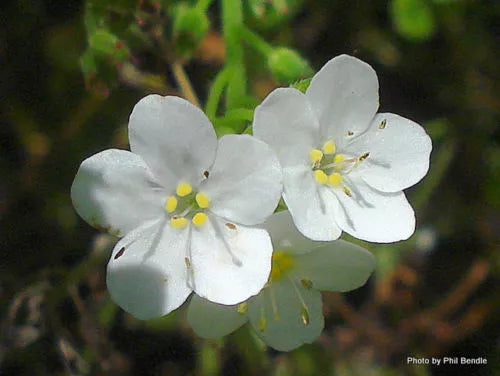
The Alpine Forget-Me-Not White is a rare and elegant form of the classic alpine flower, producing clusters of pure white star-like blooms with delicate yellow centers. Compact and easy to grow, this hardy perennial is perfect for adding a touch of brightness to shady corners, rockeries, and spring borders. Its soft charm makes it a beautiful companion to blue and pink varieties, creating a natural alpine display.
What Makes It Special
-
Unusual snow-white blooms, less common than the classic blue
-
Hardy and resilient, ideal for cool and mountainous conditions
-
A symbol of purity, remembrance, and enduring affection
-
Pairs beautifully with colored alpine flowers and spring bulbs
Key Features
-
Botanical name: Myosotis alpestris
-
Variety: Alpine White
-
Height/Spread: 15–25 cm tall, 15–20 cm spread
-
Position: Full sun to partial shade; prefers moist, well-drained soil
-
Flowering period: Spring to early summer
-
Lifespan: Hardy perennial (often grown as a biennial)
Ideal For
-
Rock gardens and alpine borders
-
Shady garden spots
-
Cottage and wildflower gardens
-
Mixed displays with blue and pink forget-me-nots
-
Spring bulb underplanting (tulips, daffodils, hyacinths)
Sowing Instructions
-
When to sow: Late spring to mid-summer (May–July) for blooms the following spring.
-
How to sow:
-
Sow thinly on trays or directly into finely raked soil outdoors.
-
Cover lightly with soil or compost.
-
Keep moist until germination (10–21 days).
-
-
Transplant/Thin: Space seedlings 15–20 cm apart when large enough to handle.
-
Care: Allow to self-seed naturally for repeat displays year after year.
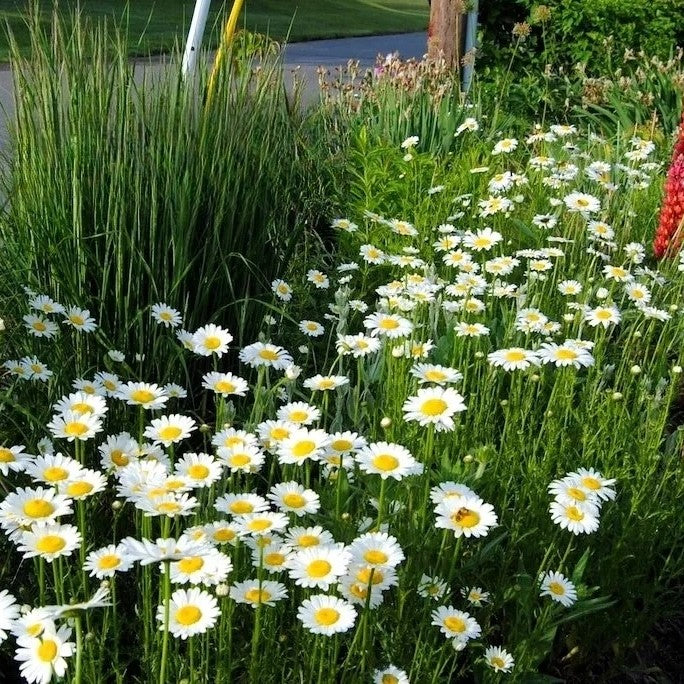
Ox-Eye Daisy 'May Queen' Seeds (Chrysanthemum leucanthemum)
The Ox-Eye Daisy ‘May Queen’ (Chrysanthemum leucanthemum) is a charming, classic wildflower with cheerful white petals and sunny yellow centers. This hardy perennial is valued for its reliability, low maintenance, and ability to naturalize in meadows, borders, and wildlife gardens. Blooming in late spring through summer, it attracts bees, butterflies, and other pollinators.
What Makes It Special
-
Large, daisy-like blooms with a natural cottage garden look
-
Hardy perennial that self-seeds and spreads easily
-
Perfect for wildflower meadows and pollinator-friendly gardens
Key Features
-
Botanical name: Chrysanthemum leucanthemum
-
Perennial wildflower
-
Height: 60–80 cm
-
Spread: 30–40 cm
-
Flowering: May–July
Ideal For
-
Wildflower meadows and naturalizing
-
Cottage and wildlife gardens
-
Pollinator-friendly planting
Sowing
-
Sow outdoors: March–May or August–October, directly where they are to flower
-
Germination: 14–28 days
-
Thin seedlings to 30 cm apart
-
Thrives in full sun and well-drained soil

Alpine Forget-Me-Not Pink Seeds (Myosotis alpestris)
The Alpine Forget-Me-Not Pink is a delightful variation of the classic alpine flower, producing clusters of soft pink star-like blooms with cheerful yellow centers. Compact, hardy, and easy to grow, this alpine treasure brings a gentle pastel touch to borders, rock gardens, and naturalized plantings. Its romantic tones make it especially beautiful when planted alongside the traditional blue and rare white forms.
What Makes It Special
-
Uncommon pink form of the traditional alpine flower
-
Hardy and resilient, thrives in cool climates and rocky soil
-
A symbol of remembrance and affection, with a softer romantic hue
-
Perfect companion to blue and white alpine forget-me-nots
Key Features
-
Botanical name: Myosotis alpestris
-
Variety: Alpine Pink
-
Height/Spread: 15–25 cm tall, 15–20 cm spread
-
Position: Full sun to partial shade; prefers moist, well-drained soil
-
Flowering period: Spring to early summer
-
Lifespan: Hardy perennial (commonly grown as a biennial)
Ideal For
-
Rock gardens and alpine displays
-
Mixed pastel-themed borders
-
Cottage and wildflower gardens
-
Planting with spring bulbs (tulips, daffodils, hyacinths)
-
Combining with blue and white forget-me-nots for a tricolor effect
Sowing Instructions
-
When to sow: Late spring to mid-summer (May–July) for blooms the following spring.
-
How to sow:
-
Sow thinly on trays or directly outdoors into finely raked soil.
-
Cover lightly with soil or compost.
-
Keep moist until germination (10–21 days).
-
-
Transplant/Thin: Space seedlings 15–20 cm apart once large enough to handle.
-
Care: Allow plants to self-seed for naturalized displays year after year.
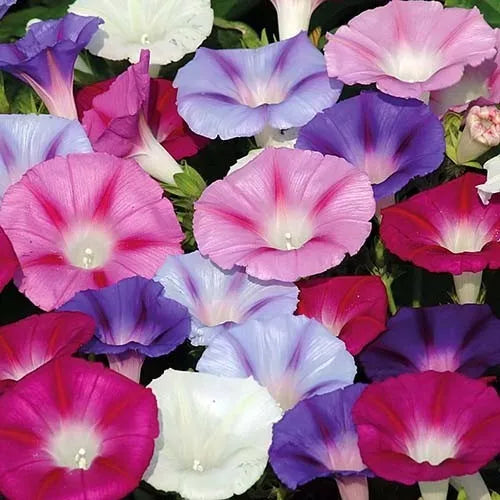
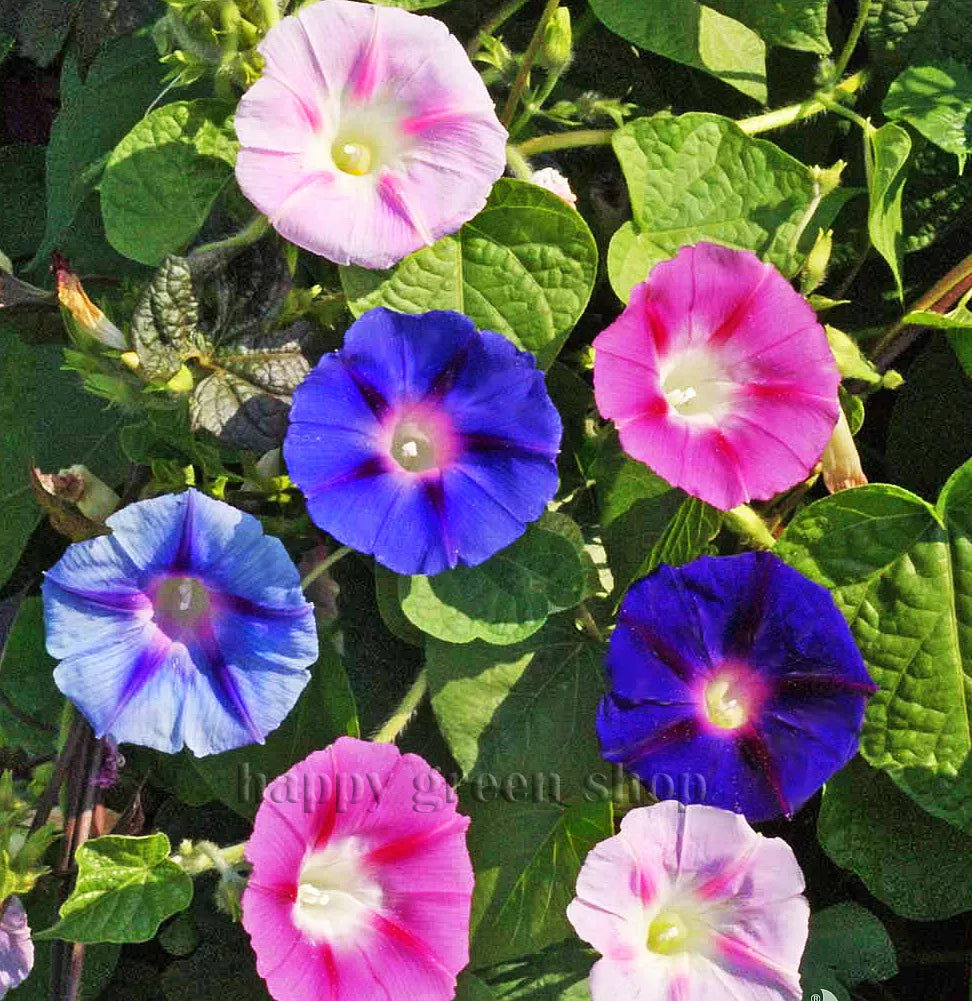
Morning Glory Mix Seeds (Ipomoea tricolor)
Morning Glory Mix is a vibrant climbing annual featuring trumpet-shaped flowers in a variety of colors, including blue, pink, purple, and white. Its rapid growth and twining habit make it perfect for trellises, fences, arches, and containers. Loved for its colorful display and long flowering season, it adds vertical charm to any garden.
What Makes It Special
-
Trumpet-shaped blooms in multiple colors for a dynamic display
-
Fast-growing climber ideal for vertical gardening
-
Long-flowering from summer to autumn
-
Attracts pollinators like bees and butterflies
Key Features
-
Botanical name: Ipomoea tricolor
-
Variety: Mix
-
Seed count: Approx. seeds per pack
-
Height/Spread: Climbs 2–3 m; spread depends on support
-
Position: Full sun; fertile, well-drained soil
-
Flowering period: July–October
Ideal For
-
Trellises, fences, pergolas, and arches
-
Containers with support for vertical growth
-
Pollinator-friendly gardens
-
Adding vibrant color to summer and autumn garden spaces
Sowing Instructions
-
When to sow: February–April indoors; March–May outdoors
-
How to sow:
-
Scarify or soak seeds overnight for faster germination
-
Sow seeds 1–2 cm deep in pots or seed trays
-
Germination occurs in 7–14 days at 20–25°C
-
-
Transplanting: Plant outdoors with support after frost
-
Care: Water moderately; provide trellis or support; pinch tips for bushier growth
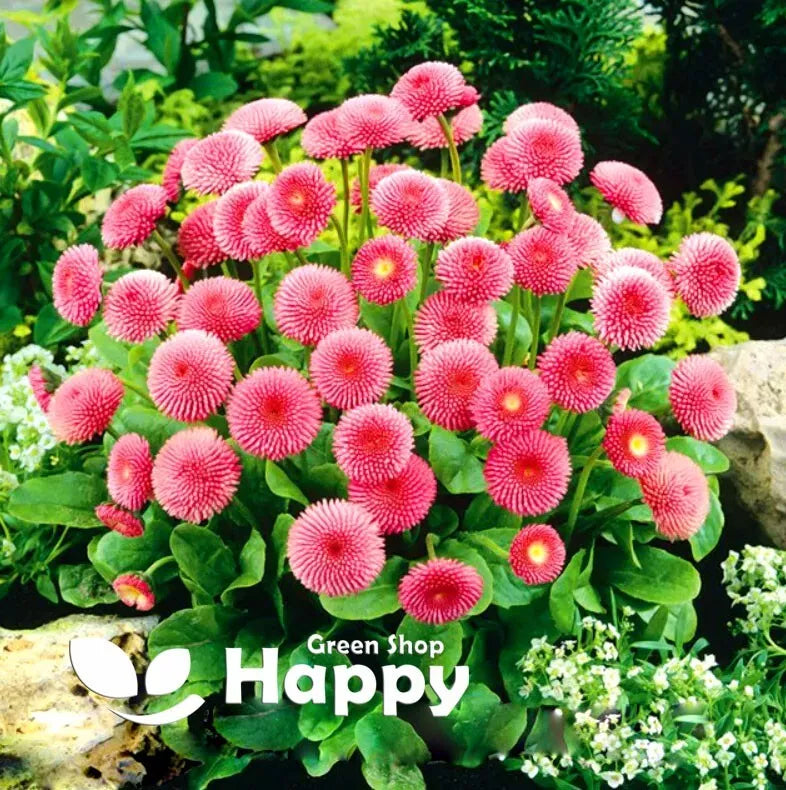
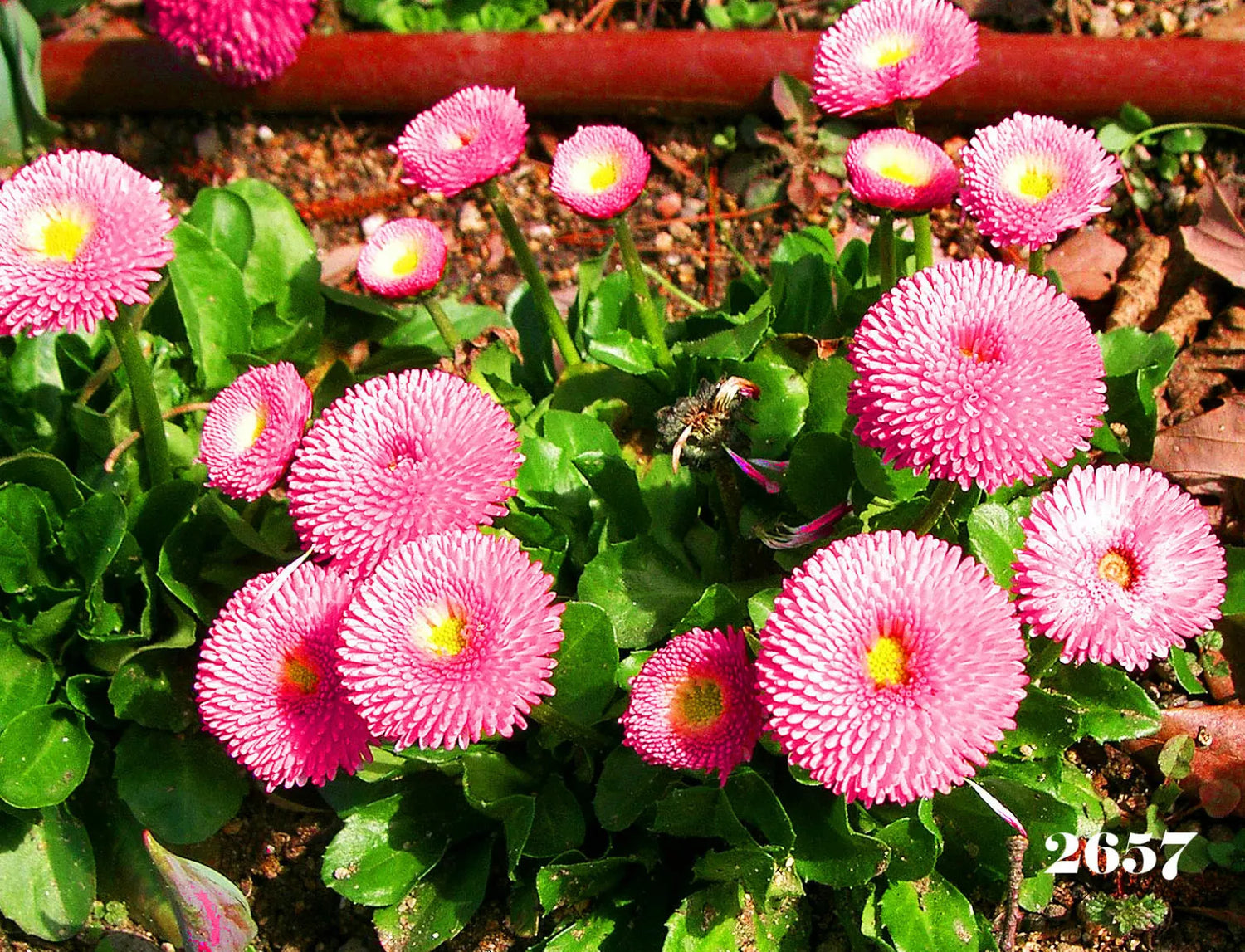
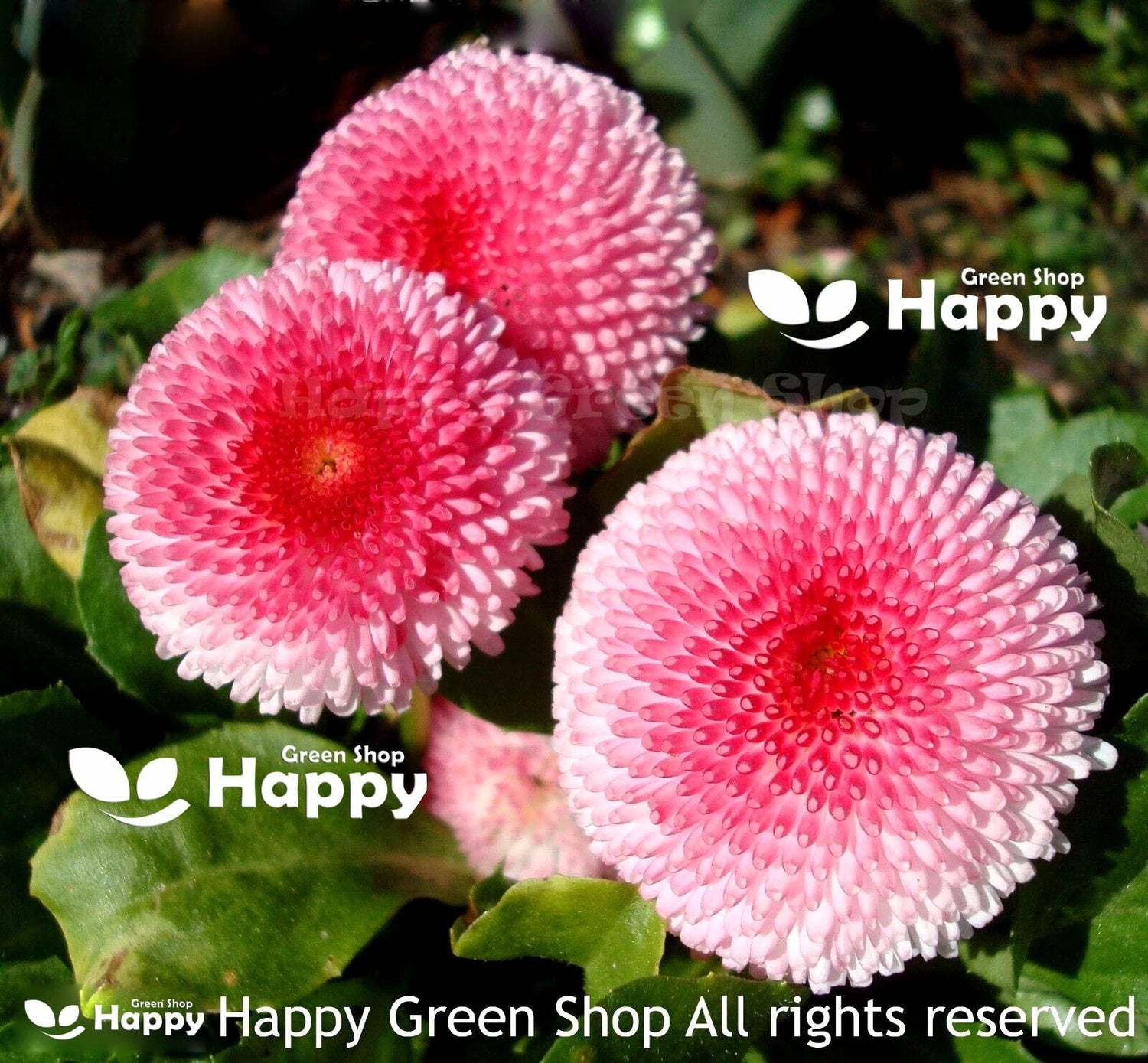
English Daisy 'Pomponette' Pink Seeds (Bellis perennis)
The English Daisy ‘Pomponette’ Pink is a charming variety that produces neat, double pompon-shaped blooms in rich shades of soft to deep pink. Compact and easy to grow, it adds a delightful splash of color to borders, containers, and spring bedding displays. A timeless favorite, perfect for pairing with tulips, violas, and primroses.
What Makes It Special
-
Distinctive pompon-style flowers in shades of pink
-
Compact, hardy, and low-maintenance
-
Early and long flowering from spring through early summer
-
Ideal for creating vibrant, colorful borders and edging
Key Features
-
Botanical name: Bellis perennis
-
Variety: Pomponette Pink
-
Height/Spread: 15–20 cm tall, 15–20 cm spread
-
Position: Full sun or partial shade; prefers moist, well-drained soil
-
Flowering period: Early spring to early summer
-
Lifespan: Perennial, often grown as a biennial
Ideal For
-
Cottage gardens and spring bedding schemes
-
Bright borders and edging
-
Containers, pots, and window boxes
-
Pairing with spring bulbs such as tulips and daffodils
-
Creating a soft pink contrast in mixed planting displays
Sowing Instructions
-
When to sow: Late spring to mid-summer (May–July) for flowers the following spring.
-
How to sow:
-
Sow thinly on the surface of moist seed compost.
-
Do not cover, as seeds need light to germinate.
-
Maintain moisture at 15–20°C. Germination takes 14–28 days.
-
-
Transplant/Thin: When seedlings are large enough, transplant into pots or trays. Harden off before planting outdoors 15–20 cm apart.
-
Care: Deadhead regularly to encourage more blooms. Protect young plants from harsh frost.

Sweet William ‘Pinocchio’ Mix – Seeds
(Dianthus barbatus) – Biennial/Short-lived Perennial
The Sweet William ‘Pinocchio’ Mix is a compact variety that produces charming clusters of vividly colored flowers in shades of red, pink, white, and bicolor. Its fragrant, long-lasting blooms make it a favorite for borders, rock gardens, and cut flowers. Compact in habit, it’s perfect for smaller spaces and containers while still bringing cottage-garden charm.
Key Features
-
Type: Biennial / short-lived perennial
-
Height: 25–30 cm
-
Blooming period: May–July (from second year)
-
Position: Full sun to partial shade
-
Soil: Well-drained, fertile soil
Ideal For
-
Borders and edging
-
Rock and cottage gardens
-
Containers and small gardens
-
Long-lasting cut flowers
Sowing & Growing
-
Sow indoors: February–April at 18–20°C
-
Sow outdoors: May–June for flowering the following year
-
Sowing depth: Surface sow, lightly cover with fine soil
-
Spacing: 15–20 cm apart
-
Care: Deadhead regularly; mulch in winter for protection
Showing 36/51


