
Sort by:
51 products
51 products
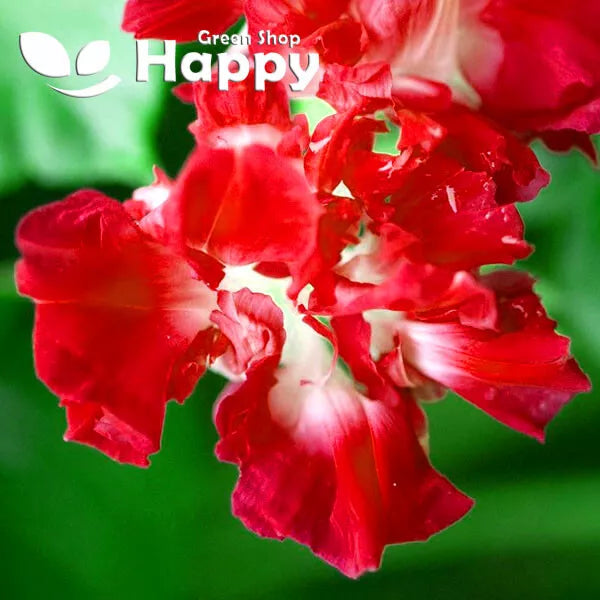
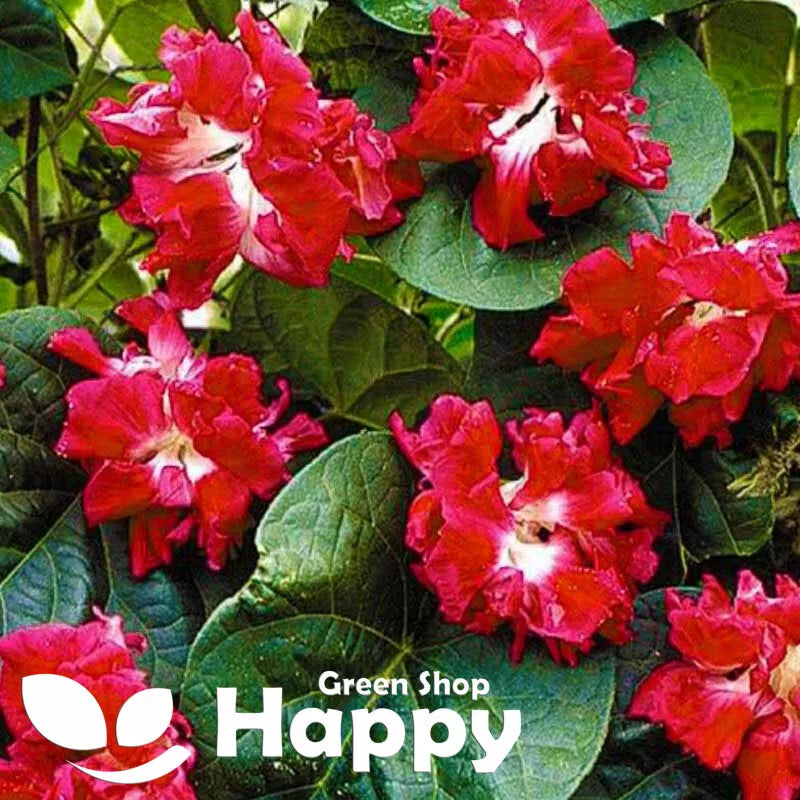
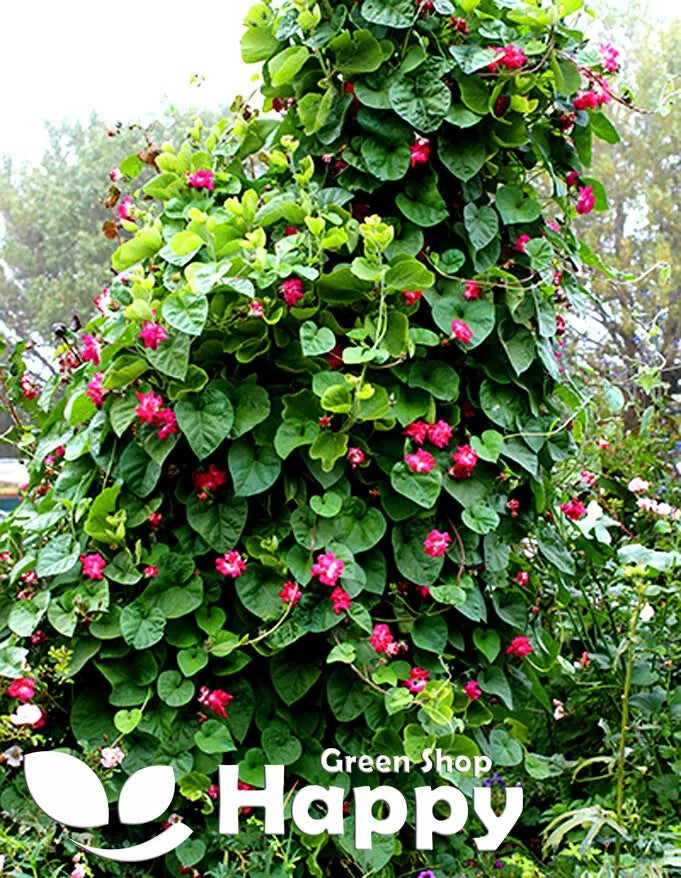
Morning Glory ‘Ruffle Red’ – 5 Seeds
(Ipomoea imperialis)
The Morning Glory ‘Ruffle Red’ is a stunning and unusual climber with rich, velvety red blooms and beautifully ruffled, frilled petals. This variety combines the classic vigour of Morning Glories with a more exotic flower form, making it a real highlight in the garden. Its lush heart-shaped foliage and continuous summer display make it ideal for covering fences, arches, pergolas, and trellises.
Key Features
-
Type: Annual climber
-
Height: 2–3 m
-
Spread: 30–40 cm
-
Flowering: July–October
-
Position: Full sun / partial shade
-
Soil: Fertile, well-drained
Ideal For
-
Adding a dramatic splash of red to vertical spaces
-
Fences, arches, trellises, and pergolas
-
Large containers with supports
-
Cottage gardens and exotic planting schemes
Sowing & Growing
-
Sow indoors: March–April in pots or trays
-
Sow outdoors: May–June, after the last frost
-
Pre-treatment: Nick or soak seeds 12–24 hours before sowing
-
Germination: 7–14 days
-
Plant spacing: 30–40 cm
-
Provide strong support for climbing stems
-
Deadhead to prolong flowering

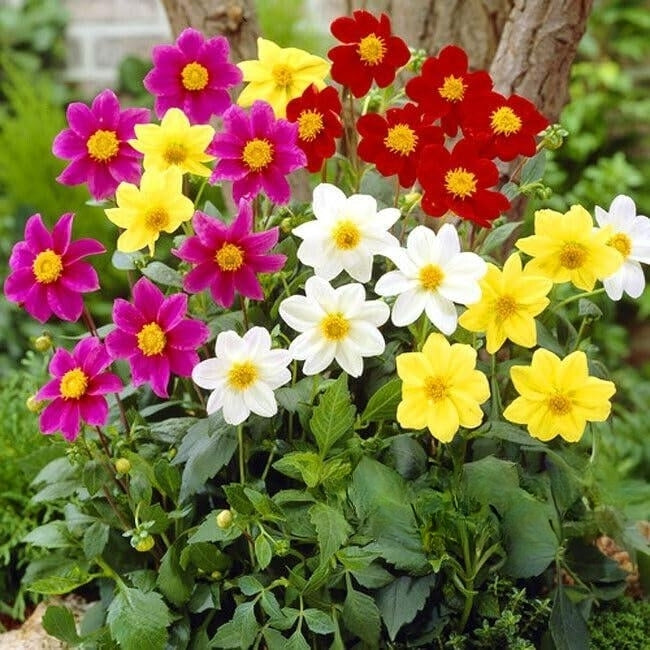
Dahlia 'Mignon Coltness' – Seeds
(Dahlia variabilis)
Dahlia 'Mignon Coltness' is a compact, free-flowering variety that produces masses of single blooms in warm shades of scarlet, orange, and yellow with golden centers. Easy to grow from seed, these bushy plants create a bold splash of summer color and are perfect for borders, edging, and containers. Loved by pollinators, they’ll keep your garden lively all season long.
Key Features
-
Type: Half-hardy annual (grown from seed)
-
Height: 40–50 cm
-
Spread: 30–40 cm
-
Flowering: July–October
-
Position: Full sun
-
Soil: Fertile, well-drained
Ideal For
-
Bedding and borders
-
Containers and pots
-
Edging paths and garden beds
-
Pollinator-friendly gardens
Sowing & Growing
-
Sow indoors: February–April at 18–22°C
-
Germination: 7–14 days
-
Transplant after frost, spacing 25–30 cm
-
Deadhead regularly for continuous flowering

Ipomoea nil 'Chocolate', commonly known as Japanese Morning Glory, is a vigorous annual climber producing exceptionally large, funnel-shaped flowers in unusual soft chocolate-rose to muted mauve tones, often finished with a contrasting pale edge. The distinctive colouring is complemented by lush, heart-shaped foliage, creating an unusual alternative to the familiar blue and purple Morning Glory varieties.
Fast-growing twining stems are ideal for covering trellises, arches, fences and other vertical supports during summer. The spectacular flowers open in the morning, and plants perform best in a warm, sunny, sheltered position where they can climb freely and produce their summer display.
● Unusual soft chocolate-rose to muted mauve flower colour
● Exceptionally large, funnel-shaped Morning Glory blooms
● Fast-growing twining climber for strong vertical impact
● Flowers open in the morning for a distinctive daily display
● Excellent for quickly covering trellises, arches and fences
● Trellises and obelisks
● Garden arches
● Sunny fences and walls
● Large patio containers with climbing support
● Vertical summer displays
● Soak seeds in lukewarm water for 12–24 hours before sowing to soften the hard seed coat and encourage faster, more even germination.
● Sow indoors in individual pots rather than communal trays, as Ipomoea nil dislikes root disturbance; transplant with the root ball intact.
● Provide a climbing support from an early stage so the rapidly growing twining stems can attach without becoming tangled.
● Avoid excessive high-nitrogen feeding, which can encourage vigorous leafy growth at the expense of flower production.
● Choose a warm, sheltered site with plenty of sun; this heat-loving climber performs and flowers best when protected from cold winds.


Yellow Iris – Seeds
(Iris pseudacorus)
The Yellow Iris (Iris pseudacorus) is a striking perennial, known for its large golden-yellow blooms and elegant sword-like foliage. Naturally found along riverbanks and ponds, it thrives in moist to wet soil, making it a perfect choice for water gardens, bog gardens, or pond edges. In late spring to early summer, it produces showy flowers that attract pollinators and provide a beautiful contrast to lush greenery. Hardy and low-maintenance, this iris is both ornamental and beneficial for wildlife habitats.
Key Features
-
Type: Perennial, aquatic/marginal plant
-
Height: 80–120 cm
-
Spread: 40–60 cm
-
Flowering: May–July
-
Position: Full sun / partial shade
-
Soil: Moist, fertile; thrives in boggy or wet conditions
Ideal For
-
Pond edges, water features, and wetlands
-
Wildlife and naturalistic gardens
-
Cottage and perennial borders (in moist soil)
-
Attracting bees and butterflies
Sowing & Growing
-
Sow indoors/outdoors: Autumn–Spring
-
Pre-treatment: Seeds benefit from stratification (exposure to cold for 6–8 weeks) before sowing.
-
Germination: Can be slow and irregular (1–3 months).
-
Sow depth: Cover lightly with compost and keep moist.
-
Transplanting: Move seedlings to permanent positions when large enough, ensuring soil remains moist.
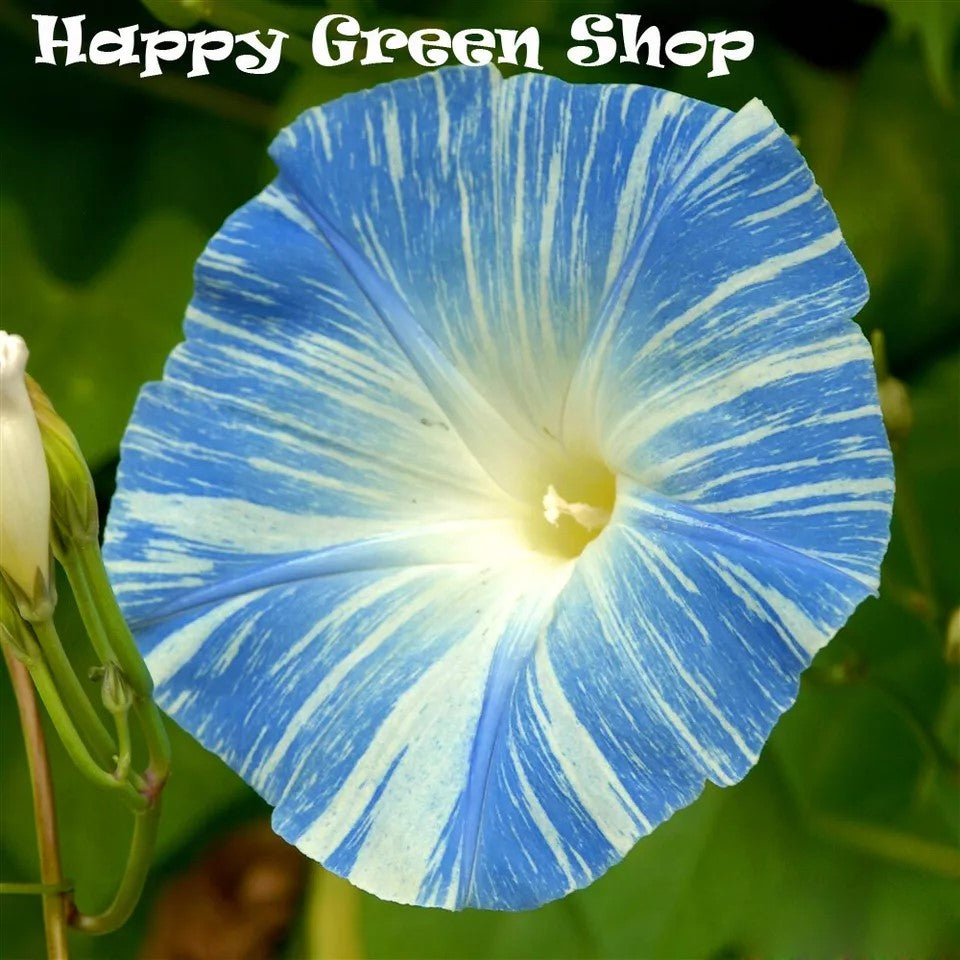
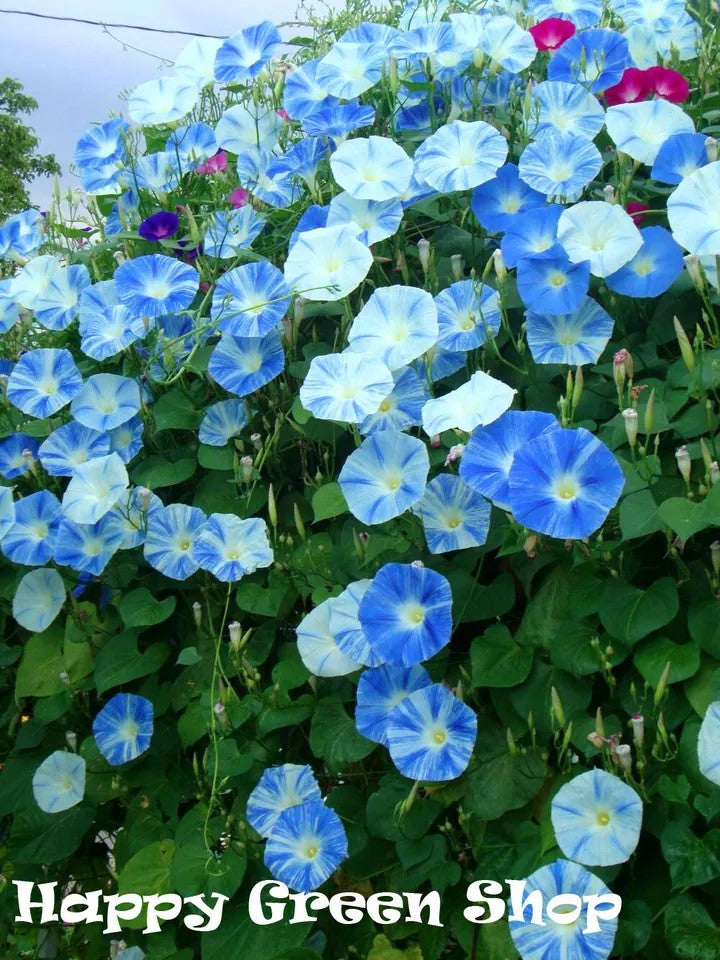
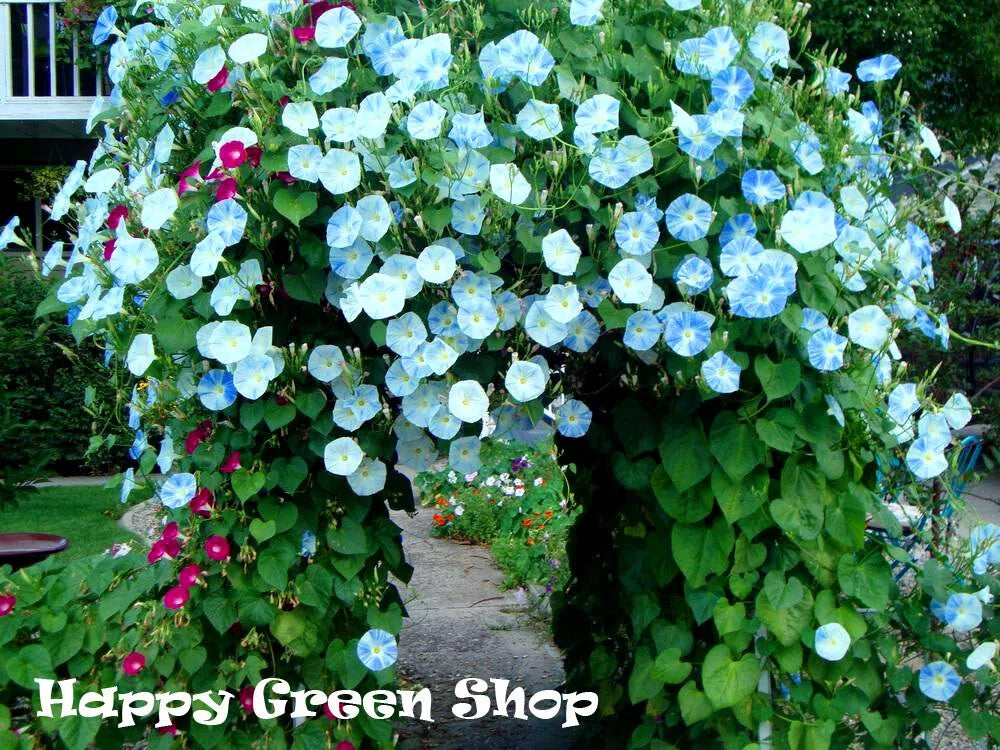
Morning Glory ‘Flying Saucers’ – Seeds (Ipomoea tricolor)
Morning Glory ‘Flying Saucers’ is a spectacular climbing annual, producing large sky-blue and white striped blooms that resemble swirling galaxies. Vigorous and fast-growing, it’s perfect for covering fences, trellises, and arches, creating a dazzling vertical display throughout summer.
Why Grow ‘Flying Saucers’?
-
Striking blue and white striped blooms
-
Large flowers, up to 12 cm across
-
Vigorous, quick-growing climber
-
Attracts pollinators
Key Features
-
Type: Hardy annual climber
-
Height: 250–300 cm
-
Flowering: July–October
-
Position: Full sun, well-drained soil
-
Uses: Trellises, fences, arches, pergolas
Ideal For
-
Vertical garden displays
-
Fast summer screening
-
Adding dramatic color to outdoor spaces
Sowing & Growing
-
Sow indoors: 4–6 weeks before last frost
-
Sow outdoors: After frost, direct in soil
-
Nick or soak seeds before sowing
-
Germination: 7–14 days at 18–20°C
-
Provide climbing support

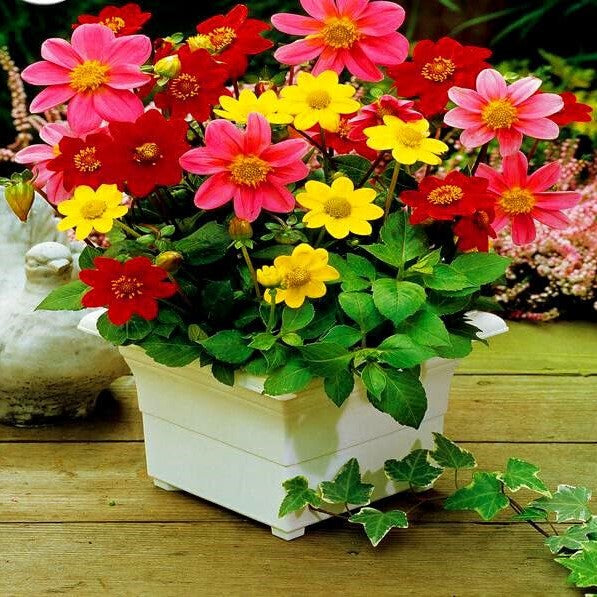
Dahlia 'Piccolo Single Mignon' – Seeds
(Dahlia variabilis)
Dahlia 'Piccolo Single Mignon' is a charming dwarf variety that produces masses of single flowers in a wide range of bright colors. With compact, bushy plants and a long flowering period, this variety is perfect for borders, pots, and containers. The cheerful blooms attract bees and butterflies, making it a pollinator-friendly choice for any summer garden.
Key Features
-
Type: Half-hardy annual (grown from seed)
-
Height: 30–40 cm
-
Spread: 25–30 cm
-
Flowering: July–October
-
Position: Full sun
-
Soil: Fertile, well-drained
Ideal For
-
Bedding displays
-
Pots & containers
-
Borders & edging
-
Pollinator-friendly gardens
Sowing & Growing
-
Sow indoors: February–April at 18–22°C
-
Germination: 7–14 days
-
Transplant seedlings after frost, spacing 25–30 cm
-
Regular deadheading encourages continuous blooms
Showing 51/51


