
Sort by:
14 products
14 products
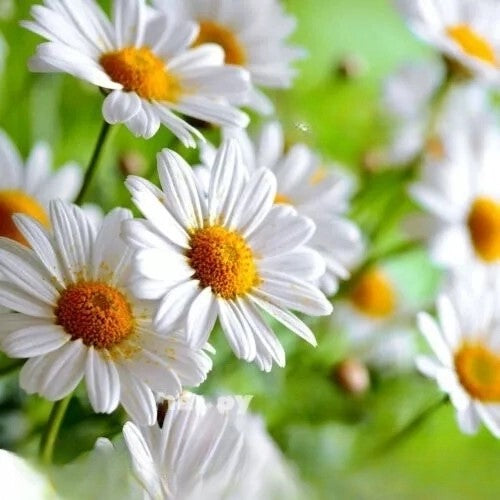
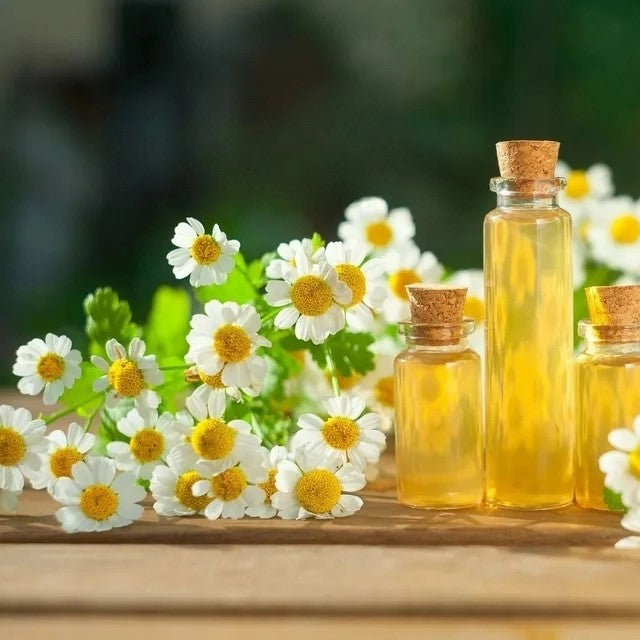
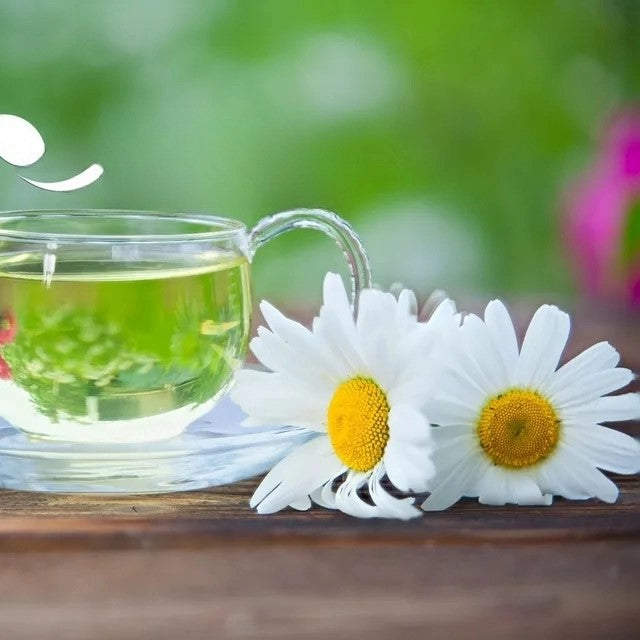
German Chamomile – Seeds (Matricaria recutita)
Bring calm and fragrance to your garden with German Chamomile, a charming annual herb prized for its daisy-like white flowers and soothing aroma. Traditionally used for herbal teas and natural remedies, this variety is easy to grow, highly productive, and also attracts pollinators to your garden. A perfect choice for herb beds, borders, and pots.
How to Grow
. Sow indoors from February to April, lightly pressing seeds onto the surface of moist compost – do not cover as they need light to germinate
. Transplant seedlings outdoors after the last frost, spacing 20–25 cm apart
. Alternatively, sow outdoors directly in April to May in well-drained soil
. Prefers a sunny position with average to light soil
. Water sparingly, as chamomile thrives in slightly dry conditions
Key Features
. Delicate white blooms with yellow centers
. Traditional herb for calming teas and remedies
. Attracts bees, butterflies, and beneficial insects
. Easy to grow, tolerant of poor soils
. Ideal for borders, herb gardens, and containers
Ideal For
. Herbal tea lovers and home remedies
. Pollinator-friendly gardens
. Cottage gardens and borders
. Container growing
Sowing & Harvest
. Sow: February – May
. Harvest: June – September
Quick Tip
Harvest flowers on warm, dry days and dry them for homemade chamomile tea with the best flavor and aroma.

Pot Marigold Dwarf ‘Sunset Buff’ – Apricot – 1,000 Seeds (Calendula officinalis)
The Dwarf Pot Marigold ‘Sunset Buff’ is a charming, compact variety producing apricot-peach blooms with soft golden undertones. Its warm pastel shades bring a unique elegance to beds, borders, and cottage gardens. Easy to grow and long-flowering, this hardy annual is also edible, with petals traditionally used to decorate salads or for natural dye.
Highlights
-
Distinctive apricot–buff blooms with golden tones
-
Compact, dwarf habit – perfect for pots and borders
-
Long flowering season from early summer to autumn
-
Attracts pollinators and beneficial insects
-
Edible petals for salads and herbal uses
Key Features
-
Botanical Name: Calendula officinalis
-
Variety: Dwarf ‘Sunset Buff’ (Apricot)
-
Seed Count: 1,000 seeds per pack
-
Height/Spread: 25–30 cm tall, compact growth
-
Position: Full sun, well-drained soil
-
Flowering Period: June – October
Perfect For
-
Bedding, borders, and cottage gardens
-
Patio pots and containers
-
Pollinator-friendly gardens
-
Edible flower displays and herbal uses
Sowing Instructions
-
Sow outdoors March–May or August–September for overwintering
-
Sow directly into soil, lightly cover seeds
-
Germination: 7–14 days
-
Thin seedlings to 20–25 cm apart
-
Deadhead regularly for prolonged flowering
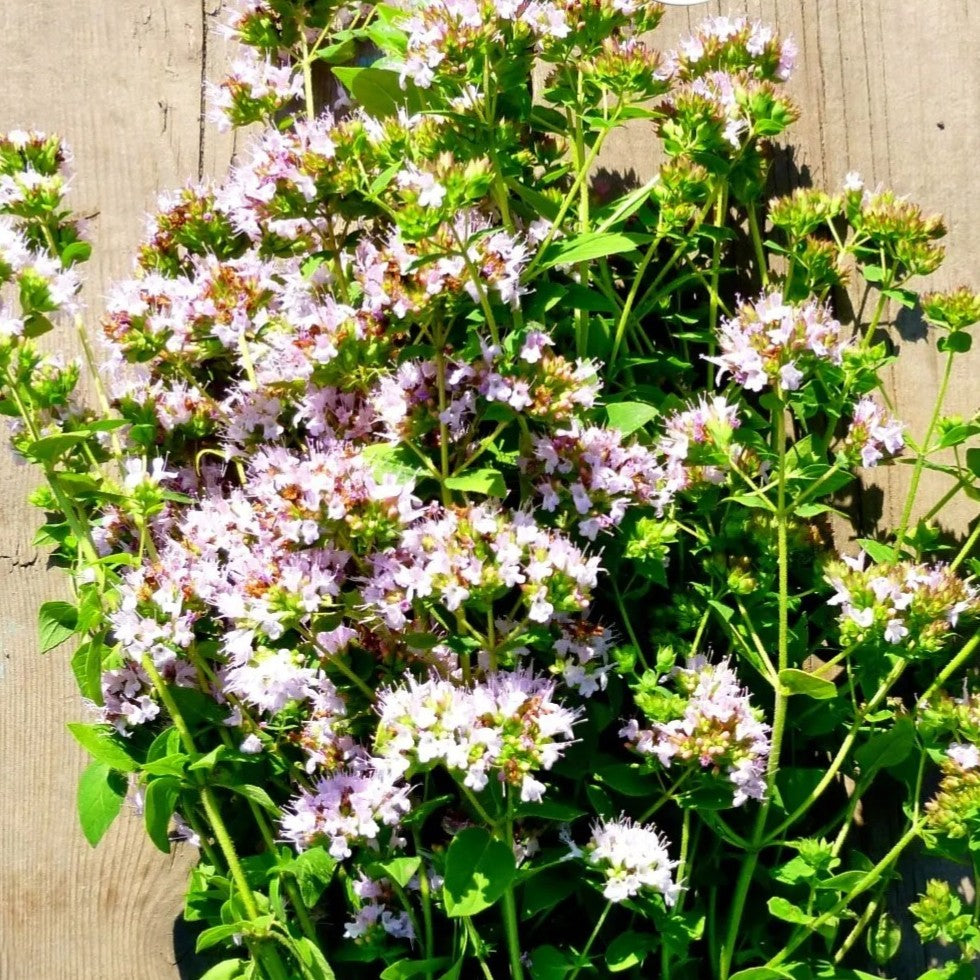
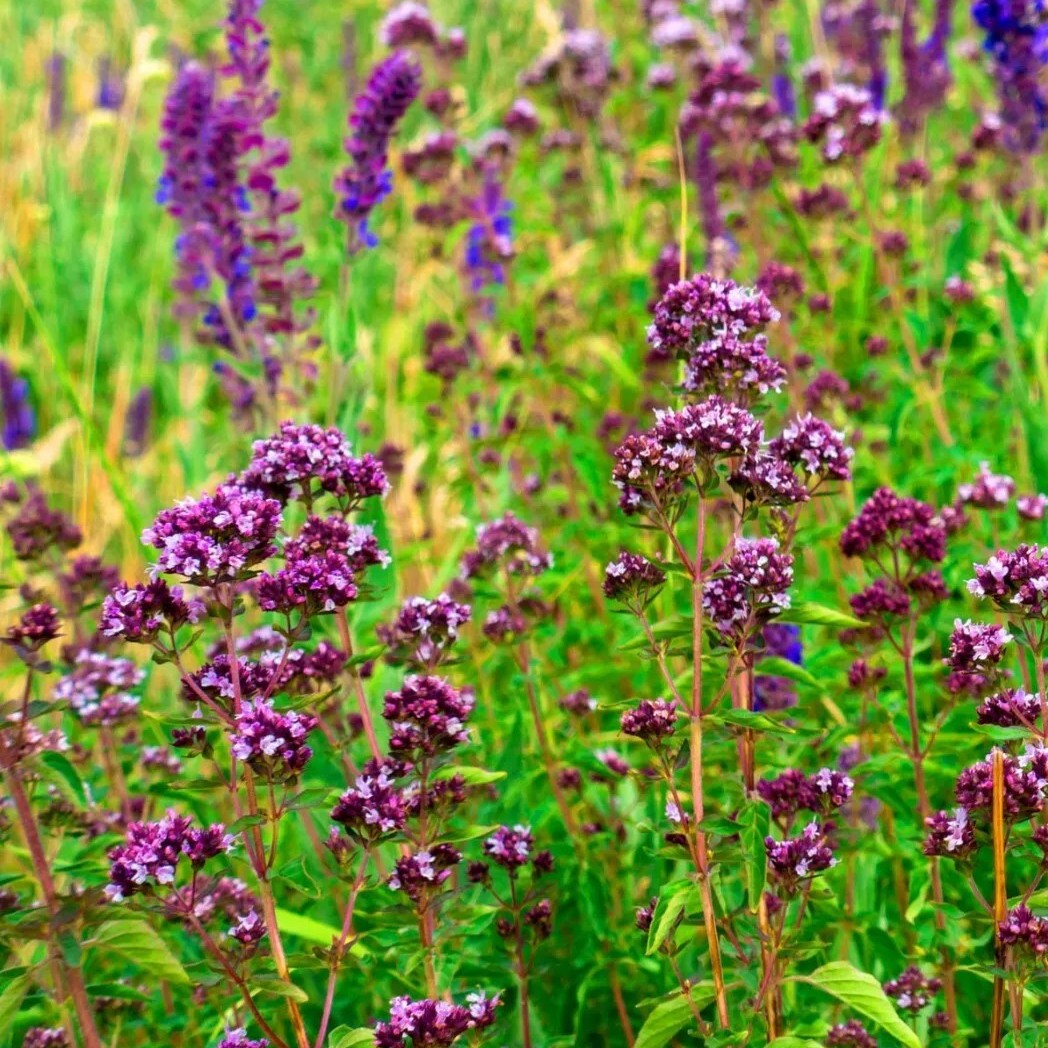
Wild Marjoram – Oregano – Seeds (Origanum vulgare)
Wild Marjoram (Oregano) is a hardy perennial herb cherished for its fragrant leaves and delicate pink-purple flowers. A staple of Mediterranean cooking, oregano adds a rich, earthy flavor to pizzas, pasta, sauces, and roasted vegetables. Beyond the kitchen, its nectar-rich flowers are a magnet for bees and butterflies, making it a wonderful addition to herb gardens, borders, and pollinator-friendly spaces.
How to Grow
-
Sow indoors: March – May in seed trays or pots.
-
Transplant outdoors: After the last frost in a sunny, well-drained spot.
-
Spacing: 25–30 cm apart.
-
Oregano prefers light, well-drained soil and thrives in warm, sunny conditions.
Key Features
-
Aromatic herb essential for Mediterranean cuisine
-
Hardy perennial, easy to grow
-
Attracts bees and butterflies with summer blooms
-
Suitable for pots, containers, or borders
-
Drought-tolerant once established
Ideal For
-
Culinary herb gardens
-
Fresh or dried use in cooking
-
Pollinator-friendly borders
-
Container growing on patios or balconies
Sowing & Harvest
-
Sow: March – May
-
Harvest: June – October (leaves can be harvested fresh or dried)
Quick Tip
For the most intense flavor, harvest oregano leaves just before flowering, and dry them in a cool, airy place.
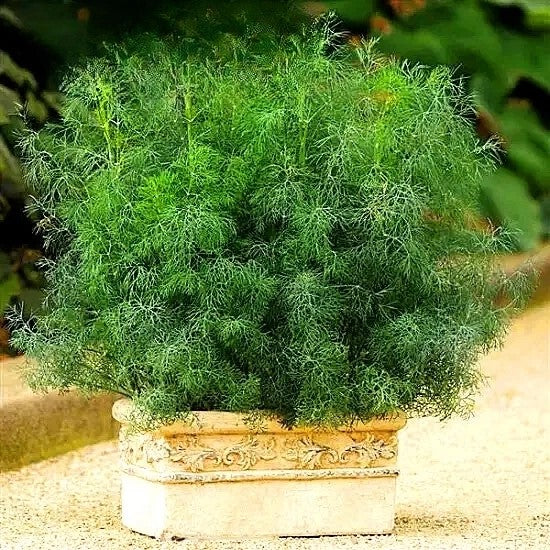
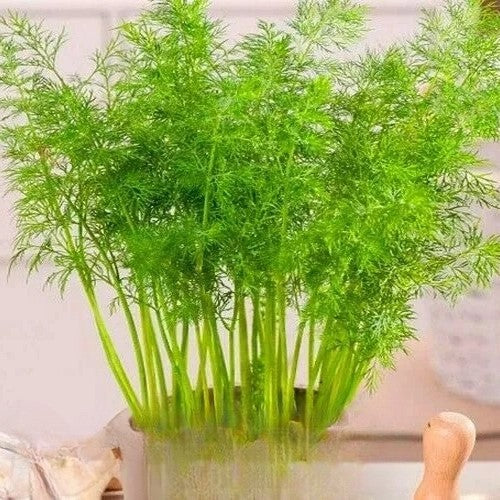
Dwarf Dill 'Forrest' – Seeds
(Anethum graveolens) – Compact, Aromatic Herb
Dwarf Dill 'Forrest' is a compact, slow-bolting variety ideal for small gardens, pots, and window boxes. Its fragrant, feathery leaves are perfect for seasoning salads, soups, pickles, and fish dishes. This variety produces consistent, tender foliage and is easy to grow even in limited space.
Key Features
-
Type: Annual herb
-
Height: Dwarf, 25–35 cm
-
Flavor: Classic aromatic dill, mild and fresh
-
Harvest: Leaf harvest from 40–50 days after sowing
-
Use: Culinary seasoning, pickling, fresh salads
Ideal For
-
Small gardens, balconies, and containers
-
Culinary use in salads, soups, and sauces
-
Companion planting in vegetable beds
-
Homegrown, fresh herb supply
Sowing & Growing
-
Sow outdoors: March–June, thin seedlings to 10–15 cm apart.
-
Sow indoors: February–April, transplant seedlings carefully.
-
Soil: Light, well-drained, moderately fertile.
-
Sunlight: Full sun preferred.
-
Harvest: Cut leaves as needed; avoid cutting entire plants for continuous growth.
Care Tips
-
Keep soil evenly moist for tender leaves.
-
Regular harvesting encourages bushier growth.
-
Protect young plants from strong wind or heavy rain.
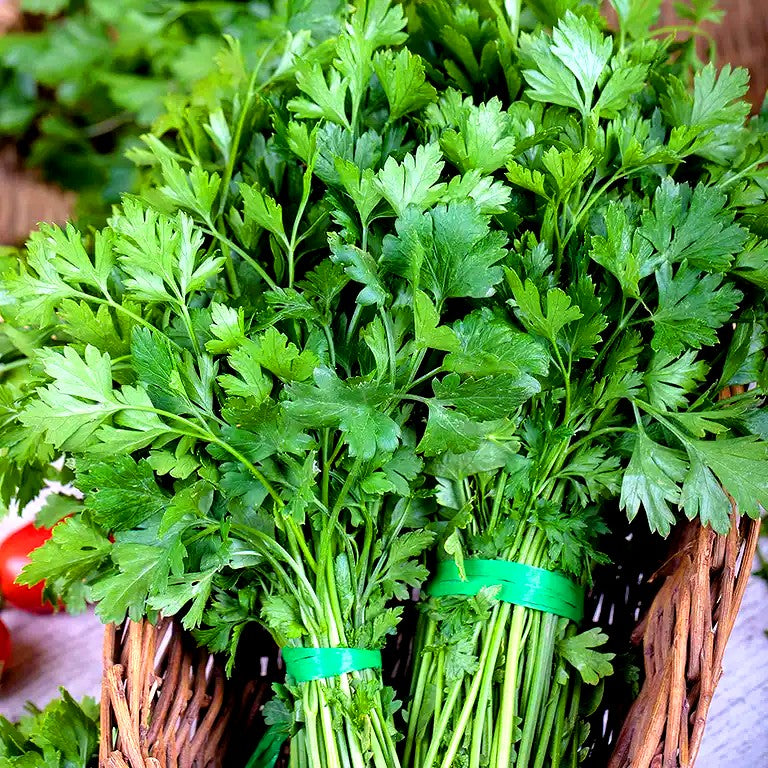
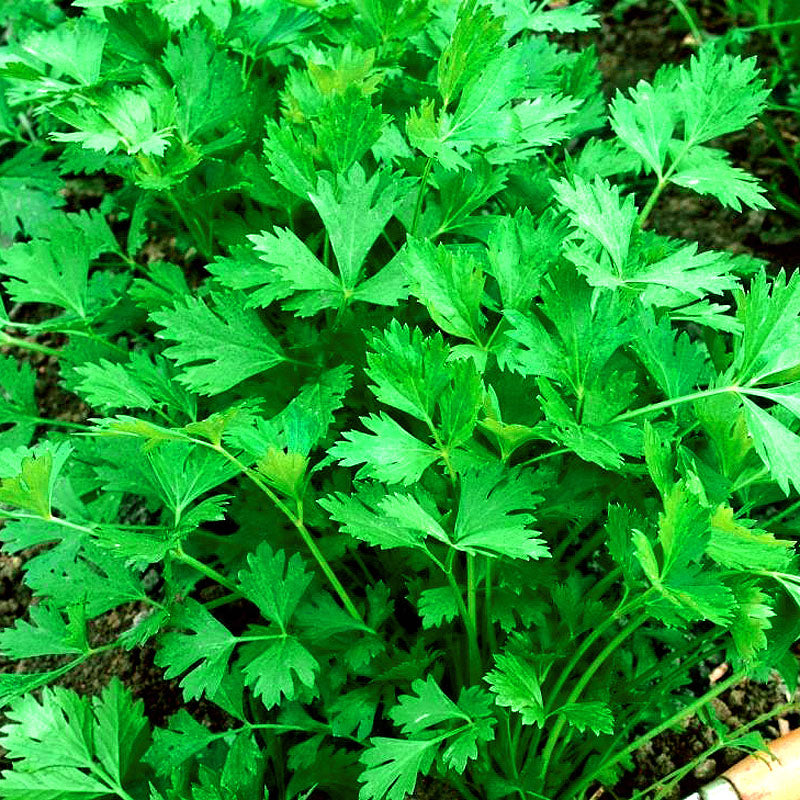
Parsley 'Festival 68' – Seeds (Petroselinum crispum)
Bring fresh, aromatic flavor to your kitchen with Parsley 'Festival 68', a robust, curly-leaf variety known for its high yield and exceptional flavor. Ideal for soups, salads, sauces, and garnishes, this versatile herb thrives in home gardens and containers. Easy to grow and slow to bolt, 'Festival 68' ensures a long-lasting supply of fresh parsley throughout the season.
How to Grow
. Sow indoors: February – April, 0.5–1 cm deep in pots or trays
. Sow outdoors: March – June in fertile, well-drained soil
. Thin seedlings to 15–20 cm apart
. Prefers full sun or partial shade and regular watering
. Harvest leaves continuously to encourage new growth
Key Features
. Curly-leaf parsley with strong flavor
. High-yielding and slow to bolt
. Suitable for beds, borders, and containers
. Long-lasting harvest for fresh cooking
. Easy to grow, versatile culinary herb
Ideal For
. Soups, salads, sauces, and garnishes
. Home gardeners and container cultivation
. Continuous fresh herb supply throughout the season
. Companion planting with tomatoes, carrots, or asparagus
Sowing & Harvest
. Sow: February – June
. Harvest: April – October
Quick Tip
Regularly snip outer leaves instead of cutting the entire plant to promote continuous growth.

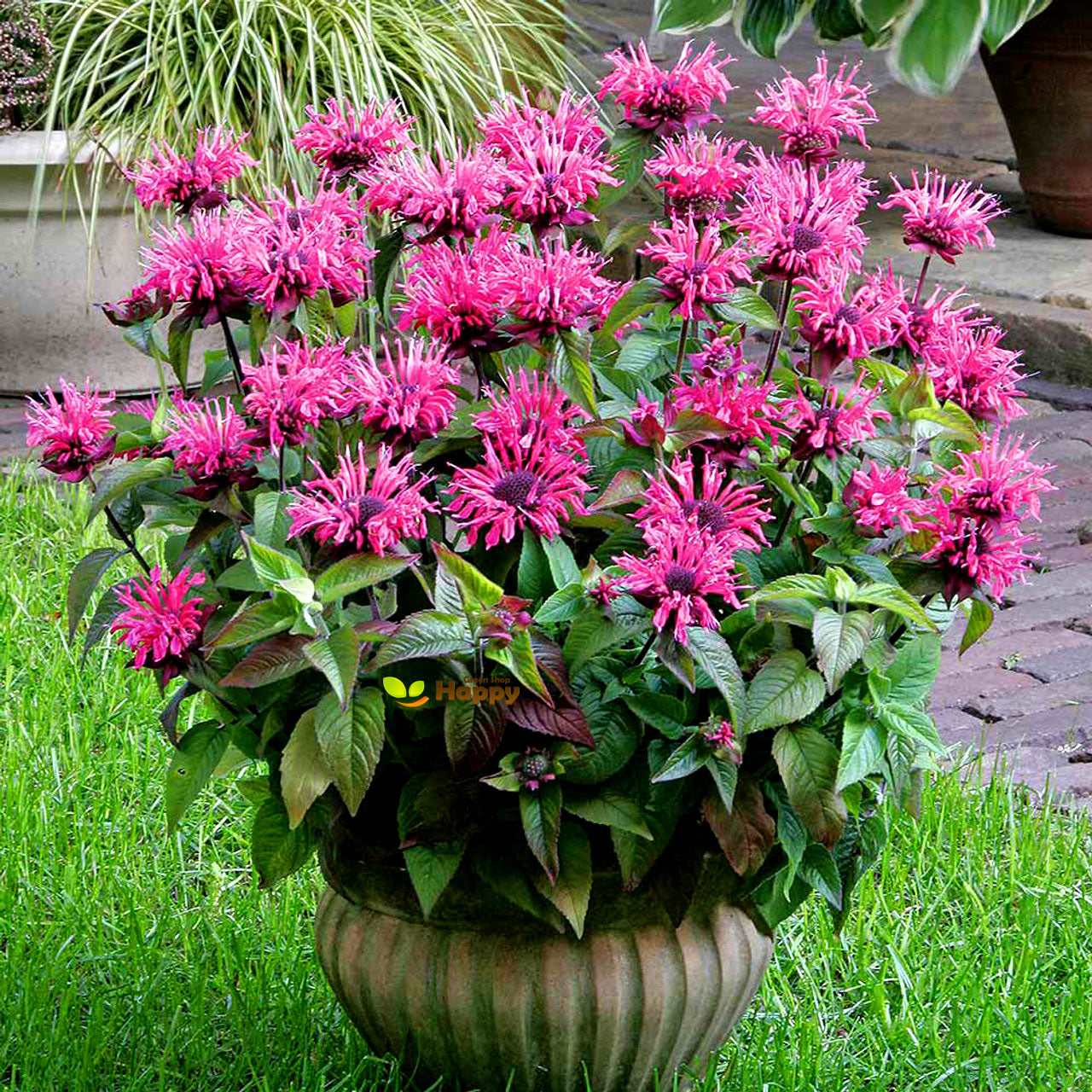

HERB BEE BALM SEEDS (Monarda didyma)
Add vibrant color and fragrance to your garden with Herb Bee Balm. This perennial produces striking red, pink, or purple flowers atop aromatic foliage, attracting bees, butterflies, and hummingbirds. Easy to grow and low-maintenance, it’s perfect for borders, beds, and pollinator-friendly gardens.
Why Grow "Herb Bee Balm"
-
Showy, fragrant flowers in red, pink, or purple
-
Attracts bees, butterflies, and hummingbirds
-
Low-maintenance, long-flowering perennial
-
Enhances borders, beds, and pollinator gardens
Key Features
-
Type: Perennial (Monarda didyma)
-
Height: 60–90 cm
-
Flowering: Summer (June–September)
-
Position: Full sun to partial shade
-
Uses: Borders, flower beds, pollinator gardens, containers
Ideal For
-
Adding vibrant color and fragrance to borders and beds
-
Pollinator-friendly gardens
-
Containers and patio planting
-
Beginner gardeners seeking easy-to-grow perennials
Sowing & Growing
-
Sow indoors: 6–8 weeks before the last frost
-
Sow outdoors: After frost danger has passed
-
Germination: 10–20 days
-
Space seedlings: 30–40 cm apart
-
Prefers well-drained soil and full sun for best flowering
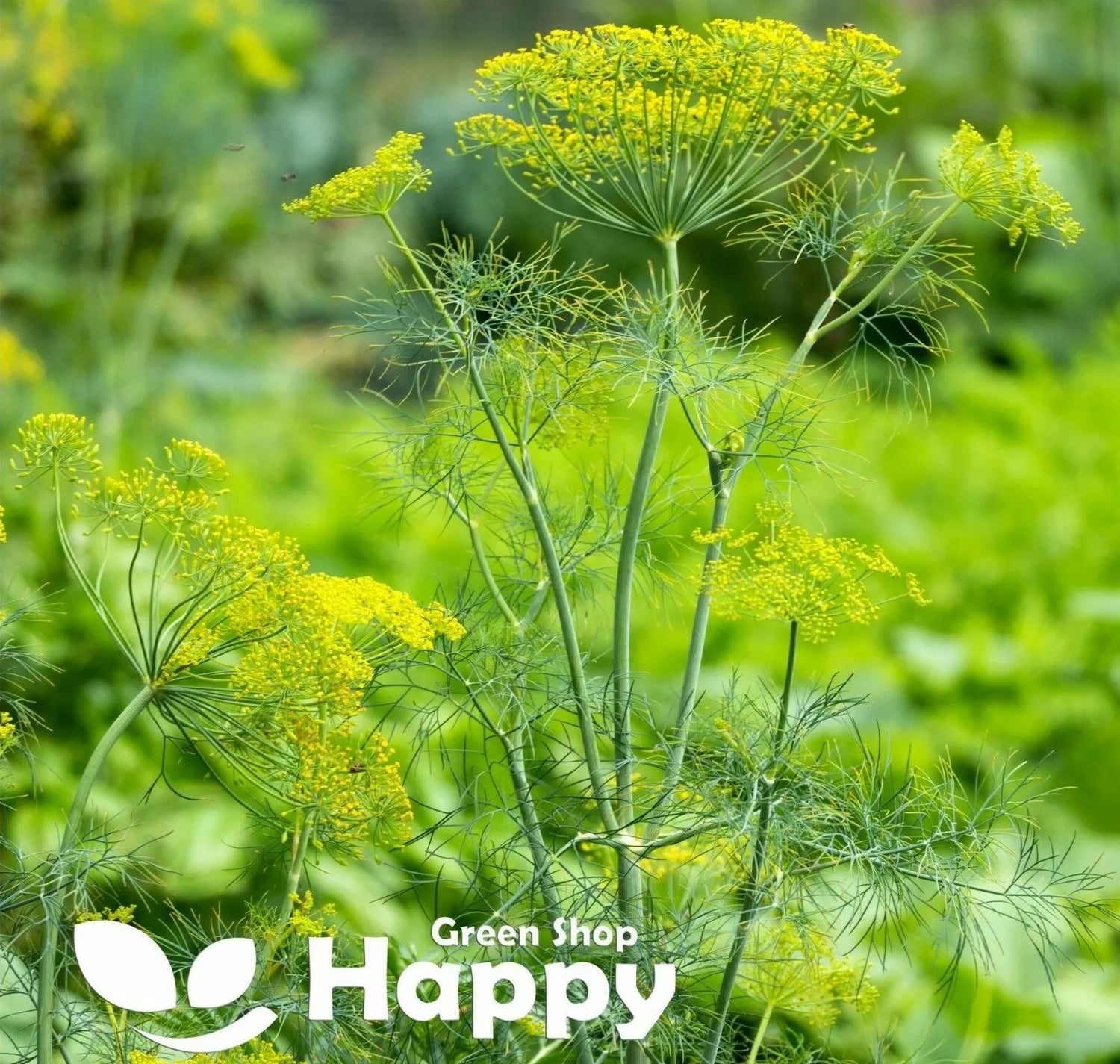
Dill Seeds (Anethum graveolens)
Bring fresh flavor and fragrance to your garden with Dill, a versatile culinary and medicinal herb. Known for its delicate feathery foliage and aromatic seeds, dill is a must-have for seasoning fish, soups, pickles, and salads. Easy to grow and quick to mature, it also attracts beneficial pollinators, making it a perfect addition to herb beds and kitchen gardens.
How to Grow
-
Sow directly outdoors from spring to early summer.
-
Prefers light, well-drained soil in full sun.
-
Sow thinly, 0.5–1 cm deep in rows 30 cm apart.
-
Thin seedlings to 15 cm spacing.
-
Avoid transplanting as dill dislikes root disturbance.
Key Features
-
Aromatic herb with feathery foliage and seeds
-
Delicious for seasoning fish, soups, salads, and pickles
-
Quick-growing and easy for beginners
-
Attracts bees and beneficial insects
-
Dual use: fresh leaves and dried seeds
Ideal For
-
Home cooking and herbal tea
-
Pickling and preserving vegetables
-
Companion planting in the garden
-
Attracting pollinators and beneficial insects
Sowing
-
Best time: March to June
-
Depth: 0.5–1 cm
-
Row spacing: 30 cm
-
Plant spacing: 15 cm after thinning
-
Harvest: Leaves in 6–8 weeks, seeds later in the season
Quick Tip
-
For a continuous supply, sow dill little and often every 2–3 weeks through the summer.
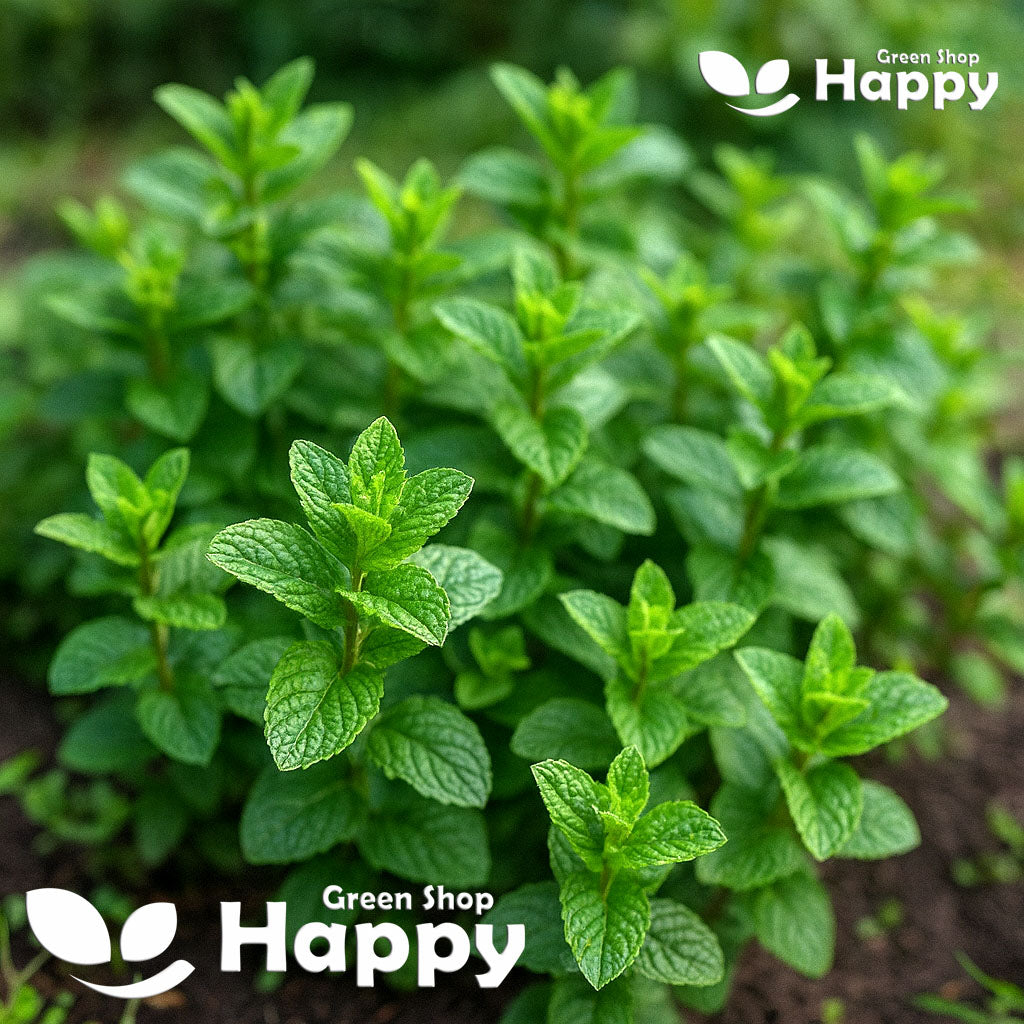

Mentha spicata, commonly known as Spearmint, is a vigorous hardy perennial herb prized for its fresh, sweet mint flavour and intensely aromatic green leaves. Softer and less sharply mentholated than peppermint, its refreshing flavour makes it one of the most versatile mints for everyday culinary use.
Fresh leaves are excellent in teas, cold drinks, salads, sauces, desserts and traditional mint sauce, and can also be dried for later use. Spearmint is extremely productive once established, producing repeated harvests of fresh foliage throughout the growing season. Its spreading habit makes it particularly well suited to containers, where growth can be easily controlled, while summer flower spikes are also attractive to bees and other pollinating insects.
● Fresh, sweet and highly aromatic classic mint flavour
● Suitable for growing indoors in pots for fresh mint close at hand
● Excellent for teas, cold drinks, sauces, salads and desserts
● Productive cut-and-come-again herb for repeated harvesting
● Hardy perennial that returns year after year
● Easy to grow in containers where its vigorous spread can be controlled
● Kitchen herb gardens
● Indoor windowsill growing
● Patio containers
● Fresh herbal teas and drinks
● Culinary harvesting
● Pollinator-friendly herb gardens
● Surface sow the very small seeds and gently press them onto moist compost without covering, as light aids germination.
● Spearmint can also be grown indoors in a pot on a bright windowsill. Provide plenty of natural light, keep the compost evenly moist and harvest stems regularly to encourage fresh leafy growth.
● For the most useful culinary growth, harvest or trim stems regularly to encourage fresh, tender shoots and prevent plants becoming coarse.
● Grow Spearmint in a large container if you want to restrict its vigorous underground spread; plants grown directly in open soil can spread rapidly through rhizomes.
● Keep plants consistently watered during dry periods, especially when growing in containers, as moisture encourages lush, tender leaf production.
● For the best flavour and aroma, harvest leafy stems before flowering; regular cutting can also delay flowering and extend the supply of fresh leaves.
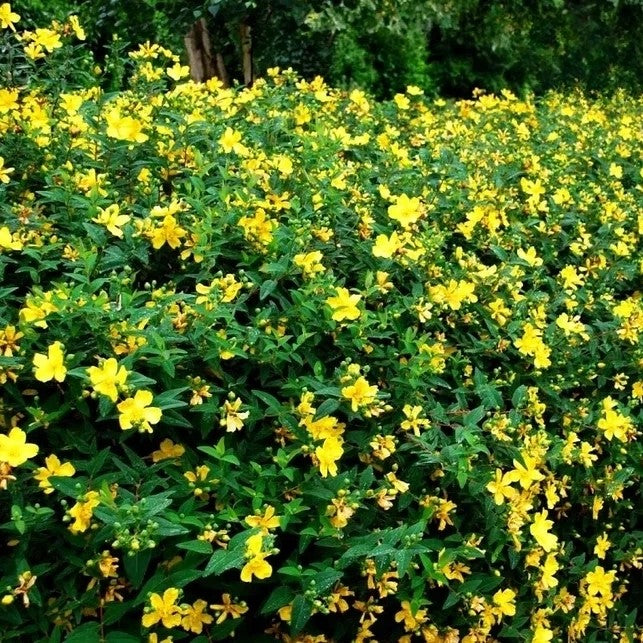
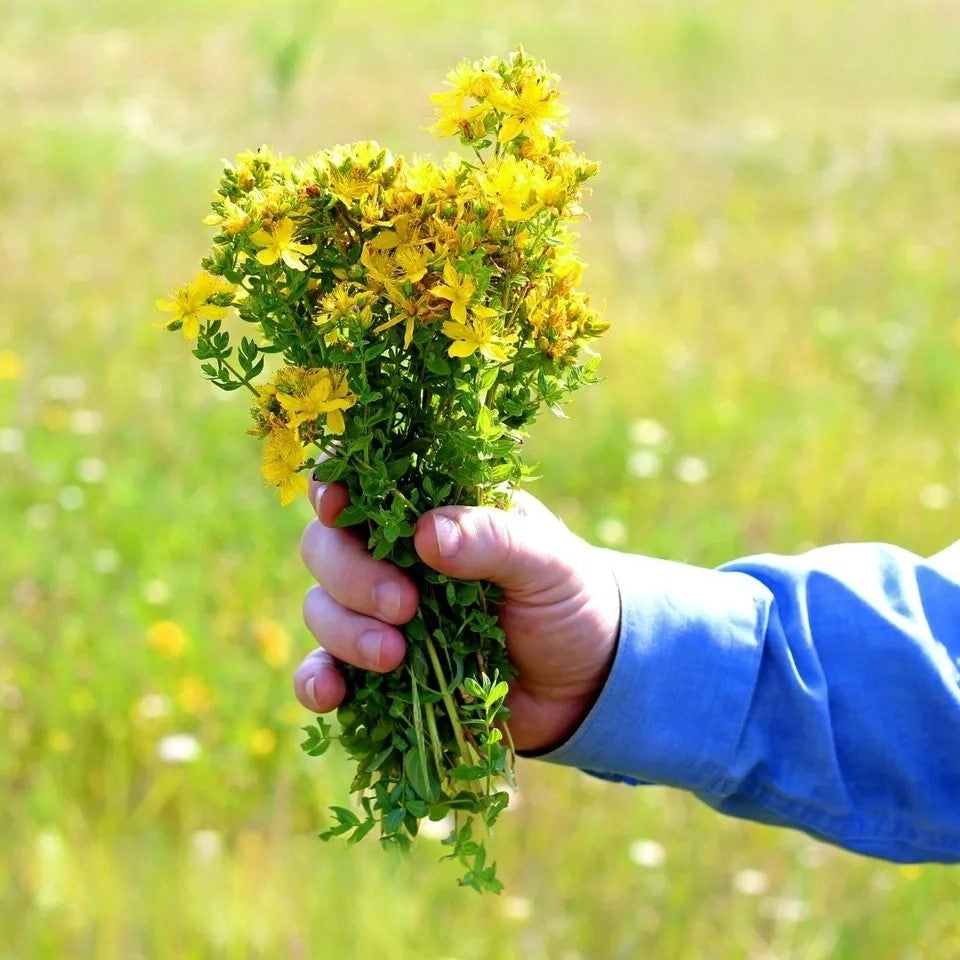
St. John’s Wort – Seeds (Hypericum perforatum)
St. John’s Wort (Hypericum perforatum) is a hardy perennial herb known for its bright yellow star-shaped flowers and long history of use in traditional herbal medicine. It grows easily in gardens, meadows, or wildflower plantings, attracting pollinators while adding natural beauty.
Often valued for its ornamental and herbal qualities, St. John’s Wort thrives in poor soils and sunny locations, making it a low-maintenance addition to cottage gardens and naturalized landscapes.
How to Grow
-
Sow indoors: February – April
-
Sow outdoors: April – June, or autumn for natural stratification
-
Depth: Surface sow – seeds need light to germinate
-
Spacing: 30 cm between plants
-
Position: Full sun to partial shade
-
Soil: Well-drained, moderately fertile, sandy or rocky soils
Key Features
-
Perennial herb with golden yellow, star-shaped blooms
-
Attracts bees and pollinators
-
Grows well in poor, dry soils – low maintenance
-
Suitable for borders, meadows, and herb gardens
-
Traditional herb, long valued in folklore and medicine
Flowering & Harvest
-
Flowering time: June – September
-
Blooms can be collected at peak flowering if used for herbal purposes.
Showing 9/14


