
Sort by:
145 products
145 products
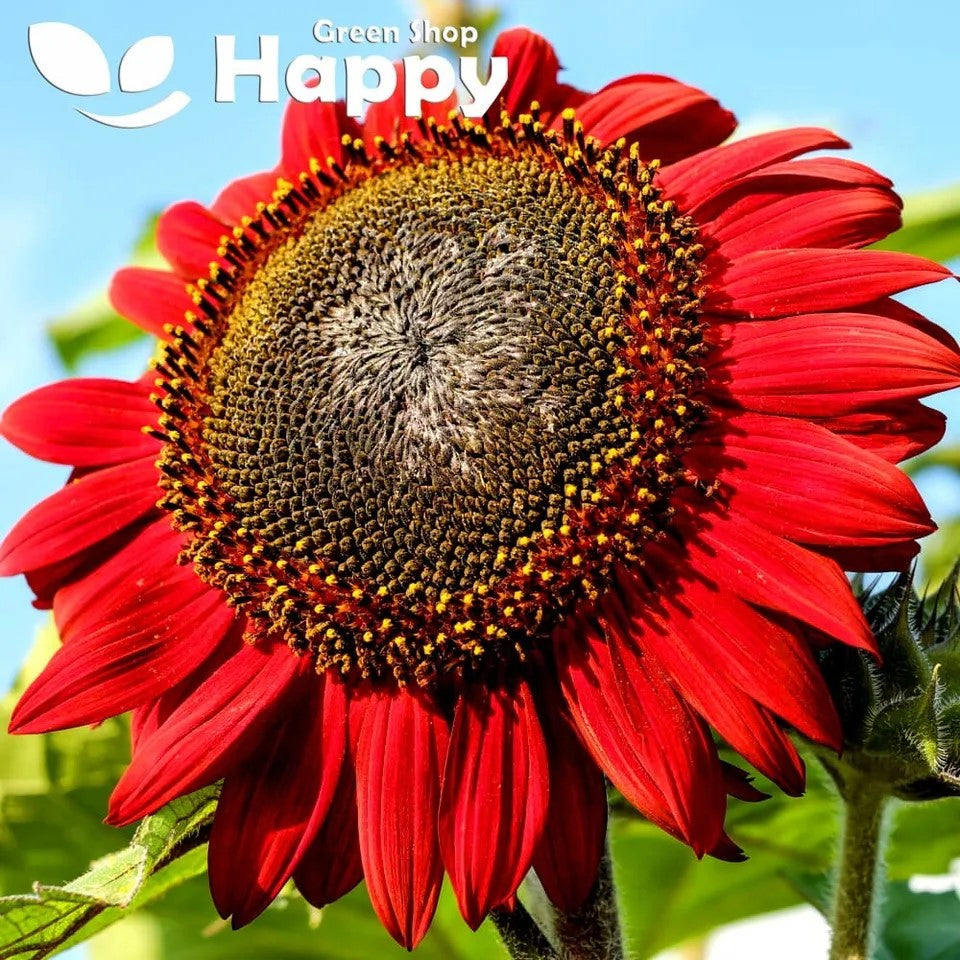
Sunflower 'Red Sun' Seeds (Helianthus annuus)
The Sunflower 'Red Sun' is a striking tall variety, producing large, fiery-red to bronze blooms with dark centers. Reaching heights of 150–180 cm, these sunflowers create a dramatic display in borders and wildlife gardens. Excellent as a cut flower and highly attractive to bees and butterflies, it brings both bold color and pollinator activity to your garden.
What Makes It Special
-
Unique deep red-bronze blooms unlike typical yellow sunflowers
-
Tall, stately plants ideal for the back of borders
-
Long-lasting cut flowers with strong stems
-
Attracts bees, butterflies, and birds
Key Features
-
Botanical name: Helianthus annuus
-
Variety: 'Red Sun'
-
Seed count: Approx. seeds per pack
-
Height/Spread: 150–180 cm tall, 40–60 cm spread
-
Position: Full sun; fertile, well-drained soil
-
Flowering period: July–September
Ideal For
-
Bold border plantings
-
Wildlife and pollinator-friendly gardens
-
Cut flower arrangements
-
Cottage gardens and tall seasonal screens
Sowing Instructions
-
When to sow: March–May indoors; April–June outdoors
-
How to sow:
-
Sow seeds 1.5 cm deep in pots or directly outdoors after frost risk has passed
-
Germination in 7–14 days at 15–20°C
-
-
Transplanting: Thin or transplant seedlings to 45 cm apart
-
Care: Provide support in windy areas; water during dry spells.
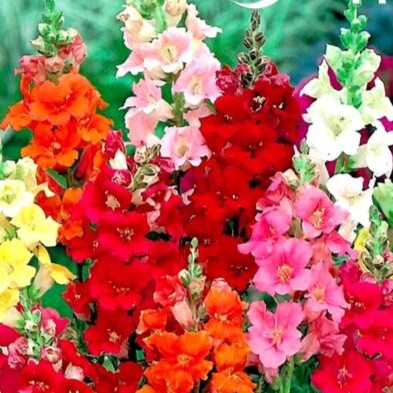
Snapdragon 'Trumpet Serenade' – Seeds (Antirrhinum majus)
A striking variety of snapdragon with tall, trumpet-shaped blooms in a rich mix of colors. Long-flowering and versatile, 'Trumpet Serenade' adds height, structure, and vibrant color to summer borders and cutting gardens. Beloved by pollinators, it brings life and charm to any display.
Why Grow Snapdragon 'Trumpet Serenade'?
-
Showy, trumpet-like blooms in mixed colors
-
Long flowering season
-
Excellent as a cut flower
-
Attracts bees, butterflies, and pollinators
Key Features
-
Type: Half-hardy annual
-
Height: 60–75 cm
-
Flowers: Summer into early autumn
-
Position: Full sun to partial shade
-
Use: Borders, cut flowers, cottage gardens, containers
Ideal For
-
Adding vertical color to mixed borders
-
Cutting for fresh bouquets
-
Pollinator-friendly plantings
-
Cottage-style and wildlife gardens
Sowing & Growing
-
Sow indoors: February–April, lightly pressing seeds into moist compost (do not cover, needs light to germinate)
-
Germination: 10–21 days at 18–21°C
-
Transplant outdoors after frost, spacing 25 cm apart
-
Flowers: June–October
Tip: Pinch out young plants to encourage bushier growth and more blooms.
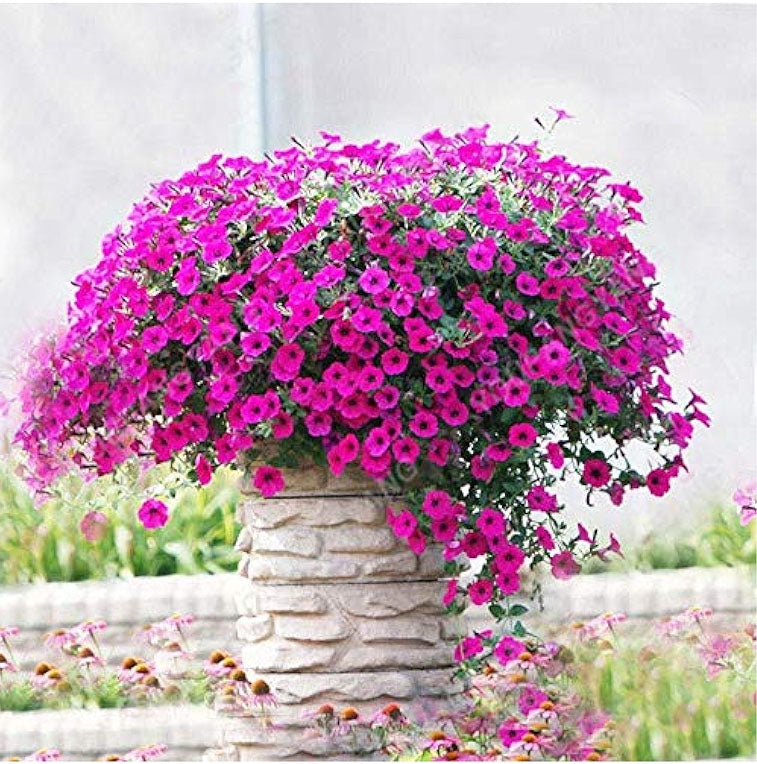
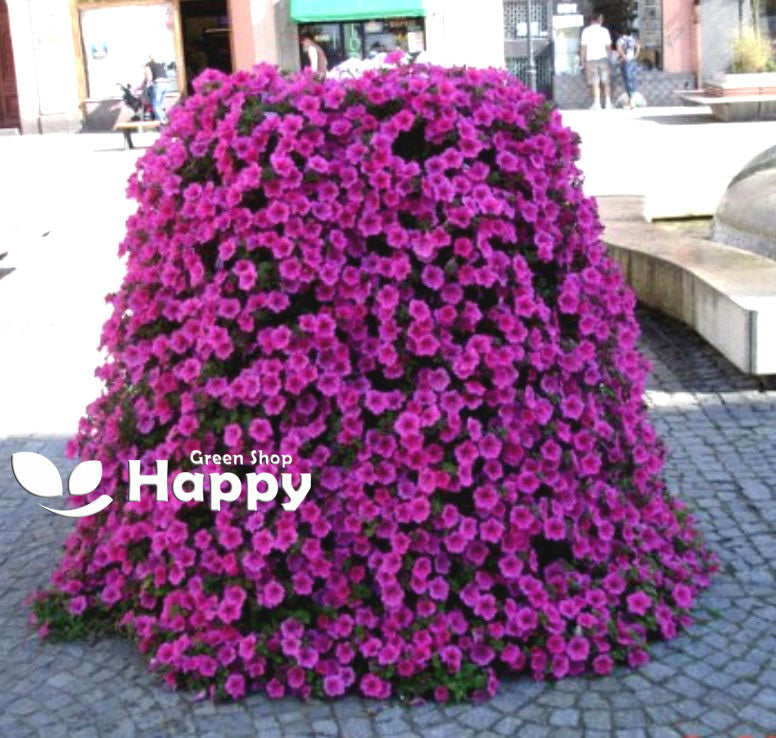
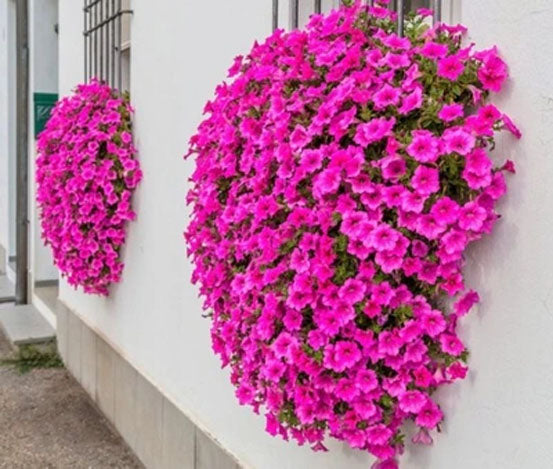
Dwarf Petunia ‘Rose Of Heaven’ – Seeds (Multiflora Series, Petunia multiflora)
The Dwarf Petunia ‘Rose Of Heaven’ is a compact, bushy variety producing soft pink, delicate blooms in abundance throughout the summer. Its tidy growth habit makes it perfect for borders, containers, and window boxes, bringing long-lasting charm and color to any garden space.
What Makes It Special
-
Soft pink, abundant flowers that create a romantic garden effect
-
Compact, dwarf habit ideal for small spaces and containers
-
Continuous summer flowering for long-lasting display
-
Easy to grow and highly decorative
Key Features
-
Botanical name: Petunia multiflora
-
Variety: Dwarf ‘Rose Of Heaven’, Multiflora Series
-
Seed count: Approx. seeds per pack
-
Height: 20–25 cm
-
Position: Full sun; fertile, well-drained soil
-
Flowering period: June–October
Ideal For
-
Garden borders and edging
-
Patio pots and containers
-
Window boxes and hanging baskets
-
Adding soft color to small garden spaces
Sowing Instructions
-
When to sow: February–April indoors
-
How to sow:
-
Surface sow on moist seed compost
-
Press lightly; do not cover
-
Keep at 20–24°C; germination 10–21 days
-
-
After germination:
-
Transplant seedlings into individual pots once large enough
-
Harden off before planting outdoors after last frost
-
Space 20 cm apart
-
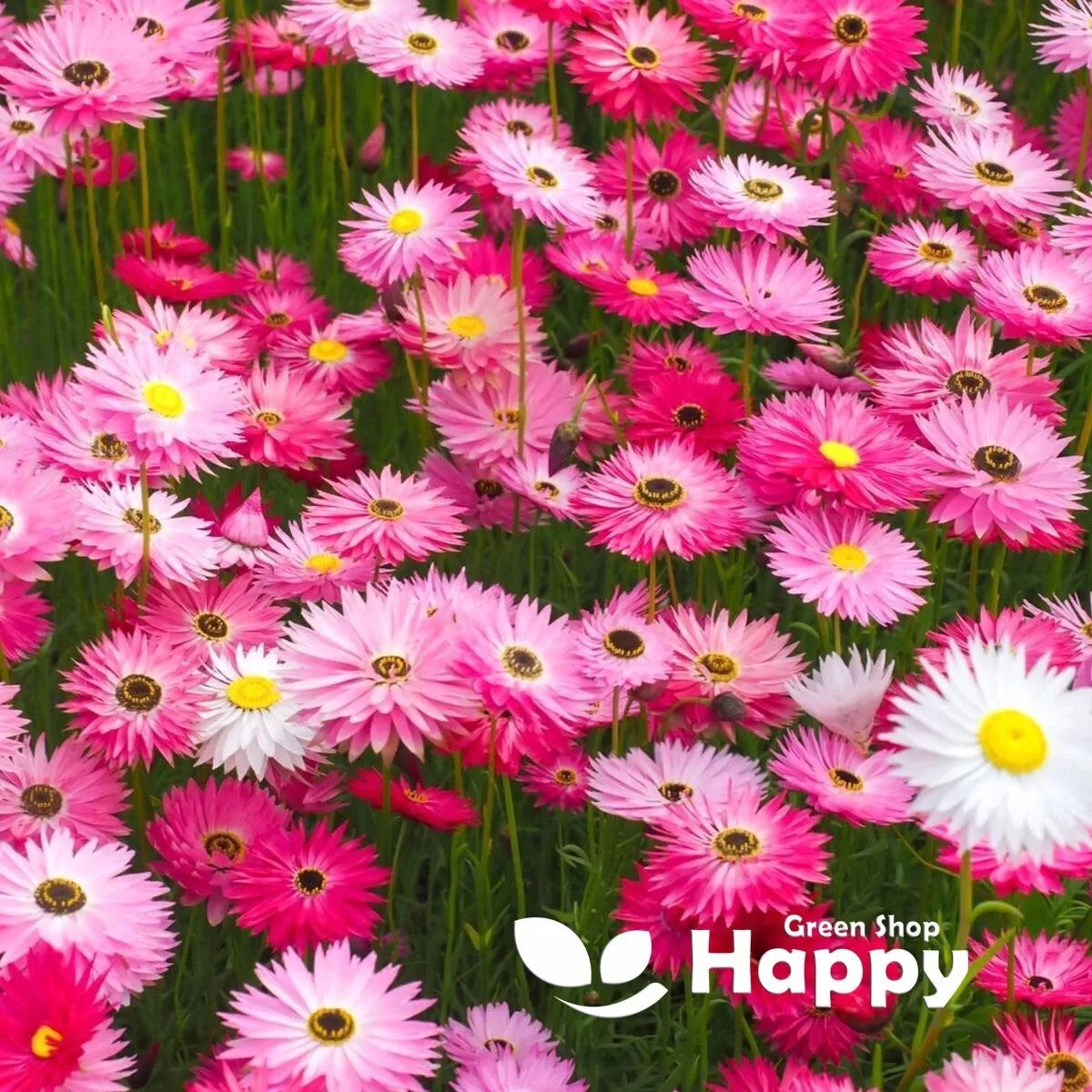
Paper Daisy Everlasting Giant-Flowered Mixture Seeds
The Paper Daisy Everlasting produces large, vibrant, daisy-like blooms that retain their color and shape when dried. This easy-to-grow annual is perfect for fresh-cut arrangements, dried flower crafts, or adding bold, long-lasting color to garden beds and borders. Its mounding habit and sturdy stems make it a versatile addition to any garden.
What Makes It Special
-
Large, colorful daisy-like blooms with excellent longevity
-
Flowers dry naturally, perfect for everlasting arrangements
-
Easy-to-grow, hardy, and low-maintenance
-
Attracts bees and butterflies while adding bold color to borders
Key Features
-
Botanical name: Helichrysum / Xerochrysum bracteatum
-
Variety: Giant-flowered mixture
-
Seed count: Approx. seeds per pack
-
Height/Spread: 40–60 cm tall, 25–35 cm spread
-
Position: Full sun; well-drained soil
-
Flowering period: June–October
Ideal For
-
Fresh-cut or dried flower arrangements
-
Borders, beds, and cottage gardens
-
Pollinator-friendly gardens
-
Container displays and floral crafts
Sowing Instructions
-
When to sow: March–May indoors; April–June outdoors
-
How to sow:
-
Sow seeds on the surface of moist seed compost and press lightly; do not cover too deeply
-
Keep at 18–22°C; germination occurs in 10–14 days
-
-
Transplanting: Prick out seedlings when large enough; plant outside after frost
-
Care: Water regularly and remove faded flowers to encourage continuous blooming
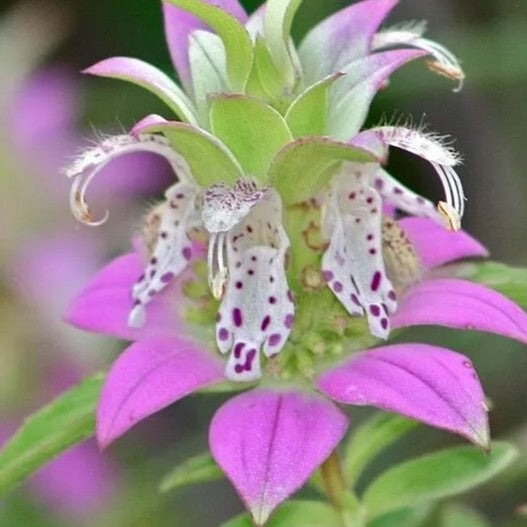
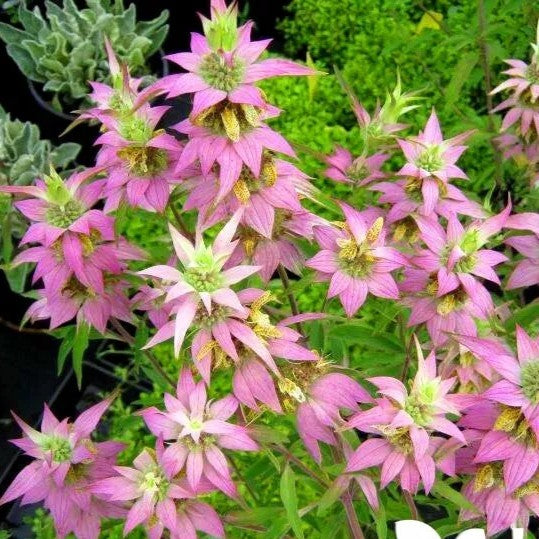
Purplish Lilac Lemon Bee Balm Mint Seeds (Monarda punctata)
Bring a fragrant and colorful touch to your garden with Purplish Lilac Lemon Bee Balm Mint. This striking perennial produces spiky clusters of lilac-purple flowers with lemon-scented foliage, attracting bees, butterflies, and other pollinators. Easy to grow and drought-tolerant, it adds both beauty and ecological value to borders, beds, and wildflower gardens.
Why Grow "Purplish Lilac Lemon"
-
Unique lilac-purple flower spikes with lemon-scented foliage
-
Attracts pollinators like bees and butterflies
-
Drought-tolerant and easy to grow
-
Adds color and texture to borders, beds, and wildflower gardens
Key Features
-
Type: Perennial (Monarda punctata)
-
Height: 60–90 cm
-
Flowering: Summer (June–September)
-
Position: Full sun to partial shade
-
Uses: Borders, flower beds, pollinator gardens, containers
Sowing & Growing
-
Sow indoors: 6–8 weeks before the last frost
-
Sow outdoors: After frost danger has passed
-
Germination: 10–20 days
-
Space seedlings: 30–40 cm apart
-
Prefers well-drained soil and full sun for best flowering
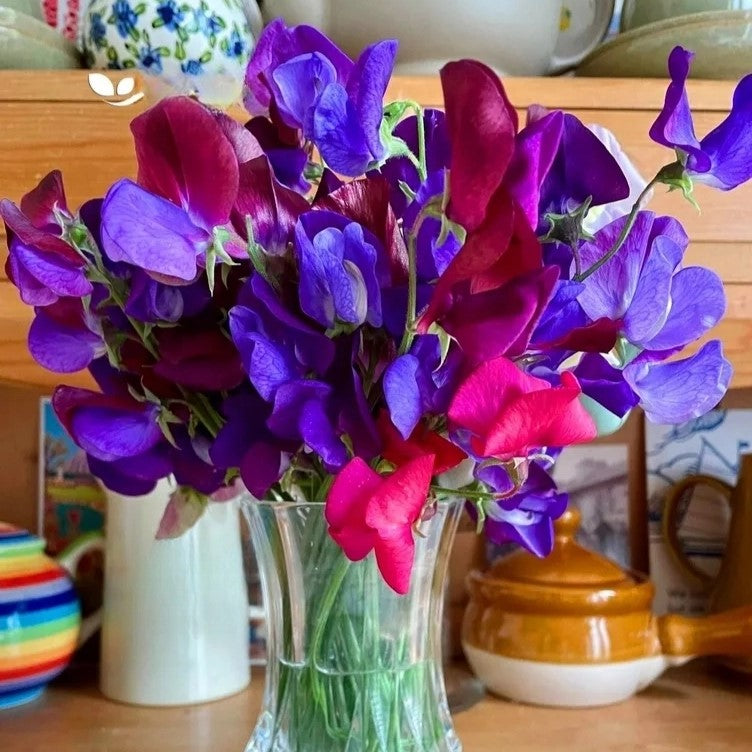
Sweet Pea Old Spice ‘Starry Nights’ Seeds (Lathyrus odoratus)
Sweet Pea ‘Starry Nights’ is an heirloom Old Spice variety prized for its fragrant, deep purple blooms speckled with lighter lilac spots, evoking a night sky full of stars. This climbing sweet pea is heat-tolerant, long-flowering, and perfect for trellises, arches, or cut flower arrangements that fill the garden with scent and color.
Why Grow 'Starry Nights'
-
Rich, deep purple flowers with lilac “stars”
-
Exceptionally fragrant and heat-tolerant
-
Long stems ideal for cutting and bouquets
Key Features
-
Type: Hardy annual
-
Height: 180–240 cm (climber)
-
Flowering: June–September
-
Position: Full sun
-
Uses: Trellises, fences, arches, cut flowers
Sowing & Growing
-
Sow indoors: January–April in pots or trays
-
Sow outdoors: April–May in prepared soil
-
Germination: 10–20 days at 15–20°C
-
Plant out after frost, spacing 20–30 cm apart
-
Provide climbing support
-
Deadhead to prolong flowering


Sweet Pea 'Ripple' Mixed – Seeds
(Lathyrus odoratus)
Sweet Pea 'Ripple' Mixed is a delightful climbing annual featuring a mix of soft pastel blooms in pinks, creams, and lavenders with a sweet, intoxicating fragrance. Its long, sturdy stems are ideal for cutting, while its vigorous climbing habit makes it perfect for trellises, fences, and arches. A must-have for adding vertical interest, colour, and scent to summer gardens.
Key Features
-
Type: Hardy annual
-
Height: 180–240 cm (climber)
-
Flowering: June–September
-
Position: Full sun
-
Soil: Fertile, well-drained
-
Uses: Trellises, fences, arches, cut flowers
Ideal For
-
Vertical garden displays
-
Cut flower arrangements
-
Cottage-style gardens
-
Fragrant garden corners
Sowing & Growing
-
Sow indoors: January–April in pots or trays
-
Sow outdoors: April–May directly in soil
-
Germination: 10–20 days at 15–20°C
-
Plant out after last frost, spacing 20–30 cm
-
Provide climbing support
-
Regular deadheading encourages more blooms
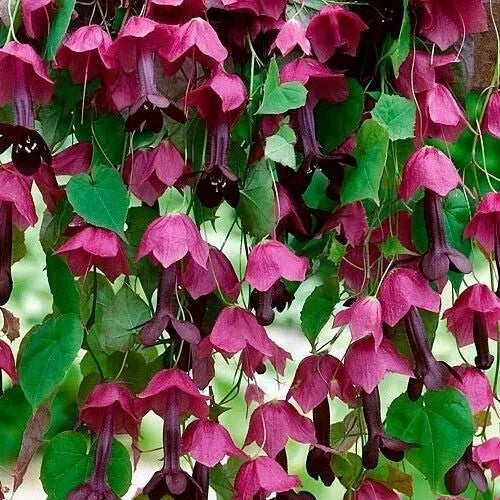
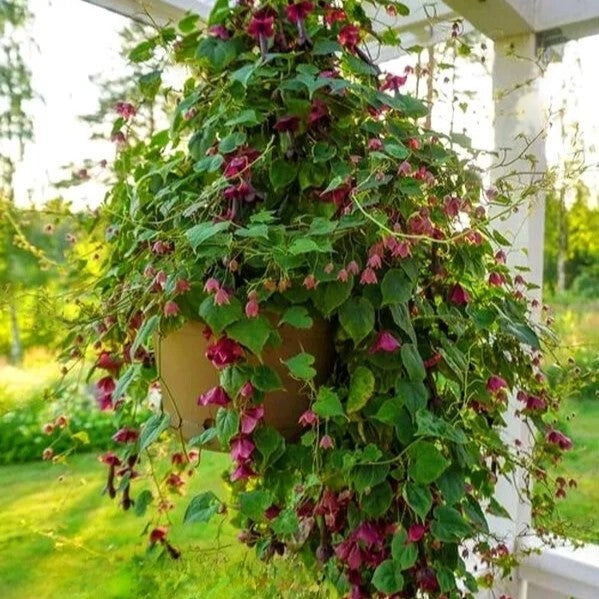
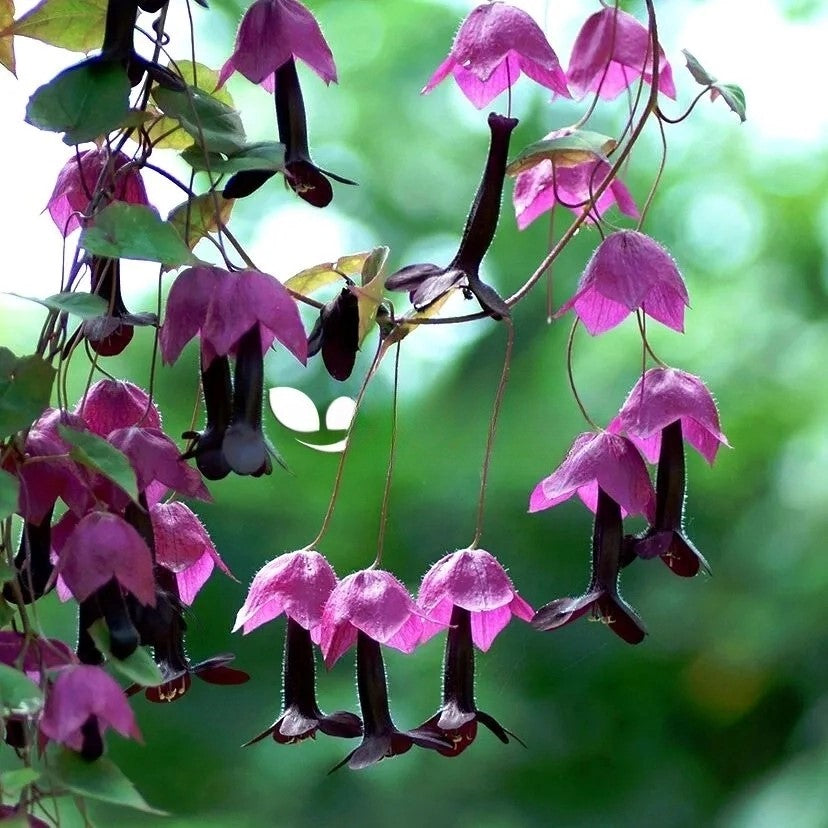
Purple Bell Vine – Seeds (Rhodochiton atrosanguineus)
The Purple Bell Vine is a striking climber admired for its exotic, lantern-like flowers. Each bloom features a rosy-purple bell with deep, maroon-black tubular centers, hanging gracefully against lush green, heart-shaped foliage. Fast-growing and elegant, it adds a dramatic touch to arches, trellises, pergolas, or hanging baskets. Native to Mexico, this tender perennial is usually grown as an annual in cooler climates.
What Makes It Special
-
Unique pendant bell-shaped flowers with rich colors
-
Long flowering season from summer to autumn
-
Ideal for vertical gardens and decorative screening
-
Can also be grown in containers for patios and balconies
Key Features
-
Botanical name: Rhodochiton atrosanguineus
-
Common name: Purple Bell Vine, Purple Bell Flower
-
Seed count: Approx. seeds per pack
-
Height/Spread: Climbs 3–4 m with support
-
Position: Full sun or light partial shade; well-drained soil
-
Flowering period: June to October
Ideal For
-
Trellises, arches, and fences
-
Vertical garden displays
-
Patio containers and hanging baskets
-
Exotic or tropical-style gardens
Sowing Instructions
-
When to sow: Indoors February–April
-
How to sow:
-
Sow on the surface of moist seed compost, pressing gently without covering (light aids germination)
-
Keep at 18–22°C and germination takes 21–30 days
-
-
Transplanting: Pot on seedlings when large enough and harden off before planting outside after last frost
-
Care: Provide climbing support; water regularly and feed for abundant flowering

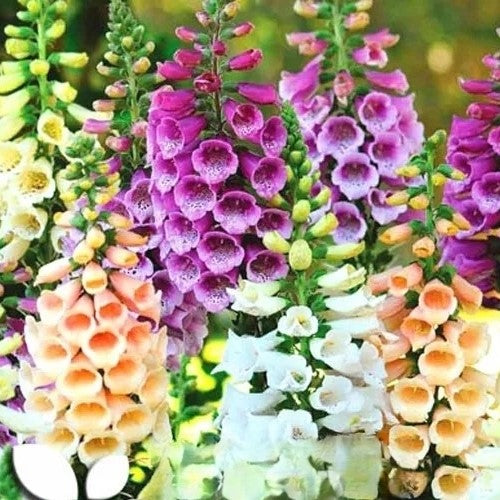
Dwarf Foxglove 'Foxy' Mix – 8000 Seeds (Digitalis purpurea)
Add cottage garden charm with Dwarf Foxglove 'Foxy', a compact variety that produces spires of trumpet-shaped blooms in shades of pink, purple, cream, and white. Unlike taller foxgloves, 'Foxy' grows to a manageable height, making it perfect for smaller gardens, beds, borders, and containers. Loved by bees and pollinators, it’s a classic for wildlife-friendly planting.
What Makes It Special
-
Compact foxglove, only 60–80 cm tall
-
Mix of soft, romantic colors with speckled throats
-
Blooms in the first year from seed
-
Perfect for beds, borders, and wildlife gardens
Key Features
-
Pack Size: 8000 seeds
-
Height: 60–80 cm
-
Biennial (flowers in year one if sown early)
-
Attracts bees and other pollinators
Ideal For
-
Cottage and wildlife gardens
-
Beds, borders, and mixed plantings
-
Containers and small gardens
-
Pollinator-friendly spaces
Sowing
-
Sow indoors Jan–May on moist seed compost, press seeds lightly (do not cover, needs light to germinate)
-
Germination: 14–21 days at 18–22°C
-
Transplant outdoors after frost, spacing 25–30 cm
-
Flowers: June–August
Showing 27/145


