
Sort by:
145 products
145 products
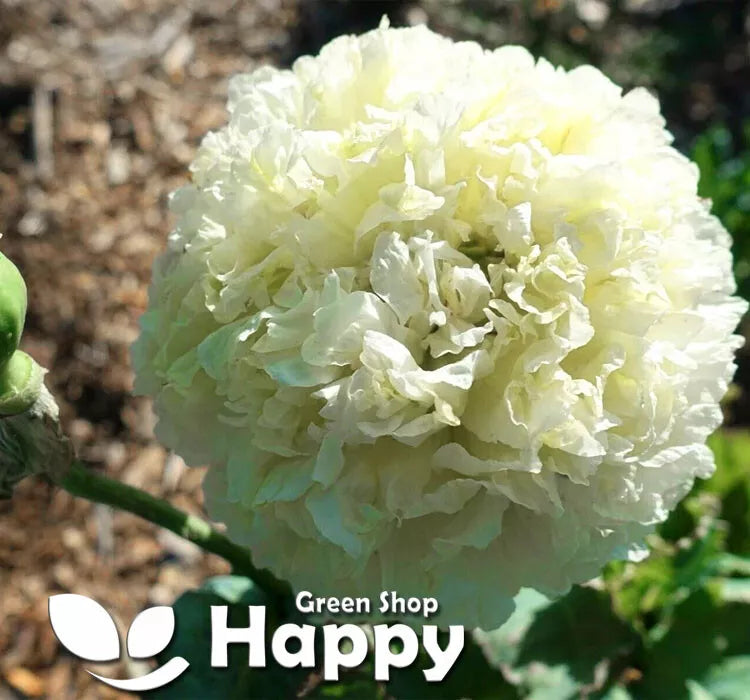
Cream Peony Poppy – Seeds
(Papaver paeoniflorum)
The Cream Peony Poppy is an elegant annual variety producing large, fully double, peony-like blooms in a soft cream shade. These striking flowers add a touch of sophistication to any garden display and make a stunning addition to borders, cottage gardens, and cut flower arrangements. Easy to grow and highly ornamental, they will bloom through summer, creating a spectacular display.
Key Features
-
Type: Hardy annual
-
Height: 80–100 cm
-
Spread: 30–40 cm
-
Flowering: June–August
-
Position: Full sun
-
Soil: Well-drained, moderately fertile
Ideal For
-
Cottage gardens and wildflower plantings
-
Cut flower arrangements
-
Adding height and drama to summer borders
-
Naturalistic planting schemes
Sowing & Growing
-
Sow outdoors: March–May or September (direct into soil)
-
Sow depth: Surface sow, lightly cover with fine soil
-
Spacing: Thin seedlings to 25–30 cm apart
-
Care: Prefers poor soil and little feeding; deadhead to prolong flowering or leave seed heads for structure
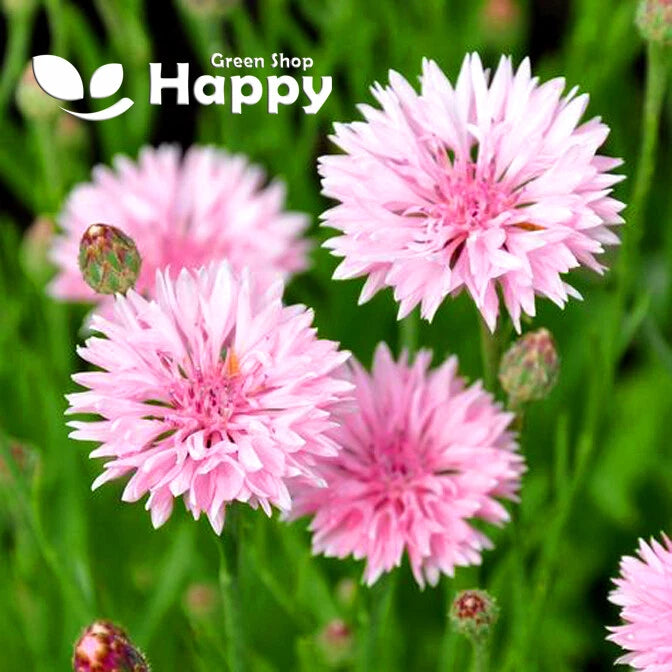
Pink Cornflower 'Tom Pouce Pink' – Seeds
(Centaurea cyanus)
Pink Cornflower 'Tom Pouce Pink' is a charming twist on the classic wildflower, offering soft pink, frilly blooms that brighten any garden. Easy to grow and rich in nectar, this variety attracts bees, butterflies, and other pollinators while providing long-lasting cut flowers with a delicate cottage garden appeal.
Why Grow Pink Cornflower 'Tom Pouce Pink'?
-
Rare, pastel-pink form of the traditional cornflower
-
Pollinator-friendly & easy to grow
-
Excellent as cut flowers or for naturalizing
-
Hardy and adaptable in a range of soils
Key Features
-
Type: Hardy annual
-
Height: 60–80 cm
-
Blooms: June–September
-
Position: Full sun
-
Soil: Light, well-drained soil
Ideal For
-
Wildflower & pollinator gardens
-
Cottage-style plantings
-
Borders & meadows
-
Fresh cut flower arrangements
Sowing & Growing
-
Sow outdoors: March–May or August–September for earlier blooms next year
-
Sow directly into prepared soil, covering lightly
-
Thin seedlings to 15–20 cm apart
-
Germination: 7–14 days
-
Deadhead regularly to encourage more flowers

Nasturtium 'Honolulu' Seeds (Tropaeolum nanum)
Nasturtium 'Honolulu' is a charming dwarf annual with bright, cheerful flowers in shades of red, orange, and yellow. Its compact growth habit makes it ideal for containers, window boxes, and small garden beds. Easy to grow and low-maintenance, it adds a splash of vibrant color while attracting pollinators.
What Makes It Special
-
Bright, cheerful blooms in red, orange, and yellow
-
Compact, dwarf growth ideal for small spaces and containers
-
Easy to grow and low-maintenance
-
Attracts pollinators like bees and butterflies
Key Features
-
Botanical name: Tropaeolum nanum
-
Variety: 'Honolulu'
-
Seed count: Approx. seeds per pack
-
Height/Spread: 15–25 cm tall, 20–30 cm spread
-
Position: Full sun; well-drained soil
-
Flowering period: June–September
Ideal For
-
Containers, window boxes, and small garden beds
-
Borders and edging
-
Pollinator-friendly gardens
-
Brightening patios and terraces
Sowing Instructions
-
When to sow: March–May indoors or outdoors
-
How to sow:
-
Sow seeds 1–2 cm deep in seed trays or directly in pots
-
Germination occurs in 7–14 days at 18–22°C
-
-
Transplanting: Plant seedlings outdoors after frost, spacing 15–20 cm apart
-
Care: Water moderately; remove faded flowers to encourage continuous blooming
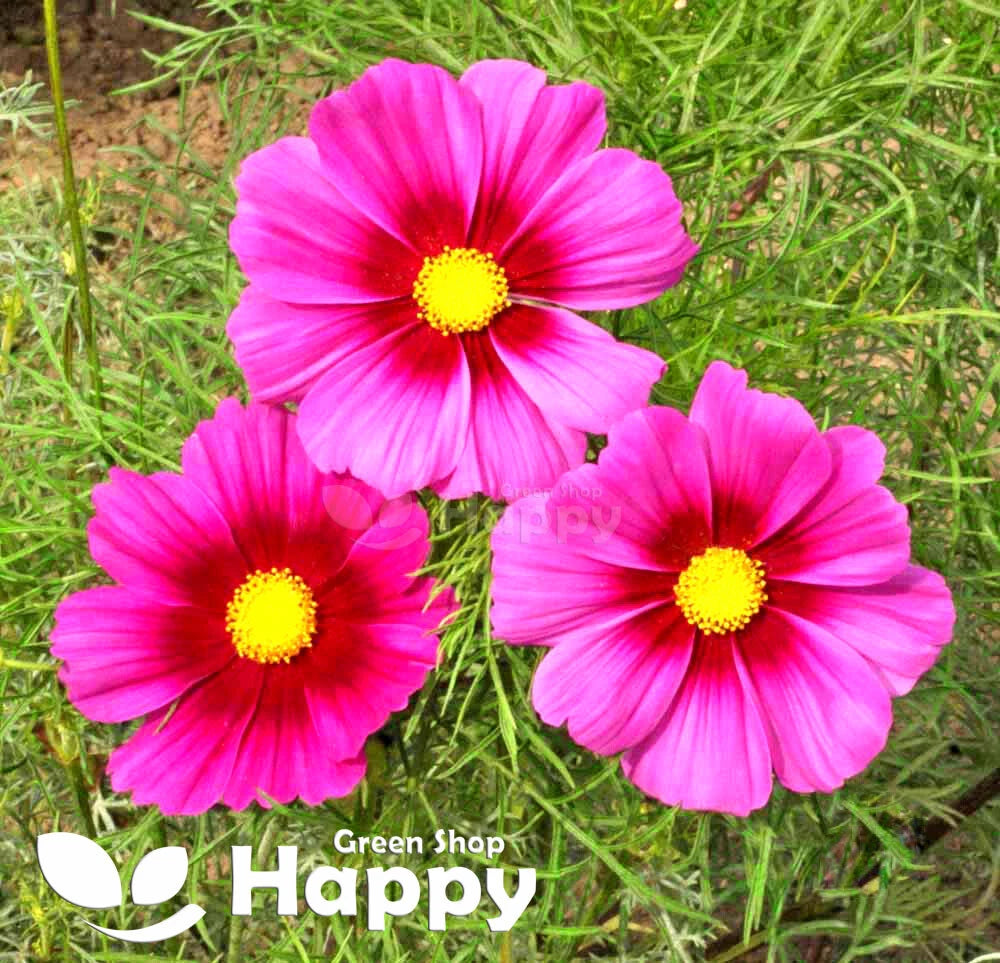
Cosmos 'Radiance' – Seeds
(Cosmos bipinnatus)
Cosmos 'Radiance' is a charming variety that produces large, daisy-like blooms in deep carmine-pink with a lighter halo around the golden-yellow centers. The graceful, feathery foliage and long, slender stems make it a superb choice for garden displays and cut flowers. Easy to grow and long-flowering, it’s a true summer favourite.
Key Features
-
Type: Half-hardy annual
-
Height: 90–120 cm
-
Spread: 40–50 cm
-
Flowering: June–October
-
Position: Full sun
-
Soil: Well-drained, moderately fertile
Ideal For
-
Cottage gardens
-
Wildlife and pollinator-friendly planting
-
Borders and background planting
-
Cut flower arrangements
Sowing & Growing
-
Sow indoors: March–April at 18–21°C
-
Sow outdoors: May–June directly in final position
-
Germination: 7–10 days
-
Thin/transplant to 30–40 cm spacing
-
Deadhead regularly for prolonged flowering

🌿 Ocimum americanum Basil ‘Blue Spice’ – Aromatic Basil with Spicy, Vanilla-Clove Notes
‘Blue Spice’ is a distinctive Ocimum americanum basil variety prized for its intense, complex aroma combining notes of vanilla, clove, citrus, and spice. The narrow, grey-green leaves are highly fragrant, while the delicate lavender-blue flowers add ornamental value and strongly attract pollinators. Less sweet than classic Genovese basil, ‘Blue Spice’ is ideal for teas, desserts, fruit salads, infused oils, vinegars, and herbal blends. Compact, heat-tolerant plants perform well in pots, borders, and herb gardens.
Key Features
● Unique spicy aroma with vanilla and clove notes
● Highly aromatic leaves ideal for teas and flavouring
● Decorative lavender-blue flowers loved by pollinators
● Compact, heat-tolerant plants
● Excellent for pots, herb beds, and ornamental use
How to Sow & Grow Basil ‘Blue Spice’ (UK)
Sow indoors: III–VI (March–June) in trays or pots
Transplant outdoors: V–VI (May–June) once nights stay above 10 °C (50 °F)
Direct outdoors: VI (June) in warm soil
Harvest: VI–IX (June–September)
Life cycle: Annual
Germination temperature: 18–25 °C (64–77 °F)
Average germ time: 7–14 days
Depth: Surface sow — do not cover, but press gently into the soil (requires light to germinate)
Light required: Yes
Moisture: Keep evenly moist
Environment: Full sun
Soil type: Light, fertile, well-drained soil or potting mix
Plant spacing: 25–30 cm (10–12 in)
Height: 40–60 cm (16–24 in)
Sowing & Growing Tips (variety-specific)
● Harvest regularly to encourage bushy growth.
● Pinch out flower buds for continuous leaf production (unless growing for flowers).
● Excellent for herbal teas and aromatic infusions.
● Performs well in hot, sunny conditions.
● Can be grown purely as an ornamental, pollinator-friendly herb.
Special Features
● Unusual flavour profile unlike sweet basil
● Strong pollinator attraction due to scented flowers
● Heat-tolerant and less prone to bolting

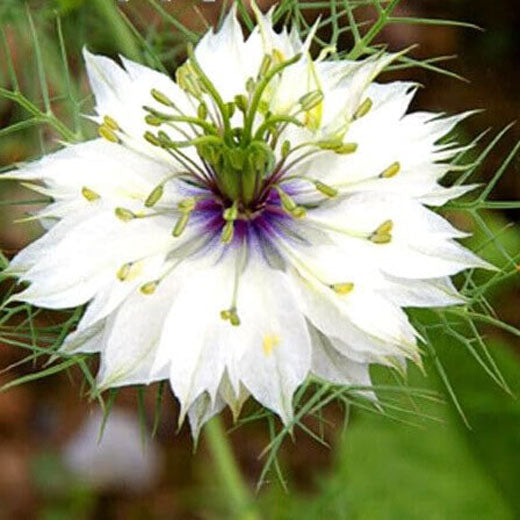
Love-in-a-Mist 'African Bride' – Seeds (Nigella damascena)
Grace your garden with the delicate beauty of Love-in-a-Mist 'African Bride'. This unique variety produces pure white blooms accented by dark, contrasting centers and fine, feathery foliage. Elegant and easy to grow, it’s perfect for borders, cutting, and drying.
Why Grow 'African Bride'
-
Pure white blooms with striking dark centers
-
Long-lasting as cut or dried flowers
-
Easy to grow with airy, fern-like foliage
-
Attracts pollinators
Key Features
-
Type: Hardy annual (Nigella damascena)
-
Height: 45–60 cm
-
Flowering: June–September
-
Position: Full sun
-
Uses: Borders, cut flowers, dried arrangements
Ideal For
-
Cottage gardens and wildflower borders
-
Summer bouquets and wedding flowers
-
Adding soft texture to plantings
-
Wildlife-friendly gardens
Sowing & Growing
-
Sow outdoors: March–May or August–September
-
Direct sow into prepared soil, thin as needed
-
Germination: 10–20 days
-
Space plants 15–20 cm apart
-
Prefers well-drained soil in full sun

🌸 Petunia grandiflora F1 ‘Blue Veined’ – Large-Flowered Hybrid with Striking Veined Blooms
Petunia grandiflora F1 ‘Blue Veined’ is an eye-catching large-flowered petunia hybrid producing bold blue to violet blooms highlighted with distinctive darker veining. The flowers are large and showy, creating strong visual impact in containers, hanging baskets, window boxes and bedding displays. Thanks to F1 hybrid vigour, plants are uniform, free-flowering and reliable, performing well throughout the summer season when given sun and regular feeding.
Key Features
● Large grandiflora flowers with decorative blue veining
● F1 hybrid for strong growth and uniform plants
● Long flowering season from early summer to autumn
● Excellent for containers, baskets and bedding
● High ornamental value with intense colour contrast
How to Sow & Grow Petunia ‘Blue Veined’ (UK)
Sow indoors: II–III (February–March)
Transplant outdoors: V–VI (May–June) after last frost
Direct outdoors: Not recommended
Flowering: VI–X (June–October)
Life cycle: Annual
Germination temperature: 20–22 °C (68–72 °F)
Average germ time: 7–14 days
Depth: Surface sow – do not cover; gently press into compost (light required)
Light required: Yes
Moisture: Keep soil evenly moist
Environment: Full sun (tolerates light shade)
Soil type: Fertile, well-drained compost or soil
Plant spacing: 20–25 cm (8–10 in)
Height: 25–30 cm (10–12 in)
Sowing & Growing Tips (variety-specific)
● Start early under cover for the longest flowering period.
● Provide good light to prevent stretching at seedling stage.
● Feed regularly once flowering begins.
● Remove spent flowers or trim lightly to keep plants tidy.
● Protect young plants from cold and strong winds.
Special Features
● Striking veined flower pattern
● Premium F1 hybrid quality
● Excellent summer performance in containers

🌸 Callistephus chinensis Pompon Aster ‘Hi-no-maru Mix’ – Compact Plants with Perfect Pompon Blooms
‘Hi-no-maru Mix’ is a striking pompon aster variety producing perfectly rounded, fully double flowers inspired by the Japanese “rising sun” colour style. The mix consists of red-and-white, blue-and-white, and pink-and-white blooms, each with a clear contrasting centre. The flowers are held on strong stems above neat, compact plants. Flowering in late summer, this variety is ideal for bedding displays, borders, containers and cut flowers. Uniform growth and excellent flower form make it a favourite for both gardens and floral arrangements.
Key Features
● Fully double, perfectly rounded pompon flowers
● Attractive colour mix inspired by “Hi-no-maru” style
● Compact, upright plants with strong stems
● Excellent for bedding, pots and cut flowers
● Late-summer colour when many annuals fade
How to Sow & Grow Pompon Aster ‘Hi-no-maru Mix’ (UK)
Sow indoors: III–IV (March–April) in trays or pots
Transplant outdoors: V–VI (May–June) once seedlings are sturdy and frost risk has passed
Direct outdoors: IV–V (April–May)
Flowering: VII–IX (July–September)
Germination temperature: 18–22 °C (64–72 °F)
Average germ time: 7–14 days
Depth: 0.5 cm (¼ in)
Light required: Yes
Moisture: Keep soil evenly moist
Environment: Full sun
Soil type: Fertile, well-drained soil
Plant spacing: 20–25 cm (8–10 in)
Height: 40–60 cm (16–24 in)
Sowing & Growing Tips (variety-specific)
● Avoid growing asters in the same spot every year to reduce disease risk.
● Water at soil level to keep foliage dry.
● Pinch young plants to encourage bushier growth.
● Cut flowers regularly to extend blooming.
● Ideal for late-summer borders and floral displays.
Special Features
● Classic pompon flower shape with excellent uniformity
● Strong stems ideal for cutting
● Decorative Japanese-inspired colour mix

Rudbeckia 'Autumn Forest' – Seeds (Rudbeckia hirta)
Rudbeckia 'Autumn Forest' is a striking variety of Black-Eyed Susan with warm, fiery shades of red, bronze, orange, and golden yellow – like the colors of a glowing autumn woodland. Its daisy-like flowers with dark centers bloom generously over summer and early autumn, creating a bold display that attracts bees and butterflies.
What Makes It Special
-
Brilliant mix of autumn-toned blooms
-
Long flowering season with continuous color
-
Pollinator-friendly, attracting bees and butterflies
-
Excellent for cutting, borders, and containers
Key Features
-
Botanical name: Rudbeckia hirta
-
Common name: Black-Eyed Susan
-
Seed count: Approx. seeds per pack
-
Height/Spread: 45–60 cm tall, bushy habit
-
Position: Full sun; fertile, well-drained soil
-
Flowering period: June–October
Ideal For
-
Cottage gardens and wildlife-friendly borders
-
Pollinator-friendly plantings
-
Container displays
-
Cut flower arrangements
Sowing Instructions
-
When to sow: February–April indoors; April–June outdoors
-
How to sow:
-
Sow thinly on the surface of moist compost, press lightly, and cover very lightly with fine compost or vermiculite
-
Maintain 18–22°C; germination takes 7–21 days
-
-
Transplanting: Prick out seedlings when large enough; plant outdoors after frost
-
Care: Deadhead spent blooms to extend flowering. Water well in dry spells.
Showing 36/145


