
Sort by:
46 products
46 products
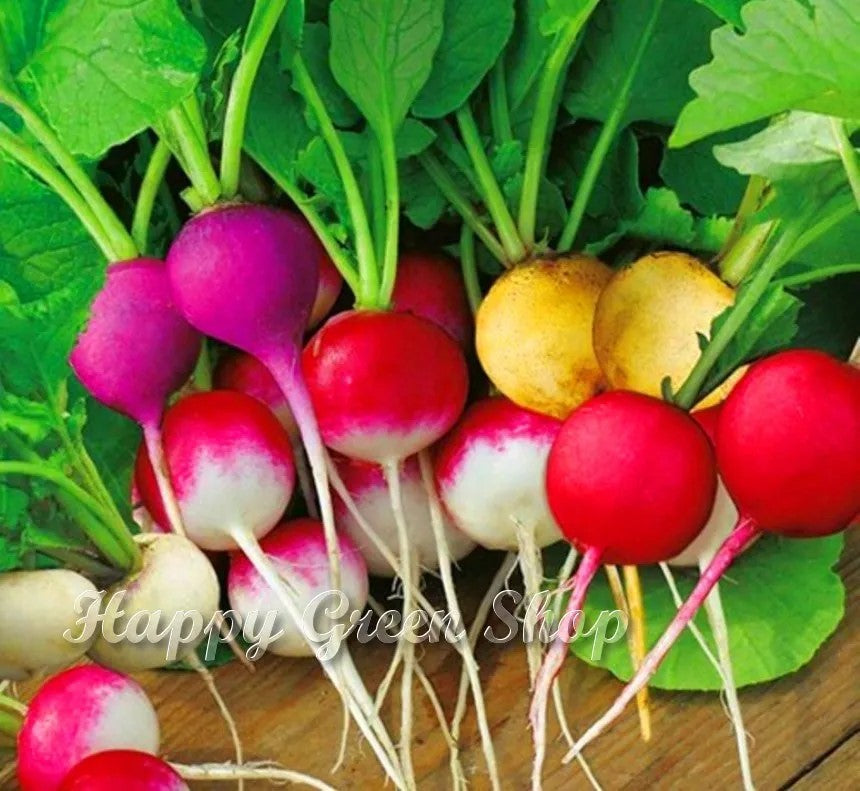
Radish 'Rainbow Mixed' Seeds (Raphanus sativus)
Brighten up your salads with Radish 'Rainbow Mixed', a colorful blend of quick-growing radishes in vibrant shades of red, pink, white, yellow, and purple. Crisp, crunchy, and full of flavor, this mix provides variety in both taste and appearance. Perfect for gardeners who want fast results and a cheerful harvest.
How to Grow
-
Sow directly outdoors from early spring through late summer.
-
Prefers light, well-drained soil in full sun.
-
Sow seeds thinly, 1–1.5 cm deep in rows 15 cm apart.
-
Thin seedlings to 3–5 cm spacing for best roots.
-
Keep soil moist for tender, mild radishes.
Key Features
-
Colorful blend of red, pink, white, yellow, and purple radishes
-
Crisp, crunchy texture with mild to peppery flavor
-
Fast-growing and ready in just a few weeks
-
Adds variety and color to salads and garnishes
-
Suitable for succession sowing for continuous crops
Ideal For
-
Fresh salads, snacks, and garnishes
-
Quick and easy crops for beginners
-
Adding vibrant color to the vegetable patch
-
Continuous harvests through spring and summer
Sowing
-
Best time: March to September
-
Depth: 1–1.5 cm
-
Row spacing: 15 cm
-
Plant spacing: Thin to 3–5 cm
-
Harvest: 3–5 weeks after sowing
Quick Tip
-
Sow little and often for a steady supply of fresh, colorful radishes.

Pointed Red Cabbage ‘Kalibos’ – Seeds
(Brassica oleracea L.)
Pointed Red Cabbage ‘Kalibos’ is an exceptional variety combining the sweet flavor of pointed cabbage with the deep red color of traditional red cabbage. The tight, conical heads are medium-sized, firm, and full of crisp, tender leaves with a mild, slightly sweet taste—perfect for salads, coleslaws, and light cooking.
Key Features
-
Type: Red pointed cabbage
-
Head Shape: Conical, medium-sized, dense
-
Color: Deep purple-red
-
Taste: Sweet, mild, and crisp
-
Days to Maturity: 110–120 days
-
Harvest Period: Late summer to autumn
-
Storage: Good short-term storage variety
Ideal For
-
Home gardens and allotments
-
Fresh salads and coleslaws
-
Cooking, fermenting, and pickling
Sowing & Growing
-
Sow indoors: February – April
-
Transplant outdoors: April – May
-
Harvest: August – October
-
Spacing: 40 × 50 cm
-
Position: Sunny, sheltered spot
-
Soil: Fertile, moist, well-drained soil enriched with compost
Care Tips
-
Keep soil consistently moist for tender heads.
-
Apply organic fertilizer or compost during growth.
-
Protect from cabbage butterflies with netting.

Cucumber White Wonder – 50 Seeds (Cucumis sativus) Rare
Cucumber White Wonder is a rare and unique cucumber variety, producing crisp, pale white fruits with a sweet, mild flavor. Its unusual color and tender texture make it a standout for fresh salads, pickling, and gourmet presentations. Fast-growing and productive, this variety thrives in sunny garden beds or containers, perfect for gardeners seeking something extraordinary.
Key Features
-
Fruit Color: Pale white
-
Flavor: Sweet, mild, and crisp
-
Growth Habit: Vigorous, climbing or trailing
-
Maturity: 50–60 days
-
Use: Fresh salads, pickling, and culinary presentation
-
Yield: High and consistent
Ideal For
-
Home vegetable gardens
-
Container and balcony growing
-
Gourmet and specialty cooking
-
Rare and unusual garden collections
Sowing & Growing
-
Sow indoors: February–April
-
Transplant outdoors: After last frost
-
Spacing: 50–60 cm
-
Position: Full sun, fertile well-drained soil
-
Care: Provide trellis support; water consistently
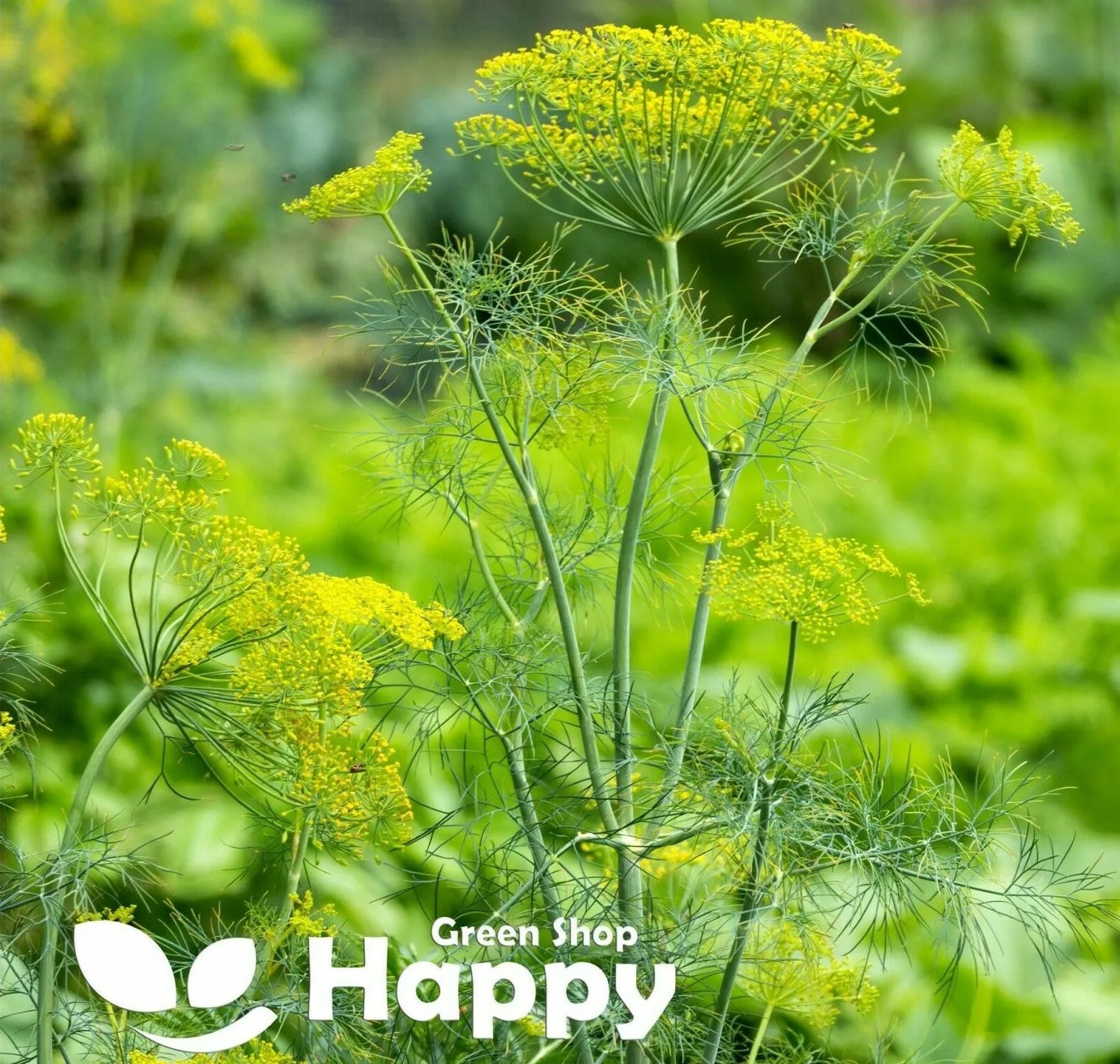
Dill Seeds (Anethum graveolens)
Bring fresh flavor and fragrance to your garden with Dill, a versatile culinary and medicinal herb. Known for its delicate feathery foliage and aromatic seeds, dill is a must-have for seasoning fish, soups, pickles, and salads. Easy to grow and quick to mature, it also attracts beneficial pollinators, making it a perfect addition to herb beds and kitchen gardens.
How to Grow
-
Sow directly outdoors from spring to early summer.
-
Prefers light, well-drained soil in full sun.
-
Sow thinly, 0.5–1 cm deep in rows 30 cm apart.
-
Thin seedlings to 15 cm spacing.
-
Avoid transplanting as dill dislikes root disturbance.
Key Features
-
Aromatic herb with feathery foliage and seeds
-
Delicious for seasoning fish, soups, salads, and pickles
-
Quick-growing and easy for beginners
-
Attracts bees and beneficial insects
-
Dual use: fresh leaves and dried seeds
Ideal For
-
Home cooking and herbal tea
-
Pickling and preserving vegetables
-
Companion planting in the garden
-
Attracting pollinators and beneficial insects
Sowing
-
Best time: March to June
-
Depth: 0.5–1 cm
-
Row spacing: 30 cm
-
Plant spacing: 15 cm after thinning
-
Harvest: Leaves in 6–8 weeks, seeds later in the season
Quick Tip
-
For a continuous supply, sow dill little and often every 2–3 weeks through the summer.

Pointed Red Cabbage ‘Kalibos’ – Seeds
(Brassica oleracea L.)
Pointed Red Cabbage ‘Kalibos’ is an exceptional variety combining the sweet flavor of pointed cabbage with the deep red color of traditional red cabbage. The tight, conical heads are medium-sized, firm, and full of crisp, tender leaves with a mild, slightly sweet taste—perfect for salads, coleslaws, and light cooking.
Key Features
-
Type: Red pointed cabbage
-
Head Shape: Conical, medium-sized, dense
-
Color: Deep purple-red
-
Taste: Sweet, mild, and crisp
-
Days to Maturity: 110–120 days
-
Harvest Period: Late summer to autumn
-
Storage: Good short-term storage variety
Ideal For
-
Home gardens and allotments
-
Fresh salads and coleslaws
-
Cooking, fermenting, and pickling
Sowing & Growing
-
Sow indoors: February – April
-
Transplant outdoors: April – May
-
Harvest: August – October
-
Spacing: 40 × 50 cm
-
Position: Sunny, sheltered spot
-
Soil: Fertile, moist, well-drained soil enriched with compost
Care Tips
-
Keep soil consistently moist for tender heads.
-
Apply organic fertilizer or compost during growth.
-
Protect from cabbage butterflies with netting.
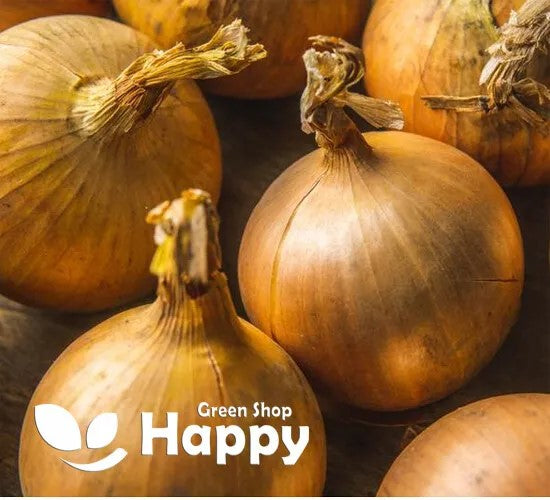
Onion 'Spanish Sun' Seeds (Allium cepa)
Bring sunshine to your garden with Onion 'Spanish Sun', a reliable, early-maturing variety that produces large, globe-shaped golden bulbs. Known for its mild, sweet flavor and crisp texture, it’s perfect for fresh salads, cooking, or storing. Easy to grow and versatile in the kitchen, this onion is a must-have for every vegetable garden.
How to Grow
-
Sow indoors from January to March or directly outdoors from March to April.
-
Prefers fertile, well-drained soil in full sun.
-
Sow seeds 1 cm deep in rows 30 cm apart.
-
Thin seedlings to 10 cm spacing for full-sized bulbs.
-
Keep soil moist but not waterlogged.
Key Features
-
Early-maturing, large golden bulbs
-
Mild, sweet flavor with crisp texture
-
Suitable for fresh use, cooking, or storing
-
Reliable variety for consistent yields
-
Easy to grow in most garden soils
Ideal For
-
Home gardeners and allotments
-
Fresh salads, soups, and everyday cooking
-
Long-term storage after harvest
-
Gardeners seeking early, high-quality onions
Sowing
-
Best time: Indoors January–March, outdoors March–April
-
Depth: 1 cm
-
Spacing: 10 cm between plants, 30 cm between rows
-
Position: Full sun, well-drained fertile soil
-
Harvest: August to September
Quick Tip
-
Allow bulbs to fully dry in the sun before storing to extend their shelf life.

French Mixed Salad – 1000 Seeds (Lactuca sativa)
French Mixed Salad is a versatile, easy-to-grow lettuce mix ideal for fresh, homegrown salads. This collection offers a variety of leaf shapes, colors, and textures, creating a visually appealing and flavorful mix for everyday meals. Fast-growing and tender, it is perfect for cutting and continual harvests throughout the season.
Key Features
-
Variety: Mixed leaf types and colors
-
Growth Habit: Loose-leaf, fast-growing
-
Maturity: 40–60 days
-
Flavor: Mild, tender, and crisp
-
Use: Fresh salads, garnishes, and sandwiches
-
Harvest: Cut-and-come-again for continuous picking
Ideal For
-
Home vegetable gardens
-
Container and balcony growing
-
Continuous harvest for fresh salads
-
Mixed salad bowls and culinary use
Sowing & Growing
-
Sow outdoors: March–August
-
Depth: 0.5–1 cm
-
Spacing: 15–20 cm
-
Position: Full sun to partial shade
-
Soil: Fertile, well-drained soil
-
Care: Keep soil consistently moist for tender leaves
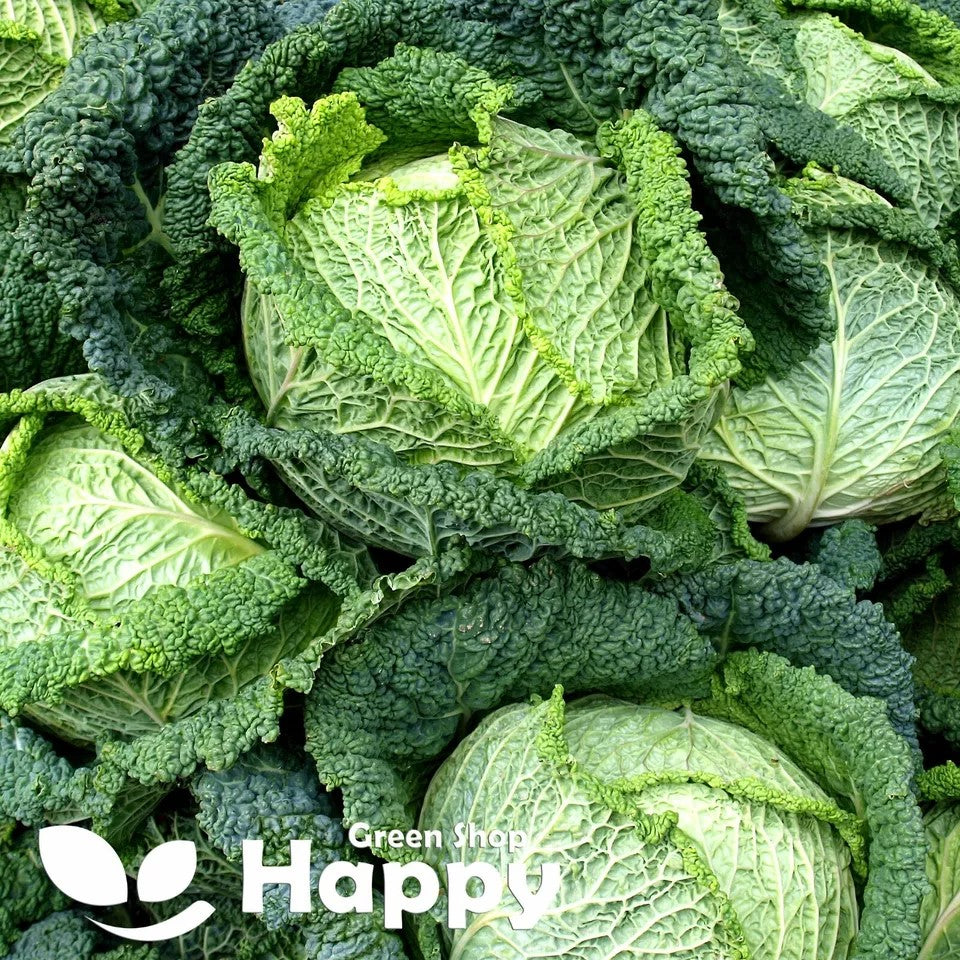
Winter Savoy Cabbage 'Vertus 2' – Seeds (Brassica oleracea)
The Winter Savoy Cabbage 'Vertus 2' is a traditional, hardy variety producing large, dense, medium-green heads with attractive crinkled leaves. It is highly reliable for late autumn and winter harvests, offering sweet, tender leaves perfect for both cooking and fresh use.
This variety thrives in colder climates, with excellent frost resistance that enhances its flavor and texture. A top choice for gardeners seeking a dependable winter vegetable.
How to Grow
-
Sow indoors: March – May
-
Sow outdoors: April – June
-
Transplant/Thin: 40–50 cm apart
-
Soil: Fertile, firm, moisture-retentive
-
Position: Full sun
-
Care: Keep soil consistently moist and protect young plants from cabbage pests
Key Features
-
Traditional winter savoy cabbage variety
-
Large, dense heads with crinkled leaves
-
Excellent frost resistance and winter hardiness
-
Sweet, tender flavor ideal for cooking
-
Reliable and productive for cold seasons
Sowing & Harvest
-
Sow: March – June
-
Harvest: October – February
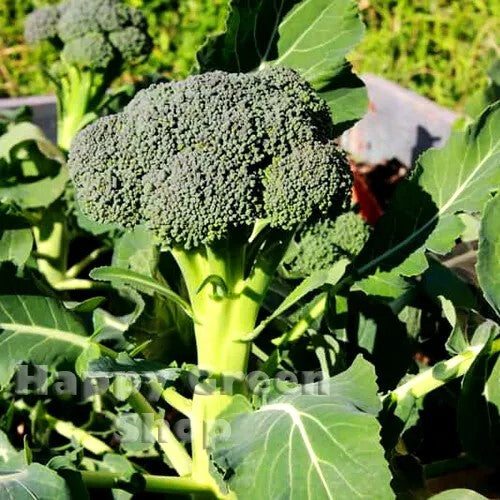
Winter Broccoli 'Ramoso Calabrese' Seeds (Brassica oleracea)
Enjoy fresh, homegrown broccoli even in the cooler months with Winter Broccoli 'Ramoso Calabrese'. This traditional Italian variety is prized for its tender green shoots and rich, nutty flavor. Perfect for winter cropping, it produces multiple side shoots after the main head is cut, extending your harvest well into the season. A reliable and tasty addition to any winter vegetable garden.
How to Grow
-
Sow indoors from March to May or outdoors from April to June.
-
Transplant seedlings when large enough, spacing 45–60 cm apart.
-
Prefers fertile, well-drained soil in full sun.
-
Keep plants well-watered during dry spells.
-
Harvest main head first, then enjoy repeat harvests from side shoots.
Key Features
-
Traditional Italian winter broccoli variety
-
Produces tender, nutty-flavored green heads
-
Multiple side shoots for extended cropping
-
Hardy and reliable in cooler conditions
-
Great for steaming, roasting, or stir-fries
Ideal For
-
Winter and early spring vegetable gardens
-
Gardeners who want extended harvests
-
Nutritious, homegrown cooking
-
Allotments and kitchen gardens
Sowing
-
Best time: March to June
-
Depth: 1 cm
-
Spacing: 45–60 cm between plants
-
Position: Full sun, fertile soil
-
Harvest: November to March
Quick Tip
-
Cut the central head early to encourage plenty of side shoots for a longer, more abundant harvest.
Showing 18/46


