Sort by:
23 products
23 products
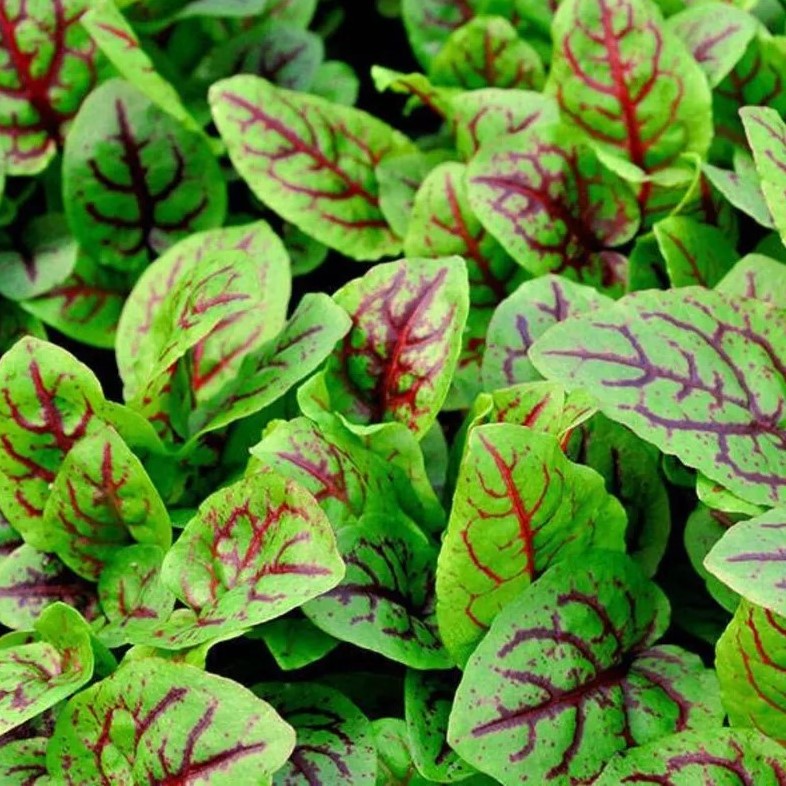
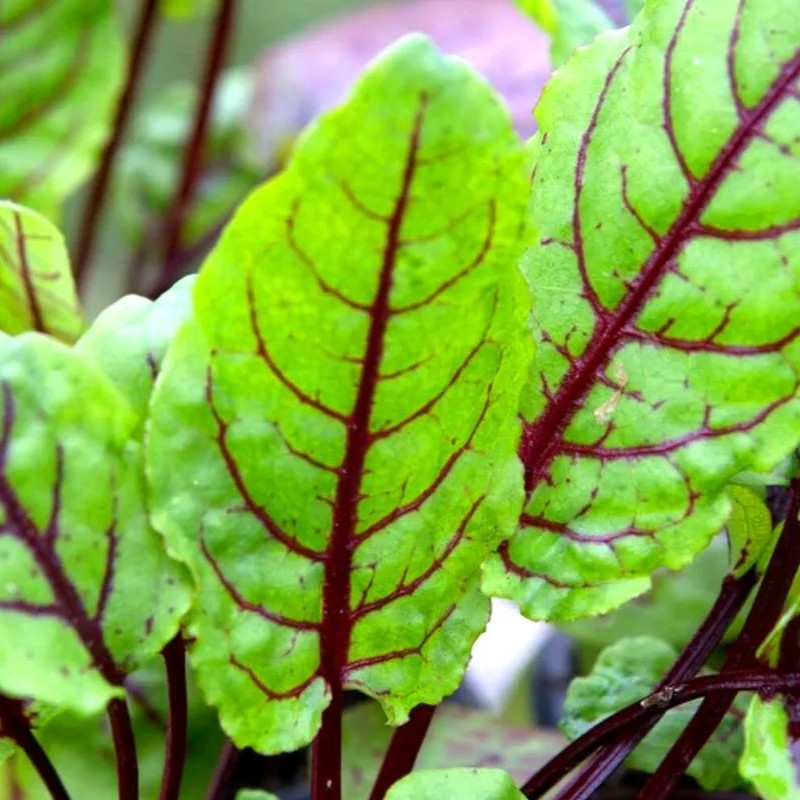
Sorrel 'Bloody Dock' – Seeds (Rumex sanguineus)
Sorrel 'Bloody Dock' is a striking perennial herb known for its vibrant red-veined leaves and tangy, lemony flavor. Perfect for salads, soups, sauces, and garnishes, it adds both visual appeal and a refreshing zest to culinary creations.
Easy to grow and hardy, this variety thrives in garden beds, borders, or containers, providing both ornamental beauty and flavorful leaves throughout the growing season.
How to Grow
-
Sow outdoors: March – June
-
Plant spacing: 20–25 cm between plants
-
Position: Full sun to partial shade
-
Soil: Moist, fertile, well-drained soil
-
Care: Water regularly; remove older leaves to encourage new growth
Key Features
-
Perennial herb with striking red-veined leaves
-
Tangy, lemony flavor perfect for salads, soups, and sauces
-
Hardy and easy to grow
-
Suitable for garden beds, borders, or containers
-
Adds both ornamental and culinary value
Harvest
-
Harvesting period: 50–70 days after sowing
-
Pick young leaves regularly for the best flavor and tender texture.
Short Tip
Harvest leaves from the outer edges to encourage continuous growth and maintain vibrant color.
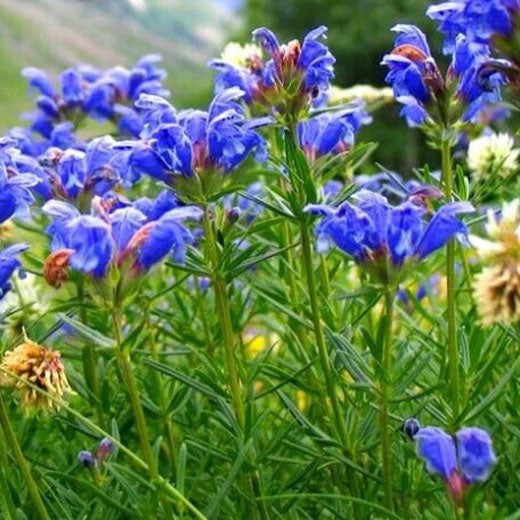
Moldavian Dragonhead – Seeds (Dracocephalum moldavica)
The Moldavian Dragonhead (Dracocephalum moldavica) is a fragrant annual herb admired for its violet-blue flowers and aromatic lemon-scented foliage. Highly attractive to bees and butterflies, it makes a charming addition to herb gardens, borders, and pollinator-friendly spaces. Its leaves are sometimes used for teas with a refreshing citrus flavor.
Why Grow Moldavian Dragonhead?
-
Violet-blue blooms with a pleasant lemon fragrance
-
Excellent for pollinators, especially bees
-
Easy to grow and low maintenance
-
Useful as an ornamental and herbal plant
Ideal For
-
Herb gardens
-
Pollinator-friendly plantings
-
Borders and cottage gardens
-
Aromatic tea lovers
Key Features
-
Type: Annual herb
-
Height: 40–60 cm
-
Spread: 20–30 cm
-
Flowering: June–August
-
Position: Full sun to partial shade
-
Soil: Light, well-drained
Sowing & Growing
-
Sow indoors: March–April, lightly cover seeds
-
Germination: 7–14 days at 18–22°C
-
Transplant outdoors: After frost risk has passed
-
Direct sow outdoors: April–May
-
Spacing: 25–30 cm apart
Tip: Regular deadheading encourages longer flowering and stronger aroma.
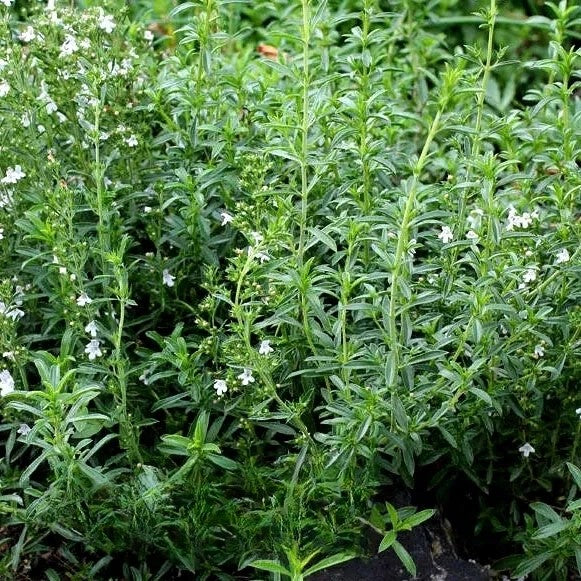
Summer Savory 'Midget' – Seeds (Satureja hortensis)
Summer Savory ‘Midget’ is a compact, fast-growing annual herb, prized for its spicy, peppery flavour that resembles thyme and oregano. This dwarf variety is especially suited for container growing, raised beds, and small herb gardens.
Traditionally used to season bean dishes, meats, soups, and stews, it is also excellent fresh or dried as a versatile culinary herb. With its neat, bushy growth habit and aromatic leaves, ‘Midget’ is both decorative and useful in the kitchen.
How to Grow
-
Sow indoors: March – April in pots or trays
-
Sow outdoors: April – June, directly into prepared soil
-
Depth: Lightly cover seeds with soil (approx. 0.5 cm)
-
Spacing: 20–25 cm between plants
-
Position: Sunny, well-drained spot
-
Soil: Light, sandy, moderately fertile
Key Features
-
Compact dwarf variety – ideal for pots and small spaces
-
Distinct peppery flavour – a classic bean seasoning
-
Culinary herb for meats, stews, soups, and sauces
-
Can be used fresh or dried
-
Hardy, quick-growing, and easy to maintain
Harvesting
-
Harvest from: June – September
-
Pick fresh leaves regularly to encourage new growth.
-
For winter use, cut and dry whole sprigs just before flowering.


Herb Corn Salad Seeds (Valerianella locusta)
Also known as Lamb’s Lettuce or Mâche, Corn Salad is a fast-growing leafy green with soft, nutty-flavored leaves. Popular in European cuisine, it’s perfect for salads, sandwiches, and as a tender garnish. Hardy and cold-tolerant, it thrives in cooler months, making it an excellent choice for autumn and winter harvests. Easy to grow and highly nutritious, it’s a must-have for year-round salads.
How to Grow
-
Sow directly outdoors from March to May, and again from August to October.
-
Prefers fertile, well-drained soil in full sun or partial shade.
-
Sow thinly, 1 cm deep, in rows 20 cm apart.
-
Thin seedlings to 10 cm spacing for healthy plants.
-
Harvest young leaves as needed for cut-and-come-again cropping.
Key Features
-
Tender, nutty-flavored leaves
-
Hardy and cold-tolerant, ideal for winter salads
-
Quick and easy to grow
-
Perfect for cut-and-come-again harvesting
-
Highly nutritious and versatile in the kitchen
Ideal For
-
Autumn and winter vegetable gardens
-
Fresh salads and sandwich fillings
-
Containers, raised beds, and small gardens
-
Gardeners seeking a reliable cool-season green
Sowing
-
Best time: March–May, August–October
-
Depth: 1 cm
-
Spacing: 10 cm between plants, 20 cm between rows
-
Position: Full sun or partial shade
-
Harvest: October to March
Quick Tip
-
Succession sow every few weeks for a continuous supply of fresh leaves throughout the cooler seasons.
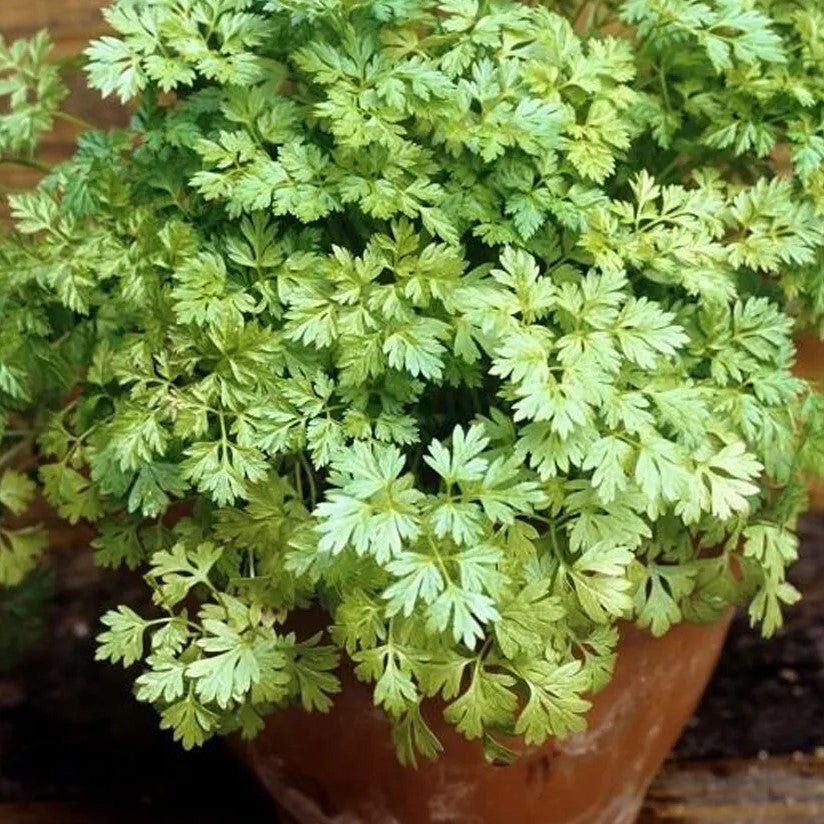
Chervil – Seeds
(Anthriscus cerefolium) – Classic Culinary Herb
Chervil is a delicate, aromatic herb with finely cut, fern-like leaves and a subtle aniseed flavor. Often called the “gourmet’s parsley”, it is an essential ingredient in French cuisine and one of the traditional fines herbes (with parsley, tarragon, and chives). Best used fresh, chervil enhances soups, salads, omelets, fish, and sauces, adding a refined, mild flavor.
Key Features
-
Type: Annual culinary herb
-
Height: 30–50 cm
-
Leaves: Finely cut, light green, fern-like
-
Flavor: Mild anise, delicate and fresh
-
Harvest: 6–8 weeks after sowing
-
Use: Fresh leaves for seasoning
Ideal For
-
Culinary herb gardens & kitchen windowsills
-
French and Mediterranean dishes
-
Continuous harvest in small spaces
-
Pairing with parsley, tarragon & chives
Sowing & Growing
-
Sow outdoors: March–August, directly into the soil.
-
Depth: 0.5 cm, thinly in rows 20 cm apart.
-
Germination: 14–21 days at 12–18°C.
-
Position: Partial shade, moist, humus-rich soil.
-
Harvest: Young leaves as needed.
Care Tips
-
Regular sowings every 3–4 weeks ensure a constant supply.
-
Avoid hot, sunny locations (prefers cool shade).
-
Use leaves fresh – drying reduces flavor.
Showing 23/23