
Sort by:
58 products
58 products
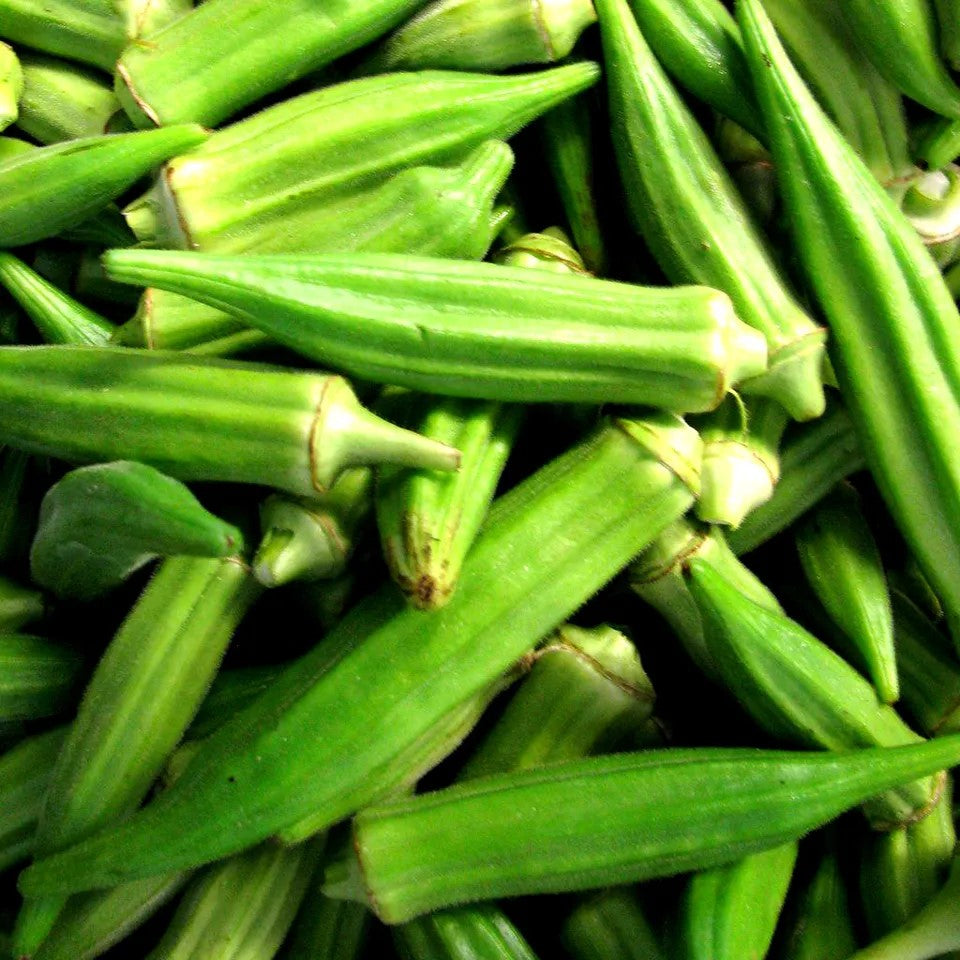
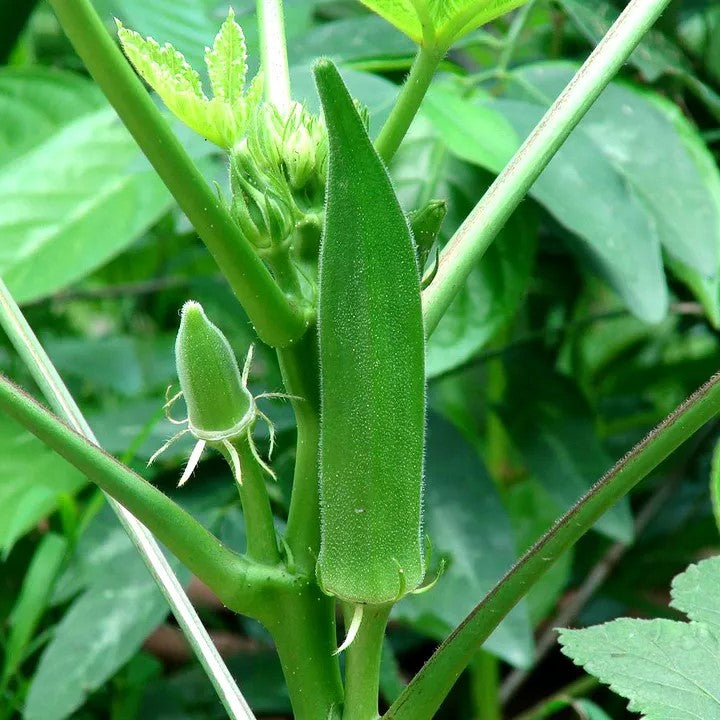
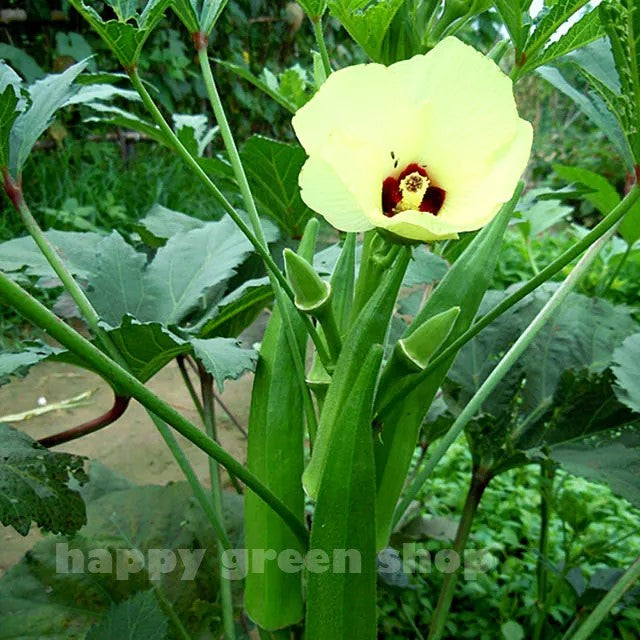
Okra 'Clemson Spineless' – Seeds (Abelmoschus esculentus)
Okra 'Clemson Spineless' is the most popular and widely grown okra variety, prized for its tender, spineless green pods and high yields. A warm-season crop, it thrives in sunny conditions and produces long, slim pods that are perfect for frying, grilling, soups, curries, and traditional gumbo dishes. Compact and productive, it’s ideal for home gardens or allotments.
How to Grow
-
Sow indoors: March – May in pots or modules with heat.
-
Transplant outdoors: After last frost when soil has warmed.
-
Soil: Fertile, well-drained soil in full sun.
-
Spacing: 30–45 cm apart.
-
Water regularly during dry spells to encourage pod production.
Key Features
-
Famous spineless okra variety
-
High-yielding and fast-growing
-
Tender, slim pods with rich flavor
-
Heat-loving annual for summer harvests
-
Perfect for gumbo, curries, soups, and frying
Ideal For
-
Kitchen gardens and allotments
-
Sunny, sheltered growing positions
-
Gardeners who enjoy exotic vegetables
Sowing & Harvest
-
Sow: March – May
-
Harvest: July – October
Quick Tip
Harvest pods when young (7–10 cm long) for the best flavor and tenderness. Picking regularly encourages further production.
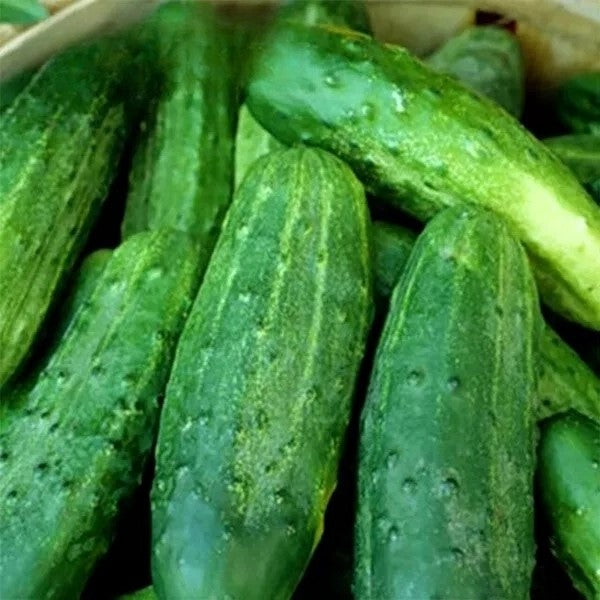
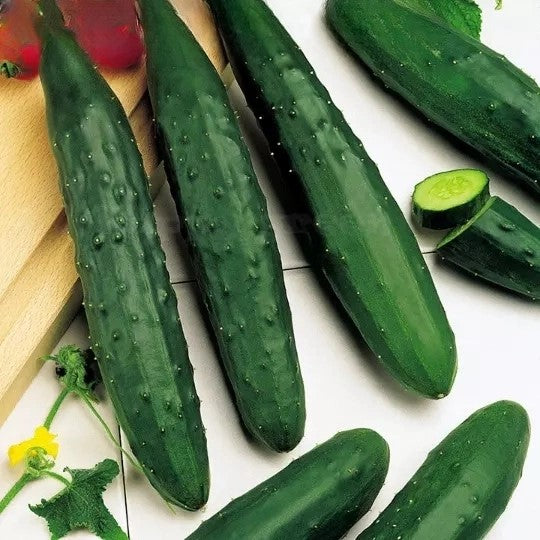
Cucumber 'Marketmore' – Seeds (Cucumis sativus)
Cucumber 'Marketmore' is a classic, reliable outdoor cucumber variety producing dark green, smooth-skinned fruits with crisp texture and excellent flavor. Highly productive and resistant to common diseases, it is perfect for slicing, salads, and fresh eating. Vigorous and easy to grow, ‘Marketmore’ is a favorite among both beginners and experienced gardeners.
How to Grow
-
Sow indoors: April – May in pots or trays.
-
Transplant outdoors: After last frost into a sunny, sheltered spot.
-
Sow direct outdoors: May – June, once soil is warm.
-
Spacing: 45–60 cm apart in rows or beds.
-
Provide regular watering and mulch to keep soil moist.
Key Features
-
Classic slicing cucumber variety
-
Smooth, dark green, uniform fruits
-
Crisp, refreshing flavor
-
Heavy cropping and reliable yields
-
Resistant to common cucumber diseases
Ideal For
-
Outdoor vegetable plots and raised beds
-
Fresh summer salads and sandwiches
-
Gardeners seeking a tried-and-true cucumber variety
Sowing & Harvest
-
Sow: April – June
-
Harvest: July – September
Quick Tip
Pick fruits regularly to encourage continuous production. Avoid letting cucumbers grow too large for the best taste and texture.


Aubergine Eggplant ‘Black Beauty’ – 150 Seeds (Solanum melongena)
Description:
Grow classic, glossy eggplants with Aubergine ‘Black Beauty’ (Solanum melongena). This high-yielding variety produces large, dark purple fruits with tender flesh and mild flavor, perfect for grilling, roasting, or sautéing. Ideal for greenhouses, containers, and garden beds, ‘Black Beauty’ is easy to grow from seed and provides a long harvest throughout the summer. A favorite for home gardeners seeking versatile and productive eggplants.
Key Features
-
Large, glossy dark purple fruits
-
Mild, tender flesh suitable for a variety of dishes
-
High-yielding and long-harvesting variety
-
Easy to grow from seed
-
Ideal for greenhouses, containers, and garden beds
Ideal For
-
Kitchen and home vegetable gardens
-
Containers, raised beds, and greenhouse cultivation
-
Culinary use: grilling, roasting, sautéing
-
Home gardeners seeking productive eggplants
Sowing & Growing
-
Sow Indoors: February–April
-
Transplant Outdoors: May–June, after frost
-
Germination: 7–14 days at 20–25°C
-
Spacing: 50–60 cm apart
-
Support: Optional staking for heavy fruits
-
Light: Full sun
-
Soil: Fertile, well-drained, rich in organic matter
Care Tips
-
Water consistently, keeping soil evenly moist
-
Fertilize every 2–3 weeks with balanced fertilizer
-
Mulch to retain moisture and control weeds
-
Harvest when fruits are fully glossy and firm


🎃 Cucurbita pepo Winter Squash ‘Hungarian Blue’ – Rare Steel-Blue Squash with Sweet, Fine-Textured Flesh
‘Hungarian Blue’ is an unusual and visually striking winter squash producing beautifully ribbed fruits in shades of steel-blue to slate-grey. Inside, the deep orange flesh is sweet, dense, and fine-textured, ideal for roasting, soups, baking, and autumn–winter dishes. Fruits typically weigh 2–4 kg, store extremely well, and develop even better flavour after curing. Vigorous, productive plants thrive in sunny conditions and are well suited to kitchen gardens and allotments.
Key Features
● Rare steel-blue ribbed winter squash
● Sweet, dense, fine-grained orange flesh
● Fruits store well into winter
● Productive and vigorous vines
● Excellent for roasting, soups, baking and purées
How to Sow & Grow Winter Squash ‘Hungarian Blue’ (Cucurbita pepo) – UK
Sow indoors: IV–V (April–May) in pots
Transplant outdoors: V–VI (May–June) once frost danger has passed
Direct outdoors: V–VI (May–June) into warm soil
Harvest: IX–X (September–October)
Germination temperature: 18–24 °C (64–75 °F)
Average germ time: 7–14 days
Depth: 2–3 cm (¾–1¼ in)
Light required: Yes
Moisture: Keep soil evenly moist
Environment: Full sun
Soil type: Rich, fertile, moisture-retentive soil; add compost before planting
Plant spacing: 1–1.5 m (3–5 ft)
Vine length: 1.5–2.5 m (5–8 ft)
Sowing & Growing Tips (variety-specific)
● Start indoors for earlier harvests in cooler climates.
● Mulch well to maintain soil moisture and suppress weeds.
● Feed regularly with high-potash fertiliser during fruiting.
● Allow fruits to fully mature on the vine for best flavour.
● Cure harvested fruits in a warm, airy place for 10–14 days.
Special Features
● Rare heirloom colour — striking steel-blue rind
● Stores exceptionally well, improving in sweetness
● Compact vines compared to many winter squash types
Asparagus ‘Mary Washington’ – 60 Seeds (Asparagus officinalis)
Description:
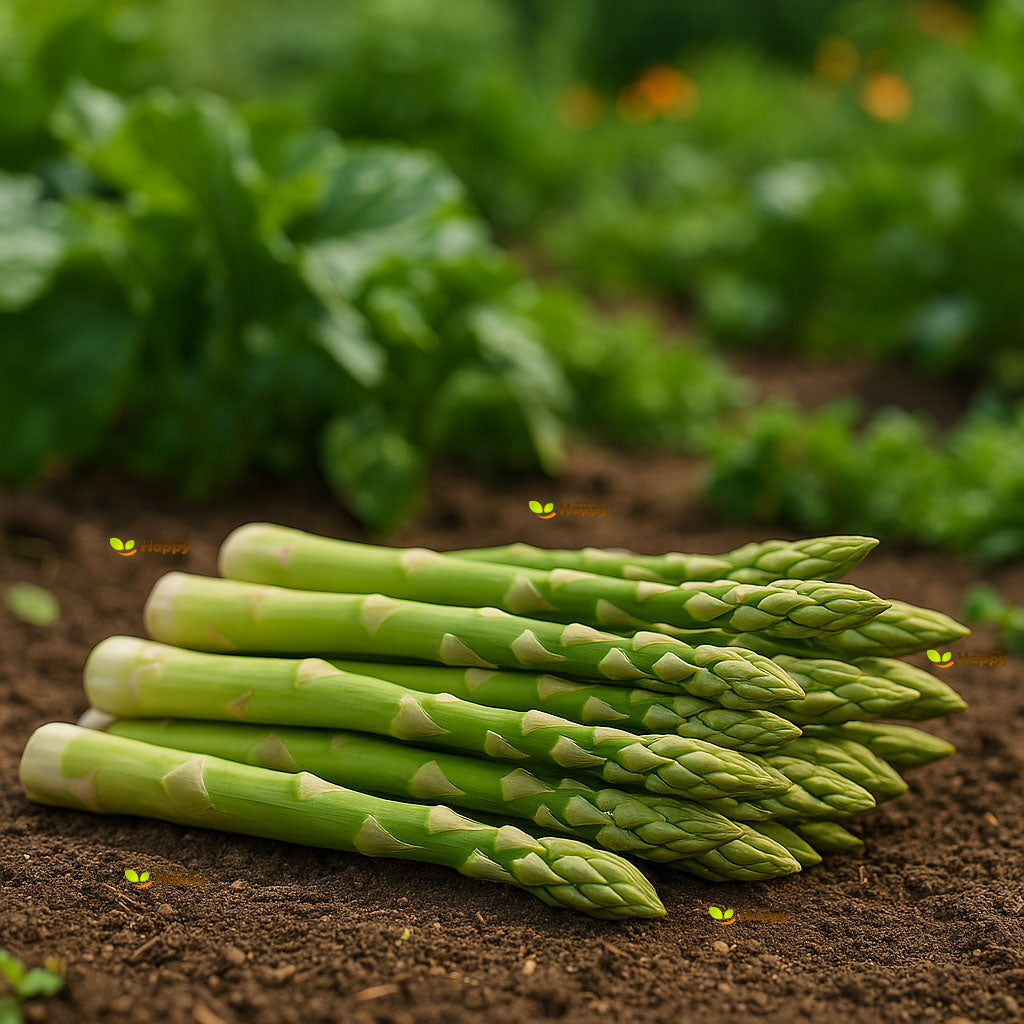
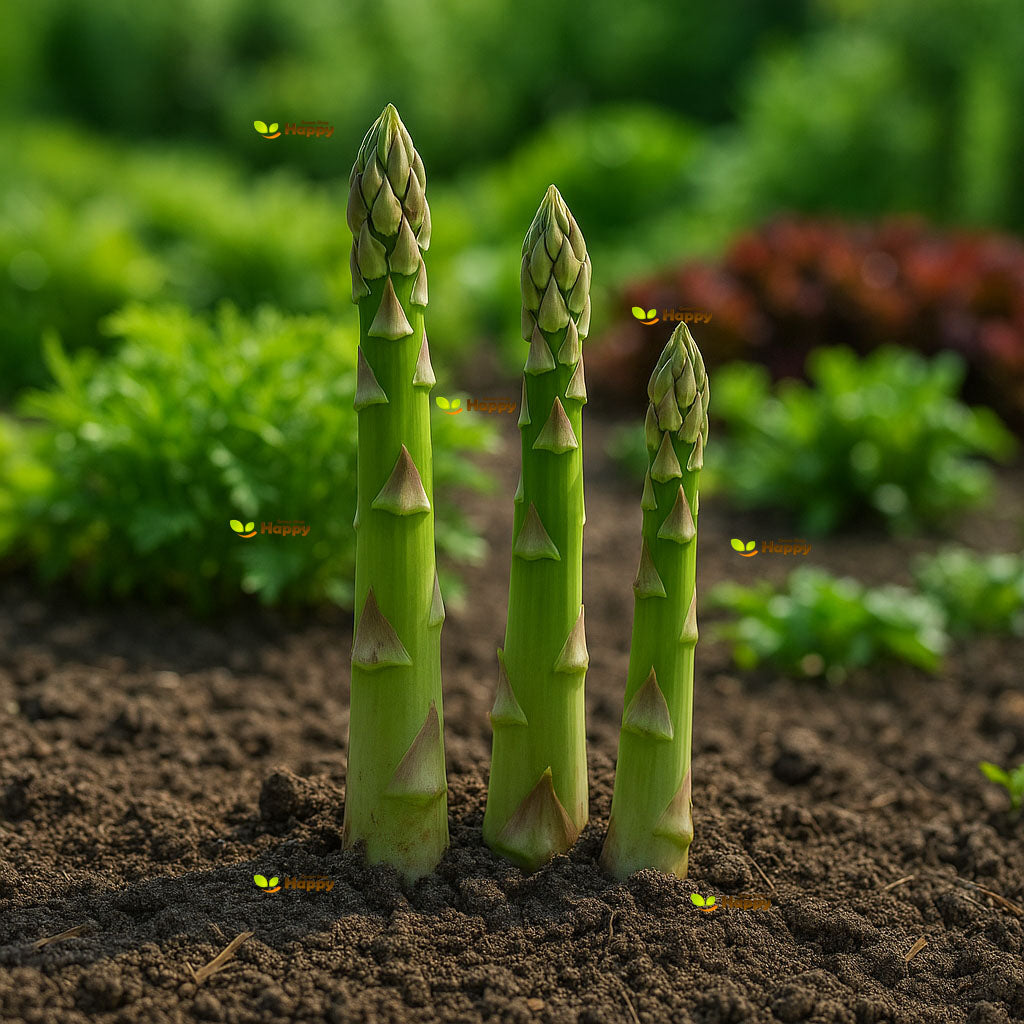
Grow a classic, long-lived perennial vegetable with Asparagus ‘Mary Washington’ (Asparagus officinalis). This heirloom variety is renowned for its high yields of tender, flavorful green spears with slightly purple tips. Ideal for home gardens and allotments, it produces abundant harvests year after year once established. Easy to grow from seed, ‘Mary Washington’ is disease-resistant and perfect for gardeners seeking a reliable, low-maintenance perennial crop.
Key Features
-
Heirloom variety producing tender green spears
-
Long-lived perennial with high yields
-
Excellent flavor and texture
-
Disease-resistant and reliable
-
Easy to grow from seed
Ideal For
-
Home and kitchen gardens
-
Allotments and perennial vegetable beds
-
Sustainable, long-term food production
-
Gardeners seeking low-maintenance crops
Sowing & Growing
-
Sow Indoors: February–April
-
Transplant Outdoors: May–June
-
Germination: 14–21 days at 20–25°C
-
Spacing: 30–45 cm apart in rows 1 m apart
-
Light: Full sun
-
Soil: Deep, fertile, well-drained
Care Tips
-
Do not harvest in the first year to allow plants to establish
-
Keep soil moist but not waterlogged
-
Mulch to retain moisture and suppress weeds
-
Harvest spears in spring from the second or third year


🎃 Cucurbita pepo ‘Patty Pan Mix’ – Colourful Scallop Squash Blend with Tender, Nutty Flavour
‘Patty Pan Mix’ is an attractive blend of scallop-shaped summer squashes in vibrant shades of yellow, white, green, and occasionally bi-colour types. These cheerful, flying-saucer–shaped fruits are harvested young for their tender texture and mild, nutty flavour, perfect for grilling, roasting, stuffing, stir-fries, or adding colour to summer dishes. Plants are compact, fast-growing, and exceptionally productive, providing a continuous supply of fruits throughout the season. Ideal for home gardens, raised beds, and small plots.
Key Features
● Colourful mix of scallop (patty pan) summer squashes
● Tender, nutty flavour when picked young
● Extremely productive and quick to mature
● Compact plants suited for smaller spaces
● Excellent for grilling, roasting and stuffing
How to Sow & Grow ‘Patty Pan Mix’ (Cucurbita pepo) – UK
Sow indoors: IV–V (April–May) in pots
Transplant outdoors: V–VI (May–June) once frost danger has passed
Direct outdoors: V–VI (May–June) into warm soil
Harvest: VII–IX (July–September)
Germination temperature: 18–24 °C (64–75 °F)
Average germ time: 7–14 days
Depth: 2–3 cm (¾–1¼ in)
Light required: Yes
Moisture: Keep evenly moist
Environment: Full sun
Soil type: Rich, fertile, moisture-retentive soil
Plant spacing: 60–90 cm (24–36 in)
Height/Spread: Bush type, 45–60 cm (18–24 in) high, wide-spreading mound
Sowing & Growing Tips (variety-specific)
● Harvest when fruits are 5–8 cm (2–3 in) for the best texture and flavour.
● Mulch well to retain soil moisture and reduce weeds.
● Feed regularly once plants begin forming fruits.
● Pick frequently to encourage continuous production.
● Avoid overhead watering to reduce powdery mildew risk.
Special Features
● Vibrant colour mix for gourmet presentation
● Nutty flavour and tender texture when harvested young
● Heavy-cropping plants perfect for summer gardens

Pointed Red Cabbage ‘Kalibos’ – Seeds
(Brassica oleracea L.)
Pointed Red Cabbage ‘Kalibos’ is an exceptional variety combining the sweet flavor of pointed cabbage with the deep red color of traditional red cabbage. The tight, conical heads are medium-sized, firm, and full of crisp, tender leaves with a mild, slightly sweet taste—perfect for salads, coleslaws, and light cooking.
Key Features
-
Type: Red pointed cabbage
-
Head Shape: Conical, medium-sized, dense
-
Color: Deep purple-red
-
Taste: Sweet, mild, and crisp
-
Days to Maturity: 110–120 days
-
Harvest Period: Late summer to autumn
-
Storage: Good short-term storage variety
Ideal For
-
Home gardens and allotments
-
Fresh salads and coleslaws
-
Cooking, fermenting, and pickling
Sowing & Growing
-
Sow indoors: February – April
-
Transplant outdoors: April – May
-
Harvest: August – October
-
Spacing: 40 × 50 cm
-
Position: Sunny, sheltered spot
-
Soil: Fertile, moist, well-drained soil enriched with compost
Care Tips
-
Keep soil consistently moist for tender heads.
-
Apply organic fertilizer or compost during growth.
-
Protect from cabbage butterflies with netting.
🧽 Luffa cylindrica Loofah / Sponge Gourd – Fast-Growing Climber for Edible Young Fruits & Natural Sponges
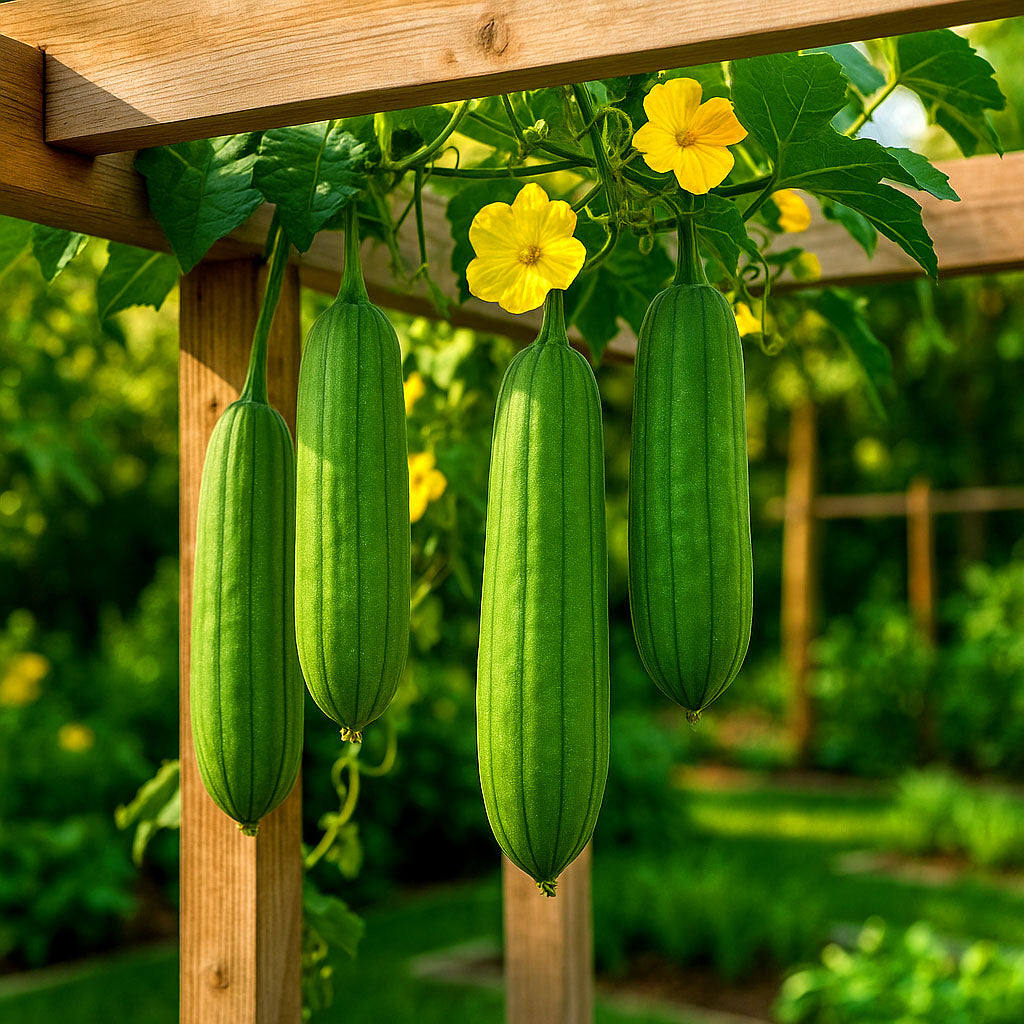
Luffa cylindrica is a vigorous, warm-season climbing plant grown both as a vegetable and for producing natural loofah sponges. When harvested young, the smooth green fruits are tender and mild, ideal for stir-fries and curries. Left to fully mature, the fruits dry into fibrous sponges perfect for eco-friendly household and personal care use. With its large leaves, yellow flowers, and strong vines, luffa is also an attractive plant for greenhouses, tunnels, and sunny walls.
Key Features
● Dual-purpose plant: edible young fruits or natural sponges
● Fast-growing, vigorous climbing habit
● Large yellow flowers attractive to pollinators
● Ideal for greenhouses, polytunnels and warm gardens
● Sustainable, plastic-free sponge alternative
How to Sow & Grow Luffa cylindrica (UK)
Sow indoors: III–IV (March–April) in pots
Transplant outdoors: V–VI (May–June) once frost risk has passed and nights stay warm
Direct outdoors: Not recommended in cool climates
Harvest (edible): VII–IX (July–September)
Harvest (sponges): IX–X (September–October)
Germination temperature: 22–28 °C (72–82 °F)
Average germ time: 7–14 days
Depth: 2–3 cm (¾–1¼ in)
Light required: Yes
Moisture: Regular watering; do not allow to dry out
Environment: Full sun
Soil type: Rich, fertile, well-drained soil with added compost
Plant spacing: 60–90 cm (24–36 in)
Vine length: 3–5 m (10–16 ft)
Sowing & Growing Tips (variety-specific)
● Provide strong supports for climbing vines.
● Start seeds indoors for best results in the UK.
● Harvest young fruits frequently for vegetable use.
● Allow fruits to fully mature and dry on the vine for sponges.
● Peel and rinse mature fruits to reveal the natural loofah fibre.
Special Features
● Produces genuine natural loofah sponges
● Edible fruits when young, fibrous sponges when mature
● Excellent choice for sustainable living gardens

French Mixed Salad – 1000 Seeds (Lactuca sativa)
French Mixed Salad is a versatile, easy-to-grow lettuce mix ideal for fresh, homegrown salads. This collection offers a variety of leaf shapes, colors, and textures, creating a visually appealing and flavorful mix for everyday meals. Fast-growing and tender, it is perfect for cutting and continual harvests throughout the season.
Key Features
-
Variety: Mixed leaf types and colors
-
Growth Habit: Loose-leaf, fast-growing
-
Maturity: 40–60 days
-
Flavor: Mild, tender, and crisp
-
Use: Fresh salads, garnishes, and sandwiches
-
Harvest: Cut-and-come-again for continuous picking
Ideal For
-
Home vegetable gardens
-
Container and balcony growing
-
Continuous harvest for fresh salads
-
Mixed salad bowls and culinary use
Sowing & Growing
-
Sow outdoors: March–August
-
Depth: 0.5–1 cm
-
Spacing: 15–20 cm
-
Position: Full sun to partial shade
-
Soil: Fertile, well-drained soil
-
Care: Keep soil consistently moist for tender leaves
Showing 18/58


