
Sort by:
241 products
241 products

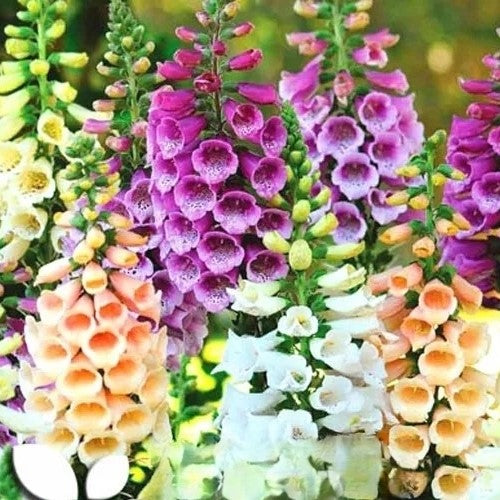
Dwarf Foxglove 'Foxy' Mix – 8000 Seeds (Digitalis purpurea)
Add cottage garden charm with Dwarf Foxglove 'Foxy', a compact variety that produces spires of trumpet-shaped blooms in shades of pink, purple, cream, and white. Unlike taller foxgloves, 'Foxy' grows to a manageable height, making it perfect for smaller gardens, beds, borders, and containers. Loved by bees and pollinators, it’s a classic for wildlife-friendly planting.
What Makes It Special
-
Compact foxglove, only 60–80 cm tall
-
Mix of soft, romantic colors with speckled throats
-
Blooms in the first year from seed
-
Perfect for beds, borders, and wildlife gardens
Key Features
-
Pack Size: 8000 seeds
-
Height: 60–80 cm
-
Biennial (flowers in year one if sown early)
-
Attracts bees and other pollinators
Ideal For
-
Cottage and wildlife gardens
-
Beds, borders, and mixed plantings
-
Containers and small gardens
-
Pollinator-friendly spaces
Sowing
-
Sow indoors Jan–May on moist seed compost, press seeds lightly (do not cover, needs light to germinate)
-
Germination: 14–21 days at 18–22°C
-
Transplant outdoors after frost, spacing 25–30 cm
-
Flowers: June–August
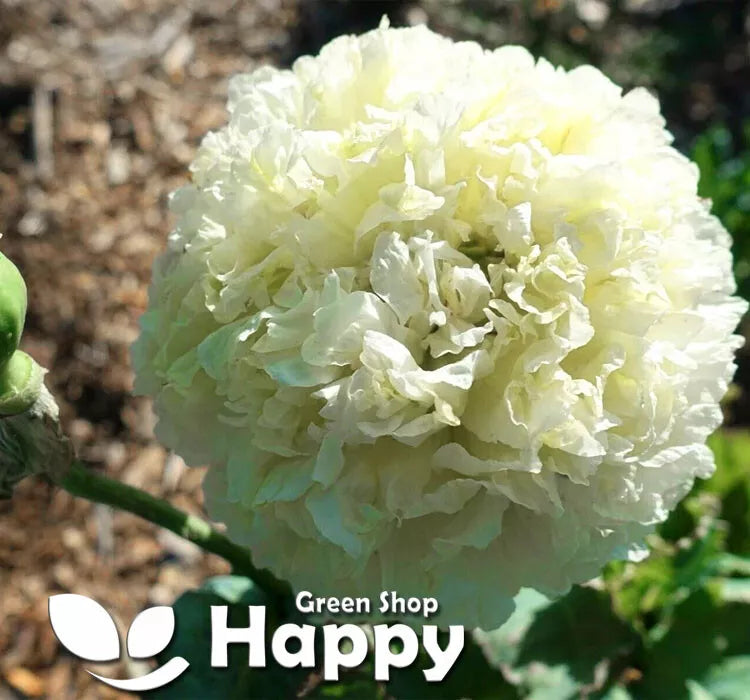
Cream Peony Poppy – Seeds
(Papaver paeoniflorum)
The Cream Peony Poppy is an elegant annual variety producing large, fully double, peony-like blooms in a soft cream shade. These striking flowers add a touch of sophistication to any garden display and make a stunning addition to borders, cottage gardens, and cut flower arrangements. Easy to grow and highly ornamental, they will bloom through summer, creating a spectacular display.
Key Features
-
Type: Hardy annual
-
Height: 80–100 cm
-
Spread: 30–40 cm
-
Flowering: June–August
-
Position: Full sun
-
Soil: Well-drained, moderately fertile
Ideal For
-
Cottage gardens and wildflower plantings
-
Cut flower arrangements
-
Adding height and drama to summer borders
-
Naturalistic planting schemes
Sowing & Growing
-
Sow outdoors: March–May or September (direct into soil)
-
Sow depth: Surface sow, lightly cover with fine soil
-
Spacing: Thin seedlings to 25–30 cm apart
-
Care: Prefers poor soil and little feeding; deadhead to prolong flowering or leave seed heads for structure

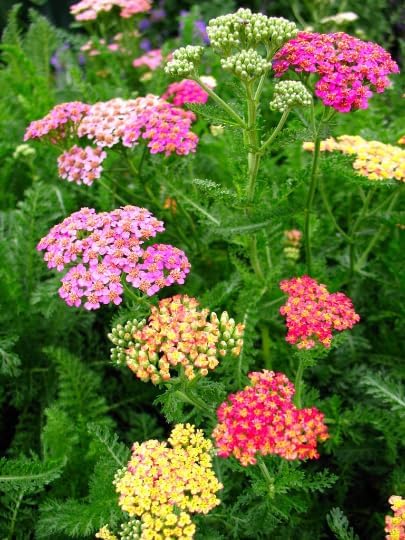

Yarrow ‘Pastel’ Mix Seeds (Achillea millefolium)
A hardy and long-flowering perennial, Yarrow ‘Pastel’ Mix produces flat-topped clusters of delicate blooms in soft shades of pink, peach, and cream. Compact and drought-tolerant, it’s perfect for borders, cottage gardens, and wildflower meadows, attracting bees and butterflies.
What Makes It Special
-
Soft pastel blooms in pink, peach, and cream
-
Hardy, drought-tolerant, and long-flowering
-
Attracts pollinators, enhancing wildlife-friendly gardens
Key Features
-
Botanical name: Achillea millefolium
-
Hardy perennial
-
Height: 30–60 cm (12–24 in)
-
Bloom time: Summer
Ideal For
-
Borders, beds, and cottage gardens
-
Wildflower meadows and pollinator-friendly plantings
-
Containers and low-maintenance garden designs
Sowing
-
Sow indoors Feb–Apr or outdoors Mar–May
-
Cover lightly with soil and keep moist
-
Germination: 14–21 days at 15–20°C
-
Thin seedlings 25–30 cm apart
-
Flowers the first or second season after sowing
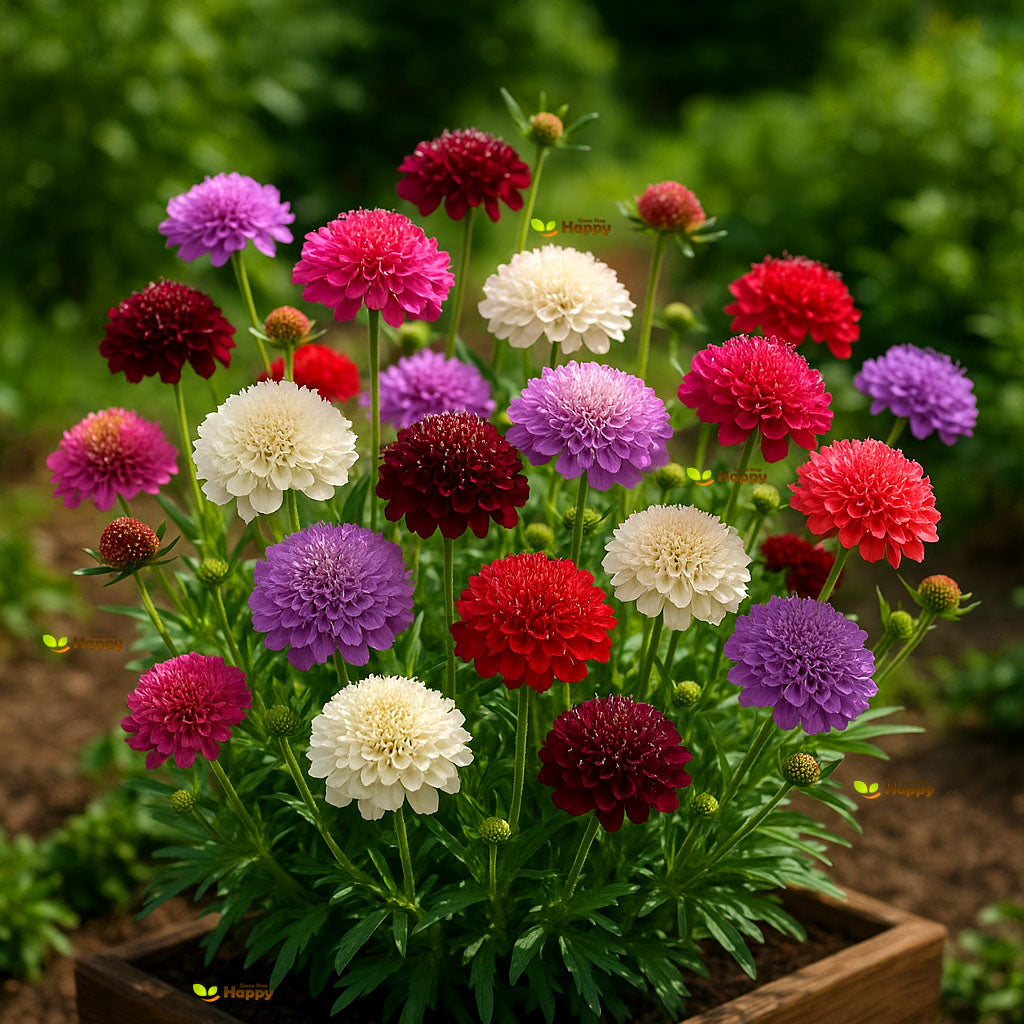
Sweet Scabious Dwarf Double Mix – Seeds
(Scabiosa atropurpurea)
Sweet Scabious Dwarf Double Mix produces compact, bushy plants adorned with fully double, colourful blooms in shades of pink, lavender, and cream. Long-flowering and easy to grow, these dwarf scabious plants are perfect for borders, rockeries, and container displays. They attract butterflies and bees, making them a pollinator-friendly garden choice.
Why Grow Sweet Scabious Dwarf Double Mix?
-
Fully double, colourful flowers in pink, lavender, and cream
-
Compact and long-flowering
-
Attracts pollinators like bees and butterflies
-
Ideal for borders, rockeries, and containers
Key Features
-
Type: Annual / short-lived perennial
-
Height: 25–35 cm
-
Flowers: Summer to early autumn
-
Position: Full sun
-
Soil: Well-drained, moderately fertile
Ideal For
-
Cottage and mixed borders
-
Rockeries and containers
-
Pollinator-friendly gardens
-
Low-maintenance ornamental planting
Sowing & Growing
-
Sow indoors: February–April in seed trays
-
Sow outdoors: April–May directly in prepared soil
-
Germination: 10–20 days at 18–20°C
-
Thin seedlings to 20–25 cm apart
-
Care: Water moderately; deadhead to prolong flowering
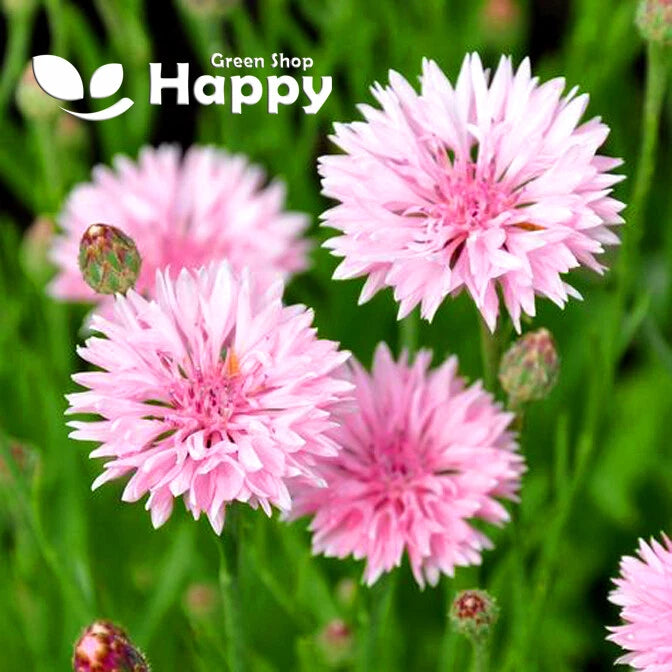
Pink Cornflower 'Tom Pouce Pink' – Seeds
(Centaurea cyanus)
Pink Cornflower 'Tom Pouce Pink' is a charming twist on the classic wildflower, offering soft pink, frilly blooms that brighten any garden. Easy to grow and rich in nectar, this variety attracts bees, butterflies, and other pollinators while providing long-lasting cut flowers with a delicate cottage garden appeal.
Why Grow Pink Cornflower 'Tom Pouce Pink'?
-
Rare, pastel-pink form of the traditional cornflower
-
Pollinator-friendly & easy to grow
-
Excellent as cut flowers or for naturalizing
-
Hardy and adaptable in a range of soils
Key Features
-
Type: Hardy annual
-
Height: 60–80 cm
-
Blooms: June–September
-
Position: Full sun
-
Soil: Light, well-drained soil
Ideal For
-
Wildflower & pollinator gardens
-
Cottage-style plantings
-
Borders & meadows
-
Fresh cut flower arrangements
Sowing & Growing
-
Sow outdoors: March–May or August–September for earlier blooms next year
-
Sow directly into prepared soil, covering lightly
-
Thin seedlings to 15–20 cm apart
-
Germination: 7–14 days
-
Deadhead regularly to encourage more flowers
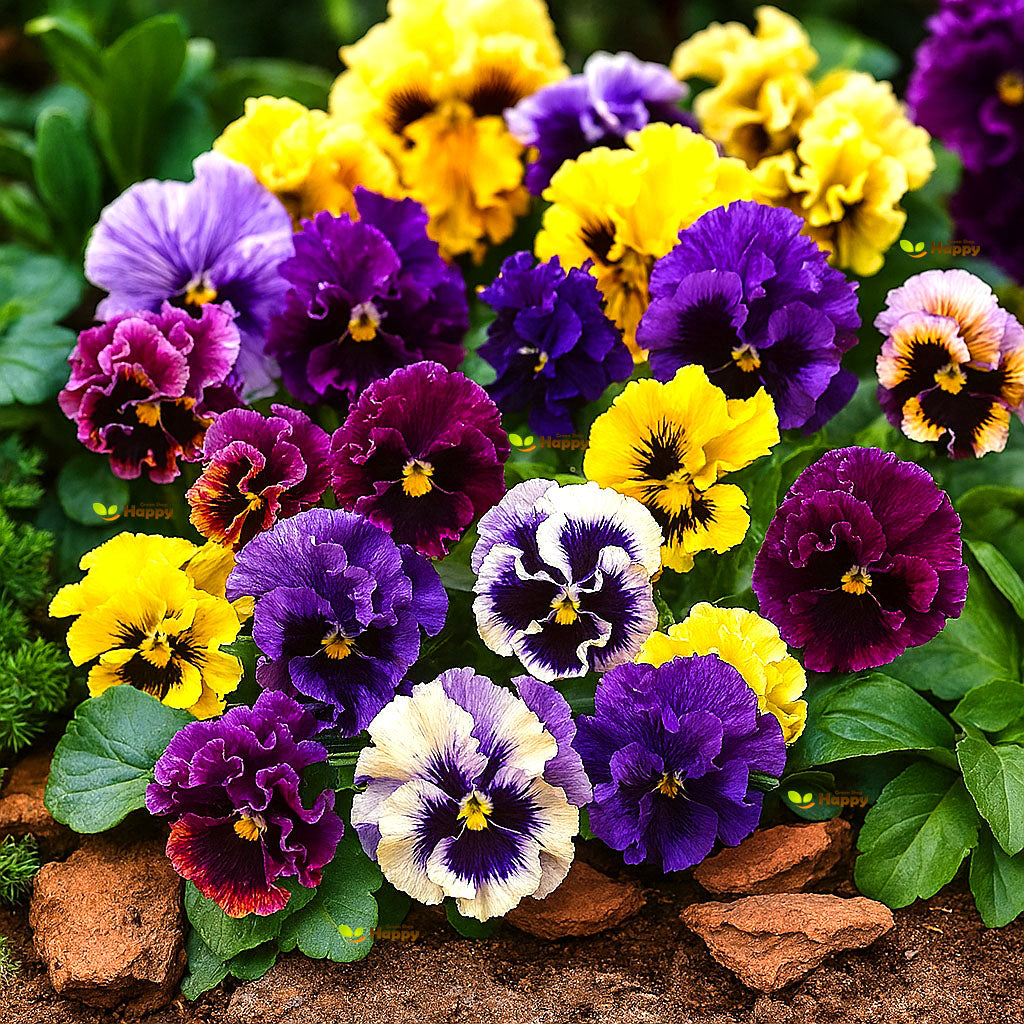
Pansy ‘Can Can’ Mixed Seeds (Viola wittrockiana)
A unique and eye-catching mix, Pansy ‘Can Can’ features large, ruffled blooms in a dazzling range of colors. Compact and hardy, this variety adds texture and vibrant charm to beds, borders, and containers, providing continuous displays from spring through autumn.
What Makes It Special
-
Distinctive ruffled petals for a frilled effect
-
Wide color mix, from bright tones to soft pastels
-
Long flowering season with lasting garden appeal
Key Features
-
Botanical name: Viola wittrockiana
-
Hardy annual/biennial
-
Height: 15–20 cm (6–8 in)
-
Bloom time: Early spring and autumn
Ideal For
-
Beds and borders
-
Pots, containers, and window boxes
-
Adding texture and variety to seasonal displays
Sowing
-
Sow indoors Feb–Apr or outdoors May–Jun
-
Lightly cover seeds with soil and keep moist
-
Germination: 10–21 days at 15–20°C
-
Transplant seedlings 15–20 cm apart
-
Flowers in spring and autumn after sowing

Nasturtium 'Honolulu' Seeds (Tropaeolum nanum)
Nasturtium 'Honolulu' is a charming dwarf annual with bright, cheerful flowers in shades of red, orange, and yellow. Its compact growth habit makes it ideal for containers, window boxes, and small garden beds. Easy to grow and low-maintenance, it adds a splash of vibrant color while attracting pollinators.
What Makes It Special
-
Bright, cheerful blooms in red, orange, and yellow
-
Compact, dwarf growth ideal for small spaces and containers
-
Easy to grow and low-maintenance
-
Attracts pollinators like bees and butterflies
Key Features
-
Botanical name: Tropaeolum nanum
-
Variety: 'Honolulu'
-
Seed count: Approx. seeds per pack
-
Height/Spread: 15–25 cm tall, 20–30 cm spread
-
Position: Full sun; well-drained soil
-
Flowering period: June–September
Ideal For
-
Containers, window boxes, and small garden beds
-
Borders and edging
-
Pollinator-friendly gardens
-
Brightening patios and terraces
Sowing Instructions
-
When to sow: March–May indoors or outdoors
-
How to sow:
-
Sow seeds 1–2 cm deep in seed trays or directly in pots
-
Germination occurs in 7–14 days at 18–22°C
-
-
Transplanting: Plant seedlings outdoors after frost, spacing 15–20 cm apart
-
Care: Water moderately; remove faded flowers to encourage continuous blooming
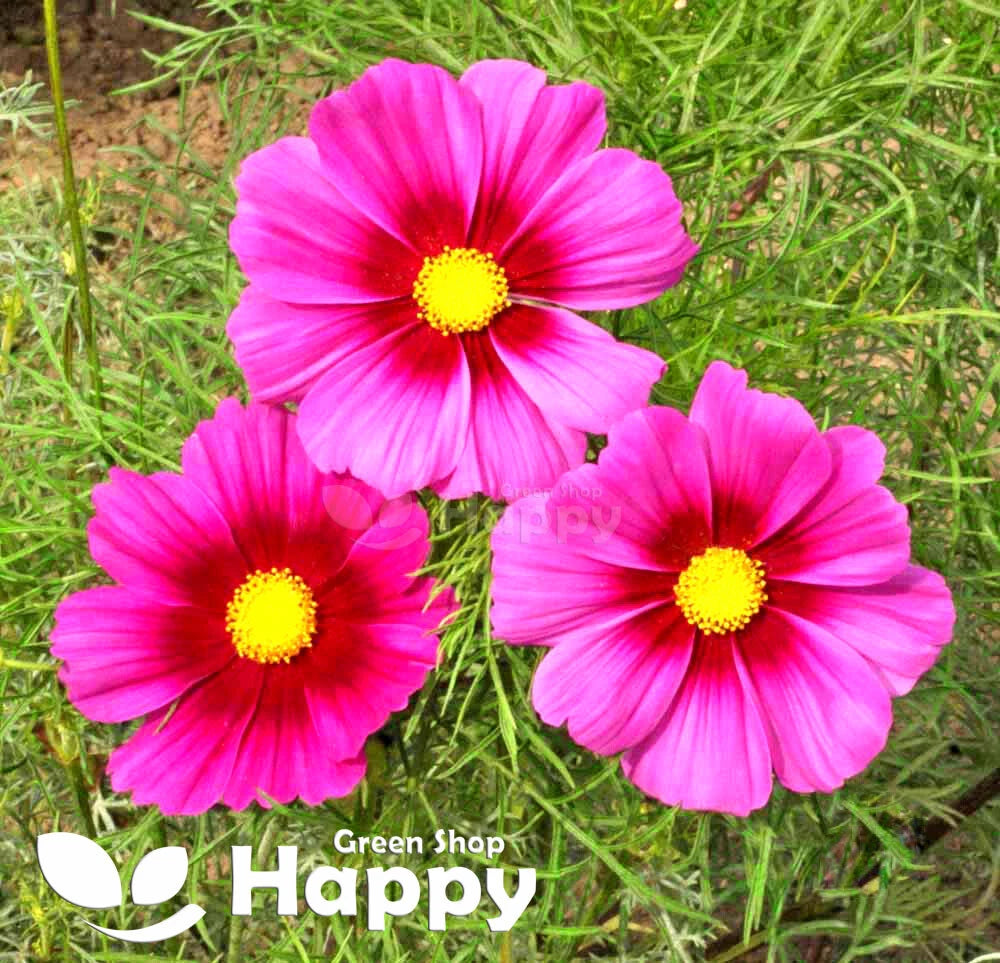
Cosmos 'Radiance' – Seeds
(Cosmos bipinnatus)
Cosmos 'Radiance' is a charming variety that produces large, daisy-like blooms in deep carmine-pink with a lighter halo around the golden-yellow centers. The graceful, feathery foliage and long, slender stems make it a superb choice for garden displays and cut flowers. Easy to grow and long-flowering, it’s a true summer favourite.
Key Features
-
Type: Half-hardy annual
-
Height: 90–120 cm
-
Spread: 40–50 cm
-
Flowering: June–October
-
Position: Full sun
-
Soil: Well-drained, moderately fertile
Ideal For
-
Cottage gardens
-
Wildlife and pollinator-friendly planting
-
Borders and background planting
-
Cut flower arrangements
Sowing & Growing
-
Sow indoors: March–April at 18–21°C
-
Sow outdoors: May–June directly in final position
-
Germination: 7–10 days
-
Thin/transplant to 30–40 cm spacing
-
Deadhead regularly for prolonged flowering
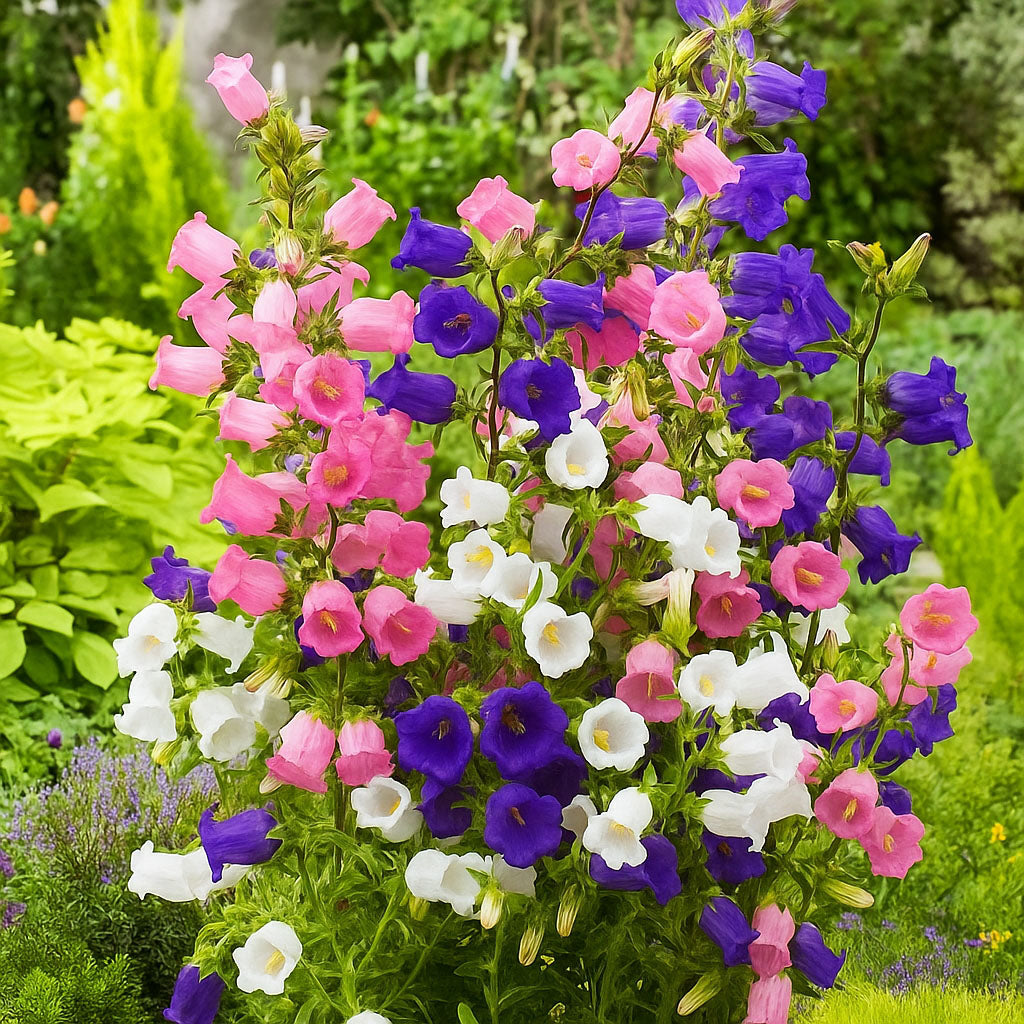
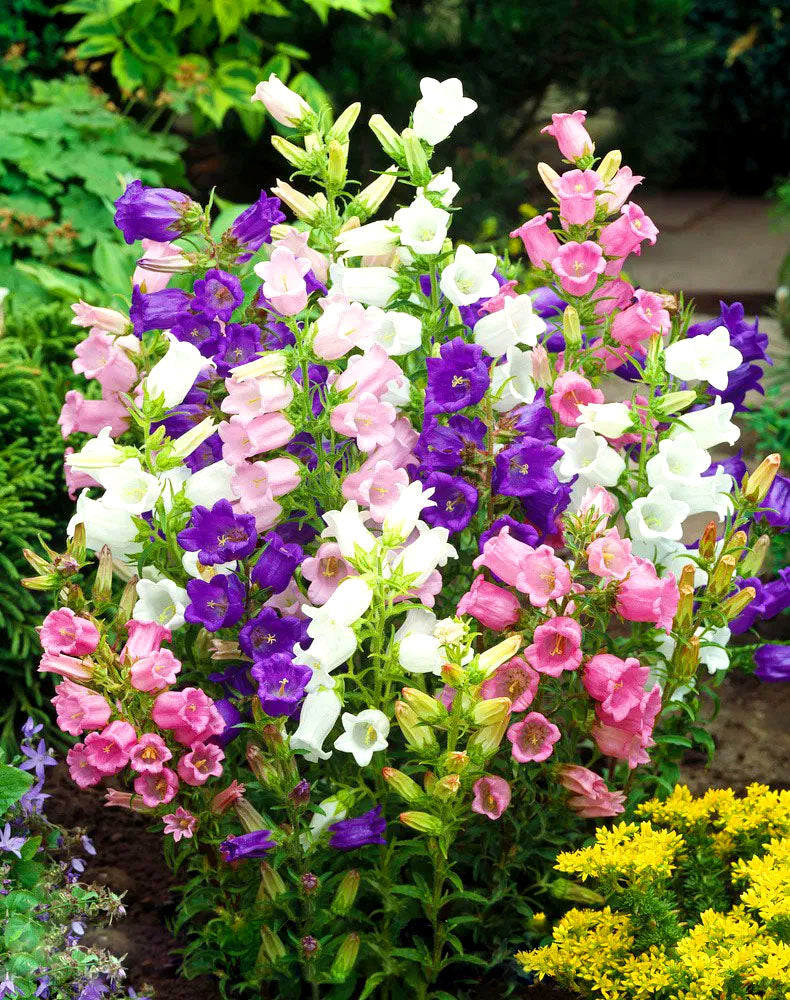
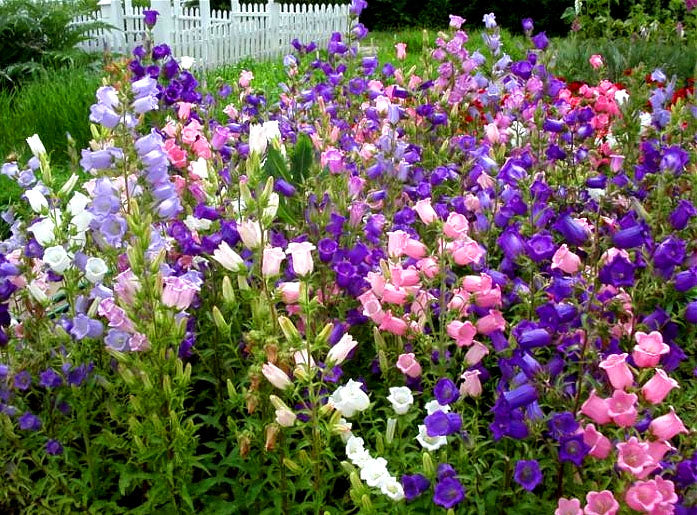
Canterbury Bells Mix Seeds (Campanula medium)
Canterbury Bells are classic biennial flowers cherished for their bell-shaped blooms in a range of vibrant colors. This mix produces tall, elegant stems covered in large, showy flowers that brighten borders, cottage gardens, and cut flower arrangements. With their long-lasting blooms and architectural form, they are perfect for adding vertical interest and charm to any garden.
What Makes It Special
-
Produces bell-shaped flowers in multiple colors
-
Tall, upright growth adds vertical structure to borders
-
Excellent for cut flowers with a long vase life
-
Biennial: flowers in the second year for a reliable display
Key Features
-
Botanical name: Campanula medium
-
Common name: Canterbury Bells
-
Seed count: Approx. seeds per pack
-
Height/Spread: 60–90 cm tall, 25–30 cm spread
-
Position: Full sun to partial shade, well-drained soil
-
Flowering period: Second year; early to mid-summer
-
Lifespan: Biennial
Ideal For
-
Borders and cottage-style gardens
-
Cut flower arrangements
-
Mixed flower beds
-
Pollinator-friendly gardens
Sowing Instructions
-
When to sow:
-
Indoors: February–March for transplanting
-
Outdoors: April–May in well-prepared soil
-
-
How to sow:
-
Sow seeds thinly on surface and lightly press into soil
-
Keep soil moist until germination (10–20 days)
-
-
Transplant/Thin: Space seedlings 25–30 cm apart
-
Care: Protect young plants from frost; stake taller varieties if needed
Showing 45/241


