
Sort by:
67 products
67 products
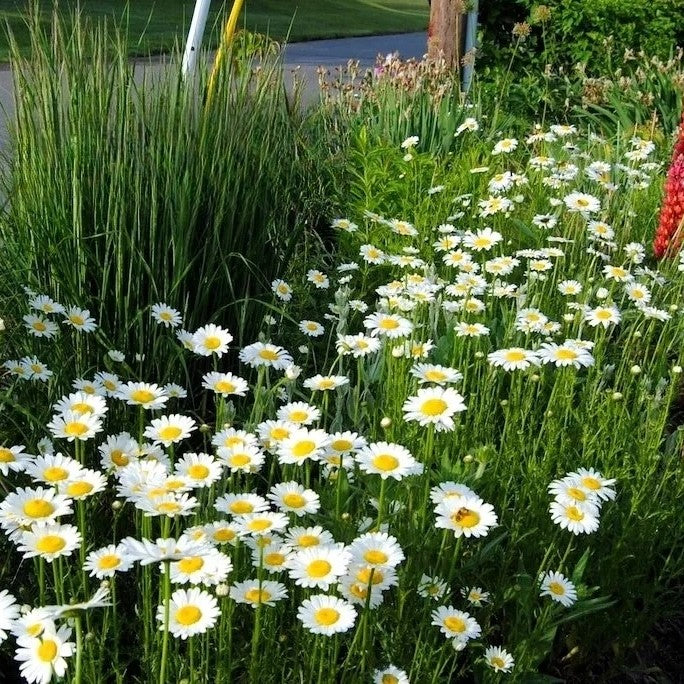
Ox-Eye Daisy 'May Queen' Seeds (Chrysanthemum leucanthemum)
The Ox-Eye Daisy ‘May Queen’ (Chrysanthemum leucanthemum) is a charming, classic wildflower with cheerful white petals and sunny yellow centers. This hardy perennial is valued for its reliability, low maintenance, and ability to naturalize in meadows, borders, and wildlife gardens. Blooming in late spring through summer, it attracts bees, butterflies, and other pollinators.
What Makes It Special
-
Large, daisy-like blooms with a natural cottage garden look
-
Hardy perennial that self-seeds and spreads easily
-
Perfect for wildflower meadows and pollinator-friendly gardens
Key Features
-
Botanical name: Chrysanthemum leucanthemum
-
Perennial wildflower
-
Height: 60–80 cm
-
Spread: 30–40 cm
-
Flowering: May–July
Ideal For
-
Wildflower meadows and naturalizing
-
Cottage and wildlife gardens
-
Pollinator-friendly planting
Sowing
-
Sow outdoors: March–May or August–October, directly where they are to flower
-
Germination: 14–28 days
-
Thin seedlings to 30 cm apart
-
Thrives in full sun and well-drained soil
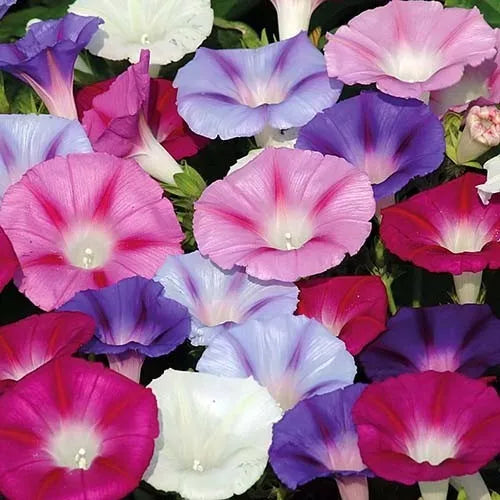
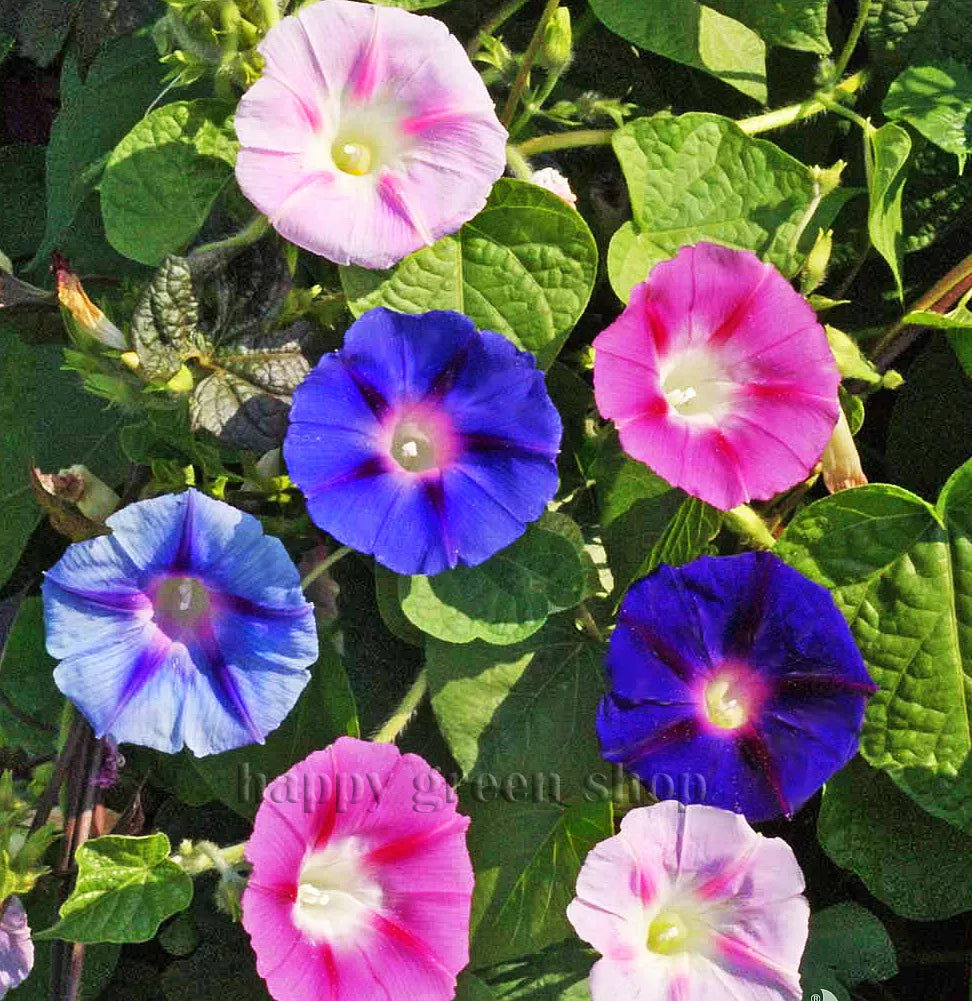
Morning Glory Mix Seeds (Ipomoea tricolor)
Morning Glory Mix is a vibrant climbing annual featuring trumpet-shaped flowers in a variety of colors, including blue, pink, purple, and white. Its rapid growth and twining habit make it perfect for trellises, fences, arches, and containers. Loved for its colorful display and long flowering season, it adds vertical charm to any garden.
What Makes It Special
-
Trumpet-shaped blooms in multiple colors for a dynamic display
-
Fast-growing climber ideal for vertical gardening
-
Long-flowering from summer to autumn
-
Attracts pollinators like bees and butterflies
Key Features
-
Botanical name: Ipomoea tricolor
-
Variety: Mix
-
Seed count: Approx. seeds per pack
-
Height/Spread: Climbs 2–3 m; spread depends on support
-
Position: Full sun; fertile, well-drained soil
-
Flowering period: July–October
Ideal For
-
Trellises, fences, pergolas, and arches
-
Containers with support for vertical growth
-
Pollinator-friendly gardens
-
Adding vibrant color to summer and autumn garden spaces
Sowing Instructions
-
When to sow: February–April indoors; March–May outdoors
-
How to sow:
-
Scarify or soak seeds overnight for faster germination
-
Sow seeds 1–2 cm deep in pots or seed trays
-
Germination occurs in 7–14 days at 20–25°C
-
-
Transplanting: Plant outdoors with support after frost
-
Care: Water moderately; provide trellis or support; pinch tips for bushier growth
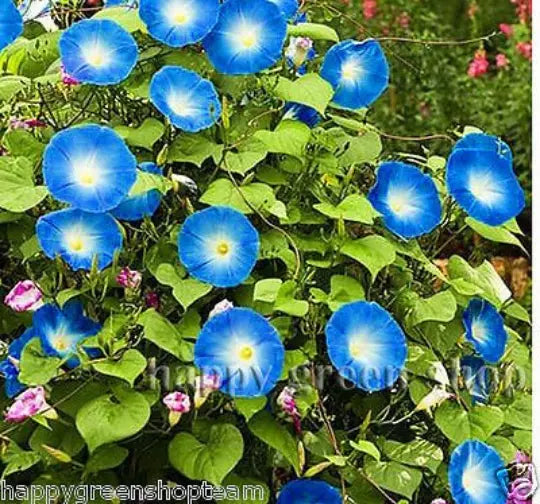
Morning Glory 'Heavenly Blue' Seeds (Ipomoea tricolor)
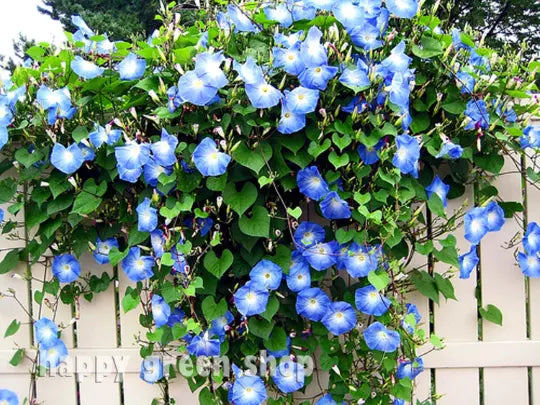
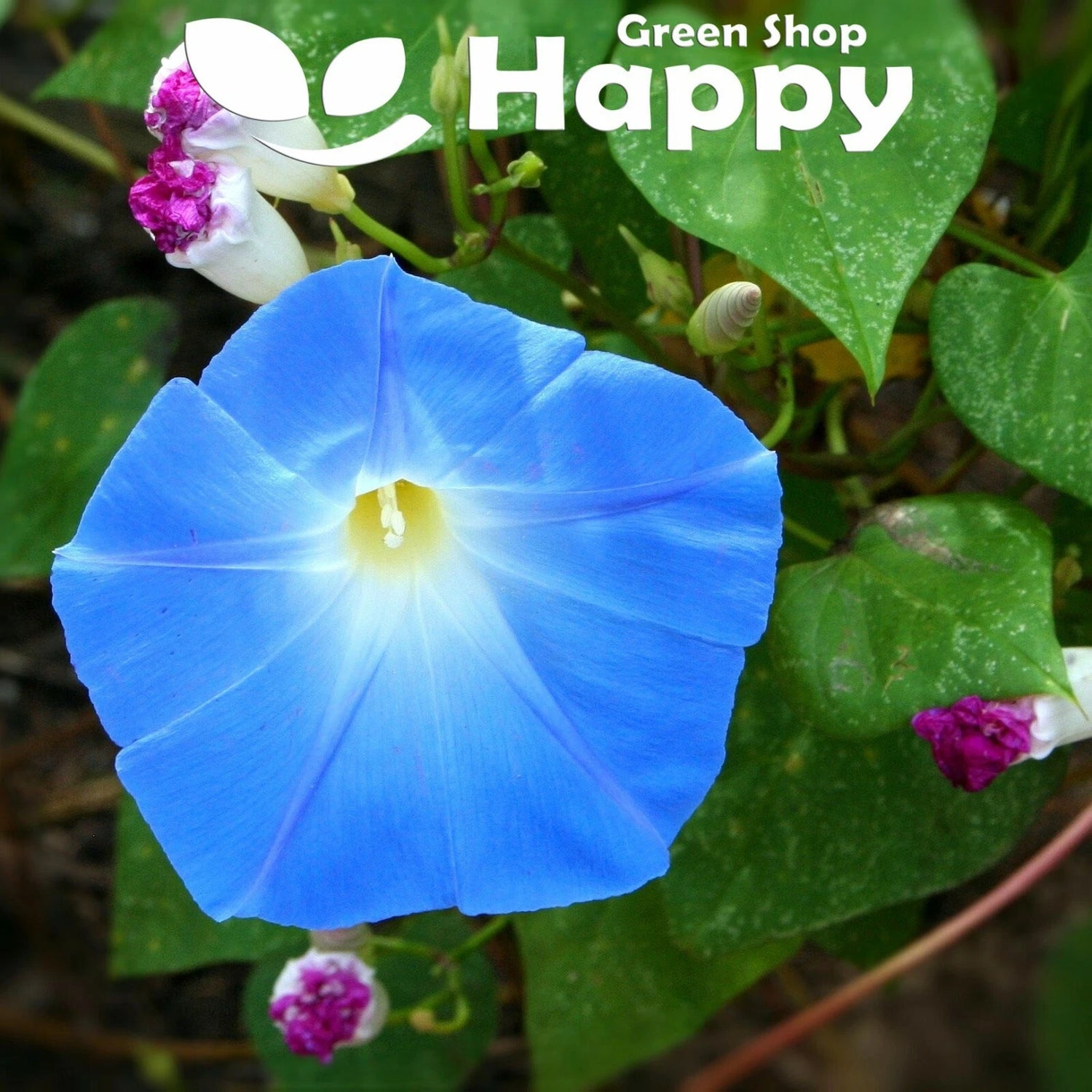
Morning Glory 'Heavenly Blue' is a vigorous climbing annual known for its large, trumpet-shaped, sky-blue flowers with a bright white throat. Its rapid growth makes it ideal for trellises, fences, arches, and containers. Loved for its breathtaking color and fast coverage, it adds vertical beauty and charm to any garden.
What Makes It Special
-
Large sky-blue trumpet-shaped flowers with a white throat
-
Fast-growing climber ideal for vertical displays
-
Long-flowering from summer to autumn
-
Attracts pollinators like bees and butterflies
Key Features
-
Botanical name: Ipomoea tricolor
-
Variety: 'Heavenly Blue'
-
Seed count: Approx. seeds per pack
-
Height/Spread: Climbs 2–3 m; spread depends on support
-
Position: Full sun; fertile, well-drained soil
-
Flowering period: July–October
Ideal For
-
Trellises, fences, arches, and pergolas
-
Containers with support for vertical growth
-
Pollinator-friendly gardens
-
Adding dramatic color to summer and autumn gardens
Sowing Instructions
-
When to sow: February–April indoors; March–May outdoors
-
How to sow:
-
Scarify or soak seeds overnight for faster germination
-
Sow seeds 1–2 cm deep in pots or seed trays
-
Germination occurs in 7–14 days at 20–25°C
-
-
Transplanting: Plant outdoors with support after frost
-
Care: Water moderately; provide trellis or support; pinch tips for bushier growth

Dwarf Stock ‘Brompton Winter’ – Seeds (Matthiola incana)
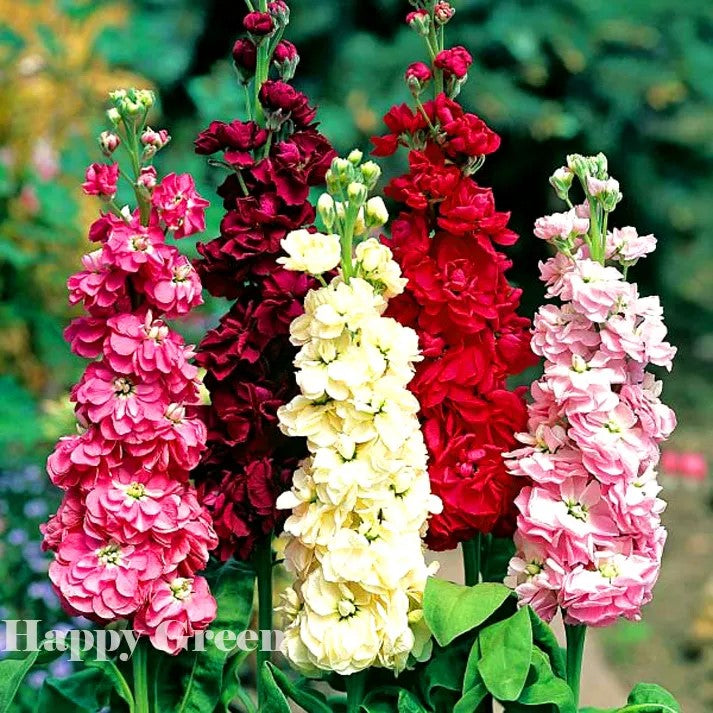
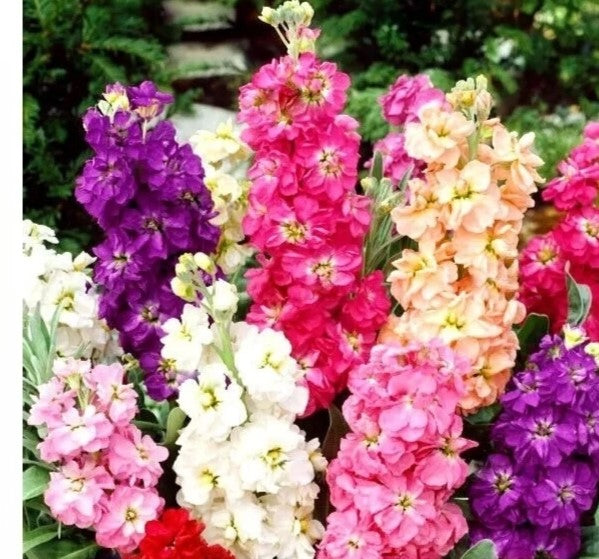
Dwarf Stock ‘Brompton Winter’ (Matthiola incana) is a charming annual producing fragrant, compact clusters of flowers in shades of pink, white, and lavender. Blooming from late autumn to early spring, it adds color and scent to borders, containers, and cottage gardens during the cooler months. Easy to grow and low-maintenance, this variety attracts pollinators and is perfect for creating a cheerful winter or early spring display.
Why Grow "Brompton Winter"
-
Fragrant, compact flower clusters in pink, white, and lavender
-
Blooming season from late autumn to early spring
-
Low-maintenance, hardy annual
-
Pollinator-friendly and ideal for winter color
Key Features
-
Type: Annual (Matthiola incana)
-
Height: 25–35 cm
-
Flowering: Late autumn to early spring
-
Position: Full sun to partial shade
-
Uses: Borders, containers, cottage gardens, pollinator-friendly planting
Ideal For
-
Adding winter and early spring color to borders and beds
-
Container and window box planting
-
Pollinator-friendly garden schemes
-
Low-maintenance fragrant displays
Sowing & Growing
-
Sow indoors: August–October in trays or pots
-
Sow outdoors: September–November directly in soil (mild climates)
-
Germination: 7–14 days at 15–20°C
-
Thin seedlings 20–25 cm apart
-
Prefers well-drained soil in full sun to partial shade
-
Water moderately until established

Flowering Tobacco ‘Lime Green’ – Seeds
(Nicotiana alata)
Flowering Tobacco ‘Lime Green’ brings a refreshing splash of vibrant chartreuse-green to garden beds and containers. Its trumpet-shaped blooms are long-lasting, highly fragrant in the evening, and irresistible to moths and other night pollinators. The unique lime-green color makes it a standout companion for bold or dark-hued flowers.
Why Grow Flowering Tobacco ‘Lime Green’?
-
Unusual lime-green trumpet flowers
-
Strong evening fragrance
-
Attracts pollinators, especially moths
-
Provides color contrast in borders & containers
Key Features
-
Type: Half-hardy annual
-
Height: 60–90 cm
-
Flowers: June–October
-
Position: Full sun or part shade
-
Soil: Moist, fertile, well-drained
Ideal For
-
Evening-scented gardens
-
Mixed borders & cottage gardens
-
Containers & patio displays
-
Companion planting with bold colors
Sowing & Growing
-
Sow indoors: Feb–April on the surface of moist compost, do not cover (light aids germination)
-
Germination: 10–20 days at 18–22°C
-
Harden off & plant out after frost
-
Spacing: 25–30 cm apart
-
Deadhead to encourage more blooms

Zinnia 'Persian Carpet' Mixed – Seeds
(Zinnia haageana)
Zinnia 'Persian Carpet' is a dazzling mix of small, double and semi-double blooms in rich tapestry shades of gold, burgundy, cream, and mahogany, often with striking bicolor patterns. Compact and floriferous, these zinnias provide months of vibrant color and thrive in sunny spots with minimal care.
Key Features
-
Type: Half-hardy annual
-
Height: 30–45 cm
-
Spread: 25–30 cm
-
Flowering: June–October
-
Position: Full sun
-
Soil: Well-drained, moderately fertile
Ideal For
-
Bedding displays
-
Containers and pots
-
Cutting gardens
-
Pollinator-friendly planting
Sowing & Growing
-
Sow indoors: March–April at 18–22°C
-
Sow outdoors: May–June directly after frost
-
Germination: 7–14 days
-
Thin or transplant to 25–30 cm spacing
-
Deadhead regularly to extend flowering season
Peony Poppy Yellow – Seeds
(Papaver paeoniflorum)
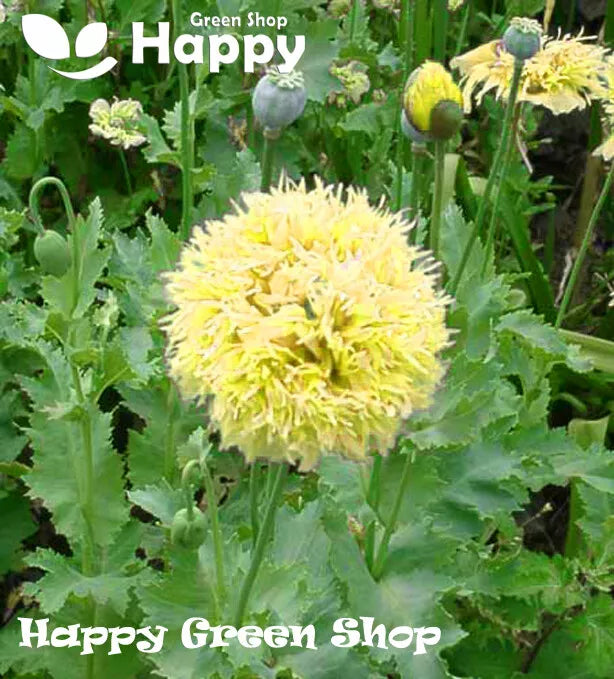
The Peony Poppy Yellow is a striking annual poppy variety that produces large, double blooms resembling peonies. Its bright, ruffled yellow petals bring a cheerful glow to borders, beds, and cottage gardens. Easy to grow and self-seeding, these stunning flowers make an excellent focal point and are equally beautiful in cut flower arrangements.
Why Grow Peony Poppy Yellow?
-
Large, peony-like double blooms in sunny yellow
-
Easy to grow from seed with minimal care
-
Excellent for borders, beds, and cutting gardens
-
Attracts pollinators and reseeds for naturalizing
Key Features
-
Type: Hardy annual
-
Height: 80–100 cm
-
Flowers: Summer
-
Position: Full sun
-
Soil: Well-drained, moderately fertile
Ideal For
-
Cottage and wildflower gardens
-
Cut flower displays
-
Pollinator-friendly gardens
-
Naturalized planting schemes
Sowing & Growing
-
Sow outdoors: March–May or September–October directly where they are to flower
-
Lightly cover seeds with soil, keep moist
-
Germination: 14–21 days
-
Thin seedlings to 20–30 cm apart
-
Care: Deadhead for continuous blooms or allow to self-seed for natural regrowth
Japanese Morning Glory 'Kikyo Zaki Mix' – Seeds
(Ipomoea nil)
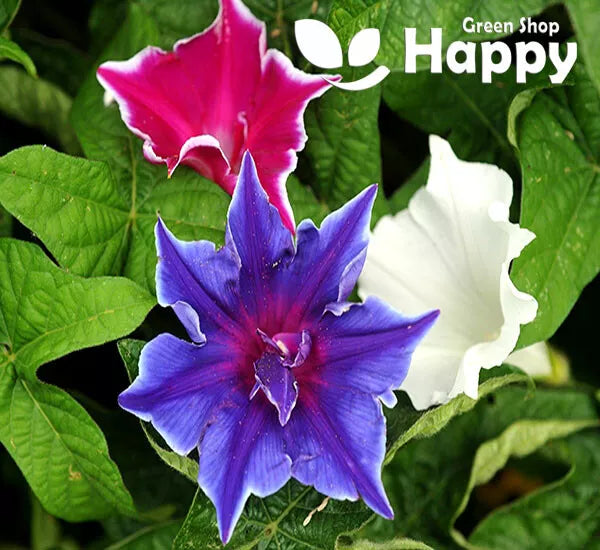
The Japanese Morning Glory 'Kikyo Zaki Mix' is a traditional and highly prized variety, renowned in Japanese horticulture for its uniquely ruffled, star-shaped blooms. This climbing annual produces an extraordinary mix of deep purples, blues, pinks, and whites, each with striking petal forms that set them apart from common morning glories. The lush green foliage and vigorous growth make it a spectacular choice for trellises, fences, or balcony planters.
Key Features
-
Type: Annual climber
-
Height: 2–3 m
-
Spread: 30–40 cm
-
Flowering: July–October
-
Position: Full sun / partial shade
-
Soil: Fertile, well-drained
Ideal For
-
Training up fences, arches, or trellises
-
Balcony or patio containers with supports
-
Creating a vertical display of colour
-
Collectors of rare Japanese heirloom flowers
Sowing & Growing
-
Sow indoors: March–April in pots or trays
-
Sow outdoors: May–June after last frost
-
Nick or soak seeds for 12–24 hours before sowing to aid germination
-
Germination: 7–14 days
-
Plant spacing: 30–40 cm
-
Requires support to climb
-
Prefers full sun but tolerates light shade
Dwarf Zinnia 'Pepito' Mix – Seeds
(Zinnia elegans)
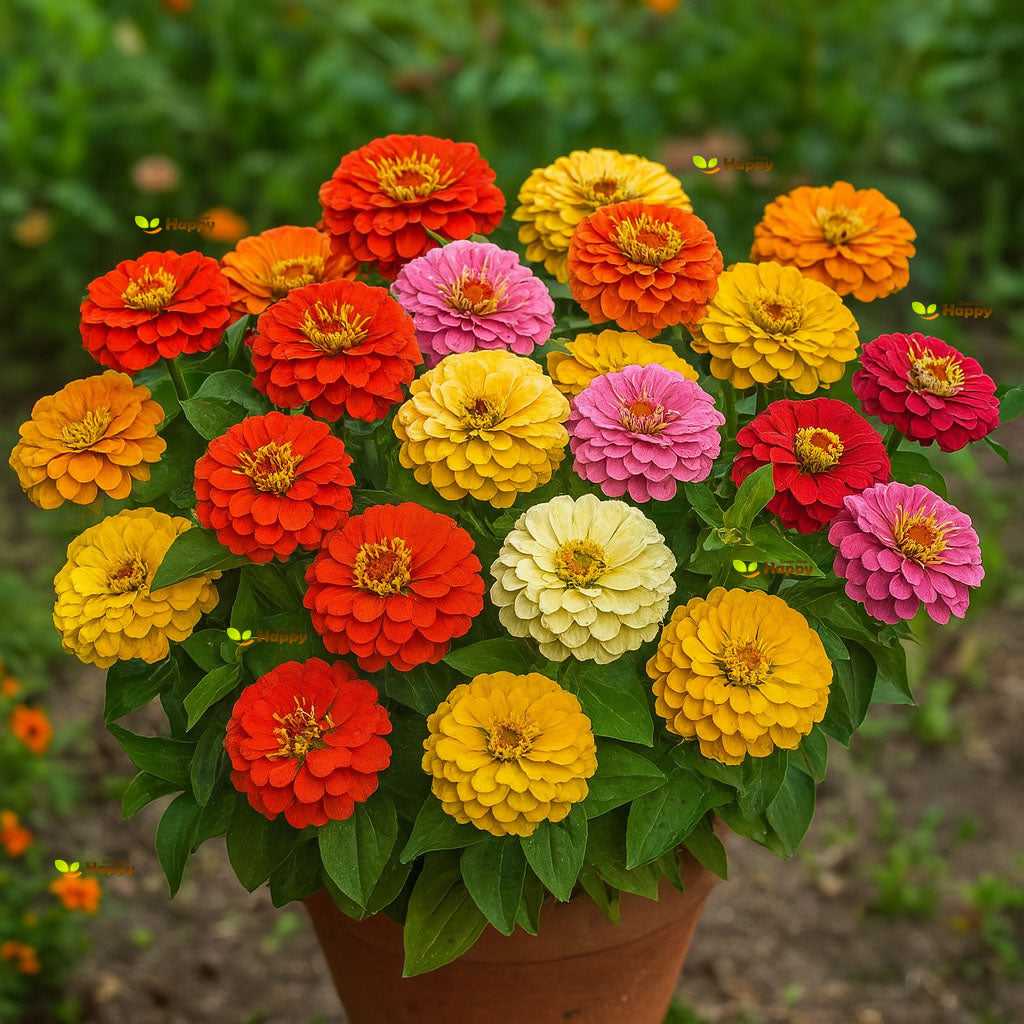
Dwarf Zinnia 'Pepito' Mix is a charming, compact annual that produces an abundance of small, vibrant blooms in a lively mix of colours, including reds, pinks, oranges, and yellows. Perfect for borders, rockeries, and containers, its dense, bushy growth ensures a long season of continuous flowering. Easy to grow and low-maintenance, this variety also attracts pollinators, adding life and colour to any garden.
Key Features
-
Type: Half-hardy annual
-
Height: 20–30 cm
-
Spread: 25–35 cm
-
Flowering: June–October
-
Position: Full sun
-
Soil: Well-drained, fertile soil
Ideal For
-
Rockeries and border edging
-
Container planting
-
Pollinator-friendly gardens
-
Summer floral displays
Sowing & Growing
-
Sow indoors: March–April at 18–22°C
-
Sow outdoors: May, after last frost
-
Germination: 7–14 days
-
Thin or transplant to 20–25 cm spacing
-
Deadhead regularly to prolong flowering
Showing 36/67


