
Sort by:
67 products
67 products
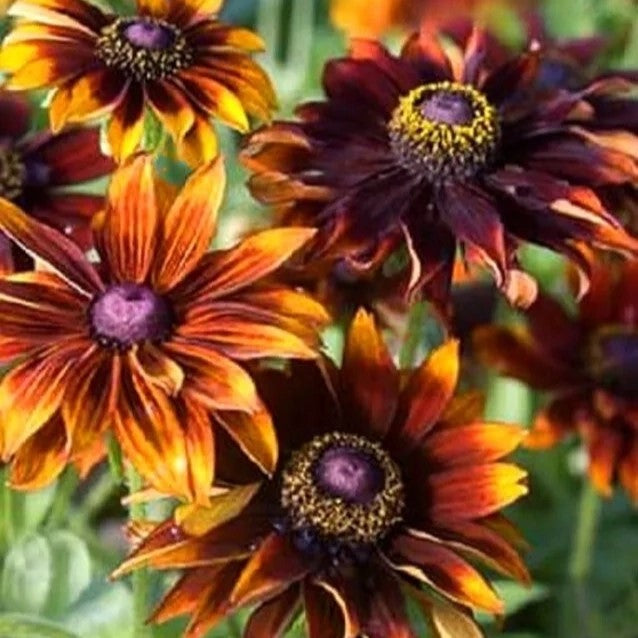
Rudbeckia 'Autumn Pine' Seeds (Rudbeckia hirta)
Bring warm autumn tones to your garden with Rudbeckia 'Autumn Pine'. This hardy annual produces daisy-like blooms in rich golden-yellow shades with dark contrasting centers, perfect for creating a glowing late-summer display.
What Makes It Special
-
Cheerful golden-yellow blooms with striking centers
-
Long-lasting flowers from summer to first frost
-
Hardy and low-maintenance—ideal for beginners
Key Features
-
Botanical name: Rudbeckia hirta
-
Annual (sometimes short-lived perennial)
-
Height: 50–70 cm
-
Spread: 30–40 cm
-
Flowering: July–October
Ideal For
-
Cottage gardens and borders
-
Pollinator-friendly planting
-
Cut flowers and late-season color
Sowing
-
Sow indoors: February–April at 18–21°C
-
Lightly cover seeds; germination in 14–21 days
-
Transplant seedlings outdoors after frost in a sunny spot
-
Direct sow outdoors: April–May

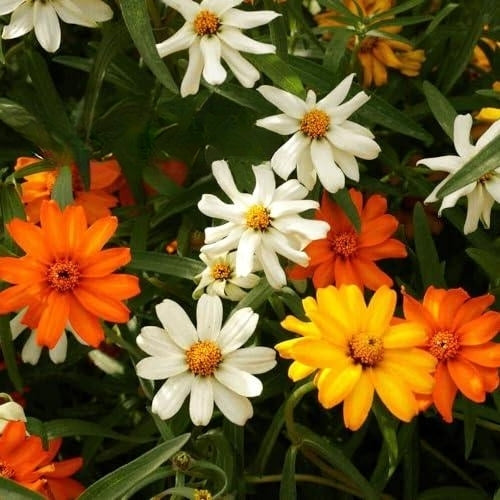
Classic Zinnia – Seeds
(Zinnia linearis angustifolia) – Annual
The Classic Zinnia (Zinnia linearis angustifolia) is a compact and easy-to-grow annual, loved for its masses of daisy-like blooms in bright shades of yellow, orange, and white. Unlike tall zinnia varieties, this type has a bushy, spreading habit and flowers abundantly all summer long, making it perfect for edging, borders, and pots. It is drought-tolerant, long-flowering, and pollinator-friendly, ensuring a cheerful display with minimal effort.
Key Features
-
Type: Annual
-
Height: 20–40 cm
-
Spread: 25–35 cm
-
Blooming period: June–October
-
Position: Full sun
-
Soil: Well-drained, moderately fertile
Ideal For
-
Bedding and borders
-
Containers and pots
-
Pollinator-friendly gardens
-
Low-maintenance summer color
Sowing & Growing
-
Sow indoors: March–April (in trays or pots at 18–22°C)
-
Sow outdoors: May (after frost has passed)
-
Sowing depth: 0.5 cm, cover lightly with soil
-
Spacing: 25–30 cm apart
-
Care: Prefers sunny spots; deadhead to extend flowering season
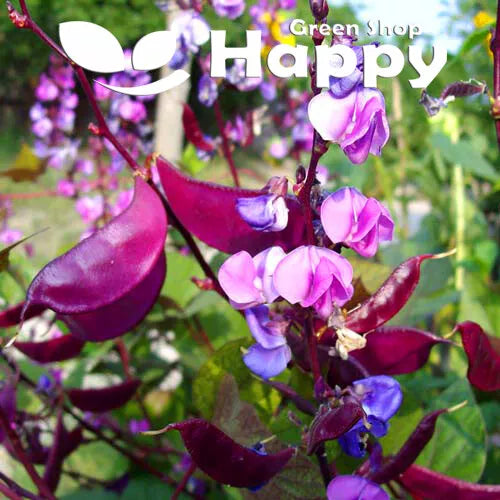
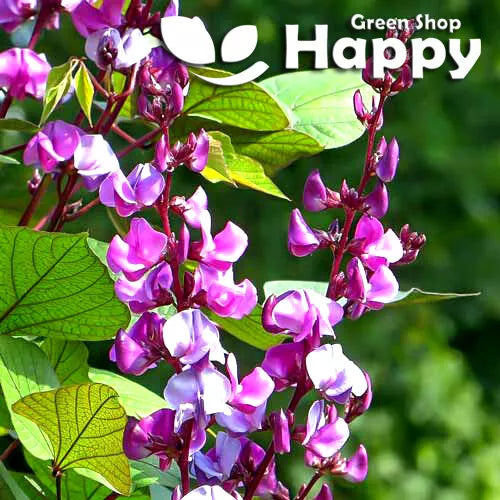
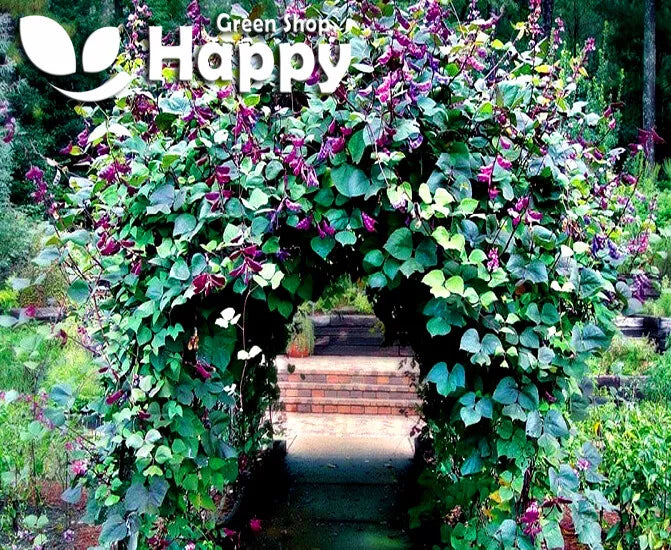
Hyacinth Bean – Seeds
(Dolichos lablab)
Hyacinth Bean is a fast-growing climber that brings striking ornamental value with its purple-tinged stems, lush foliage, and clusters of lilac-purple flowers followed by eye-catching, glossy pods. Perfect for creating quick vertical coverage, it adds vibrant color and an exotic touch to fences, arches, or trellises throughout summer.
Key Features
-
Type: Tender annual climber
-
Height: 200–300 cm
-
Spread: 60–90 cm
-
Flowering: July–October
-
Position: Full sun
-
Soil: Well-drained, fertile soil
Ideal For
-
Trellises and arches
-
Vertical screens and fences
-
Exotic-themed gardens
-
Attracting bees and butterflies
Sowing & Growing
-
Sow indoors: March–April at 18–22°C
-
Germination: 7–14 days
-
Harden off and plant out after frost, spacing 30–45 cm
-
Provide sturdy support for climbing

Butterfly Wildflower Mix – 1g Seeds
Bring your garden to life with the Butterfly Wildflower Mix, specially selected to attract butterflies and other pollinators. This colorful blend combines hardy annuals and perennials that provide nectar-rich flowers from early summer through autumn. Easy to sow and low-maintenance, it creates a vibrant, wildlife-friendly display that supports biodiversity.
Why Grow Butterfly Wildflower Mix?
-
Specially formulated to attract butterflies
-
Long season of nectar-rich blooms
-
Easy to sow directly outdoors
-
Supports pollinators and biodiversity
Key Features
-
Type: Annuals and perennials mix
-
Height: 30–90 cm
-
Flowering: June–October
-
Position: Full sun
-
Coverage: 1 g covers approx. 1–2 m²
Ideal For
-
Wildlife and pollinator gardens
-
Naturalized areas and meadows
-
Cottage gardens and borders
-
Low-maintenance landscapes
Sowing & Growing
-
Sow outdoors: March–June or September
-
Rake soil to a fine tilth, scatter seeds evenly, cover lightly
-
Water gently until established
-
Thin seedlings where necessary
-
Allow some plants to self-seed for following years
Tip: For best results, sow in a sunny spot with poor to moderately fertile soil.
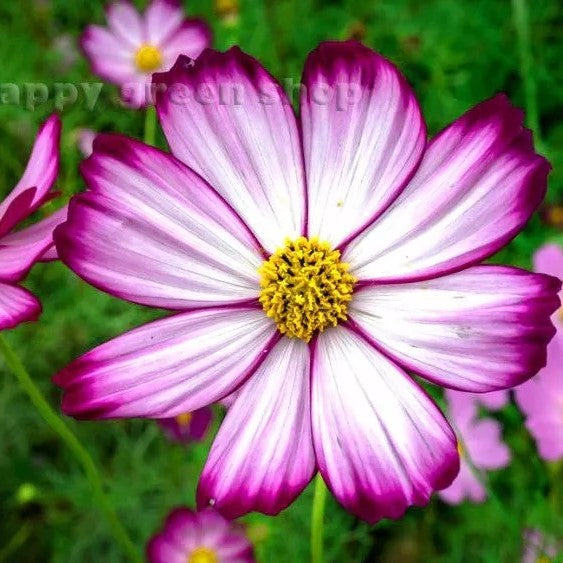
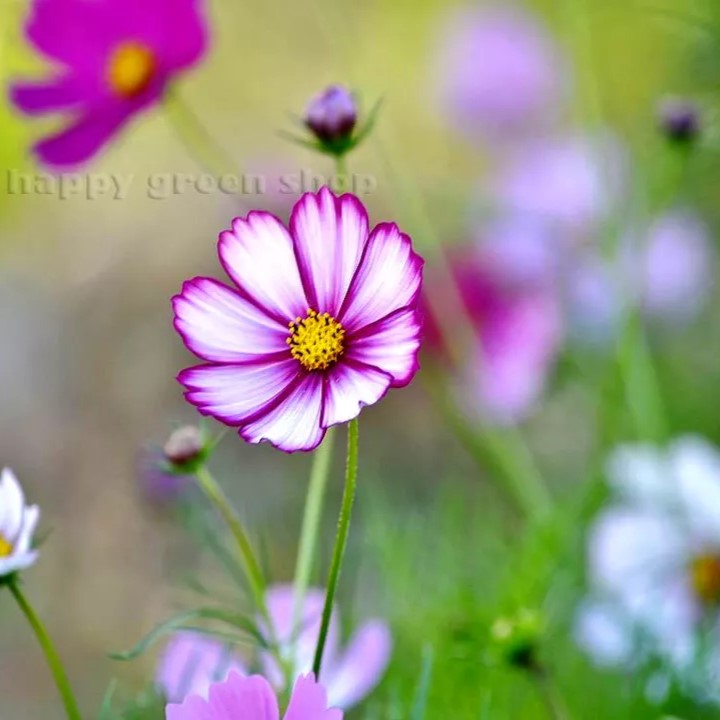
Garden Cosmos ‘Picotee’ – Seeds (Cosmos bipinnatus)
Garden Cosmos ‘Picotee’ (Cosmos bipinnatus) is an elegant annual producing daisy-like flowers with delicate contrasting edges in shades of white, pink, and magenta. Its tall, airy stems create a graceful, meadow-like effect, making it perfect for borders, cottage gardens, and cutting gardens. Easy to grow and long-flowering, it also attracts pollinators such as bees and butterflies.
Why Grow "Picotee"
-
Striking flowers with contrasting colored edges
-
Tall, airy stems for a graceful, meadow-like display
-
Long flowering season from summer to autumn
-
Attracts pollinators
Key Features
-
Type: Annual (Cosmos bipinnatus)
-
Height: 80–120 cm
-
Flowering: July–October
-
Position: Full sun
-
Uses: Borders, cottage gardens, cutting gardens, pollinator-friendly planting
Ideal For
-
Cottage and wildflower-style gardens
-
Tall border displays
-
Cutting gardens for bouquets
-
Pollinator-friendly garden spaces
Sowing & Growing
-
Sow outdoors: April–June directly in prepared soil
-
Germination: 7–14 days at 18–22°C
-
Thin seedlings to 30–40 cm apart
-
Prefers full sun and well-drained soil
-
Deadhead to prolong flowering
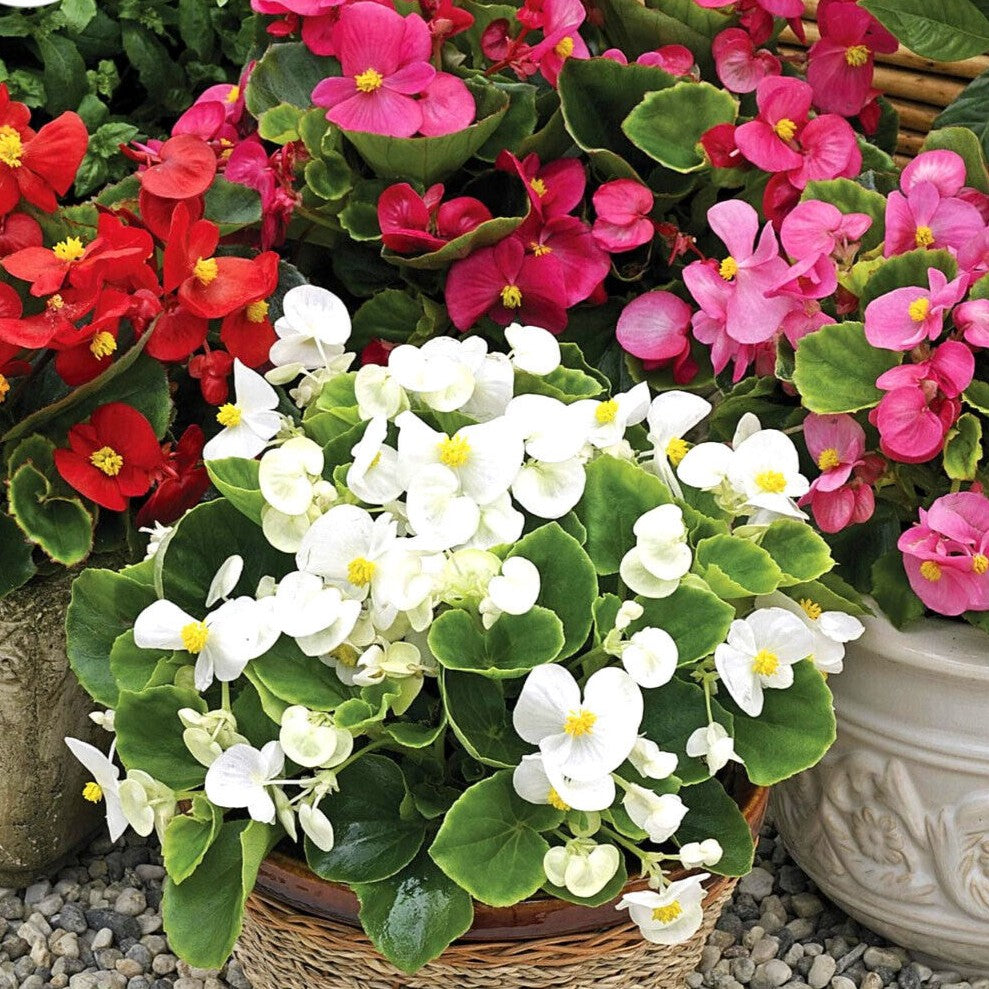
Wax Begonia Dwarf Mix – Seeds (Begonia semperflorens)
Wax Begonia Dwarf Mix is a compact, easy-to-grow annual that delivers masses of blooms in shades of red, pink, and white. With glossy green foliage and long-lasting flowers, it thrives in beds, borders, or containers. Heat- and drought-tolerant, it’s the perfect choice for effortless summer color.
Why Grow "Wax Begonia Dwarf Mix"
-
Continuous blooms in vibrant shades
-
Compact, low-maintenance growth
-
Tolerant of heat and dry conditions
-
Perfect for edging and containers
Key Features
-
Type: Half-hardy annual (Begonia semperflorens)
-
Height: 15–25 cm
-
Flowering: June–October
-
Position: Full sun or partial shade
-
Uses: Bedding, edging, patio pots, containers
Ideal For
-
Borders and edging
-
Patio containers and window boxes
-
Low-maintenance summer planting
-
Adding vibrant color to small spaces
Sowing & Growing
-
Sow indoors: January–March (surface sow, do not cover)
-
Germination: 14–21 days at 20–24°C
-
Transplant seedlings to 20 cm spacing
-
Harden off and plant outdoors after frost
-
Pinch tips to encourage bushy growth
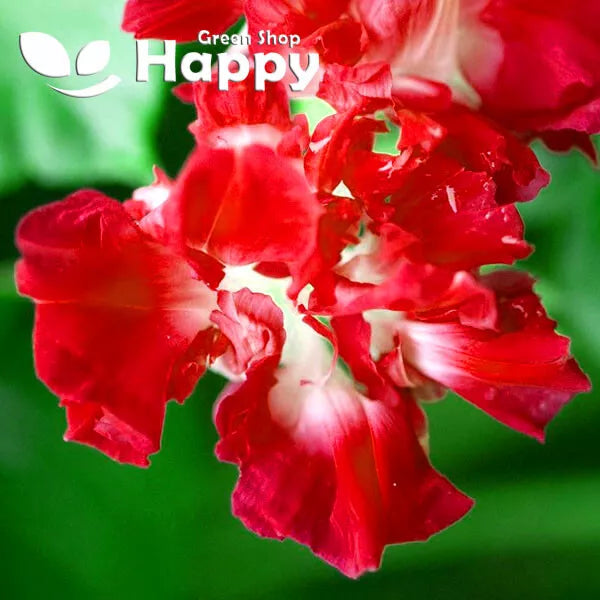
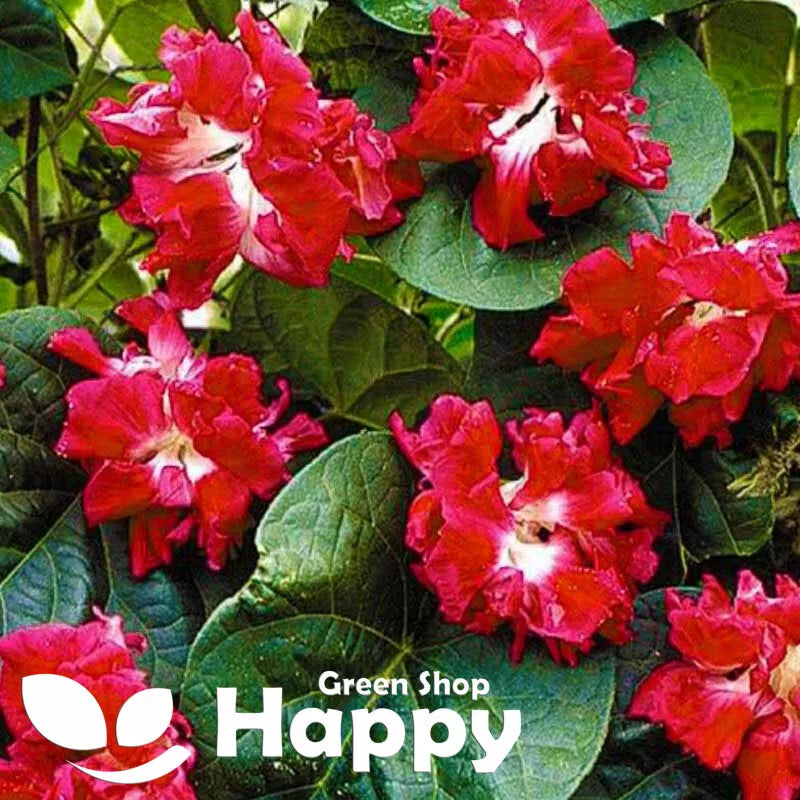
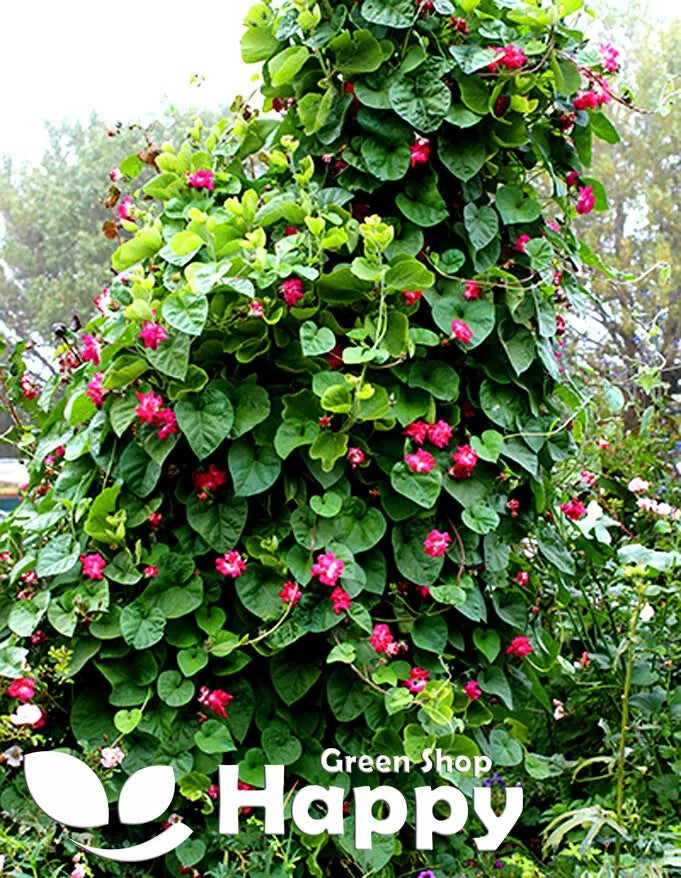
Morning Glory ‘Ruffle Red’ – 5 Seeds
(Ipomoea imperialis)
The Morning Glory ‘Ruffle Red’ is a stunning and unusual climber with rich, velvety red blooms and beautifully ruffled, frilled petals. This variety combines the classic vigour of Morning Glories with a more exotic flower form, making it a real highlight in the garden. Its lush heart-shaped foliage and continuous summer display make it ideal for covering fences, arches, pergolas, and trellises.
Key Features
-
Type: Annual climber
-
Height: 2–3 m
-
Spread: 30–40 cm
-
Flowering: July–October
-
Position: Full sun / partial shade
-
Soil: Fertile, well-drained
Ideal For
-
Adding a dramatic splash of red to vertical spaces
-
Fences, arches, trellises, and pergolas
-
Large containers with supports
-
Cottage gardens and exotic planting schemes
Sowing & Growing
-
Sow indoors: March–April in pots or trays
-
Sow outdoors: May–June, after the last frost
-
Pre-treatment: Nick or soak seeds 12–24 hours before sowing
-
Germination: 7–14 days
-
Plant spacing: 30–40 cm
-
Provide strong support for climbing stems
-
Deadhead to prolong flowering
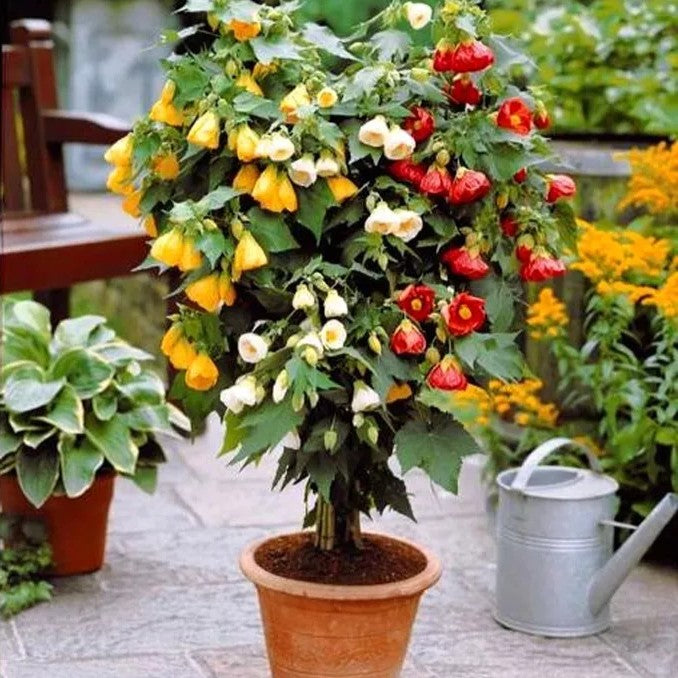
Flowering Maple Mix – Seeds (Abutilon hybridum ‘Bellevue’)
Flowering Maple ‘Bellevue Mix’ (Abutilon hybridum) is a stunning half-hardy perennial known for its maple-like foliage and graceful, lantern-shaped blooms in shades of red, orange, yellow, and pink. Perfect for containers, conservatories, or sheltered borders, it flowers over a long season and attracts pollinators with its nectar-rich blossoms.
Why Grow "Bellevue Mix"
-
Exotic, lantern-shaped flowers in rich colors
-
Maple-like foliage for added interest
-
Long flowering season
-
Pollinator-friendly and versatile
Key Features
-
Type: Half-hardy perennial (Abutilon hybridum)
-
Height: 90–150 cm
-
Flowering: June–October
-
Position: Full sun or light shade
-
Uses: Borders, containers, conservatories, cut flowers
Ideal For
-
Conservatories and patios
-
Containers and sheltered spots
-
Exotic or tropical-style gardens
-
Pollinator-friendly planting
Sowing & Growing
-
Sow indoors: February–April in trays or pots
-
Germination: 20–30 days at 18–22°C
-
Transplant to 45 cm spacing after frost
-
Prefers rich, well-drained soil and regular watering
-
Can be overwintered indoors in frost-free conditions

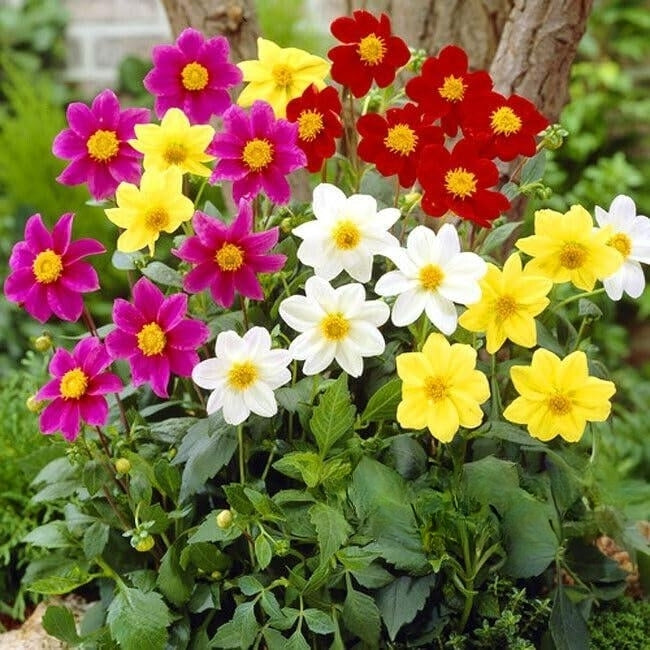
Dahlia 'Mignon Coltness' – Seeds
(Dahlia variabilis)
Dahlia 'Mignon Coltness' is a compact, free-flowering variety that produces masses of single blooms in warm shades of scarlet, orange, and yellow with golden centers. Easy to grow from seed, these bushy plants create a bold splash of summer color and are perfect for borders, edging, and containers. Loved by pollinators, they’ll keep your garden lively all season long.
Key Features
-
Type: Half-hardy annual (grown from seed)
-
Height: 40–50 cm
-
Spread: 30–40 cm
-
Flowering: July–October
-
Position: Full sun
-
Soil: Fertile, well-drained
Ideal For
-
Bedding and borders
-
Containers and pots
-
Edging paths and garden beds
-
Pollinator-friendly gardens
Sowing & Growing
-
Sow indoors: February–April at 18–22°C
-
Germination: 7–14 days
-
Transplant after frost, spacing 25–30 cm
-
Deadhead regularly for continuous flowering
Showing 54/67


