
Sort by:
96 products
96 products

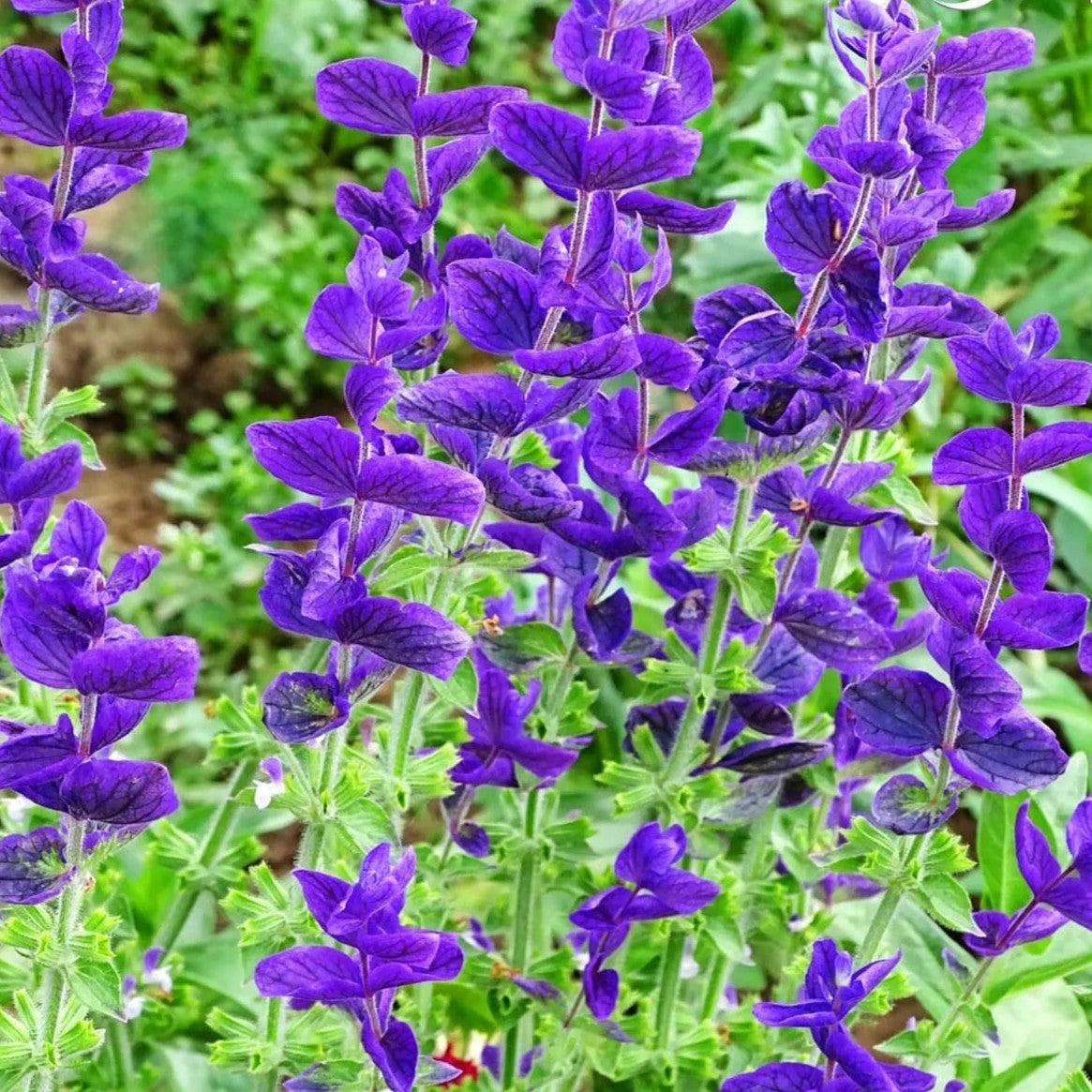
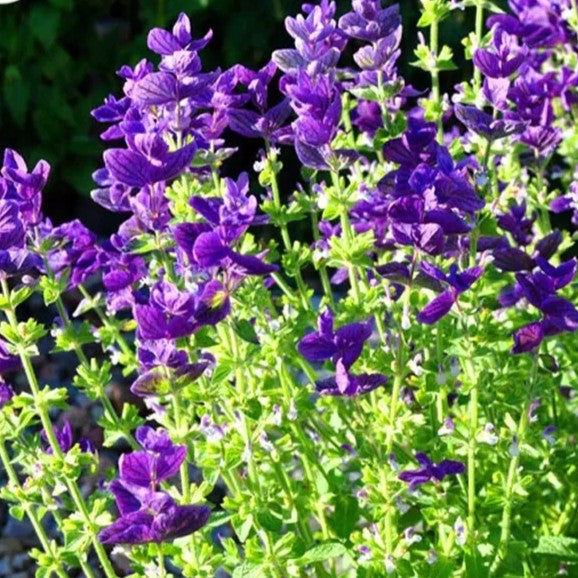
🌸 Salvia horminum ‘Blue Monday’ – Clary Sage with Intense Blue Bracts for Summer Colour
‘Blue Monday’ is a striking annual clary sage grown primarily for its vivid blue bracts, which surround small, discreet flowers and provide long-lasting ornamental impact. The upright, well-branched plants create strong vertical accents in the garden, making this variety especially effective in borders, cottage gardens and cut-flower beds.
The colourful bracts retain their intensity for weeks and are excellent for fresh and dried arrangements. Easy to grow and tolerant of summer heat, ‘Blue Monday’ performs best when planted in groups for maximum visual effect and is also attractive to bees and pollinators.
Key Features
● Intense blue decorative bracts with long-lasting colour
● Upright, well-branched growth habit
● Excellent for borders, cutting and drying
● Easy to grow and heat tolerant
● Attractive to bees and beneficial insects
How to Sow & Grow Clary Sage ‘Blue Monday’ (UK)
Direct sowing recommended
Direct outdoors (spring): IV–V (April–May)
Direct outdoors (autumn): IX–X (September–October) (overwintering for earlier flowering)
Flowering: VI–IX (June–September)
Life cycle: Annual
Germination temperature: 15–20 °C (59–68 °F)
Average germ time: 10–21 days
Depth: 0.5 cm (¼ in)
Light required: Yes
Moisture: Moderate
Environment: Full sun
Soil type: Well-drained soil; tolerates poorer soils
Plant spacing: 25–30 cm (10–12 in)
Height: 40–60 cm (16–24 in)
Sowing & Growing Tips (variety-specific)
● Autumn sowing produces stronger plants and earlier flowering.
● Avoid overly rich soil to maintain compact growth.
● Deadhead lightly or harvest stems to encourage continued display.
● Excellent choice for naturalistic and pollinator-friendly plantings.
● Ideal for both fresh and dried flower use.
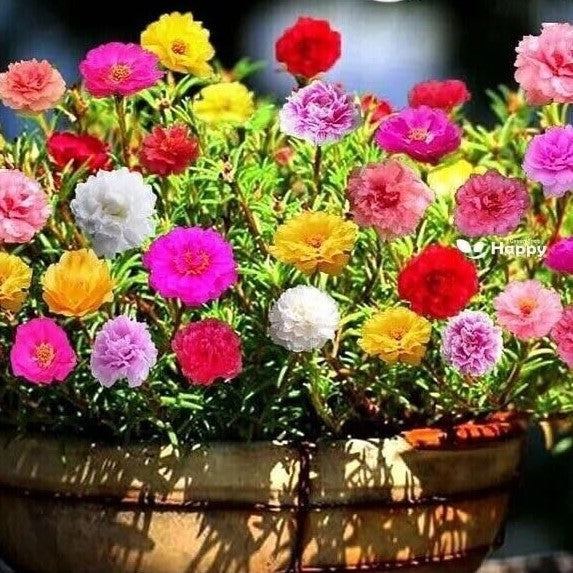
Moss Rose Extra Double Mix Seeds (Portulaca grandiflora)
Moss Rose Extra Double Mix (Portulaca grandiflora) is a vibrant annual producing a profusion of double, colorful blooms in shades of pink, red, yellow, orange, and white. Its low-growing, spreading habit makes it perfect for rockeries, borders, containers, and sunny garden beds. Fast-growing and drought-tolerant, it attracts pollinators while brightening up any garden with long-lasting summer color.
Why Grow "Extra Double Mix"
-
Abundant double blooms in vibrant mixed colors
-
Low-growing, spreading habit ideal for ground cover
-
Long flowering period from summer to autumn
-
Drought-tolerant and low-maintenance
-
Attracts bees and butterflies
Key Features
-
Type: Annual (Portulaca grandiflora)
-
Height: 10–20 cm
-
Flowering: June–September
-
Position: Full sun
-
Uses: Rockeries, borders, containers, ground cover, pollinator-friendly gardens
Ideal For
-
Sunny borders and garden beds
-
Rockeries and container displays
-
Pollinator-friendly gardens
-
Low-maintenance and drought-tolerant planting
Sowing & Growing
-
Sow indoors: March–April in seed trays or pots
-
Sow outdoors: After last frost in prepared soil
-
Germination: 7–14 days at 18–22°C
-
Thin seedlings to 15–20 cm apart
-
Prefers full sun and well-drained soil
-
Deadhead occasionally to prolong flowering

Love-in-a-Mist 'Miss Jekyll' Double Mix Seeds (Nigella damascena)
Love-in-a-Mist 'Miss Jekyll' Double Mix is an elegant annual with double, papery blooms in shades of blue, white, and pink, surrounded by delicate feathery foliage. Its airy, cottage-garden charm makes it perfect for borders, containers, and cutting gardens. Loved for its intricate blooms and long flowering season, it adds whimsical beauty to any garden.
What Makes It Special
-
Double, papery blooms in a mix of blue, white, and pink
-
Delicate, feathery foliage creates an airy, cottage-garden effect
-
Long-flowering and easy to grow
-
Attracts pollinators and makes excellent cut flowers
Key Features
-
Botanical name: Nigella damascena
-
Variety: 'Miss Jekyll' Double Mix
-
Seed count: Approx. seeds per pack
-
Height/Spread: 30–40 cm tall, 15–20 cm spread
-
Position: Full sun; fertile, well-drained soil
-
Flowering period: June–September
Ideal For
-
Borders and cottage gardens
-
Containers and patio displays
-
Cutting gardens and floral arrangements
-
Pollinator-friendly gardens
Sowing Instructions
-
When to sow: March–May outdoors; February–April indoors
-
How to sow:
-
Sow seeds thinly on the surface of moist seed compost and press lightly; do not cover
-
Germination occurs in 10–14 days at 15–20°C
-
-
Transplanting: Thin seedlings to 15–20 cm apart after germination
-
Care: Water moderately; deadhead for prolonged flowering
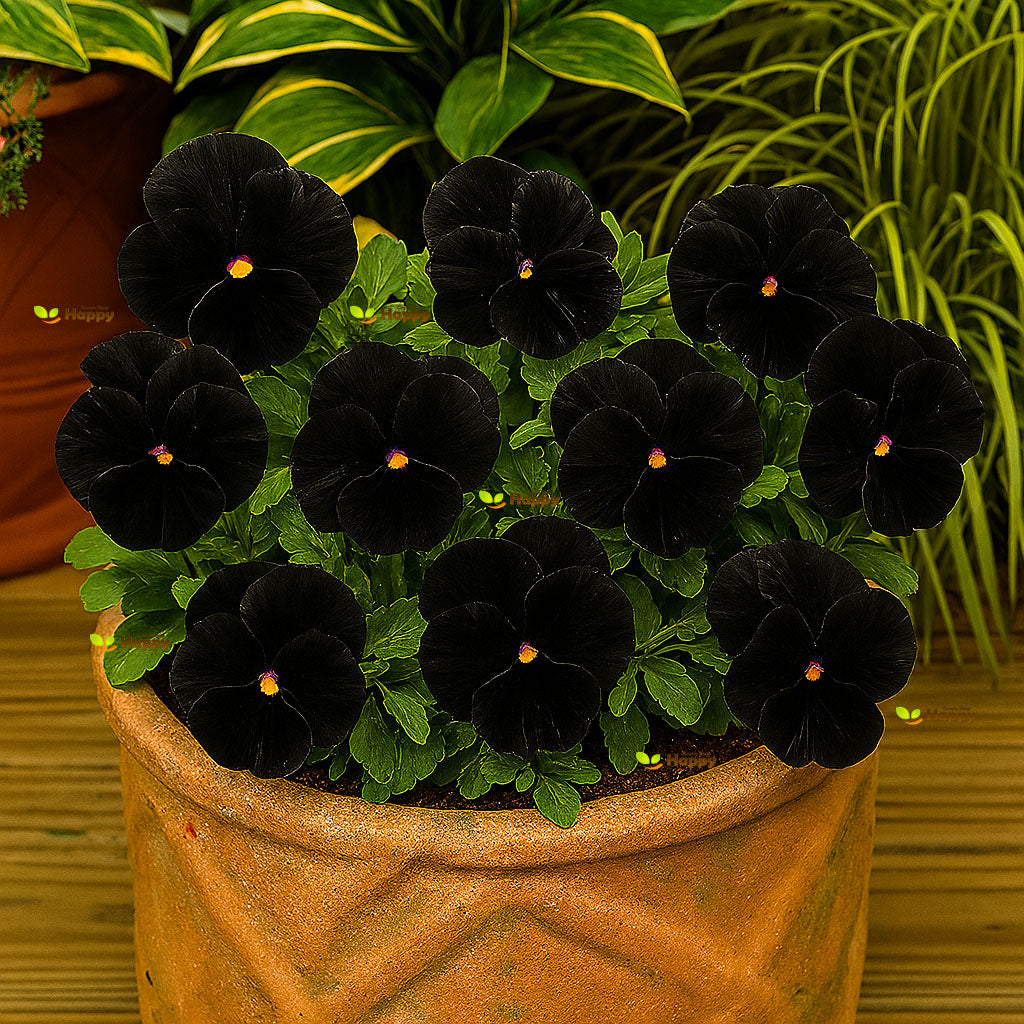
Pansy ‘Clear Crystals Black’ – Seeds (Viola wittrockiana)
Pansy ‘Clear Crystals Black’ (Viola wittrockiana) is a dramatic and elegant variety with large, velvety, jet-black blooms. Compact and easy to grow, it flowers from early spring through summer, and again in autumn with lasting displays. Perfect for borders, bedding, window boxes, and containers, these striking flowers also make excellent companions in mixed plantings. Hardy and reliable, pansies add bold contrast to the garden while attracting pollinators.
Why Grow "Clear Crystals Black"
-
Striking velvety black blooms for dramatic displays
-
Long flowering season from spring to autumn
-
Compact, hardy, and easy to grow
-
Great for borders, containers, and window boxes
Key Features
-
Type: Hardy annual/biennial (Viola wittrockiana)
-
Height: 15–20 cm
-
Flowering: Spring to autumn
-
Position: Full sun or partial shade
-
Uses: Bedding, borders, containers, window boxes, pollinator gardens
Ideal For
-
Adding dramatic color contrast to displays
-
Early spring and autumn garden interest
-
Compact planting in pots and containers
-
Pollinator-friendly planting schemes
Sowing & Growing
-
Sow indoors: February–April or July–September
-
Germination: 10–20 days at 15–20°C
-
Transplant seedlings 15–20 cm apart
-
Prefers rich, moist but well-drained soil
-
Deadhead regularly to prolong blooming
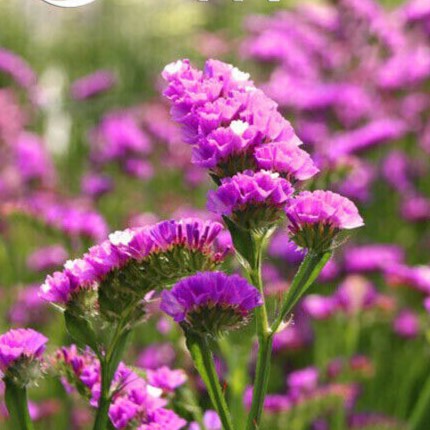
Statice Pink Seeds (Limonium sinuatum)
Statice Pink is a charming everlasting flower with delicate papery pink blooms that retain their color beautifully when dried. A classic in cutting gardens, it is highly valued by florists for fresh bouquets and dried arrangements alike. This hardy annual thrives in full sun and light, well-drained soils, providing reliable, long-lasting displays through summer.
What Makes It Special
-
Soft pink blossoms with a papery texture
-
Excellent for both fresh and dried floral arrangements
-
Heat- and drought-tolerant once established
-
Easy-care annual with long flowering season
Key Features
-
Botanical name: Limonium sinuatum
-
Variety: Pink
-
Seed count: Approx. seeds per pack
-
Height/Spread: 60–75 cm tall, 25–30 cm spread
-
Position: Full sun; prefers sandy/light, well-drained soil
-
Flowering period: July–September
Ideal For
-
Cutting gardens and everlasting bouquets
-
Cottage garden borders and mixed beds
-
Drought-tolerant landscapes
-
Florist-quality blooms for arrangements
Sowing Instructions
-
When to sow: February–April indoors; outdoors after danger of frost has passed
-
How to sow:
-
Sow on moist compost surface, cover lightly with vermiculite
-
Keep at 18–20°C; germination in 10–20 days
-
-
Transplanting: Prick out seedlings and grow on; plant 25–30 cm apart once frost-free
-
Care: Requires sunny, well-drained soil; avoid overwatering
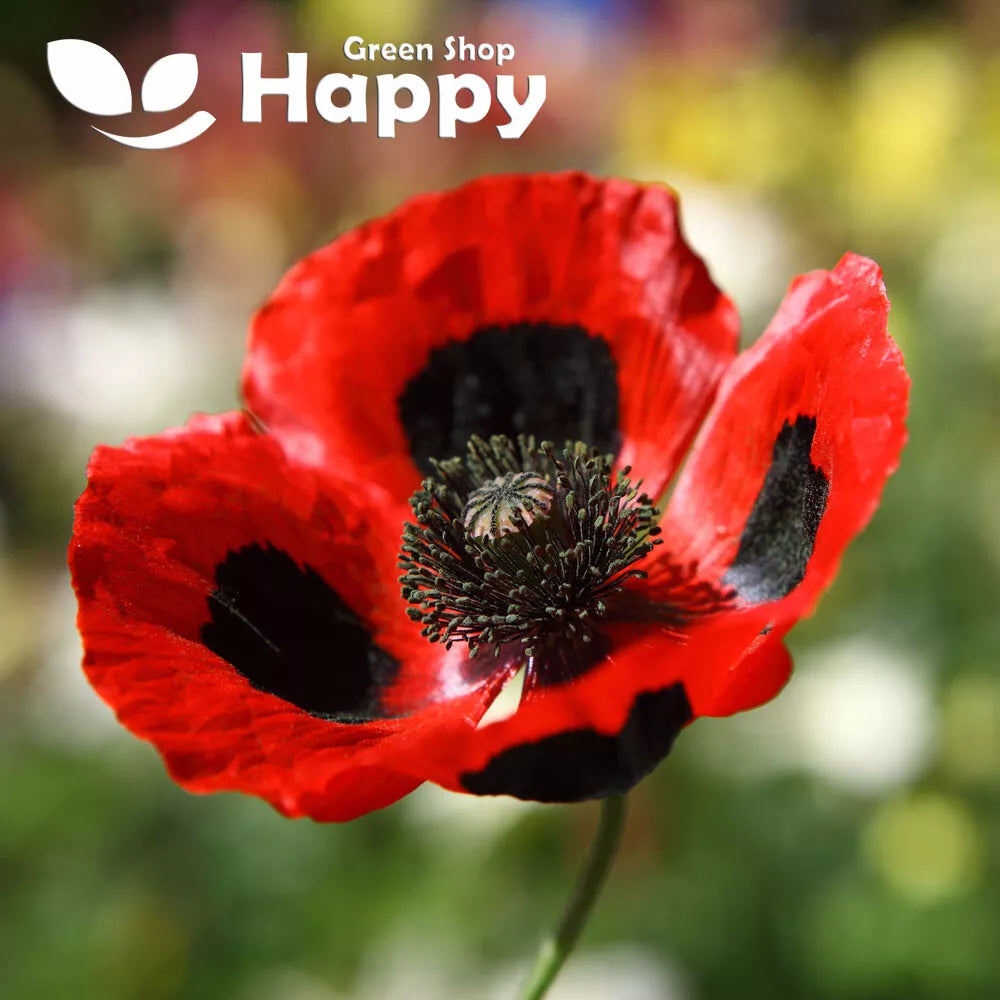
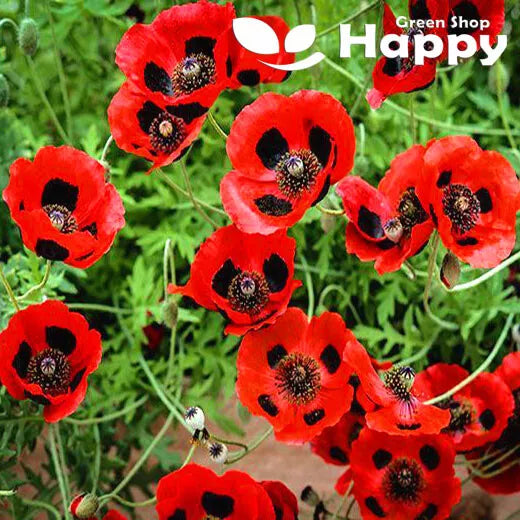
Poppy 'Ladybird' – 3000 Seeds (Papaver commutatum)
Add drama and charm to your garden with Poppy 'Ladybird'. This eye-catching variety produces vivid scarlet-red blooms each marked with a bold black blotch at the base of every petal, reminiscent of a ladybird’s spots. Compact and easy to grow, it creates a striking display in beds, borders, and wildflower plantings.
Why Grow 'Ladybird'
-
Striking scarlet-red flowers with black blotches
-
Compact and easy to grow
-
Long flowering season
-
Attracts bees and pollinators
Key Features
-
Type: Hardy annual (Papaver commutatum)
-
Height: 30–45 cm
-
Flowering: June–August
-
Position: Full sun
-
Uses: Borders, wildflower meadows, pollinator gardens
Ideal For
-
Cottage and wildflower gardens
-
Adding bold splashes of color
-
Naturalizing in meadows or borders
-
Wildlife-friendly plantings
Sowing & Growing
-
Sow outdoors: March–May or September–October
-
Sow thinly in prepared soil, cover lightly
-
Germination: 10–20 days
-
Thin seedlings to 15–20 cm apart
-
Prefers poor, well-drained soil in full sun

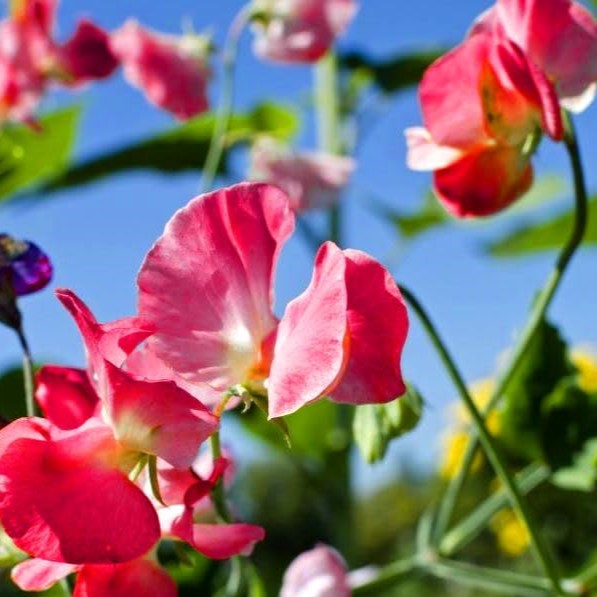
Sweet Pea ‘Watermelon’ (Pink) – Seeds
(Lathyrus odoratus elegance) – Annual Climber
The Sweet Pea ‘Watermelon’ is a stunning variety with bright pink blooms that resemble the refreshing tones of watermelon. Beloved for their fragrance and elegant form, these long-stemmed flowers are perfect for cutting gardens, trellises, and cottage borders. A vigorous climber, it brings height, charm, and color all summer long.
Key Features
-
Type: Annual climbing vine
-
Height: 180–200 cm
-
Blooming period: June–September
-
Position: Full sun
-
Soil: Rich, well-drained soil
Ideal For
-
Trellises, arches, and fences
-
Cottage and cutting gardens
-
Fragrant summer bouquets
-
Attracting pollinators
Sowing & Growing
-
Sow indoors: February–April, in pots at 15–18°C
-
Sow outdoors: April–May, directly after frost
-
Sowing depth: 2–3 cm
-
Spacing: 20 cm apart
-
Care: Provide support; water regularly; pick flowers frequently to encourage continuous blooms
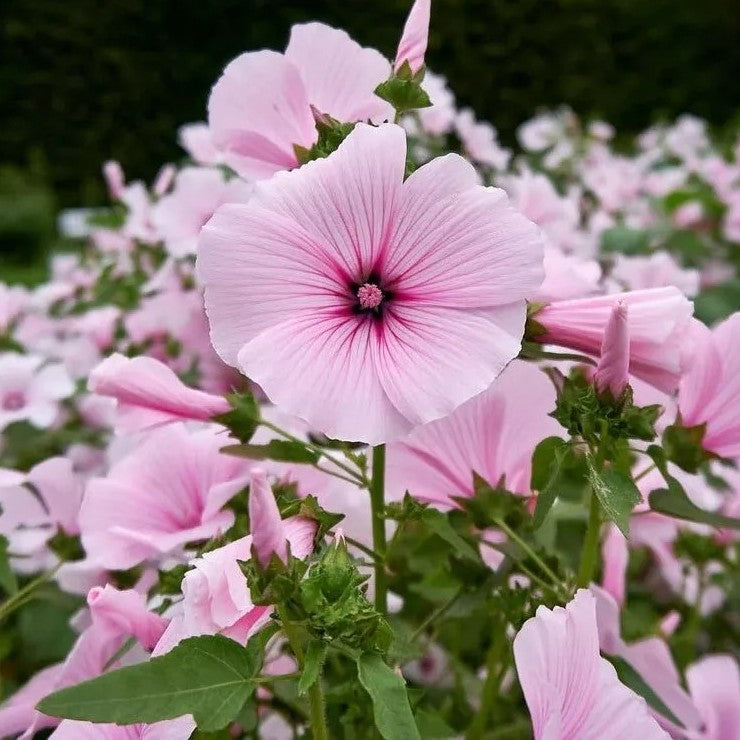
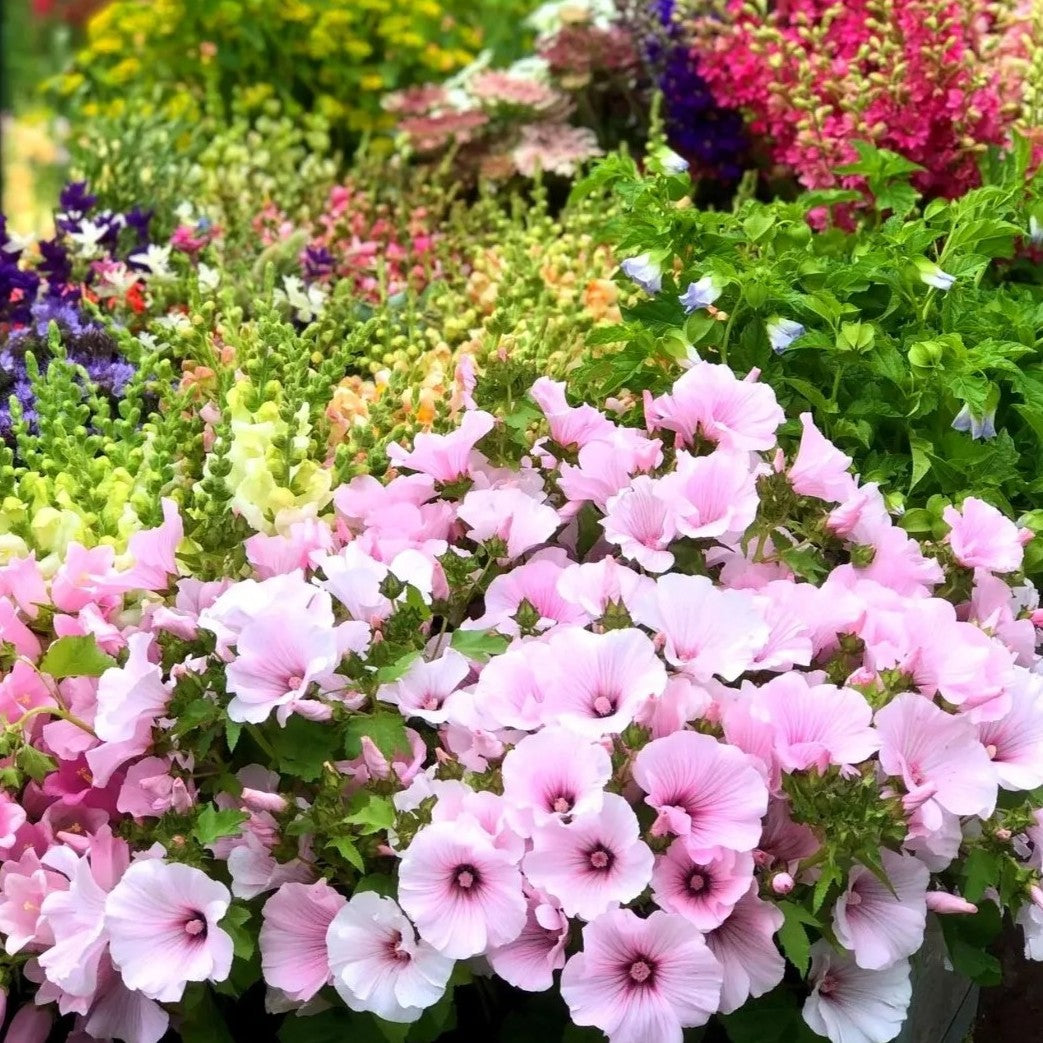
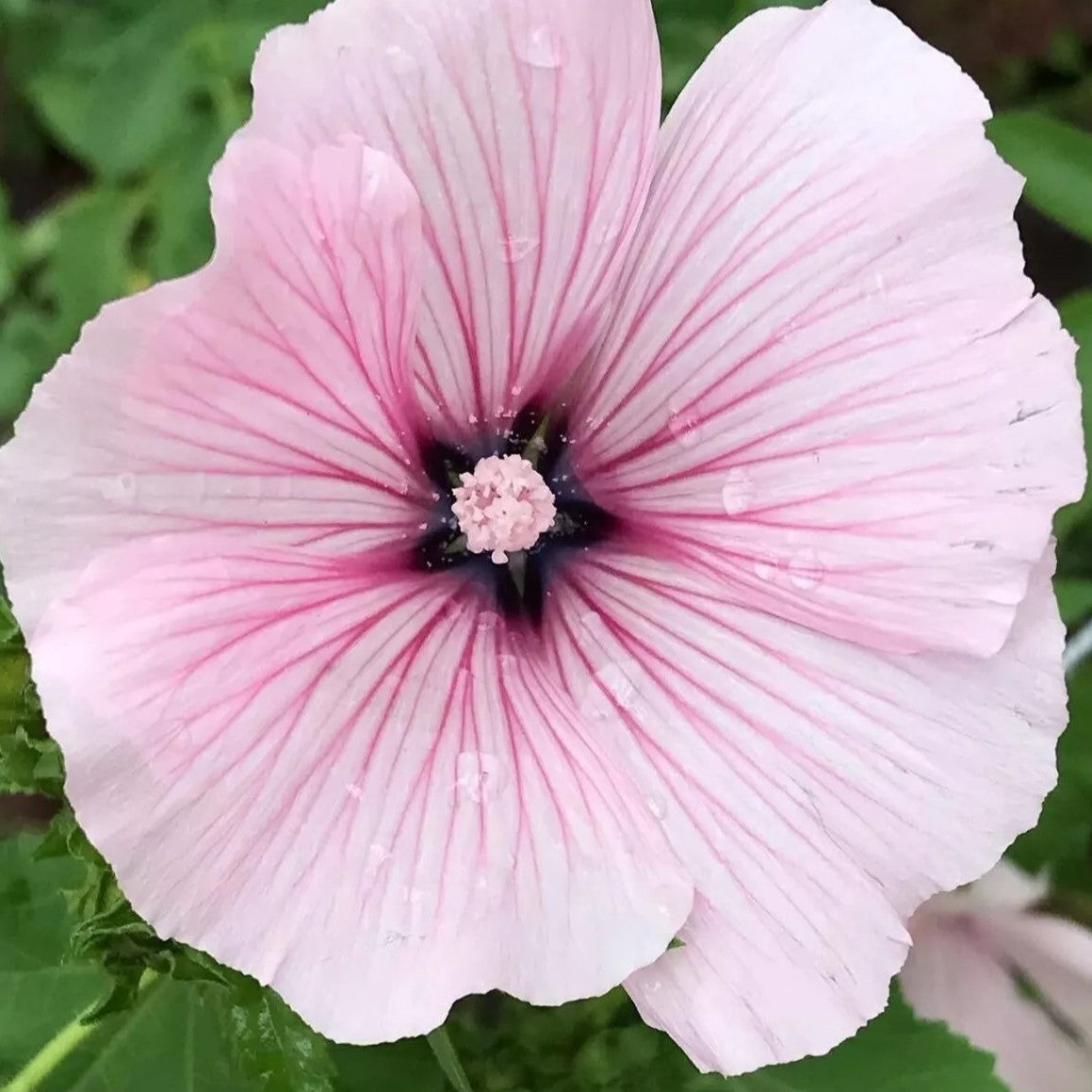
SOFT PINK MALLOW SEEDS (Lavatera trimestris)
Soft Pink Mallow is a charming annual that fills the garden with delicate, hibiscus-like blooms in soft pastel pink. Flowering over a long summer season, it creates a graceful display in borders, beds, and cottage gardens while also making an excellent cut flower. Easy to grow and pollinator-friendly, this mallow is perfect for adding color and elegance with minimal effort.
Why Grow "Soft Pink Mallow"
-
Beautiful hibiscus-like flowers in soft pink shades
-
Long flowering season for continuous color
-
Easy to grow and low-maintenance
-
Attracts bees, butterflies, and other pollinators
Key Features
-
Type: Annual (Lavatera trimestris)
-
Height: 60–90 cm
-
Flowering: Summer to early autumn (June–September)
-
Position: Full sun
-
Uses: Borders, cottage gardens, cut flowers, pollinator planting
Ideal For
-
Cottage and informal garden styles
-
Adding soft pastel tones to mixed borders
-
Cutting for fresh floral arrangements
-
Pollinator-friendly garden schemes
Sowing & Growing
-
Sow indoors: 6–8 weeks before last frost
-
Sow outdoors: Directly after frost danger has passed
-
Germination: 14–21 days
-
Space seedlings: 30–40 cm apart
-
Prefers full sun and well-drained soil
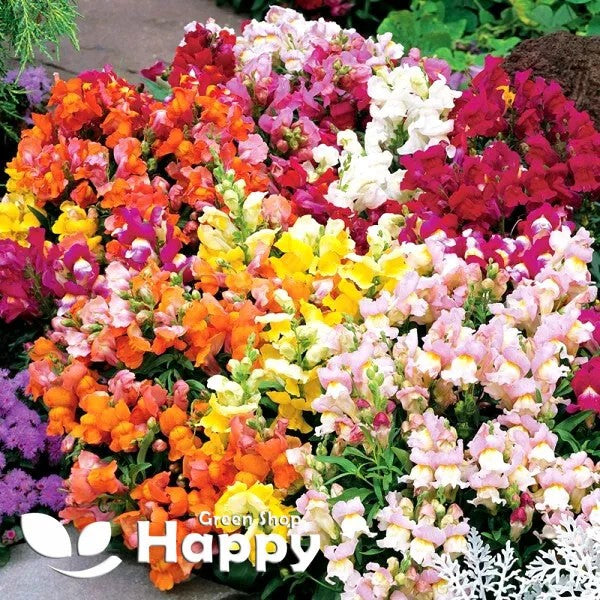
Dwarf Snapdragon Mixed Seeds (Antirrhinum majus ‘Nanum’)
Dwarf Snapdragon Mixed is a compact, bushy variety producing charming spikes of colorful flowers in a wide range of shades. Unlike tall snapdragons, this dwarf form is perfect for containers, edging, and the front of borders. With its cheerful blooms and long flowering season, it’s an easy way to brighten up your summer garden.
What Makes It Special
-
Compact and bushy growth habit
-
Bright, tubular flowers in assorted colors
-
Long-lasting summer display
-
Great for pots, window boxes, and borders
Key Features
-
Botanical name: Antirrhinum majus ‘Nanum’
-
Variety: Mixed
-
Seed count: Approx. seeds per pack
-
Height/Spread: 20–30 cm tall, 15–20 cm spread
-
Position: Full sun; well-drained, fertile soil
-
Flowering period: June–September
Ideal For
-
Containers, window boxes, and patio pots
-
Fronts of borders and garden edging
-
Pollinator-friendly gardens
-
Summer bedding displays
Sowing Instructions
-
When to sow: February–April indoors; March–May outdoors
-
How to sow:
-
Sow seeds thinly on the surface of moist seed compost; press lightly but do not cover
-
Germination takes 10–14 days at 18–20°C
-
-
Transplanting: Harden off seedlings and plant outdoors 15–20 cm apart after frost risk has passed
-
Care: Keep soil evenly moist and deadhead regularly to extend flowering
Showing 36/96


