
Sort by:
26 products
26 products


🎃 Cucurbita maxima ‘True Green Hubbard’ – Classic Heirloom Winter Squash with Sweet, Fine-Grained Flesh
‘True Green Hubbard’ is a beloved heirloom winter squash known for its large, teardrop-shaped fruits, deep green, bumpy skin, and exceptionally sweet, fine-textured orange flesh. Fruits typically reach 4–7 kg, storing extremely well through winter while maintaining their rich flavour. Ideal for baking, roasting, soups, and purées, this vigorous variety produces strong trailing vines and high yields. A reliable choice for traditional kitchen gardens and allotments.
Key Features
● Large heirloom Hubbard squash with deep green skin
● Sweet, fine-grained orange flesh perfect for roasting and baking
● Excellent long-term storage variety
● Vigorous vines with high yields
● Ideal for home gardens, allotments, and winter cooking
How to Sow & Grow Cucurbita maxima ‘True Green Hubbard’ (UK)
Sow indoors: IV–V (April–May) in pots
Transplant outdoors: V–VI (May–June) after frost danger has passed
Direct outdoors: V–VI (May–June) into warm soil
Harvest: IX–X (September–October)
Germination temperature: 20–25 °C (68–77 °F)
Average germ time: 7–14 days
Depth: 2–3 cm (¾–1¼ in)
Light required: Yes
Moisture: Keep soil evenly moist
Environment: Full sun; sheltered growing position
Soil type: Rich, fertile, moisture-retentive soil; add compost before planting
Plant spacing: 1.5–2 m (5–6.5 ft) between plants
Vine length: 3–4 m (10–13 ft)
Sowing & Growing Tips (variety-specific)
● Start indoors for earlier crops; harden off before planting out.
● Mulch generously to conserve moisture and support large fruits.
● Feed regularly once vines begin running.
● Harvest when the rind is hard and stems turn corky.
● Cure fruits in a warm, airy place for 10–14 days to extend storage.
Special Features
● Outstanding long-storage winter squash
● Traditional heirloom with excellent cooking qualities
● Large and productive variety for generous harvests

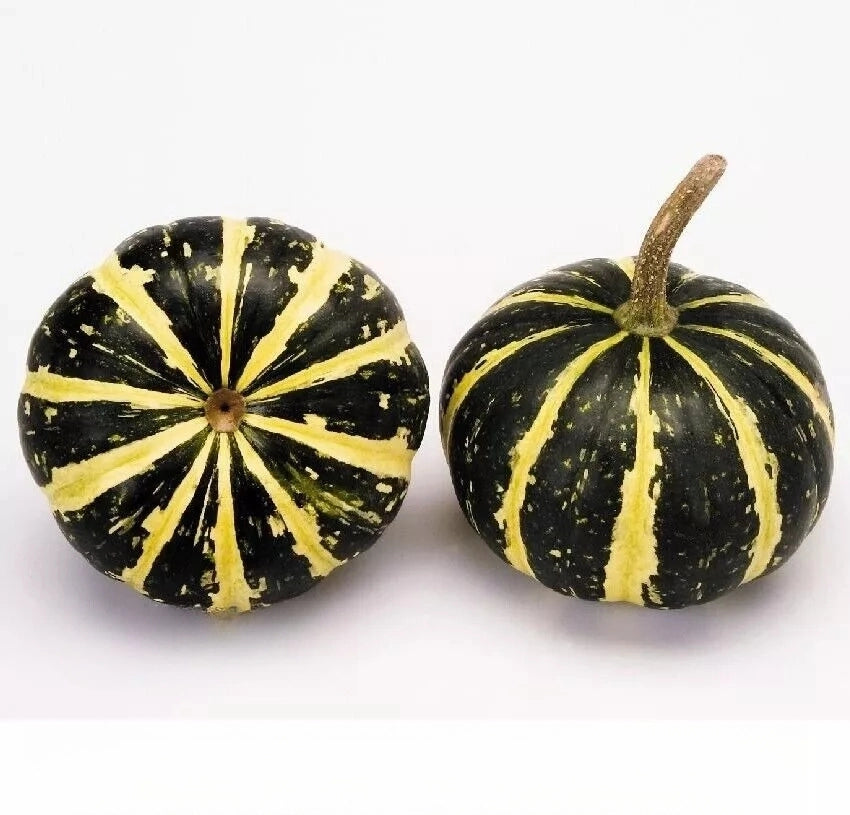
Pumpkin ‘Gourd Flat Striped’ Seeds (Cucurbita pepo)
Pumpkin ‘Gourd Flat Striped’ is an ornamental pumpkin variety with unique flat, round fruits striped in vibrant shades of green, cream, and orange. Ideal for fall displays, autumn decorations, and garden aesthetics, this easy-to-grow variety adds character to any harvest garden. Hardy and fast-growing, it thrives in sunny, well-drained soil.
What Makes It Special
-
Unique flat, round fruits with attractive stripes
-
Perfect for ornamental use, autumn displays, and decorations
-
Hardy, easy to grow, and fast-maturing
Key Features
-
Botanical name: Cucurbita pepo
-
Annual
-
Height: Vining, 2–3 m spread
-
Fruit: Flat, striped, ornamental
Ideal For
-
Autumn and harvest decorations
-
Garden display and ornamental planting
-
Pollinator-friendly vegetable gardens
Sowing
-
Sow indoors Mar–Apr or outdoors after last frost
-
Cover seeds lightly with soil
-
Germination: 7–14 days at 20–25°C
-
Space plants 80–100 cm apart
-
Harvest fruits 90–100 days after sowing
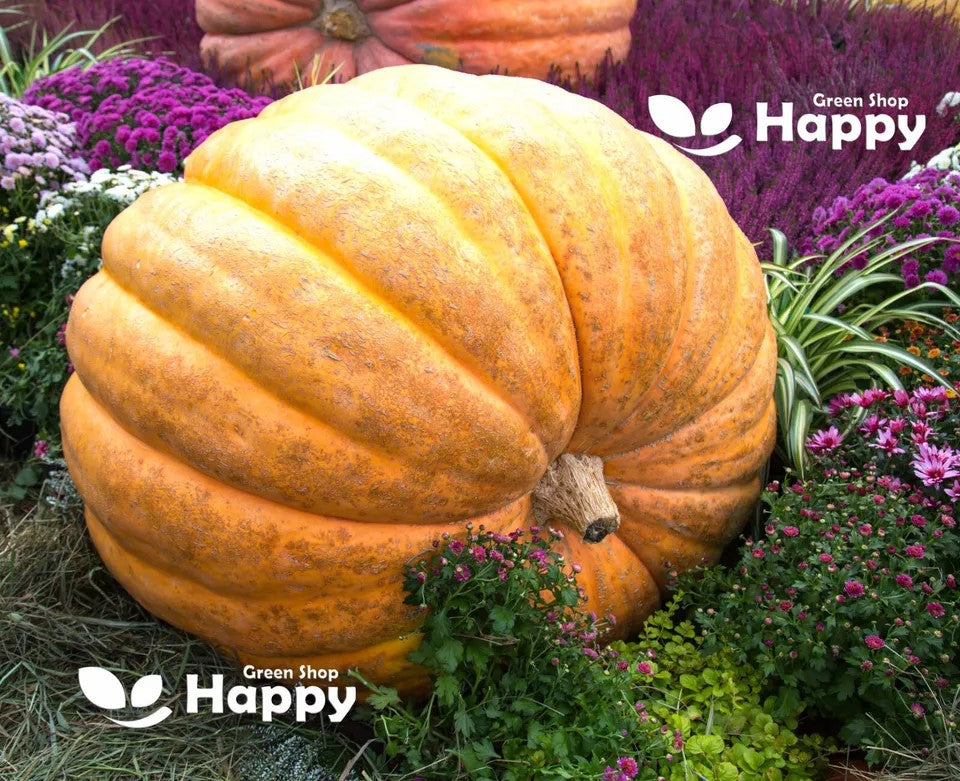
Pumpkin 'Dill’s Atlantic Giant' – Seeds (Cucurbita maxima)
Pumpkin 'Dill’s Atlantic Giant' is a record-breaking variety renowned for producing enormous, fast-growing fruits perfect for giant pumpkin competitions, autumn displays, and culinary use. With sweet, dense orange flesh, it’s suitable for soups, roasting, and baking. This vigorous, high-yielding plant thrives in sunny gardens with ample space for sprawling vines.
How to Grow
-
Sow seeds indoors from March to April, 2–3 cm deep, or directly outdoors after the last frost.
-
Plant 2–3 seeds per mound, thinning to the strongest seedling.
-
Space plants 2–3 meters apart to allow for sprawling growth.
-
Requires full sun, fertile soil, and consistent watering.
-
Harvest fruits when fully matured and the skin is hard and deep orange.
Key Features
-
Produces enormous, fast-growing pumpkins
-
Sweet, dense orange flesh ideal for cooking and baking
-
Vigorous, high-yielding plant with sprawling vines
-
Perfect for giant pumpkin competitions or decorative autumn displays
-
Thrives in sunny, fertile gardens with ample space
Ideal For
-
Giant pumpkin contests and autumn decorations
-
Culinary use: soups, roasting, and baking
-
Gardeners with large garden spaces and fertile soil
Sowing & Harvest
-
Sow: March to April
-
Spacing: 2–3 meters
-
Harvest: September to October
Quick Tip
-
Mulch around the base and water consistently to encourage large, healthy fruits and prevent splitting.
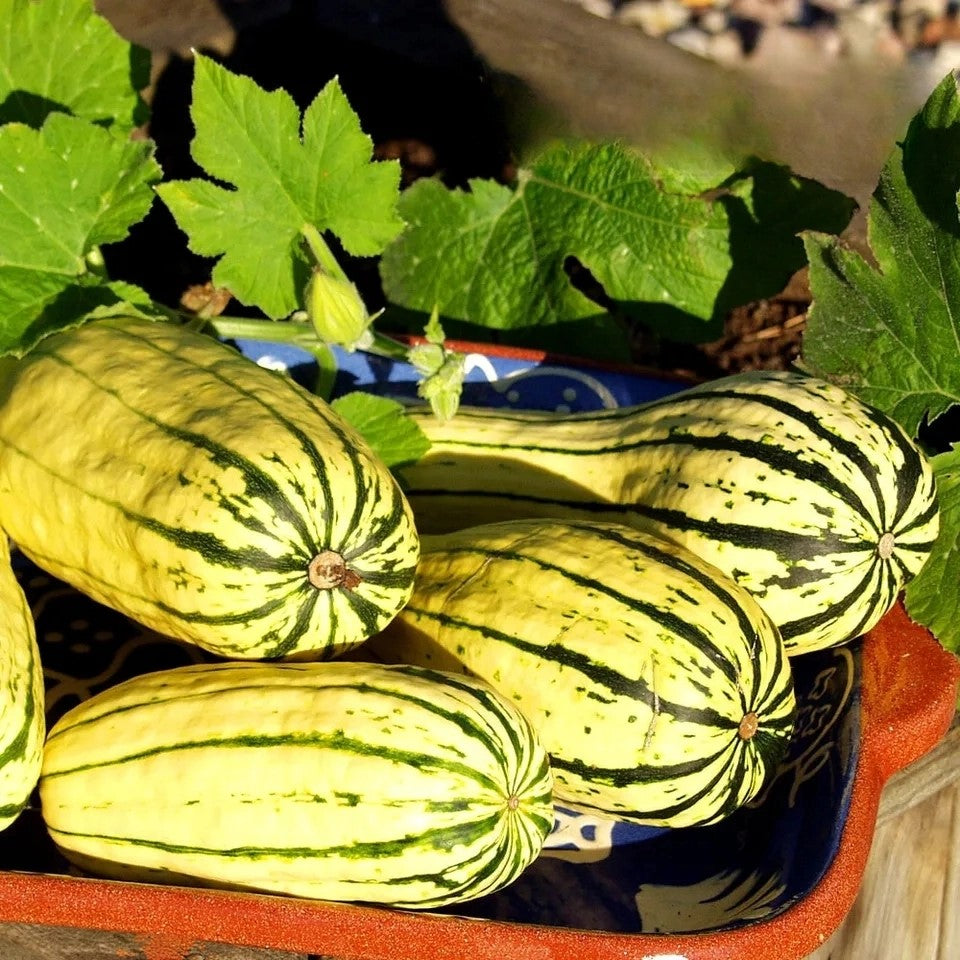
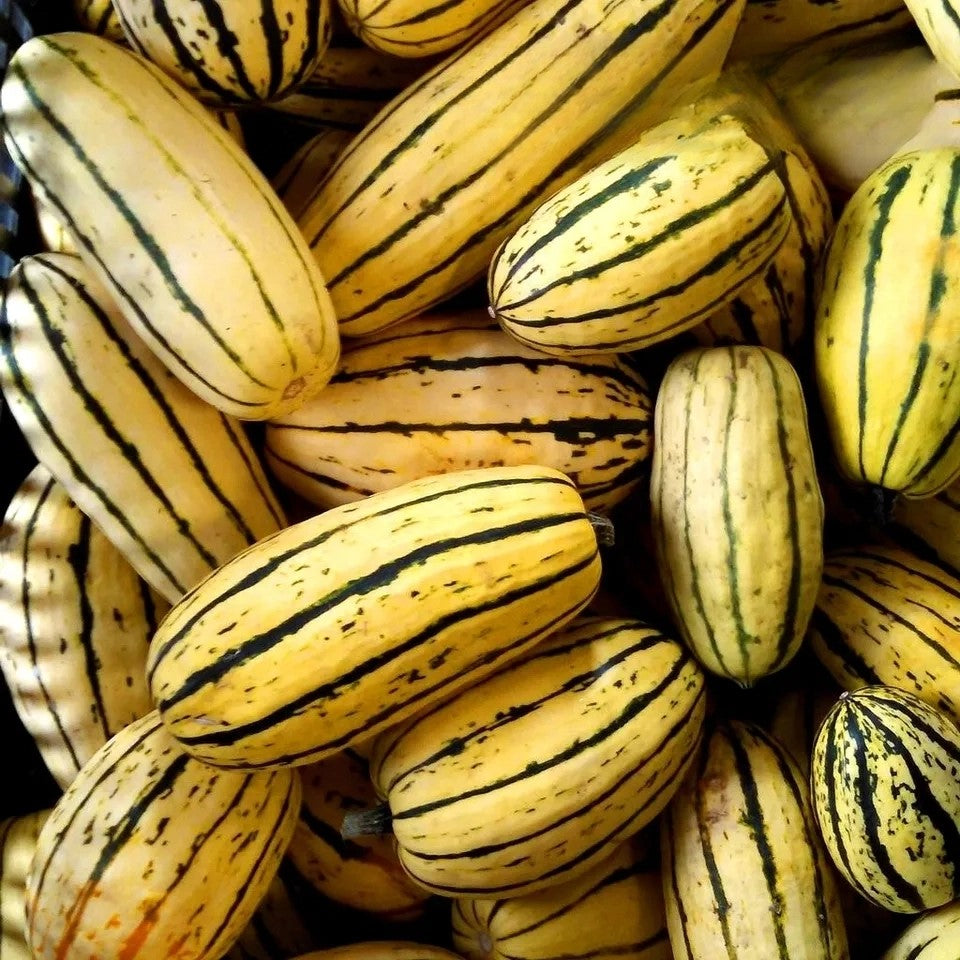
Summer Squash ‘Delicata’ Seeds (Cucurbita pepo)
Summer Squash ‘Delicata’ is a delicious, tender-skinned squash with creamy yellow fruits striped with green. Ideal for garden beds, containers, and vegetable patches, it’s known for its sweet flavor and smooth texture. Easy to grow, fast-maturing, and productive, it’s perfect for fresh cooking, roasting, and baking.
What Makes It Special
-
Sweet, tender flesh with creamy yellow and green-striped skin
-
Fast-maturing and productive variety
-
Easy to grow in garden beds, containers, or allotments
Key Features
-
Botanical name: Cucurbita pepo
-
Annual
-
Height: Vining, 1.5–2 m spread
-
Harvest: 80–100 days from sowing
Ideal For
-
Vegetable gardens and allotments
-
Containers and raised beds
-
Fresh cooking, roasting, and baking
Sowing
-
Sow indoors Mar–Apr or outdoors after last frost
-
Cover seeds lightly with soil
-
Germination: 7–14 days at 20–25°C
-
Space plants 80–100 cm apart
-
Harvest fruits when 15–20 cm long
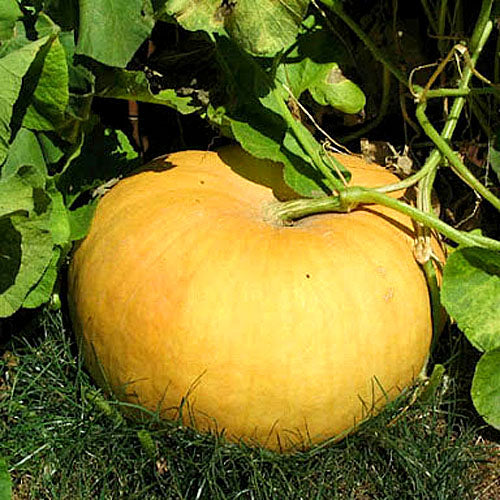

Pumpkin 'Jaune de Paris' – Seeds (Rouge vif d'Étampes)
The impressive Pumpkin 'Jaune de Paris' is a traditional French variety famous for its enormous fruits, weighing up to 22 kg. Its flat, round pumpkins ripen to a rich golden-orange color with sweet, firm flesh that’s excellent for soups, pies, roasting, and preserves. This heavy-yielding, vigorous grower is ideal for gardeners who want both culinary quality and show-stopping size.
How to Grow
-
Sow indoors from April to May in pots at 18–21°C.
-
Sow seeds 2–3 cm deep in moist compost.
-
Harden off and plant out in June once frost risk has passed.
-
Allow at least 1 m between plants, as vines spread widely.
-
Water generously and feed regularly for maximum growth.
Key Features
-
Traditional French heirloom variety
-
Produces giant fruits up to 22 kg
-
Golden-orange skin with sweet, firm flesh
-
Excellent for cooking, baking, and preserves
-
Impressive ornamental appeal as well as culinary use
Ideal For
-
Soups, pies, and roasting
-
Harvest festivals and autumn displays
-
Large gardens, allotments, and pumpkin patches
-
Growers seeking high-yielding, giant varieties
Sowing & Harvest
-
Sow: April to May (indoors)
-
Plant out: June
-
Spacing: 1 m between plants
-
Harvest: September to October
Quick Tip
-
For extra-large pumpkins, limit each plant to one or two fruits and provide plenty of water and compost.

Cucurbita maxima 'Sweet Dumpling' is a small winter squash producing attractive cream-white fruits with dark green stripes and sweet, orange flesh with a delicious nutty flavour. The compact, individual-sized fruits are ideal for roasting, baking and stuffing, while their unusual appearance also makes them attractive for autumn displays.
This productive variety produces numerous fruits on vigorous trailing vines and stores well for several months after harvest. Sweet Dumpling performs best in full sun and fertile, well-drained soil, making it an excellent choice for kitchen gardens, allotments and gardeners looking for a versatile squash with both culinary and decorative value.
● Sweet orange flesh with a delicious nutty flavour
● Attractive cream-white fruits with dark green stripes
● Perfect individual size for stuffing and roasting
● Good storage ability after harvest
● Productive variety producing multiple fruits per plant
● Kitchen gardens
● Allotments
● Autumn displays
● Roasting and baking
● Growing unusual heritage-style vegetables
● Sow seeds on their side to reduce the risk of water sitting against the seed and causing rot during germination.
● Start plants in individual pots if sowing indoors, as squash seedlings dislike root disturbance once established.
● Allow fruits to mature fully before harvesting; the skin should become firm and the stalk should begin to dry.
● Cure harvested fruits in a warm, dry place for improved flavour and longer storage life.
● Support developing fruits on straw, boards or similar material to keep them clean and reduce contact with wet soil.

Cucurbita pepo 'Baby Pam' is a productive small pumpkin variety producing attractive, uniform dark orange fruits weighing approximately 0.9–1.8 kg (2–4 lb). Beneath the smooth, tough skin is sweet, smooth-textured flesh particularly well suited to baking, cooking and homemade pumpkin pies, while the convenient individual fruit size makes harvesting and kitchen use much easier than with large pumpkins.
'Baby Pam' combines excellent eating quality with ornamental value, making the mature orange fruits equally useful for autumn and Halloween displays. Vigorous trailing vines can produce generous yields when grown in a warm, sunny position with fertile soil and plenty of space, with fruits typically reaching maturity in around 100 days.
● Sweet, smooth-textured flesh ideal for homemade pumpkin pies
● Convenient small fruits weighing approximately 0.9–1.8 kg (2–4 lb)
● Productive variety capable of producing multiple fruits per vine
● Attractive deep orange pumpkins suitable for autumn decorations
● Excellent dual-purpose variety for both eating and display
● Pumpkin pies and baking
● Soups and savoury cooking
● Kitchen gardens and allotments
● Autumn and Halloween displays
● Growing smaller, easy-to-handle pumpkins
● Start seeds individually in pots to avoid unnecessary root disturbance when young pumpkin plants are transplanted.
● Give plants plenty of space despite the relatively small fruit size – 'Baby Pam' produces vigorous trailing vines approximately 3–3.6 m (10–12 ft) long.
● Water deeply during fruit development and direct water towards the soil rather than repeatedly wetting the foliage.
● Harvest when the fruits have developed their characteristic deep orange colour, the skin has hardened and the stalks begin to dry.
● Cure fully mature fruits after harvesting and store them in a cool, dry, well-ventilated place; the tough-skinned fruits can keep for several months under suitable conditions.
Showing 26/26

