
Sort by:
30 products
30 products
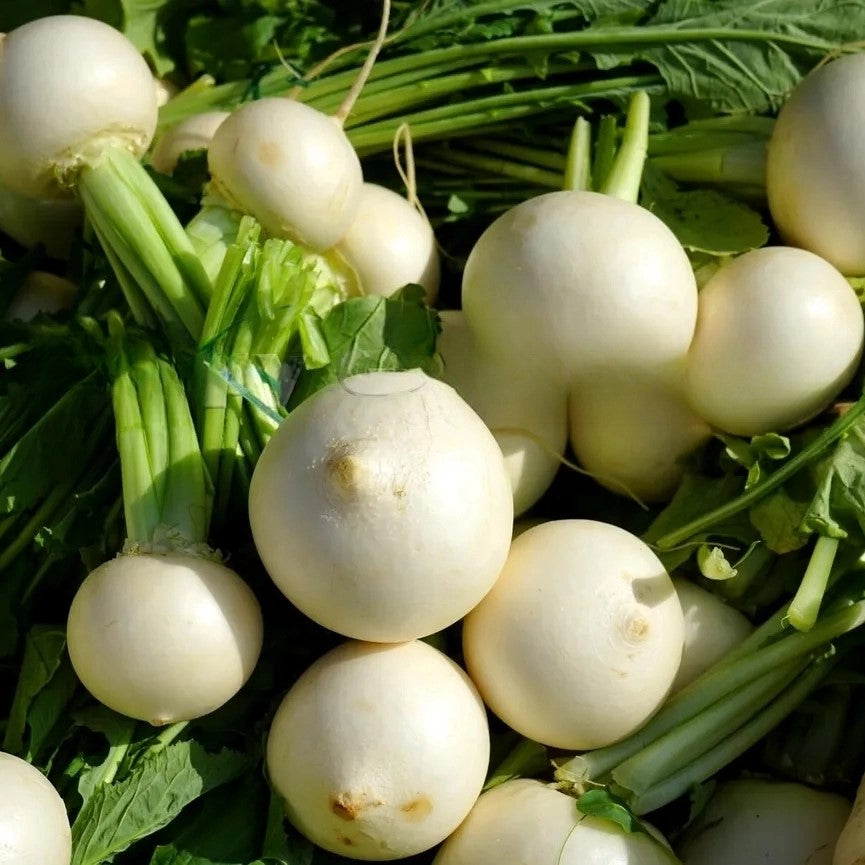
Turnip 'Snowball' – Seeds (Brassica rapa)
Grow crisp, tender, and sweet Turnip 'Snowball', a classic variety known for its round, white roots and mild flavor. Ideal for roasting, steaming, or fresh in salads, this easy-to-grow turnip is perfect for home gardens, allotments, and container planting. Quick to mature, it provides a reliable harvest of uniform, flavorful roots throughout the season.
How to Grow
. Sow outdoors: March – July, 1–2 cm deep in rows 30 cm apart
. Thin seedlings to 8–10 cm apart for proper root development
. Prefers fertile, well-drained soil in full sun or partial shade
. Keep soil consistently moist for tender, sweet roots
. Harvest: 50–60 days after sowing, when roots are 5–8 cm in diameter
Key Features
. Classic white round turnip with mild, sweet flavor
. Quick-maturing and easy-to-grow
. Ideal for roasting, steaming, or fresh salads
. Produces uniform, tender roots
. Suitable for home gardens, allotments, and containers
Ideal For
. Fresh eating, roasting, and steaming
. Gardeners seeking reliable, fast-growing root vegetables
. Succession sowing for continuous harvest
. Companion planting with peas, onions, or cabbage
Sowing & Harvest
. Sow: March – July
. Harvest: May – September
Quick Tip
For tender, flavorful roots, harvest turnips promptly when they reach 5–8 cm; leaving them too long can result in woody texture.
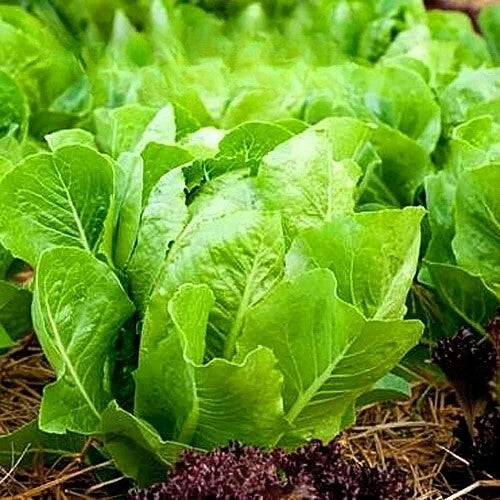
Romaine Lettuce 'White Dunsel' – Seeds (Lactuca sativa)
Romaine Lettuce 'White Dunsel' is a crisp, flavorful variety with pale green, elongated leaves forming a tight, upright head. Its crunchy texture and mild, sweet flavor make it perfect for fresh salads, sandwiches, and wraps.
This variety is fast-growing, reliable, and suitable for spring, summer, and autumn harvests. Ideal for home gardens, raised beds, or containers.
How to Grow
-
Sow outdoors: March – July
-
Depth: 0.5–1 cm
-
Spacing: 20–25 cm between plants, rows 30–35 cm apart
-
Position: Full sun to partial shade
-
Soil: Fertile, well-drained, rich in organic matter
-
Watering: Keep soil consistently moist for tender, crisp leaves
Key Features
-
Crisp, pale green leaves with mild, sweet flavor
-
Forms a tight, upright head
-
Fast-growing and reliable variety
-
Ideal for salads, sandwiches, and wraps
-
Suitable for home gardens, raised beds, and containers
Harvest
-
Harvesting period: 6–8 weeks after sowing
-
Pick outer leaves as needed or harvest entire head when mature.
Short Tip
Succession sow every 2–3 weeks for a continuous supply of fresh leaves.
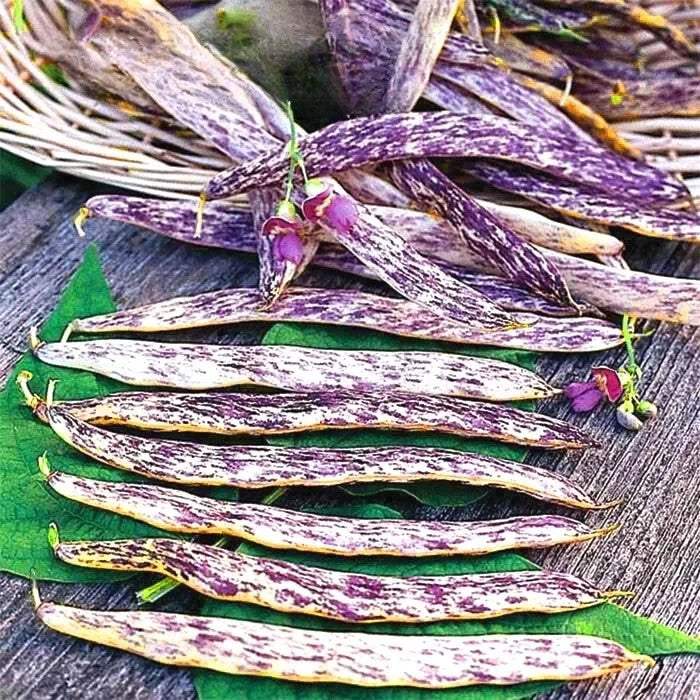
Dwarf Bean 'Merveille de Piemonte' – Seeds
(Phaseolus vulgaris) – Classic French Bush Bean
The 'Merveille de Piemonte' dwarf bean is a traditional French variety valued for its tender, stringless pods with a delicate flavor. Compact and easy to grow, this bush-type bean does not require staking and produces generously over a long harvest period. Perfect for home gardens, allotments, or pots.
Key Features
-
Type: Dwarf bush bean (annual legume)
-
Height: 40–50 cm
-
Pods: Straight, green, stringless, 12–15 cm long
-
Harvest: 55–65 days from sowing
-
Special: High-yielding, tender and flavorful
Ideal For
-
Fresh harvesting and steaming
-
Freezing or preserving
-
Compact gardens and raised beds
-
Classic French kitchen gardens
Sowing & Growing
-
Sow outdoors: May–July, when soil is warm (min. 15°C)
-
Spacing: 40 cm between rows, 5–7 cm between seeds
-
Soil: Fertile, well-drained, moderately moist
-
Sunlight: Full sun
-
Watering: Regular, especially during flowering and pod formation
Care Tips
-
Avoid sowing in cold, wet soil – beans thrive in warmth.
-
Succession sow every 2 weeks for extended harvest.
-
Mulching helps conserve soil moisture.
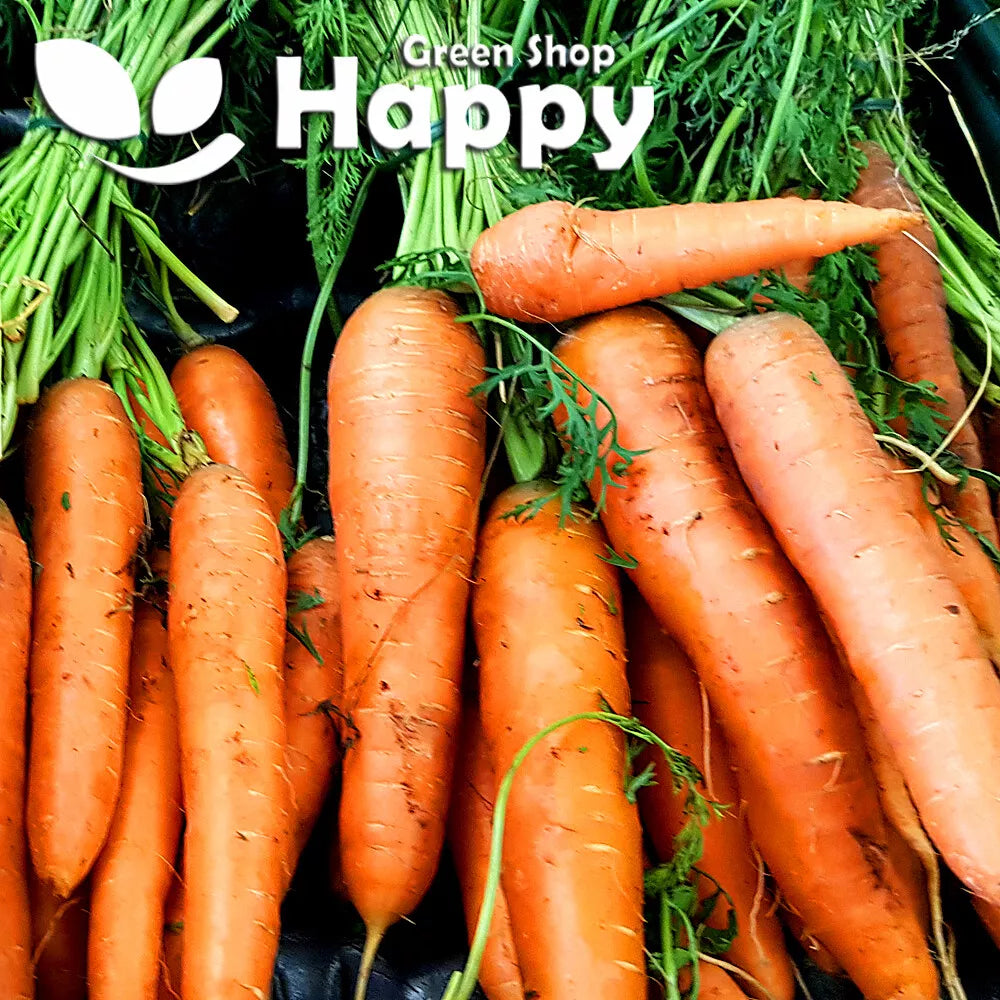
Chantenay Carrot ‘Charisma’ F1 Seeds (Daucus carota)
Grow high-yield, flavorful carrots with Chantenay Carrot ‘Charisma’ F1 (Daucus carota). This uniform, early-maturing variety produces thick, short, orange roots with excellent taste, ideal for fresh salads, cooking, and roasting. Hardy and easy to grow, it’s perfect for kitchen gardens, raised beds, and succession sowing.
How to Grow
-
Sow seeds directly outdoors from early spring to midsummer.
-
Use fertile, well-drained soil in full sun.
-
Sow seeds 1 cm deep and thin seedlings to 5–8 cm apart.
-
Keep soil consistently moist for optimal germination (10–14 days).
-
Harvest roots when fully grown but still tender for best flavor.
Key Features
-
Thick, short, uniform orange roots
-
Early-maturing, high-yield F1 hybrid
-
Sweet and flavorful, perfect for salads, cooking, or roasting
-
Reliable and easy to grow
-
Suitable for succession sowing and continuous harvest
Ideal For
-
Vegetable gardens, raised beds, and allotments
-
Fresh salads, cooking, and roasting
-
Succession sowing for steady harvests
-
Homegrown culinary use
Sowing
-
Best time: Early spring to midsummer outdoors
-
Depth: 1 cm
-
Spacing: Thin to 5–8 cm apart
-
Prefers full sun and fertile, well-drained soil
Quick Tip
-
Sow in successive batches every 2–3 weeks to enjoy a continuous supply of tender, sweet roots.
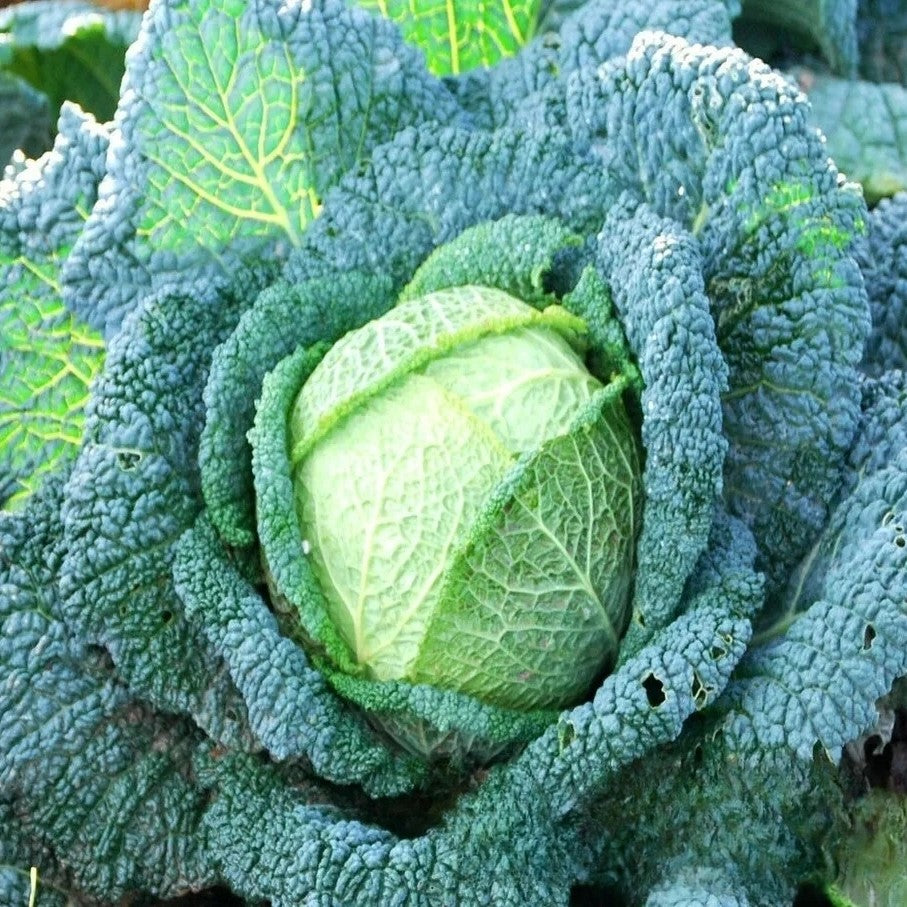
Savoy Cabbage 'Rocket' – Seeds
(Brassica oleracea) – Crisp, Crinkled Leaves & Fast Growth
Savoy Cabbage 'Rocket' is a vigorous, early-maturing variety prized for its tender, crinkled dark-green leaves and compact, dense heads. It delivers a mild, sweet flavor and is ideal for fresh salads, cooking, and steaming. Perfect for home gardens and small-scale cultivation.
Key Features
-
Type: Biennial, grown as annual
-
Heads: Medium-sized, dense, crinkled dark-green leaves
-
Flavor: Mild, sweet, tender
-
Harvest: Early to mid-season
-
Use: Salads, cooking, steaming, stir-fries, freezing
Ideal For
-
Home gardens and allotments
-
Early harvest for fresh culinary use
-
Succession planting for continuous supply
-
Gourmet cooking and healthy meals
Sowing & Growing
-
Sow indoors: February–April for transplanting.
-
Sow outdoors: March–May for summer harvest.
-
Spacing: 45–50 cm between plants, 60–70 cm between rows.
-
Soil: Fertile, well-drained soil with added compost.
-
Sunlight: Full sun for best growth.
-
Harvest: When heads are firm and well-formed.
Care Tips
-
Keep soil consistently moist to prevent splitting.
-
Protect seedlings from cabbage root fly and caterpillars.
-
Fertilize moderately for dense heads.
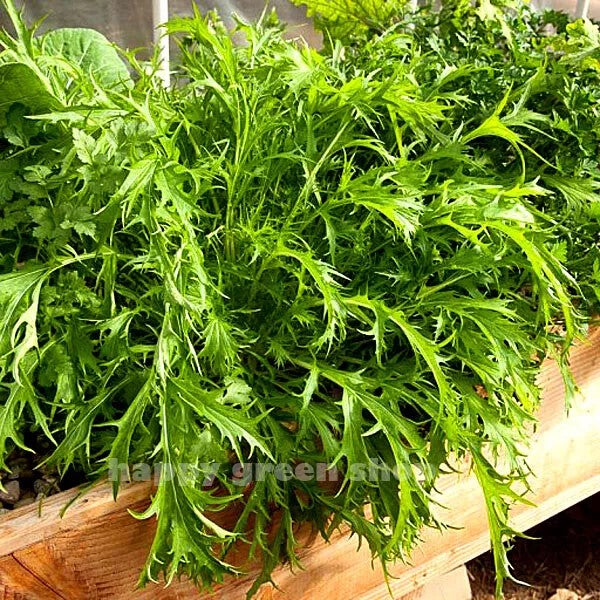


Mizuna – Seeds (Brassica rapa var. japonica)
A staple of Japanese cuisine, Mizuna is a fast-growing leafy green with elegant, feathery leaves and a mild, peppery flavor. Often used in salads, stir-fries, and soups, it’s highly versatile and easy to grow. Mizuna is also very cold-tolerant, making it an excellent choice for year-round harvests, especially in spring and autumn.
How to Grow
-
Sow outdoors from March to September or under cover in winter for year-round harvest.
-
Sow thinly, 0.5 cm deep, in rows 15–20 cm apart.
-
Prefers moist, fertile, well-drained soil in sun or partial shade.
-
Harvest leaves young for salads or allow plants to mature for cooking.
Key Features
-
Japanese mustard green with feathery leaves
-
Mild, peppery taste – great for salads, stir-fries & soups
-
Fast-growing and highly productive
-
Cold-hardy and suitable for year-round cultivation
-
Cut-and-come-again variety for continuous harvest
Ideal For
-
Asian-inspired cooking
-
Salads, soups, and stir-fries
-
Kitchen gardens, raised beds, or containers
-
Succession sowing for steady supply
Sowing & Harvest
-
Sow: March to September (under cover in winter)
-
Depth: 0.5 cm
-
Spacing: 15–20 cm
-
Harvest: 3–6 weeks after sowing
Quick Tip
-
Regular harvesting of young leaves will extend the cropping period and prevent the plants from bolting.
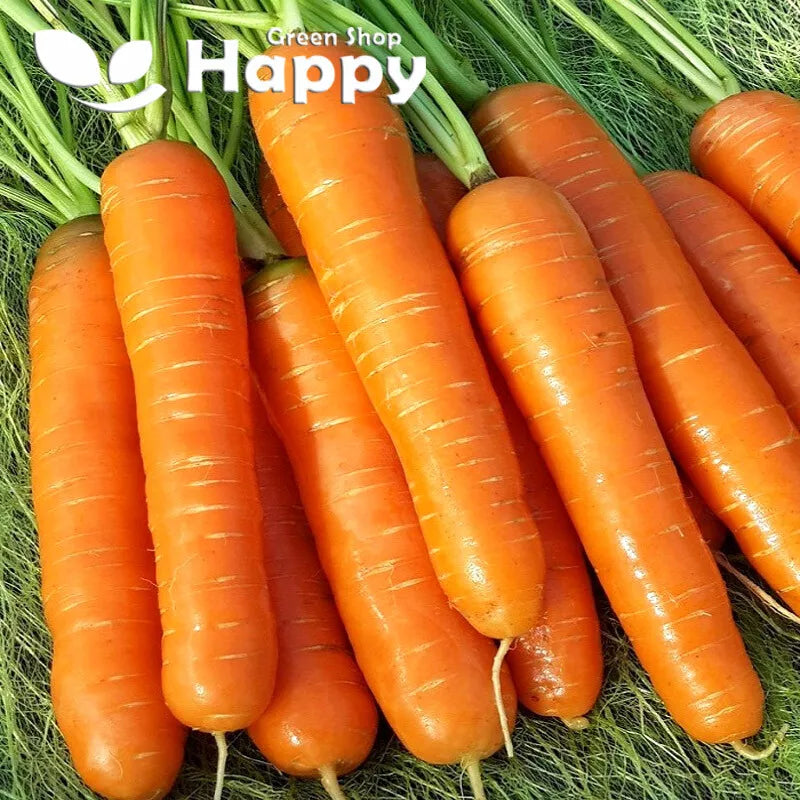
Carrot ‘Cortina’ F1 Seeds (Daucus carota)
Grow sweet, uniform carrots with Carrot ‘Cortina’ F1 (Daucus carota). This early-maturing hybrid produces smooth, tapered, bright orange roots with excellent flavor, perfect for fresh salads, cooking, and roasting. Hardy and highly productive, it’s ideal for vegetable gardens, raised beds, and succession sowing for a continuous harvest.
How to Grow
-
Sow seeds directly outdoors from early spring to midsummer.
-
Use fertile, well-drained soil in full sun.
-
Sow seeds 1 cm deep and thin seedlings to 5–8 cm apart.
-
Keep soil consistently moist for optimal germination (10–14 days).
-
Harvest roots when fully grown but still tender for best flavor.
Key Features
-
Smooth, tapered, bright orange roots
-
Early-maturing and high-yield F1 hybrid
-
Sweet and flavorful, ideal for salads, cooking, and roasting
-
Reliable and easy to grow
-
Suitable for succession sowing for continuous harvest
Ideal For
-
Vegetable gardens, raised beds, and allotments
-
Fresh salads, cooking, and roasting
-
Succession sowing for steady harvests
-
Homegrown culinary use
Sowing
-
Best time: Early spring to midsummer outdoors
-
Depth: 1 cm
-
Spacing: Thin to 5–8 cm apart
-
Prefers full sun and fertile, well-drained soil
Quick Tip
-
Sow in successive batches every 2–3 weeks for a continuous supply of sweet, tender carrots.
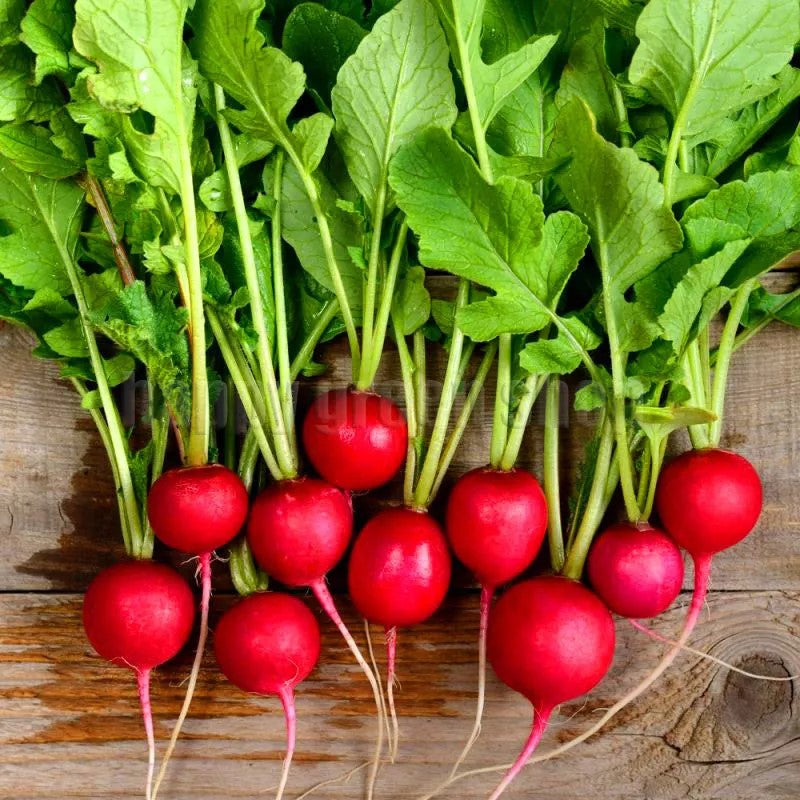
Radish ‘Ria’ – Seeds (Raphanus sativus)
Radish ‘Ria’ is a fast-growing, reliable variety producing uniform round roots with bright red skin and crisp, white flesh. Known for its mild, refreshing flavor, this radish is perfect for quick harvests and fresh salads. It matures rapidly, making it an excellent choice for successional sowing and continuous cropping throughout spring and summer.
How to Grow
-
Sow direct outdoors: March – September in finely prepared soil.
-
Sow thinly in rows, 1 cm deep, leaving 10 cm between rows.
-
Thin seedlings to 2–3 cm apart.
-
Water regularly to avoid woody or split roots.
Key Features
-
Fast-maturing and easy to grow
-
Round, bright red roots with crisp white flesh
-
Mild, refreshing flavor
-
Suitable for successional sowing
-
Perfect for beginner gardeners
Ideal For
-
Fresh salads and snacks
-
Quick harvests in spring and summer
-
Container growing or open ground
Sowing & Harvest
-
Sow: March – September
-
Harvest: April – October (as little as 3–4 weeks after sowing)
Quick Tip
Sow little and often for a steady supply of tender radishes all season.
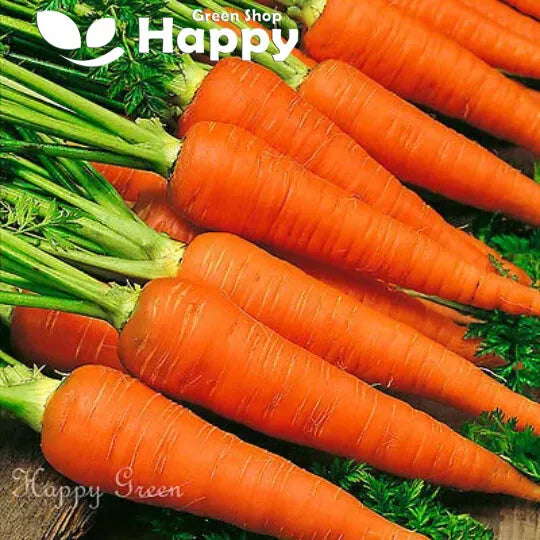
Carrot 'Early Nantes 3' – Seeds (Daucus carota)
The classic Carrot 'Early Nantes 3' is a reliable, early-maturing variety producing smooth, cylindrical roots with a bright orange color and sweet, tender flesh. Known for its uniform shape and excellent flavor, it’s perfect for fresh eating, juicing, steaming, or roasting. A favorite among gardeners, this variety is easy to grow and ideal for successional sowing throughout the season.
How to Grow
-
Sow seeds outdoors from March to July.
-
Sow thinly, 1 cm deep, in finely prepared soil, in rows 20–30 cm apart.
-
Thin seedlings to 5–8 cm spacing for well-formed roots.
-
Prefers light, well-drained soil in full sun.
-
Keep soil moist to prevent splitting.
Key Features
-
Classic early Nantes variety
-
Smooth, uniform, cylindrical roots
-
Sweet, tender flesh with excellent flavor
-
Quick to mature and high-yielding
-
Great for successional sowing
Ideal For
-
Fresh eating and juicing
-
Steaming, roasting, or soups
-
Succession sowing for extended harvests
-
Kitchen gardens, raised beds, and allotments
Sowing & Harvest
-
Sow: March to July
-
Depth: 1 cm
-
Spacing: 5–8 cm between plants, 20–30 cm between rows
-
Harvest: June to October
Quick Tip
-
Sow little and often every 2–3 weeks for a continuous supply of tender carrots.
Showing 18/30


