
Sort by:
52 products
52 products
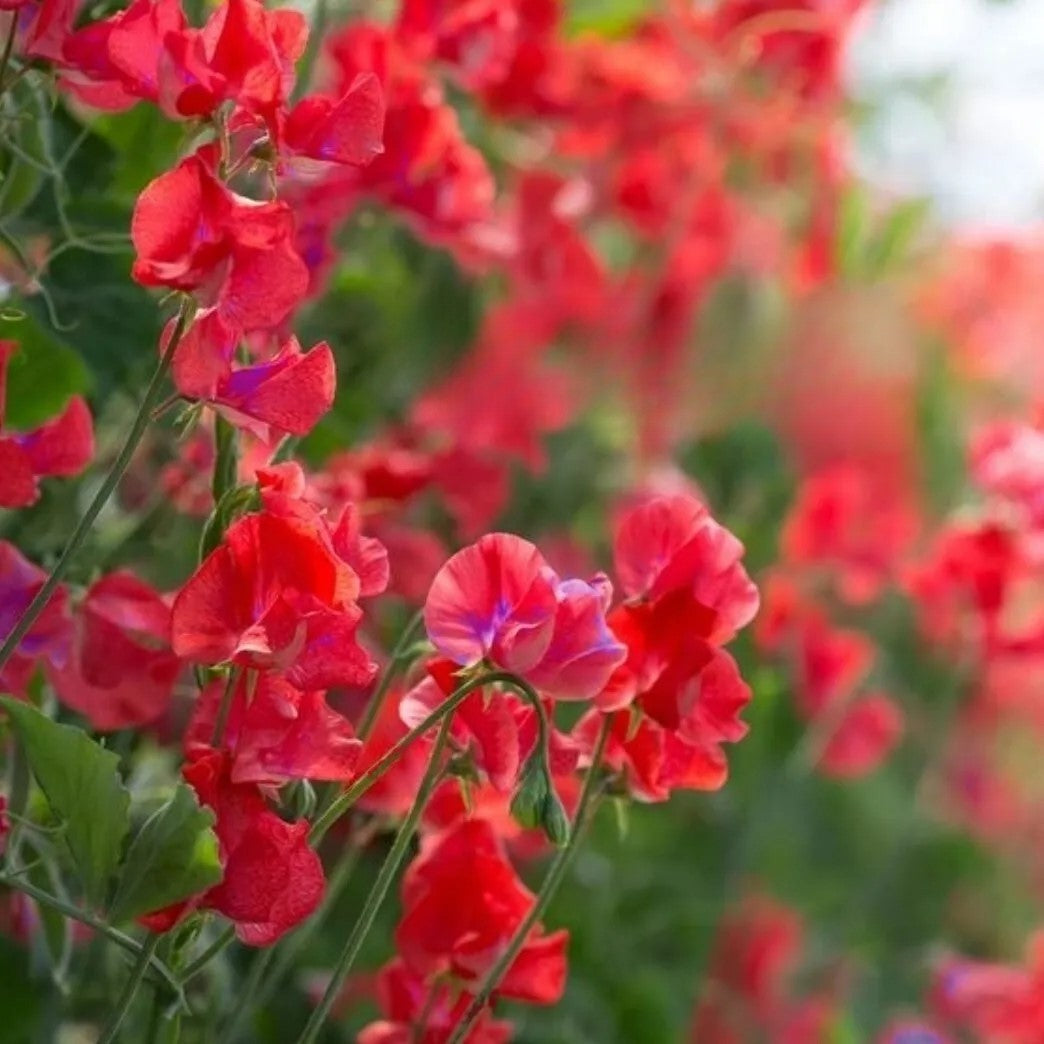
Sweet Pea "Philip Miller Red" Seeds (Lathyrus odoratus)
Bring a touch of timeless elegance to your garden with Sweet Pea "Philip Miller Red". This classic variety is celebrated for its large, vibrant crimson-red flowers and strong fragrance. A vigorous climber, it creates a stunning display on trellises, arches, or fences and produces long stems perfect for cutting.
Why Grow "Philip Miller Red"
-
Striking deep crimson-red blooms
-
Strong, sweet fragrance
-
Excellent cut flower variety
-
Traditional heritage sweet pea
Key Features
-
Type: Hardy annual
-
Height: 180–240 cm (climber)
-
Flowering: June–September
-
Position: Full sun
-
Uses: Trellises, fences, arches, cut flowers
Sowing & Growing
-
Sow indoors: January–April in pots/trays
-
Sow outdoors: April–May directly in soil
-
Germination: 10–20 days at 15–20°C
-
Plant out after last frost, spacing 20–30 cm
-
Provide climbing support
-
Regular deadheading encourages more blooms
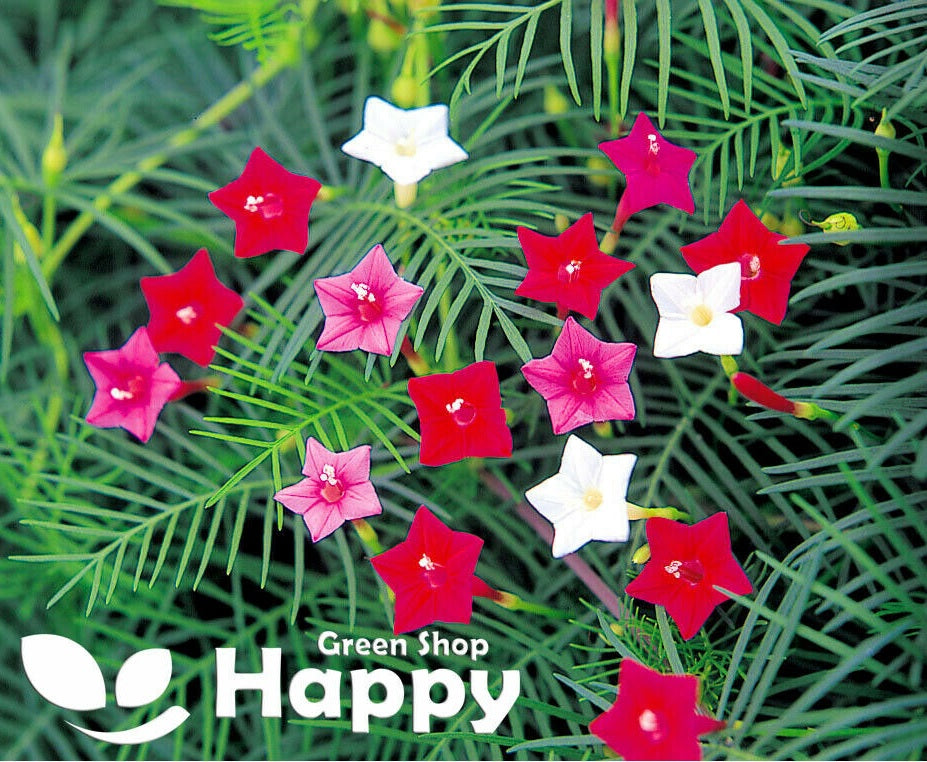
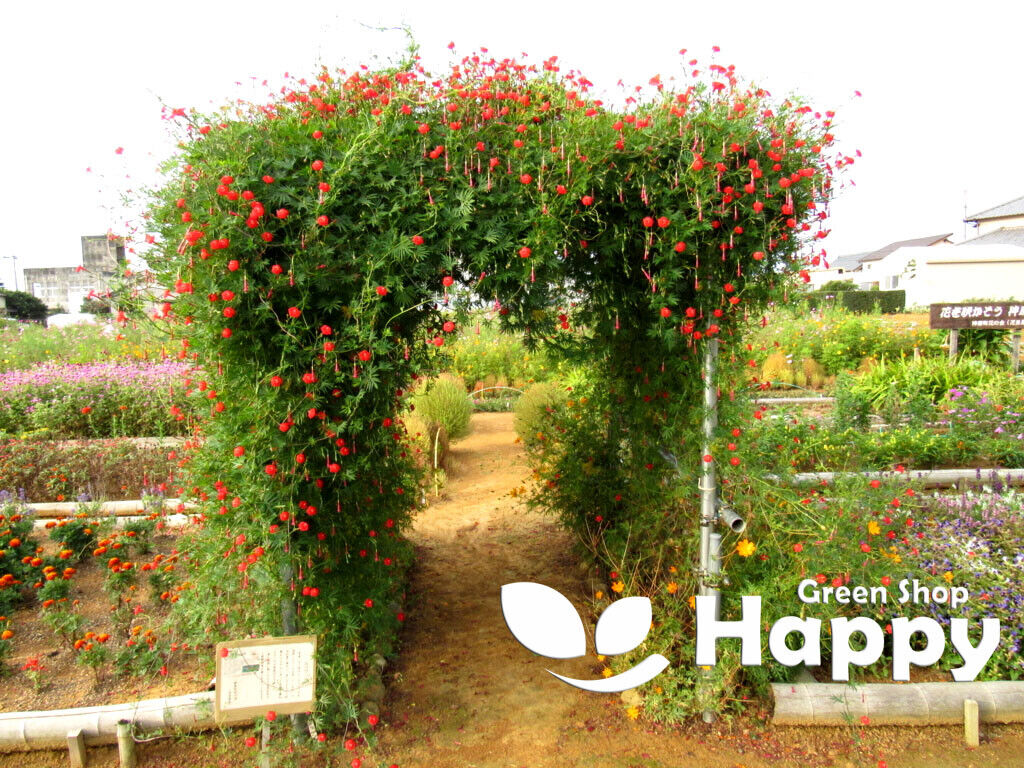

Morning Glory Cypress Vine Red – Seeds (Ipomoea pennata Quamoclit)
Morning Glory Cypress Vine Red is a fast-growing annual climber that combines delicate, feathery foliage with a profusion of small, star-shaped scarlet-red blooms. Flowering all summer, it’s a favorite for attracting hummingbirds, butterflies, and bees. Perfect for trellises, fences, arches, and pergolas, this vine creates a stunning vertical display while remaining easy to grow.
Why Grow "Cypress Vine Red"
-
Abundant star-shaped scarlet flowers
-
Attractive fern-like foliage for added texture
-
Fast-growing annual climber
-
Attracts hummingbirds, butterflies, and bees
Key Features
-
Type: Annual climber (Ipomoea pennata Quamoclit)
-
Height: Up to 2–3 m
-
Flowering: Summer to early autumn
-
Position: Full sun
-
Uses: Trellises, arches, fences, pergolas, pollinator-friendly gardens
Ideal For
-
Vertical interest in borders and gardens
-
Wildlife and pollinator-friendly planting
-
Covering fences, trellises, and arches quickly
-
Gardeners seeking a showy yet low-maintenance climber
Sowing & Growing
-
Sow indoors: 4–6 weeks before last frost
-
Sow outdoors: After frost danger has passed
-
Germination: 10–21 days (soak seeds before sowing)
-
Space seedlings: 30 cm apart
-
Prefers full sun and well-drained soil
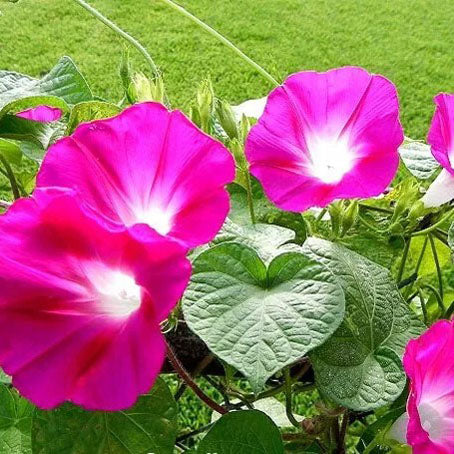
Morning Glory 'Crimson Rambler' Seeds (Ipomoea purpurea)
Add dramatic vertical color to your garden with Morning Glory 'Crimson Rambler'. This vigorous climber produces abundant, trumpet-shaped, deep crimson flowers that open in the morning and attract pollinators. Ideal for trellises, fences, and pergolas, it creates a stunning, fast-growing floral display all summer long.
Why Grow 'Crimson Rambler'
-
Stunning deep crimson, trumpet-shaped flowers
-
Fast-growing climber, perfect for vertical spaces
-
Attracts bees and butterflies
Key Features
-
Botanical name: Ipomoea purpurea
-
Type: Annual climber
-
Height: 250–300 cm
-
Flowering: Summer
-
Position: Full sun
-
Uses: Trellises, fences, pergolas, decorative screens
Sowing & Growing
-
Sow indoors: March–April in pots or trays
-
Sow outdoors: April–May after last frost
-
Germination: 7–14 days at 18–22°C
-
Provide support for climbing
-
Prefers well-drained soil and full sun
Sweet Pea 'Prima Ballerina Tricolor' Seeds (Lathyrus odoratus)
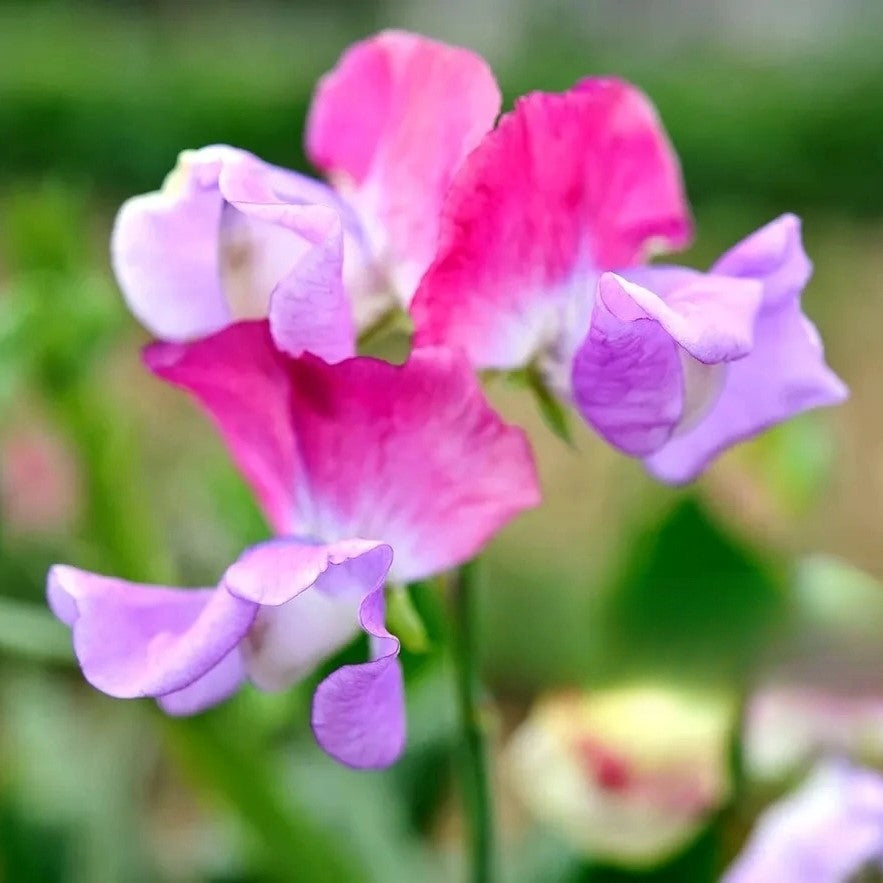
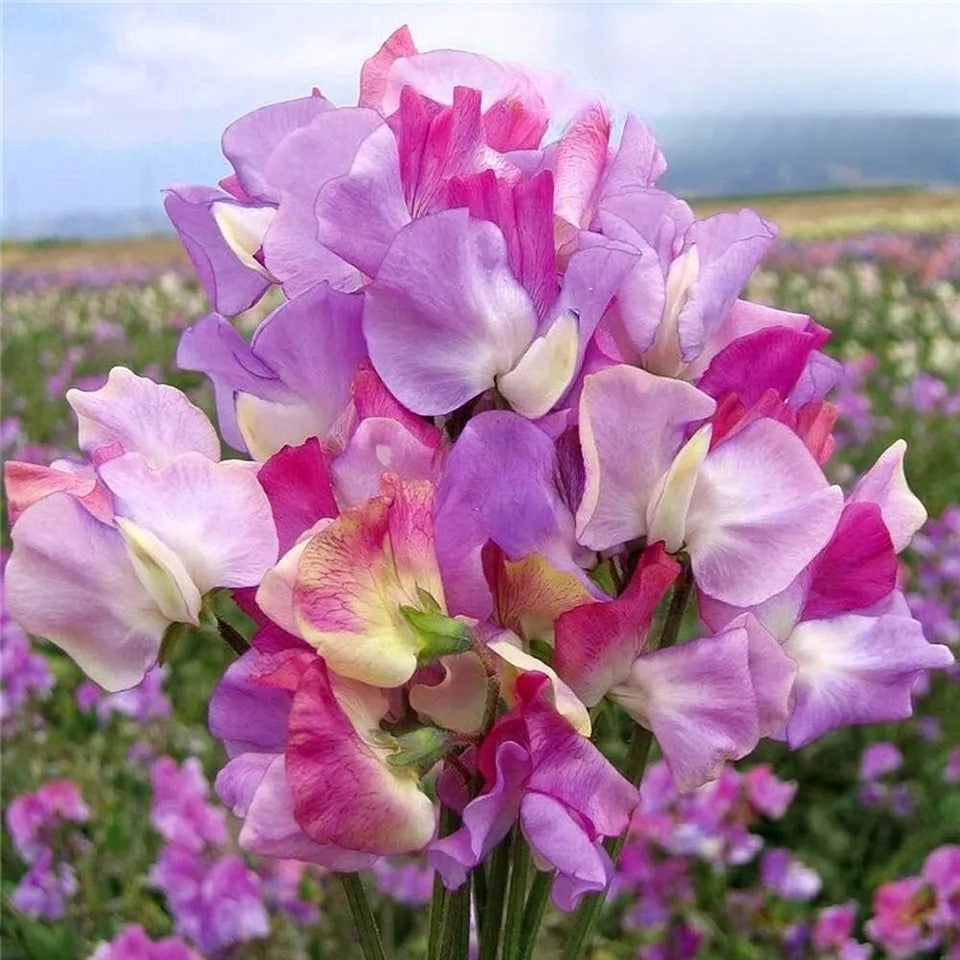
A striking and elegant variety, Sweet Pea 'Prima Ballerina Tricolor' delights with its unique mix of pink, white, and lilac blooms. These beautifully ruffled flowers carry the classic sweet pea fragrance, making them a favorite for both gardens and cut flower arrangements. A vigorous climber, it’s perfect for trellises, arches, and fences, adding vertical color and charm all summer long.
Why Grow 'Prima Ballerina Tricolor'
-
Distinctive tricolor blooms in soft pink, lilac, and white
-
Classic sweet pea fragrance
-
Ideal for cutting – long stems and elegant flowers
Key Features
-
Type: Hardy annual
-
Height: 180–240 cm (climber)
-
Flowering: June–September
-
Position: Full sun
-
Uses: Trellises, fences, cut flowers, cottage gardens
Sowing & Growing
-
Sow indoors: January–April in pots or trays
-
Sow outdoors: April–May in prepared soil
-
Germination: 10–20 days at 15–20°C
-
Plant out after frost, spacing 20–30 cm apart
-
Provide support for climbing
-
Deadhead regularly for continuous flowering
Morning Glory ‘Ensign’ Mixed – Seeds (Convolvulus tricolor)
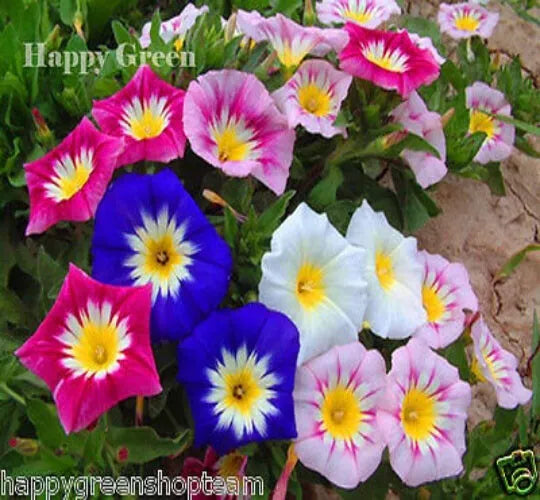
The Morning Glory ‘Ensign’ Mixed is a compact, dwarf variety of Convolvulus tricolor that produces a cheerful mix of blue, white, and pink trumpet-shaped blooms with bright yellow centers. Unlike climbing morning glories, this variety forms neat, bushy plants that are ideal for bedding, borders, and containers. Its vivid flowers open in the morning sun and provide an eye-catching display all summer long.
What Makes It Special
-
Compact, non-climbing morning glory variety
-
Striking tricolor blooms in blue, white, and pink with golden centers
-
Long-flowering, hardy, and easy to grow
-
Perfect for containers, borders, and mass planting
Key Features
-
Botanical name: Convolvulus tricolor
-
Variety: Morning Glory ‘Ensign’ Mixed
-
Seed count: Approx. seeds per pack
-
Height/Spread: 20–30 cm tall, spreading 25 cm
-
Position: Full sun; well-drained soil
-
Flowering period: Summer to early autumn
Ideal For
-
Bedding displays and borders
-
Patio containers and window boxes
-
Rock gardens and sunny spots
-
Seasonal pollinator-friendly gardens
Sowing Instructions
-
When to sow: March–May indoors, or April–June outdoors after frost
-
How to sow:
-
Sow seeds 0.5 cm deep in trays or directly into prepared soil
-
Keep soil lightly moist until germination (7–14 days)
-
Prefers warm, sunny conditions
-
-
After germination:
-
Thin seedlings to 20–25 cm apart
-
Pinch tips for bushier growth if desired
-
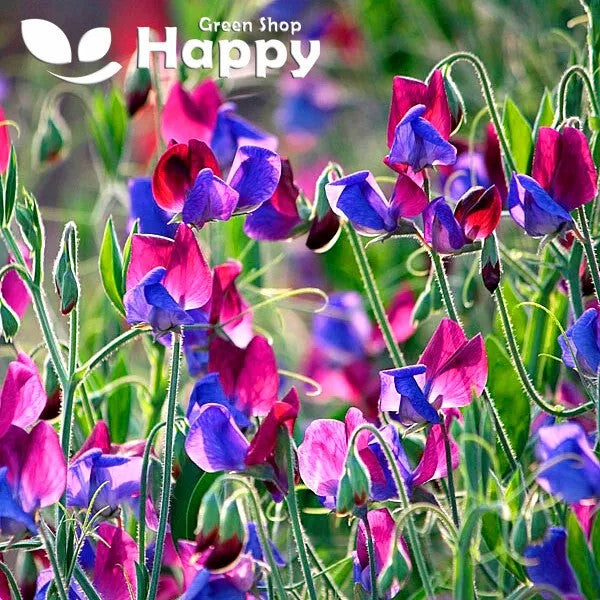
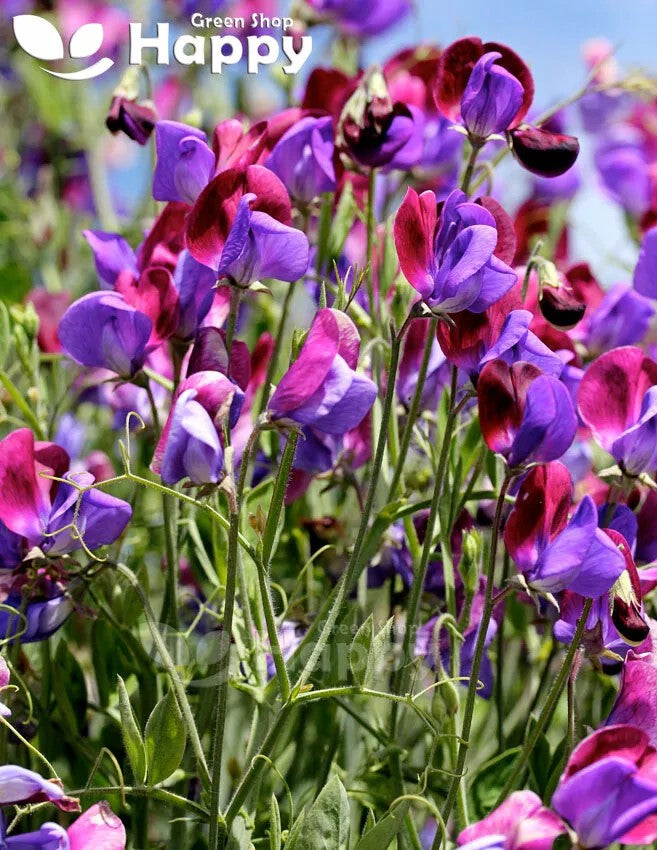
Lathyrus odoratus 'Cupani' is a historic Old Spice sweet pea renowned for its exceptionally strong fragrance and distinctive bicoloured flowers. Each bloom combines rich maroon with deep violet-purple to blue-purple tones, creating the classic appearance associated with this old-fashioned sweet pea.
A vigorous annual climber reaching around 1.8–2.2 m, 'Cupani' is ideal for trellises, arches, obelisks and cottage garden planting. Its intensely scented flowers are excellent for cutting, and frequent picking encourages plants to continue producing fresh blooms throughout the flowering season.
● Exceptionally strong, classic sweet pea fragrance
● Striking maroon and deep violet-purple bicoloured flowers
● Historic old-fashioned variety with distinctive character
● Excellent scented cut flower for bouquets and arrangements
● Vigorous climber providing summer colour and fragrance
● Scented gardens
● Cottage gardens
● Cut flower gardens
● Trellises and obelisks
● Garden arches and climbing supports
● For earlier flowering, sow in autumn and overwinter young plants in a cold frame or unheated greenhouse; spring sowing from late winter to early spring is also reliable.
● Sweet peas develop a deep root system, so use root trainers or deep pots when sowing under cover to give roots room to develop with minimal disturbance.
● To improve germination of hard-coated seeds, place them on moist kitchen paper until they swell before sowing; stubborn seeds can be carefully chipped opposite the seed scar. Soaking overnight is possible, but prolonged soaking can increase the risk of rotting.
● Pinch out the growing tip when seedlings reach approximately 7.5–10 cm (3–4 in) to encourage strong side shoots and bushier growth.
● Pick flowers frequently and remove fading blooms before seed pods develop, as allowing pods to mature reduces further flower production.
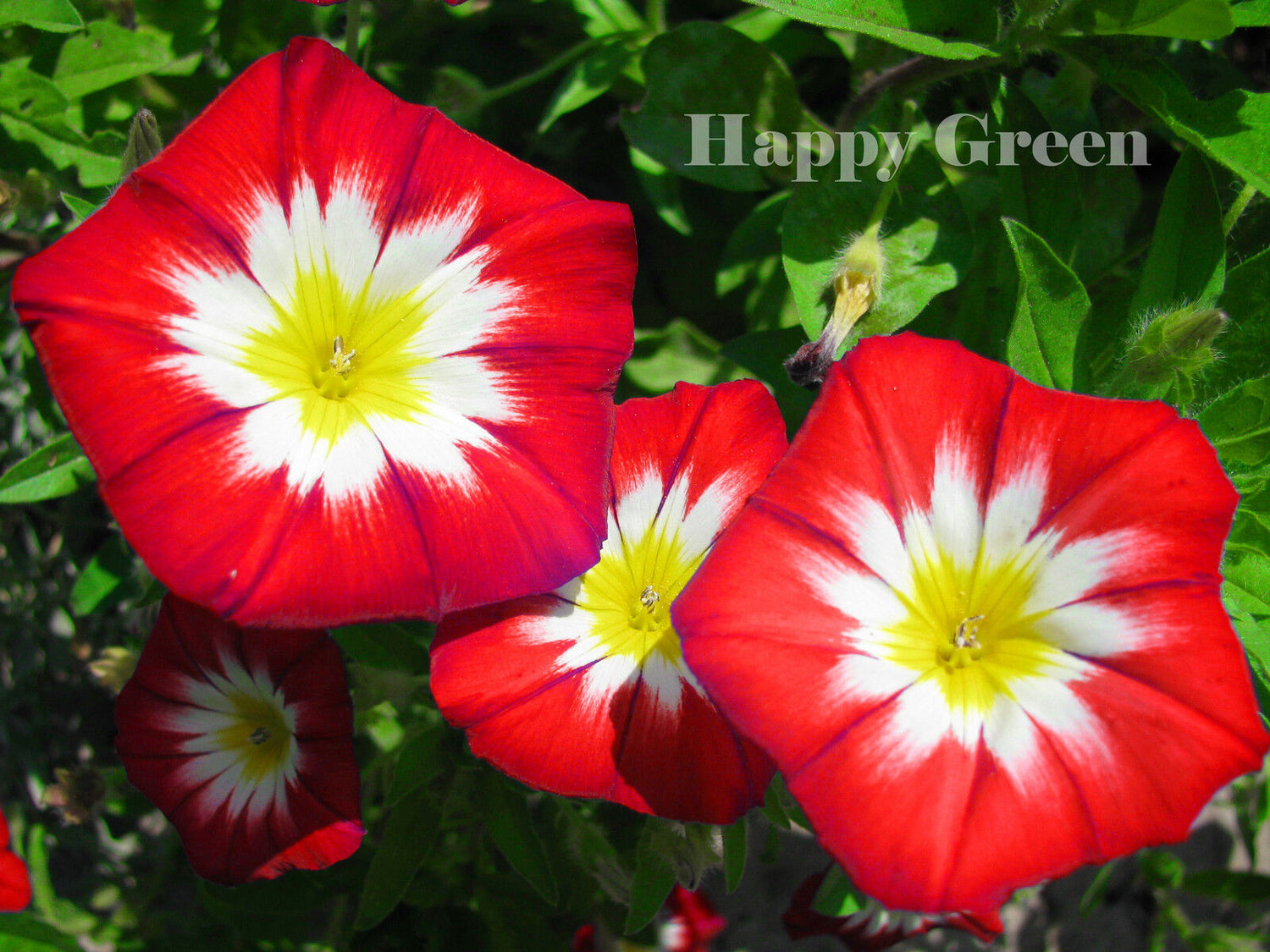
Convolvulus tricolor 'Red Ensign', commonly known as Dwarf Morning Glory, is a compact annual producing striking trumpet-shaped flowers in a rich wine-red to crimson shade. Each bloom has a beautifully contrasting white ring surrounding a bright golden-yellow centre, creating the distinctive three-coloured pattern for which this species is known.
Unlike climbing morning glories, Red Ensign forms a low, bushy to gently spreading plant rather than a tall vine. Growing approximately 20–30 cm tall, it is particularly attractive in patio pots, window boxes, hanging baskets and at the front of sunny borders. Fresh flowers are produced continually through summer, opening particularly well in warm, bright sunshine and creating a vivid display over the neat green foliage.
● Striking wine-red to crimson trumpet-shaped flowers
● Distinctive white ring and brilliant golden-yellow centre
● Compact, low-growing habit rather than a tall climbing vine
● Produces fresh flowers continuously throughout summer
● Excellent for pots, window boxes, baskets and border edges
● Patio pots and containers
● Window boxes
● Hanging baskets
● Front of sunny borders
● Rock and gravel gardens
● Soak the hard-coated seeds in lukewarm water for approximately 24 hours before sowing to encourage faster and more even germination.
● When starting indoors, sow individually into small pots or modules and minimise root disturbance when planting out, as Convolvulus does not appreciate repeated transplanting.
● Choose a warm position with plenty of direct sunshine. The distinctive flowers open best in bright, sunny conditions and may partially close during dull or cool weather.
● Avoid overly rich soil and excessive feeding; freely draining, moderately fertile soil encourages compact growth and abundant flowering.
● The gently spreading habit makes Red Ensign particularly effective near container edges, in window boxes and hanging baskets where flowering shoots can naturally spread outward.
Showing 52/52


