
Sort by:
914 products
914 products
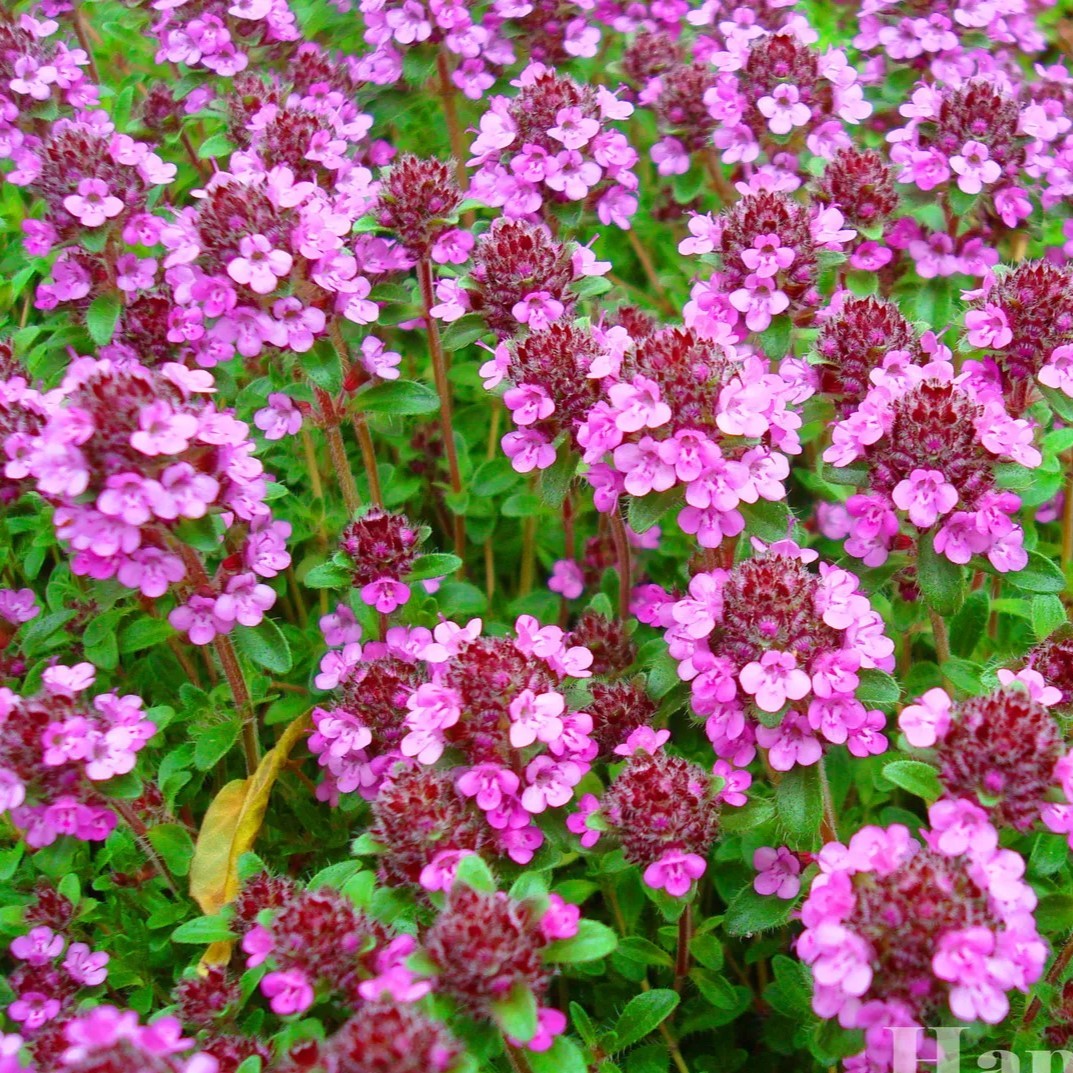
Creeping Thyme Seeds (Thymus serpyllum)
A fragrant and low-growing perennial, Creeping Thyme forms a dense mat of tiny evergreen leaves topped with clusters of purple-pink blooms in summer. Hardy and drought-tolerant, it’s ideal as ground cover, for filling gaps between paving stones, or spilling over rock walls. Highly attractive to bees and pollinators, it’s both ornamental and practical.
What Makes It Special
-
Fragrant foliage and carpets of summer blooms
-
Hardy, drought-tolerant, and evergreen ground cover
-
Attracts bees, butterflies, and pollinators
Key Features
-
Botanical name: Thymus serpyllum
-
Hardy perennial, evergreen
-
Height: 5–10 cm (2–4 in)
-
Bloom time: Summer
Ideal For
-
Ground cover and edging
-
Rock gardens and between paving stones
-
Pollinator-friendly landscapes and herb gardens
Sowing
-
Sow indoors Feb–Apr or outdoors Apr–Jun
-
Surface sow; press seeds gently, do not cover deeply
-
Keep moist until germination (14–28 days at 15–20°C)
-
Thin seedlings 15–20 cm apart
-
Flowers the second year after sowing
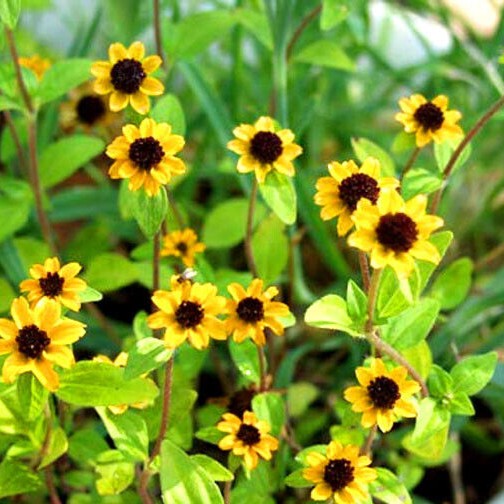
Creeping Zinnia Seeds (Sanvitalia procumbens)
Creeping Zinnia is a charming, low-growing, trailing annual with masses of small, golden-yellow daisy-like blooms with dark centers. Perfect for ground cover, hanging baskets, containers, or edging garden beds, this hardy little flower provides a cheerful carpet of color all summer long.
What Makes It Special
-
Trailing, creeping habit – great for hanging baskets and ground cover
-
Produces hundreds of miniature sunflower-like blooms
-
Heat- and drought-tolerant once established
-
Long-lasting summer color with minimal care
Key Features
-
Botanical name: Sanvitalia procumbens
-
Common name: Creeping Zinnia
-
Seed count: Approx. seeds per pack
-
Height/Spread: 15–25 cm tall, spreading up to 30–40 cm
-
Position: Full sun; well-drained soil
-
Flowering period: June–October
Ideal For
-
Hanging baskets and containers
-
Rock gardens and edging borders
-
Ground cover in sunny beds
-
Adding bright, low-maintenance summer color
Sowing Instructions
-
When to sow: March–May indoors; May–June outdoors
-
How to sow:
-
Sow thinly on the surface of moist compost and cover lightly with fine soil or vermiculite
-
Keep at 18–22°C; germination takes 7–14 days
-
-
Transplanting: Prick out seedlings when large enough; plant outside after frost
-
Care: Prefers sunny, well-drained sites; water regularly until established; thrives in poor soils.
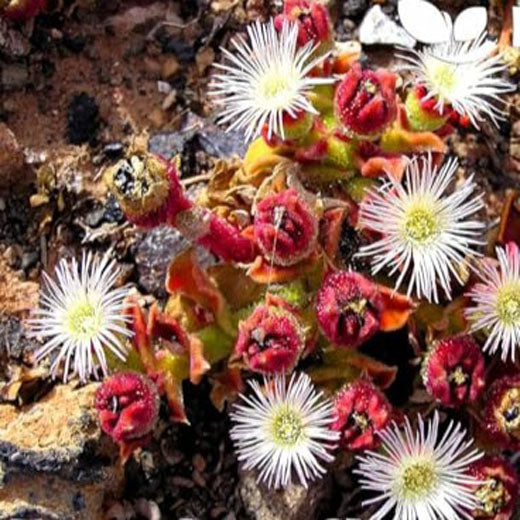
Crystalline Ice Plant – Seeds
(Mesembryanthemum crystallinum)
Crystalline Ice Plant is a succulent annual with shimmering, fleshy leaves that appear frosted with glistening crystals. Its small, delicate flowers bloom in summer, adding color and texture to rockeries, containers, and drought-tolerant gardens. Easy to grow and highly resilient, it’s perfect for sunny, well-drained spots.
Why Grow Crystalline Ice Plant?
-
Frosted, succulent leaves with a crystalline appearance
-
Small, delicate summer flowers
-
Drought-tolerant and low-maintenance
-
Ideal for rockeries, containers, and sunny gardens
Key Features
-
Type: Annual succulent
-
Height: 15–25 cm
-
Flowers: Summer
-
Position: Full sun
-
Soil: Well-drained, sandy or rocky
Ideal For
-
Rockeries, alpine gardens, and succulent collections
-
Containers and decorative beds
-
Low-maintenance and drought-tolerant gardens
-
Sunny, well-drained garden spots
Sowing & Growing
-
Sow indoors: February–April in seed trays
-
Sow outdoors: April–May in prepared soil
-
Germination: 10–20 days at 18–22°C
-
Spacing: 15–20 cm apart
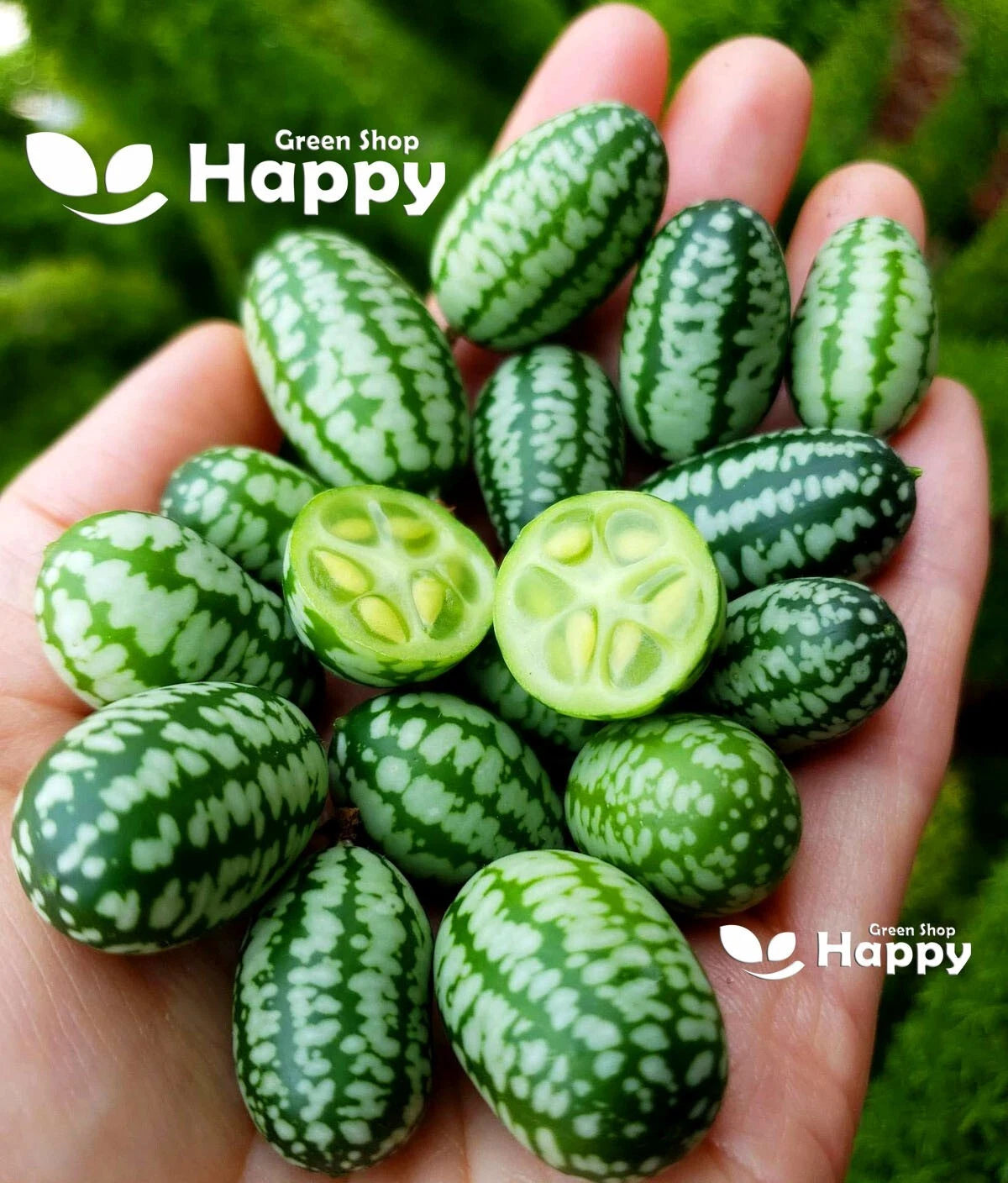
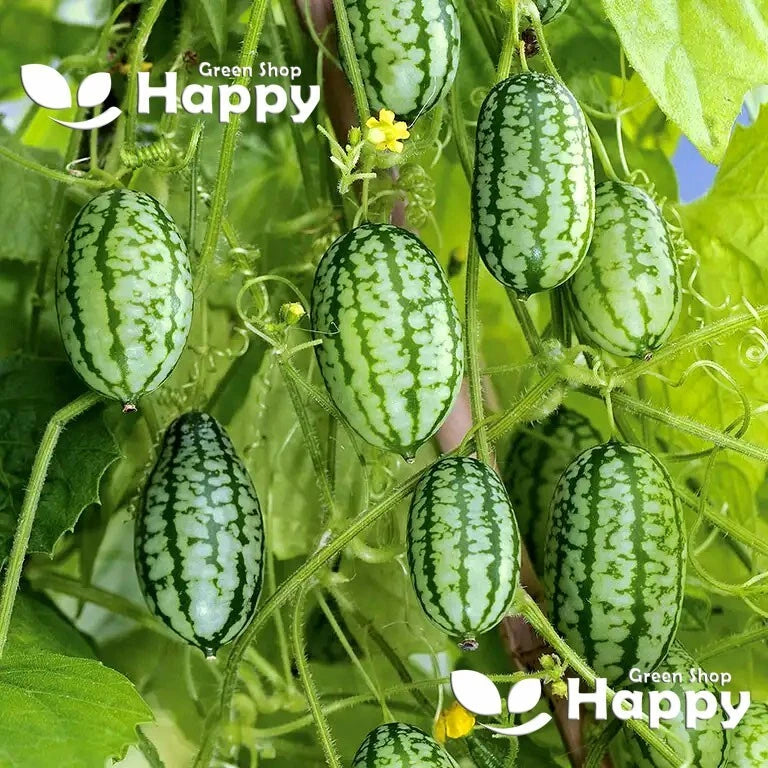
Cucamelon 'Mouse Melon' – Seeds (Melothria scabra)
The quirky and delicious Cucamelon, also known as the Mouse Melon or Mexican Sour Gherkin, produces miniature watermelon-lookalike fruits with a refreshing cucumber-like taste and a hint of citrus. These grape-sized fruits are perfect for snacking, adding to salads, or pickling. Easy to grow and highly productive, they are a fun and unique addition to any kitchen garden.
How to Grow
-
Sow indoors from April to May in pots at 20–24°C.
-
Sow 1 cm deep in moist compost.
-
Transplant seedlings into larger pots or outdoors after the last frost.
-
Train plants to climb trellises or supports for the best yield.
-
Harvest fruits when grape-sized and firm.
Key Features
-
Produces tiny fruits resembling watermelons
-
Refreshing cucumber flavor with a citrus twist
-
High-yielding and easy to grow
-
Decorative and fun addition to gardens
-
Perfect for snacking, salads, and pickling
Ideal For
-
Healthy snacking straight from the vine
-
Adding crunch and flavor to salads
-
Homemade pickles and preserves
-
Gardeners looking for unusual and exciting crops
Sowing & Harvest
-
Sow: April to May (indoors)
-
Plant out: Late May to June
-
Spacing: 30–40 cm apart
-
Harvest: July to October
Quick Tip
-
Grow Cucamelons on a trellis or in hanging baskets to make harvesting easier and keep fruits clean.
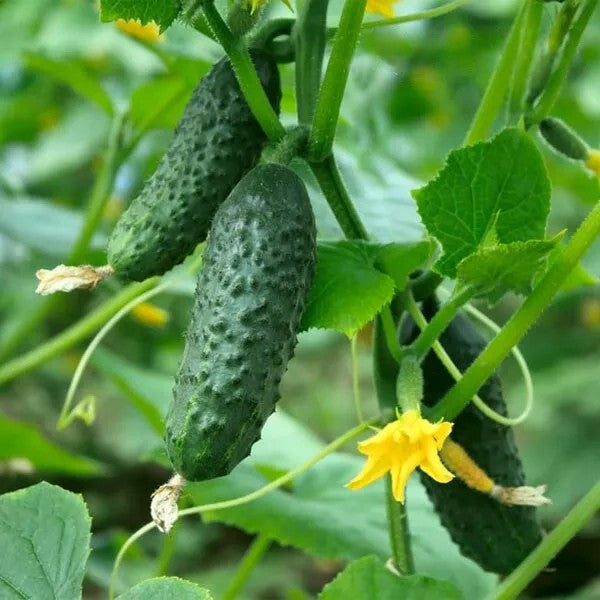
🥒 Cucumis sativus Cucumber ‘Piccolo di Parigi’ – Traditional French Pickling Cucumber with Crisp Texture
‘Piccolo di Parigi’ is a classic French heirloom cucumber variety prized for its short, cylindrical fruits with dark green skin and crisp, firm flesh. Traditionally grown for pickling and gherkins, it is equally delicious when harvested young for fresh eating. Fast-growing and very productive, this variety produces an abundance of uniform fruits throughout summer and performs well in greenhouses, polytunnels and warm outdoor positions.
Key Features
● Traditional French pickling cucumber variety
● Short, dark green fruits with crisp flesh
● Excellent for gherkins and pickling
● High-yielding and fast-growing plants
● Suitable for greenhouse and outdoor growing
How to Sow & Grow Cucumber ‘Piccolo di Parigi’ (UK)
Sow indoors: IV (April)
Transplant outdoors: V–VI (May–June) after last frost
Direct outdoors: V–VI (May–June) in warm soil
Harvest: VII–IX (July–September)
Life cycle: Annual
Germination temperature: 20–25 °C (68–77 °F)
Average germ time: 7–10 days
Depth: 2–3 cm (1 in)
Light required: Yes
Moisture: Regular watering; keep soil evenly moist
Environment: Full sun (warm, sheltered position)
Soil type: Fertile, well-drained soil rich in organic matter
Plant spacing: 40–50 cm (16–20 in)
Fruit length: 8–12 cm (3–5 in)
Sowing & Growing Tips (variety-specific)
● Harvest fruits young and regularly to encourage continued cropping.
● Feed weekly once flowering begins for best yields.
● Grow vertically with support to save space and improve fruit quality.
● Avoid cold conditions and protect from frost.
● Ideal for traditional homemade pickles and gherkins.
Special Features
● Authentic French pickling cucumber
● Crisp texture and mild flavour
● Heavy cropping throughout summer
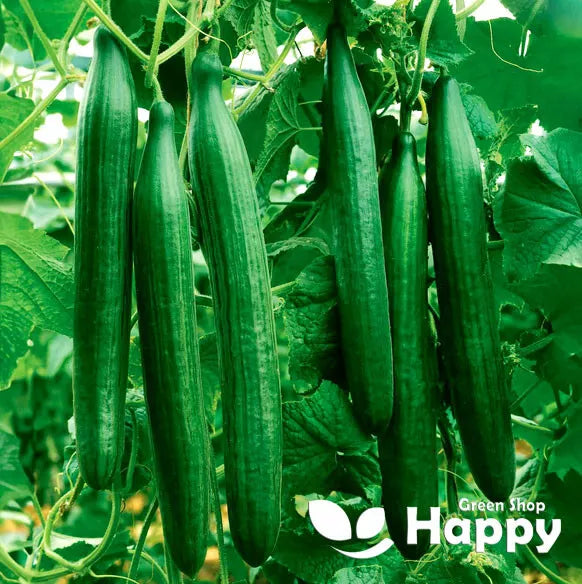
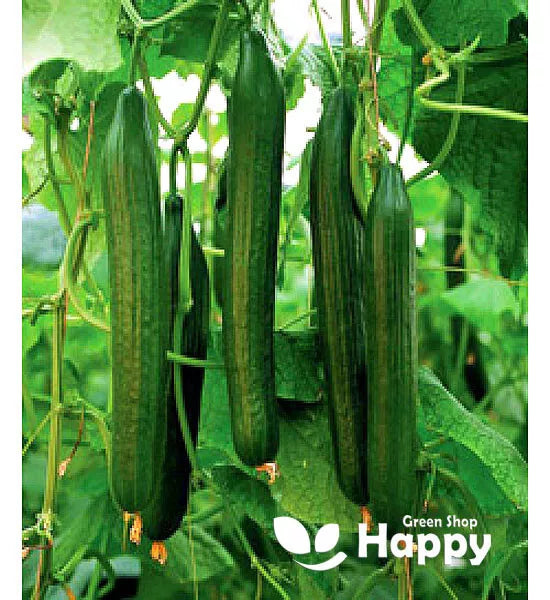
Cucumber 'Telegraph Improved' – Seeds (Cucumis sativus)
Enjoy crisp, tender cucumbers with Cucumber 'Telegraph Improved', a classic English variety renowned for its long, slender, dark green fruits and mild, sweet flavor. Ideal for fresh salads, sandwiches, and pickling, this variety is highly productive and resistant to common cucumber diseases. Perfect for home gardens, allotments, or greenhouse cultivation.
How to Grow
. Sow indoors: March – May, 1–2 cm deep in pots
. Transplant outdoors: After last frost or grow under cloche/greenhouse for best results
. Sow outdoors: May – June in fertile, well-drained soil
. Provide support such as a trellis or frame for climbing
. Keep soil moist and feed regularly for abundant harvests
Key Features
. Classic English cucumber with long, dark green fruits
. Mild, sweet flavor suitable for salads and fresh eating
. Highly productive and disease-resistant
. Ideal for greenhouse or outdoor trellis growing
. Reliable, uniform fruits perfect for slicing
Ideal For
. Fresh salads, sandwiches, and summer meals
. Home gardeners and allotment plots
. Greenhouse cultivation for early and high-yield crops
. Pickling and culinary versatility
Sowing & Harvest
. Sow: March – June
. Harvest: June – September
Quick Tip
Harvest regularly when fruits are firm and uniform in size to encourage continuous production throughout the season.


Cucumber 'Beth Alpha' – Seeds (Cucumis sativus)
Bring authentic Middle Eastern flavor to your garden with Cucumber 'Beth Alpha', a classic heirloom variety renowned for its smooth, tender skin and crisp, juicy bite. Best harvested young at 10–15 cm, these nearly seedless cucumbers are delicious fresh, in salads, or for pickling. A reliable, early-cropping plant that thrives in warm, sunny spots.
How to Grow
. Sow indoors from April to May, 1–2 cm deep in pots
. Sow outdoors from late May to June once soil is warm and frost-free
. Plant 40 cm apart, in rows 90 cm apart, or grow vertically with support
. Prefers fertile, well-drained soil in full sun
. Keep soil moist and harvest regularly to extend production
Key Features
. Smooth-skinned, tender cucumbers with sweet flavor
. Harvest young for crisp, juicy texture
. Early, heavy-yielding variety
. Great for fresh eating or pickling
. Compact plants suitable for garden beds or greenhouse
Ideal For
. Fresh snacking straight from the garden
. Crisp summer salads and sandwiches
. Homemade pickles
. Gardeners looking for reliable, tasty cucumbers
Sowing & Harvest
. Sow: April – June
. Harvest: July – September
Quick Tip
Pick fruits when small to enjoy the sweetest taste and to keep the plants producing longer.
Cucumber 'Crystal Apple' – Seeds (Cucumis sativus)
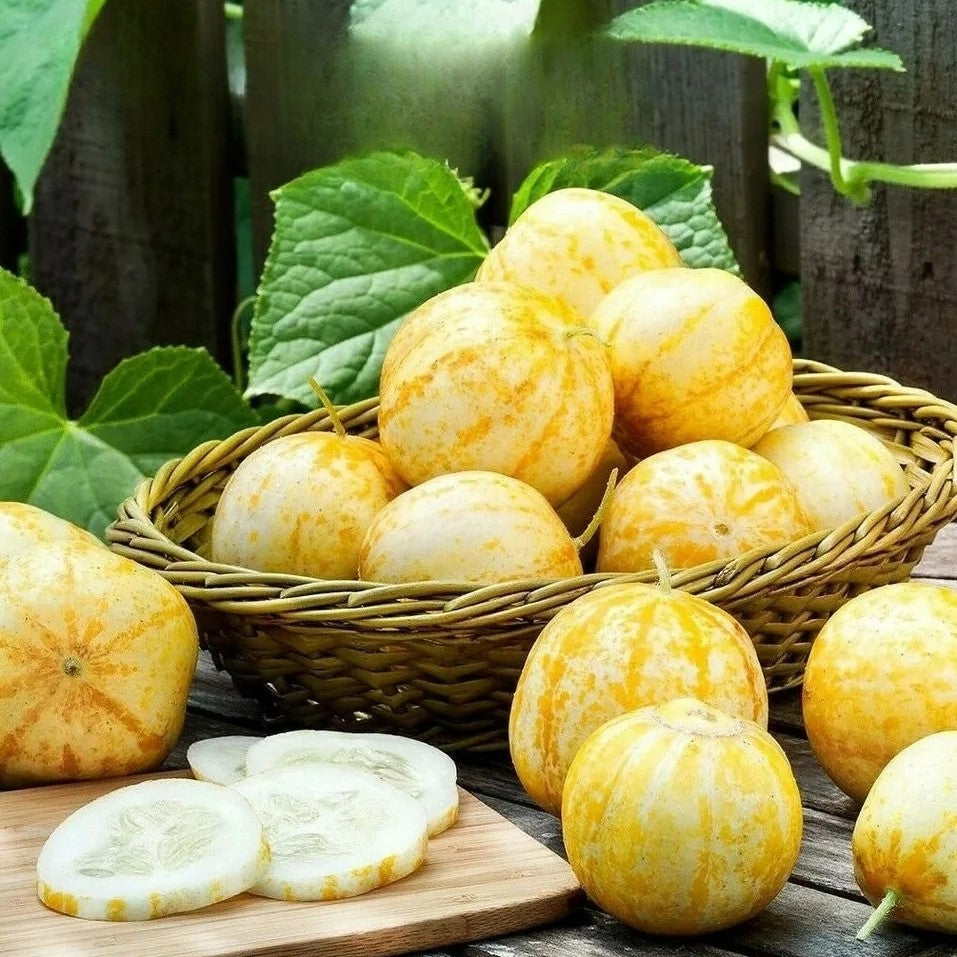
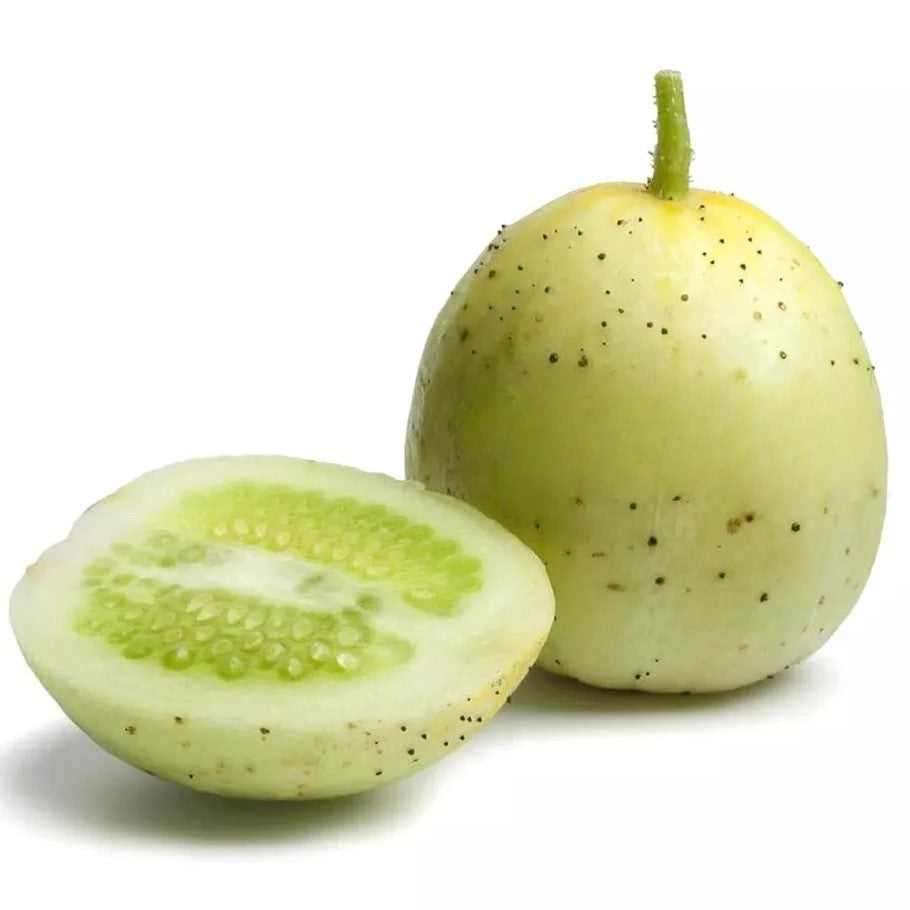
Cucumber 'Crystal Apple' is a charming and productive heirloom variety that produces small, round fruits resembling pale green to creamy white apples. The fruits have a crisp, juicy texture and a mild, refreshing flavor – excellent for fresh eating, salads, or pickling.
This variety is highly prolific, easy to grow, and particularly well-suited to cooler climates. Its compact growth habit makes it ideal for home gardens, allotments, and greenhouse cultivation.
How to Grow
-
Sow indoors: April – May
-
Sow outdoors: May – June (after last frost)
-
Depth: 1–2 cm
-
Spacing: 30–45 cm apart
-
Support: Can be grown along the ground or trained up trellises
-
Position: Full sun, sheltered spot
-
Soil: Fertile, well-drained, rich in organic matter
Key Features
-
Unusual apple-shaped cucumbers with crisp, mild taste
-
Heirloom variety with excellent productivity
-
Great eaten fresh, in salads, or for pickling
-
Suitable for outdoor or greenhouse growing
-
Thrives in cooler climates
Harvest
-
Harvesting period: July – September
-
Pick fruits when young and tender for best flavor.


Cucumber ‘Everest’ – Seeds
(Cucumis sativus) – Reliable F1 Hybrid
The ‘Everest’ cucumber is a highly productive, disease-resistant hybrid that produces slender, dark green cucumbers with a smooth skin and excellent flavor. Ideal for both greenhouse and outdoor cultivation, this variety is well-regarded for its vigorous growth, heavy yields, and resistance to common cucumber diseases such as powdery mildew. Fruits are crisp, refreshing, and perfect for salads, sandwiches, or fresh eating straight from the vine.
Key Features
-
Plant type: Annual, climbing/vining
-
Fruit: Slender, smooth-skinned cucumbers
-
Length: 18–22 cm
-
Color: Dark green
-
Flavor: Crisp, refreshing
-
Position: Full sun
-
Soil: Rich, fertile, well-drained
Ideal For
-
Greenhouse or outdoor growing
-
Fresh salads and raw eating
-
Consistent, high-yield production
-
Gardeners seeking disease-resistant cucumbers
Sowing & Growing
-
Sow indoors: March–April, 1 cm deep in pots.
-
Germination: 7–14 days at 20–25°C.
-
Transplant: May, after last frost.
-
Spacing: 60 cm apart in rows, 150 cm between rows.
-
Harvest: July–September.
Care Tips
-
Provide support (trellis or netting) for climbing vines.
-
Water consistently; keep soil moist but not soggy.
-
Feed with a high-potash fertilizer regularly once flowering starts.
-
Pick fruits frequently to encourage further cropping.
Showing 252/914


