
Sort by:
914 products
914 products
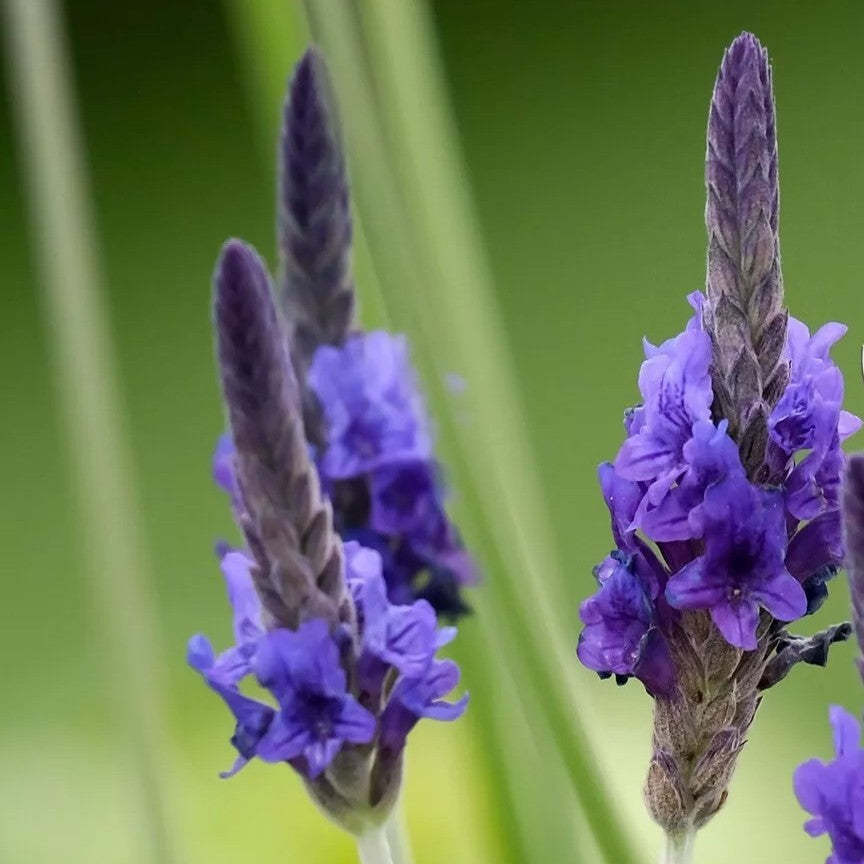
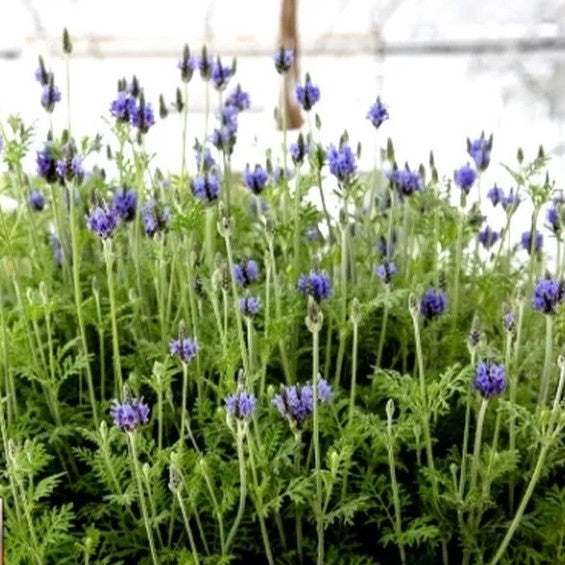
Egyptian Lavender Seeds – Lavandula multifida
Transform your garden with the exotic charm of Egyptian Lavender (Lavandula multifida). Celebrated for its feathery silver-green foliage and striking purple flower spikes, this hardy perennial brings fragrance, beauty, and pollinator activity to any outdoor space. Naturally drought-tolerant and low-maintenance, it thrives in hot, sunny climates with minimal care.
How to Grow
-
Sow seeds indoors in early spring or directly outdoors once the risk of frost has passed.
-
Choose well-drained sandy or gritty soil in a location with full sun.
-
Lightly press seeds into the soil surface, covering very thinly.
-
Keep the soil slightly moist until germination, which usually takes 10–20 days.
-
Once established, water sparingly—lavender prefers dry conditions.
-
Prune lightly after flowering to maintain shape and encourage fresh growth.
Key Features
-
Distinctive feathery foliage and vibrant purple flower spikes
-
Aromatic leaves and blooms, ideal for drying and potpourri
-
Naturally drought-resistant and thrives in poor soils
-
Attracts bees, butterflies, and other pollinators
-
Hardy perennial suited to hot and dry environments
Ideal For
-
Mediterranean and xeriscape gardens
-
Rockeries, borders, and sunny slopes
-
Container planting for patios and balconies
-
Pollinator-friendly garden designs
Sowing
-
Best time: Early spring indoors or outdoors after frost
-
Germination time: 10–20 days
-
Lightly cover seeds with fine soil or vermiculite
-
Maintain warmth and sunlight during germination
Quick Tip
-
Avoid overwatering—Egyptian Lavender flourishes in dry conditions and poor soils where other plants struggle.

🌼 Madia elegans Elegant Tarweed – Graceful Annual Wildflower with Yellow Daisy Blooms
Madia elegans, commonly known as Elegant Tarweed, is a charming annual wildflower native to western North America, valued for its bright yellow, daisy-like flowers often marked with subtle reddish-brown centres. The blooms open in sunshine and close in the evening, giving dynamic movement to borders and wildflower plantings. Plants have an upright, lightly branching habit and flower freely through summer, making them ideal for wildflower meadows, naturalistic borders, pollinator gardens and cut flowers.
Key Features
● Bright yellow daisy-like flowers with delicate markings
● Upright, airy growth habit with natural charm
● Long flowering season throughout summer
● Excellent pollinator plant for bees and beneficial insects
● Ideal for wildflower meadows and naturalistic gardens
How to Sow & Grow Madia elegans (UK)
(Recommended: direct sowing)
Direct outdoors: IV–V (April–May)
Flowering: VI–IX (June–September)
Life cycle: Annual
Germination temperature: 12–18 °C (54–64 °F)
Average germ time: 7–14 days
Depth: Surface sow – do not cover; press gently into soil (light required)
Light required: Yes
Moisture: Low to moderate
Environment: Full sun
Soil type: Light, well-drained soil; tolerates poor soils
Plant spacing: 25–30 cm (10–12 in)
Height: 70 cm (28 in)
Sowing & Growing Tips (variety-specific)
● Prefers sunny, open sites with good air circulation.
● Avoid rich soils, which can cause excessive leaf growth.
● Drought-tolerant once established.
● Excellent for wildlife-friendly and low-maintenance gardens.
● Self-seeds lightly under suitable conditions.
Special Features
● Native-style wildflower with elegant, open appearance
● Flowers open in sunshine and close at dusk
● Very attractive to pollinators
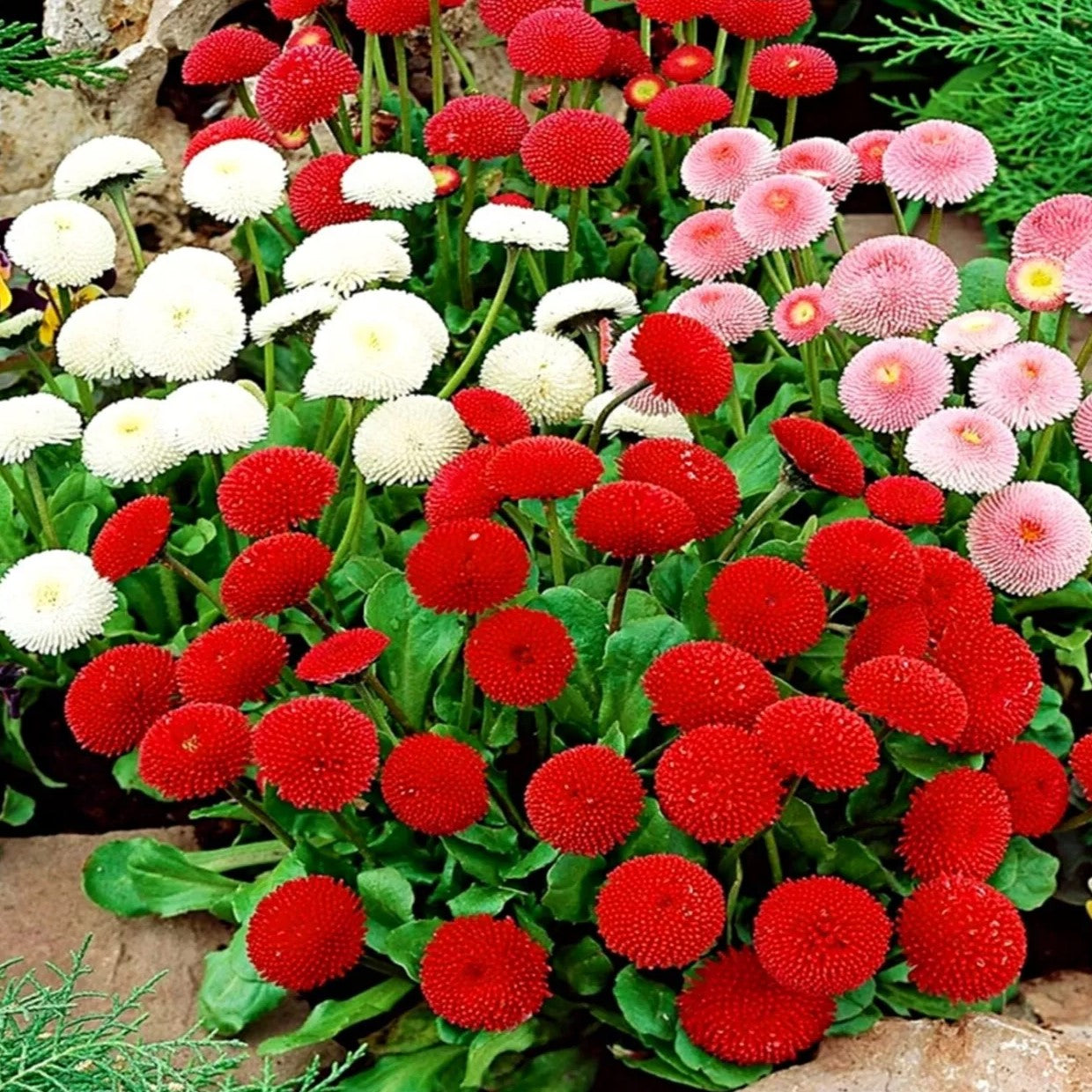
English Daisy 'Pomponette' Mixed Seeds (Bellis perennis)
The English Daisy ‘Pomponette’ is a charming cottage garden favorite, loved for its dense pompon-like blooms in shades of red, pink, and white. Compact and cheerful, these dainty flowers create vibrant color displays in borders, pots, and spring bedding schemes. Their long flowering period and old-fashioned charm make them a must-have for any traditional garden.
What Makes It Special
-
Produces unique pompon-style blooms in bright mixed colors
-
Hardy, compact, and reliable for early spring displays
-
A classic cottage garden flower with enduring charm
-
Excellent for edging, borders, and containers
Key Features
-
Botanical name: Bellis perennis
-
Variety: Pomponette Mixed
-
Height/Spread: 15–20 cm tall, 15–20 cm spread
-
Position: Full sun or partial shade; prefers moist, well-drained soil
-
Flowering period: Early spring to early summer
-
Lifespan: Perennial, often grown as a biennial
Ideal For
-
Cottage and traditional gardens
-
Spring bedding displays with tulips and primroses
-
Pots, containers, and window boxes
-
Low-growing borders and edging
-
Naturalizing in lawns or meadow-style gardens
Sowing Instructions
-
When to sow: Late spring to mid-summer (May–July) for flowering the following spring.
-
How to sow:
-
Sow thinly on the surface of moist seed compost and press lightly.
-
Do not cover, as seeds need light to germinate.
-
Keep moist at 15–20°C. Germination takes 14–28 days.
-
-
Transplant/Thin: Move seedlings to individual pots or trays when large enough. Plant outdoors 15–20 cm apart.
-
Care: Remove faded blooms to prolong flowering. Protect from harsh frost in the first year.
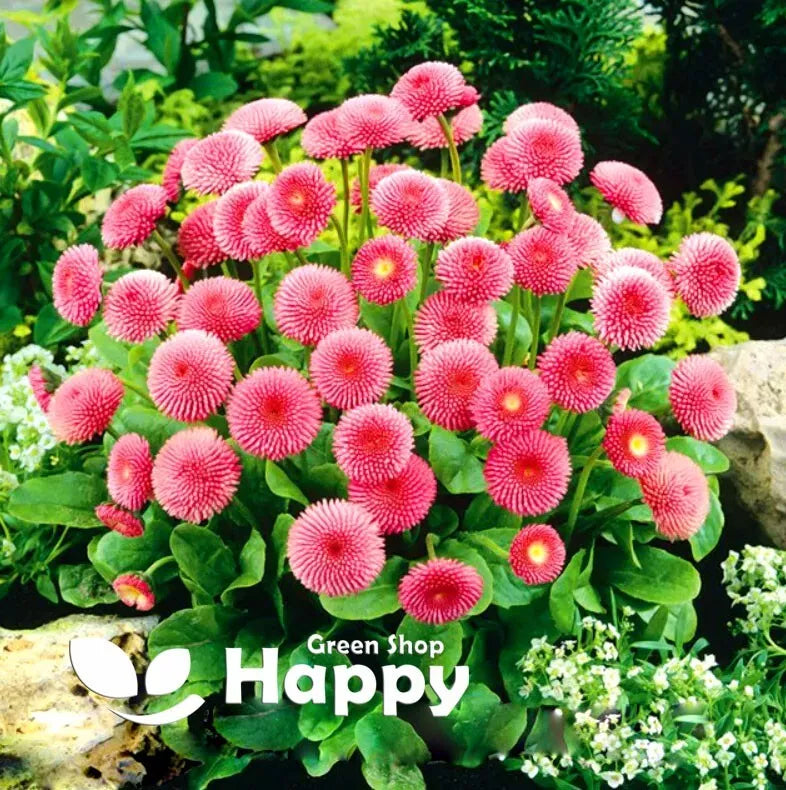
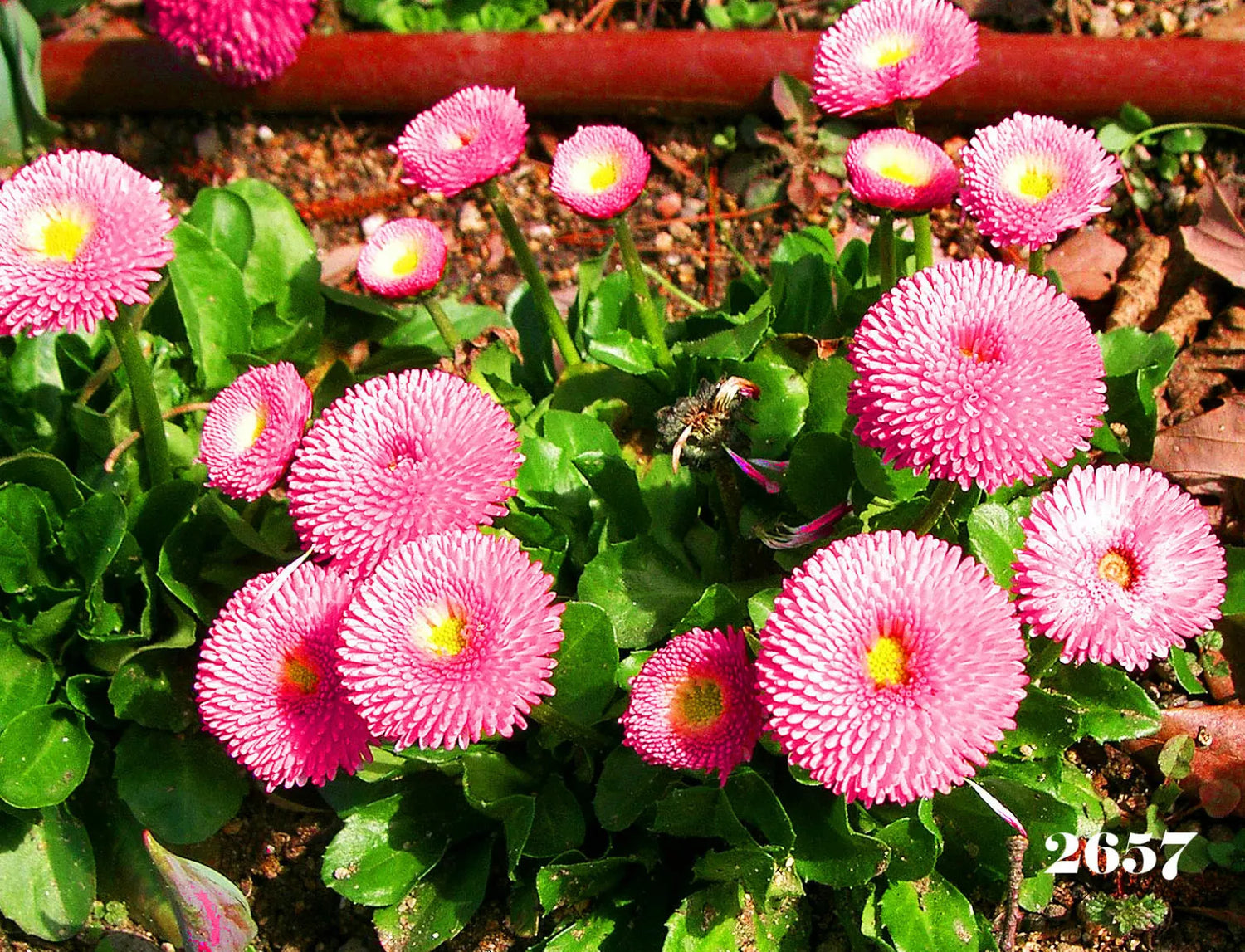
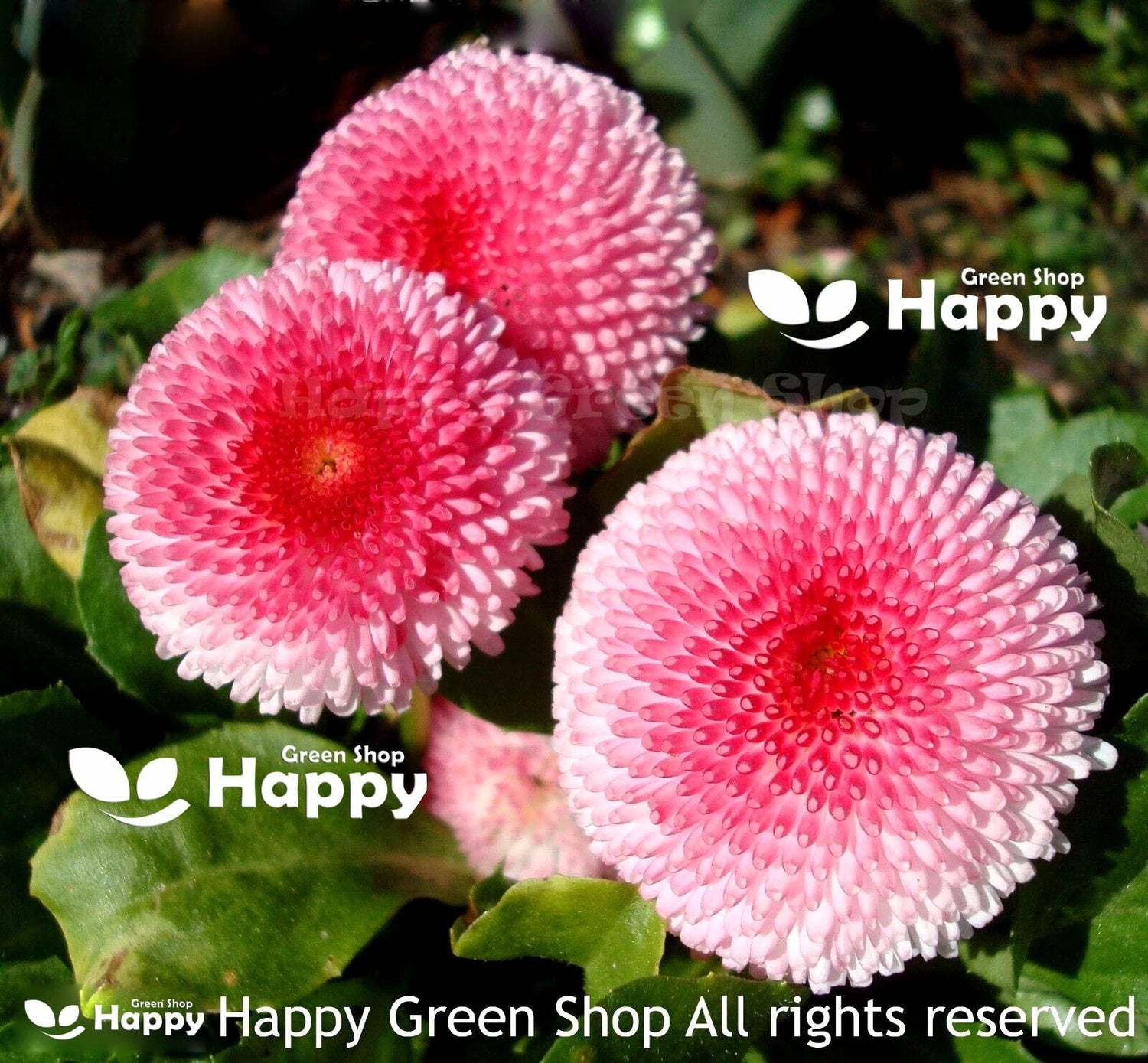
English Daisy 'Pomponette' Pink Seeds (Bellis perennis)
The English Daisy ‘Pomponette’ Pink is a charming variety that produces neat, double pompon-shaped blooms in rich shades of soft to deep pink. Compact and easy to grow, it adds a delightful splash of color to borders, containers, and spring bedding displays. A timeless favorite, perfect for pairing with tulips, violas, and primroses.
What Makes It Special
-
Distinctive pompon-style flowers in shades of pink
-
Compact, hardy, and low-maintenance
-
Early and long flowering from spring through early summer
-
Ideal for creating vibrant, colorful borders and edging
Key Features
-
Botanical name: Bellis perennis
-
Variety: Pomponette Pink
-
Height/Spread: 15–20 cm tall, 15–20 cm spread
-
Position: Full sun or partial shade; prefers moist, well-drained soil
-
Flowering period: Early spring to early summer
-
Lifespan: Perennial, often grown as a biennial
Ideal For
-
Cottage gardens and spring bedding schemes
-
Bright borders and edging
-
Containers, pots, and window boxes
-
Pairing with spring bulbs such as tulips and daffodils
-
Creating a soft pink contrast in mixed planting displays
Sowing Instructions
-
When to sow: Late spring to mid-summer (May–July) for flowers the following spring.
-
How to sow:
-
Sow thinly on the surface of moist seed compost.
-
Do not cover, as seeds need light to germinate.
-
Maintain moisture at 15–20°C. Germination takes 14–28 days.
-
-
Transplant/Thin: When seedlings are large enough, transplant into pots or trays. Harden off before planting outdoors 15–20 cm apart.
-
Care: Deadhead regularly to encourage more blooms. Protect young plants from harsh frost.
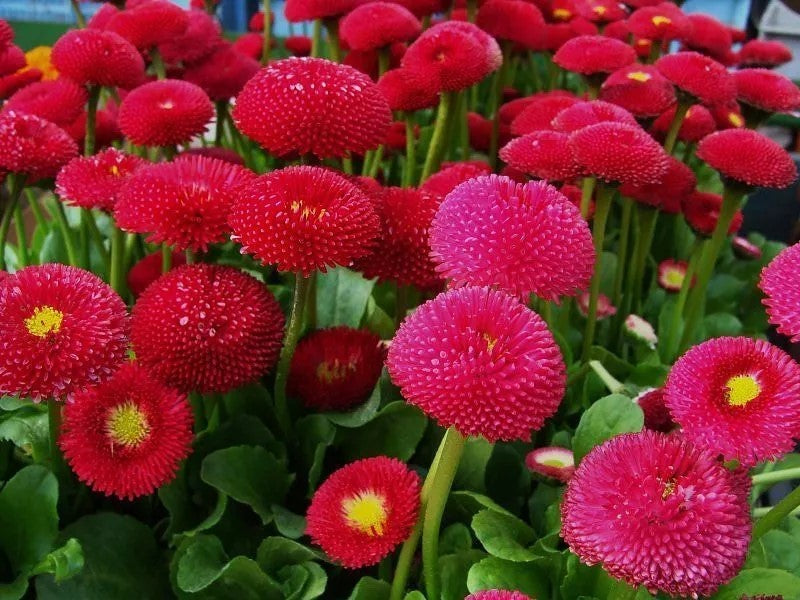
English Daisy 'Pomponette' Red Seeds (Bellis perennis)
The English Daisy ‘Pomponette’ Red is a compact and eye-catching spring flower that produces dense, pompon-shaped double blooms in deep crimson to bright scarlet shades. Perfect for borders, edging, containers, or spring bedding, these hardy daisies bring vibrant early-season color and combine beautifully with tulips, violas, and forget-me-nots.
What Makes It Special
-
Striking pompon-style flowers in vivid red tones
-
Compact and hardy perennial, often grown as a biennial
-
Early-flowering, adding bold color in spring
-
Easy to grow and reliable in many garden settings
Key Features
-
Botanical name: Bellis perennis
-
Variety: Pomponette Red
-
Height/Spread: 15–20 cm tall, 15–20 cm spread
-
Position: Full sun or partial shade; moist, fertile, well-drained soil
-
Flowering period: Early spring to early summer
-
Lifespan: Perennial, usually treated as a biennial
Ideal For
-
Spring borders and edging
-
Containers, pots, and window boxes
-
Cottage gardens and traditional bedding displays
-
Pairing with spring bulbs like tulips, daffodils, and hyacinths
-
Adding a bold red highlight among softer pastel flowers
Sowing Instructions
-
When to sow: May to July for flowers the following spring.
-
How to sow:
-
Sow on the surface of moist seed compost, as seeds need light to germinate.
-
Keep at 15–20°C; germination takes 14–28 days.
-
-
Transplant/Thin: Prick out seedlings when large enough, then grow on in cooler conditions. Harden off before planting 15–20 cm apart.
-
Care: Remove faded flowers to prolong blooming. Protect young plants from severe frost.
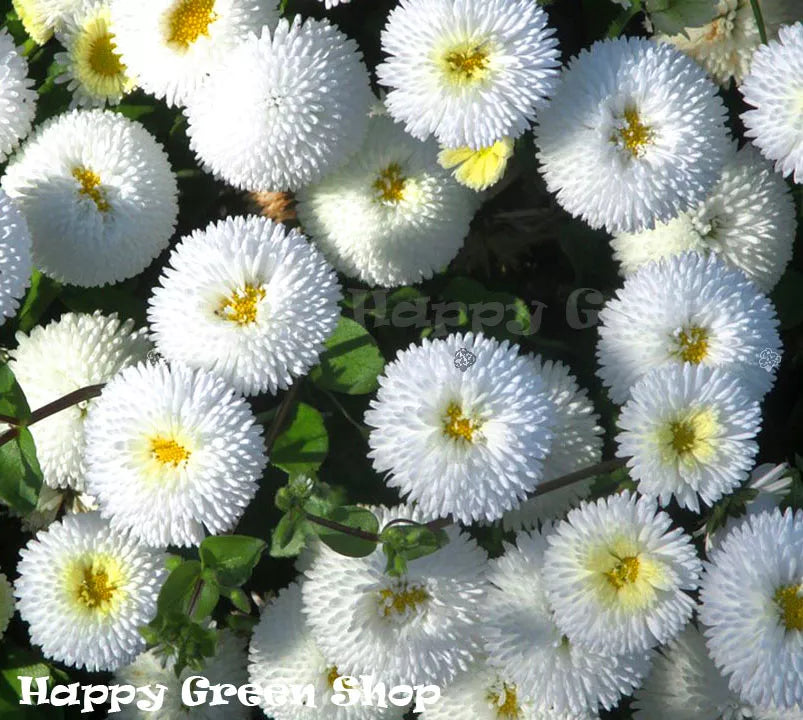
English Daisy 'Pomponette' White Seeds (Bellis perennis)
The English Daisy ‘Pomponette’ White is a refined garden classic, producing neat, double pompon-like flowers in pure white. Compact and long-flowering, it brings freshness and elegance to borders, pots, and spring bedding schemes. Its timeless charm makes it perfect for traditional cottage gardens and for pairing with tulips, violas, or primroses.
What Makes It Special
-
Produces pure white, pompon-style blooms for a clean and elegant look
-
Compact, hardy, and easy to grow in most gardens
-
Provides a long flowering season from early spring onwards
-
Excellent choice for classic bedding schemes and container planting
Key Features
-
Botanical name: Bellis perennis
-
Variety: Pomponette White
-
Height/Spread: 15–20 cm tall, 15–20 cm spread
-
Position: Full sun or partial shade; thrives in moist, well-drained soil
-
Flowering period: Early spring to early summer
-
Lifespan: Perennial, often grown as a biennial
Ideal For
-
Cottage gardens and traditional flower beds
-
Spring bedding displays with tulips and primroses
-
Pots, containers, and window boxes
-
Low-growing borders and edging
-
Adding a soft, white contrast to mixed planting schemes
Sowing Instructions
-
When to sow: Late spring to mid-summer (May–July) for flowers the following spring.
-
How to sow:
-
Sow thinly on the surface of moist seed compost.
-
Do not cover, as seeds need light to germinate.
-
Keep moist at 15–20°C. Germination takes 14–28 days.
-
-
Transplant/Thin: When seedlings are large enough to handle, transplant to pots or trays. Plant outdoors 15–20 cm apart.
-
Care: Deadhead faded blooms to prolong flowering. Protect young plants from severe frost.
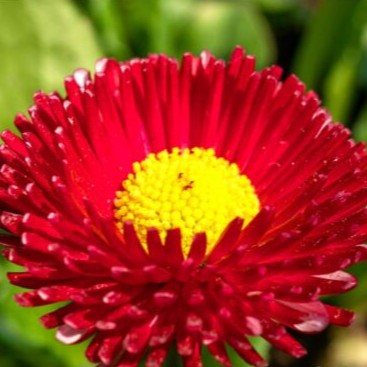
English daisy 'Super enorma' red - 500 seeds (Bellis perennis) Large flowers
£1.24
Unit price perEnglish daisy 'Super enorma' red - 500 seeds (Bellis perennis) Large flowers
£1.24
Unit price perEnglish Daisy 'Super Enorma' Red Seeds (Bellis perennis)
The English Daisy ‘Super Enorma’ Red is a premium variety renowned for its extra-large double blooms in a rich, velvety red shade. Compared to traditional English daisies, ‘Super Enorma’ produces bigger, showier flowers that stand out beautifully in spring borders, containers, and cottage gardens. This hardy perennial, often grown as a biennial, brings an early burst of dramatic color and pairs perfectly with spring bulbs and other bedding plants.
What Makes It Special
-
Extra-large blooms for maximum impact
-
Vivid deep red pompon flowers that brighten spring gardens
-
Compact growth yet highly floriferous
-
Hardy and reliable, ideal for early-season displays
Key Features
-
Botanical name: Bellis perennis
-
Variety: Super Enorma Red
-
Flower size: Larger than standard Bellis varieties
-
Height/Spread: 15–20 cm tall, 15–20 cm spread
-
Position: Full sun or partial shade; moist, fertile, well-drained soil
-
Flowering period: Early spring to early summer
-
Lifespan: Perennial, usually cultivated as a biennial
Ideal For
-
Spring bedding and borders
-
Containers and pots for dramatic color
-
Cottage gardens and mixed plantings
-
Pairing with tulips, hyacinths, and pansies for classic displays
-
Gardeners seeking large, showy daisies in bold red
Sowing Instructions
-
When to sow: May to July for flowers the following spring.
-
How to sow:
-
Sow on the surface of moist seed compost, as seeds need light to germinate.
-
Keep at 15–20°C; germination takes 14–28 days.
-
-
Transplant/Thin: Prick out seedlings when large enough to handle and grow on in cooler conditions. Harden off before planting 15–20 cm apart.
-
Care: Regular deadheading encourages longer flowering. Protect young plants from harsh frost.
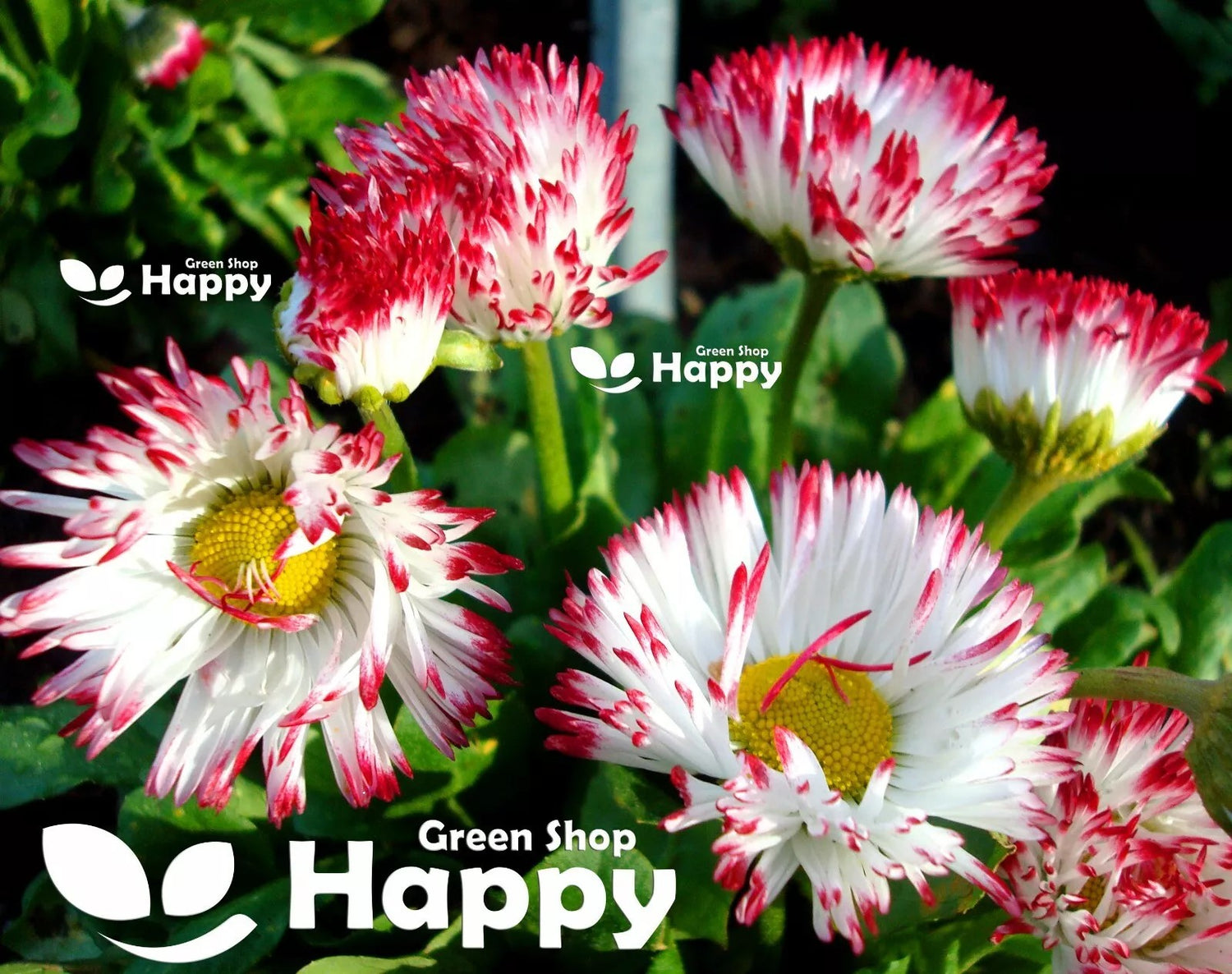
English Daisy Mix Seeds (Bellis Perennis Monstrosa)
A classic cottage garden favorite, English Daisy Mix produces charming button-like blooms in shades of white, pink, and red. Compact and easy to grow, these low-maintenance flowers are perfect for borders, containers, and pollinator-friendly gardens.
What Makes It Special
-
Bright, cheerful spring color in a mix of shades
-
Compact growth, ideal for edging and small spaces
-
Long-lasting blooms loved by bees and butterflies
Key Features
-
Botanical name: Bellis Perennis Monstrosa
-
Hardy perennial (often grown as biennial)
-
Height: 10–15 cm (4–6 in)
-
Bloom time: Early spring to summer
Ideal For
-
Borders, edging, and pathways
-
Containers and pots
-
Cottage and wildlife gardens
Sowing
-
Sow indoors Feb–Apr or outdoors May–Jul
-
Surface sow onto moist soil, press lightly (needs light to germinate)
-
Germination: 14–21 days at 15–20°C
-
Transplant when large enough, spacing 15 cm apart
-
Flowers the following spring and summer
English Lavender Seeds (Lavandula angustifolia)
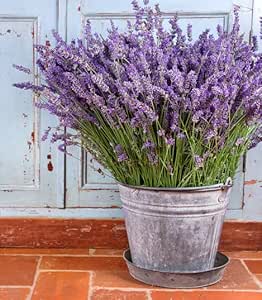
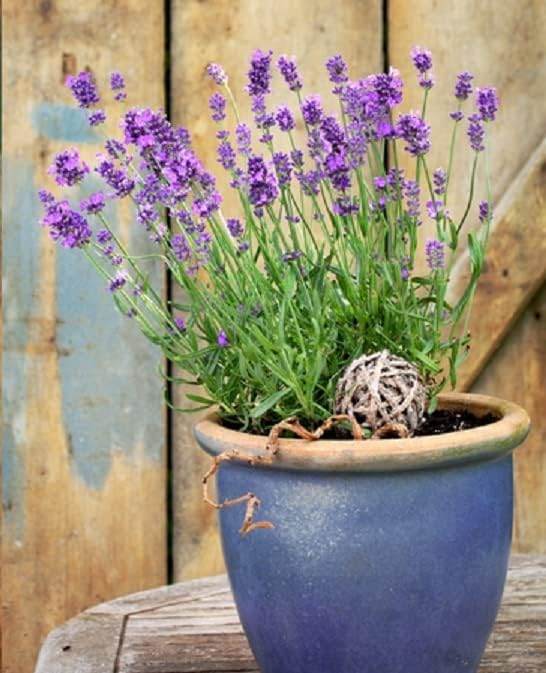
A classic perennial, English Lavender produces fragrant spikes of purple flowers above aromatic silver-green foliage. Hardy and long-flowering, it’s perfect for borders, cottage gardens, and containers, attracting bees and butterflies while adding scent, color, and texture to any garden.
What Makes It Special
-
Fragrant purple flower spikes with aromatic foliage
-
Hardy, long-flowering, and drought-tolerant
-
Attracts pollinators, supporting bees and butterflies
Key Features
-
Botanical name: Lavandula angustifolia
-
Hardy perennial
-
Height: 30–60 cm (12–24 in)
-
Bloom time: Summer
Ideal For
-
Borders, cottage gardens, and rock gardens
-
Containers, pots, and low-maintenance garden designs
-
Pollinator-friendly and aromatic garden plantings
Sowing
-
Sow indoors Feb–Apr or outdoors Mar–May
-
Cover lightly with soil and keep moist
-
Germination: 14–28 days at 15–20°C
-
Thin seedlings 25–30 cm apart
-
Flowers the first or second season after sowing
Showing 333/914


