
Sort by:
914 products
914 products


💜 Lavandula angustifolia True Lavender / English Lavender – Classic Aromatic Perennial with Fragrant Purple Spikes
Lavandula angustifolia, commonly known as true lavender or English lavender, is the classic lavender species prized for its highly fragrant flowers, refined essential oils, and elegant silvery-green foliage. This hardy perennial produces dense spikes of soft purple to violet-blue blooms in summer, attracting bees and pollinators while adding timeless Mediterranean charm to gardens. Ideal for borders, gravel gardens, herb beds, containers, and hedging, it is also perfect for drying, sachets, oils, and culinary use.
Key Features
● True English lavender with exceptional fragrance
● Purple flower spikes rich in essential oils
● Hardy perennial suitable for UK climates
● Excellent for borders, pots, hedging and gravel gardens
● Ideal for drying, sachets, oils and culinary use
How to Sow & Grow Lavandula angustifolia (UK)
Sow indoors: II–IV (February–April) in trays or pots
Transplant outdoors: V–VI (May–June) once plants are established and frost risk has passed
Direct outdoors: IV–V (April–May)
Flowering: VI–VIII (June–August)
Life cycle: Perennial
Germination temperature: 15–20 °C (59–68 °F)
Average germ time: 14–28 days
Depth: Surface sow — do not cover, but press gently into the soil (requires light to germinate)
Light required: Yes
Moisture: Low to moderate; drought tolerant once established
Environment: Full sun
Soil type: Light, well-drained, sandy or gritty soil; dislikes heavy, wet soils
Plant spacing: 30–40 cm (12–16 in)
Height: 40–60 cm (16–24 in)
Sowing & Growing Tips (variety-specific)
● Excellent drainage is essential for long-term success.
● Avoid rich or wet soils to prevent root rot.
● Prune lightly after flowering to maintain compact shape.
● Harvest flowers just as they open for maximum fragrance.
● Perfect for low-maintenance and drought-tolerant gardens.
Special Features
● True lavender species with superior fragrance
● Highly attractive to bees and pollinators
● Classic choice for traditional and Mediterranean gardens

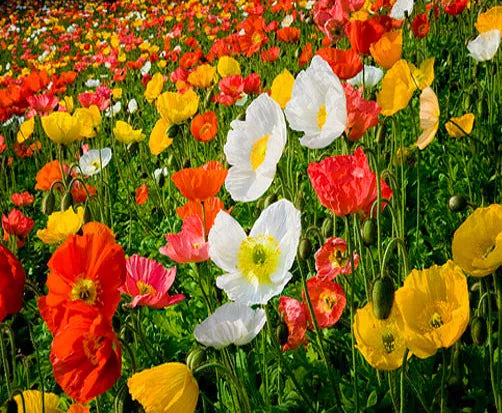
English Poppy ‘Shirley’ Mix – Seeds (Papaver rhoeas)
A timeless cottage garden favorite, English Poppy ‘Shirley’ Mix produces masses of delicate, tissue-paper blooms in shades of red, pink, white, and soft bicolors. Graceful and airy, they sway beautifully in the breeze, adding charm to borders, meadows, and wildflower plantings.
What Makes It Special
-
Romantic, old-fashioned blooms in pastel and vivid tones
-
Attracts bees, butterflies, and other pollinators
-
Easy to grow directly in the garden
Key Features
-
Height: 60–75 cm
-
Annual, quick-flowering
-
Self-seeds for natural drifts year after year
-
Perfect for cutting gardens and wildflower meadows
Ideal For
-
Cottage gardens and borders
-
Wildflower plantings and meadows
-
Cutting for informal bouquets
Sowing
-
Sow outdoors Mar–May or Aug–Oct directly into prepared soil
-
Scatter seeds thinly, lightly cover with soil
-
Keep soil moist until germination (10–20 days)
-
Thin to 20–25 cm apart for best displays
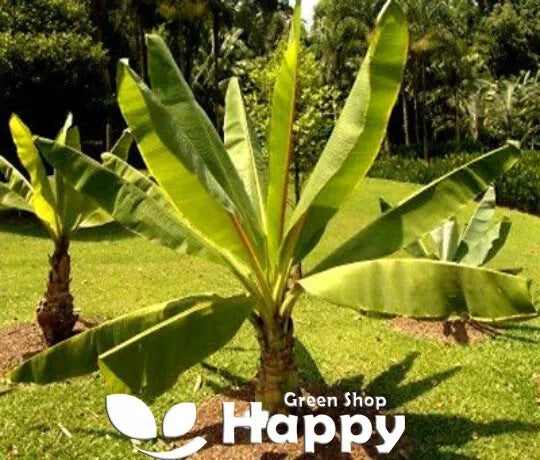
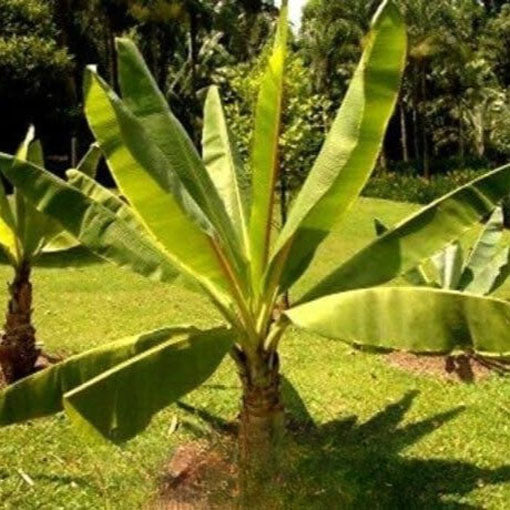
Ethiopian Banana Plant – Seeds (Ensete ventricosum)
The Ethiopian Banana (Ensete ventricosum) is a striking tropical plant known for its massive, upright leaves and dramatic architectural presence. Unlike edible bananas, it is grown primarily as an ornamental for gardens, patios, and large containers. Slow-growing but hardy in warm climates, it brings a lush, tropical feel wherever it is planted.
Why Grow "Ethiopian Banana Plant"
-
Large, bold, tropical foliage
-
Dramatic architectural feature for gardens and patios
-
Hardy and long-lived in warm climates
-
Adds an exotic, tropical atmosphere
Key Features
-
Type: Tender perennial (Ensete ventricosum)
-
Height: 2–4 m (indoors/pots smaller)
-
Growth: Upright, clumping habit
-
Position: Full sun to partial shade
-
Uses: Specimen plant, tropical gardens, large pots/containers
Ideal For
-
Tropical and exotic garden themes
-
Large containers and patios
-
Conservatories and greenhouses
-
Statement landscaping plant
Sowing & Growing
-
Soak seeds for 24–48 hours before sowing
-
Sow indoors: Year-round in warm conditions
-
Germination: 4–12 weeks at 22–28°C
-
Use rich, free-draining compost and keep soil moist
-
Transplant into large containers as seedlings grow
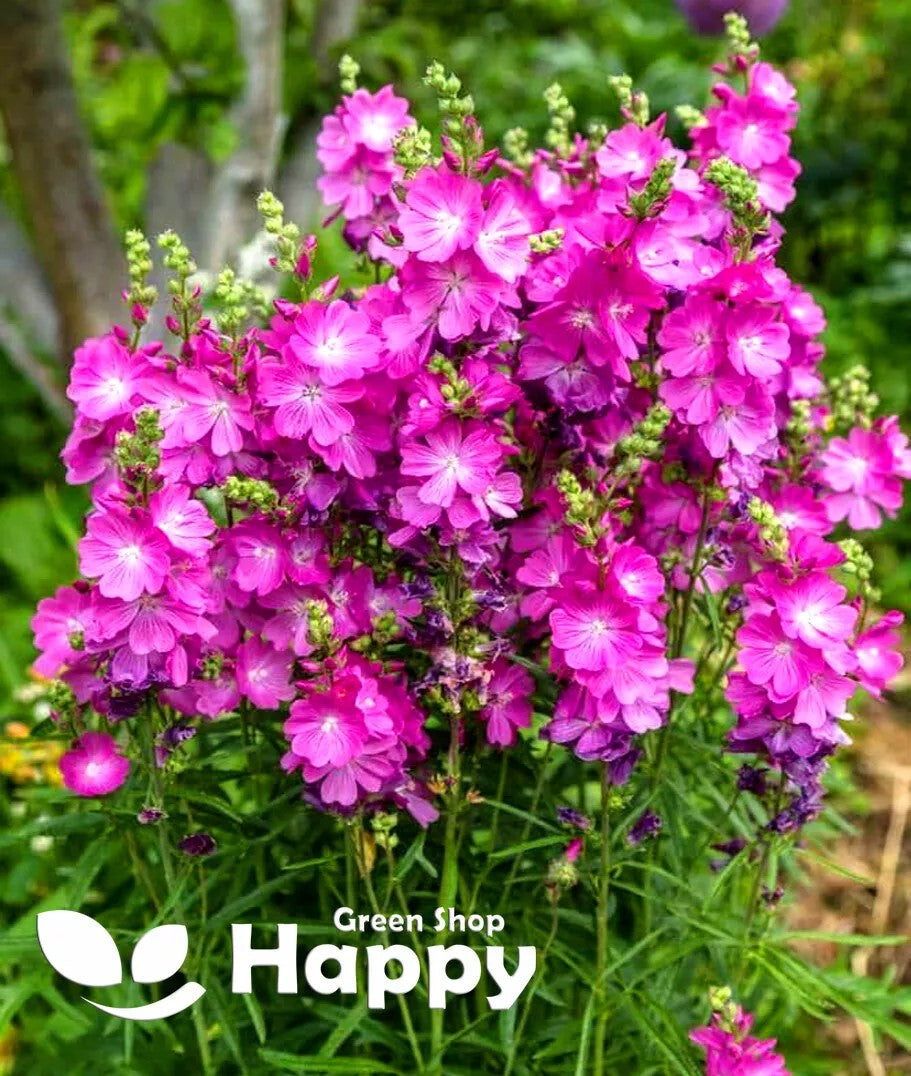
False Mallow Hybrids Seeds (Sidalcea malviflora)
False Mallow Hybrids bring a cottage-garden charm with their hollyhock-like spikes of soft pink to rose flowers. Blooming from early summer through autumn, these hardy perennials offer vertical accents and attract pollinators with ease. Compact yet striking, they are perfect for borders, wildflower plantings, and naturalistic gardens.
What Makes It Special
-
Hollyhock-like spires in soft pink shades
-
Long blooming season, summer to autumn
-
Attracts bees and butterflies
Key Features
-
Botanical name: Sidalcea malviflora
-
Hardy perennial
-
Height: 45–60 cm (18–24 in)
-
Bloom time: Early summer to autumn
Ideal For
-
Cottage and wildflower gardens
-
Borders and mixed plantings
-
Pollinator-friendly spaces
Sowing
-
Sow indoors Feb–Apr or outdoors Apr–Jun
-
Cover seeds lightly with fine soil
-
Germination: 14–21 days at 18–22°C
-
Space plants 30–40 cm apart
-
Flowers from the second year onward

February Orchid – 400 Seeds (Orychophragmus violaceus)
Description:
Brighten early spring gardens with February Orchid (Orychophragmus violaceus). This hardy annual produces clusters of delicate, violet-purple flowers that bloom from late winter into early spring. Its compact, bushy growth habit makes it ideal for borders, rock gardens, and container plantings. February Orchid attracts pollinators and adds cheerful color when few other plants are in bloom.
Key Features
-
Delicate violet-purple blooms from late winter to early spring
-
Hardy, compact, and bushy annual
-
Long-lasting early-season color
-
Attracts bees and pollinators
-
Easy to grow from seed
Ideal For
-
Borders and mixed flower beds
-
Rock gardens and container plantings
-
Early spring color displays
-
Pollinator-friendly gardens
Sowing & Growing
-
Sow Indoors: January–February
-
Sow Outdoors: February–March
-
Germination: 7–14 days at 15–20°C
-
Height: 30–40 cm
-
Spacing: 20–25 cm apart
-
Light: Full sun to partial shade
-
Soil: Well-drained, moderately fertile
Care Tips
-
Water lightly until seedlings establish
-
Deadhead to encourage continuous flowering
-
Avoid waterlogging
-
Can self-seed for future seasons


Fennel Bulb 'Florence' – Seeds (Foeniculum vulgare)
Fennel Bulb 'Florence' is a versatile and flavorful vegetable producing crisp, swollen white bulbs with tender, aromatic fronds. Known for its sweet, anise-like flavor, it’s perfect for roasting, grilling, salads, and soups. Easy to grow, this variety thrives in sunny, well-drained gardens and makes a striking addition to both kitchen and ornamental beds.
How to Grow
-
Sow seeds indoors from February to April or directly outdoors from March to June.
-
Plant 0.5–1 cm deep in fertile, well-drained soil.
-
Thin seedlings to 30–40 cm apart to allow bulb development.
-
Prefers full sun and consistent moisture.
-
Harvest bulbs when swollen and firm, before they become woody.
Key Features
-
Produces crisp, swollen white bulbs with aromatic fronds
-
Sweet, anise-like flavor ideal for cooking
-
Thrives in sunny, well-drained soil
-
Suitable for salads, roasting, grilling, and soups
-
Attractive addition to vegetable and kitchen gardens
Ideal For
-
Culinary use in fresh salads, soups, and roasting
-
Home gardens and raised beds
-
Gardeners seeking versatile, flavorful vegetables
Sowing & Harvest
-
Sow: February to June
-
Depth: 0.5–1 cm
-
Spacing: 30–40 cm
-
Harvest: June to September
Quick Tip
-
For best flavor, harvest bulbs before they get too large and the texture becomes tough.

🌿 Foeniculum vulgare Common Fennel – Aromatic Herb with Feathery Foliage and Edible Seeds
Common Fennel is a classic aromatic perennial herb grown for its feathery, blue-green foliage, yellow umbel flowers, and highly fragrant seeds. With a distinctive sweet aniseed flavour, it is valued in both culinary and medicinal use. The leaves, seeds and young stems are all edible, while the tall, elegant plants add structure to herb gardens, borders and wildlife-friendly plantings.
Key Features
● Aromatic herb with sweet aniseed flavour
● Feathery blue-green foliage and yellow flowers
● Edible leaves and seeds for cooking and teas
● Attractive to bees and beneficial insects
● Decorative and useful herb for gardens
How to Sow & Grow Common Fennel (UK)
Direct sowing recommended – dislikes transplanting
Direct outdoors: IV–VI (April–June)
Harvest: VI–IX (June–September) for leaves, later for seeds
Life cycle: Perennial (often grown as a short-lived perennial or annual)
Germination temperature: 15–20 °C (59–68 °F)
Average germ time: 7–14 days
Depth: 0.5–1 cm (¼–½ in)
Light required: Yes
Moisture: Moderate; drought-tolerant once established
Environment: Full sun
Soil type: Well-drained, light soil
Plant spacing: 30–40 cm (12–16 in)
Height: 120–180 cm (47–71 in)
Sowing & Growing Tips (variety-specific)
● Choose a permanent position, as fennel dislikes root disturbance.
● Avoid planting near dill or coriander to prevent cross-pollination.
● Cut leaves regularly to encourage fresh growth.
● Allow flowers to set seed for culinary or herbal use.
● Very low maintenance once established.
Special Features
● Classic culinary and medicinal herb
● Tall, elegant growth with ornamental value
● Excellent pollinator plant
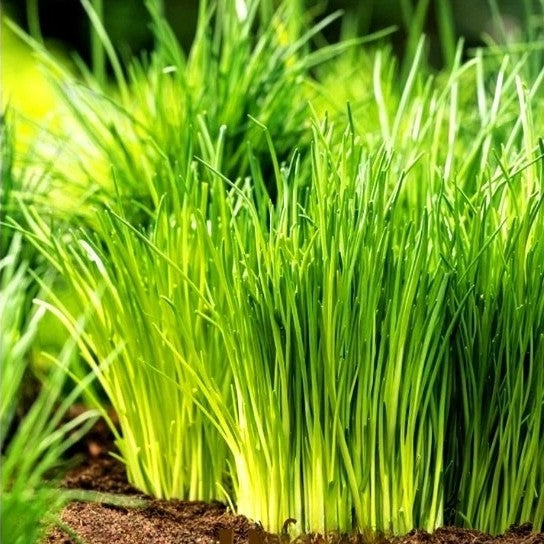
Fine Leaved Chives Seeds (Allium schoenoprasum)
Add fresh, mild onion flavor to your dishes with Fine Leaved Chives, a classic herb with slender, dark green leaves and delicate edible flowers. Ideal for salads, soups, sauces, and garnishes, this perennial herb is easy to grow and provides harvests year after year. Its compact growth habit makes it perfect for garden beds, borders, and containers.
How to Grow
-
Sow indoors 6–8 weeks before the last frost or directly outdoors in spring.
-
Prefers fertile, well-drained soil in full sun or light shade.
-
Sow seeds 0.5 cm deep in rows 20–25 cm apart.
-
Thin seedlings to 15 cm apart.
-
Harvest leaves regularly to encourage bushy growth.
Key Features
-
Perennial herb with fine, slender leaves
-
Mild, fresh onion flavor for culinary use
-
Compact and easy to grow in beds or containers
-
Long-lasting harvest year after year
-
Attractive edible purple flowers
Ideal For
-
Fresh salads, soups, sauces, and garnishes
-
Container and herb gardens
-
Gardeners seeking perennial, low-maintenance herbs
-
Adding flavor and ornamental interest to beds
Sowing
-
Best time: Early spring indoors or direct sow outdoors
-
Depth: 0.5 cm
-
Row spacing: 20–25 cm
-
Plant spacing: Thin to 15 cm apart
-
Harvest: From 8–10 weeks after sowing
Quick Tip
-
Trim leaves regularly to promote fresh, tender growth and prevent flowering if desired.
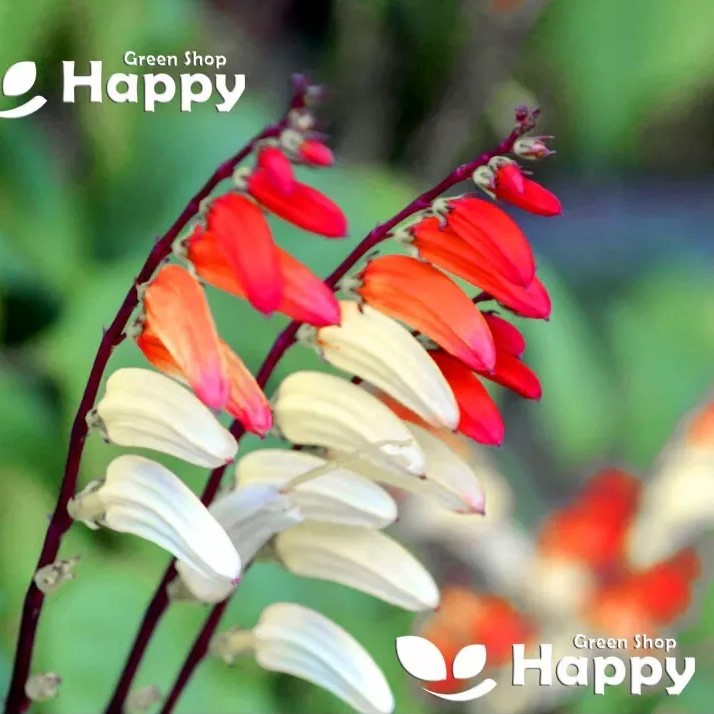
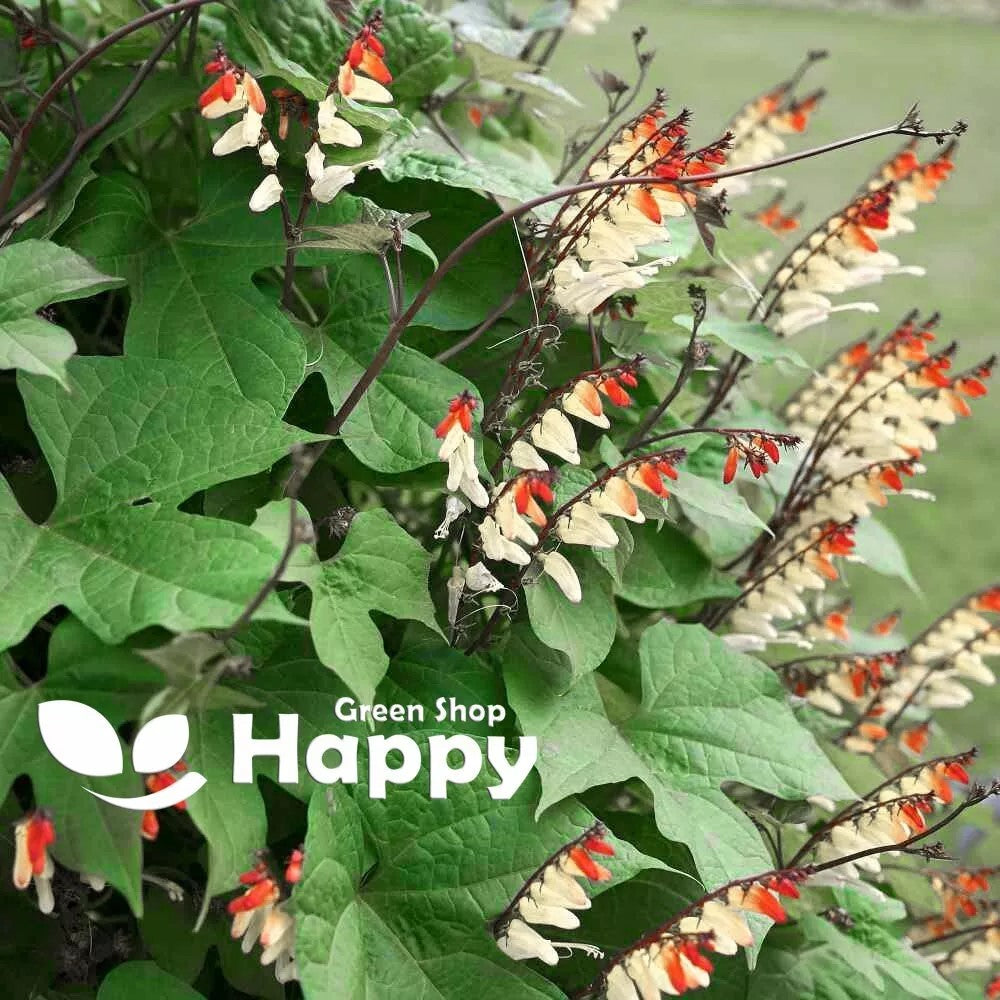
FIRECRACKER VINE SEEDS (Mina lobata)
Create a stunning, fiery display in your garden with Firecracker Vine. This fast-growing climber produces cascading spikes of flowers that transition from red to orange, yellow, and cream, attracting hummingbirds and butterflies. Perfect for trellises, fences, and pergolas, it’s an eye-catching addition to any garden.
Why Grow "Firecracker Vine"
-
Striking multicolored blooms from red to yellow
-
Fast-growing climbing vine
-
Attracts hummingbirds and butterflies
-
Ideal for vertical displays and trellises
Key Features
-
Type: Annual climber (Mina lobata)
-
Height: Up to 3–4 m
-
Flowering: Summer to early autumn
-
Position: Full sun
-
Uses: Trellises, fences, pergolas, vertical garden displays
Ideal For
-
Covering trellises, fences, and pergolas
-
Attracting pollinators like hummingbirds and butterflies
-
Adding dramatic vertical interest to gardens
-
Beginner gardeners seeking fast-growing climbers
Sowing & Growing
-
Sow indoors: 6–8 weeks before last frost
-
Sow outdoors: After frost danger has passed
-
Germination: 14–21 days
-
Space seedlings: 30–40 cm apart
-
Prefers full sun and well-drained soil for best flowering
Showing 342/914

