
Sort by:
913 products
913 products
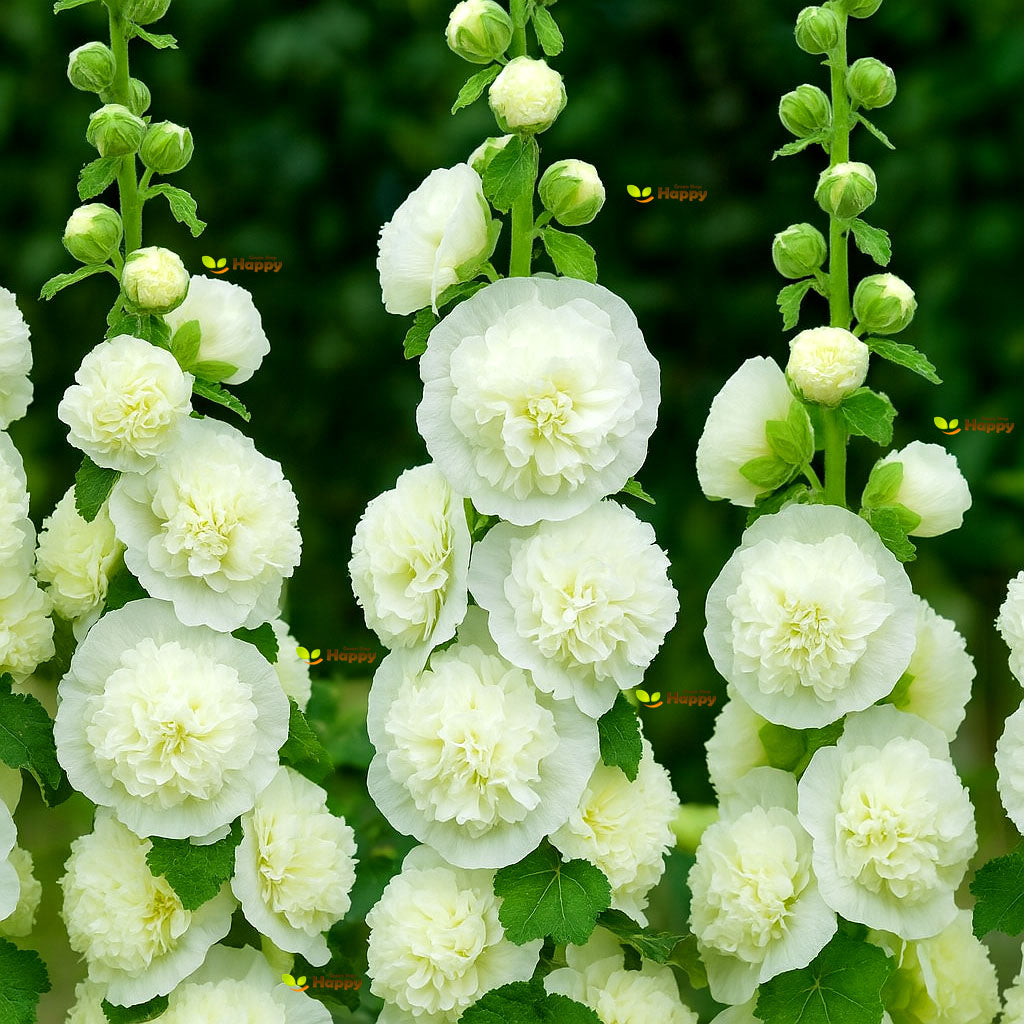
Hollyhock Chaters Double Triumph White – Seeds (Althaea rosea)
Hollyhock Chaters Double Triumph White is a stunning biennial that produces tall spikes of pure white, double blooms. Its elegant flowers create a classic cottage garden look, ideal for borders, backdrops, and pollinator-friendly gardens. Easy to grow and long-lasting, this variety attracts bees and butterflies while adding height and drama to any garden space.
Why Grow "Chaters Double Triumph White"
-
Tall spikes of elegant, double white flowers
-
Long flowering season adds summer interest
-
Attracts pollinators, including bees and butterflies
-
Perfect for cottage garden style and borders
Key Features
-
Type: Biennial (Althaea rosea)
-
Height: 1.8–2.0 m
-
Flowering: Second year after sowing
-
Position: Full sun
-
Uses: Borders, backdrops, cottage gardens, pollinator planting
Ideal For
-
Creating dramatic vertical interest in borders
-
Cottage and mixed garden designs
-
Pollinator-friendly planting
-
Gardeners seeking classic, easy-to-grow hollyhocks
Sowing & Growing
-
Sow indoors: January–March
-
Sow outdoors: Directly in soil April–May
-
Germination: 14–21 days
-
Plant out after last frost, spacing 45–60 cm apart
-
Prefers full sun and well-drained soil
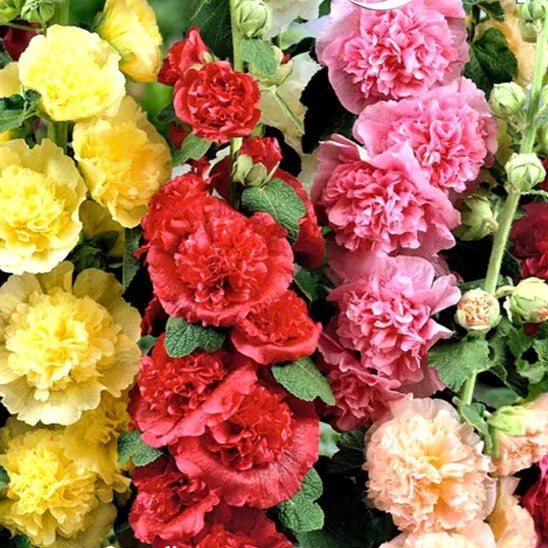
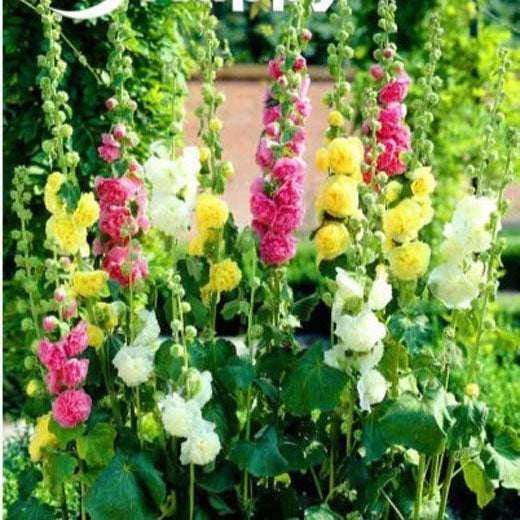
Hollyhock ‘Summer Carnival’ Double Mix Seeds (Althaea rosea)
Hollyhock ‘Summer Carnival’ is a striking biennial with tall spikes of fully double, ruffled blooms in a vibrant mix of colors. Blooming from mid to late summer, it adds drama and vertical interest to borders, cottage gardens, and pollinator-friendly spaces. Hardy and easy to grow, it attracts bees and butterflies while creating a stunning floral display.
What Makes It Special
-
Fully double, ruffled blooms in a vibrant color mix
-
Tall, dramatic flower spikes ideal for vertical accents
-
Attracts pollinators and adds cottage garden charm
Key Features
-
Botanical name: Althaea rosea
-
Biennial
-
Height: 150–200 cm
-
Bloom time: Mid to late summer
Ideal For
-
Borders and cottage gardens
-
Pollinator-friendly plantings
-
Backgrounds, vertical accents, and cut flowers
Sowing
-
Sow indoors Feb–Apr or outdoors Apr–Jun
-
Cover seeds lightly with soil
-
Germination: 14–21 days at 18–22°C
-
Space seedlings 40–50 cm apart
-
Flowers the following year
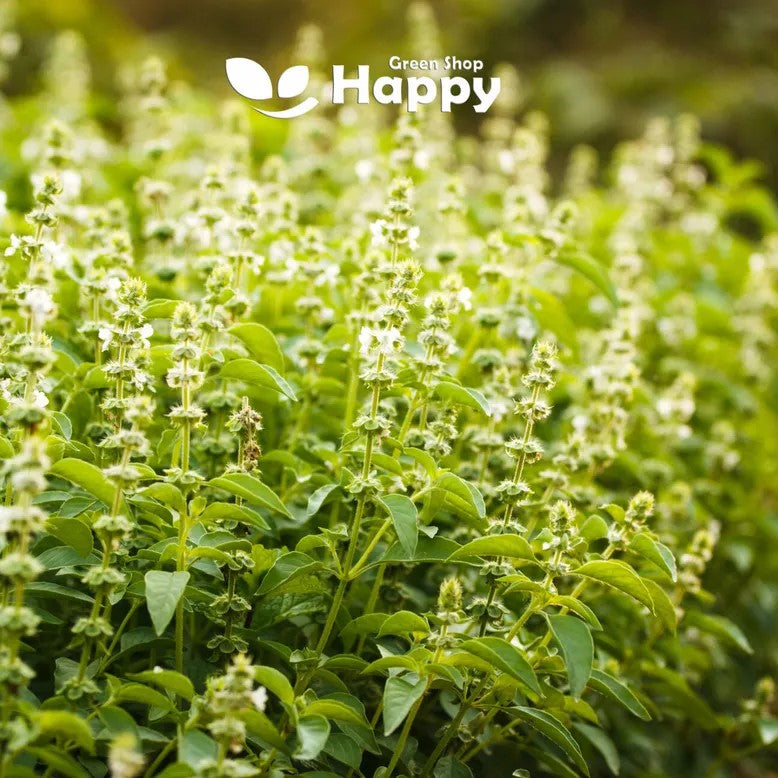

Holy Basil Herb Seeds (Ocimum sanctum)
Sacred in Ayurvedic tradition, Holy Basil (Ocimum sanctum), also known as Tulsi, is a fragrant and highly valued herb cherished for its medicinal and culinary uses. With its spicy, clove-like aroma and lush green foliage, it adds beauty to the garden and wellness to your kitchen. A must-have for herb lovers and holistic gardeners.
How to Grow
-
Sow indoors in early spring or directly outdoors after the last frost.
-
Use light, well-drained soil in a sunny location.
-
Sow 0.5 cm deep and keep soil moist until germination.
-
Thin seedlings to 25–30 cm apart.
-
Regular harvesting encourages bushy growth.
Key Features
-
Sacred Ayurvedic herb known as Tulsi
-
Distinct clove-like aroma and flavor
-
Rich in antioxidants and medicinal properties
-
Attractive green foliage with purple flowers
-
Easy to grow in pots, beds, or herb gardens
Ideal For
-
Herbal teas and remedies
-
Traditional and modern cooking
-
Home apothecaries and wellness gardens
-
Indoor pots or sunny outdoor spots
Sowing
-
Best time: Spring after frost
-
Depth: 0.5 cm
-
Spacing: 25–30 cm apart
-
Prefers sunny, warm conditions with well-drained soil
Quick Tip
-
Pinch back growing tips to encourage bushiness and a longer harvest season.
Honeywort – Seeds (Cerinthe major)
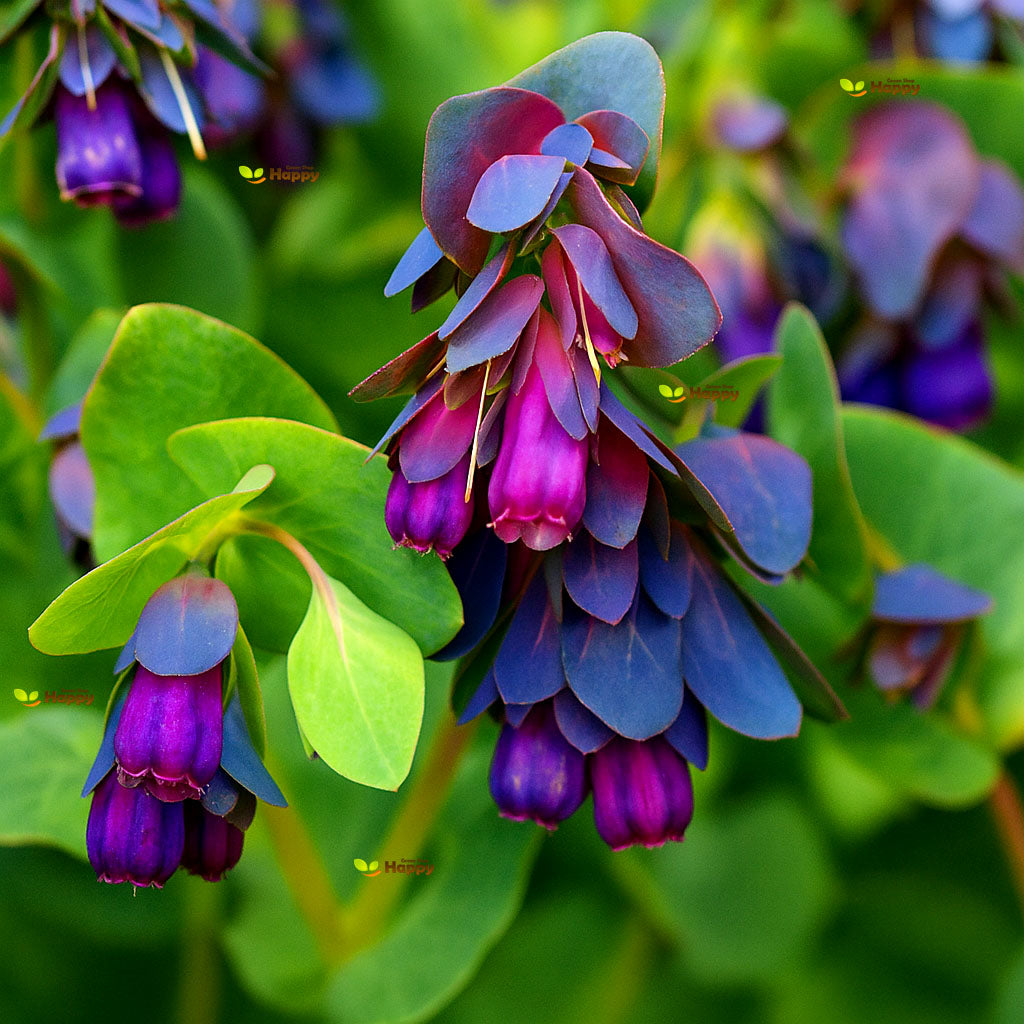
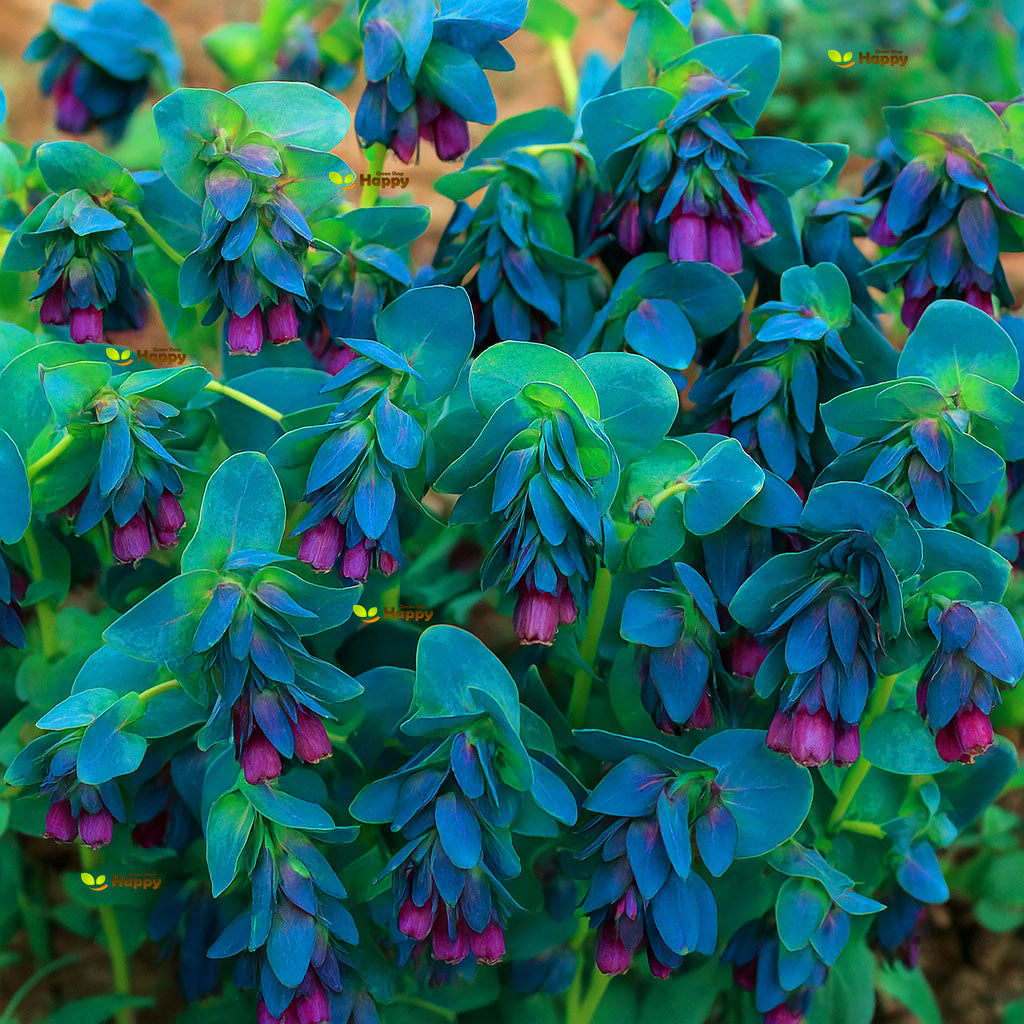
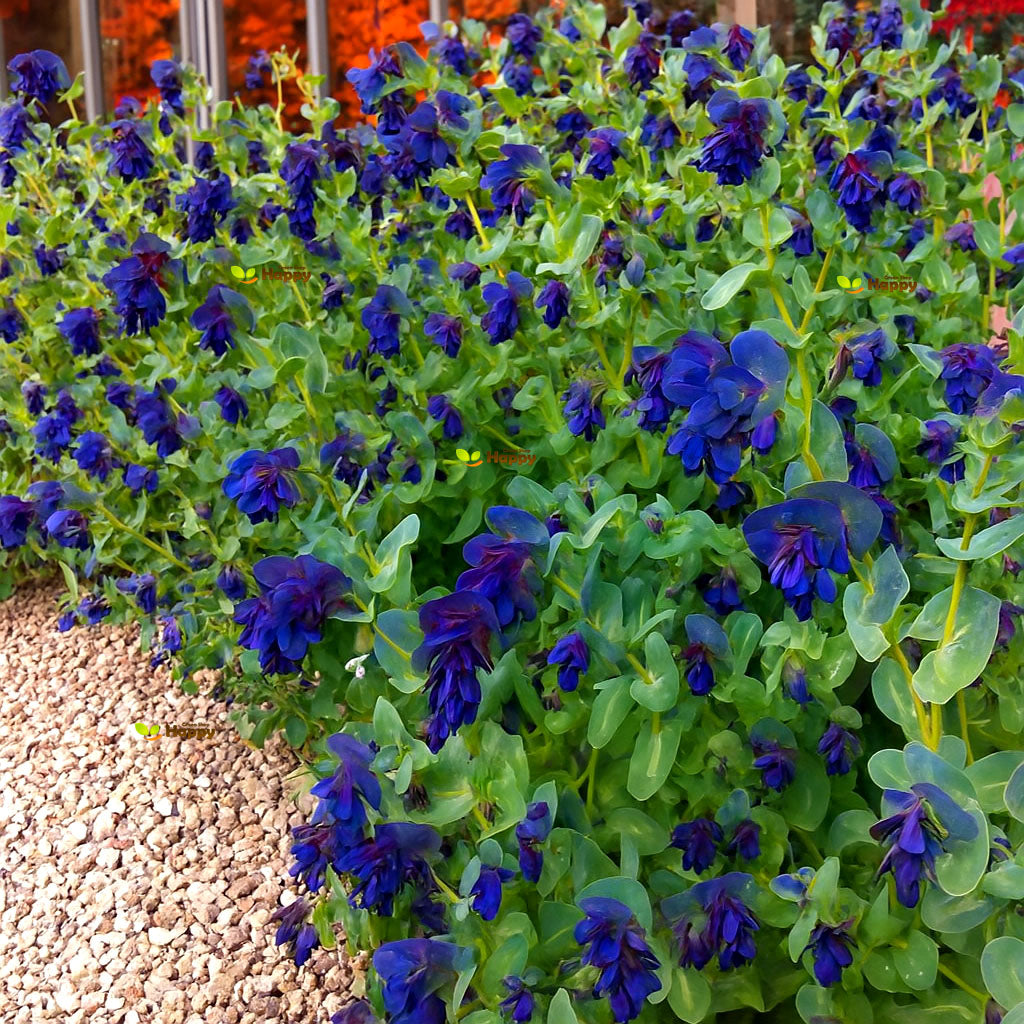
Honeywort (Cerinthe major) is an eye-catching annual with striking blue-purple tubular flowers and silvery-green foliage. Loved by bees and other pollinators, it adds unique texture and color to borders, cottage gardens, and wildflower mixes. Fast-growing and low-maintenance, it thrives in sunny, well-drained spots.
Why Grow "Honeywort"
-
Striking blue-purple tubular flowers
-
Silvery-green, ornamental foliage
-
Attracts pollinators including bees and butterflies
-
Easy to grow and low-maintenance
Key Features
-
Type: Hardy annual (Cerinthe major)
-
Height: 40–60 cm
-
Flowering: June–September
-
Position: Full sun, well-drained soil
-
Uses: Borders, cottage gardens, wildflower mixes, pollinator gardens
Ideal For
-
Pollinator-friendly gardens
-
Cottage and naturalistic borders
-
Adding height and color contrast
-
Wildflower plantings
Sowing & Growing
-
Sow outdoors: March–May in prepared soil
-
Germination: 10–20 days at 18–22°C
-
Thin seedlings to 25 cm apart
-
Prefers full sun and well-drained soil
-
Deadhead to encourage prolonged flowering
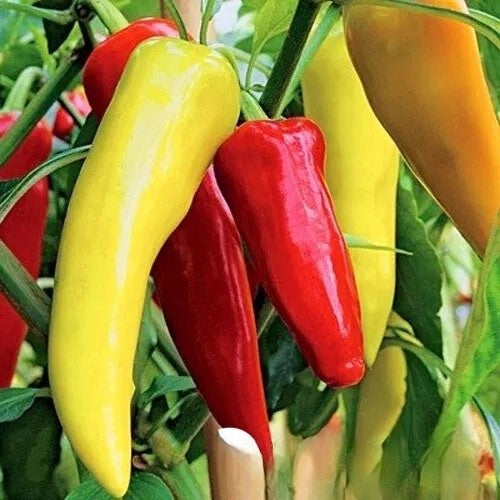
Horn Hot Chilli Pepper 'Harriet' – 30 Seeds (Capsicum annuum)
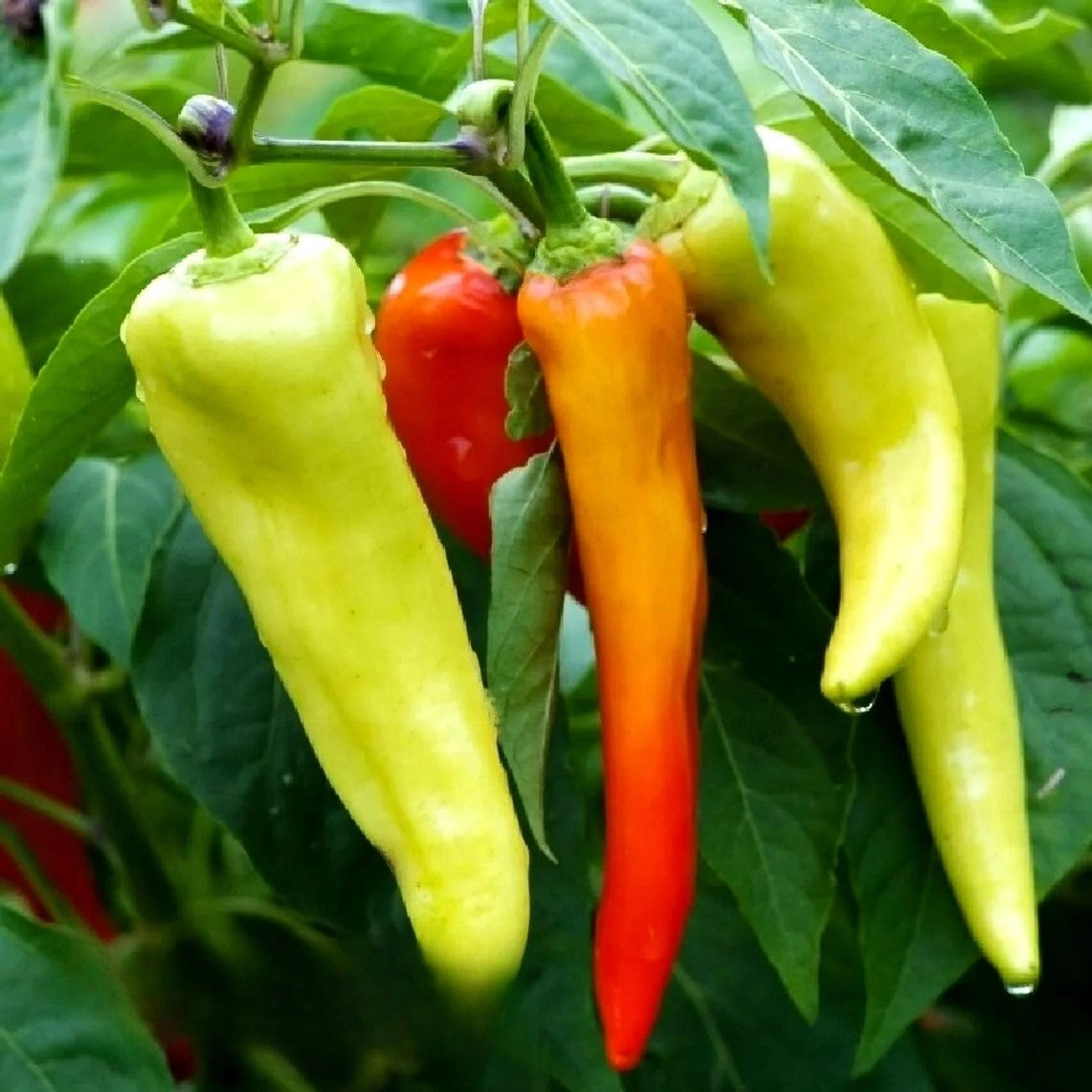
The Horn Hot Chilli Pepper 'Harriet' is a fiery, high-yielding variety producing long, horn-shaped fruits with a strong, vibrant heat and intense flavor. Perfect for spicing up sauces, salsas, pickles, or fresh dishes, this chilli is a must-have for hot pepper enthusiasts and adventurous gardeners.
Compact yet vigorous, 'Harriet' thrives in containers, garden beds, or greenhouses. Its early and prolific fruiting ensures a continuous harvest of bright, glossy red peppers throughout the season.
How to Grow
-
Sow indoors: February – March
-
Transplant outdoors: After last frost, spacing 40–50 cm apart
-
Position: Full sun
-
Soil: Fertile, well-drained soil enriched with compost
-
Care: Keep soil evenly moist; provide support for heavier fruit clusters
Key Features
-
Long, horn-shaped hot peppers with intense flavor
-
Vigorous, compact plants – ideal for containers and gardens
-
Early and prolific fruiting for continuous harvest
-
Perfect for sauces, salsas, pickling, and fresh dishes
-
Easy-to-grow variety for home gardeners and spice lovers
Harvest
-
Harvesting period: 70–85 days after sowing
-
Pick when bright red for full heat and flavor.
Short Tip
Use gloves when harvesting and handling ripe fruits to avoid skin irritation from capsaicin.
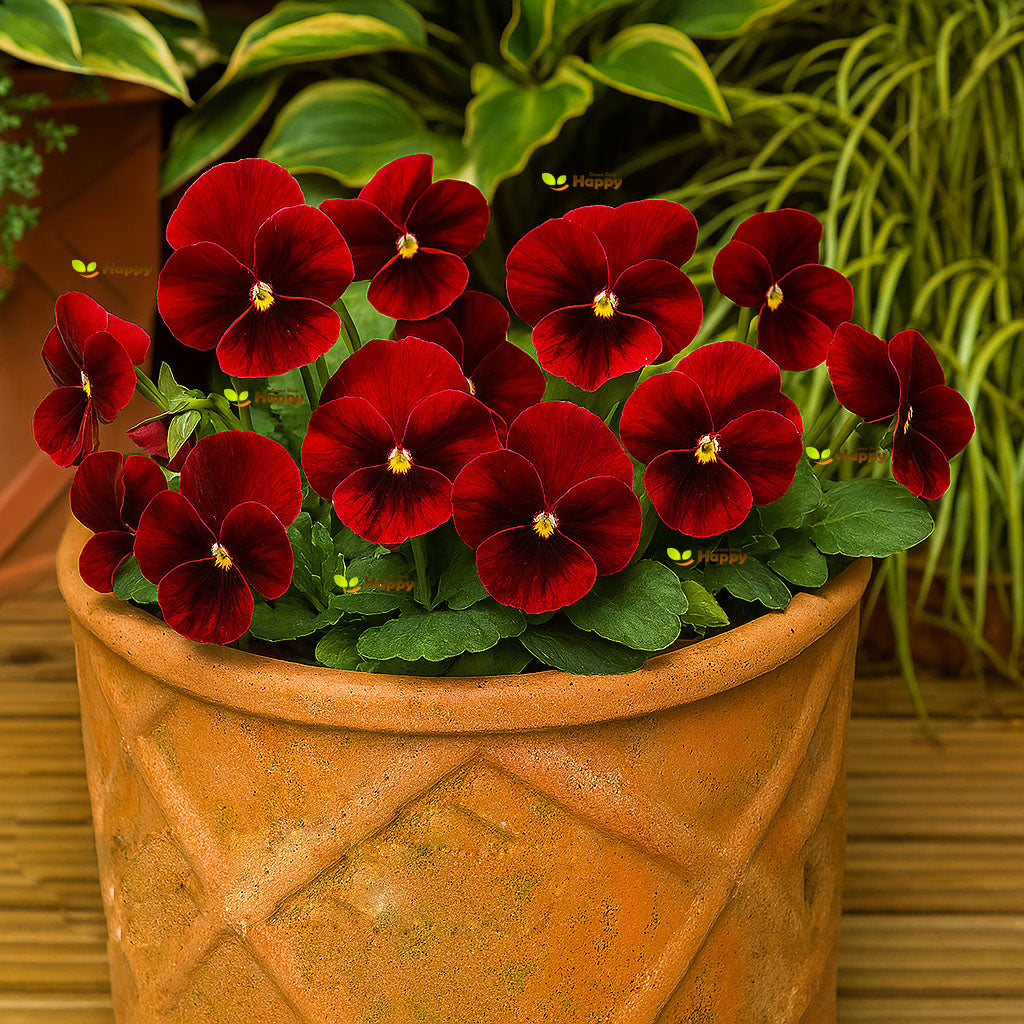
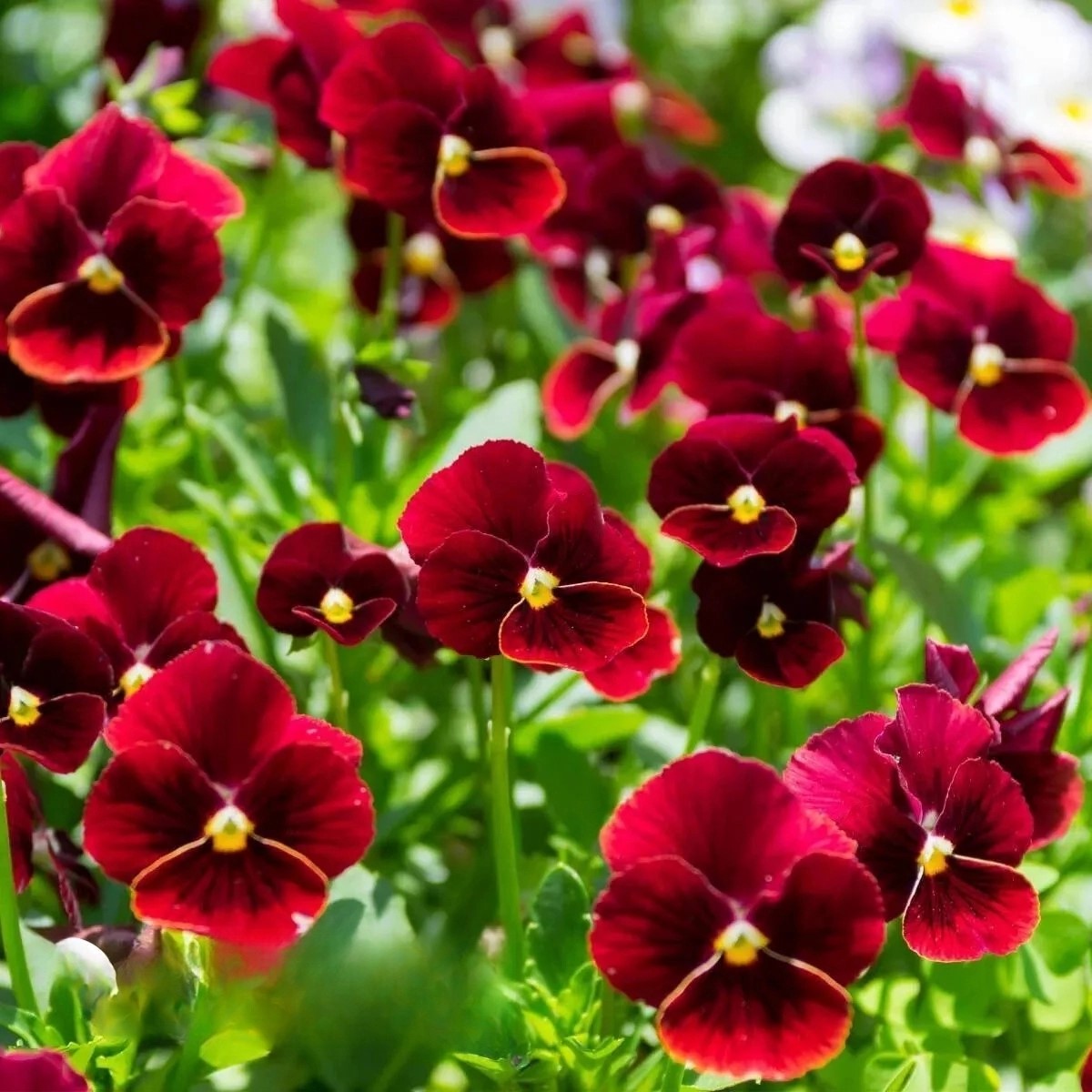
Horned Pansy 'Arkwright Ruby' Seeds (Viola cornuta)
Add a touch of elegance to your garden with Horned Pansy 'Arkwright Ruby'. This charming perennial produces velvety deep ruby-red blooms with golden centers, creating a striking contrast. Compact and free-flowering, it’s ideal for borders, rockeries, containers, and bedding.
What Makes It Special
-
Rich ruby-red flowers with glowing yellow eyes
-
Long flowering season from spring into autumn
-
Hardy, compact, and easy to grow
Key Features
-
Botanical name: Viola cornuta
-
Hardy perennial, often grown as biennial
-
Height: 15–20 cm
-
Spread: 20 cm
-
Blooms: April–October
Ideal For
-
Bedding and containers
-
Rock gardens and edging
-
Pollinator-friendly displays
Sowing
-
Sow indoors: February–April or September–October
-
Cover seeds lightly; germination takes 14–21 days at 15–20°C
-
Transplant seedlings to sunny or part-shade positions
-
Flowers the following spring if autumn sown
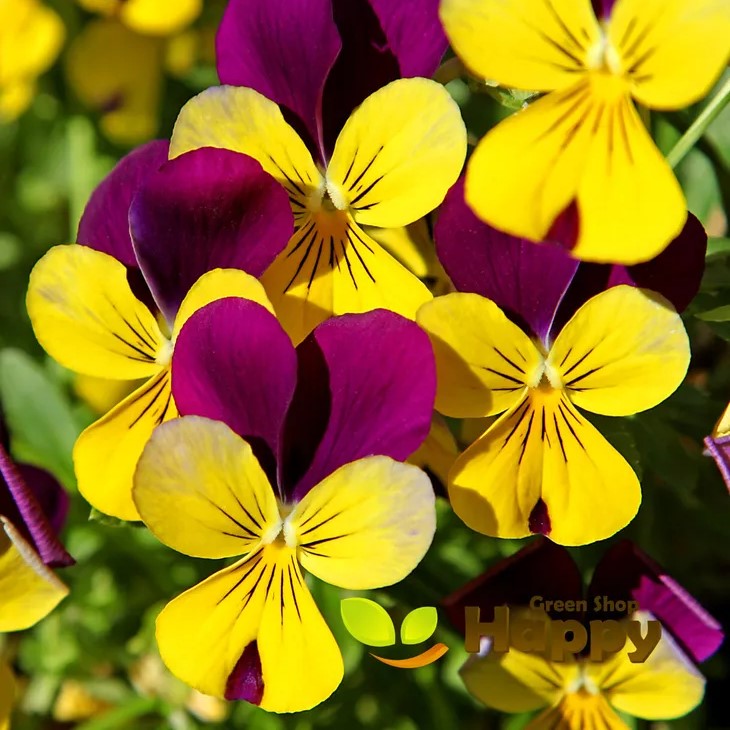
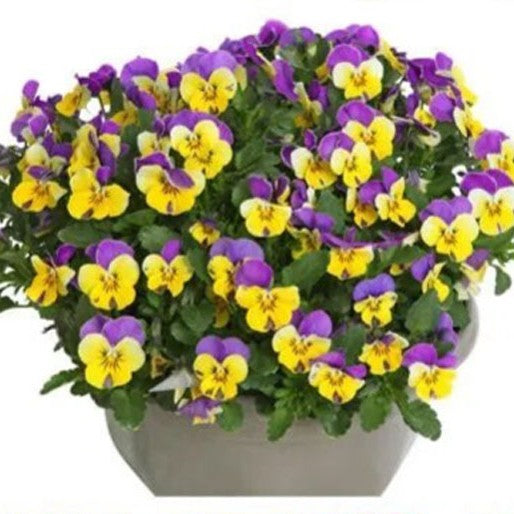
Horned Pansy 'John Jump Up' (Helen Mount) Seeds (Viola cornuta)
Bring charm and cheer to your garden with the classic Horned Pansy 'John Jump Up', also known as Helen Mount. This historic variety produces petite blooms with vibrant deep violet-purple petals, bright yellow centers, and soft lilac highlights. Perfect for naturalizing, borders, or cottage-style gardens, these hardy perennials bloom freely and reliably.
What Makes It Special
-
Distinctive tri-colored flowers with cheerful faces
-
Hardy, long-flowering perennial
-
Great for borders, containers, and ground cover
Key Features
-
Botanical name: Viola cornuta
-
Perennial (often grown as a biennial)
-
Height: 15–20 cm
-
Spread: 20–25 cm
-
Flowering: May–September
Ideal For
-
Borders, rock gardens, and cottage-style plantings
-
Naturalizing and long-lasting displays
-
Pollinator-friendly gardens
Sowing
-
Sow indoors: February–April, cover lightly with compost
-
Germination: 10–21 days at 15–20°C
-
Transplant outdoors: after last frost, 20 cm apart
-
Prefers sun to partial shade and moist, well-drained soil
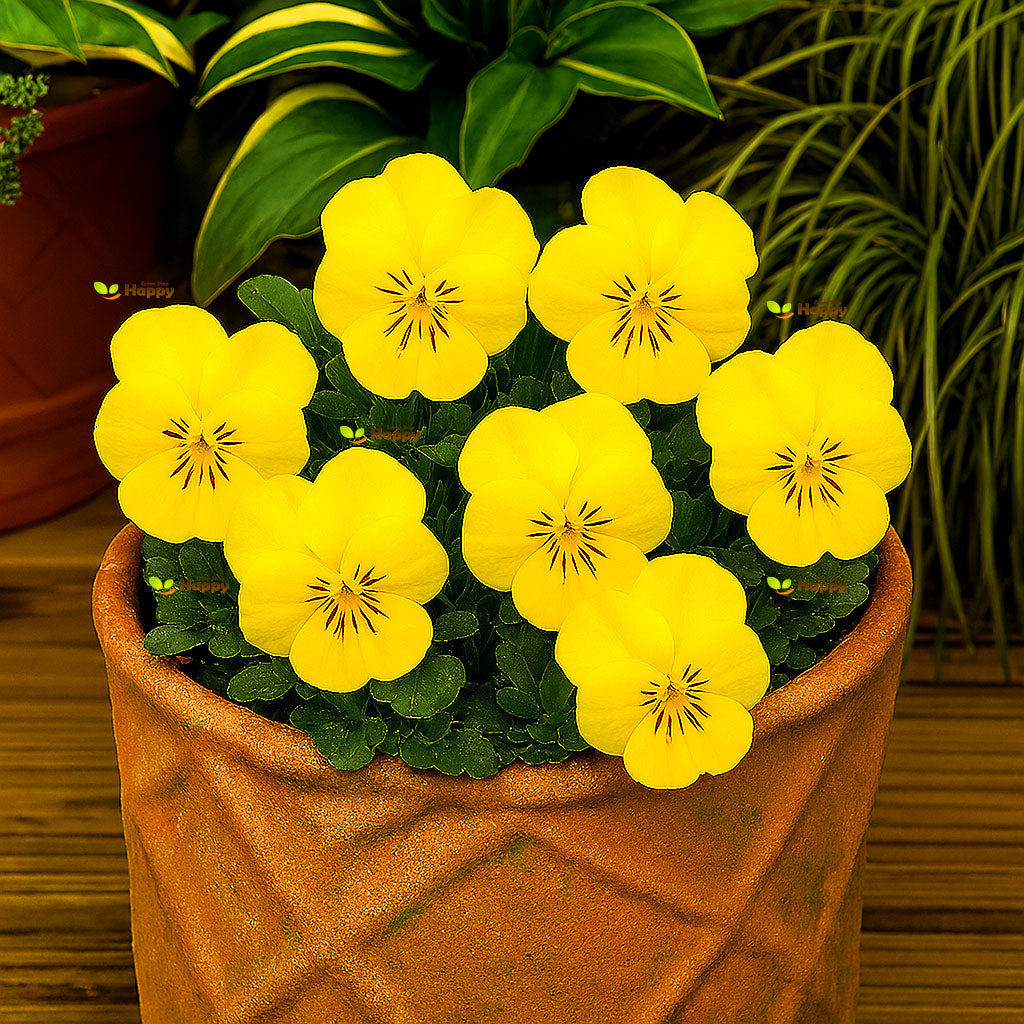
Horned Pansy 'Prince John' Seeds (Viola cornuta)
The Horned Pansy 'Prince John' is a delightful heirloom variety of Viola cornuta, loved for its charming golden-yellow blooms with subtle shading. Compact and long-flowering, it’s ideal for brightening up borders, containers, and rock gardens with a cheerful splash of sunshine. Hardy and easy to grow, it also attracts pollinators to the garden.
What Makes It Special
-
Distinctive golden-yellow flowers
-
Hardy perennial (often grown as a biennial)
-
Perfect for naturalizing or cottage-style gardens
Key Features
-
Botanical name: Viola cornuta
-
Perennial (treated as biennial in some climates)
-
Height: 15–20 cm
-
Spread: 20–25 cm
-
Flowering: May–September
Ideal For
-
Cottage gardens and naturalized plantings
-
Borders, pots, and rockeries
-
Long-lasting displays from spring to autumn
Sowing
-
Sow indoors: February–April, cover lightly with compost
-
Germination: 10–21 days at 15–20°C
-
Transplant outdoors: after last frost, 20 cm apart
-
Prefers sun to partial shade and moist, well-drained soil
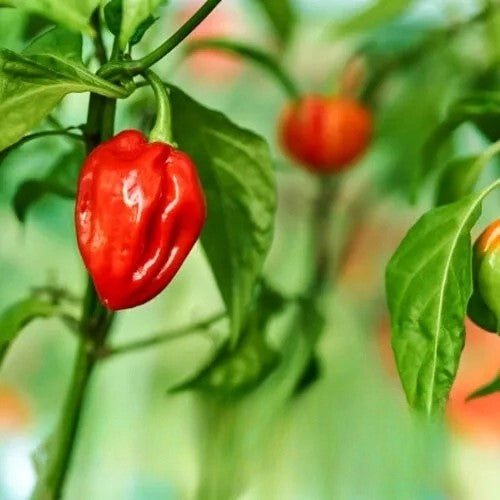
Hot Chilli Pepper 'Habanero' – Seeds (Capsicum annuum)
The Habanero chilli pepper is one of the world’s most famous hot chillies, delivering fiery heat with a unique fruity, citrus-like flavour. Compact yet highly productive, plants produce an abundance of small lantern-shaped peppers that ripen from green to bright orange or red.
A must-grow for chilli lovers, Habaneros are perfect fresh, dried, or made into hot sauces, salsas, and marinades.
How to Grow
-
Sow indoors: February – April, in warmth (20–25°C)
-
Transplant outdoors/greenhouse: After last frost, once plants are strong
-
Plant spacing: 40–50 cm
-
Position: Sunny, sheltered spot or greenhouse
-
Soil: Well-drained, fertile soil or pots with quality compost
-
Care: Keep evenly watered and feed regularly with tomato fertiliser
Key Features
-
Extremely hot chilli variety with fruity flavour
-
Lantern-shaped peppers, ripening to orange or red
-
Great for sauces, salsas, and drying
-
Productive plants, suitable for pots or greenhouse growing
-
Popular with chilli enthusiasts worldwide
Sowing & Harvest
-
Sow: February – April
-
Harvest: July – October
Showing 423/913


