
Sort by:
913 products
913 products

Meadow Sage – Seeds (Salvia pratensis)
Meadow Sage (Salvia pratensis) is a hardy perennial wildflower with elegant spikes of deep violet-blue blooms. Highly attractive to bees, butterflies, and other beneficial insects, it adds natural beauty and biodiversity to any garden. Long-flowering and low-maintenance, this sage is ideal for wild meadows, borders, and pollinator-friendly plantings.
Why Grow Meadow Sage?
-
Striking violet-blue flower spikes
-
Attracts bees, butterflies, and pollinators
-
Hardy, drought-tolerant perennial
-
Low-maintenance and long-lasting
Key Features
-
Type: Perennial
-
Height: 40–70 cm
-
Spread: 30–40 cm
-
Flowering: June–August
-
Position: Full sun
-
Soil: Well-drained, moderately fertile
Ideal For
-
Wildflower meadows
-
Pollinator-friendly gardens
-
Naturalized plantings
-
Sunny borders and cottage gardens
Sowing & Growing
-
Sow indoors: February–April in trays/pots
-
Germination: 14–21 days at 18–20°C
-
Transplant outdoors: After last frost
-
Direct sow outdoors: April–June or September
-
Spacing: 30–40 cm apart
Tip: Cutting back after flowering encourages a second flush of blooms.
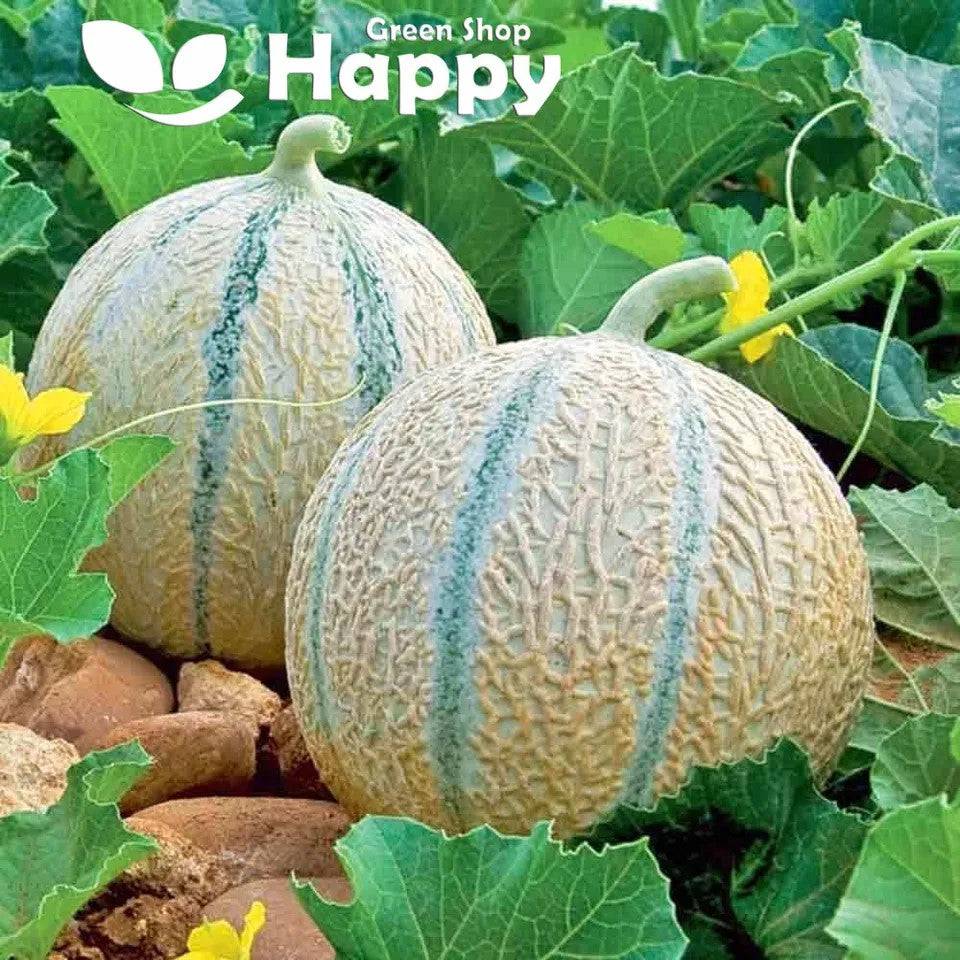
Melon 'Charentais' Seeds (Cucumis melo)
Enjoy the taste of France in your garden with Melon 'Charentais' (Cucumis melo). This classic French heirloom variety produces small, round melons with smooth grey-green skin and rich, aromatic orange flesh. Sweet, juicy, and intensely fragrant, it’s the perfect melon for fresh eating, desserts, and gourmet summer salads.
How to Grow
-
Sow seeds indoors 3–4 weeks before the last frost.
-
Use rich, well-drained soil in a warm, sunny spot.
-
Sow seeds 1.5–2 cm deep and keep soil moist until germination (7–10 days).
-
Transplant outdoors after frost, spacing 60–90 cm apart.
-
Harvest when fruits turn fragrant and skin shows slight cracking near the stem.
Key Features
-
Classic French heirloom melon
-
Small, round fruits with smooth grey-green skin
-
Intensely sweet, juicy, and aromatic orange flesh
-
Perfect for fresh eating, desserts, and summer salads
-
Compact vines, ideal for gardens and greenhouses
Ideal For
-
Home gardeners seeking gourmet-quality fruit
-
Fresh summer snacking and desserts
-
Greenhouse, polytunnel, or warm outdoor gardens
-
Lovers of fragrant, sweet melons
Sowing
-
Best time: Indoors 3–4 weeks before last frost
-
Depth: 1.5–2 cm
-
Spacing: 60–90 cm apart
-
Prefers full sun and rich, well-drained soil
Quick Tip
-
For the sweetest flavor, allow melons to ripen fully on the vine before picking.
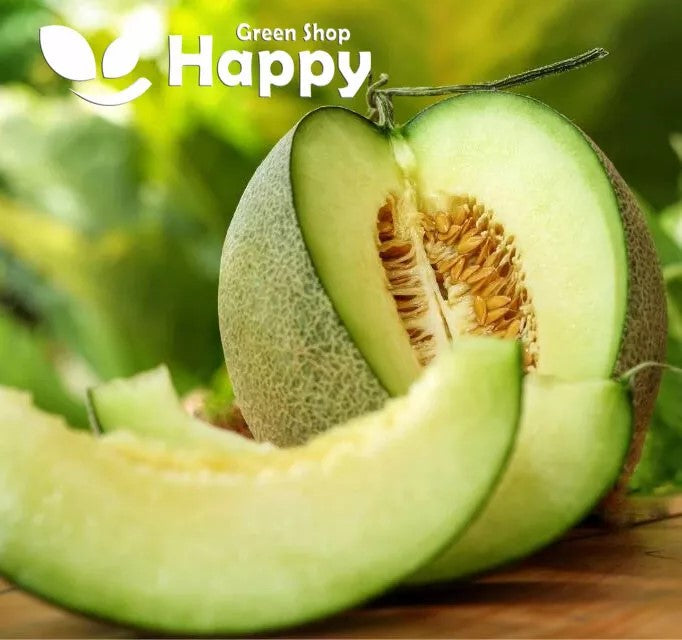
Melon 'Honeydew' – Seeds (Cucumis melo)
Enjoy the sweet, juicy flavor of Honeydew Melon, a classic variety known for its smooth pale green skin and luscious, pale green flesh. Perfect for fresh summer desserts, smoothies, and fruit salads, Honeydew is a highly rewarding melon for home gardeners. With proper care, it produces medium to large fruits that are sweet, fragrant, and full of summer flavor.
How to Grow
. Sow indoors: March – May, 1–2 cm deep in pots or seed trays
. Transplant outdoors: After last frost, spacing 60–80 cm apart in fertile, well-drained soil
. Sow outdoors: May – June, in warm, sunny locations
. Requires consistent watering and full sun for optimal sweetness
. Harvest: When fruits are heavy, with a waxy bloom on the skin and a sweet aroma
Key Features
. Classic Honeydew melon with smooth pale green skin
. Sweet, juicy, aromatic pale green flesh
. Medium to large fruits for fresh eating and salads
. High-yielding and rewarding summer crop
. Ideal for warm, sunny gardens or greenhouse growing
Ideal For
. Fresh summer desserts, fruit salads, and smoothies
. Home gardens and allotments
. Greenhouse cultivation for earlier harvests
. Gardeners seeking fragrant, sweet melons
Sowing & Harvest
. Sow: March – June
. Harvest: August – September
Quick Tip
For sweeter fruits, provide full sun, warm soil, and consistent watering, and avoid overhead watering to reduce the risk of fungal disease.
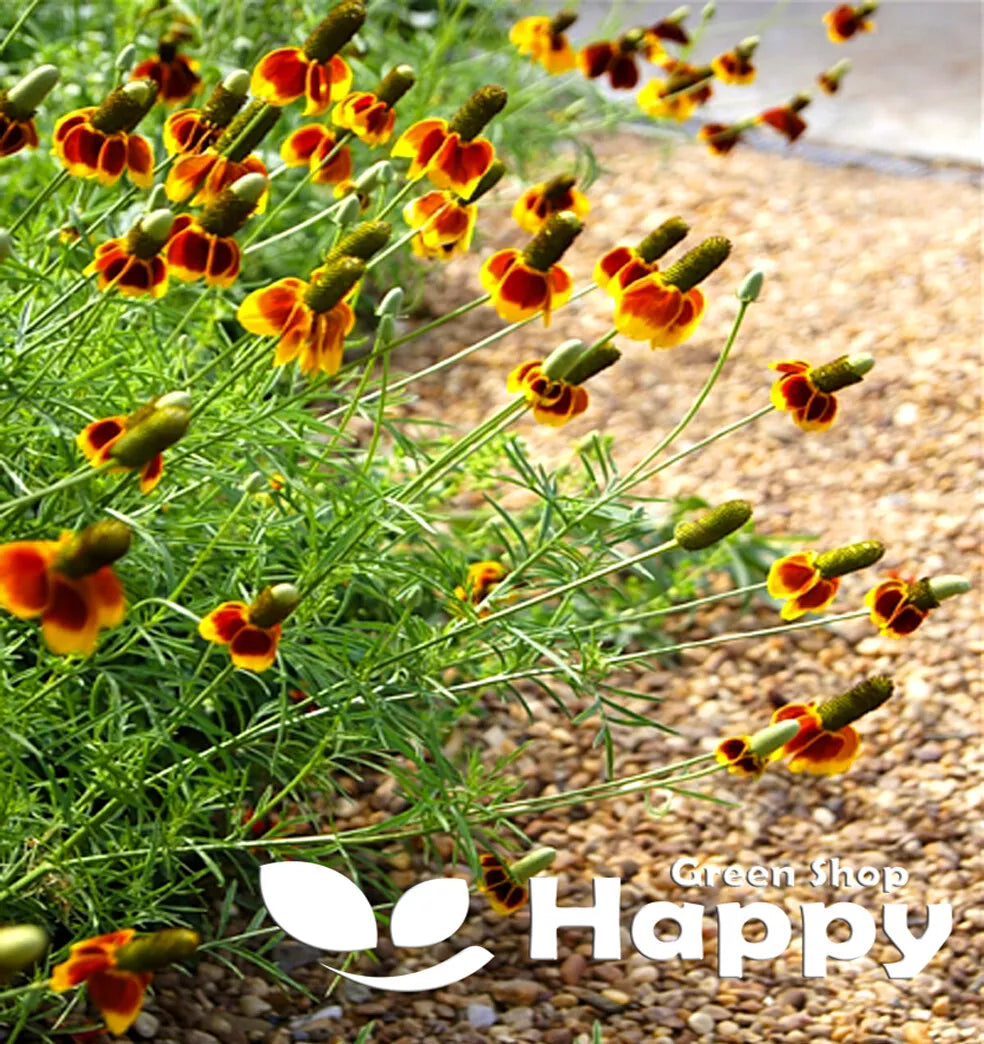
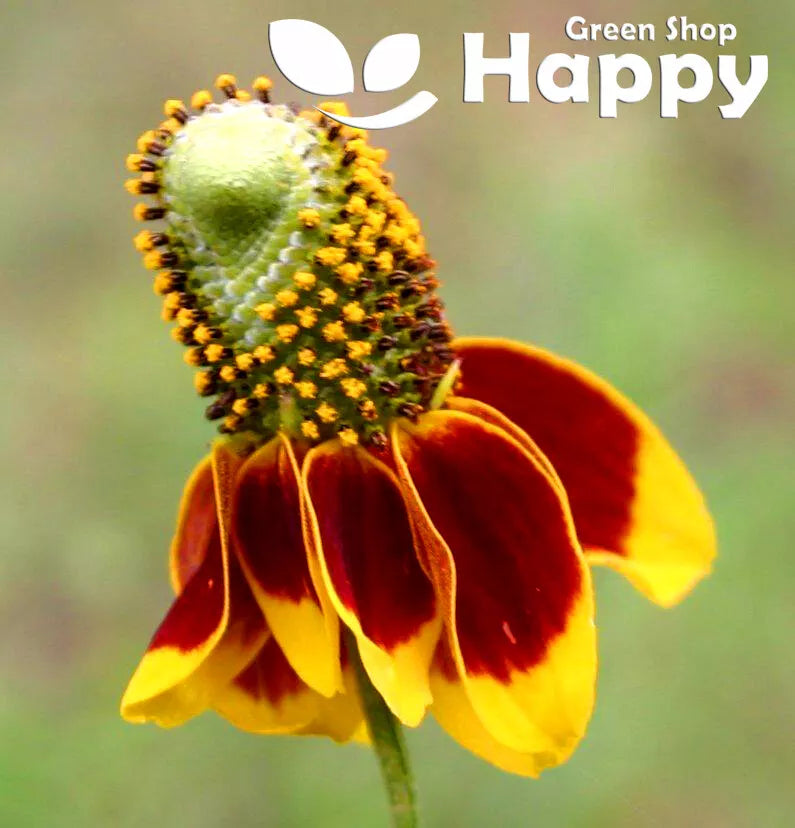
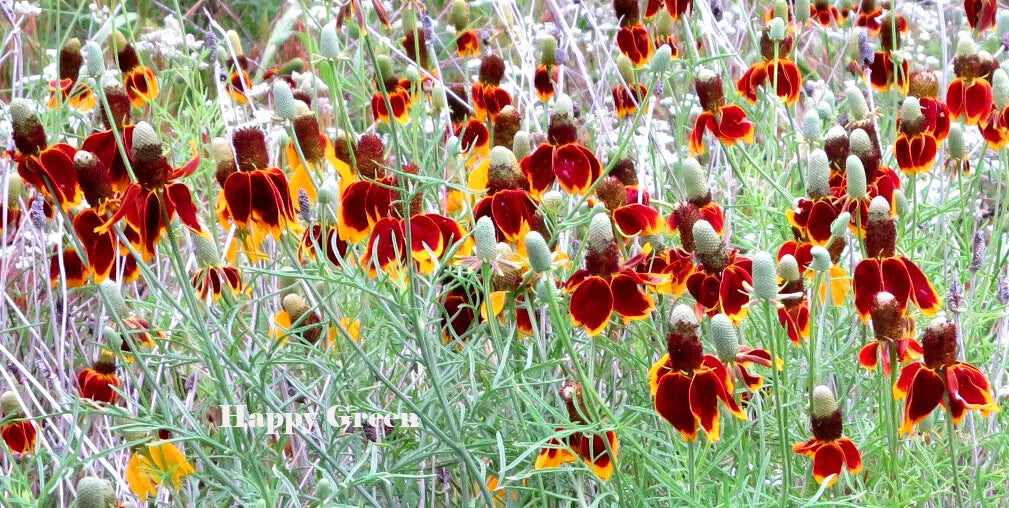
Mexican Hat – Seeds (Ratibida columnifera)
Mexican Hat (Ratibida columnifera) is a striking perennial wildflower named for its sombrero-shaped blooms. From summer into autumn, it produces vibrant yellow and red petals surrounding a tall, central cone. Hardy and drought-tolerant, it thrives in poor soils and full sun, making it perfect for naturalistic plantings, meadows, and wildlife gardens. Its long-lasting blooms attract bees, butterflies, and other pollinators, adding color and biodiversity to your outdoor space.
Why Grow "Mexican Hat"
-
Unique sombrero-shaped flowers in yellow and red
-
Long flowering from summer to autumn
-
Drought-tolerant and thrives in poor soils
-
Attracts bees, butterflies, and other pollinators
Key Features
-
Type: Perennial (Ratibida columnifera)
-
Height: 60–90 cm
-
Flowering: Summer to autumn
-
Position: Full sun
-
Uses: Meadows, wildlife gardens, borders, naturalistic plantings
Ideal For
-
Wildflower meadows and prairie-style gardens
-
Pollinator-friendly planting
-
Low-maintenance and drought-tolerant gardens
-
Adding unique blooms to borders and beds
Sowing & Growing
-
Sow indoors: 6–8 weeks before last frost
-
Sow outdoors: After frost danger has passed
-
Germination: 14–21 days
-
Space seedlings: 25–30 cm apart
-
Prefers well-drained, sandy or poor soils in full sun

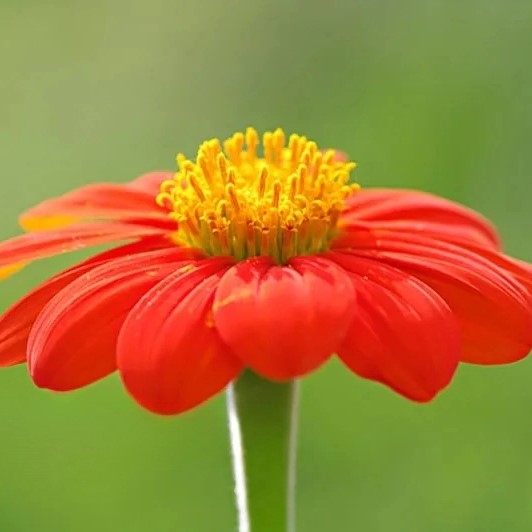
Mexican Sunflower Scarlet Red Seeds (Tithonia speciosa)
The Mexican Sunflower ‘Scarlet Red’ (Tithonia speciosa) is a bold, heat-loving annual that produces masses of large, daisy-like blooms in brilliant scarlet-red. A true magnet for butterflies, bees, and hummingbirds, this tall and vibrant flower adds fiery color to borders, wildlife gardens, and cutting displays. With its long flowering season and easy care, it thrives in sunny spots and poor soils.
Why Grow Mexican Sunflower ‘Scarlet Red’?
-
Striking scarlet-red blooms up to 8 cm across
-
Loved by pollinators and beneficial insects
-
Tall, branching plants for a dramatic display
-
Thrives in heat, sun, and poor soil
Key Features
-
Botanical name: Tithonia speciosa
-
Type: Half-hardy annual
-
Height: 120–150 cm
-
Spread: 60–75 cm
-
Flowering: July–October
Ideal For
-
Cottage and wildlife gardens
-
Pollinator-friendly plantings
-
Tall borders and backdrops
-
Cut flower arrangements
Sowing & Growing
-
Sow indoors: March–April, 0.5 cm deep in trays or pots
-
Transplant outdoors after frost, spacing 40–50 cm apart
-
Sow outdoors: May, directly where they are to grow
-
Prefers full sun and well-drained soil
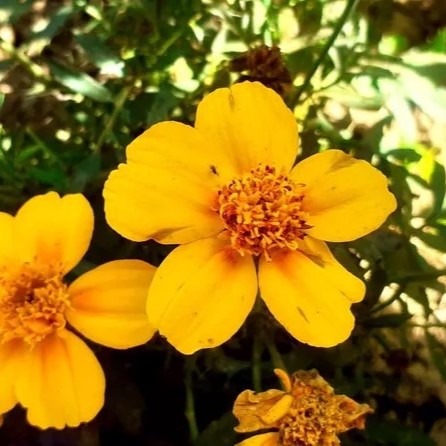
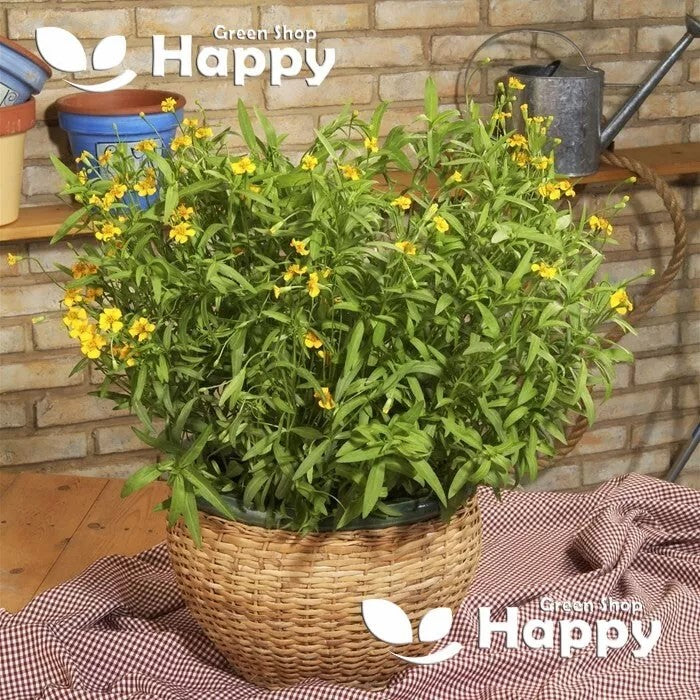

Mexican Tarragon – Seeds
(Tagetes lucida) – Perennial Herb / Ornamental
Mexican Tarragon, also known as Sweet Mace or Spanish Tarragon, is a versatile plant prized both as a culinary herb and a decorative flower. It produces bright golden-yellow blossoms and aromatic leaves with a distinctive anise-like flavor, often used as a substitute for French tarragon in cooking. Highly valued in traditional medicine and rituals, it is also a magnet for pollinators like bees and butterflies.
Key Features
-
Type: Tender perennial (often grown as annual in cooler climates)
-
Height: 45–75 cm
-
Spread: 30–40 cm
-
Flowers: Clusters of golden-yellow blooms
-
Blooming period: Summer to autumn
-
Position: Full sun
-
Soil: Well-drained, moderately fertile soil
-
Other: Aromatic foliage; edible herb
Ideal For
-
Herb and kitchen gardens
-
Summer borders and cottage gardens
-
Pollinator-friendly gardens
-
Containers and pots
-
Edible landscaping
Culinary & Herbal Uses
-
Leaves used fresh or dried in soups, sauces, chicken, and fish dishes
-
Herbal teas with calming properties
-
Traditional medicinal and ceremonial uses
Sowing & Growing
-
Sow indoors: February–April in seed trays with light soil.
-
Germination: 7–14 days at 18–22°C.
-
Transplant: Harden off and plant outdoors after the last frost.
-
Care: Prefers sunny, warm positions. Pinch young shoots to encourage bushiness. Harvest leaves before flowering for best flavor.
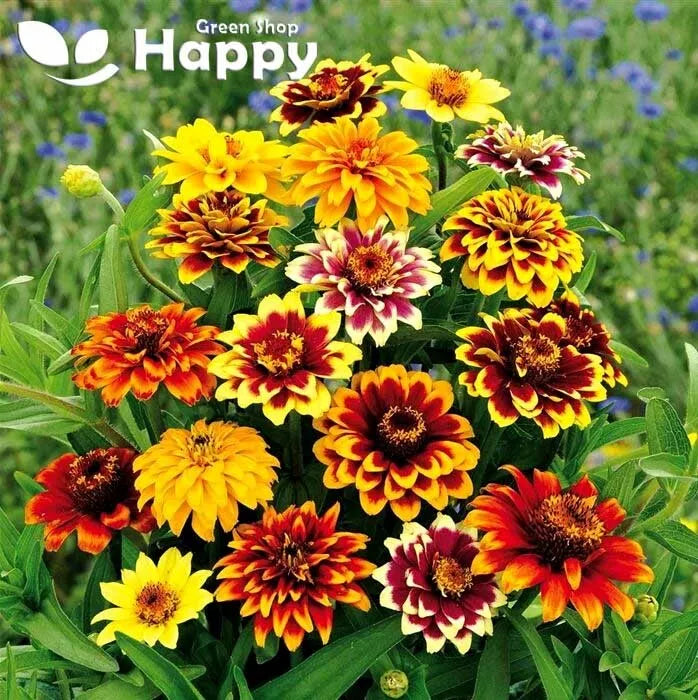
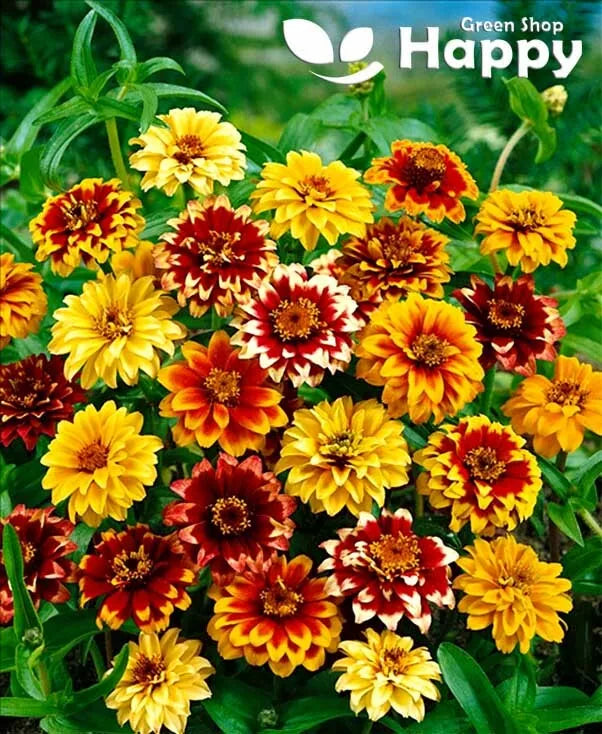
Mexican Zinnia Mix – Bright, Heat-Loving Blooms All Summer
Mexican Zinnia Mix is a vibrant, hardy variety producing masses of small, cheerful blooms in warm shades of gold, orange, red, and bicolors. Known for thriving in hot, dry conditions, these zinnias keep blooming from early summer right through to frost, making them a low-maintenance favorite for sunny gardens and containers.
What Makes It Special
-
Brilliant warm-toned blooms that love the heat
-
Long-lasting color even in dry conditions
-
Continuous flowering from summer to frost
-
Attracts bees, butterflies, and pollinators
-
Resilient and easy to grow
Key Features
-
Height: 30–40 cm – neat, bushy plants
-
Warm shades of yellow, orange, red, and bicolors
-
Great for edging, borders, and pots
-
Low-maintenance and drought-tolerant
-
Blooms stay fresh and vibrant for weeks
Ideal For
-
Hot, sunny borders and beds
-
Patio containers and balcony planters
-
Pollinator-friendly gardens
-
Summer-long color displays
Sowing
-
Sow indoors 4–6 weeks before last frost or direct sow after frost danger has passed
-
Cover seeds lightly with fine soil
-
Germination: 5–10 days at 21–24°C
-
Space plants 20–25 cm apart
-
Prefers full sun and well-drained soil
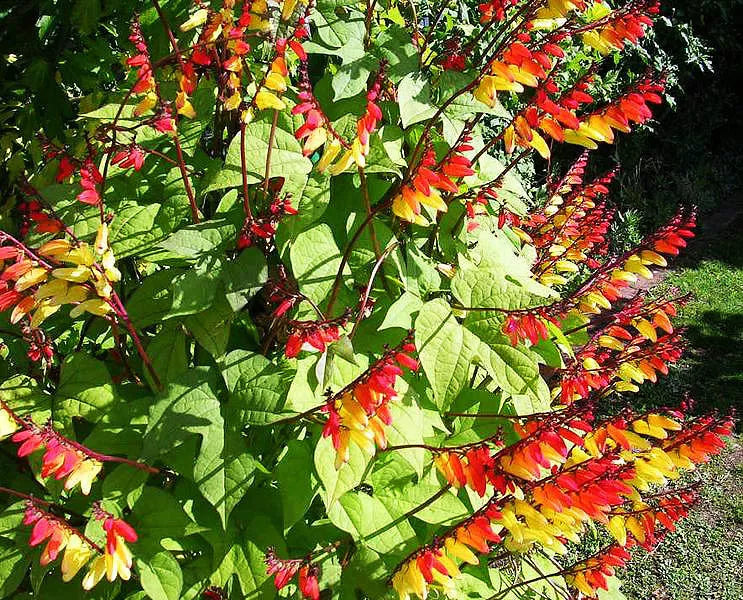
Mina 'Spanish Flag' – 65 Seeds (Mina lobata)
Bring vibrant color and vertical drama to your garden with Mina lobata, also known as the Spanish Flag or Exotic Love Vine. This spectacular climber produces cascades of flame-like flower spikes that open red, then mature through orange, yellow, and finally creamy white—creating a dazzling tricolor effect all season long. Fast-growing and easy to train, it’s a showstopper for trellises, arches, and fences.
What Makes It Special
-
Striking multi-colored flower spikes in fiery shades
-
A vigorous annual climber that covers structures quickly
-
Long-lasting blooms from summer to frost
Key Features
-
Height: up to 3–5 m with support
-
Annual, fast-growing
-
Blooms from midsummer to autumn
-
Perfect for vertical gardening and decorative screening
Ideal For
-
Trellises, arches, pergolas, and fences
-
Adding a tropical flair to summer gardens
-
Containers with climbing supports
Sowing
-
Sow indoors Feb–Apr at 18–22°C
-
Germination: 10–21 days
-
Harden off and plant outdoors after last frost in full sun
-
Provide strong support for climbing

Mixed Cacti – Seeds
Mixed Cacti is a collection of hardy, slow-growing succulent plants perfect for indoor or outdoor rockeries, terrariums, and container gardens. These unique plants feature a variety of shapes, sizes, and textures, adding exotic charm to any collection. Ideal for hobby gardeners, collectors, and low-maintenance garden enthusiasts.
Why Grow Mixed Cacti?
-
Variety of unique shapes, sizes, and textures
-
Low-maintenance and drought-tolerant
-
Perfect for indoor, outdoor, or container planting
-
Adds exotic appeal to any garden or collection
Key Features
-
Type: Succulent / Cacti
-
Height: Varies by species
-
Flowers: Seasonal (species-dependent)
-
Position: Full sun to partial shade
-
Soil: Well-drained, sandy or cactus mix
Ideal For
-
Terrariums, rockeries, and container gardens
-
Indoor and outdoor succulent collections
-
Low-maintenance and drought-tolerant plantings
-
Gardeners and collectors seeking variety
Sowing & Growing
-
Sow indoors: February–April in seed trays
-
Sow outdoors: April–May in well-drained soil
-
Germination: 2–6 weeks, depending on species
-
Spacing: Plant according to mature size
-
Care: Minimal watering; avoid overwatering
Showing 495/913


