
Sort by:
300 products
300 products

Rudbeckia Seeds 'Rustic dwarf' mixed - 1000 seeds (Rudbeckia hirta) Flower Seeds
£1.24
Unit price perRudbeckia Seeds 'Rustic dwarf' mixed - 1000 seeds (Rudbeckia hirta) Flower Seeds
£1.24
Unit price per🌼 Rudbeckia hirta ‘Rustic Dwarf Mix’ – Compact Coneflowers with Warm Autumn Tones
‘Rustic Dwarf Mix’ is a charming compact rudbeckia (coneflower) blend producing masses of daisy-like flowers in warm, rustic shades of golden yellow, bronze, copper and mahogany, all with distinctive dark central cones. The plants form neat, bushy clumps and flower freely from mid-summer into autumn, making this mix ideal for borders, bedding displays, containers and pollinator-friendly gardens. Hardy, reliable and easy to grow, it provides long-lasting colour when many summer flowers begin to fade.
Life cycle: Annual (often grown as an annual; some plants may behave as short-lived perennials)
Key Features
● Warm, rustic colour mix with dark central cones
● Compact, uniform plants with tidy habit
● Long flowering season from summer to autumn
● Excellent for borders, containers and bedding
● Highly attractive to bees and pollinators
How to Sow & Grow Rudbeckia ‘Rustic Dwarf Mix’ (UK)
Sow indoors: II–IV (February–April)
Transplant outdoors: V–VI (May–June) after last frost
Direct outdoors: IV–V (April–May)
Flowering: VII–X (July–October)
Germination temperature: 18–22 °C (64–72 °F)
Average germ time: 10–21 days
Depth: Surface sow – do not cover; press gently into soil (light required)
Light required: Yes
Moisture: Moderate
Environment: Full sun (tolerates light shade)
Soil type: Well-drained, average garden soil
Plant spacing: 25–30 cm (10–12 in)
Height: 30–40 cm (12–16 in)
Sowing & Growing Tips (variety-specific)
● Start seeds under cover for earlier flowering.
● Deadhead regularly to extend the bloom period.
● Drought-tolerant once established.
● Excellent performer in hot, sunny positions.
● Ideal for low-maintenance and wildlife gardens.
Special Features
● Compact rudbeckia ideal for smaller spaces
● Rich, autumnal colour palette
● Reliable, long-lasting summer flowers
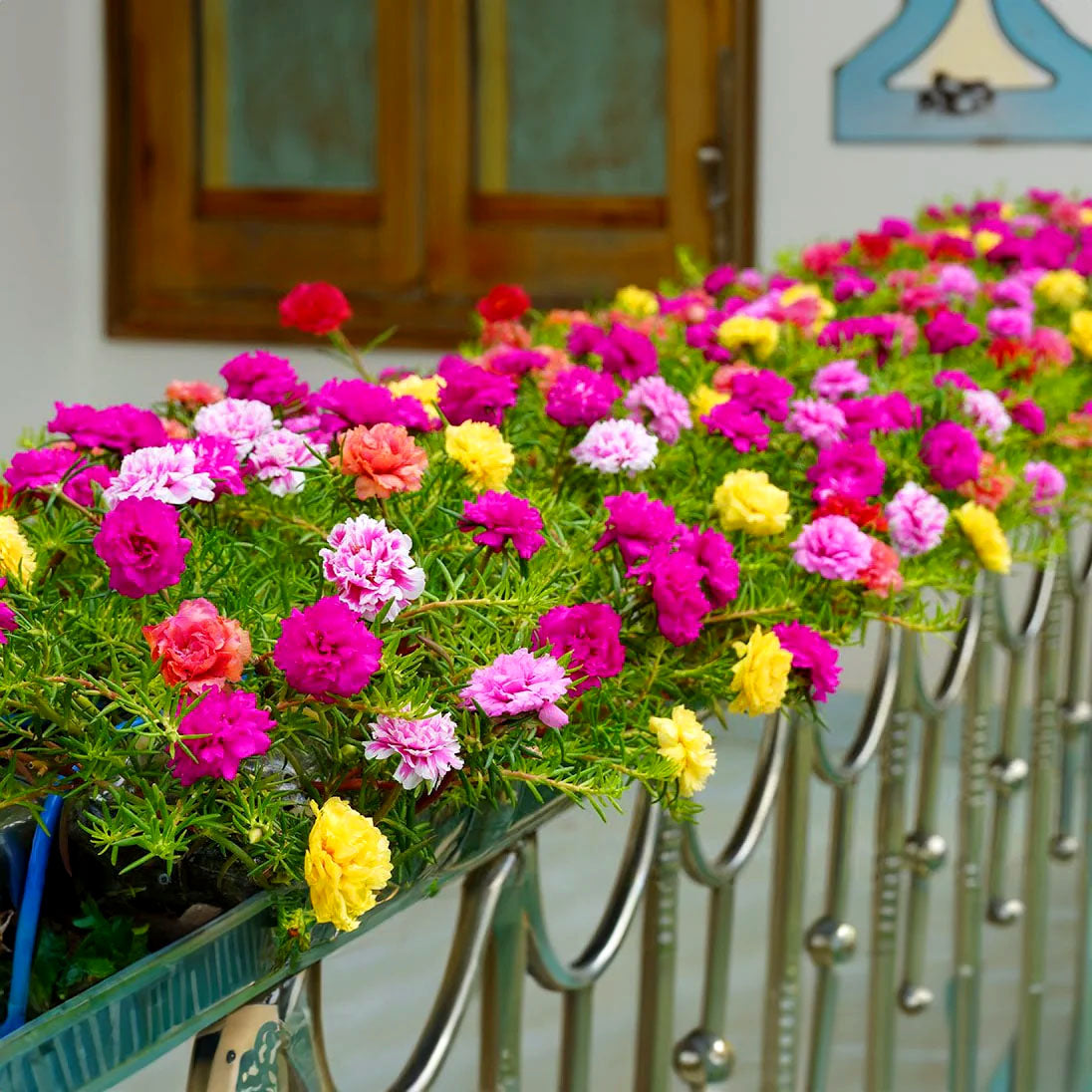
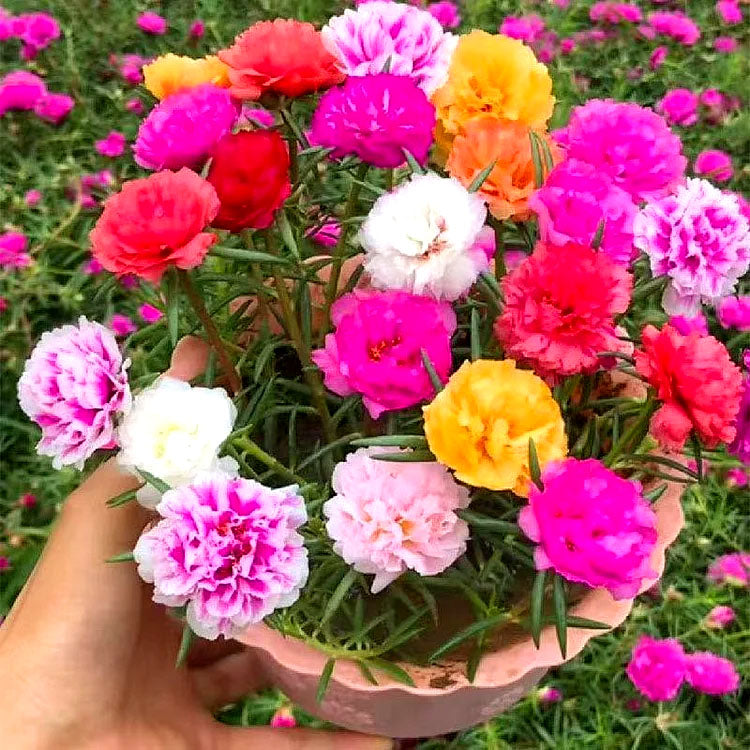
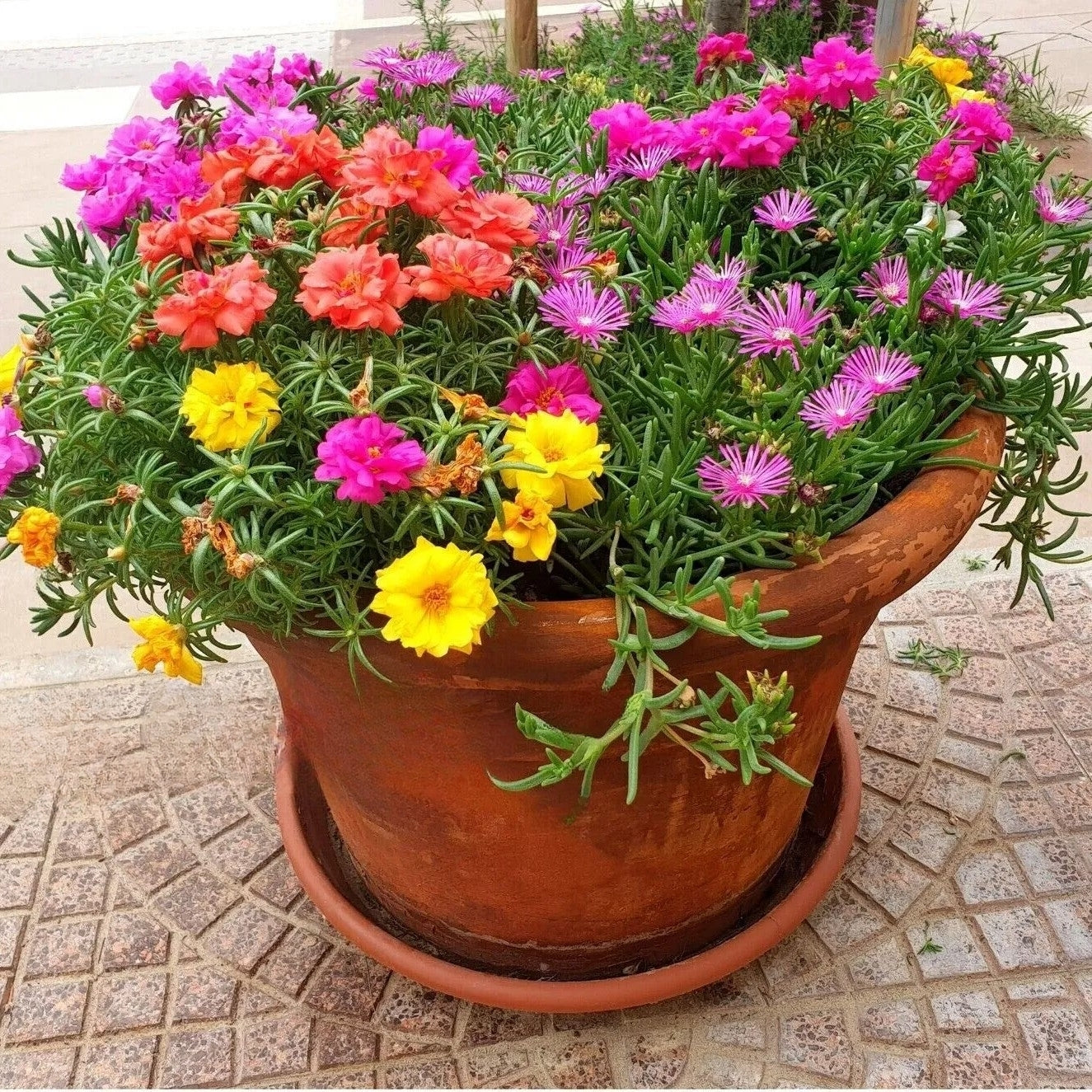
Moss Rose Longbloom Double Mix – 2,000 Seeds (Portulaca grandiflora)
Moss Rose Longbloom Double Mix (Portulaca grandiflora) is a vibrant annual producing abundant double blooms in a rainbow of colors, including pink, red, yellow, orange, and white. Its low-growing, spreading habit makes it ideal for rockeries, borders, containers, and sunny garden beds. Fast-growing, drought-tolerant, and long-flowering, it attracts pollinators while adding continuous summer color.
Why Grow "Longbloom Double Mix"
-
Profusion of double blooms in bright mixed colors
-
Low-growing, spreading habit ideal for ground cover
-
Long flowering period from summer to autumn
-
Drought-tolerant and easy to maintain
-
Attracts bees, butterflies, and other pollinators
Key Features
-
Type: Annual (Portulaca grandiflora)
-
Height: 10–20 cm
-
Flowering: June–September
-
Position: Full sun
-
Uses: Rockeries, borders, containers, ground cover, pollinator-friendly gardens
Ideal For
-
Sunny borders and garden beds
-
Rockeries and container planting
-
Pollinator-friendly gardens
-
Low-maintenance, drought-tolerant planting
Sowing & Growing
-
Sow indoors: March–April in seed trays or pots
-
Sow outdoors: After last frost in prepared soil
-
Germination: 7–14 days at 18–22°C
-
Thin seedlings to 15–20 cm apart
-
Prefers full sun and well-drained soil
-
Deadhead occasionally to prolong flowering
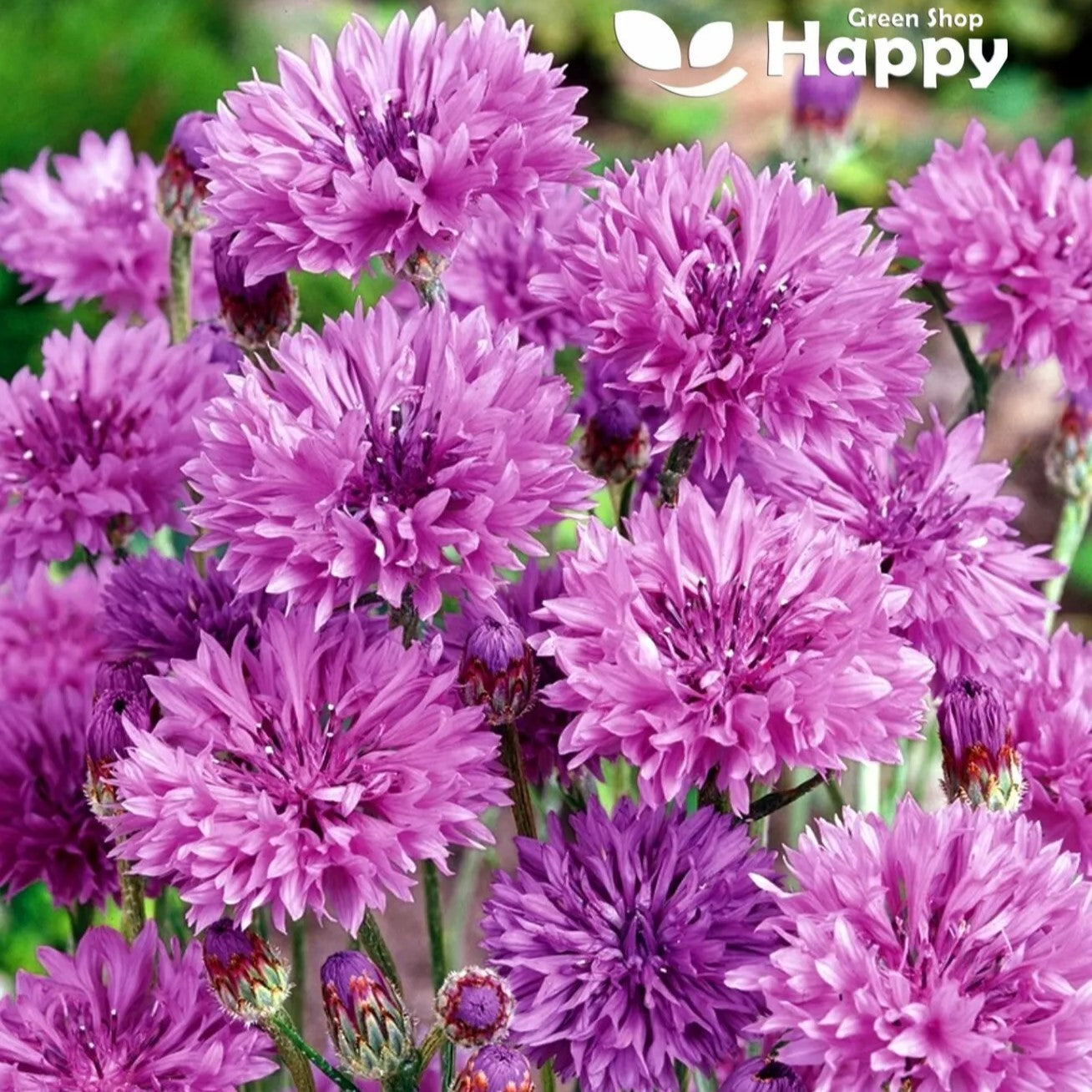
Cornflower ‘Bachelor’s Button Mauve’ Seeds (Centaurea cyanus)
Add timeless charm to your garden with Cornflower ‘Bachelor’s Button Mauve’ (Centaurea cyanus). This annual produces elegant mauve-blue flowers with a delicate, fringed appearance, creating a classic cottage garden feel. Easy to grow and long-flowering, it’s perfect for borders, meadows, and cut flower arrangements, while also attracting pollinators.
How to Grow
-
Sow directly outdoors in spring or autumn.
-
Use well-drained soil in a sunny location.
-
Scatter seeds thinly and cover lightly with soil.
-
Keep soil moist until germination (7–14 days).
-
Thin seedlings to 20–25 cm apart once established.
-
Deadhead regularly to prolong flowering and maintain plant vigor.
Key Features
-
Elegant mauve-blue, fringed blooms
-
Hardy annual, easy to grow and long-flowering
-
Ideal for borders, meadows, and cutting gardens
-
Attracts bees, butterflies, and other pollinators
-
Classic cottage garden appeal
Ideal For
-
Flower borders and cottage gardens
-
Meadow-style plantings and naturalized areas
-
Cutting gardens for fresh bouquets
-
Pollinator-friendly landscapes
Sowing
-
Best time: Spring or autumn directly outdoors
-
Germination: 7–14 days
-
Sow thinly, cover lightly, and keep soil moist
-
Prefers full sun and well-drained soil
Quick Tip
-
For a longer flowering season, sow successive batches every 2–3 weeks during spring.
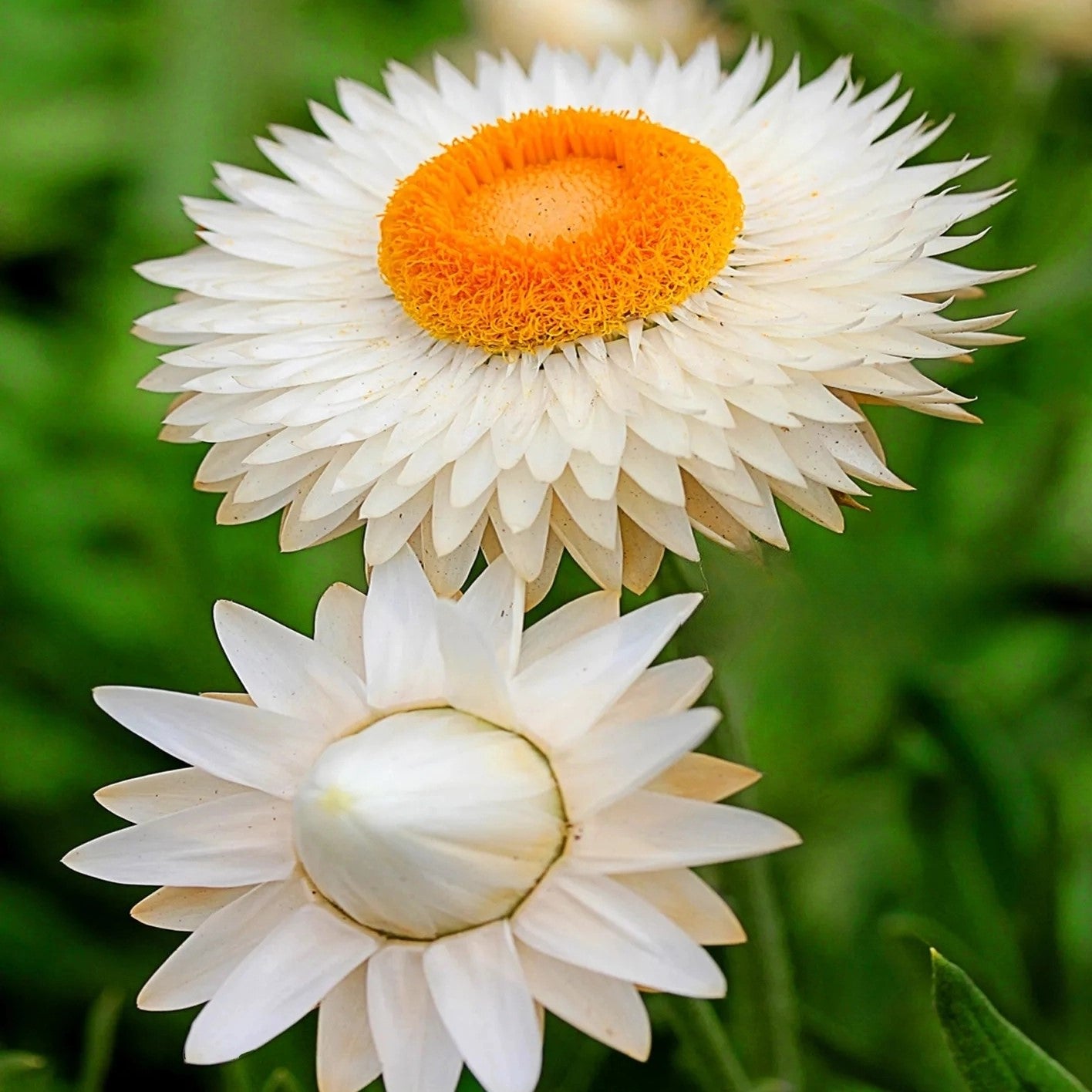
Strawflower White – 900 Seeds (Helichrysum bracteatum)
Elegant and timeless, Strawflower White produces crisp, pearl-white papery blooms that shine both in the garden and in dried floral arrangements. Known for their everlasting quality, these flowers keep their beauty for months, making them a favorite for bouquets and crafts.
What Makes It Special
-
Pure white blooms that dry beautifully while keeping their color
-
Long-lasting and low-maintenance
-
Ideal for fresh cut or everlasting dried displays
-
Blooms all summer until frost
Key Features
-
Annual, height: 60–80 cm
-
Papery textured blooms perfect for drying
-
Thrives in sunny, well-drained soil
-
Attracts butterflies and pollinators
Ideal For
-
Everlasting dried flower arrangements and crafts
-
Borders, beds, and cutting gardens
-
Adding elegance to summer displays
-
Low-water or easy-care gardens
Sowing
-
Sow indoors 6–8 weeks before last frost or outdoors after frost danger passes
-
Lightly cover seeds; germination in 7–14 days at 18–22°C
-
Transplant or thin seedlings to 25–30 cm apart
-
Pinch tips for more blooms and bushier plants
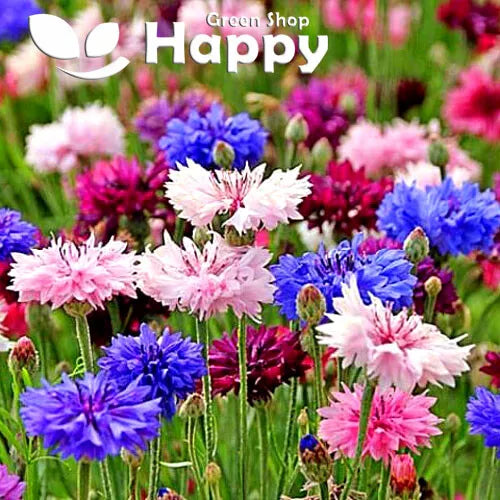
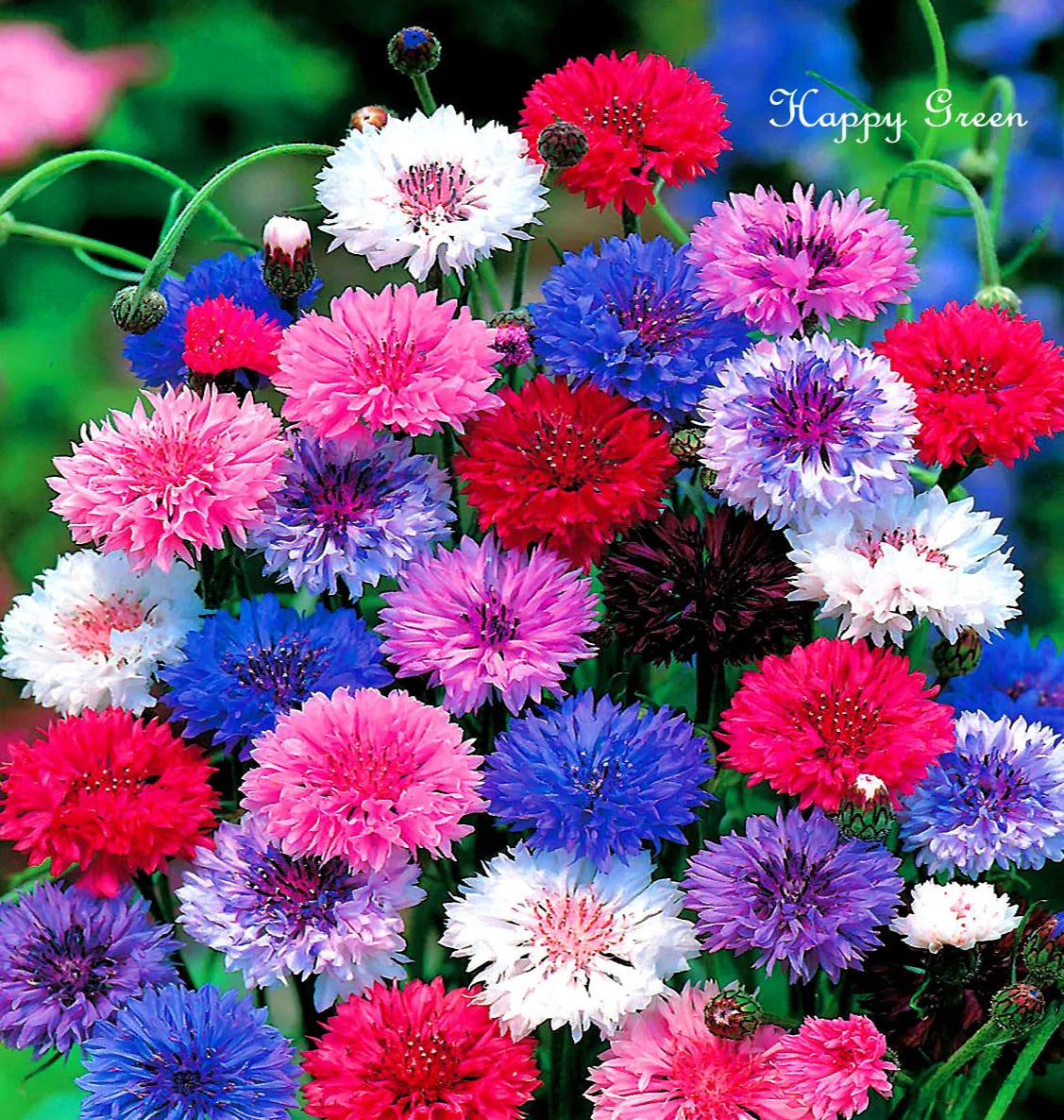
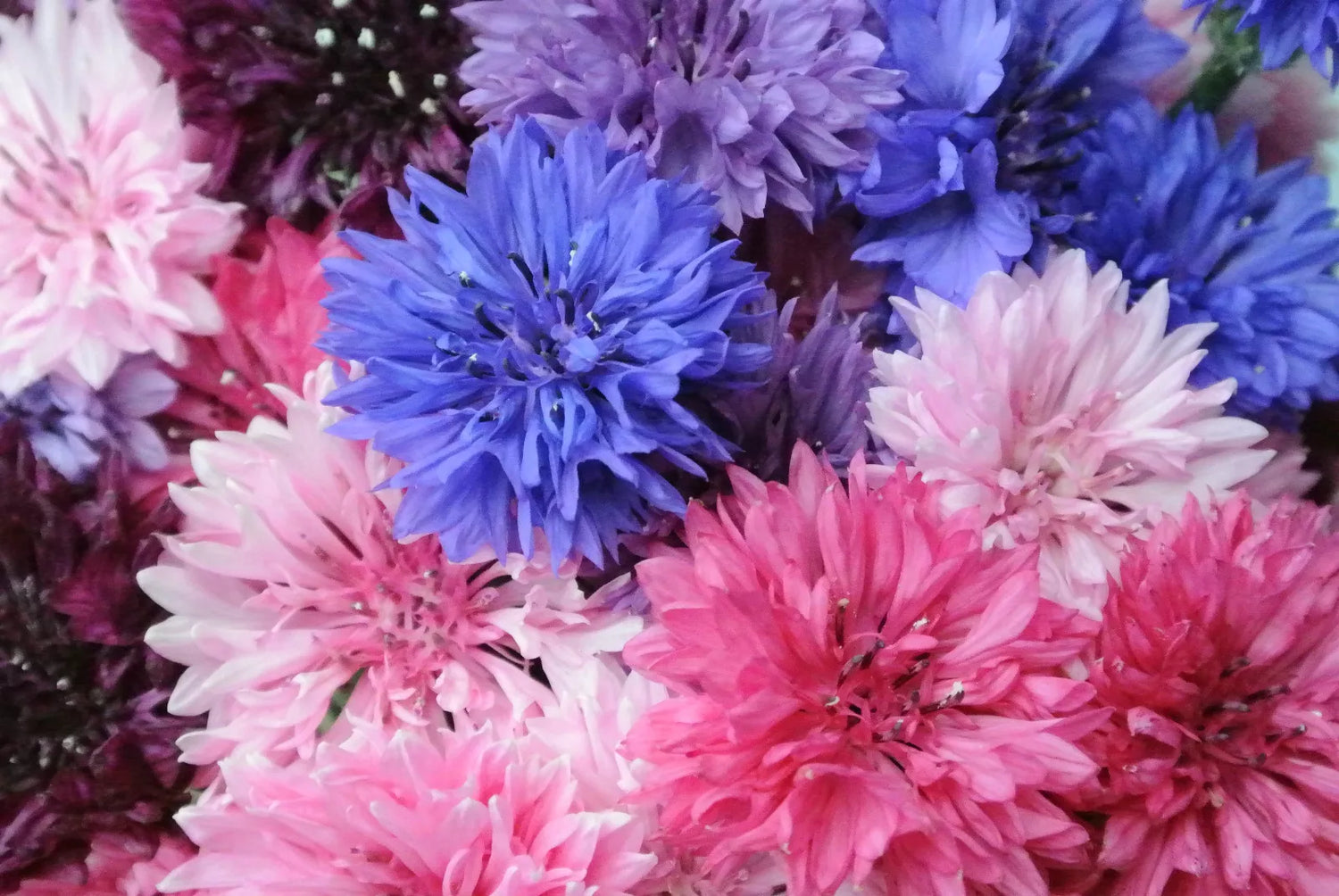
Dwarf Cornflower double 'Polka Dot' Mix - 700 seeds (Centaurea cyanus nana)
£1.24
Unit price perDwarf Cornflower double 'Polka Dot' Mix - 700 seeds (Centaurea cyanus nana)
£1.24
Unit price perDwarf Cornflower Double ‘Polka Dot’ Mix – Bright, Bushy & Blooming
Dwarf Cornflower Double ‘Polka Dot’ Mix produces masses of cheerful, fully double blooms in a rainbow of blues, pinks, purples, and whites. With a compact, bushy habit, these hardy annuals are perfect for edging, containers, and small spaces while still delivering the charm of traditional cornflowers. Long-lasting as cut flowers and adored by pollinators, they’re a colorful, easy-care choice for any garden.
What Makes It Special
-
Fully double blooms in a playful mix of colors
-
Compact height – ideal for small gardens and pots
-
Long flowering season and pollinator-friendly
-
Excellent for cut flowers despite shorter stems
-
Easy to grow from seed
Key Features
-
Height: 30–40 cm – dwarf, bushy habit
-
Hardy annual – tolerates cooler climates
-
Vibrant and varied color mix
-
Attracts bees and butterflies
-
Suitable for edging and mass planting
Ideal For
-
Borders, edging, and path sides
-
Containers, pots, and window boxes
-
Cottage and wildlife-friendly gardens
-
Low-maintenance, long-lasting summer displays
Sowing
-
Direct sow in early spring or autumn for best results
-
Lightly cover seeds with fine soil
-
Germination: 7–14 days at 15–18°C
-
Thin seedlings to 20–25 cm apart
-
Prefers full sun and well-drained soil

Cosmos ‘Candy Stripe’ – Seeds
(Cosmos bipinnatus)
Cosmos ‘Candy Stripe’ is an elegant annual with delicate, bicolor flowers in white with soft pink stripes. Its tall, airy stems make it perfect for borders, wildflower meadows, and cut flowers. Easy to grow, long-flowering, and attractive to pollinators, it adds a charming, whimsical touch to any garden.
Why Grow Cosmos ‘Candy Stripe’?
-
White flowers with soft pink stripes
-
Tall, airy stems
-
Long-flowering and easy to grow
-
Attracts bees, butterflies, and pollinators
Key Features
-
Type: Annual
-
Height: 100–150 cm
-
Flowers: Summer to autumn
-
Position: Full sun
-
Soil: Well-drained, moderately fertile
Ideal For
-
Borders, wildflower gardens, and meadows
-
Cut flowers and floral arrangements
-
Pollinator-friendly gardens
-
Low-maintenance colorful displays
Sowing & Growing
-
Sow indoors: February–April in seed trays
-
Sow outdoors: April–May in prepared soil
-
Germination: 7–14 days at 18–22°C
-
Spacing: 25–30 cm apart
-
Care: Moderate watering; remove weeds and deadhead for continuous blooms

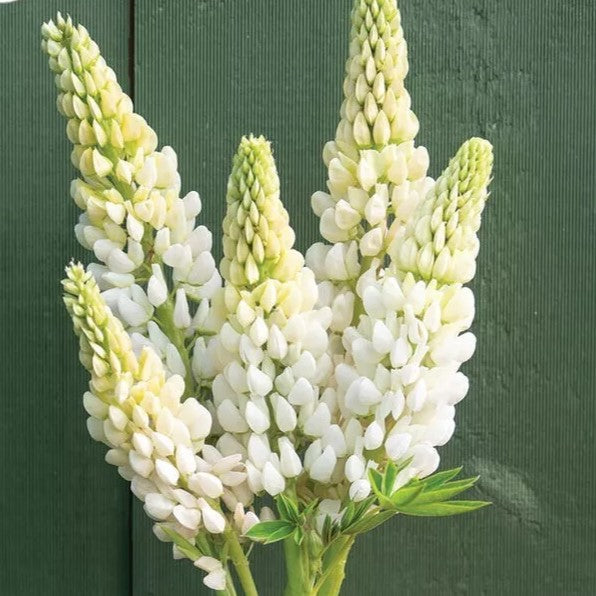
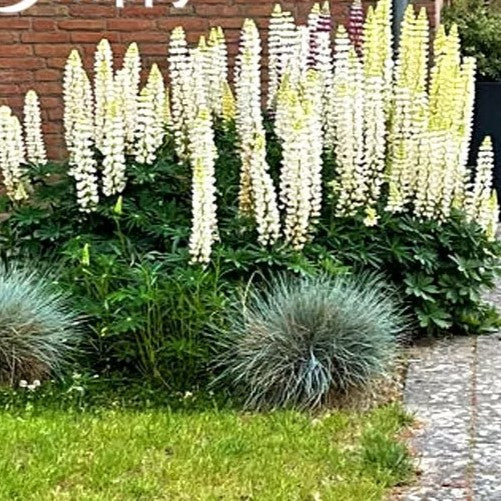
Russell Lupin ‘Noble Maiden’ Seeds (Lupinus polyphyllus)
Add striking elegance to your garden with Russell Lupin ‘Noble Maiden’ (Lupinus polyphyllus). This hardy perennial produces tall spires of creamy white flowers rising above rich green foliage. Flowering in early to midsummer, it brings vertical drama to borders and is perfect for cottage gardens, pollinator planting, and cut flower displays.
How to Grow
-
Sow indoors in spring or autumn, or directly outdoors after frost.
-
Soak seeds in warm water overnight before sowing to improve germination.
-
Use well-drained soil in full sun or partial shade.
-
Cover seeds lightly with fine soil and keep moist until germination (14–28 days).
-
Transplant seedlings when large enough to handle, spacing 40–50 cm apart.
-
Deadhead faded blooms to encourage a second flush of flowers.
Key Features
-
Tall spires of pure creamy white blooms
-
Hardy perennial, returning year after year
-
Excellent for borders and cottage garden displays
-
Attractive to bees, butterflies, and other pollinators
-
Stunning cut flower for fresh arrangements
Ideal For
-
Cottage gardens and mixed flower borders
-
Pollinator-friendly landscapes
-
Adding vertical height and structure to plantings
-
Cut flower arrangements
Sowing
-
Best time: Spring or autumn
-
Germination: 14–28 days
-
Pre-soak seeds overnight before sowing
-
Prefers sunny, well-drained soil
Quick Tip
-
Avoid disturbing established plants—lupins prefer to stay in place and will thrive once settled.
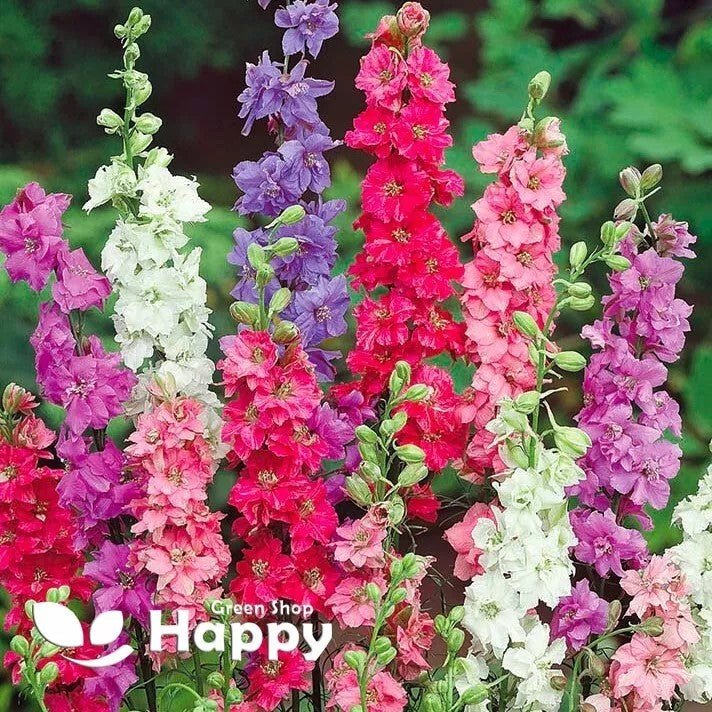
Rocket Larkspur Mix – Seeds (Delphinium consolida)
The Rocket Larkspur Mix is a tall, elegant annual producing spires of delicate flowers in shades of pink, purple, lavender, and white. Perfect for cottage gardens, borders, and cutting gardens, these plants bring vertical interest and charm while also providing excellent flowers for fresh or dried arrangements.
What Makes It Special
-
Tall, graceful flower spikes with a mix of soft, vibrant colors
-
Long-lasting blooms suitable for cutting
-
Cottage garden favorite with classic charm
-
Attracts pollinators and adds vertical interest
Key Features
-
Botanical name: Delphinium consolida
-
Variety: Rocket Larkspur Mix
-
Seed count: Approx. 300 seeds per pack
-
Height/Spread: 75–120 cm tall, 25–35 cm spread
-
Position: Full sun, fertile, well-drained soil
-
Flowering period: Early to late summer
Ideal For
-
Cottage gardens and classic borders
-
Cutting gardens for fresh or dried flowers
-
Pollinator-friendly plantings
-
Adding vertical accents in mixed beds
Sowing Instructions
-
When to sow: March–May or August–September outdoors
-
How to sow:
-
Scatter seeds thinly on prepared soil
-
Cover lightly with soil
-
Germination: 14–28 days
-
-
After germination:
-
Thin seedlings to 20–30 cm apart
-
Stake taller plants if grown in exposed sites
-
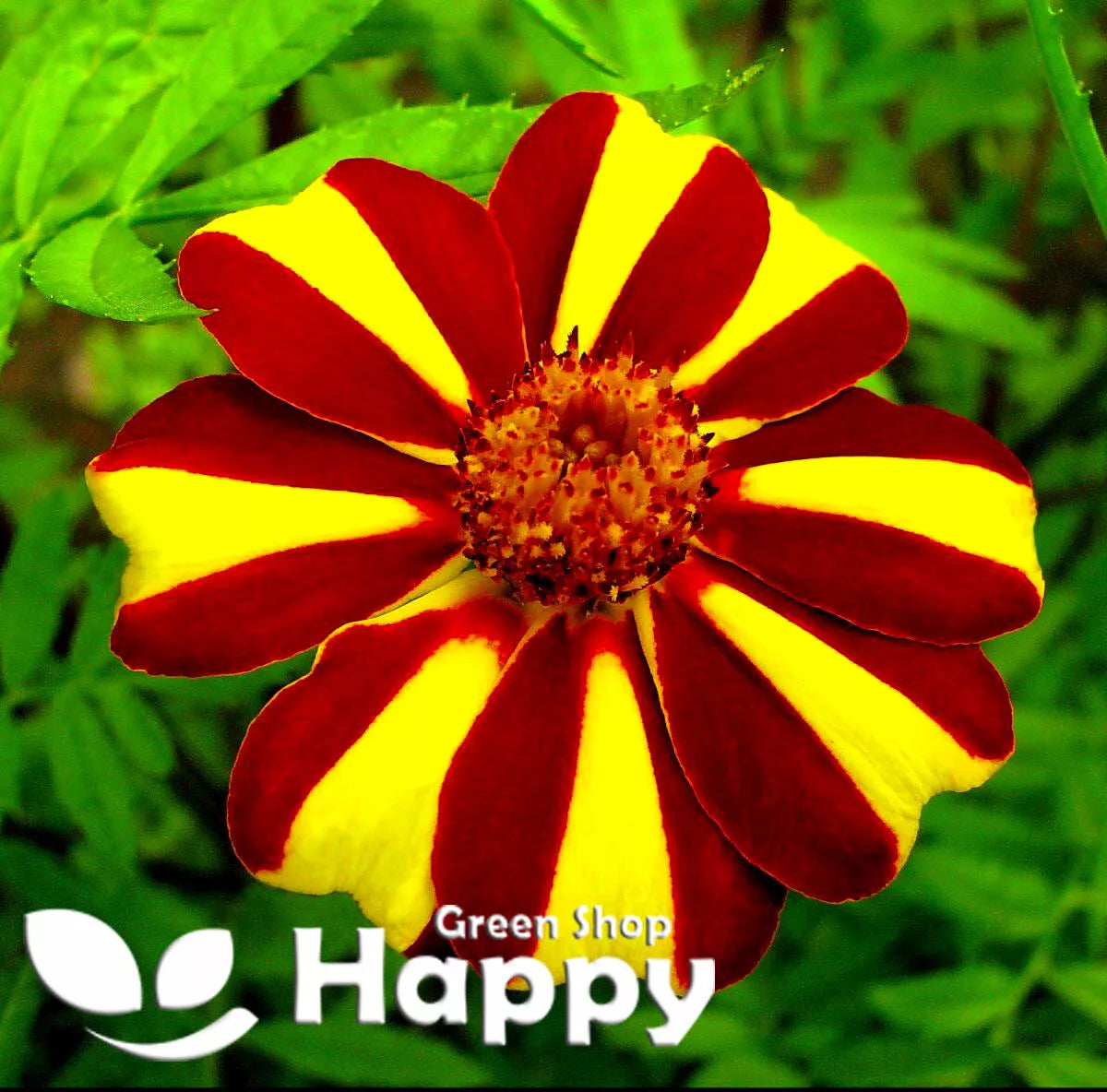
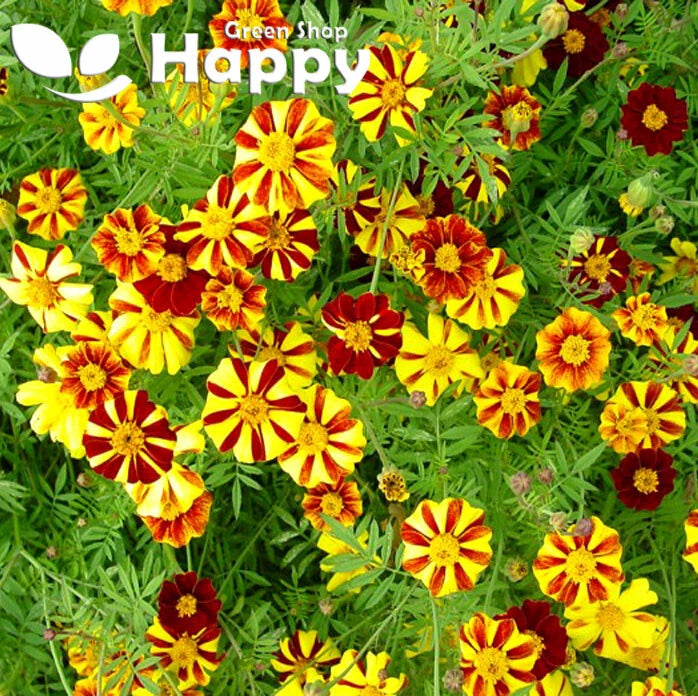
French Marigold ‘Dandy Stripe’ – Seeds (Tagetes patula nana)
French Marigold ‘Dandy Stripe’ (Tagetes patula nana) is a charming dwarf annual featuring vibrant, striped blooms in shades of gold, orange, and red. Its compact, bushy habit makes it ideal for borders, containers, and bedding schemes, producing a cheerful display from early summer until the first frost. Easy to grow and low-maintenance, this variety also attracts pollinators and can help repel garden pests naturally.
Why Grow "Dandy Stripe"
-
Bright, striped blooms in gold, orange, and red
-
Long flowering season from early summer to autumn
-
Compact, bushy, and low-maintenance
-
Attracts pollinators and repels certain pests
Key Features
-
Type: Annual (Tagetes patula nana)
-
Height: 20–30 cm
-
Flowering: Early summer to autumn
-
Position: Full sun
-
Uses: Borders, containers, bedding, pollinator-friendly gardens
Ideal For
-
Adding cheerful color to small spaces and borders
-
Container and window box planting
-
Natural pest control in vegetable or flower gardens
-
Pollinator-friendly garden designs
Sowing & Growing
-
Sow indoors: February–April in trays or pots
-
Sow outdoors: April–May after frost danger has passed
-
Germination: 7–14 days at 20°C
-
Thin/space seedlings: 20–25 cm apart
-
Prefers well-drained soil in full sun
Showing 36/300


