
Sort by:
300 products
300 products
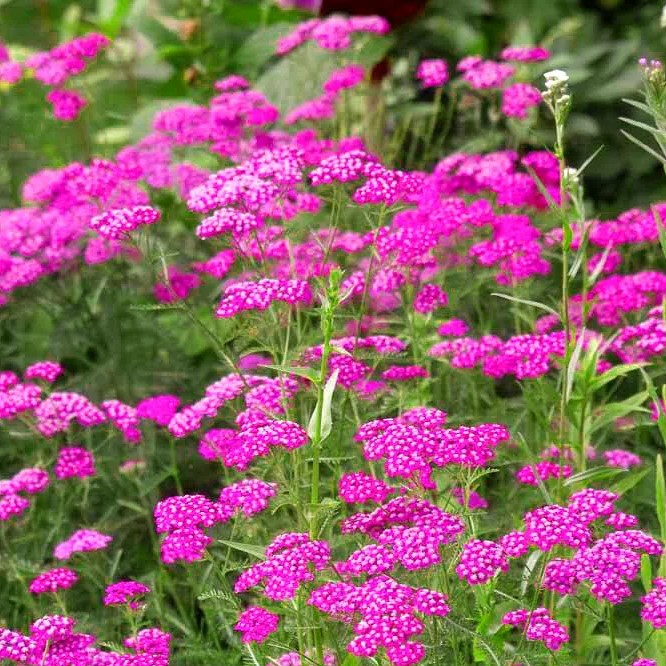
Yarrow ‘Milfoil Cerise Queen’ – Seeds (Achillea millefolium)
Yarrow ‘Milfoil Cerise Queen’ (Achillea millefolium) is a hardy perennial featuring flat-topped clusters of vibrant cerise flowers above fine, fern-like foliage. Blooming from early summer to autumn, it adds long-lasting color and texture to borders, rockeries, and wildflower gardens. Drought-tolerant, low-maintenance, and attractive to pollinators, this yarrow is ideal for sustainable gardens and mixed perennial beds.
Why Grow "Milfoil Cerise Queen"
-
Vibrant cerise, flat-topped flower clusters
-
Long flowering season from early summer to autumn
-
Hardy, drought-tolerant, and low-maintenance
-
Attracts bees, butterflies, and other pollinators
Key Features
-
Type: Perennial (Achillea millefolium)
-
Height: 40–60 cm
-
Flowering: Early summer to autumn
-
Position: Full sun
-
Uses: Borders, rockeries, wildflower gardens, pollinator-friendly beds
Ideal For
-
Adding bold color and texture to perennial borders
-
Sustainable and low-water gardens
-
Pollinator-friendly planting schemes
-
Cottage-style or naturalistic gardens
Sowing & Growing
-
Sow indoors: February–April in trays or pots
-
Sow outdoors: March–May directly in soil
-
Germination: 10–20 days at 18–22°C
-
Thin seedlings 30 cm apart
-
Prefers well-drained soil in full sun
-
Cut back spent flowers to encourage rebloom

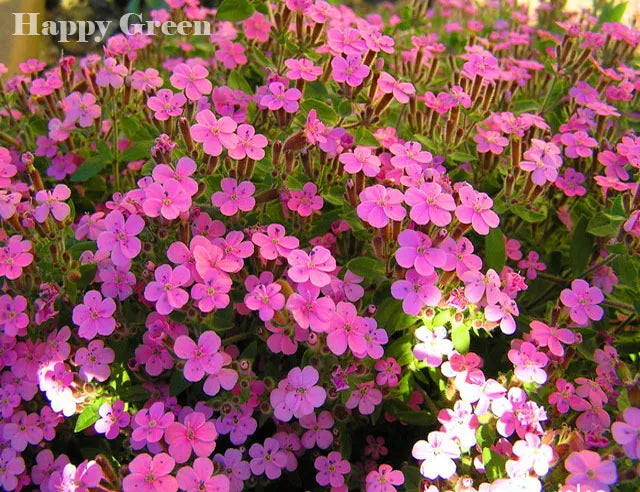
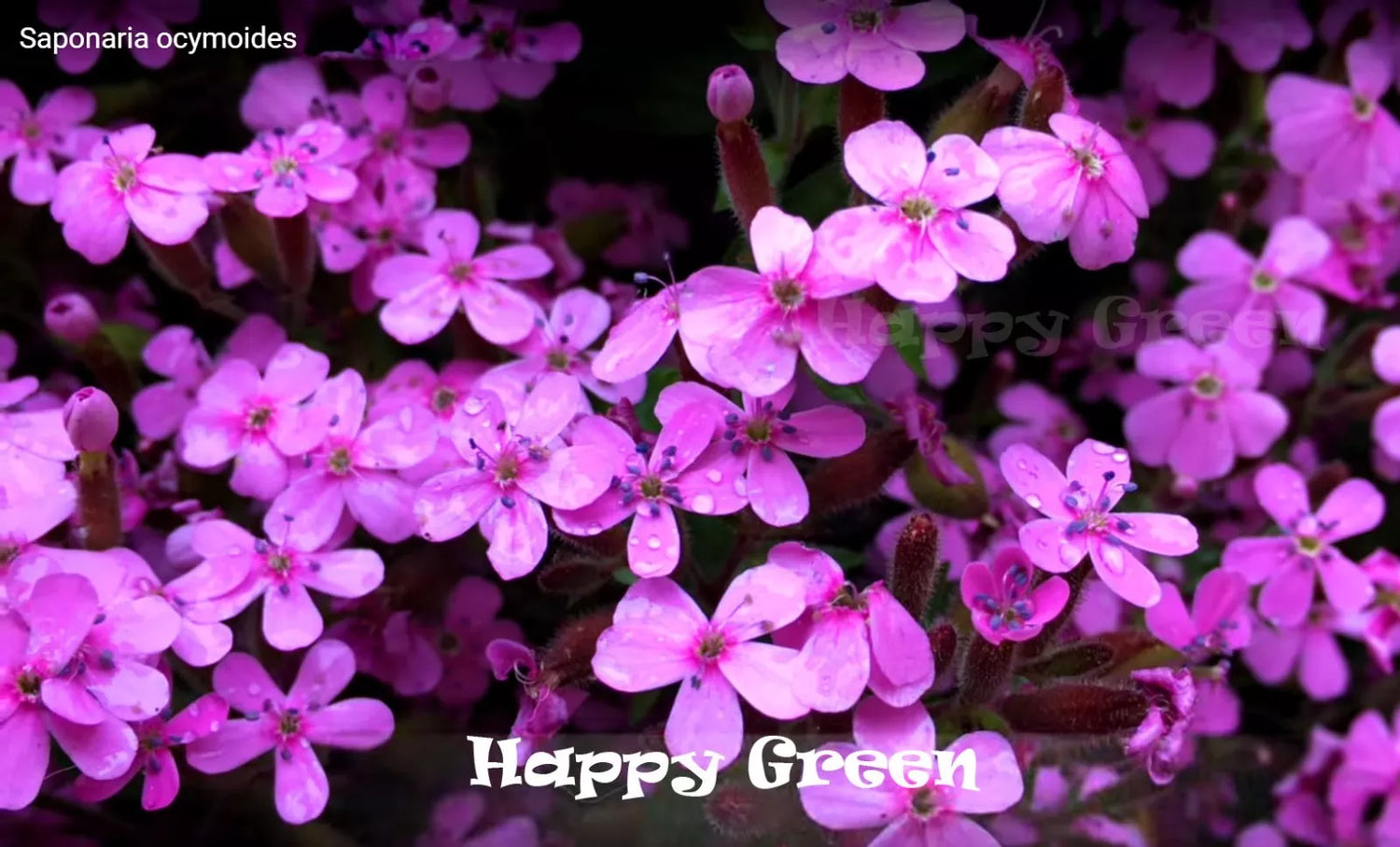
Soapwort – Seeds (Saponaria ocymoides)
Soapwort (Saponaria ocymoides), also known as Rock Soapwort or Tumbling Ted, is a low-growing perennial that forms a carpet of bright pink, starry flowers from late spring through summer. Perfect for rock gardens, walls, or as ground cover, it’s easy to grow and attracts pollinators. Hardy and reliable, it’s ideal for creating long-lasting splashes of color in sunny spots.
Why Grow "Soapwort"
-
Masses of bright pink, star-shaped flowers
-
Hardy, low-maintenance perennial
-
Spreading habit makes excellent ground cover
-
Loved by bees and butterflies
Key Features
-
Type: Perennial (Saponaria ocymoides)
-
Height: 10–15 cm, spreading habit
-
Flowering: May–July
-
Position: Full sun
-
Uses: Rock gardens, walls, ground cover, borders
Ideal For
-
Rockeries and stone walls
-
Low-maintenance ground cover
-
Pollinator-friendly gardens
-
Edging for sunny borders
Sowing & Growing
-
Sow outdoors: March–May or September–October
-
Sow direct in prepared soil, lightly cover
-
Germination: 14–21 days
-
Thin seedlings to 20–25 cm apart
-
Prefers well-drained soil in sunny positions
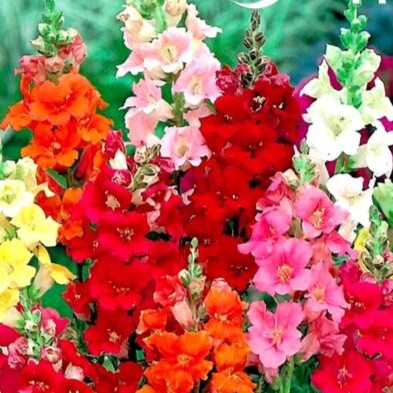
Snapdragon 'Trumpet Serenade' – Seeds (Antirrhinum majus)
A striking variety of snapdragon with tall, trumpet-shaped blooms in a rich mix of colors. Long-flowering and versatile, 'Trumpet Serenade' adds height, structure, and vibrant color to summer borders and cutting gardens. Beloved by pollinators, it brings life and charm to any display.
Why Grow Snapdragon 'Trumpet Serenade'?
-
Showy, trumpet-like blooms in mixed colors
-
Long flowering season
-
Excellent as a cut flower
-
Attracts bees, butterflies, and pollinators
Key Features
-
Type: Half-hardy annual
-
Height: 60–75 cm
-
Flowers: Summer into early autumn
-
Position: Full sun to partial shade
-
Use: Borders, cut flowers, cottage gardens, containers
Ideal For
-
Adding vertical color to mixed borders
-
Cutting for fresh bouquets
-
Pollinator-friendly plantings
-
Cottage-style and wildlife gardens
Sowing & Growing
-
Sow indoors: February–April, lightly pressing seeds into moist compost (do not cover, needs light to germinate)
-
Germination: 10–21 days at 18–21°C
-
Transplant outdoors after frost, spacing 25 cm apart
-
Flowers: June–October
Tip: Pinch out young plants to encourage bushier growth and more blooms.
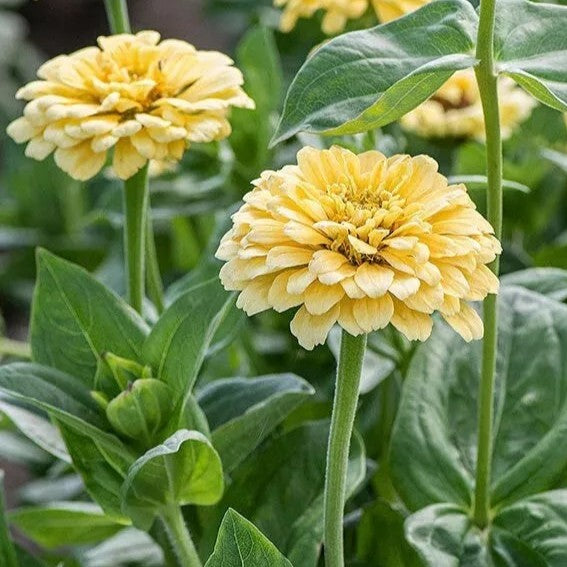
Zinnia Dahliaflowered ‘Isabellina’ Seeds (Zinnia elegans)
Bring soft elegance to your garden with Zinnia Dahliaflowered ‘Isabellina’ (Zinnia elegans). This annual produces large, dahlia-like blooms in delicate pastel shades of cream and soft pink, creating a subtle yet striking display in borders, beds, and containers. Easy to grow and long-flowering, it’s perfect for adding charm and color to summer and autumn gardens.
How to Grow
-
Sow indoors in early spring or directly outdoors after the last frost.
-
Use well-drained soil in a sunny location.
-
Lightly cover seeds with soil and keep moist until germination (7–14 days).
-
Thin seedlings to 20–25 cm apart for healthy growth.
-
Water regularly but avoid waterlogging.
-
Deadhead spent blooms to encourage continuous flowering.
Key Features
-
Large, dahlia-like flowers in soft pastel shades
-
Long-flowering annual, summer through autumn
-
Easy to grow and maintain, ideal for beginners
-
Perfect for fresh cut flowers and bouquets
-
Attracts pollinators including bees and butterflies
Ideal For
-
Flower beds and borders
-
Containers, patio planters, and window boxes
-
Cutting gardens for fresh bouquets
-
Pollinator-friendly gardens
Sowing
-
Best time: Early spring indoors or after frost outdoors
-
Germination: 7–14 days
-
Sow thinly, cover lightly, and keep soil moist
-
Prefers full sun and well-drained soil
Quick Tip
-
Regular deadheading keeps blooms fresh and encourages continuous flowering.

Zinnia 'Super Cactus Redman' - 50 Seeds - Extra Large Flowers (Zinnia elegans)
£1.24
Unit price perZinnia 'Super Cactus Redman' - 50 Seeds - Extra Large Flowers (Zinnia elegans)
£1.24
Unit price perZinnia ‘Super Cactus Redman’ – 50 Seeds (Zinnia elegans)
Make your garden bloom with bold color with Zinnia ‘Super Cactus Redman’ (Zinnia elegans). This annual produces extra-large, fully double cactus-like flowers in striking red shades, perfect for borders, beds, containers, and cutting gardens. Easy to grow and long-flowering, it adds a dramatic splash of color and attracts pollinators.
How to Grow
-
Sow seeds indoors 6–8 weeks before the last frost or directly outdoors after frost risk has passed.
-
Use well-drained, fertile soil in full sun.
-
Lightly cover seeds with soil and keep moist until germination (7–14 days).
-
Thin seedlings to 25–30 cm apart once established.
-
Water regularly but avoid waterlogging.
-
Deadhead spent flowers to encourage continuous blooming.
Key Features
-
Extra-large, fully double cactus-like red blooms
-
Long-flowering annual, easy to grow and maintain
-
Ideal for borders, beds, containers, and cutting gardens
-
Attracts bees, butterflies, and other pollinators
-
Bold and dramatic color for eye-catching garden displays
Ideal For
-
Flower beds and borders
-
Containers, patio planters, and window boxes
-
Cutting gardens for fresh bouquets
-
Pollinator-friendly landscapes
Sowing
-
Best time: 6–8 weeks before last frost indoors or after frost outdoors
-
Germination: 7–14 days
-
Sow thinly, cover lightly, and keep soil moist
-
Prefers full sun and well-drained, fertile soil
Quick Tip
-
Pinch back young seedlings to encourage bushier growth and more abundant large blooms.
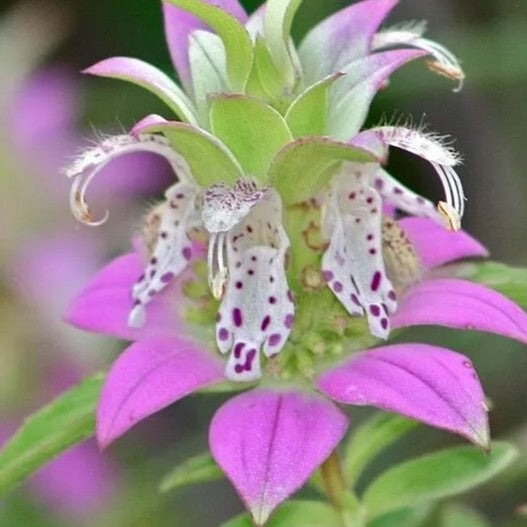
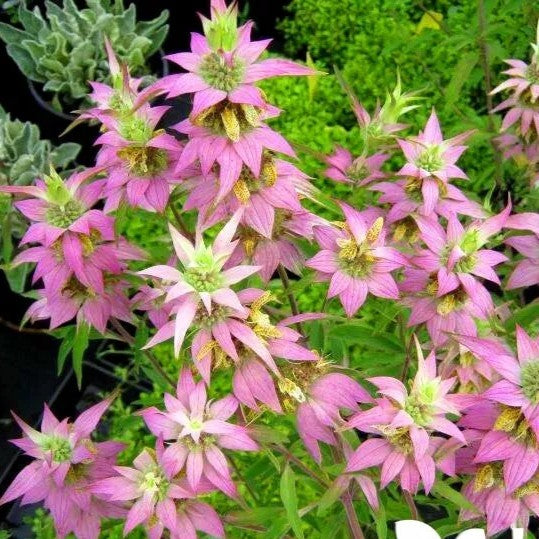
Purplish Lilac Lemon Bee Balm Mint Seeds (Monarda punctata)
Bring a fragrant and colorful touch to your garden with Purplish Lilac Lemon Bee Balm Mint. This striking perennial produces spiky clusters of lilac-purple flowers with lemon-scented foliage, attracting bees, butterflies, and other pollinators. Easy to grow and drought-tolerant, it adds both beauty and ecological value to borders, beds, and wildflower gardens.
Why Grow "Purplish Lilac Lemon"
-
Unique lilac-purple flower spikes with lemon-scented foliage
-
Attracts pollinators like bees and butterflies
-
Drought-tolerant and easy to grow
-
Adds color and texture to borders, beds, and wildflower gardens
Key Features
-
Type: Perennial (Monarda punctata)
-
Height: 60–90 cm
-
Flowering: Summer (June–September)
-
Position: Full sun to partial shade
-
Uses: Borders, flower beds, pollinator gardens, containers
Sowing & Growing
-
Sow indoors: 6–8 weeks before the last frost
-
Sow outdoors: After frost danger has passed
-
Germination: 10–20 days
-
Space seedlings: 30–40 cm apart
-
Prefers well-drained soil and full sun for best flowering
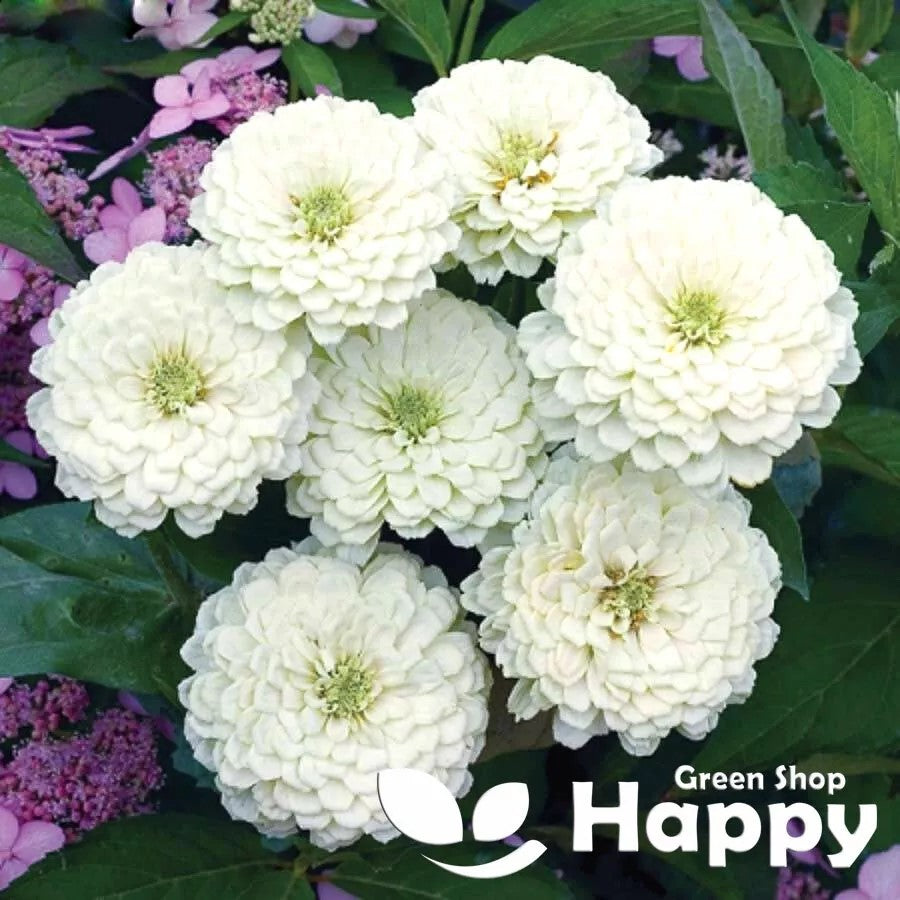
Zinnia Dahlia ‘Polar Bear’ – Pure White Double Blooms
Zinnia Dahlia ‘Polar Bear’ produces large, fully double dahlia-type blooms in crisp, pure white, bringing a fresh and elegant look to gardens and floral arrangements. Perfect for brightening mixed borders or adding contrast in bouquets, these tall plants flower from summer right through to frost and thrive in full sun.
What Makes It Special
-
Striking pure white double blooms
-
Adds elegance and contrast to garden displays
-
Excellent cut flower with long vase life
-
Thrives in heat and sun
-
Blooms continuously all summer
Key Features
-
Height: 75–90 cm – tall, sturdy plants
-
Perfect for mixed-color schemes or all-white gardens
-
Attracts bees, butterflies, and pollinators
-
Easy to grow and low maintenance
-
Strong stems for cutting
Ideal For
-
Cutting gardens and wedding bouquets
-
Tall borders and focal points
-
Pollinator-friendly gardens
-
Bright summer and autumn displays
Sowing
-
Sow indoors 4–6 weeks before last frost or direct sow after frost danger has passed
-
Cover seeds lightly with fine soil
-
Germination: 5–10 days at 21–24°C
-
Space plants 30–40 cm apart
-
Prefers full sun and well-drained soil
Russell Lupin ‘Chatelaine Pink’ Seeds (Lupinus polyphyllus)
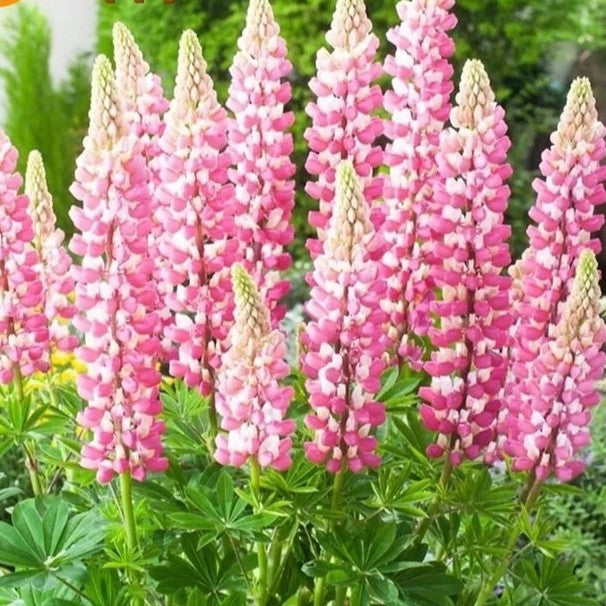
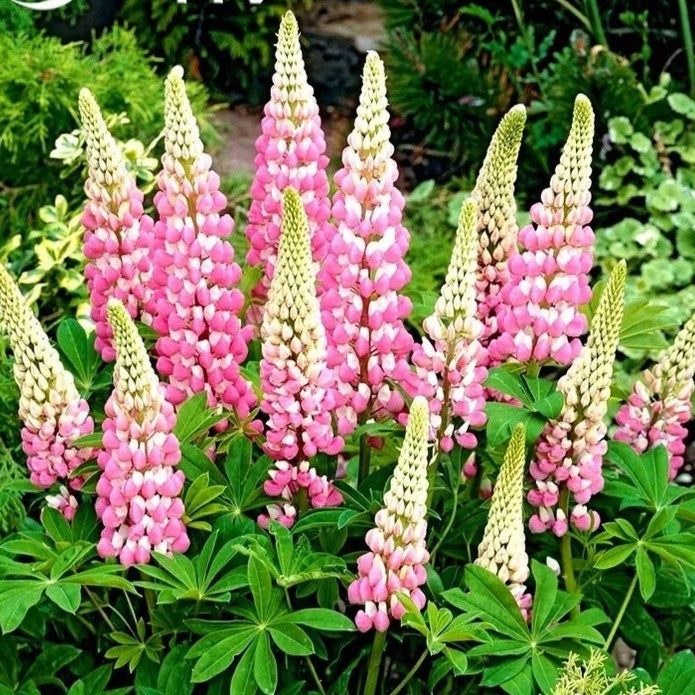
Add romantic charm to your garden with Russell Lupin ‘Chatelaine Pink’ (Lupinus polyphyllus). This hardy perennial produces tall spires of soft pink flowers that rise above lush green foliage, creating a dramatic vertical display. Ideal for borders, cottage gardens, and cut flower arrangements, it blooms from early to mid-summer and attracts pollinators to your garden.
How to Grow
-
Sow indoors in spring or autumn, or directly outdoors after the last frost.
-
Soak seeds in warm water overnight before sowing to improve germination.
-
Use well-drained soil in full sun or partial shade.
-
Cover seeds lightly with soil and keep moist until germination (14–28 days).
-
Transplant seedlings when large enough to handle, spacing 40–50 cm apart.
-
Deadhead spent blooms to encourage a second flowering.
Key Features
-
Tall spires of soft pink blooms for striking vertical accents
-
Hardy perennial, returning year after year
-
Excellent for borders, cottage gardens, and cut flowers
-
Attracts bees, butterflies, and other pollinators
-
Long-flowering, from early to mid-summer
Ideal For
-
Cottage gardens and mixed flower borders
-
Pollinator-friendly landscapes
-
Adding height and structure to garden plantings
-
Fresh cut flower arrangements
Sowing
-
Best time: Spring or autumn
-
Germination: 14–28 days
-
Pre-soak seeds overnight before sowing
-
Prefers sunny, well-drained soil
Quick Tip
-
Avoid disturbing established plants—lupins prefer to remain in place for best performance.
Russell Lupin ‘Chandelier’ Seeds (Lupinus polyphyllus)
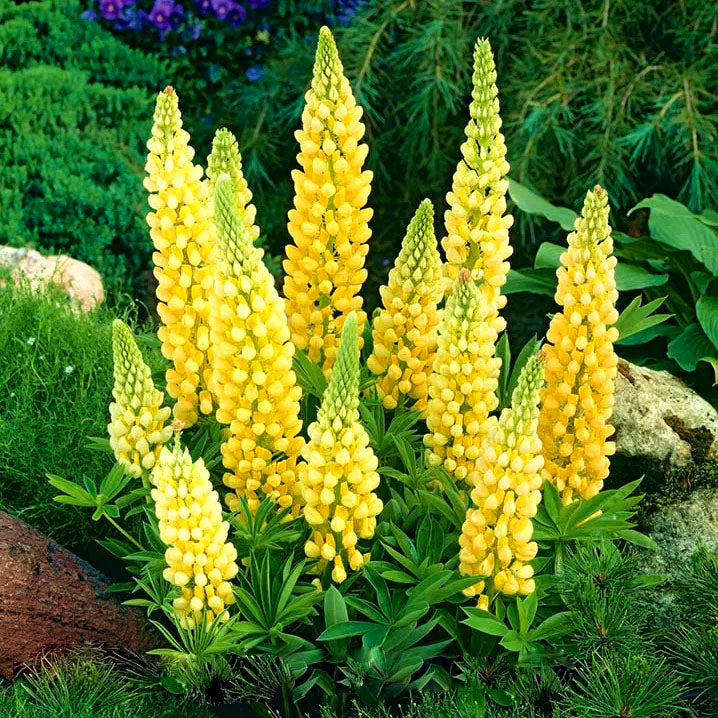
Bring vertical elegance and vibrant color to your garden with Russell Lupin ‘Chandelier’ (Lupinus polyphyllus). This perennial produces tall, spire-like flower spikes in mixed shades of pink, purple, and white, adding a striking focal point to borders, cottage gardens, and cutting gardens. Hardy, long-flowering, and easy to grow, it attracts pollinators for a lively and colorful display.
How to Grow
-
Sow seeds indoors 6–8 weeks before the last frost or outdoors after frost risk has passed.
-
Use well-drained soil in full sun.
-
Soak seeds overnight to improve germination and lightly scratch the seed coat.
-
Sow seeds 1–2 cm deep and keep soil moist.
-
Thin seedlings to 30–40 cm apart to allow healthy growth.
-
Provide support for taller flower spikes if necessary and deadhead spent flowers to encourage continuous blooming.
Key Features
-
Tall, spire-like flower spikes in pink, purple, and white shades
-
Hardy perennial, long-flowering and easy to grow
-
Ideal for borders, cottage gardens, and cutting gardens
-
Attracts bees, butterflies, and other pollinators
-
Adds vertical structure and vibrant focal points to garden beds
Ideal For
-
Flower borders and cottage gardens
-
Cutting gardens for fresh bouquets
-
Pollinator-friendly garden designs
-
Adding height and structure to perennial beds
Sowing
-
Best time: 6–8 weeks before last frost indoors or after frost outdoors
-
Germination: 14–21 days
-
Sow 1–2 cm deep, soak seeds overnight for best results
-
Prefers full sun and well-drained soil
Quick Tip
-
Soaking and nicking seeds before sowing improves germination and ensures stronger seedlings.
Showing 45/300


