
Sort by:
13 products
13 products
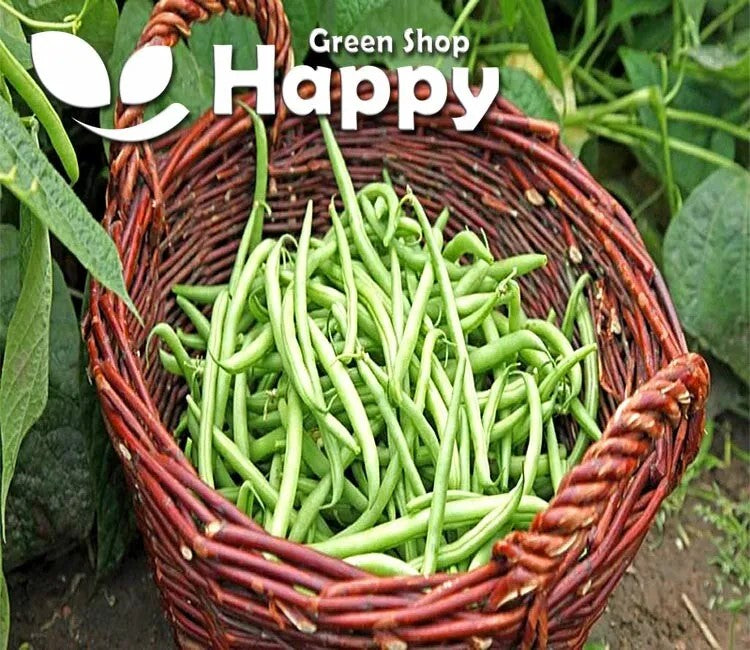
French Bean ‘Blue Lake’ Seeds (Phaseolus vulgaris)
Harvest crisp, tender beans with French Bean ‘Blue Lake’ (Phaseolus vulgaris). This classic variety produces long, uniform, deep green pods ideal for fresh eating, steaming, or freezing. Easy to grow and highly productive, it’s perfect for vegetable gardens, allotments, and homegrown cooking.
How to Grow
-
Sow seeds directly outdoors after the last frost or start indoors 4–6 weeks earlier.
-
Use well-drained, fertile soil in full sun.
-
Plant seeds 2–3 cm deep and 10–15 cm apart, with rows 40–50 cm apart.
-
Support climbing varieties with stakes or a trellis if needed.
-
Water regularly to keep soil moist, especially during flowering and pod formation.
-
Harvest pods when they are young, tender, and well-filled.
Key Features
-
Long, uniform, deep green pods
-
Highly productive and easy to grow
-
Ideal for fresh eating, steaming, or freezing
-
Hardy and reliable in temperate climates
-
Perfect for vegetable gardens, allotments, and homegrown cooking
Ideal For
-
Vegetable gardens and allotments
-
Fresh harvest, steaming, and freezing
-
Companion planting with nitrogen-fixing crops
-
Homegrown culinary use
Sowing
-
Best time: After last frost outdoors or 4–6 weeks earlier indoors
-
Depth: 2–3 cm
-
Spacing: 10–15 cm apart, rows 40–50 cm apart
-
Prefers full sun and fertile, well-drained soil
Quick Tip
-
Pick pods regularly to encourage continuous production throughout the season.
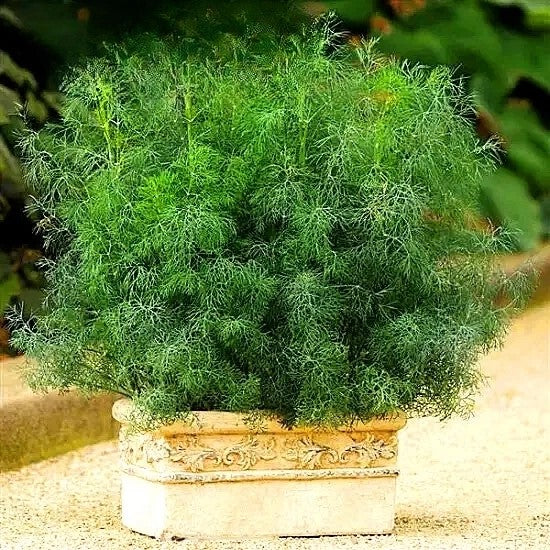
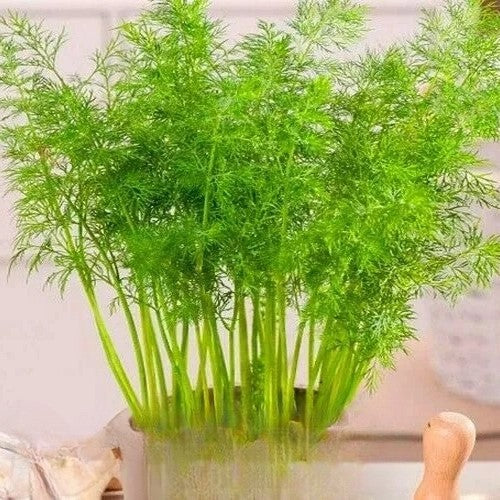
Dwarf Dill 'Forrest' – Seeds
(Anethum graveolens) – Compact, Aromatic Herb
Dwarf Dill 'Forrest' is a compact, slow-bolting variety ideal for small gardens, pots, and window boxes. Its fragrant, feathery leaves are perfect for seasoning salads, soups, pickles, and fish dishes. This variety produces consistent, tender foliage and is easy to grow even in limited space.
Key Features
-
Type: Annual herb
-
Height: Dwarf, 25–35 cm
-
Flavor: Classic aromatic dill, mild and fresh
-
Harvest: Leaf harvest from 40–50 days after sowing
-
Use: Culinary seasoning, pickling, fresh salads
Ideal For
-
Small gardens, balconies, and containers
-
Culinary use in salads, soups, and sauces
-
Companion planting in vegetable beds
-
Homegrown, fresh herb supply
Sowing & Growing
-
Sow outdoors: March–June, thin seedlings to 10–15 cm apart.
-
Sow indoors: February–April, transplant seedlings carefully.
-
Soil: Light, well-drained, moderately fertile.
-
Sunlight: Full sun preferred.
-
Harvest: Cut leaves as needed; avoid cutting entire plants for continuous growth.
Care Tips
-
Keep soil evenly moist for tender leaves.
-
Regular harvesting encourages bushier growth.
-
Protect young plants from strong wind or heavy rain.
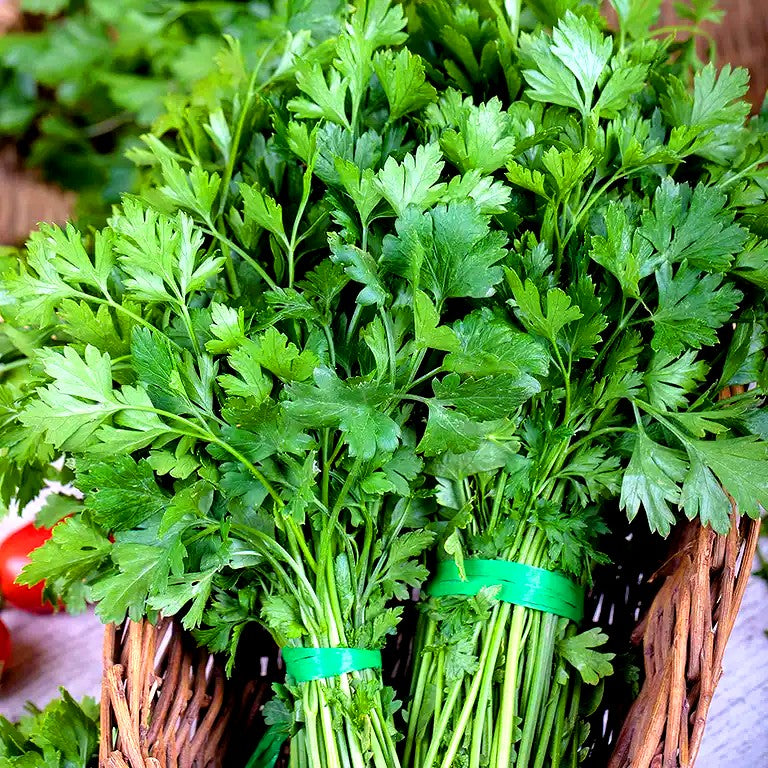
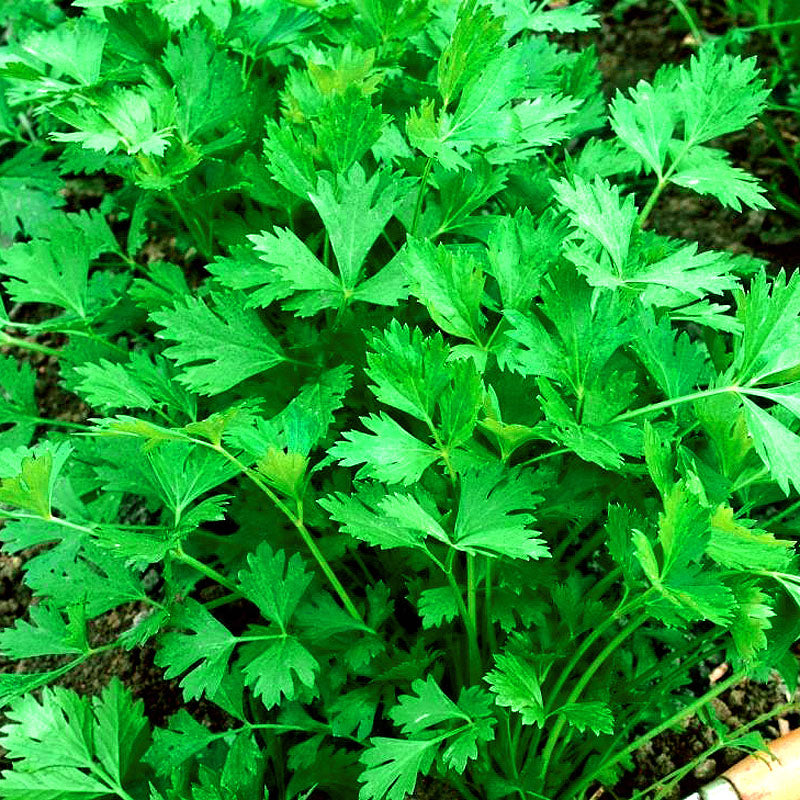
Parsley 'Festival 68' – Seeds (Petroselinum crispum)
Bring fresh, aromatic flavor to your kitchen with Parsley 'Festival 68', a robust, curly-leaf variety known for its high yield and exceptional flavor. Ideal for soups, salads, sauces, and garnishes, this versatile herb thrives in home gardens and containers. Easy to grow and slow to bolt, 'Festival 68' ensures a long-lasting supply of fresh parsley throughout the season.
How to Grow
. Sow indoors: February – April, 0.5–1 cm deep in pots or trays
. Sow outdoors: March – June in fertile, well-drained soil
. Thin seedlings to 15–20 cm apart
. Prefers full sun or partial shade and regular watering
. Harvest leaves continuously to encourage new growth
Key Features
. Curly-leaf parsley with strong flavor
. High-yielding and slow to bolt
. Suitable for beds, borders, and containers
. Long-lasting harvest for fresh cooking
. Easy to grow, versatile culinary herb
Ideal For
. Soups, salads, sauces, and garnishes
. Home gardeners and container cultivation
. Continuous fresh herb supply throughout the season
. Companion planting with tomatoes, carrots, or asparagus
Sowing & Harvest
. Sow: February – June
. Harvest: April – October
Quick Tip
Regularly snip outer leaves instead of cutting the entire plant to promote continuous growth.
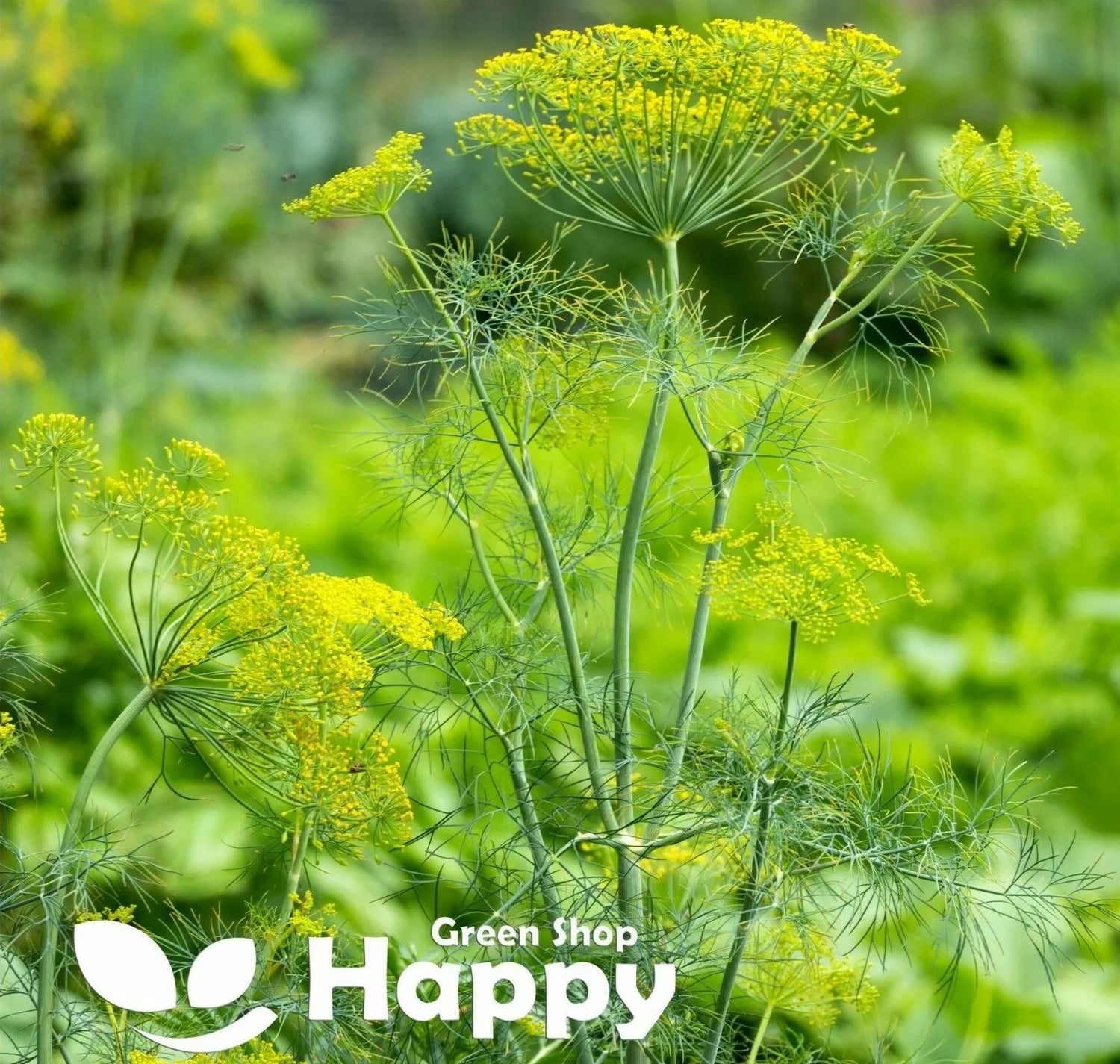
Dill Seeds (Anethum graveolens)
Bring fresh flavor and fragrance to your garden with Dill, a versatile culinary and medicinal herb. Known for its delicate feathery foliage and aromatic seeds, dill is a must-have for seasoning fish, soups, pickles, and salads. Easy to grow and quick to mature, it also attracts beneficial pollinators, making it a perfect addition to herb beds and kitchen gardens.
How to Grow
-
Sow directly outdoors from spring to early summer.
-
Prefers light, well-drained soil in full sun.
-
Sow thinly, 0.5–1 cm deep in rows 30 cm apart.
-
Thin seedlings to 15 cm spacing.
-
Avoid transplanting as dill dislikes root disturbance.
Key Features
-
Aromatic herb with feathery foliage and seeds
-
Delicious for seasoning fish, soups, salads, and pickles
-
Quick-growing and easy for beginners
-
Attracts bees and beneficial insects
-
Dual use: fresh leaves and dried seeds
Ideal For
-
Home cooking and herbal tea
-
Pickling and preserving vegetables
-
Companion planting in the garden
-
Attracting pollinators and beneficial insects
Sowing
-
Best time: March to June
-
Depth: 0.5–1 cm
-
Row spacing: 30 cm
-
Plant spacing: 15 cm after thinning
-
Harvest: Leaves in 6–8 weeks, seeds later in the season
Quick Tip
-
For a continuous supply, sow dill little and often every 2–3 weeks through the summer.
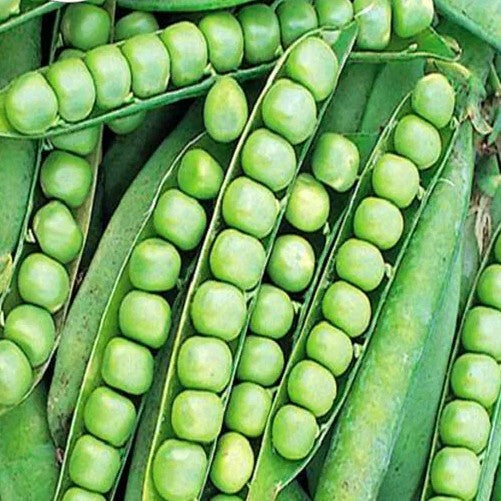
Pea ‘Alderman’ Seeds (Pisum sativum)
Enjoy sweet, tender peas with Pea ‘Alderman’ (Pisum sativum). This classic climbing variety produces long, plump pods filled with flavorful peas, perfect for fresh eating, steaming, or freezing. Hardy and highly productive, it’s ideal for vegetable gardens, allotments, and homegrown culinary delights.
How to Grow
-
Sow seeds directly outdoors from early spring as soon as the soil can be worked.
-
Use well-drained, fertile soil in full sun to partial shade.
-
Sow seeds 3–5 cm deep and 5–7 cm apart in rows 50–60 cm apart.
-
Provide support with stakes, netting, or a trellis for climbing growth.
-
Water consistently, keeping soil moist but not waterlogged.
-
Harvest pods when peas are fully formed but still tender.
Key Features
-
Long, plump, sweet-flavored pods
-
Hardy, climbing, and highly productive
-
Ideal for fresh eating, steaming, or freezing
-
Easy to grow in temperate climates
-
Perfect for vegetable gardens, allotments, and homegrown use
Ideal For
-
Vegetable gardens and allotments
-
Fresh harvest for cooking and freezing
-
Vertical planting with trellises or stakes
-
Companion planting with nitrogen-demanding crops
Sowing
-
Best time: Early spring outdoors
-
Depth: 3–5 cm
-
Spacing: 5–7 cm apart, rows 50–60 cm apart
-
Prefers full sun to partial shade and fertile, well-drained soil
Quick Tip
-
Sow successive batches every 2–3 weeks to enjoy a continuous harvest throughout the season.

Lovage Seeds (Levisticum officinale)
Grow a robust, aromatic herb with Lovage (Levisticum officinale). This perennial produces tall, leafy stems with a strong celery-like flavor, perfect for soups, stews, stocks, and herbal infusions. Hardy and long-lived, it’s ideal for herb gardens, perennial beds, and pollinator-friendly plantings.
How to Grow
-
Sow seeds indoors 6–8 weeks before the last frost or directly outdoors in spring.
-
Use fertile, well-drained soil in full sun to partial shade.
-
Sow seeds 0.5–1 cm deep and thin seedlings to 40–50 cm apart.
-
Keep soil consistently moist until germination (14–21 days).
-
Transplant seedlings outdoors after frost risk has passed.
-
Harvest leaves and stems as needed; roots can be harvested in autumn.
Key Features
-
Tall, leafy perennial with strong celery-like flavor
-
Hardy, long-lived, and easy to grow
-
Ideal for soups, stews, stocks, and herbal infusions
-
Attracts pollinators and enhances garden biodiversity
-
Suitable for herb gardens, perennial beds, and companion planting
Ideal For
-
Herb gardens and kitchen beds
-
Culinary use in soups, stews, stocks, and teas
-
Perennial borders and pollinator-friendly plantings
-
Long-term herb cultivation with minimal maintenance
Sowing
-
Best time: Spring indoors or outdoors after frost
-
Depth: 0.5–1 cm
-
Spacing: Thin to 40–50 cm apart
-
Prefers full sun to partial shade and fertile, well-drained soil
Quick Tip
-
Regularly trim leaves to encourage bushier growth and a continuous supply throughout the season.
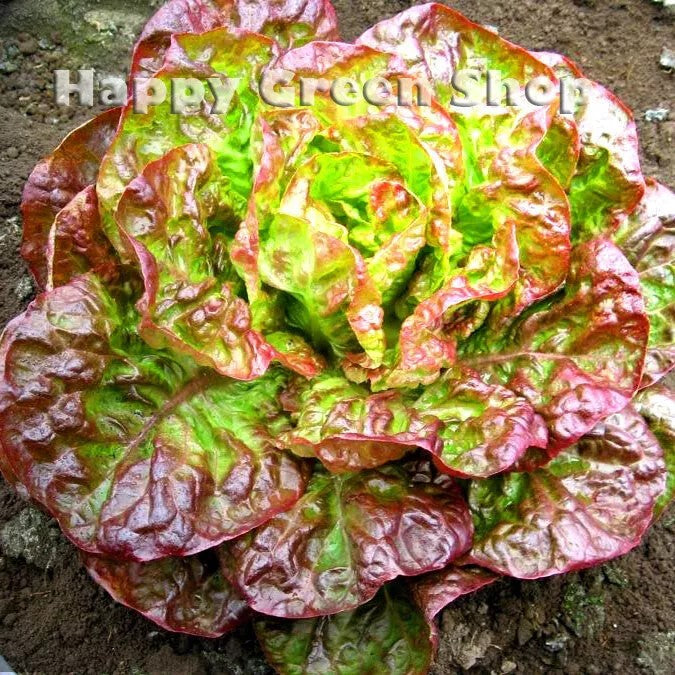

Batavian Lettuce 'Canasta' – Seeds (Lactuca sativa)
Enjoy crisp and tender leaves with Batavian Lettuce 'Canasta', a traditional variety known for its red-tinted, crinkled heads and excellent bolt resistance. This semi-heading lettuce produces large, crunchy leaves with a mild, sweet flavor, perfect for fresh salads or as a base for summer dishes. Hardy and versatile, 'Canasta' thrives even in warmer weather, making it a reliable choice for gardeners.
How to Grow
. Sow indoors from February to April or directly outdoors from March to July
. Sow thinly, 0.5 cm deep, in rows 25–30 cm apart
. Thin seedlings to 20–25 cm apart to allow full head development
. Prefers full sun and fertile, well-drained soil
. Water consistently to prevent bitterness and promote tender leaves
Key Features
. Traditional Batavian lettuce with semi-heading form
. Large, crisp leaves with red-tinged edges
. Mild, sweet flavor perfect for fresh salads
. Excellent bolt resistance in warm conditions
. Easy to grow and high yielding
Ideal For
. Summer salads and fresh eating
. Home gardens and allotments
. Gardeners seeking heat-tolerant lettuce
. Companion planting in vegetable beds
Sowing & Harvest
. Sow: February – July
. Harvest: May – September
Quick Tip
Harvest outer leaves regularly to encourage continuous growth, or allow full heads to form for a crunchy centerpiece lettuce.
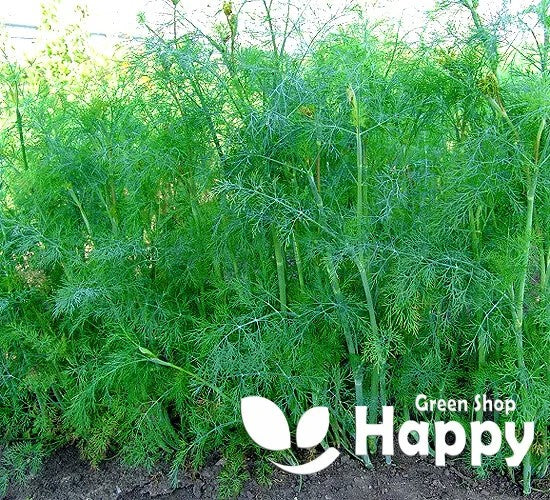
Dill 'Bouquet' – Seeds (Anethum graveolens)
Dill 'Bouquet' is a fast-growing herb prized for its aromatic leaves, seeds, and delicate yellow flower heads. This popular variety is widely used in the kitchen – perfect for seasoning fish, pickles, sauces, salads, and soups. Its feathery foliage is also highly decorative, making it a dual-purpose plant for culinary and ornamental use.
How to Grow
-
Sow outdoors: April – July directly where plants are to grow.
-
Soil: Well-drained, fertile soil in full sun.
-
Spacing: Thin seedlings to 20–30 cm apart.
-
Water regularly to keep soil moist but not waterlogged.
Key Features
-
Popular dill variety with strong flavor
-
Aromatic leaves, seeds, and flower heads
-
Fast-growing and easy to cultivate
-
Great for fresh use or drying
-
Decorative feathery foliage
Ideal For
-
Herb gardens and borders
-
Culinary use in pickling, sauces, and fish dishes
-
Companion planting with cucumbers and cabbages
Sowing & Harvest
-
Sow: April – July
-
Harvest: Leaves from May onwards, seeds in late summer
Quick Tip
Harvest leaves early in the morning for maximum flavor. Sow little and often for a continuous supply throughout the season.
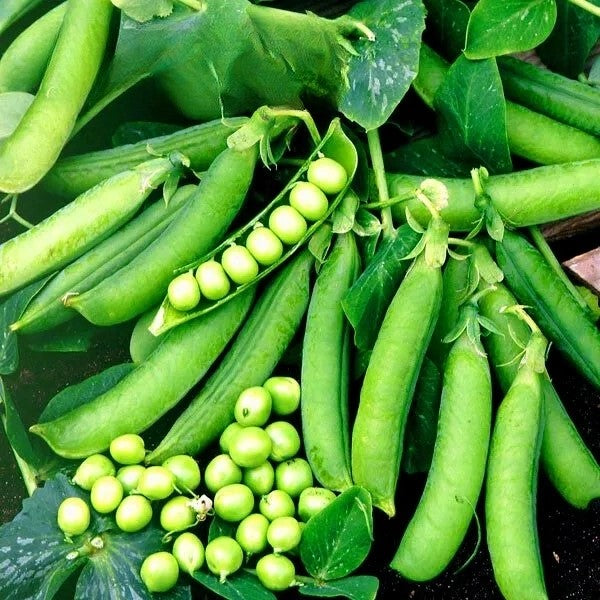
Pea ‘Onward’ Seeds (Pisum sativum)
Enjoy a reliable and early harvest with Pea ‘Onward’ (Pisum sativum). This hardy climbing variety produces long, tender pods filled with sweet, flavorful peas, perfect for fresh eating, steaming, or freezing. Easy to grow and highly productive, it’s ideal for vegetable gardens, allotments, and homegrown culinary use.
How to Grow
-
Sow seeds directly outdoors from early spring as soon as the soil can be worked.
-
Use well-drained, fertile soil in full sun to partial shade.
-
Sow seeds 3–5 cm deep and 5–7 cm apart in rows 50–60 cm apart.
-
Provide stakes, netting, or a trellis for climbing growth.
-
Keep soil consistently moist but not waterlogged.
-
Harvest pods when fully formed but still tender for best flavor.
Key Features
-
Early-maturing climbing variety with long, tender pods
-
Hardy and highly productive
-
Ideal for fresh eating, steaming, or freezing
-
Easy to grow in temperate climates
-
Perfect for vegetable gardens and allotments
Ideal For
-
Vegetable gardens and allotments
-
Fresh harvest for cooking and freezing
-
Climbing support with trellises or stakes
-
Companion planting with nitrogen-fixing crops
Sowing
-
Best time: Early spring outdoors
-
Depth: 3–5 cm
-
Spacing: 5–7 cm apart, rows 50–60 cm apart
-
Prefers full sun to partial shade and fertile, well-drained soil
Quick Tip
-
Sow successive batches every 2–3 weeks to enjoy a continuous early-season harvest.
Showing 9/13


