
Sort by:
299 products
299 products
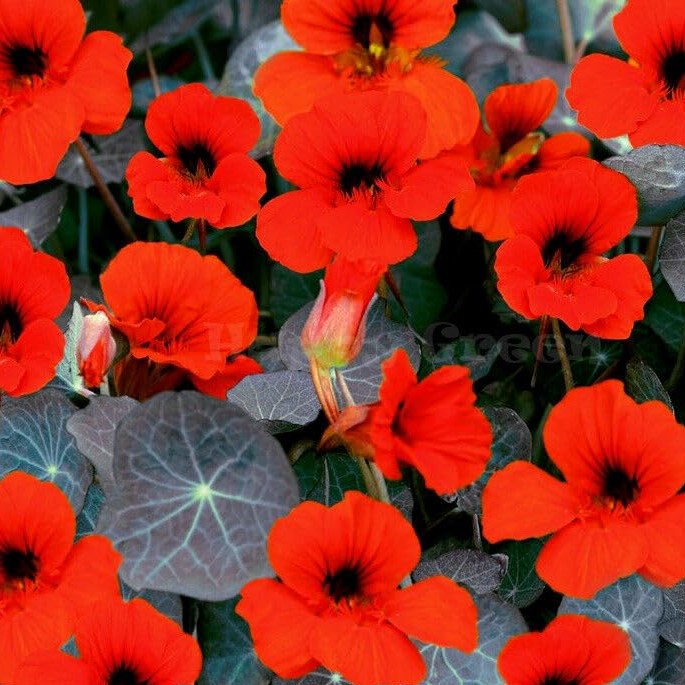
Nasturtium ‘Empress of India’ – Seeds (Tropaeolum nanum)
Nasturtium ‘Empress of India’ (Tropaeolum nanum) is a vibrant annual with striking deep red and dark foliage. Its trailing habit makes it perfect for containers, hanging baskets, and garden borders. Edible flowers and leaves add a peppery flavor to salads and garnishes, while the plant attracts pollinators, creating both beauty and utility in your garden.
Why Grow "Empress of India"
-
Deep red blooms with dark, attractive foliage
-
Trailing habit ideal for containers and hanging baskets
-
Edible flowers and leaves with a peppery taste
-
Attracts bees, butterflies, and other pollinators
Key Features
-
Type: Annual (Tropaeolum nanum)
-
Height: 20–30 cm
-
Flowering: June–September
-
Position: Full sun to partial shade
-
Uses: Containers, hanging baskets, borders, edible garden
Ideal For
-
Edible and ornamental garden planting
-
Hanging baskets and container displays
-
Pollinator-friendly gardens
-
Borders and small garden beds
Sowing & Growing
-
Sow indoors: March–April in trays or pots
-
Sow outdoors: After last frost in prepared soil
-
Germination: 7–14 days at 18–22°C
-
Thin seedlings to 20–25 cm apart
-
Prefers well-drained soil and sunny positions
-
Deadhead to encourage continuous flowering
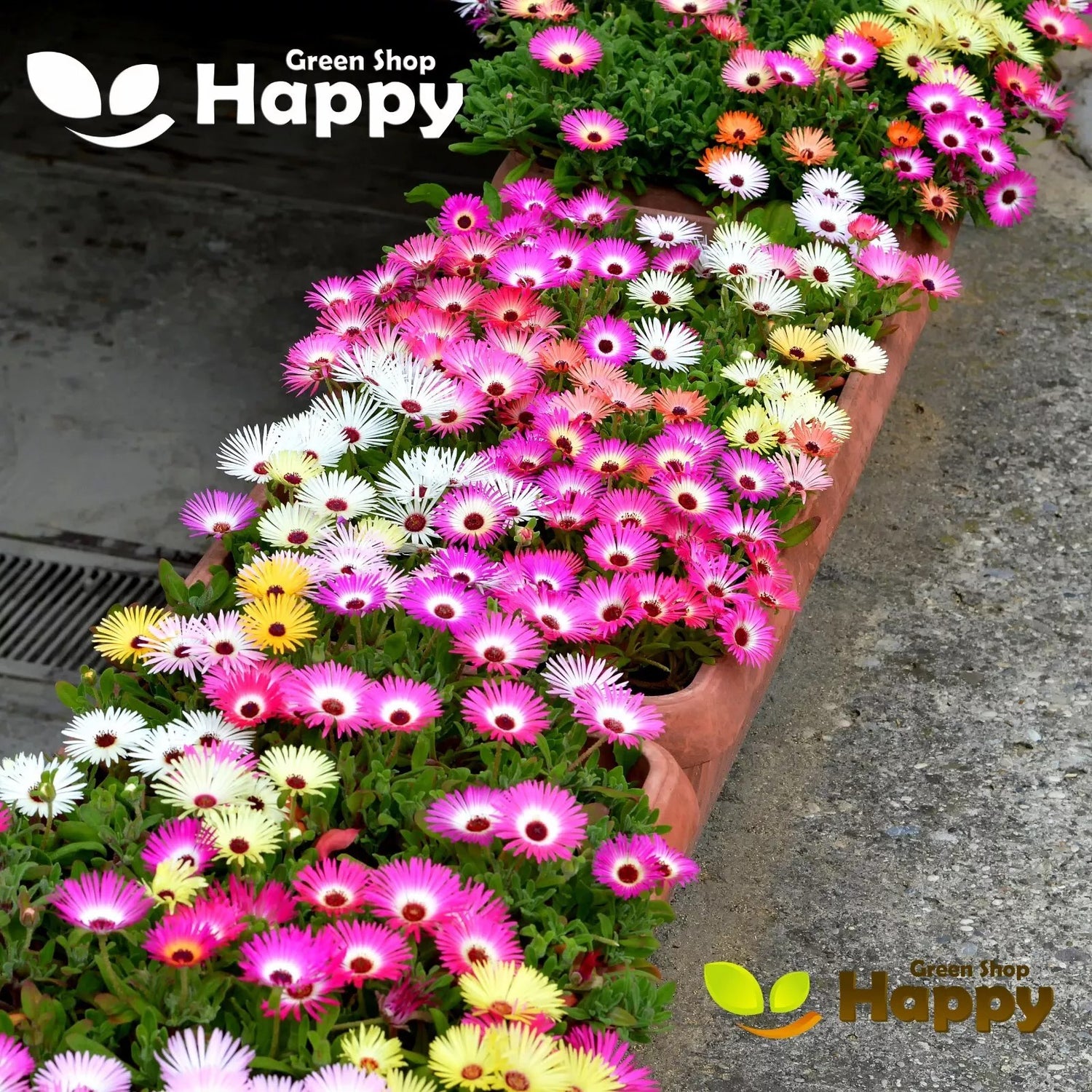
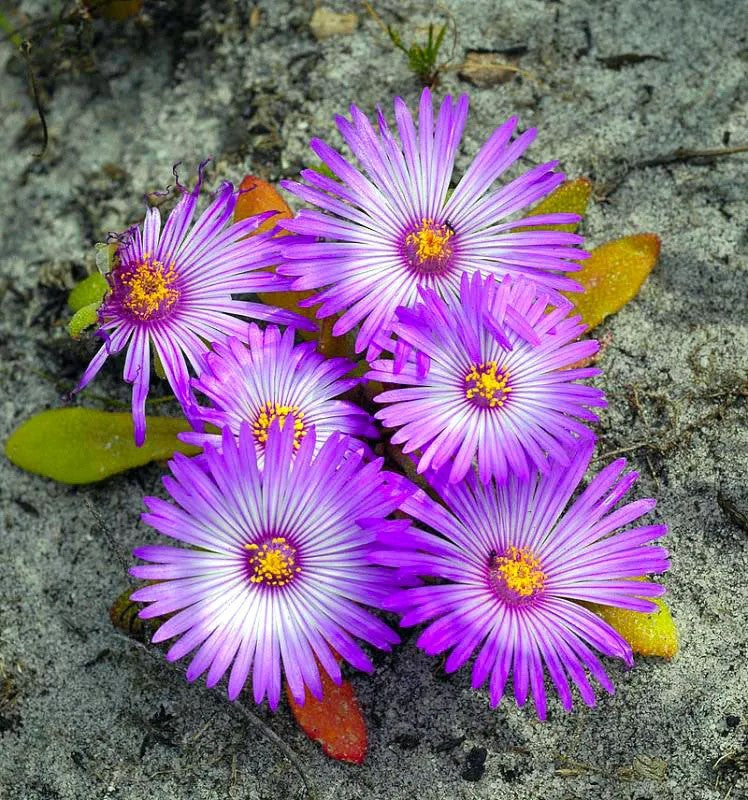
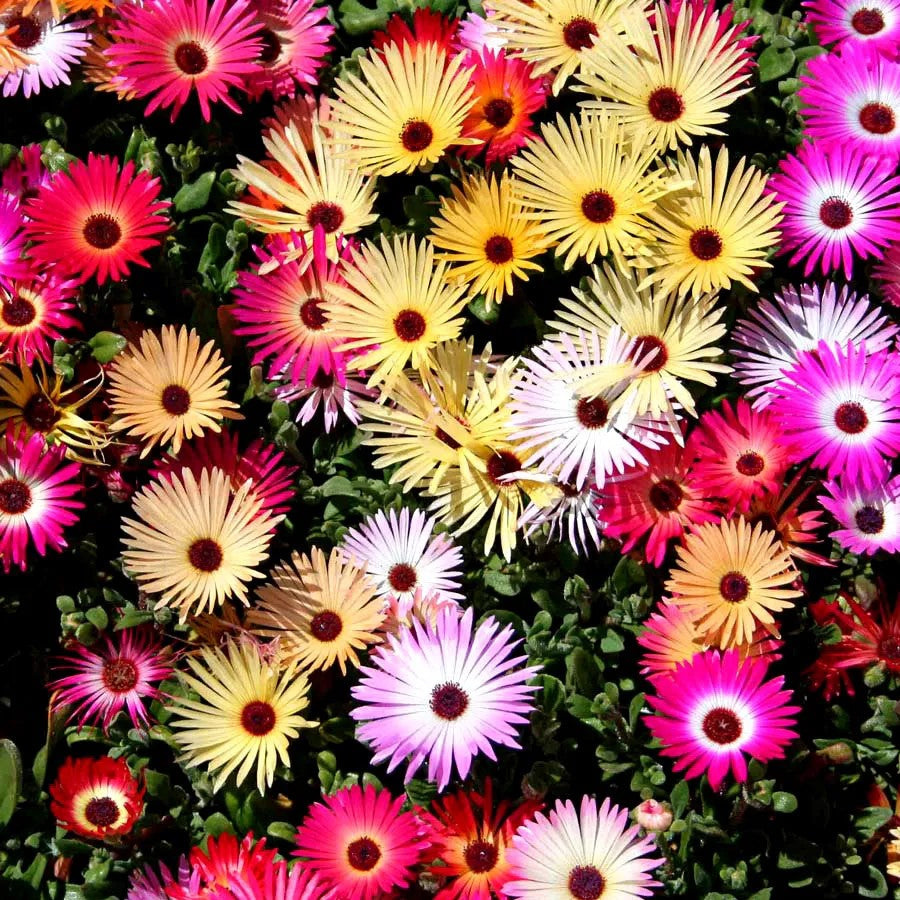
Livingstone Daisy Mixed – Seeds (Dorotheanthus bellidiformis)
The Livingstone Daisy Mixed is a dazzling carpet-forming annual that produces masses of daisy-like blooms in vibrant shades of pink, red, orange, yellow, and white. The flowers open wide in full sunlight, creating a striking display over their low-growing, succulent foliage. Perfect for hot, dry, sunny spots, this cheerful mix brightens up any summer garden with its jewel-like colors.
What Makes It Special
-
Brilliant mix of jewel-toned daisy flowers
-
Thrives in poor, dry soils and full sun
-
Excellent ground cover for summer displays
-
Compact, trailing habit ideal for edging and containers
Key Features
-
Botanical name: Dorotheanthus bellidiformis
-
Common name: Livingstone Daisy / Ice Plant
-
Variety: Mixed colors
-
Seed count: Approx. seeds per pack
-
Height/Spread: 10–15 cm tall, spreading up to 20 cm
-
Position: Full sun; well-drained soil
-
Flowering period: Summer (June–September)
Ideal For
-
Bedding and edging
-
Rockeries and gravel gardens
-
Containers and window boxes
-
Drought-tolerant displays in sunny spots
Sowing Instructions
-
When to sow: February–April indoors, or May outdoors after frost
-
How to sow:
-
Sow seeds on the surface of fine, moist compost; do not cover (light aids germination)
-
Keep at 18–20°C; germination in 10–21 days
-
-
After germination:
-
Transplant seedlings when large enough to handle
-
Harden off and plant outdoors 10–15 cm apart in sunny, free-draining soil
-

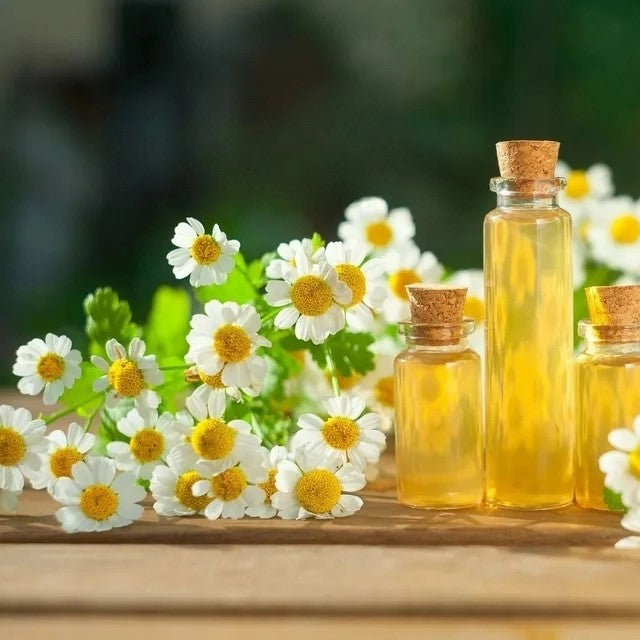

German Chamomile – Seeds (Matricaria recutita)
Bring calm and fragrance to your garden with German Chamomile, a charming annual herb prized for its daisy-like white flowers and soothing aroma. Traditionally used for herbal teas and natural remedies, this variety is easy to grow, highly productive, and also attracts pollinators to your garden. A perfect choice for herb beds, borders, and pots.
How to Grow
. Sow indoors from February to April, lightly pressing seeds onto the surface of moist compost – do not cover as they need light to germinate
. Transplant seedlings outdoors after the last frost, spacing 20–25 cm apart
. Alternatively, sow outdoors directly in April to May in well-drained soil
. Prefers a sunny position with average to light soil
. Water sparingly, as chamomile thrives in slightly dry conditions
Key Features
. Delicate white blooms with yellow centers
. Traditional herb for calming teas and remedies
. Attracts bees, butterflies, and beneficial insects
. Easy to grow, tolerant of poor soils
. Ideal for borders, herb gardens, and containers
Ideal For
. Herbal tea lovers and home remedies
. Pollinator-friendly gardens
. Cottage gardens and borders
. Container growing
Sowing & Harvest
. Sow: February – May
. Harvest: June – September
Quick Tip
Harvest flowers on warm, dry days and dry them for homemade chamomile tea with the best flavor and aroma.

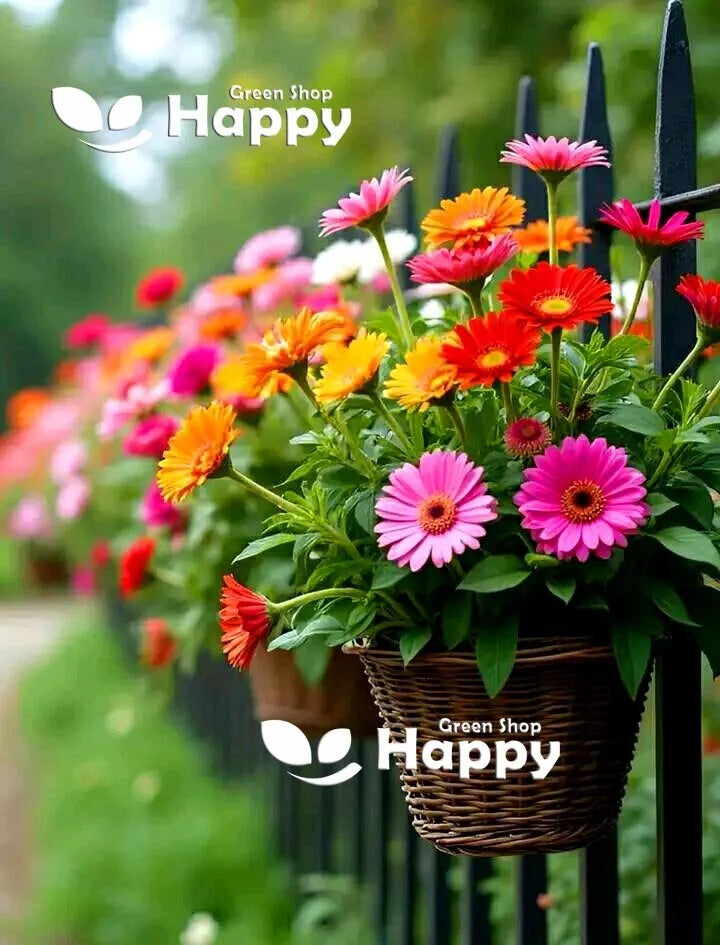
Gerbera Hybrids Mix – Seeds (Gerbera jamesonii)
Gerbera Hybrids Mix produces large, daisy-like flowers in a brilliant range of colors, from rich reds and oranges to soft pinks, yellows, and whites. A florist favorite, these blooms are long-lasting both in the garden and as cut flowers. With their bold, cheerful faces, Gerberas bring vibrant color to borders, beds, containers, and bouquets.
Why Grow "Gerbera Hybrids Mix"
-
Large, showy flowers in a wide range of colors
-
Long-lasting blooms, perfect for cutting
-
Compact plants ideal for pots and borders
-
Adds bold color to any garden setting
Key Features
-
Type: Tender perennial (Gerbera jamesonii, often grown as annual)
-
Height: 25–40 cm
-
Flowering: Summer to early autumn
-
Position: Full sun to partial shade
-
Uses: Borders, beds, patio containers, cut flowers
Ideal For
-
Adding brilliant color to borders and beds
-
Patio and balcony pots
-
Cutting for vibrant floral arrangements
-
Gardeners seeking bright, easy-to-grow flowers
Sowing & Growing
-
Sow indoors: Early spring at 20–25°C
-
Germination: 14–30 days
-
Transplant outdoors after last frost, spacing 25–30 cm apart
-
Prefers well-drained soil and regular feeding for best blooms
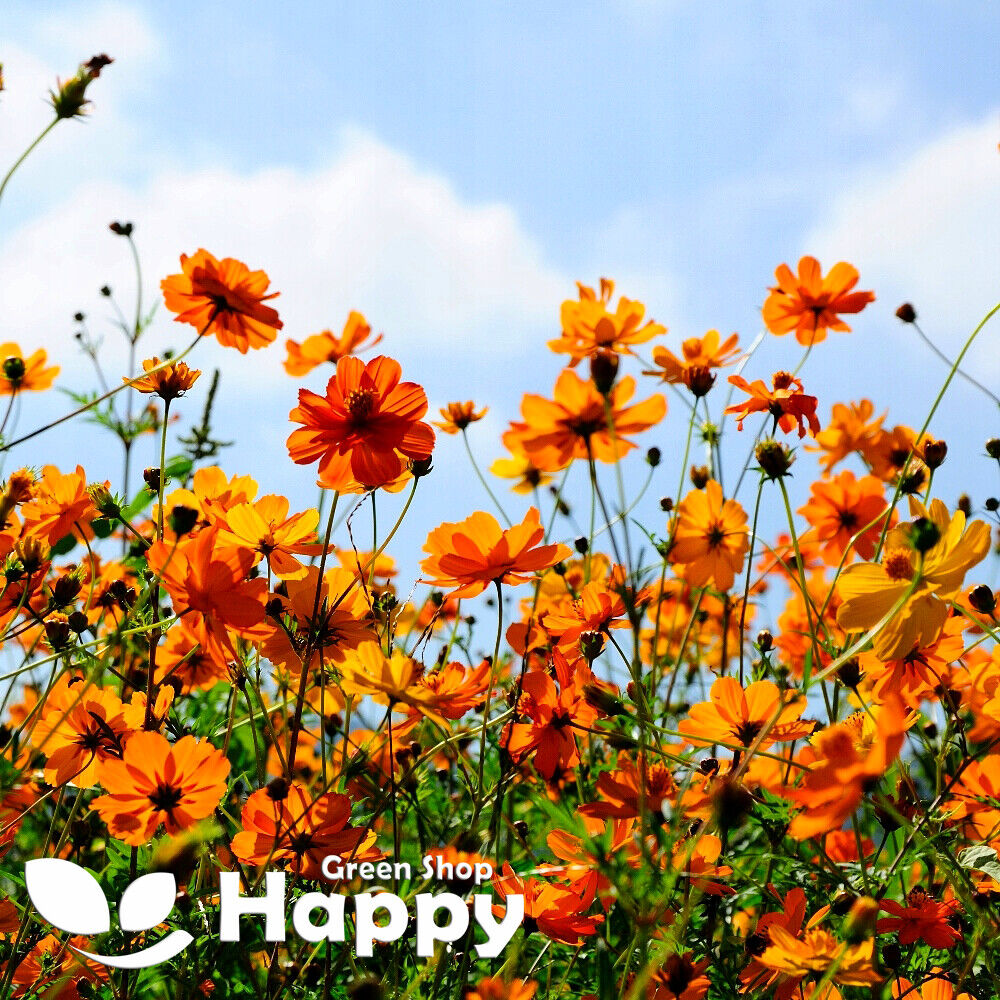
Cosmos ‘Polidor’ Mix – Seeds (Cosmos sulphureus)
The Cosmos ‘Polidor’ Mix is a dazzling, warm-toned variety producing masses of semi-double blooms in shades of gold, orange, and scarlet-red. Unlike the softer pastel cosmos, this species (Cosmos sulphureus) is more compact, with bushy growth and excellent heat tolerance. Perfect for bright summer borders and butterfly gardens.
Highlights
-
Vivid warm shades: yellow, orange, and red
-
Semi-double flowers with a cheerful, fiery look
-
Excellent for hot, sunny, dry spots
-
Attracts bees, butterflies, and pollinators
Key Features
-
Botanical Name: Cosmos sulphureus
-
Variety: ‘Polidor’ Mix
-
Seed Count: Approx. seeds per pack
-
Height/Spread: 60–90 cm tall, 30–45 cm spread
-
Position: Full sun, well-drained soil
-
Flowering Period: July–October
Perfect For
-
Adding vibrant warm tones to garden beds
-
Containers, borders, and cutting gardens
-
Low-maintenance summer displays
-
Pollinator-friendly plantings
Sowing Instructions
-
Sow indoors March–April at 18–21°C
-
Cover seeds lightly with compost
-
Germination: 7–14 days
-
Harden off and transplant outdoors after frost, spacing 25–30 cm apart
-
Can also be direct sown outdoors May–June

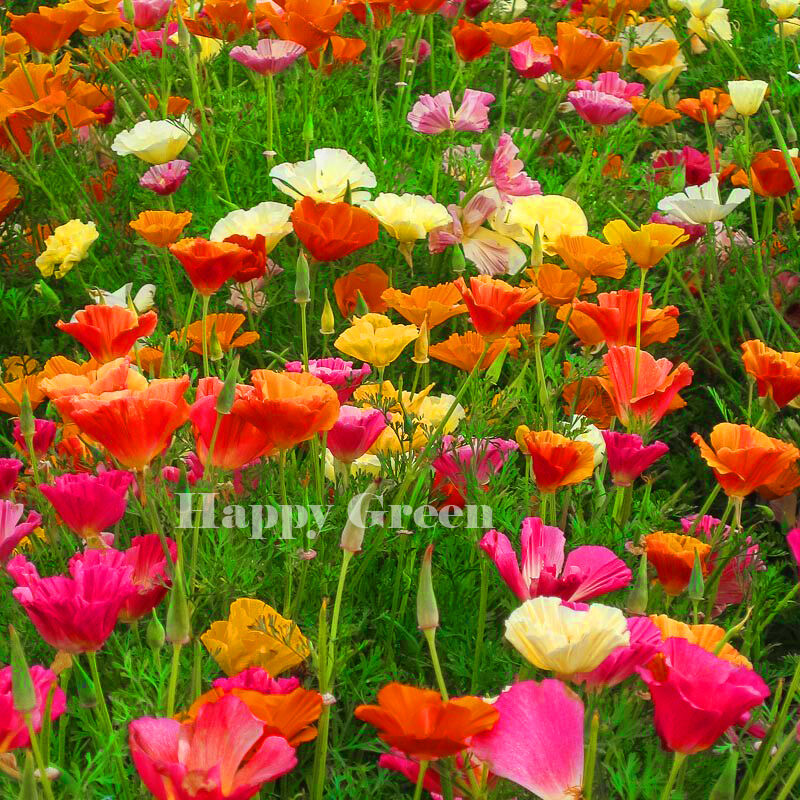
California Poppy Mix – Bright, Cheerful Blooms
California Poppies (Eschscholzia californica) offer vibrant, cup-shaped flowers in a mix of stunning colors that brighten any garden. Hardy and low-maintenance, these annuals thrive in sunny spots and well-drained soil, creating a natural, carefree meadow effect.
What Makes It Special
-
Vibrant, colorful blooms
-
Hardy and drought-tolerant
-
Easy to grow and maintain
-
Creates a natural, meadow-like effect
Key Features
-
Annual plant
-
Grows 30–45 cm tall
-
Blooms from late spring to autumn
-
Thrives in full sun with well-drained soil
-
Attracts bees and pollinators
Ideal For
-
Garden borders and beds
-
Wildflower meadows
-
Container planting
-
Pollinator-friendly gardens
Sowing
-
Sow directly outdoors after last frost
-
Plant seeds 0.5 cm deep
-
Germination: 7–14 days at 15–20°C
-
Space 15–20 cm apart
-
Minimal watering once established

Pot Marigold Dwarf ‘Sunset Buff’ – Apricot – 1,000 Seeds (Calendula officinalis)
The Dwarf Pot Marigold ‘Sunset Buff’ is a charming, compact variety producing apricot-peach blooms with soft golden undertones. Its warm pastel shades bring a unique elegance to beds, borders, and cottage gardens. Easy to grow and long-flowering, this hardy annual is also edible, with petals traditionally used to decorate salads or for natural dye.
Highlights
-
Distinctive apricot–buff blooms with golden tones
-
Compact, dwarf habit – perfect for pots and borders
-
Long flowering season from early summer to autumn
-
Attracts pollinators and beneficial insects
-
Edible petals for salads and herbal uses
Key Features
-
Botanical Name: Calendula officinalis
-
Variety: Dwarf ‘Sunset Buff’ (Apricot)
-
Seed Count: 1,000 seeds per pack
-
Height/Spread: 25–30 cm tall, compact growth
-
Position: Full sun, well-drained soil
-
Flowering Period: June – October
Perfect For
-
Bedding, borders, and cottage gardens
-
Patio pots and containers
-
Pollinator-friendly gardens
-
Edible flower displays and herbal uses
Sowing Instructions
-
Sow outdoors March–May or August–September for overwintering
-
Sow directly into soil, lightly cover seeds
-
Germination: 7–14 days
-
Thin seedlings to 20–25 cm apart
-
Deadhead regularly for prolonged flowering

California Poppy ‘Purple Gleam’ – Seeds (Eschscholzia californica)
California Poppy ‘Purple Gleam’ (Eschscholzia californica) is a striking variety with silky lilac-pink flowers that glow in the sun. This hardy, drought-tolerant annual thrives in poor soils and is perfect for borders, rockeries, and wildflower meadows. Flowering from summer into autumn, it brings long-lasting color while attracting bees and butterflies. Easy to grow and self-seeding, it will return year after year with minimal effort.
Why Grow "Purple Gleam"
-
Unique lilac-pink flowers with a shimmering finish
-
Long flowering season from summer to autumn
-
Hardy, drought-tolerant, and low-maintenance
-
Attracts bees, butterflies, and pollinators
Key Features
-
Type: Hardy annual (Eschscholzia californica)
-
Height: 20–30 cm
-
Flowering: Summer to autumn
-
Position: Full sun
-
Uses: Borders, rockeries, meadows, containers, pollinator gardens
Ideal For
-
Naturalistic and wildflower-style gardens
-
Adding soft, unusual color to borders and beds
-
Rockeries and container planting
-
Easy, low-maintenance seasonal color
Sowing & Growing
-
Sow outdoors: March–May or September for earlier blooms
-
Germination: 14–21 days
-
Thin seedlings: 15–20 cm apart
-
Prefers poor to moderately fertile, well-drained soil
-
Self-seeds freely for natural displays
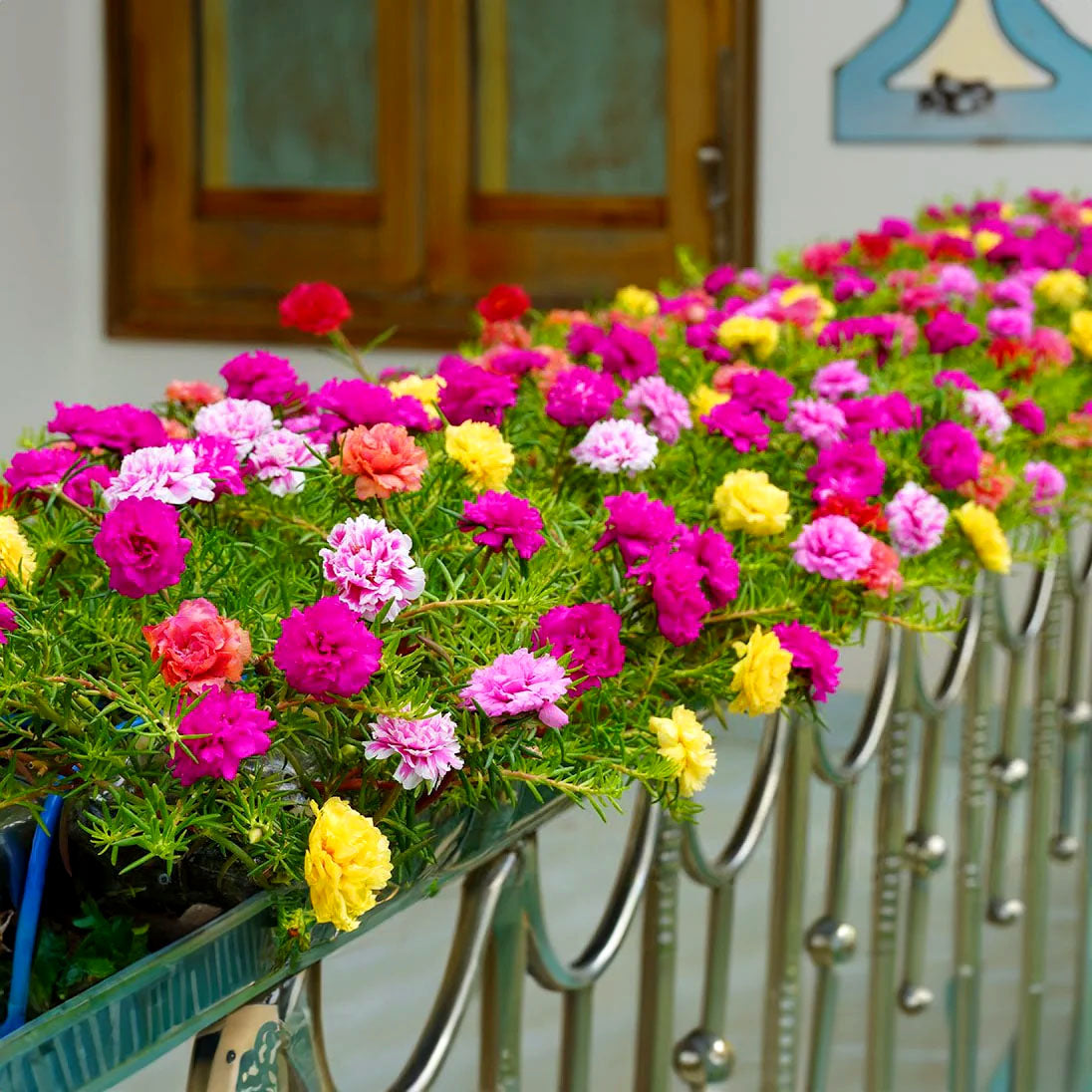
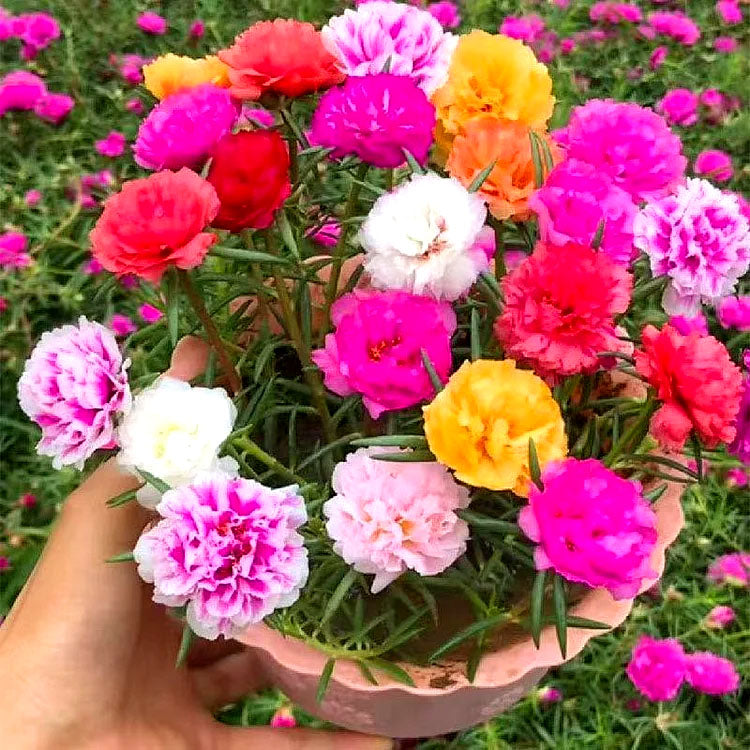
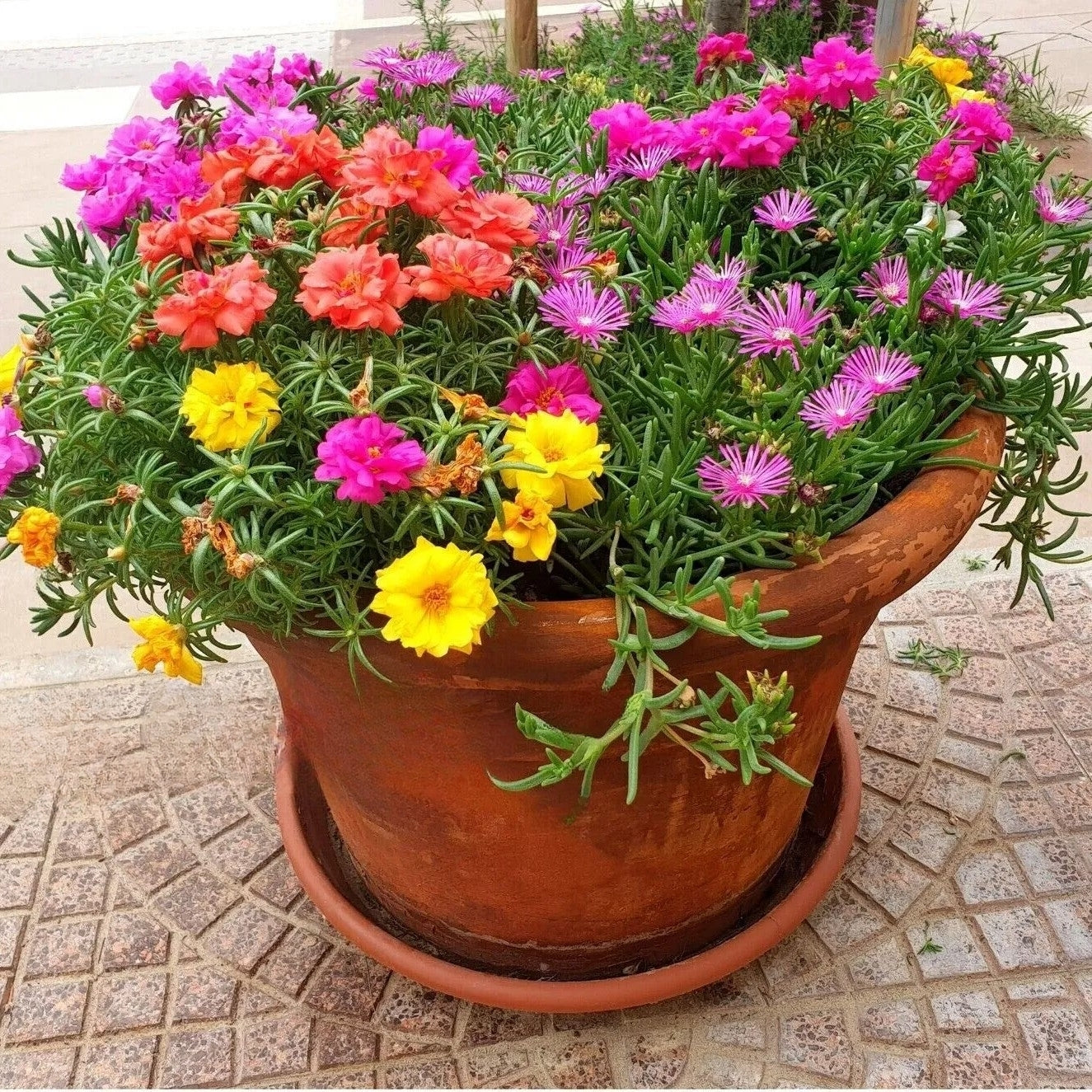
Moss Rose Longbloom Double Mix – 2,000 Seeds (Portulaca grandiflora)
Moss Rose Longbloom Double Mix (Portulaca grandiflora) is a vibrant annual producing abundant double blooms in a rainbow of colors, including pink, red, yellow, orange, and white. Its low-growing, spreading habit makes it ideal for rockeries, borders, containers, and sunny garden beds. Fast-growing, drought-tolerant, and long-flowering, it attracts pollinators while adding continuous summer color.
Why Grow "Longbloom Double Mix"
-
Profusion of double blooms in bright mixed colors
-
Low-growing, spreading habit ideal for ground cover
-
Long flowering period from summer to autumn
-
Drought-tolerant and easy to maintain
-
Attracts bees, butterflies, and other pollinators
Key Features
-
Type: Annual (Portulaca grandiflora)
-
Height: 10–20 cm
-
Flowering: June–September
-
Position: Full sun
-
Uses: Rockeries, borders, containers, ground cover, pollinator-friendly gardens
Ideal For
-
Sunny borders and garden beds
-
Rockeries and container planting
-
Pollinator-friendly gardens
-
Low-maintenance, drought-tolerant planting
Sowing & Growing
-
Sow indoors: March–April in seed trays or pots
-
Sow outdoors: After last frost in prepared soil
-
Germination: 7–14 days at 18–22°C
-
Thin seedlings to 15–20 cm apart
-
Prefers full sun and well-drained soil
-
Deadhead occasionally to prolong flowering
Showing 18/299

