
Sort by:
290 products
290 products


POT MARIGOLD NEON - 150 SEEDS - Calendula officinalis double BURGUNDY EDGE
Calendula Neon is one of the most eye-catching varieties, with glowing orange, double flowers edged in burgundy. Calendula is so versatile and so easy to grow from flower seeds! These flowers are cheerful and bright, and they are very attractive to beneficial insects as well. Start seeds alone, in combination with other flowers or in the vegetable garden to repel unwanted insects. It's edible and also a perfect candidate for cutting and flower arrangements. Calendula are drought tolerant plants are a fun and fast-growing annual that are easy to grow from flower seed and simple to care for. It is a great choice for kids and beginning gardeners.
Calendula Officinalis, also known as Pot Marigold, got the name because the dried flowers of the plant were traditionally used in soups and stews to fight off illness. Calendulas are known for many health benefits, but they are most recognized for effectiveness in healing skin problems, such as wounds, burns, insect bites, eczema, shingles and skin ulcers, to name a few. Sow Pot Marigold Seeds directly outdoors after last frost, and cover the flower seeds lightly with peat moss. The plants prefer sunny locations and well-drained soil
Sowing
Season: Annual
Height: 60 cm (24 inches)
Bloom Season: Spring through autumn
Bloom Colour: Orange with a burgundy edge.
Environment: Full sun to partial shade
Soil Type: Moist, well-drained, pH 5.8–6.5
Deer Resistant: Yes
House Plant: No
Latin Name: Calendula Officinalis
Temperature: 21C (70F)
Average Germ Time: 7–14 days
Light Required: No
Depth: Lightly cover with peat moss
Moisture: Keep moist until germination
Plant Spacing: 30 cm (12 inches)
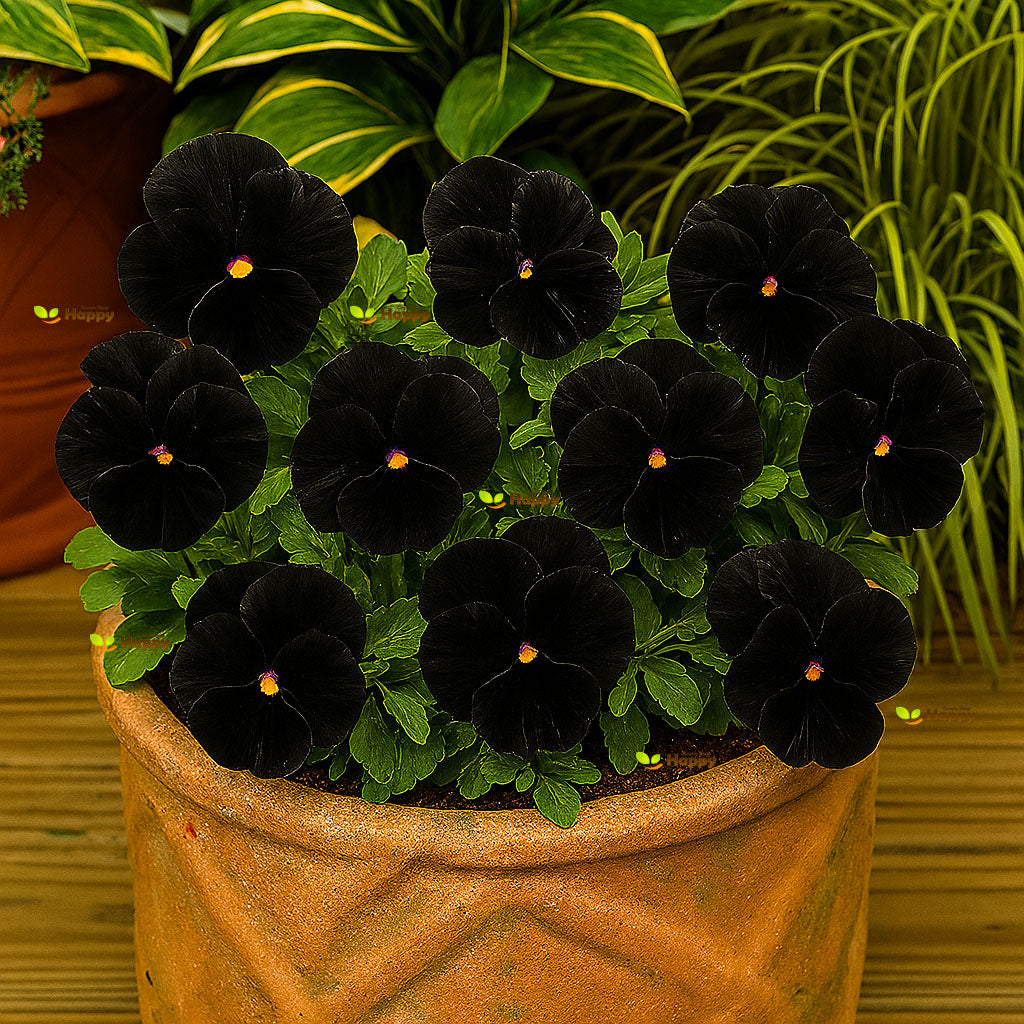
Pansy ‘Clear Crystals Black’ – Seeds (Viola wittrockiana)
Pansy ‘Clear Crystals Black’ (Viola wittrockiana) is a dramatic and elegant variety with large, velvety, jet-black blooms. Compact and easy to grow, it flowers from early spring through summer, and again in autumn with lasting displays. Perfect for borders, bedding, window boxes, and containers, these striking flowers also make excellent companions in mixed plantings. Hardy and reliable, pansies add bold contrast to the garden while attracting pollinators.
Why Grow "Clear Crystals Black"
-
Striking velvety black blooms for dramatic displays
-
Long flowering season from spring to autumn
-
Compact, hardy, and easy to grow
-
Great for borders, containers, and window boxes
Key Features
-
Type: Hardy annual/biennial (Viola wittrockiana)
-
Height: 15–20 cm
-
Flowering: Spring to autumn
-
Position: Full sun or partial shade
-
Uses: Bedding, borders, containers, window boxes, pollinator gardens
Ideal For
-
Adding dramatic color contrast to displays
-
Early spring and autumn garden interest
-
Compact planting in pots and containers
-
Pollinator-friendly planting schemes
Sowing & Growing
-
Sow indoors: February–April or July–September
-
Germination: 10–20 days at 15–20°C
-
Transplant seedlings 15–20 cm apart
-
Prefers rich, moist but well-drained soil
-
Deadhead regularly to prolong blooming
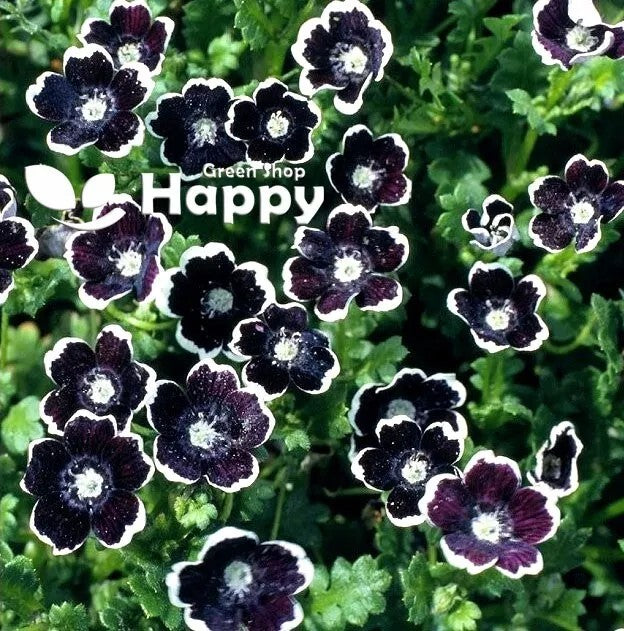
Nemophila ‘Penny Black’ – Seeds (Nemophila menziesii)
The Nemophila ‘Penny Black’ is an annual with striking deep purple to almost black flowers featuring subtle white centers. Its compact, spreading habit makes it ideal for borders, rock gardens, and containers, providing a dramatic and elegant display in spring and early summer.
What Makes It Special
-
Unique deep purple, almost black blooms with white centers
-
Compact, spreading growth habit for mass planting
-
Long-lasting spring display with continuous flowering
-
Adds contrast and drama to mixed flower beds and gardens
Key Features
-
Botanical name: Nemophila menziesii
-
Variety: ‘Penny Black’
-
Seed count: Approx. seeds per pack
-
Height/Spread: 15–25 cm tall, spreading 20–30 cm
-
Position: Full sun to partial shade; well-drained soil
-
Flowering period: Spring to early summer
Ideal For
-
Borders and edging
-
Rock and cottage gardens
-
Containers and patio pots
-
Creating striking color contrast in mixed plantings
Sowing Instructions
-
When to sow: February–May outdoors or March–April indoors
-
How to sow:
-
Sow seeds thinly on prepared soil
-
Cover lightly with soil
-
Germination: 10–14 days
-
-
After germination:
-
Thin seedlings to 15–20 cm apart
-
Keep soil moist but avoid waterlogging
-
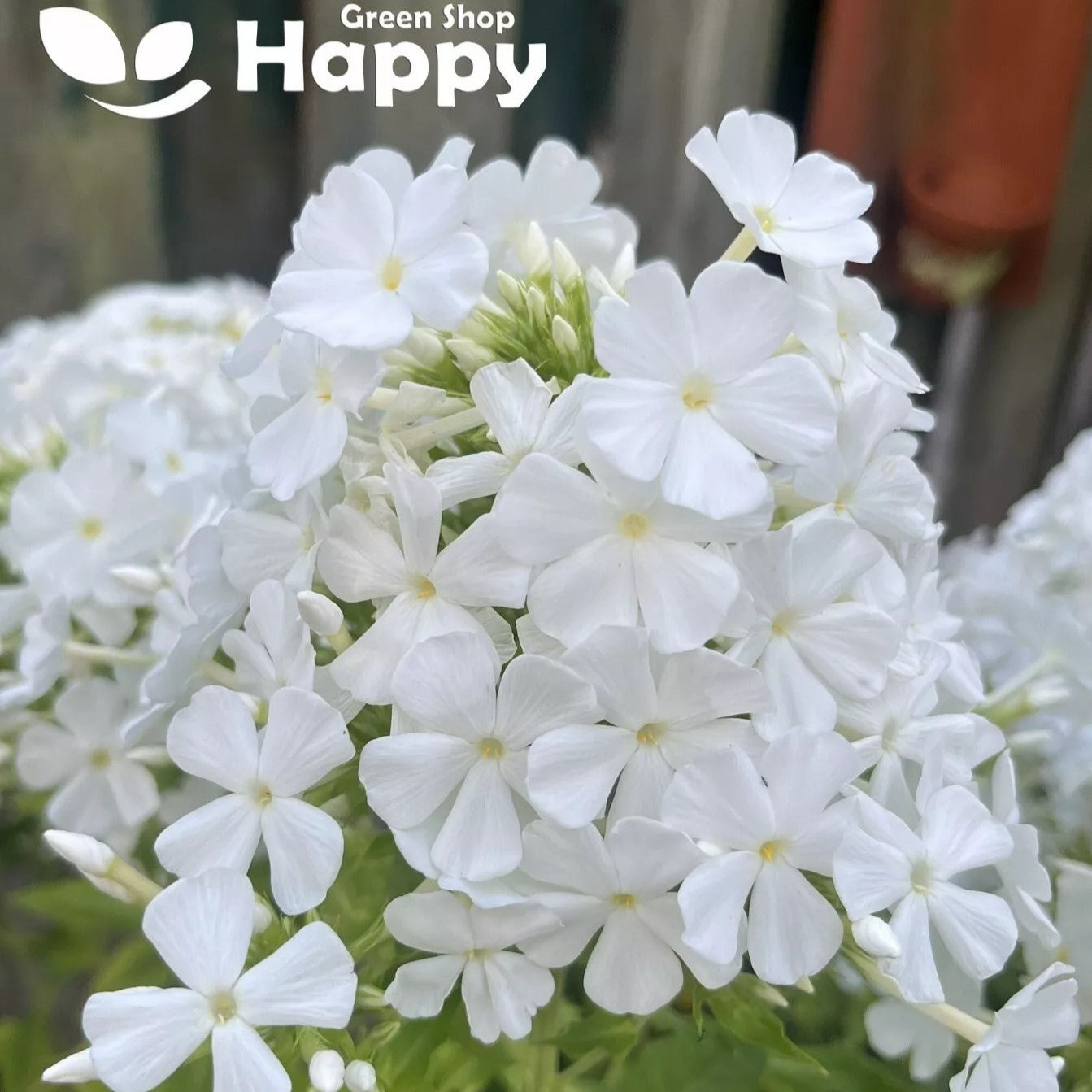
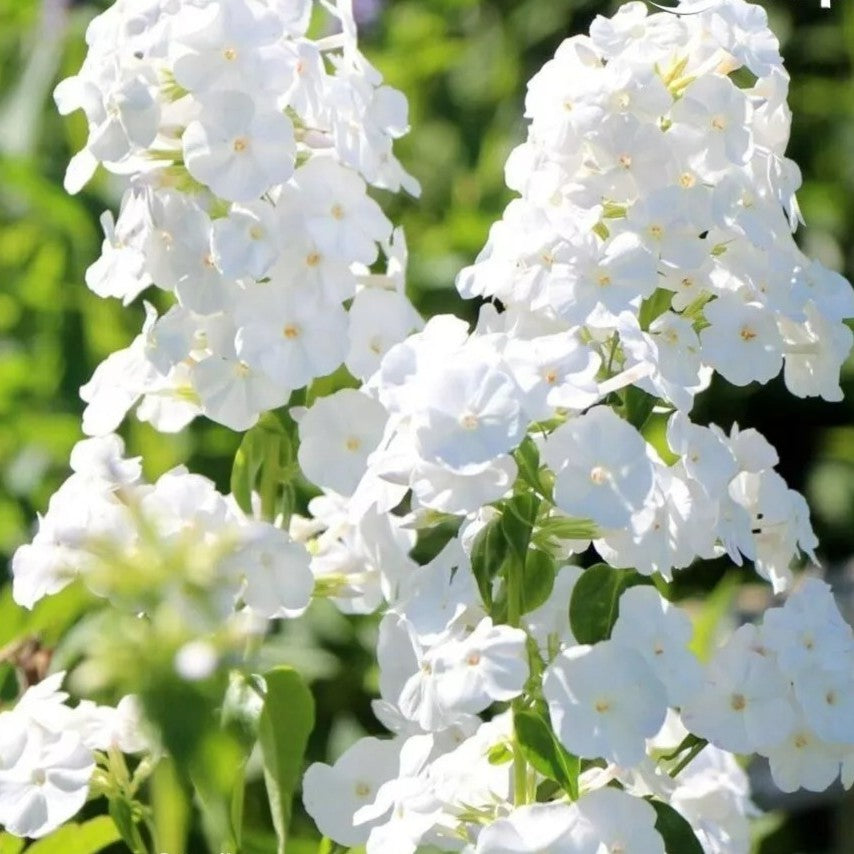
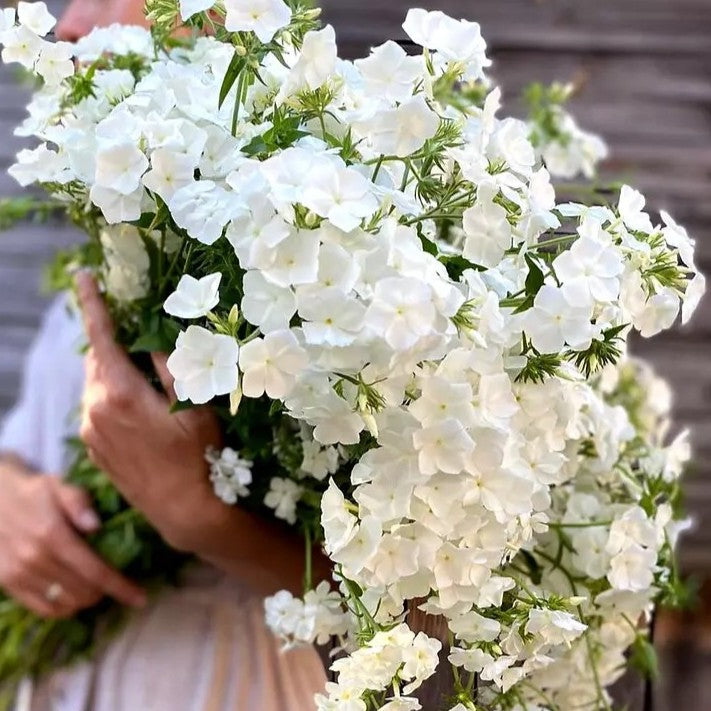
Drummond’s Phlox Alba Seeds (Phlox drummondii grandiflora)
Bring timeless elegance to your garden with Drummond’s Phlox Alba (Phlox drummondii grandiflora). This annual variety is prized for its large, pure white blooms that create a striking display in beds, borders, or containers. Flowering over a long season, Phlox Alba is easy to grow and makes an excellent choice for both beginner and experienced gardeners.
How to Grow
-
Sow indoors in early spring or outdoors after the last frost.
-
Use well-drained soil in a sunny location.
-
Lightly cover seeds with fine soil and keep moist until germination (10–20 days).
-
Thin seedlings to 15–20 cm apart to allow for healthy growth.
-
Water regularly, especially during dry periods, but avoid waterlogging.
-
Pinch back young plants to encourage bushier growth.
Key Features
-
Produces masses of large, pure white flowers
-
Compact and bushy habit, ideal for borders and beds
-
Long flowering season from summer into autumn
-
Great for cutting, bouquets, and floral arrangements
-
Attracts bees, butterflies, and other pollinators
Ideal For
-
Cottage gardens and mixed flower borders
-
Containers, window boxes, and patio pots
-
Cutting gardens for fresh bouquets
-
Pollinator-friendly plantings
Sowing
-
Best time: Early spring indoors or after frost outdoors
-
Germination: 10–20 days
-
Sow thinly, cover lightly, and keep soil moist
-
Prefers full sun and well-drained soil
Quick Tip
-
For continuous blooms, deadhead spent flowers regularly to prolong flowering throughout the season.

Sweet Alyssum White ‘Snowcloth’ – Seeds (Lobularia maritima)
Sweet Alyssum White ‘Snowcloth’ (Lobularia maritima) is a low-growing, fragrant annual with dense clusters of pure white flowers. Its delicate blooms form a carpet of color, ideal for borders, rockeries, hanging baskets, and containers. Hardy and fast-growing, it attracts pollinators and provides a long-lasting display throughout spring and summer.
Why Grow "Snowcloth"
-
Dense clusters of fragrant, pure white flowers
-
Low-growing and spreading habit
-
Long-lasting blooms from spring to summer
-
Attracts bees and butterflies
Key Features
-
Type: Annual (Lobularia maritima)
-
Height: 10–15 cm
-
Flowering: April–September
-
Position: Full sun to partial shade
-
Uses: Borders, rockeries, containers, hanging baskets, ground cover
Ideal For
-
Pollinator-friendly gardens
-
Borders and edging
-
Container and hanging basket displays
-
Rockeries and low-maintenance flower beds
Sowing & Growing
-
Sow outdoors: March–May in prepared soil
-
Germination: 7–14 days at 15–20°C
-
Thin seedlings to 15 cm apart
-
Prefers full sun and well-drained soil
-
Deadhead to encourage prolonged flowering
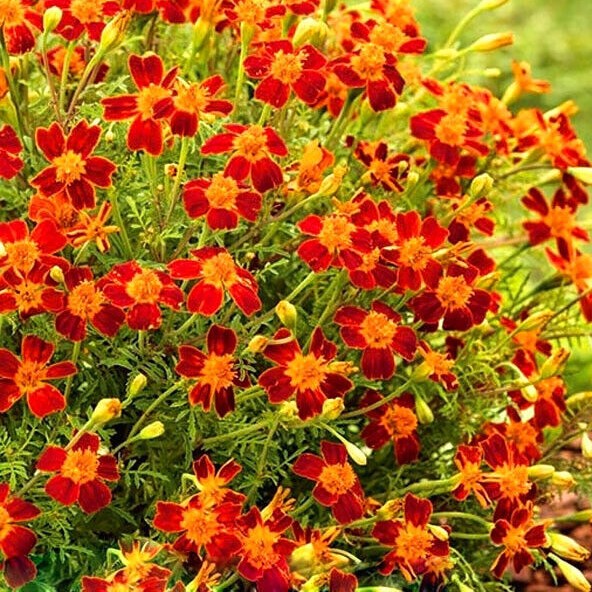
Signet Marigold ‘Red Gem’ – Striking Color, Edible, and Long-Blooming
Signet Marigold ‘Red Gem’ produces a profusion of small, single, deep red blooms with a golden center, set against fine, lacy foliage. With a citrusy fragrance and edible petals, it brings ornamental beauty and culinary value to the garden. Perfect for edging, pots, and companion planting, flowering from summer to frost.
What Makes It Special
-
Rich red blooms with golden centers for vibrant contrast
-
Delicate, aromatic foliage with a citrus scent
-
Edible petals for salads, garnishes, and decoration
-
Long flowering season and easy to maintain
-
Attracts bees, butterflies, and other pollinators
Key Features
-
Height: 20–25 cm – ideal for edging and containers
-
Heat- and drought-tolerant once established
-
Aromatic foliage deters some common pests
-
Great for edible and ornamental planting
-
Beginner-friendly and low-maintenance
Ideal For
-
Edging borders, pathways, and vegetable beds
-
Patio pots, containers, and window boxes
-
Edible gardens for colorful garnishes
-
Companion planting in vegetable plots
Sowing
-
Sow indoors 4–6 weeks before last frost or direct sow after frost danger has passed
-
Plant seeds 0.5 cm deep in well-drained soil at 18–22°C
-
Germination: 7–14 days
-
Space plants 20–25 cm apart
-
Requires full sun for best blooms
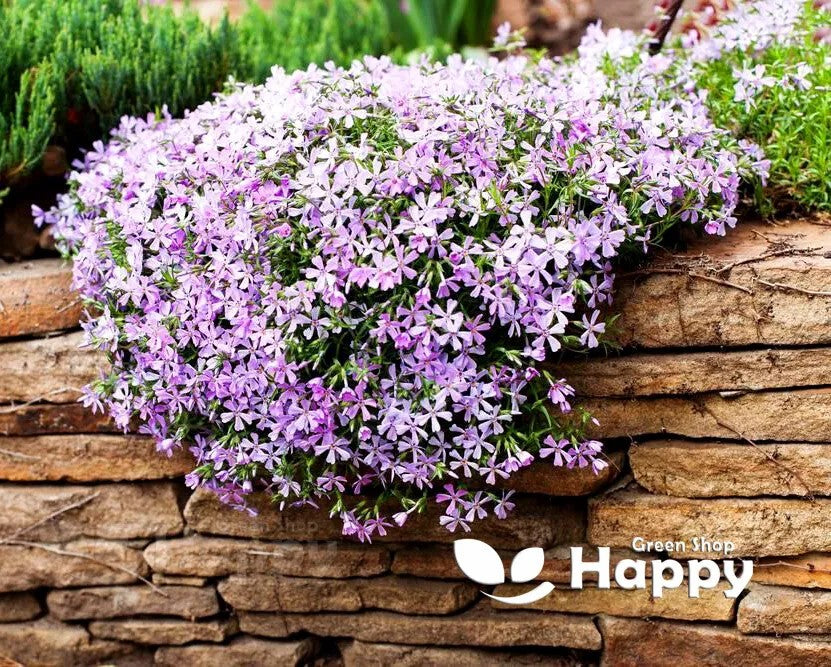
Mountain Phlox – Seeds (Linanthus grandiflorus)
Bring a splash of wildflower beauty to your garden with Mountain Phlox (Linanthus grandiflorus). This charming annual produces clusters of dainty, star-shaped flowers in shades of lavender, pink, and white, creating a soft carpet of color. Native to western North America, Mountain Phlox is well-suited to rock gardens, borders, and wildflower meadows, thriving in sunny, well-drained spots.
Why Grow Mountain Phlox?
-
Dainty star-shaped blooms in pastel shades
-
Long-lasting summer color
-
Attracts bees, butterflies, and pollinators
-
Excellent for rock gardens and naturalized plantings
-
Easy to grow and low maintenance
Key Features
-
Type: Hardy annual
-
Height: 20–40 cm
-
Flowering: June–August
-
Position: Full sun; light, well-drained soil
-
Uses: Rock gardens, borders, wildflower mixes, containers
Ideal For
-
Adding soft pastel tones to summer displays
-
Pollinator-friendly gardens
-
Drought-tolerant, low-maintenance areas
-
Naturalistic or meadow-style planting
Sowing & Growing
-
Sow outdoors: March–May directly where they are to flower
-
Cover seeds lightly with soil, keep moist until germination
-
Germination: 14–21 days at 15–20°C
-
Thin seedlings to 15–20 cm apart
-
Flowers in summer the same year

Dahlia dwarf ‘Starlight’ – Seeds
(Dahlia variabilis)
The Dahlia dwarf ‘Starlight’ is a charming compact variety producing an abundance of single, star-shaped blooms in shades of red, pink, and white, often with contrasting centers. With its bushy, dwarf growth habit, this dahlia is ideal for containers, borders, bedding schemes, and patio displays. A long-flowering annual, it brings a burst of color from mid-summer until the first frost.
Key Features
-
Type: Half-hardy annual
-
Height: 25–35 cm
-
Spread: 25–30 cm
-
Flowering: July–October
-
Position: Full sun
-
Soil: Moist, fertile, well-drained
Ideal For
-
Containers, pots, and patio displays
-
Bedding and border plantings
-
Pollinator-friendly gardens
-
Compact summer color displays
Sowing & Growing
-
Sow indoors: February–April, in trays at 18–22°C
-
Sow depth: 0.5 cm, cover lightly with soil
-
Transplant: Harden off and plant outdoors after last frost, spacing 25–30 cm apart
-
Care: Water regularly, deadhead faded blooms to prolong flowering
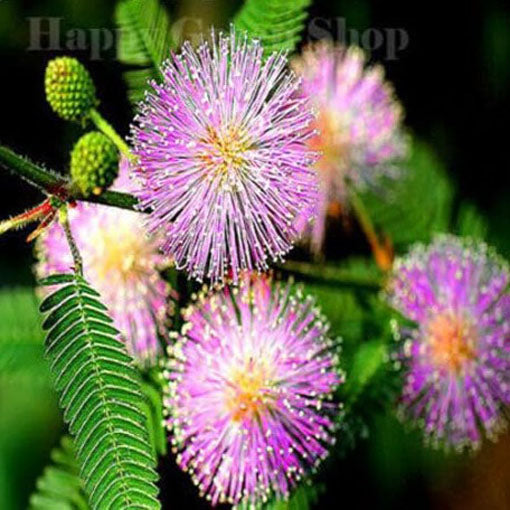
Sensitive Plant – Seeds (Mimosa pudica)
The Sensitive Plant (Mimosa pudica) is a fascinating tropical species known for its unique response to touch—its fern-like leaves fold instantly when disturbed. A fast-growing annual houseplant, it also produces delicate pink, fluffy, ball-shaped flowers. Perfect as a curiosity plant for children and adults alike, it thrives in pots indoors or on sunny patios in summer.
Why Grow "Sensitive Plant"
-
Leaves fold instantly when touched
-
Produces charming pink puffball flowers
-
Fun and educational for children
-
Easy to grow indoors or outdoors in summer
Key Features
-
Type: Tender annual (Mimosa pudica)
-
Height: 30–45 cm
-
Flowering: Summer (pink spherical blooms)
-
Position: Full sun to partial shade
-
Uses: Indoor pots, patios, novelty plant
Ideal For
-
Houseplant collections
-
Kids’ educational gardening
-
Patios and summer containers
-
Novelty and conversation piece
Sowing & Growing
-
Sow indoors: February–April, surface sow and cover lightly
-
Germination: 14–21 days at 20–25°C
-
Transplant seedlings into pots when large enough
-
Water regularly, avoid waterlogging
-
Grow as an annual or overwinter in warm conditions
Showing 81/290


